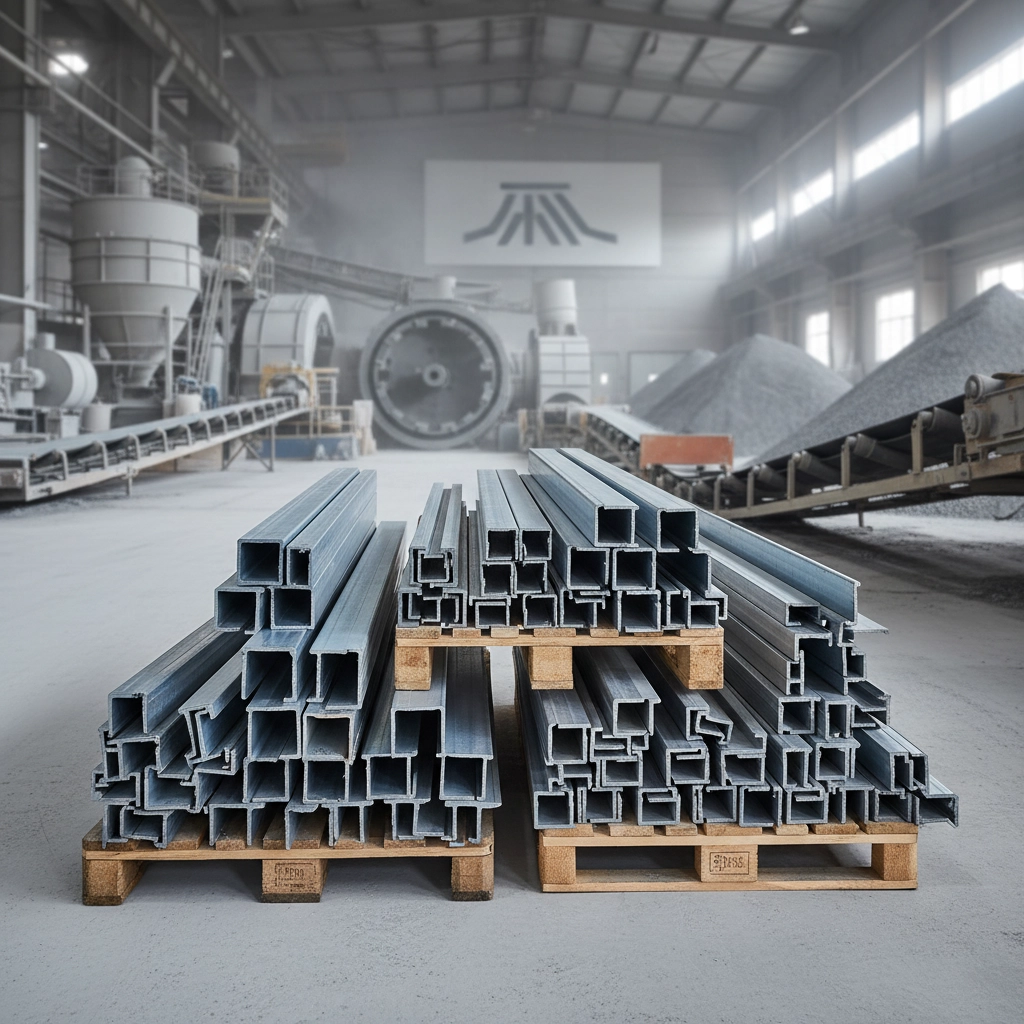
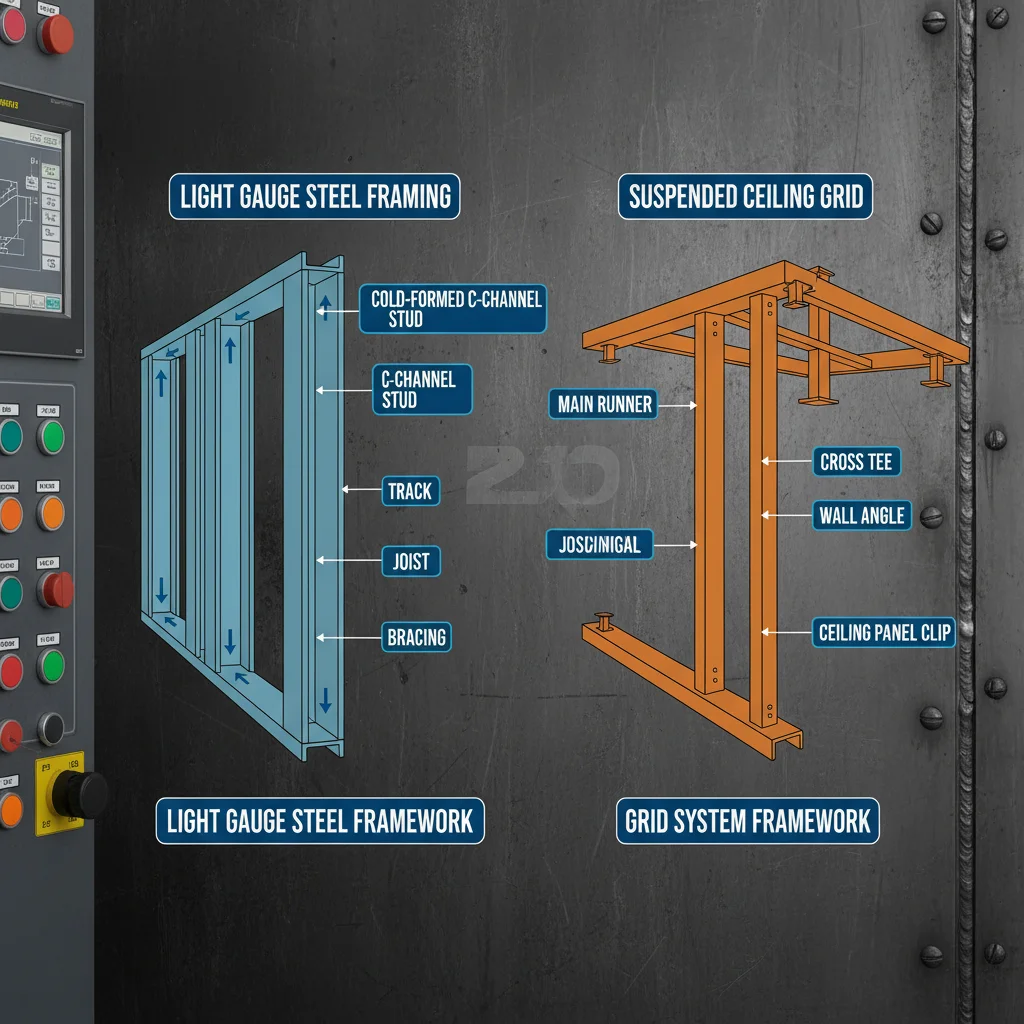
In the modern construction landscape, the demand for efficiency and structural integrity has led to the widespread adoption of high-quality framing solutions. When sourcing bulk metal studs, developers and contractors are not just buying raw materials, but are investing in the skeletal strength of their buildings. These galvanized steel components have revolutionized the way interior walls and ceilings are constructed, offering a level of precision that traditional timber simply cannot match.
Across the globe, the shift toward industrialization in building materials is driven by the need for speed and scalability. Procuring bulk metal studs allows large-scale projects—from commercial skyscrapers to modular housing complexes—to maintain a consistent quality standard while significantly reducing onsite waste. By streamlining the supply chain through bulk acquisition, the industry addresses the critical challenge of volatile material costs and erratic delivery timelines.
Understanding the nuances of cold-formed steel technology is essential for any stakeholder in the non-metallic mineral and metal decoration sector. Whether integrating them into an Australian Drywall System or a Canada-US Drywall System, the strategic use of these profiles ensures fire resistance, acoustic insulation, and long-term durability. This guide explores the multifaceted advantages of these systems, providing a comprehensive overview for professionals seeking to optimize their structural frameworks.

Global Relevance of Bulk Metal Studs
The global construction industry is currently undergoing a paradigm shift toward sustainable and rapid-deployment materials. According to ISO standards and trends highlighted by global infrastructure reports, the adoption of cold-formed steel in residential and commercial sectors has surged. The reliance on bulk metal studs is no longer just a preference for high-end projects but a necessity for meeting the housing demands of rapidly urbanizing populations in Asia and Africa.
This global relevance is underscored by the need for materials that can withstand diverse climatic conditions while remaining cost-effective. By utilizing bulk shipments, international developers can mitigate the risks associated with local material shortages and ensure that the structural integrity of a building remains consistent from the foundation to the ceiling grid, regardless of the geographic location of the project.
Defining Bulk Metal Studs in Modern Construction
At its core, the term "bulk metal studs" refers to the large-scale procurement and application of cold-rolled galvanized steel profiles used to create the vertical framework for interior walls. Unlike traditional wood framing, these studs are engineered to precise tolerances, ensuring that every piece is identical, which eliminates the need for onsite shaving or adjusting. This precision is what makes them the cornerstone of the modern Drywall Steel Profiles market.
In the context of humanitarian needs and rapid urban development, these components provide a critical solution for fast-track housing. Because they are lightweight yet incredibly strong, they can be transported in massive quantities and assembled quickly. This makes them indispensable for creating temporary medical facilities, emergency shelters, or low-cost housing developments where time is of the essence and safety cannot be compromised.
Furthermore, the integration of these studs into comprehensive systems—such as the South American System or the Small Furring System (South Asia)—demonstrates their versatility. They act as the bridge between raw structural masonry and the finished aesthetic surface, providing the necessary support for drywall, insulation, and electrical routing without adding excessive weight to the overall building load.
Key Factors Influencing Stud Performance
Durability is the primary metric for evaluating bulk metal studs. The quality of the galvanization layer determines the material's resistance to corrosion and oxidation, which is particularly critical in humid coastal regions or industrial zones. High-grade zinc coatings ensure that the framework remains stable for decades, preventing the structural sagging often seen in inferior wood alternatives.
Scalability and cost-efficiency are achieved through the standardization of profiles. By sourcing in bulk, contractors can implement a "plug-and-play" approach to construction. The ability to use a single specification across thousands of square feet of wall space reduces labor costs and minimizes human error during the installation phase, directly impacting the project's bottom line.
Finally, the fire-rating and acoustic performance of the framing system are paramount. Metal studs do not contribute fuel to a fire, unlike timber, which significantly enhances the safety profile of a building. When paired with appropriate insulation, these studs create a superior sound barrier, making them the preferred choice for hotels, hospitals, and high-density apartment complexes.
Global Applications and Use Cases
The application of bulk metal studs spans across various continents, each with its own specific regional requirements. In North America, the CD-UD System is widely utilized for its versatility in commercial office layouts. Meanwhile, the Australian Drywall System emphasizes rigorous structural standards to withstand seismic activities, utilizing heavy-gauge metal studs to ensure stability.
In more challenging environments, such as remote industrial zones in the Middle East, the Furring System is employed to create thermal breaks and support heavy-duty interior cladding. In post-disaster relief operations, modular wall systems utilizing these studs allow NGOs to erect dignified, safe, and permanent-feeling shelters in a fraction of the time required for traditional masonry.
Efficiency Analysis of Bulk Metal Studs Systems
Long-Term Value and Sustainability
The transition to bulk metal studs represents a significant leap in sustainable building practices. Steel is one of the most recycled materials on earth, and most metal studs are produced from a high percentage of recycled content. By choosing steel over timber, developers reduce the pressure on global deforestation and minimize the carbon footprint associated with transporting heavy, organic materials.
Beyond the environmental impact, the logical and emotional value of steel framing lies in peace of mind. For building owners, the knowledge that their walls are immune to termites, rot, and warping provides long-term financial security. This reliability fosters trust between the contractor and the client, ensuring that the building's value is preserved over decades of use.
Future Trends in Steel Framing Technology
The future of structural framing is leaning heavily toward automation and digital integration. We are seeing the rise of BIM (Building Information Modeling) where bulk metal studs are precision-cut by AI-driven machinery before they even leave the factory. This "pre-fab" approach reduces onsite waste to nearly zero and accelerates construction timelines by an additional 30-50%.
Moreover, the development of "Green Steel"—produced using hydrogen instead of coal—is set to revolutionize the industry. This will allow the use of bulk metal studs to align perfectly with Net Zero carbon goals. Innovations in coating technology are also emerging, providing antimicrobial surfaces for healthcare environments and enhanced thermal-break properties to increase energy efficiency in extreme climates.
We also anticipate a shift toward hybrid systems, where steel profiles are integrated with bio-based insulation materials. This synergy will create walls that are not only structurally indestructible but also biologically active, improving indoor air quality and thermal regulation for the occupants.
Challenges and Expert Solutions
Despite the advantages, the industry faces challenges such as "thermal bridging," where metal studs conduct heat or cold across the wall envelope. To solve this, experts recommend the use of continuous exterior insulation or specialized thermal break strips. By isolating the metal framework from the outer shell, energy loss is minimized, ensuring the building remains energy-efficient.
Another common limitation is the perceived difficulty of installation for crews accustomed to wood. The solution lies in professional training and the adoption of specialized tooling. By utilizing a streamlined system like the Ultra Lined (Silhouette) or the Flat T Grids T24, installation becomes a logical sequence of assembly rather than a complex craft.
Lastly, procurement logistics for massive quantities can be a bottleneck. The most successful firms overcome this by establishing long-term partnerships with manufacturers who can provide "just-in-time" delivery. This reduces the need for massive onsite storage and prevents the material from being exposed to elements before installation.
Comparative Analysis of Bulk Metal Studs Solutions
| System Type | Structural Load Capacity | Installation Speed | Sustainability Score |
|---|
| Standard CD-UD System | Medium | High | 8/10 |
| Heavy Duty Australian System | Very High | Medium | 7/10 |
| Lightweight South Asia System | Low-Medium | Very High | 9/10 |
| Ultra Lined Silhouette | High | High | 8/10 |
| Middle East Furring System | Medium | Medium | 7/10 |
| Standard Bulk Profiles | Medium | High | 8/10 |
FAQS
Bulk metal studs offer several key advantages, including total immunity to termites, mold, and rot. They are non-combustible, which significantly increases fire safety and often lowers insurance premiums. Additionally, steel provides a higher strength-to-weight ratio and absolute dimensional stability, meaning walls will never warp or shrink over time.
The choice of gauge depends on the wall height and the intended load. For non-load-bearing interior partitions, lightweight gauges (e.g., 25 or 20 gauge) are typically sufficient. However, for structural walls or high-ceiling commercial areas, heavy-gauge steel is required. We recommend consulting structural engineers and reviewing the specific requirements of systems like the Canada-US Drywall System.
Yes, they are exceptionally eco-friendly as they are made from recycled steel and are 100% recyclable at the end of the building's life. In terms of cost, while the raw material price may fluctuate, the reduction in onsite waste, faster installation time, and lack of need for chemical preservatives make them more cost-effective than timber for large-scale developments.
Absolutely, provided they have the correct galvanization. For coastal environments, we recommend studs with a higher zinc coating (G60 or G90) to prevent corrosion. Our bulk metal studs are engineered to meet international standards, ensuring they maintain structural integrity even in salt-heavy atmospheres.
The most efficient way is to partner with a manufacturer that offers comprehensive system packages (like the South American or South Asian systems). By ordering bulk metal studs alongside matching tracks and accessories, you reduce shipping complexity and ensure all components are compatible, preventing costly delays on site.
When installed correctly and protected from extreme moisture, steel framing can last the entire lifespan of the building—often 50 to 100 years. Unlike wood, which degrades over time due to biological factors, galvanized steel remains stable, provided the protective coating remains intact.
Conclusion
In summary, the strategic implementation of bulk metal studs is a transformative choice for the modern construction industry. By combining structural precision, fire resistance, and environmental sustainability, these steel profiles solve the most pressing challenges of scalability and durability in building design. From the high-density urban centers of North America to the rapid-growth zones of Asia, the move toward standardized metal framing ensures a safer and more efficient built environment.
Looking forward, the integration of green steel and automated BIM fabrication will further cement the role of metal studs as the gold standard for interior construction. We encourage architects, developers, and contractors to move away from outdated framing methods and embrace the reliability of engineered steel systems. For those looking to optimize their next project with professional-grade materials, visit our website: www.jinkaibm.com.