Hit enter to search or ESC to close
October 27, 2025
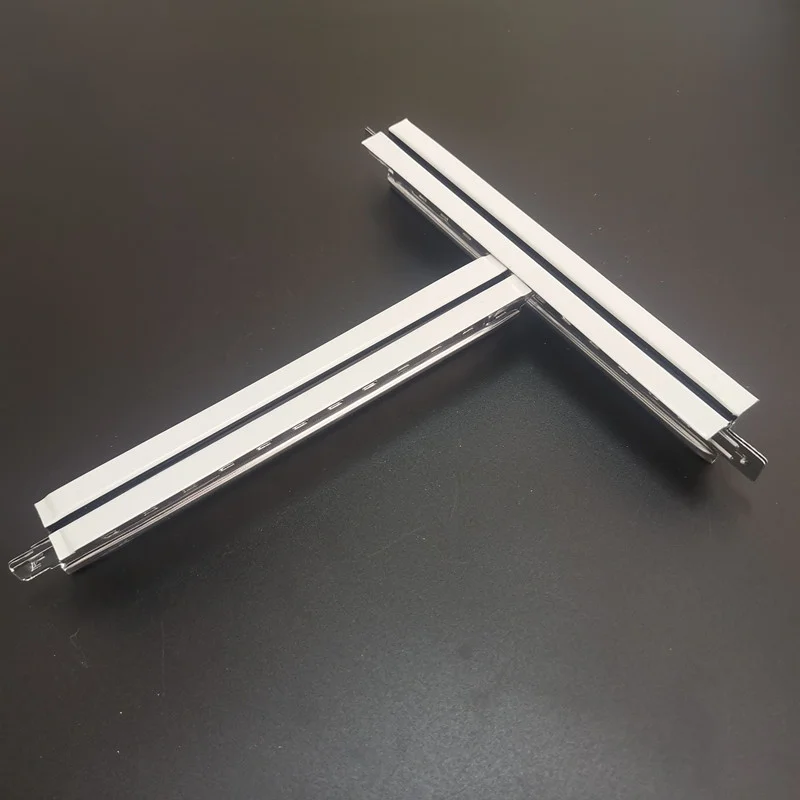
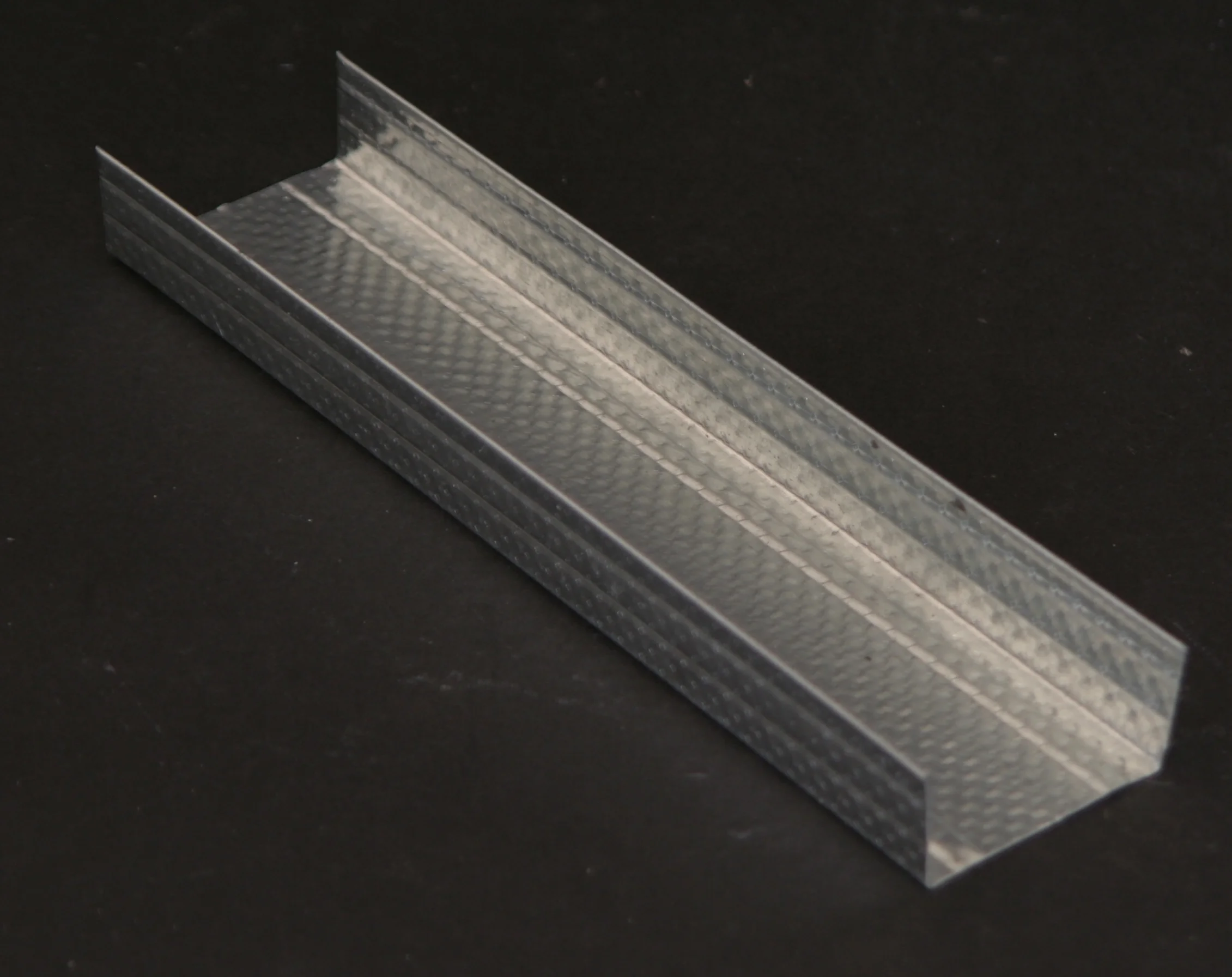
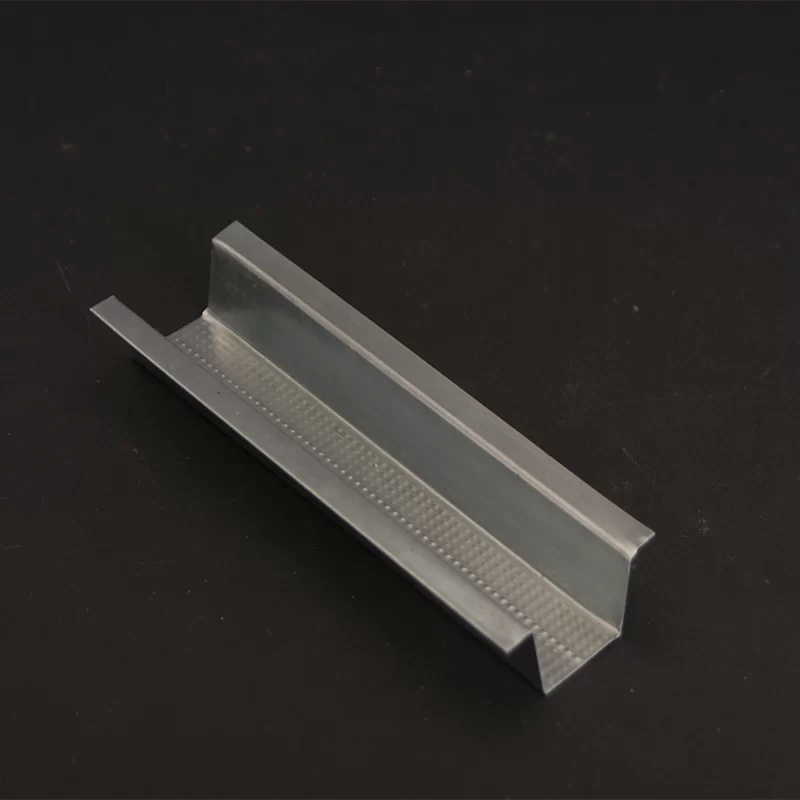
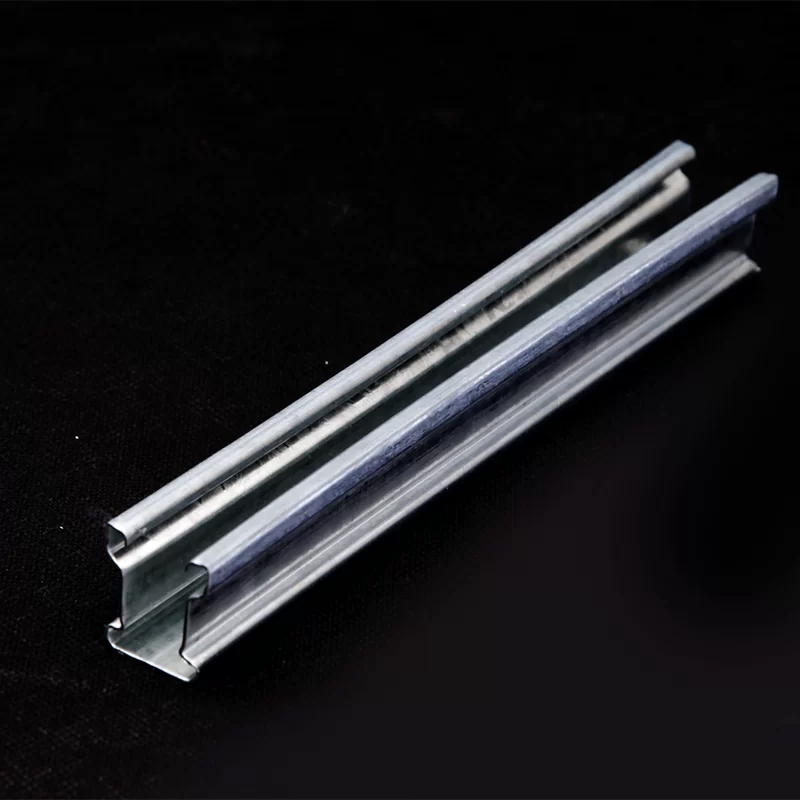
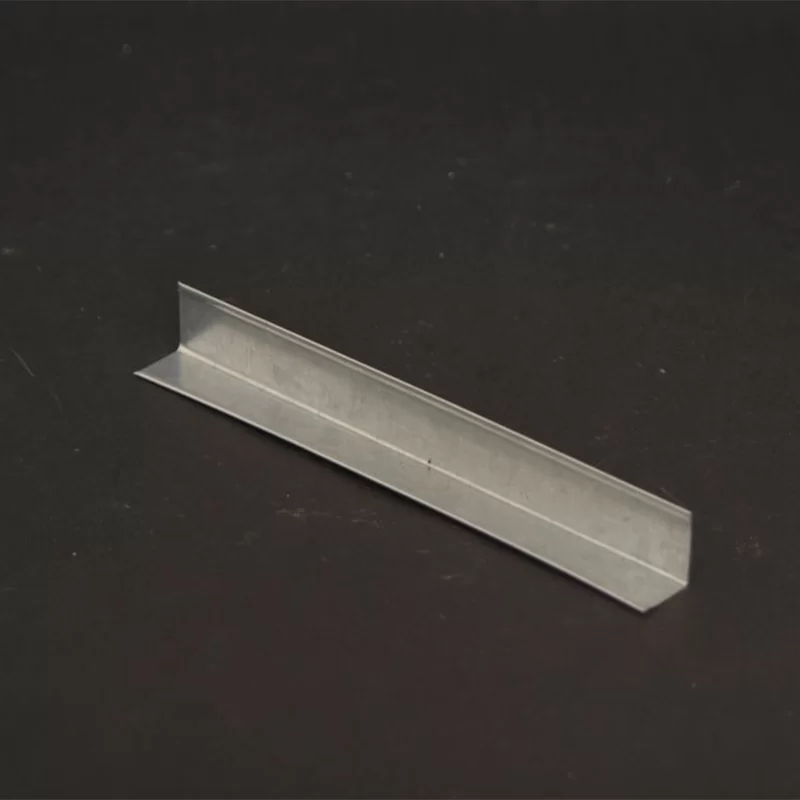
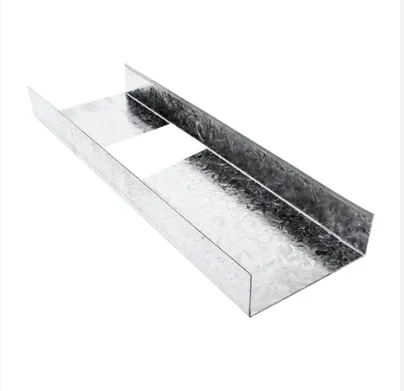
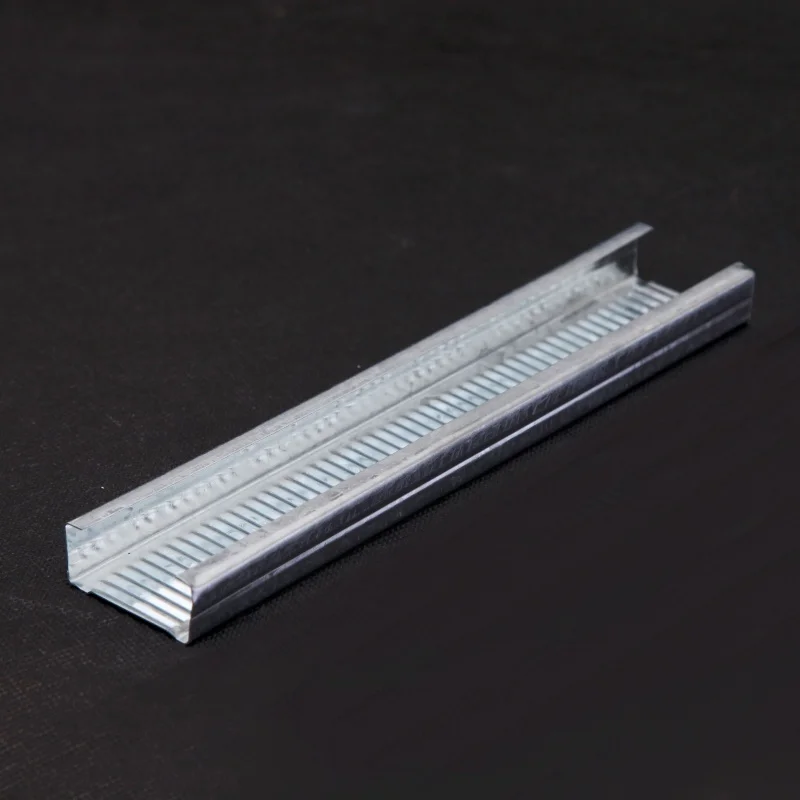
If you’ve ever chased flat lines across a wavy substrate, you’ll appreciate Ceiling Battens that stay straight, span cleanly, and don’t argue with your screws. In short, steel battens sit between the suspension system and the finishing board, giving the board a reliable face to bite into. Available in standard and high‑tensile options; more on that in a second.
Across commercial fit‑outs, folks are shifting to lighter, stronger Ceiling Battens with higher yield strength (G550 class in many markets) to extend spans and reduce hangers. Designers are also chasing low-embodied‑carbon steel, better seismic detailing, and predictable acoustics. Honestly, it’s about speed: fewer parts, faster lining, fewer callbacks.
| Property | Typical Value (≈, may vary) |
|---|---|
| Material & coating | Galvanized steel per ASTM A653 / EN 10346; coating Z120–Z275 |
| Grade options | G300–G550 (high tensile preferred for longer spans) |
| Thickness range | ≈0.42–0.75 mm |
| Profile | Top‑hat/furring-type batten, roll‑formed, screw‑flange edges |
| Lengths | Std 3.0–4.8 m; cut‑to‑length on request |
| Deflection criteria | Designed to L/360 at service loads (board + services) |
| Origin | Dongdu Industrial Park, Huangfu Farm, Langfang, Hebei, China |
Common use cases for Ceiling Battens include drywall ceilings in offices, hotels, schools, and light industrial mezzanine offices. They’re also handy for renovations where you need to correct an uneven substrate without rebuilding the world.
| Vendor | Certifications | Thickness (mm) | Lead time | Customization | Notes |
|---|---|---|---|---|---|
| JINKAI (Langfang) | ISO 9001, CE (where applicable) | 0.42–0.75 | ≈10–20 days | Length, punching, coating mass | Strong cost-to-performance |
| Vendor A (Regional) | ISO 9001 | 0.50–0.70 | ≈2–4 weeks | Length only | Local stock, fewer options |
| Vendor B (Global) | ISO 9001, ISO 14001 | 0.45–0.75 | ≈3–5 weeks | Advanced coatings | Premium pricing |
Comparison is indicative; check current datasheets and local compliance.
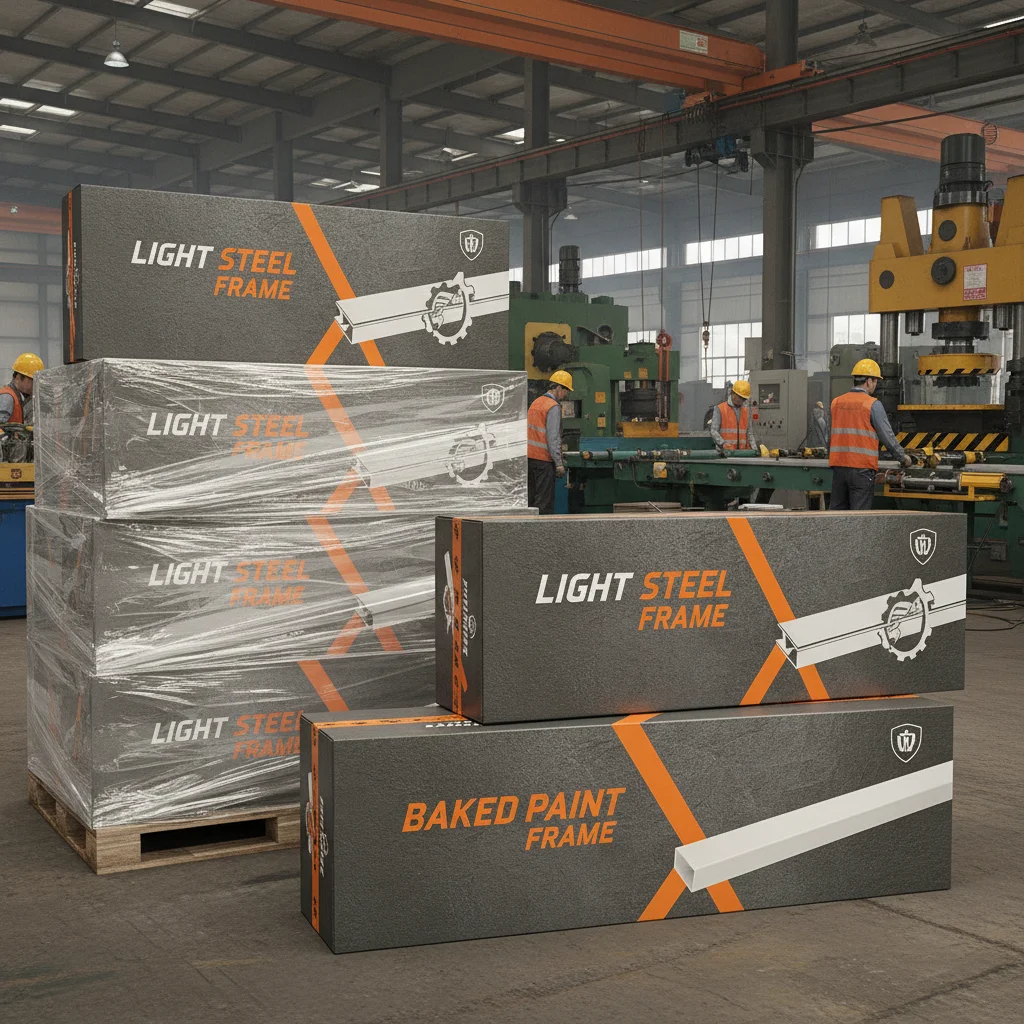
You can spec Ceiling Battens with special lengths (to minimize off‑cuts), factory punching for services, higher coating mass for coastal interiors, and even bundle labels per room. Many customers say labeled packs saved them hours on distribution.
Hotel retrofit, 12 floors: Switching to high‑tensile Ceiling Battens cut hangers by ~18% and shaved two days per floor. Site foreman told us “the lines just stayed true,” which is exactly what you want.
Warehouse office pods: With services-heavy ceilings, batten stiffness reduced sag under MEP loads; QC deflection at L/360 passed on first inspection—surprisingly drama‑free.
Get the batten right and the ceiling behaves. Skimp, and you’ll chase ripples forever. I guess that’s why the seasoned crews are picky about their Ceiling Battens.