Hit enter to search or ESC to close
October 30, 2025
Designing and finishing a room with sloped or vaulted ceilings requires precision, creativity, and the right materials. One of the most critical components that give these spaces a polished and professional look is the ceiling angle trim. This versatile architectural element, along with angled ceiling molding and trim on slanted ceilings, not only enhances aesthetics but also ensures seamless transitions between walls and ceilings. In this article, we will explore the purpose, types, and installation methods of angled ceiling trim and moulding for angled ceilings, as well as why it’s a must-have in modern interior design.
When working with sloped or vaulted ceilings, standard molding often fails to fit properly. That’s where ceiling trim angles and angled ceiling molding come into play. These trims are specially designed to accommodate varying ceiling slopes, providing a neat, finished appearance where walls and ceilings meet.
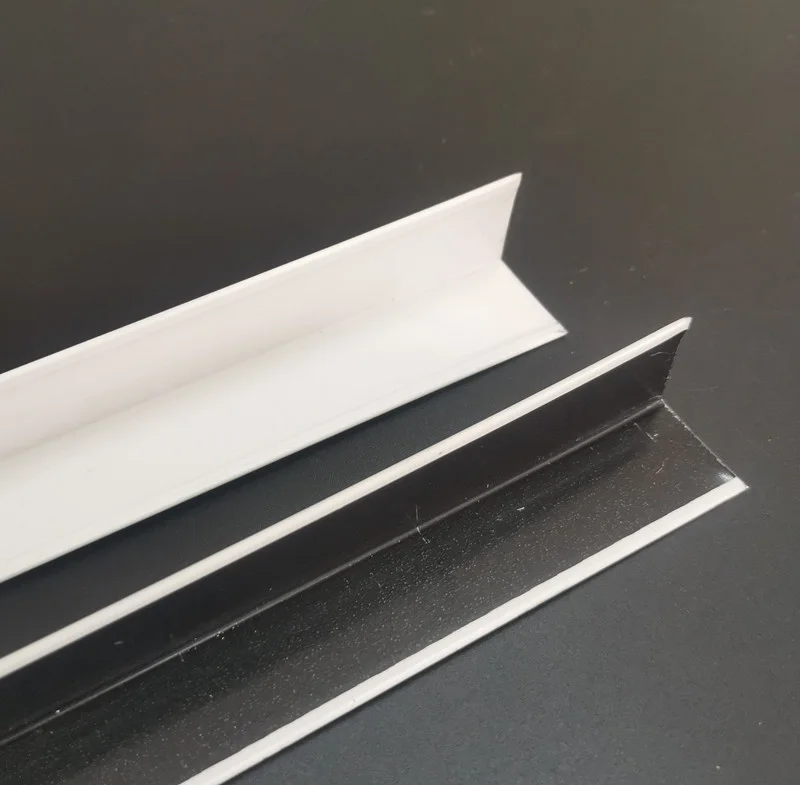
Ceiling angle trim refers to a narrow, angled strip—usually made of aluminum, PVC, or wood—installed along the edges where the ceiling meets the wall. It creates a clean boundary line, concealing gaps and uneven joints caused by ceiling angles or irregular surfaces.
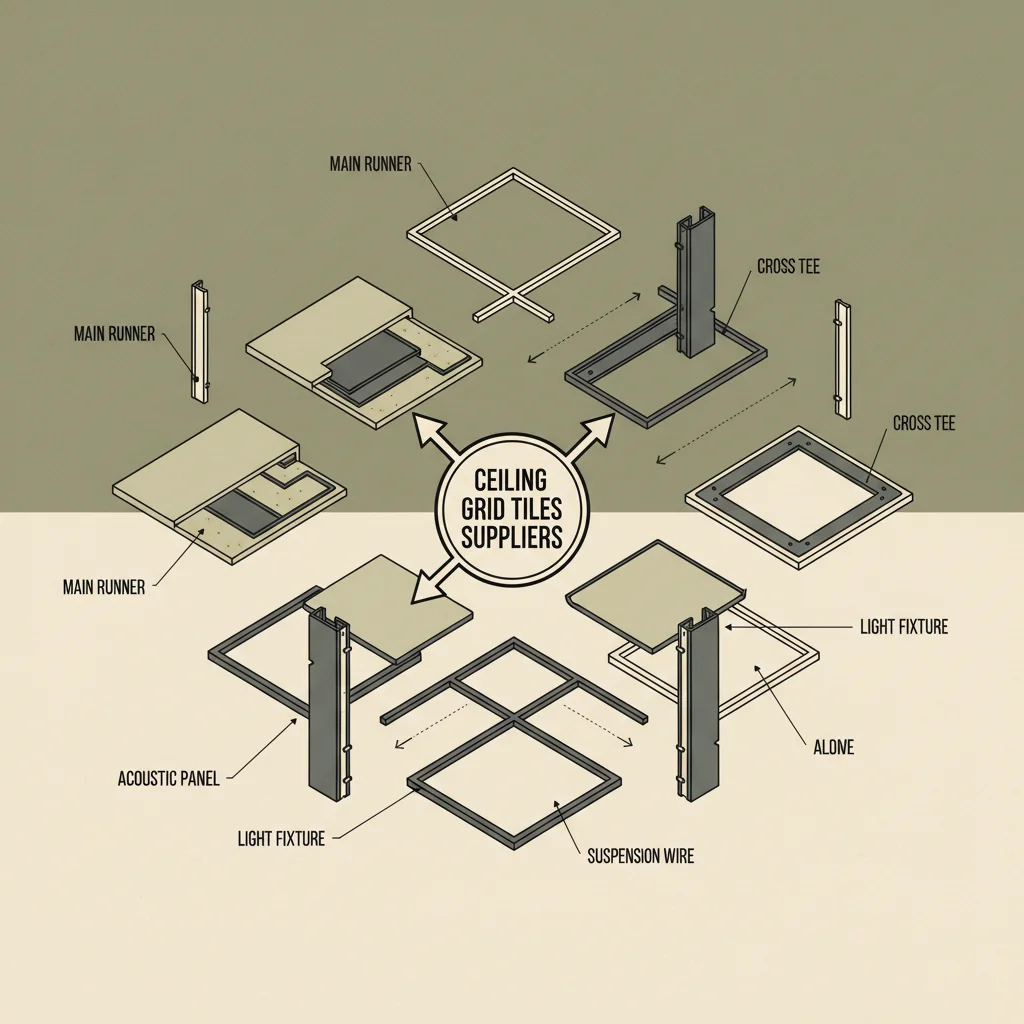
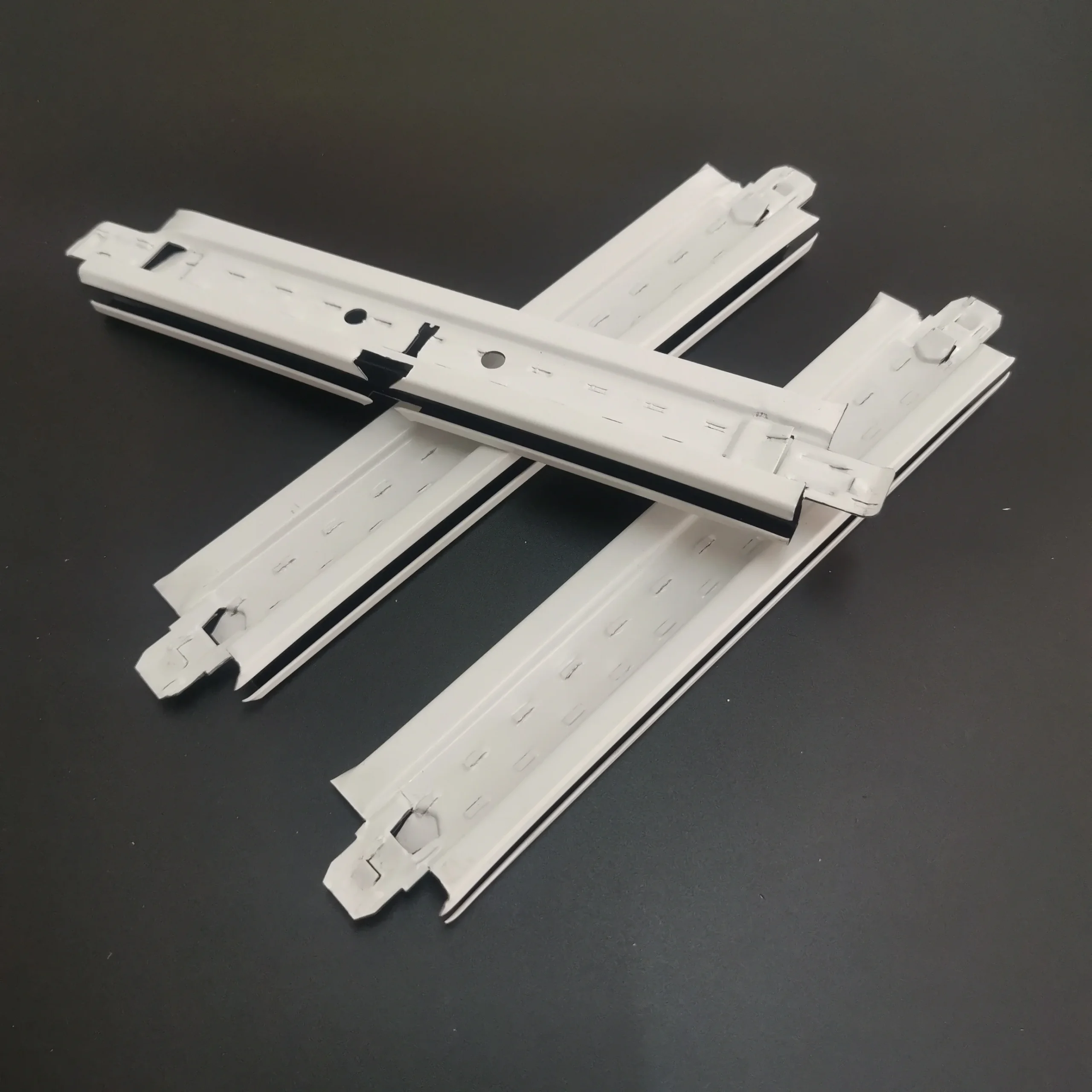
In commercial and residential spaces with suspended or drop ceilings, the suspended ceiling angle trim is commonly used. This type of trim not only provides a decorative finish but also supports the grid system, offering both functionality and style.
Whether it’s a trim on slanted ceilings in a modern loft or a moulding for angled ceilings in a traditional home, these profiles ensure smooth transitions that tie the design together beautifully.
There are several types of angled ceiling trim available to suit different architectural needs:
PVC Ceiling Angle Trim – Lightweight, moisture-resistant, and ideal for bathrooms, kitchens, or basements.
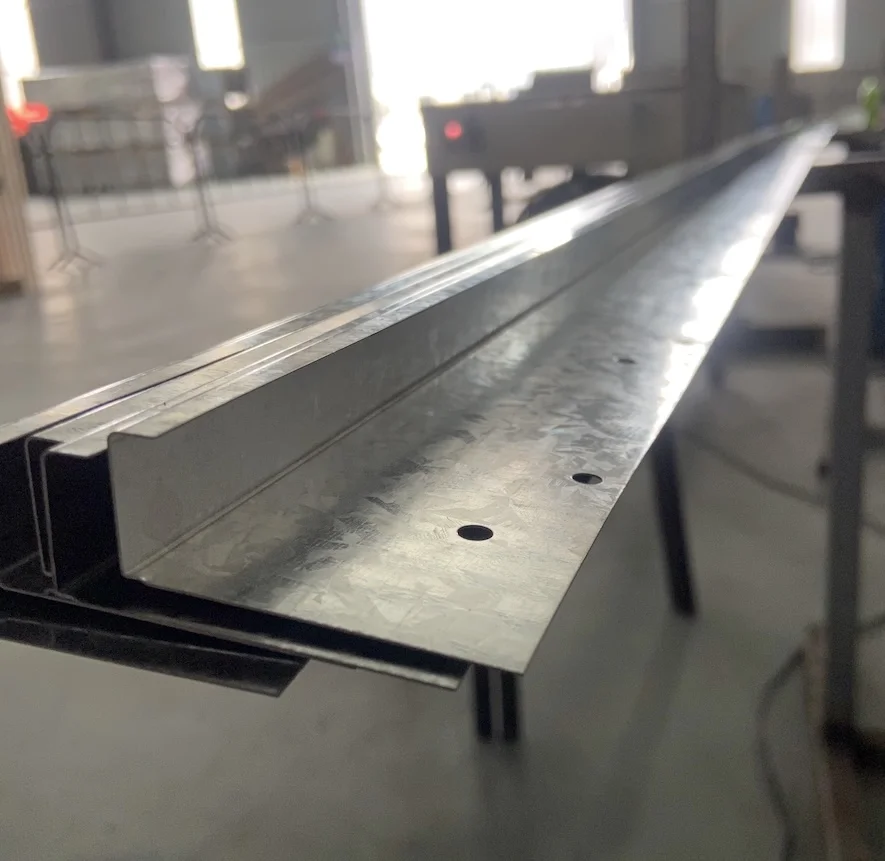
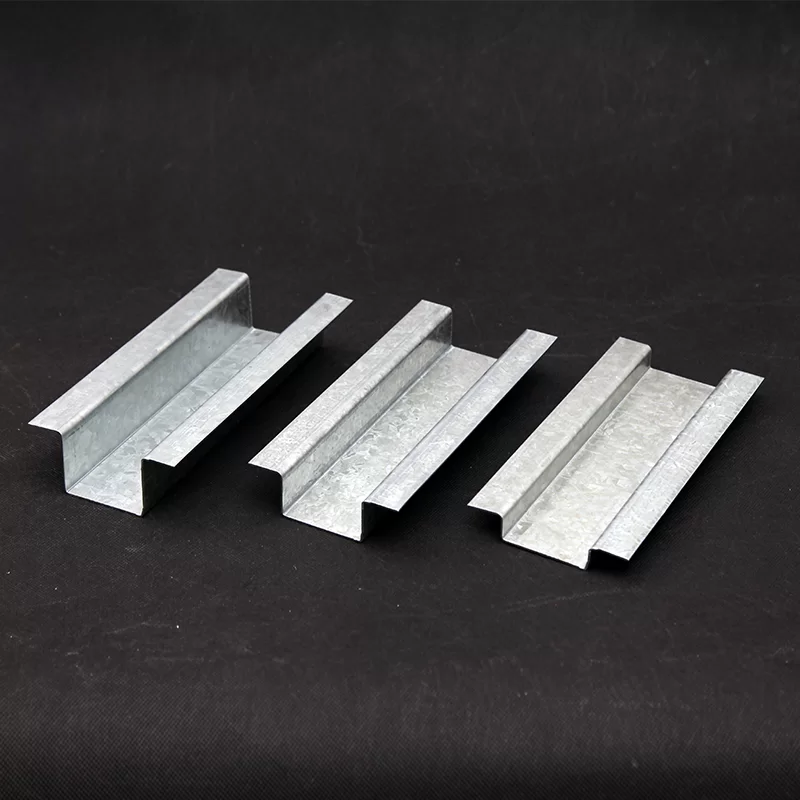
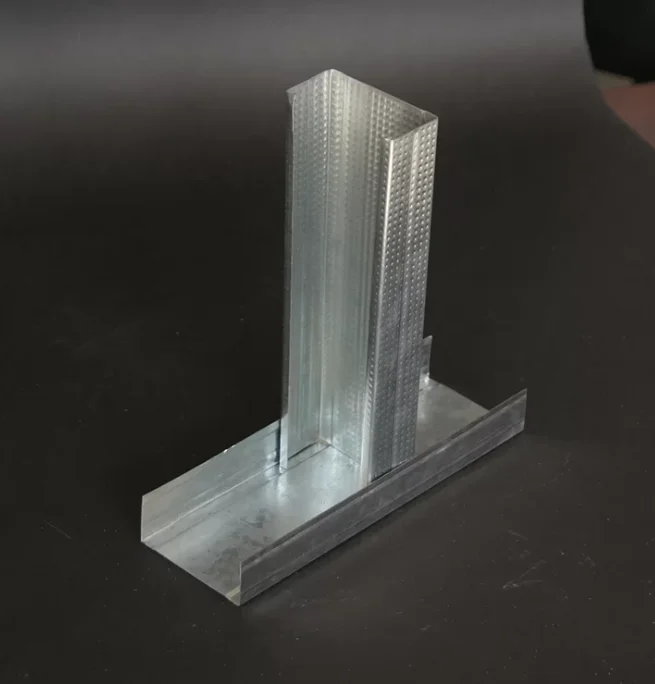
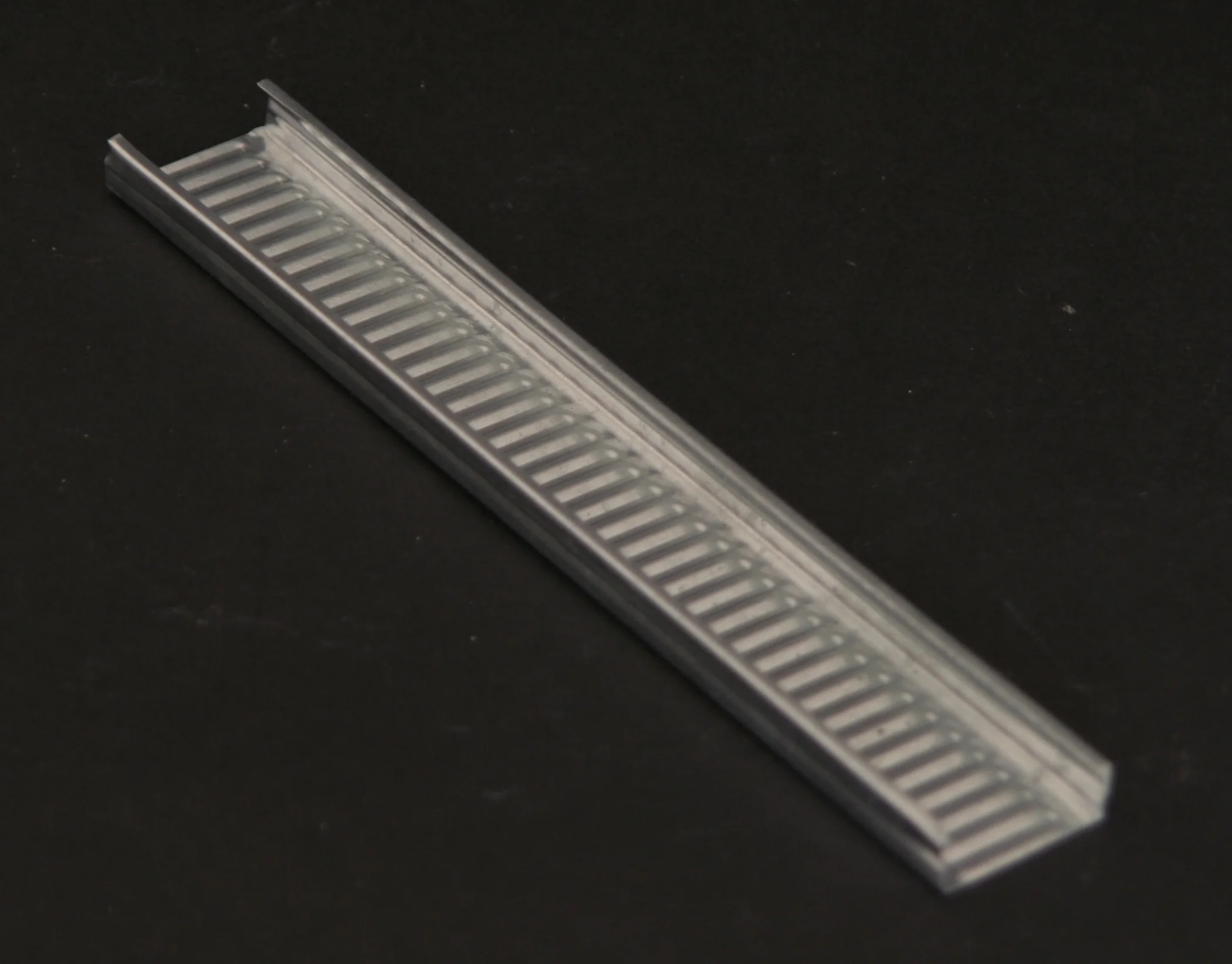
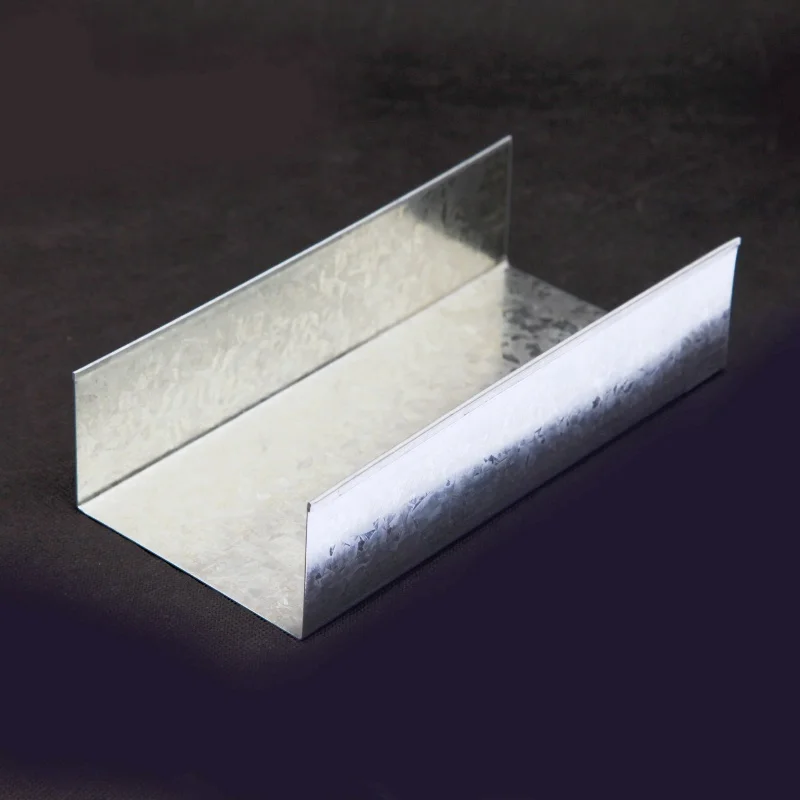
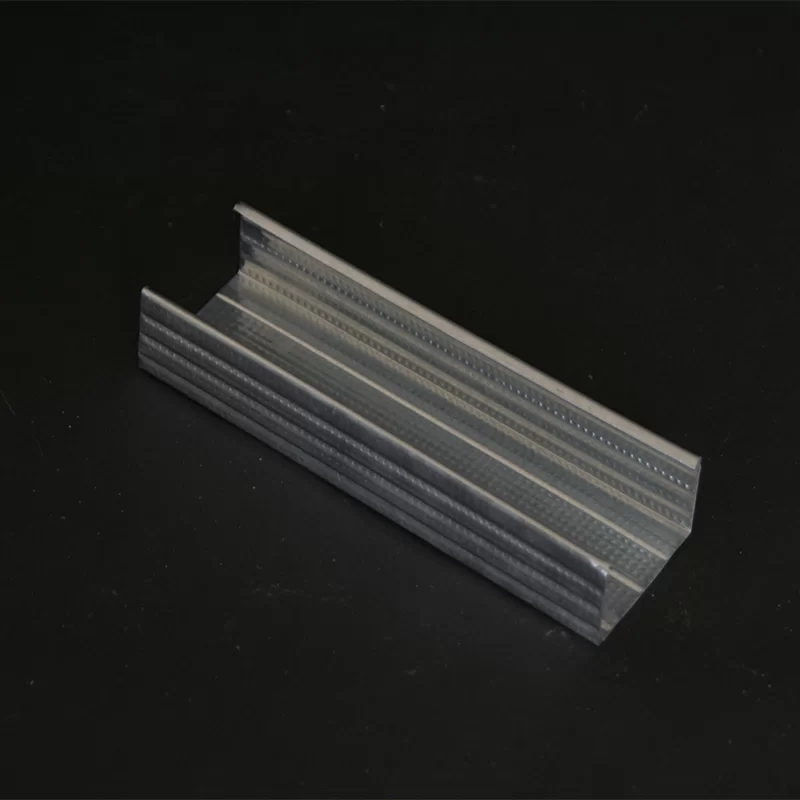
Metal Ceiling Trim Angles – Common in commercial or industrial projects, offering superior strength and a sleek, modern look.
Wooden Moulding for Angled Ceiling – Adds warmth and elegance to residential interiors, suitable for rustic or classic designs.
Suspended Ceiling Angle Trim – Specifically used in suspended ceiling systems to secure and conceal ceiling grid edges.
Each type of angled ceiling molding can be painted, powder-coated, or stained to match surrounding décor, ensuring consistency across the room.
One of the main benefits of using angled ceiling trim or molding for angled ceilings is aesthetic enhancement. The clean lines created by the trim visually define spaces, making rooms appear more structured and sophisticated. For example, using trim on slanted ceilings can highlight the unique geometry of a vaulted ceiling, transforming it into a focal point.
Uneven wall-to-ceiling joints are common in rooms with sloped designs. Ceiling trim angles effectively hide these imperfections, providing a smooth transition between surfaces. This is especially important when dealing with older constructions or hand-finished plasterwork.
In suspended ceilings, suspended ceiling angle trim serves a functional purpose. It supports ceiling panels, preventing sagging and maintaining alignment. Metal trims also add durability, ensuring that ceiling systems stay intact for years.
Installing angled ceiling molding is a relatively straightforward process, even for DIY enthusiasts. The trim can be easily cut to the required angle using basic tools, then fastened using screws, adhesive, or nails. PVC and aluminum versions are also easy to clean and resistant to warping or cracking.
From minimalistic modern interiors to traditional vaulted ceilings, moulding for angled ceilings offers design flexibility. Homeowners and designers can experiment with different colors, finishes, and profiles to achieve a custom look. Ceiling trim angles can also be combined with LED lighting for a subtle backlit effect, adding ambiance to any space.
Whether you’re remodeling an attic, designing a vaulted living room, or installing a commercial drop ceiling, ceiling angle trim is the finishing detail that ties your design together. It not only enhances the visual appeal of angled ceilings but also provides structural support and a clean transition between surfaces.
From angled ceiling molding to suspended ceiling angle trim, these architectural elements prove that even small details can have a big impact on the overall look and feel of a room. If you’re looking to achieve a flawless, professional finish in your next interior project, consider investing in high-quality moulding for angled ceilings—a subtle feature that delivers both beauty and precision.
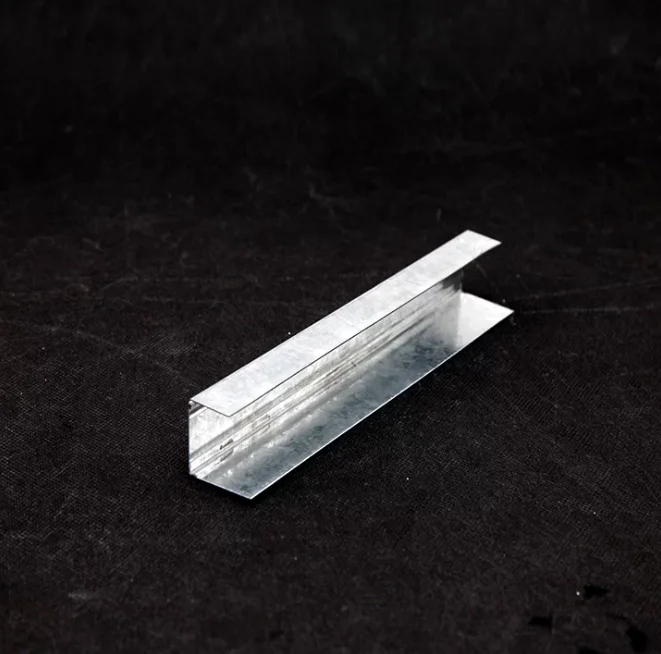
Ceiling angle trim is specifically designed to fit sloped or angled ceilings, while regular molding works for flat surfaces. Angle trims accommodate unique ceiling geometries, ensuring a snug and professional finish.
Yes. PVC or aluminum angled ceiling trim is perfect for humid spaces like bathrooms and kitchens because they resist moisture and will not warp or rot.
To install trim on a slanted ceiling, measure the angle accurately, cut the molding accordingly, and attach it using nails or adhesive. Caulking can be used to fill any small gaps for a seamless finish.
Suspended ceiling angle trim provides both decorative and functional benefits in drop ceiling systems. It conceals grid edges and supports ceiling panels for a clean, finished appearance.
Absolutely. Both moulding for angled ceilings and ceiling trim angles can be painted or stained to match the surrounding décor, making them adaptable to any design style.