Understanding 70mm Steel Stud: A Backbone for Modern Construction
In the vast web of construction materials, 70mm steel stud is a name you may not hear every day, but once you do, it quickly becomes clear why it’s quietly shaping modern architecture around the world. From skyscrapers in urban hubs to emergency shelters in remote areas, these slim, sturdy components help build environments that are safer, more durable, and surprisingly versatile.
Why does this matter globally? Frankly, as the world balances rapid urbanization with climate challenges, materials that provide strength without the weight or waste of traditional methods become invaluable. Knowing how a 70mm steel stud fits in brings clarity to industries tasked with rapid, resilient construction. Plus, it lets engineers and planners optimize cost and sustainability — which, in today’s terms, feels like a win-win.
Global Context: The Rising Demand for Steel Studs
The global construction sector is booming, forecasted to surpass $13 trillion by 2030 according to data from the World Bank. Within this growth, steel framing products like the 70mm steel stud are gaining traction for their adaptability and environmental edge. The mainstream shift toward non-combustible, light-gauge steel framing, encouraged by strict international building codes and ISO standards, also helps curb greenhouse gas emissions tied to traditional concrete or wood framing.
But here’s the catch: meeting demand for faster, safer structures — especially in disaster-prone or resource-limited regions — isn’t just about volume. It’s how materials like the 70mm steel stud solve challenges of durability, ease of installation, and recyclability that truly make them essential.
What is a 70mm Steel Stud?
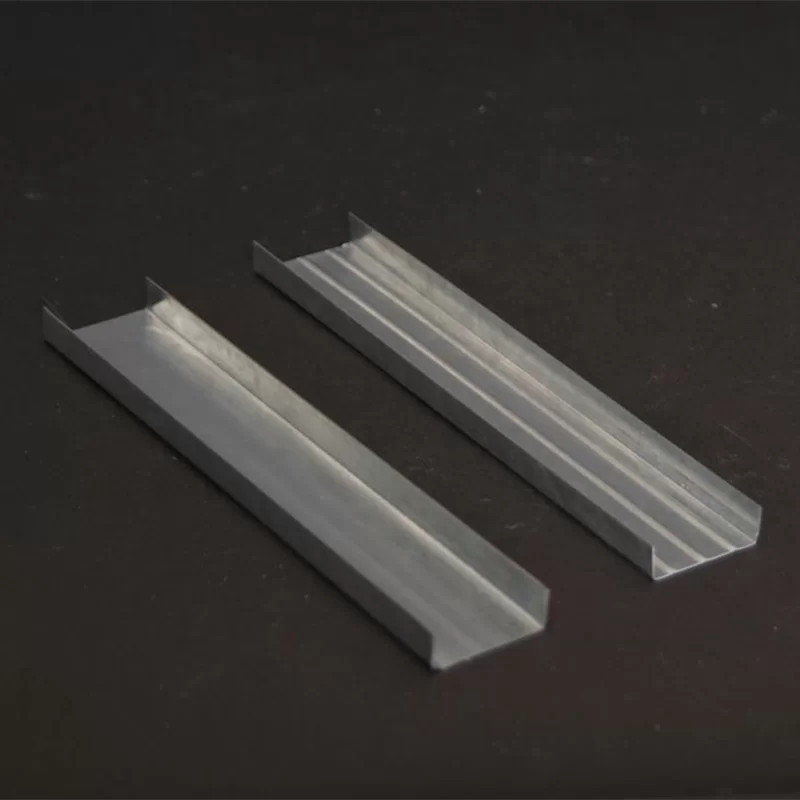
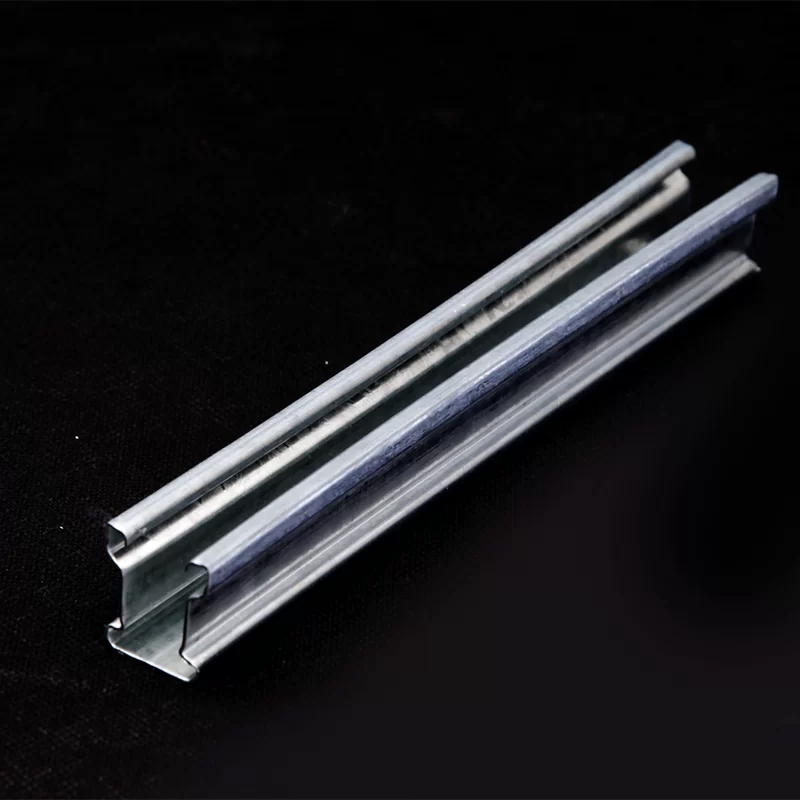
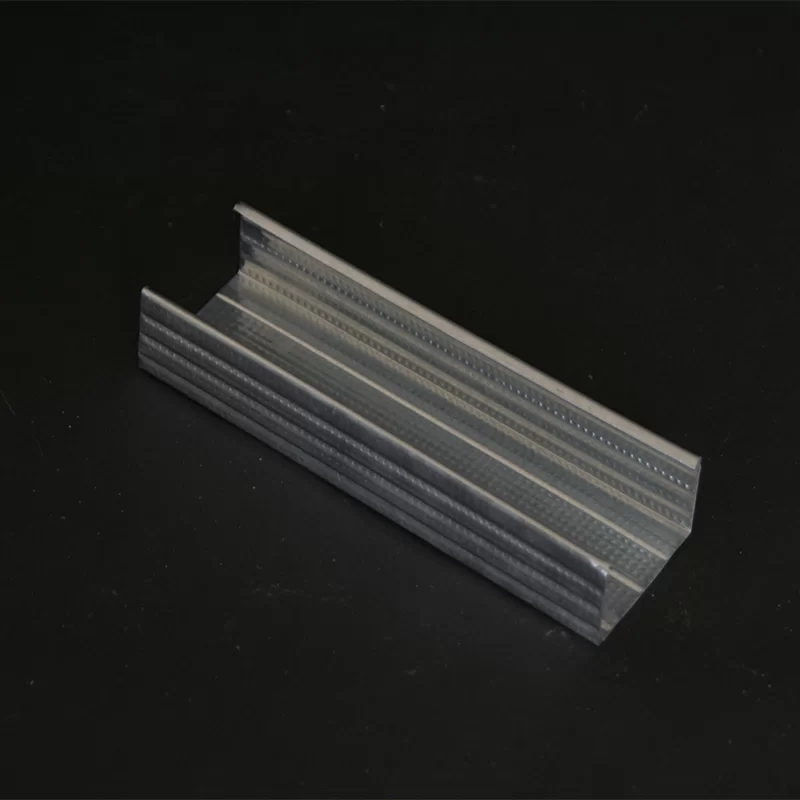
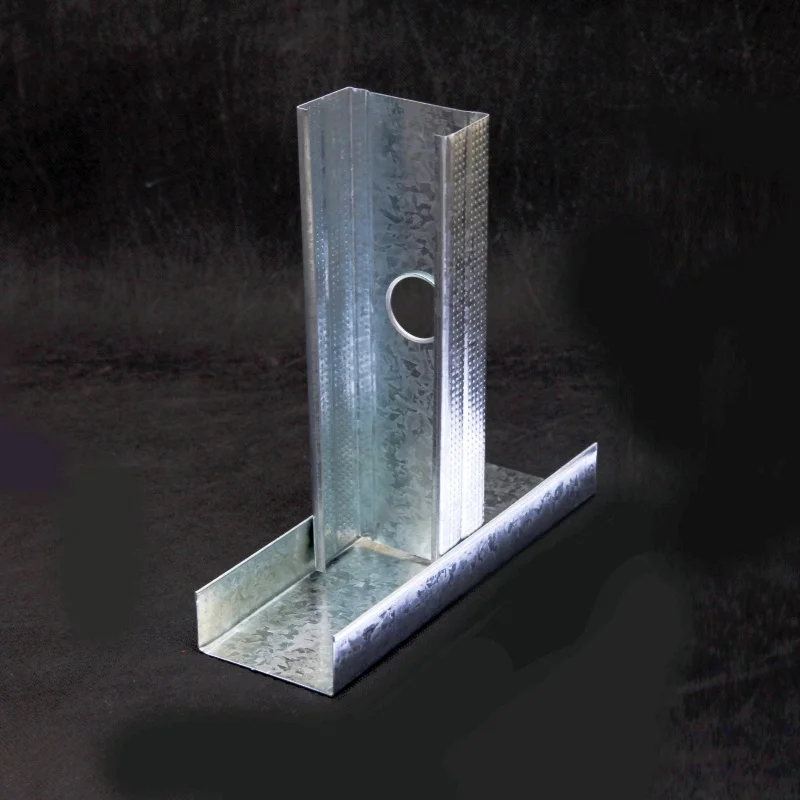
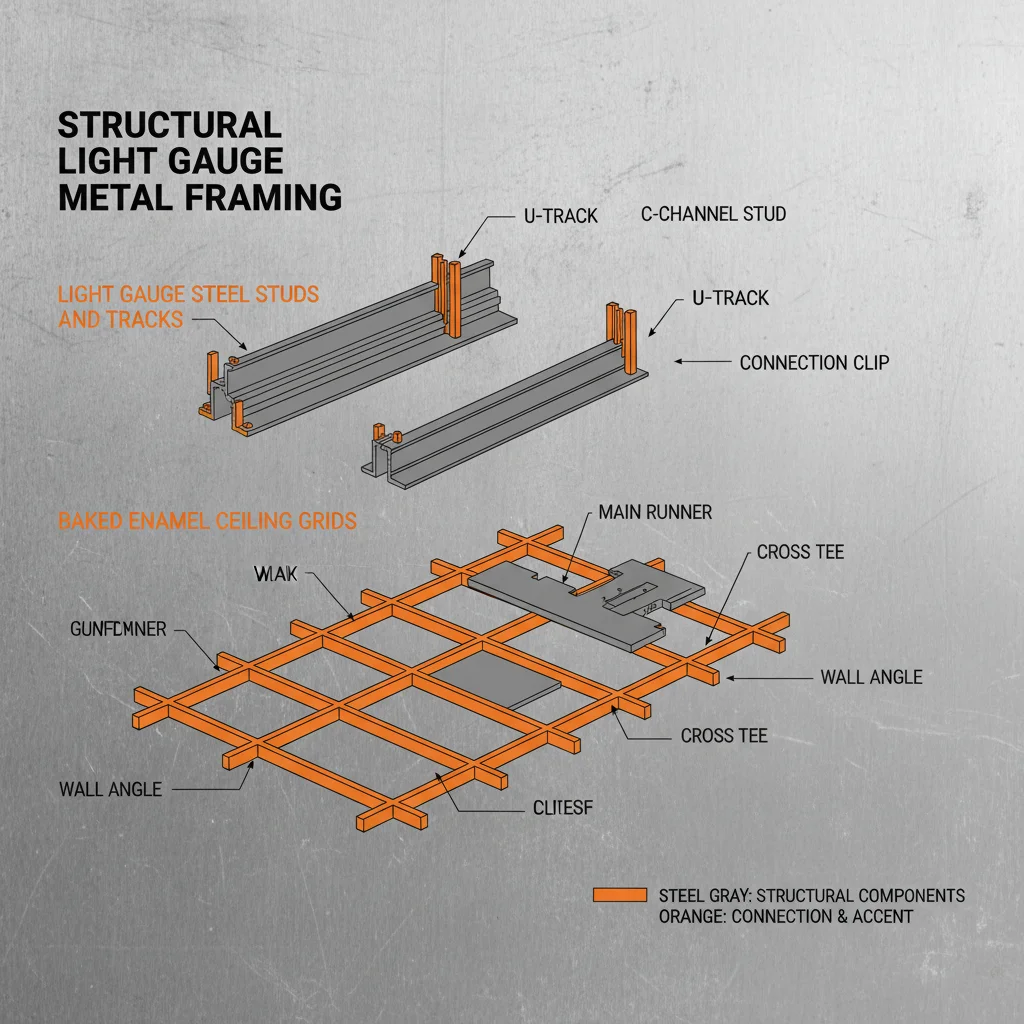
Simply put, a 70mm steel stud is a cold-formed, light gauge steel framing member, 70 millimeters wide, primarily used in non-load bearing walls or partitions. Think of it as the “bones” inside your walls — rigid but light, resistant to fire, moisture, and pests where traditional timber studs might falter.
In modern construction, these studs support drywall, cladding, or insulation layers, making assembly faster and more precise than bulky timber or masonry. On a humanitarian level, lightweight steel studs enable the production of modular shelters and temporary infrastructure that can withstand harsh environments without breaking the bank.
Core Features of 70mm Steel Studs
1. Durability and Corrosion Resistance
Coated with zinc or galvanizing layers, these studs fend off rust and keep integrity even in humid or industrial zones. Many engineers I’ve chatted with swear by this as a game-changer over untreated metal framing.
2. Precision and Consistency
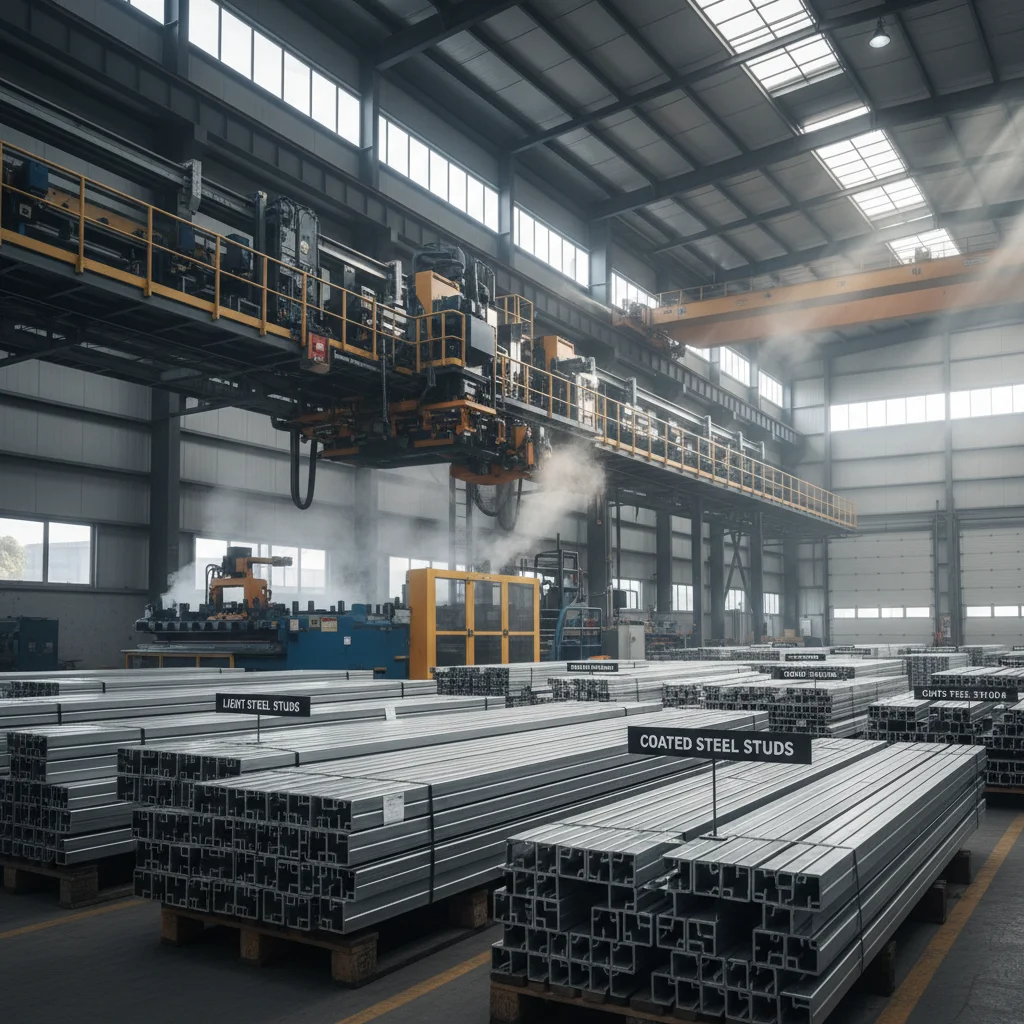
Manufactured via roll forming machines, 70mm steel studs maintain strict dimensional accuracy. This precision means quicker installation, less waste, and better wall flatness.
3. Lightweight yet Strong
Oddly enough, these slim steel pieces are surprisingly strong. They support drywall, resist structural deformation, and often reduce the total building weight compared to wood or masonry.
4. Sustainability and Recyclability
Steel studs are made with a significant percentage of recycled content and can be recycled endlessly with minimal quality loss. This fits well with greener building certifications worldwide.
Typical Specifications of a 70mm Steel Stud
| Property |
Value/Range |
| Width |
70 mm |
| Thickness |
0.5–1.0 mm (varies by application) |
| Material |
Galvanized cold-rolled steel |
| Coating |
Zinc / Galvanized layer |
| Length |
Typically 3–6 meters |
| Fire Rating |
Up to 2 hours (with proper assembly) |
Mini takeaway: The 70mm steel stud combines a compact form factor with strength and sustainability, tailored to contemporary building needs.
Global Applications & Use Cases
Around the globe, 70mm steel studs play vital roles in both developed cities and emerging communities:
- Urban High-Rises: Used for interior partition walls that require quick assembly and fire resistance.
- Disaster Relief Shelters: NGOs employ modular steel-framed panels built with 70mm studs for fast deployment.
- Industrial Facilities: In remote mining or energy sites, these studs create robust partitions resistant to moisture and pests.
- Education Infrastructure: Modular classrooms built with light steel framing allow rapid setup and later re-purposing.
- Residential Retrofit Projects: Lightweight steel studs help upgrade walls without extensive foundation rework.
For instance, after the 2010 Haiti earthquake, steel stud framed modular housing was rapidly deployed to provide safer, long-lasting shelter alternatives. It’s a practical choice when speed, durability, and cost constraints collide.
Mini takeaway: The 70mm steel stud is a building block for flexible, resilient solutions in a variety of challenging environments worldwide.
Advantages & Long-Term Value of 70mm Steel Stud
What really makes the 70mm steel stud stand apart? For starters, the economics:
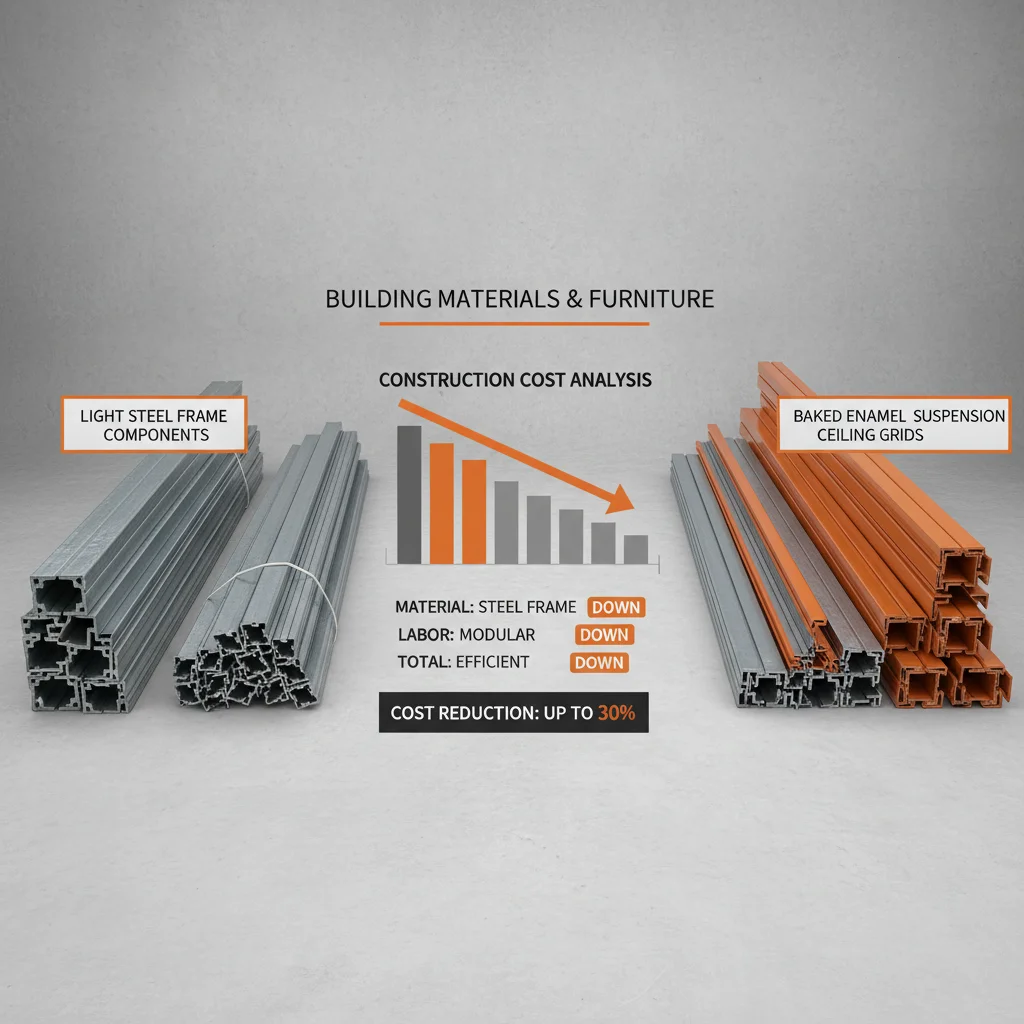
- Cost Efficiency: Lower transportation and handling costs due to lightweight profile.
- Speed of Assembly: Precision manufacturing means fewer adjustments onsite.
- Environmental Benefits: Recyclable with a smaller carbon footprint compared to timber.
- Safety: Non-combustible materials improve fire safety overall.
On an emotional level, builders and occupants alike feel a deeper sense of trust in structures that don’t sag, mold, or quickly wear out — things that often undervalue actual well-being in construction.
Future Trends & Innovations in Steel Stud Technology
The steel stud won’t stay static. Future innovations include:
- Advanced Coatings: Nanotechnology and eco-friendly zinc layers to prolong lifespan.
- Integrated Sensor Systems: Embedded IoT sensors to detect structural stress or moisture.
- Automation in Manufacturing: Robotics improving precision and scalability.
- Greener Steel Production: Hydrogen-based steelmaking to cut emissions.
Industry insiders I follow suggest these advances will make steel studs not just a construction staple, but an intelligent part of smart buildings.
Challenges & Practical Solutions
Despite the many perks, challenges persist:
- Thermal Bridging: Steel studs conduct heat, posing insulation challenges. Solution: Use thermal breaks or enhanced insulation strategies.
- Corrosion Risk in Harsh Environments: Even galvanized coatings can wear out. Solution: Special paints or stainless steel variants.
- Installation Skills: Inexperienced crews may struggle with precision. Solution: Training programs and prefabricated panels.
Comparing Leading 70mm Steel Stud Vendors
| Vendor |
Material Quality |
Coating Type |
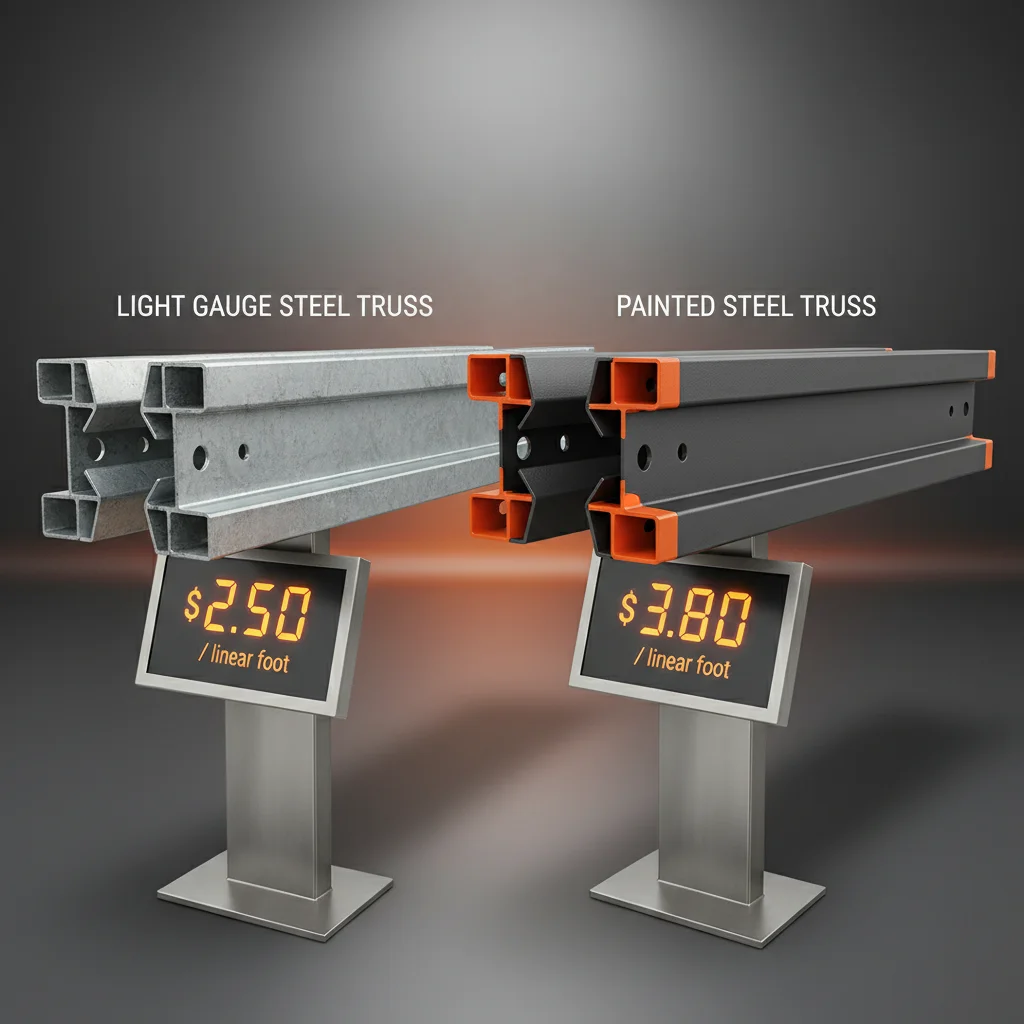
Price Range (per unit) |
Lead Time |
| SteelFrame Co. |
High-grade galvanized steel |
Zinc galvanization |
$4.50 - $5.00 |
2–3 weeks |
| RapidBuild Ltd. |
Standard cold-rolled steel |
Zinc-Aluminum Coating |
$3.80 - $4.20 |
1–2 weeks |
| EcoSteel International |
Recycled content steel |
Eco-friendly galvanizing |
$5.00 - $5.50 |
3+ weeks |
FAQ: Common Questions About 70mm Steel Stud
- How does the 70mm steel stud compare to timber studs in fire resistance?
-
Steel studs are non-combustible and typically provide a much higher fire resistance compared to timber. When properly assembled with fire-rated drywall, a wall system using 70mm steel studs can achieve up to 2 hours fire rating, significantly improving building safety.
- Can 70mm steel studs be used outdoors?
-
While primarily designed for interior use, 70mm steel studs can be used outdoors if protected with additional coatings or when embedded within weather-resistant wall assemblies. For direct outdoor exposure, consulting manufacturer guidelines is key to prevent corrosion.
- Are 70mm steel studs sustainable?
-
Absolutely. Made from recycled steel and fully recyclable themselves, these studs contribute to resource efficiency and waste reduction. Their lightweight nature also lowers transportation emissions, adding an eco-friendly edge to construction projects.
- Do I need special tools to install steel stud framing?
-
Installation requires a few specific tools like metal-cutting snips or saws, screw guns with self-tapping screws, and sometimes crimpers. However, many builders find the learning curve easy if guided properly.
- Where can I buy quality 70mm steel studs?
-
Suppliers vary regionally, but vendors like those in the comparison table above are great starting points. For custom sizes or bulk orders, reaching out directly or via 70mm steel stud distributors online can expedite sourcing.
Conclusion: Building Better, Faster, Greener
All things considered, the 70mm steel stud acts as a cornerstone for innovation in modern framing solutions. Its balance of strength, cost efficiency, and sustainability makes it a smart choice for industries across the globe — from urban architects crafting tomorrow’s skylines to aid workers constructing refuge far from cities.
If you’re ready to explore how 70mm steel studs can transform your projects, why not start by visiting our website? Getting the right materials makes all the difference.
In real terms, every modern building needs a backbone that’s reliable — 70mm steel studs continue to prove themselves as that backbone.
References:
- ISO Standards for Steel Structures
- Steel - Wikipedia
- World Bank Urban Development