Hit enter to search or ESC to close
When constructing or renovating drywall systems, selecting the right metal channel for drywall is crucial for ensuring structural integrity and a professional finish. At Jinka IBM, we specialize in providing high-quality metal studs and channels designed to meet the demanding needs of construction professionals. This article offers a detailed exploration of metal channels, their applications, types, installation, and factors to consider when choosing the best option for your project. We will cover everything from standard sizes to the benefits of using galvanized steel.
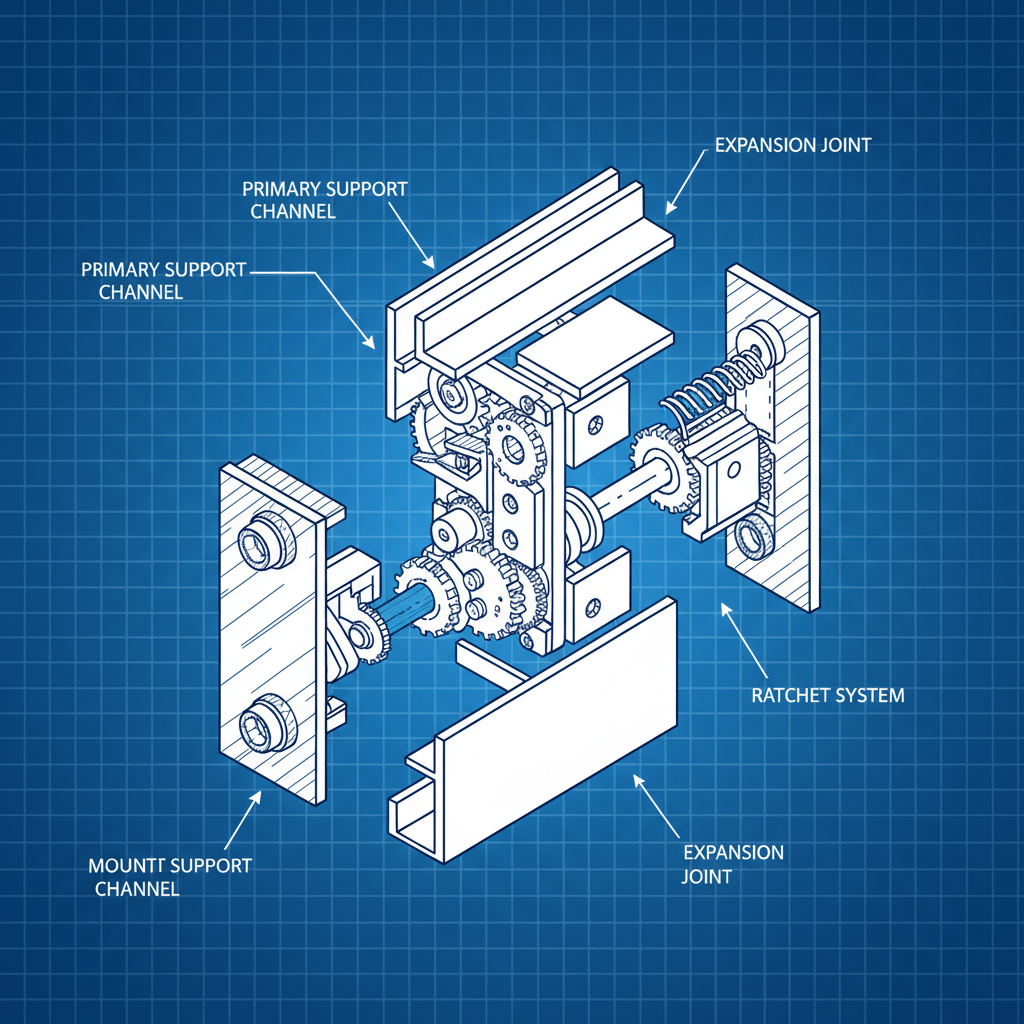
Metal channels, also known as furring channels or hat channels, are essential components in drywall construction. They provide a framework for attaching drywall sheets to walls and ceilings, creating a smooth and level surface. Unlike wood furring strips, metal channels are non-combustible, dimensionally stable, and resistant to rot and pests. These characteristics make them a superior choice for modern construction practices. Utilizing high-quality metal channels enhances the overall durability and fire resistance of the drywall system. Choosing the right gauge and size is vital to support the weight of the drywall and any finishes applied.
Key Benefits: Non-combustible, dimensionally stable, resistant to rot and pests, provides a smooth and level surface for drywall, enhances structural integrity.
Several types of metal channels for drywall cater to different applications. The most common include:
The choice of channel depends on the specific requirements of the project, such as the desired level of sound insulation, the type of drywall being used, and the structural load that needs to be supported. Jinka IBM offers a comprehensive range of these channels to suit any building need.
The gauge of a metal channel refers to its thickness. Lower gauge numbers indicate thicker metal. Selecting the appropriate gauge is crucial for ensuring the drywall system can withstand the intended load. Here's a comparison of common gauges:
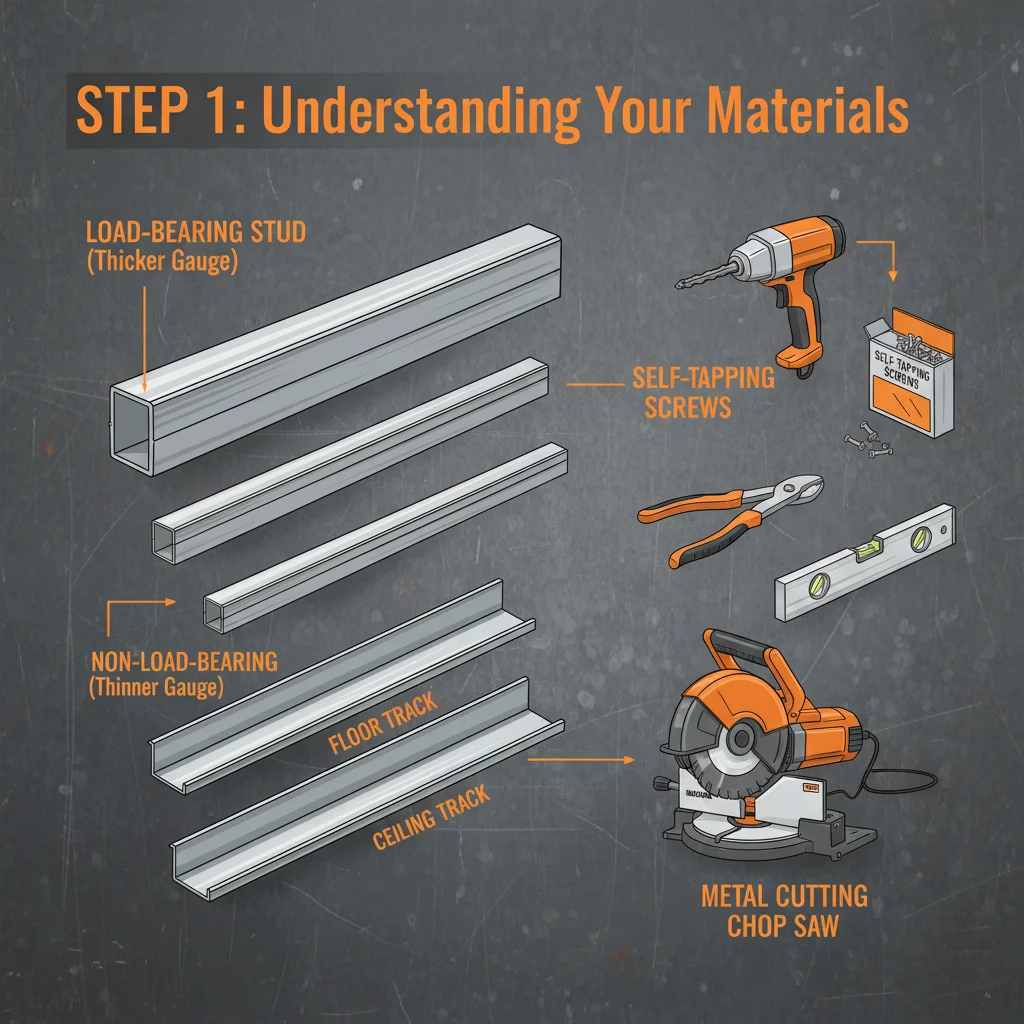
Proper installation of metal channel for drywall is critical for a successful outcome. Begin by ensuring the existing surface is clean and level. Channels should be spaced according to the drywall manufacturer's specifications, typically 16 or 24 inches on center. Securely fasten the channels to the studs or joists using self-tapping screws designed for metal. When using hat channels, ensure they are properly aligned and spaced to provide even support for the drywall.
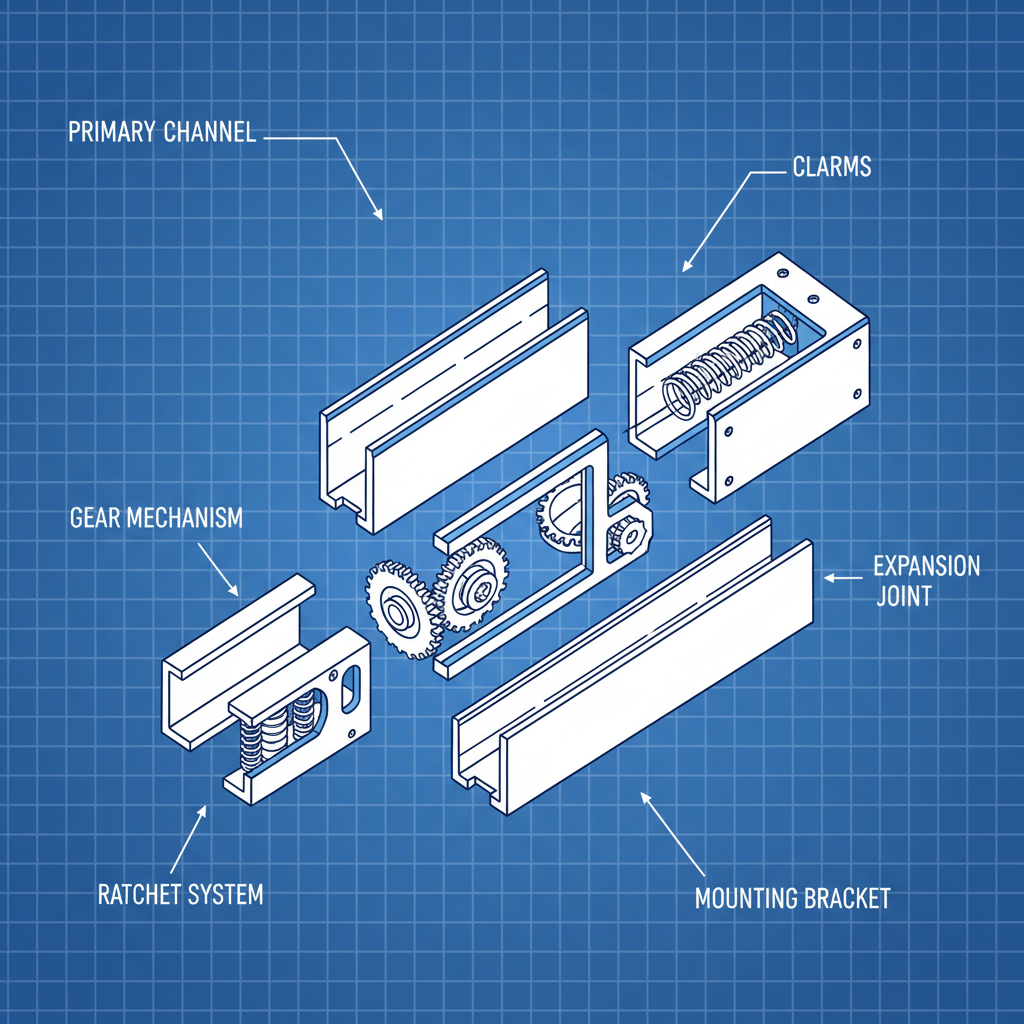
Selecting a reputable supplier like Jinka IBM ensures you receive high-quality metal channel for drywall that meets industry standards. We offer a wide variety of sizes and gauges, competitive pricing, and reliable delivery. Our experienced team can provide expert advice to help you select the best products for your specific project requirements. We are committed to providing durable and cost-effective solutions for all your drywall needs.
Investing in quality metal channel for drywall from Jinka IBM is a cornerstone of successful construction. Our durable and reliable products contribute to structurally sound and aesthetically pleasing drywall systems. Contact us today to learn more about our offerings and how we can help you achieve your project goals.
The recommended spacing for metal channels typically falls between 16 and 24 inches on center. This depends on the thickness of the drywall being used and the load-bearing requirements of the wall or ceiling. Thicker drywall or heavier finishes usually necessitate closer spacing. Always consult the drywall manufacturer's specifications for precise recommendations. Proper spacing ensures adequate support and prevents the drywall from sagging or cracking.
Most metal channels are made from galvanized steel, which provides excellent resistance to corrosion. The galvanization process coats the steel with a protective layer of zinc, preventing rust and extending the lifespan of the channel. However, in highly corrosive environments, such as coastal areas or industrial facilities with harsh chemicals, additional protective measures may be necessary. Consider using stainless steel channels for maximum corrosion resistance in such cases.
Yes, metal channels can be incorporated into soundproofing systems. Using resilient channels, a specialized type of metal channel, can significantly reduce sound transmission through walls and ceilings. Resilient channels decouple the drywall from the structural framing, minimizing vibration transfer and improving sound isolation. Combining resilient channels with sound-dampening insulation further enhances the soundproofing performance.