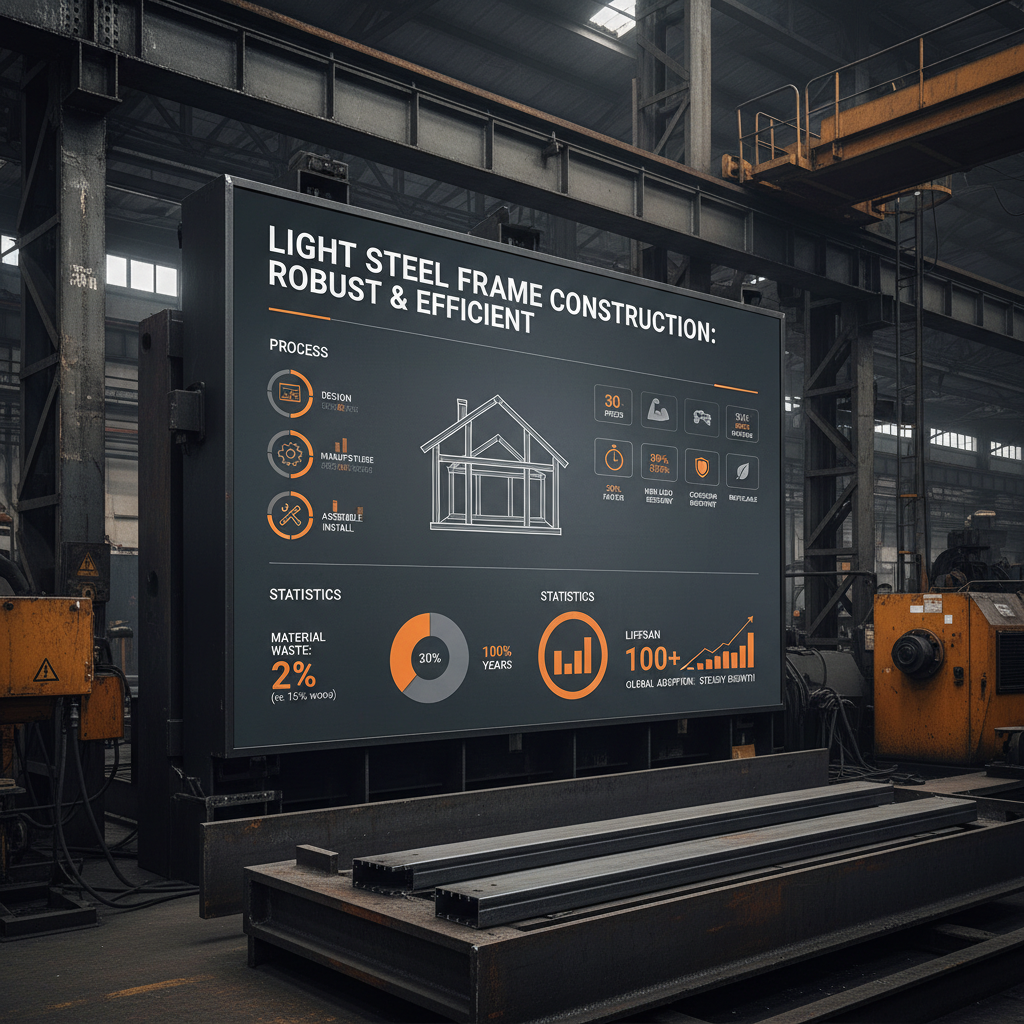
Light steel frame building is rapidly gaining prominence as a sustainable and efficient construction method worldwide. Addressing the growing need for affordable, rapidly deployable, and eco-friendly infrastructure, it offers a compelling alternative to traditional construction techniques. This approach leverages the high strength-to-weight ratio of steel, leading to faster build times, reduced material waste, and lower overall project costs.
Globally, the demand for housing and infrastructure is escalating, particularly in rapidly urbanizing areas and regions impacted by natural disasters. Traditional construction often struggles to meet this demand efficiently, creating housing shortages and contributing to environmental concerns. Light steel frame building presents a viable solution, offering the ability to construct durable, high-quality structures with minimal environmental impact.
The versatility of light steel frame building extends beyond residential applications, encompassing commercial buildings, industrial facilities, and disaster relief shelters. Its adaptability and cost-effectiveness are driving its adoption across diverse sectors, making it a cornerstone of modern construction innovation.
Introduction to light steel frame building
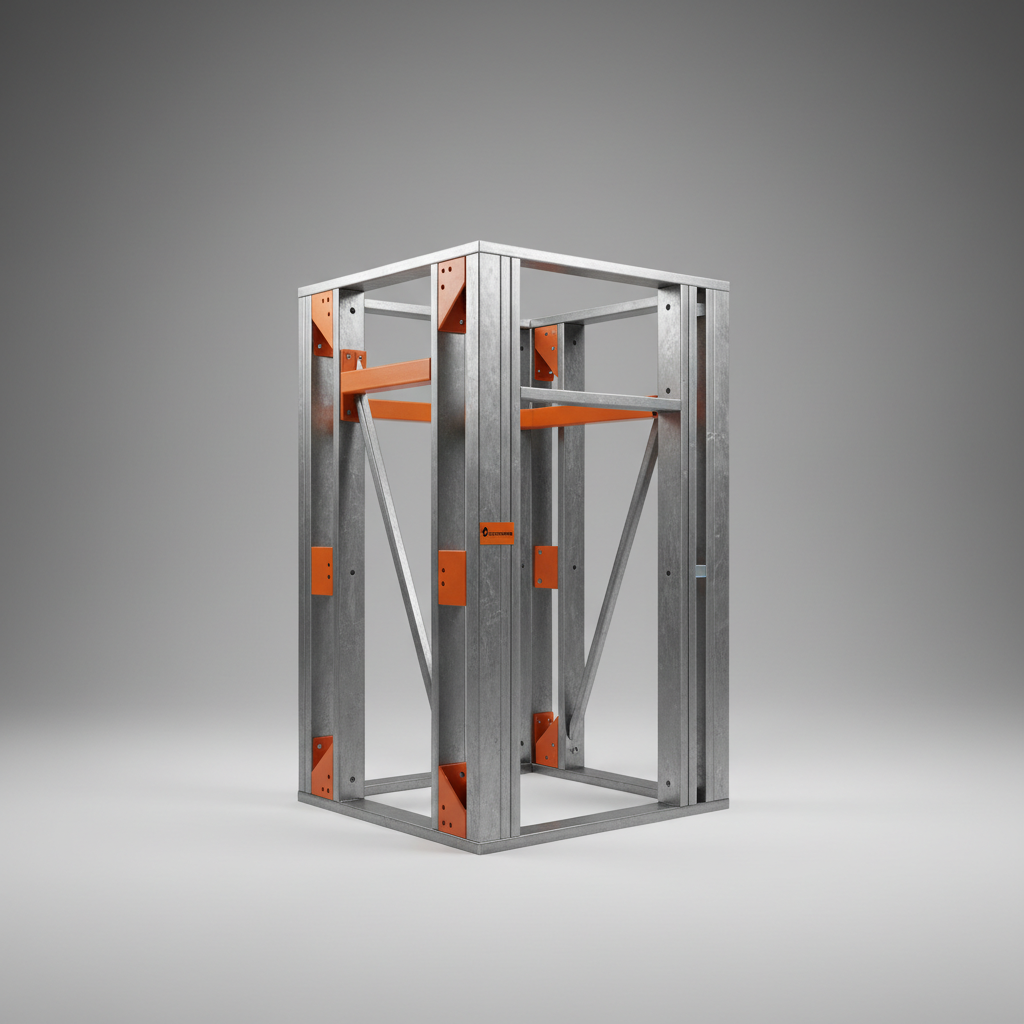
Light steel frame building represents a paradigm shift in the construction industry, prioritizing efficiency, sustainability, and affordability. Unlike traditional construction, it utilizes a framework of cold-formed steel components, typically galvanized to prevent corrosion, to create a structurally sound and durable building. The steel frame acts as the skeleton of the structure, supporting walls, roofing, and other architectural elements.
The benefits of adopting this approach are manifold, extending from reduced construction timelines to minimized environmental impact. light steel frame building is increasingly recognized as a key enabler of rapid deployment housing, disaster relief solutions, and sustainable building practices worldwide.
Global Relevance and Challenges
The global construction industry faces immense pressure to deliver affordable housing and infrastructure solutions in a sustainable manner. According to the UN, over one billion people globally lack adequate housing, while the World Bank estimates trillions of dollars are needed to address the infrastructure gap. Light steel frame building offers a pathway to meet these challenges by providing a faster, more cost-effective, and environmentally responsible alternative to traditional methods.
However, the widespread adoption of light steel frame building isn't without its hurdles. Lack of skilled labor, varying building codes across different regions, and initial investment costs can present challenges. Furthermore, public perception and ingrained preferences for conventional building techniques often require overcoming through education and demonstration projects.
Despite these challenges, the potential benefits of light steel frame building are driving increasing interest and investment in this technology. Organizations like ISO are actively developing standards to promote quality and safety within the industry, fostering confidence and facilitating global expansion.
Defining Light Steel Frame Building
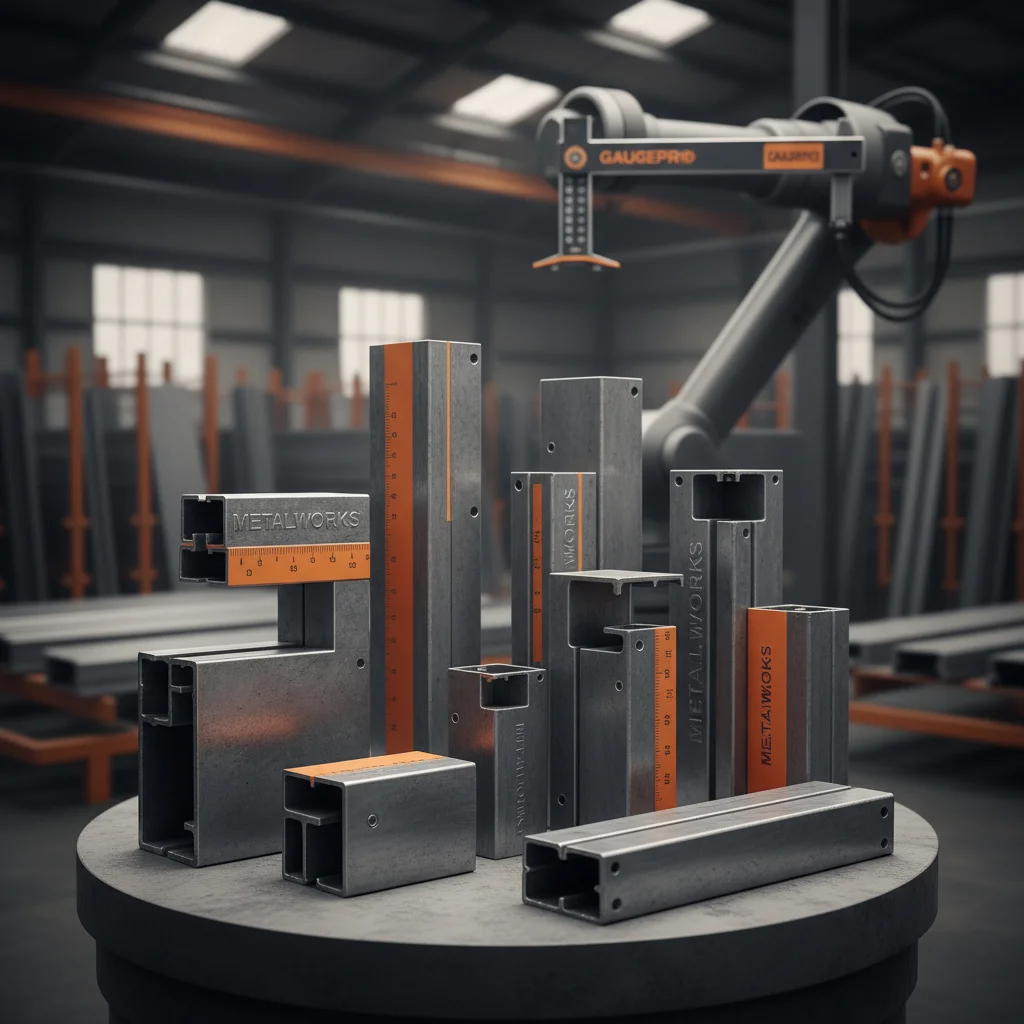
Light steel frame building is a construction technique that utilizes a structural framework comprised of cold-formed steel (CFS) components. These components, typically manufactured from galvanized steel sheets, are lightweight, high in strength, and easily assembled. The CFS frame provides the primary support for the building’s walls, roof, and floors, offering a durable and resilient structure.
This method directly addresses the urgent need for fast and efficient construction in both developed and developing nations. It aligns with modern humanitarian needs by providing rapid deployment housing for disaster victims and displaced populations. Furthermore, its sustainable characteristics address the industry's environmental impact concerns.
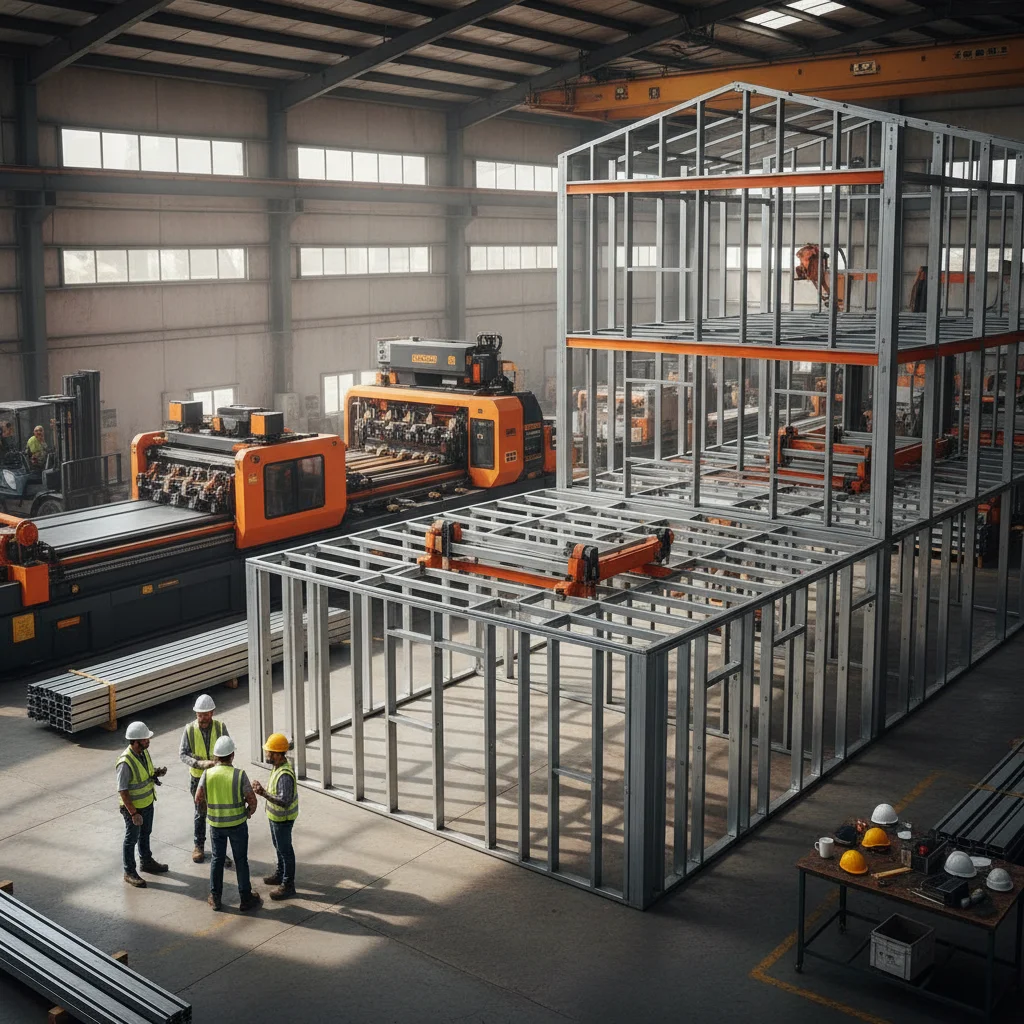
Distinguishing itself from conventional steel construction, light steel frame building utilizes thinner steel gauges, resulting in significant weight reduction and cost savings. The modular nature of the system facilitates prefabrication, reducing on-site waste and accelerating project completion. light steel frame building is fundamentally transforming the construction landscape.
Key Factors of Light Steel Frame Building
The success of light steel frame building hinges on several key factors, each contributing to its overall efficiency and effectiveness. Durability is paramount, as the galvanized steel frame is resistant to corrosion, pests, and fire, ensuring a long-lasting structure. Scalability allows for easy expansion or modification of the building design to meet evolving needs.
Cost efficiency is another crucial element. While initial material costs might be comparable to traditional methods, the faster construction times, reduced labor requirements, and minimized waste often result in significant overall savings. Additionally, design flexibility allows architects to create innovative and aesthetically pleasing structures, while precision engineering ensures structural integrity and optimal performance.
Light Steel Frame Building Method Comparison
Applications and Use Cases
Light steel frame building is finding applications across a broad spectrum of industries and scenarios. In residential construction, it facilitates the rapid construction of affordable and energy-efficient homes, particularly appealing in areas facing housing shortages. For commercial projects, it provides a flexible and scalable solution for offices, retail spaces, and warehouses.
In post-disaster relief operations, light steel frame building offers a crucial advantage – the ability to quickly deploy durable and safe shelters for displaced populations. Similarly, in remote industrial zones, where access to skilled labor and traditional building materials is limited, this technology provides a cost-effective and efficient construction solution.
Advantages and Long-Term Value
The advantages of light steel frame building extend far beyond initial cost savings. The durability of the steel frame ensures a long lifespan with minimal maintenance, reducing lifecycle costs. Sustainability is a key benefit, as steel is a highly recyclable material, minimizing environmental impact. The reduced construction time translates to faster project completion and quicker return on investment.
From a social impact perspective, light steel frame building contributes to improved living conditions and enhanced safety, particularly in disaster-prone regions. The precision engineering and quality control processes instill trust and confidence in the structural integrity of the building, providing peace of mind for occupants.
Future Trends and Innovations
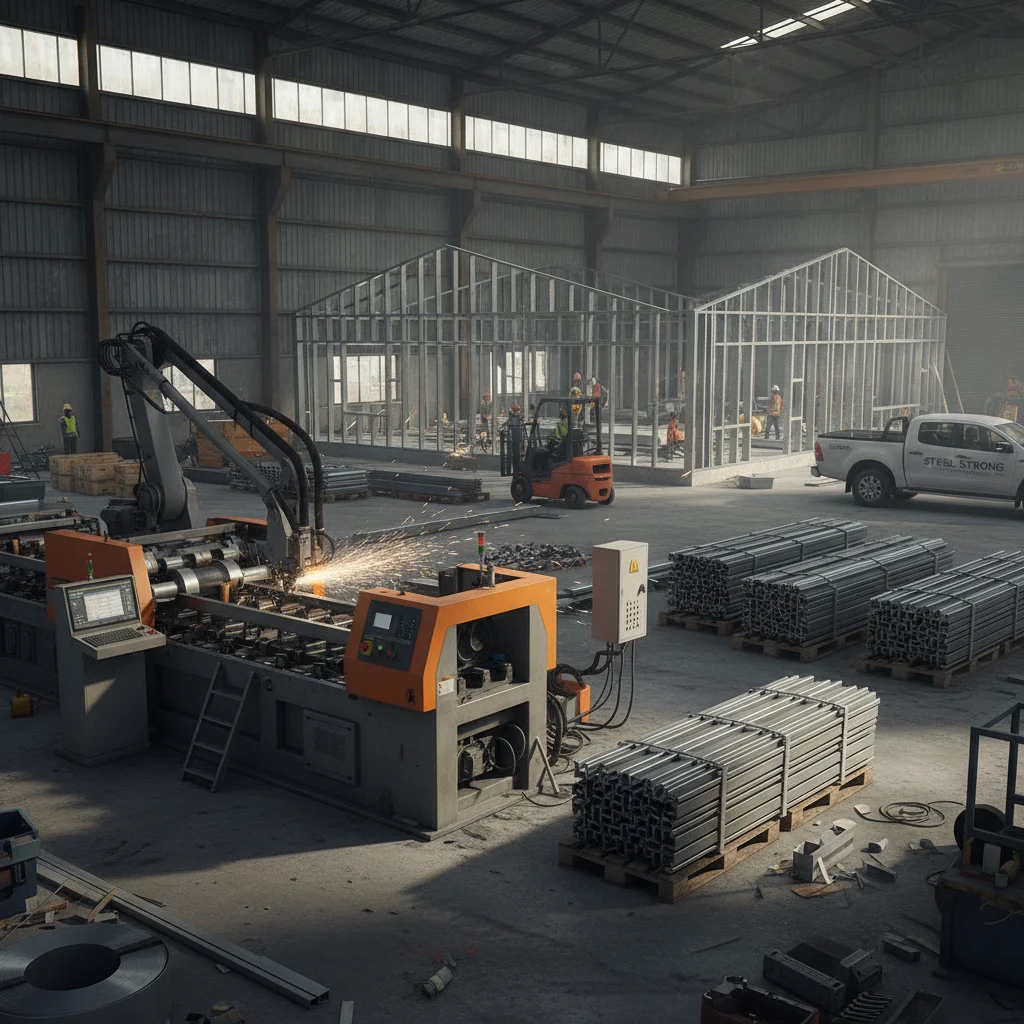
The future of light steel frame building is bright, with several exciting innovations on the horizon. Integration with Building Information Modeling (BIM) software is enhancing design accuracy and streamlining the construction process. Automation and robotics are being increasingly employed in the manufacturing and assembly of steel frame components, further improving efficiency and reducing labor costs.
The integration of green energy technologies, such as solar panels and rainwater harvesting systems, into light steel frame buildings is gaining traction, further enhancing their sustainability profile. Furthermore, advancements in steel materials, such as high-strength low-alloy (HSLA) steels, are improving structural performance and reducing material consumption.
Policy changes and government incentives promoting sustainable building practices are also expected to drive greater adoption of this innovative construction method, solidifying light steel frame building as a cornerstone of the future construction industry.
FAQS
Light steel frame buildings inherently possess good fire resistance due to the non-combustible nature of steel. Galvanized steel does not contribute to flame spread and retains its structural integrity even at high temperatures. Furthermore, the enclosure materials (insulation, wall coverings) play a crucial role in enhancing fire protection, achieving desired fire resistance ratings as per building codes. Proper design and use of fire-rated materials ensure the safety of occupants and the structure itself.
While material costs for steel and wood can be comparable, light steel frame building often proves more cost-effective overall. Faster construction times, reduced labor requirements, and minimized material waste contribute to significant savings. Additionally, the durability and low maintenance of steel frames translate to lower lifecycle costs. However, initial investment in specialized equipment and skilled labor can be a factor to consider.
Yes, light steel frame building can be effectively utilized in high-seismic zones. The inherent ductility and strength-to-weight ratio of steel provide excellent seismic performance. When designed and engineered according to relevant building codes and seismic standards, light steel frame structures can withstand significant ground motion and minimize damage. Proper connections and bracing are crucial for ensuring structural stability during earthquakes.
Light steel frame construction generally has a lower environmental impact compared to concrete construction. Steel is a highly recyclable material, reducing the demand for virgin resources. The reduced construction waste and faster build times also contribute to a lower carbon footprint. While steel production itself has environmental impacts, the recyclability and efficient use of materials make light steel frame a more sustainable option.
A wide range of insulation materials are compatible with light steel frame buildings, including fiberglass, mineral wool, spray foam, and rigid foam boards. The choice of insulation depends on factors such as climate, energy efficiency requirements, and budget. It’s important to select insulation that provides adequate thermal and acoustic performance while also addressing moisture control to prevent corrosion.
Finding qualified professionals is crucial for successful light steel frame building projects. Look for contractors and engineers with specific experience in cold-formed steel construction. Professional associations and industry organizations can provide directories of certified professionals. Ensure that the team is familiar with local building codes and has a proven track record of delivering high-quality projects.
Conclusion
Light steel frame building stands as a transformative force in the construction industry, offering a compelling blend of efficiency, sustainability, and affordability. Its ability to address pressing global challenges—housing shortages, disaster relief needs, and environmental concerns—positions it as a key technology for the future. The inherent benefits of steel, combined with innovative construction techniques, create a durable, resilient, and cost-effective building solution.
Looking ahead, continued research and development, coupled with supportive government policies, will further accelerate the adoption of light steel frame building worldwide. By embracing this technology, we can build a more sustainable and equitable future, providing safe, affordable, and environmentally responsible housing and infrastructure for generations to come.