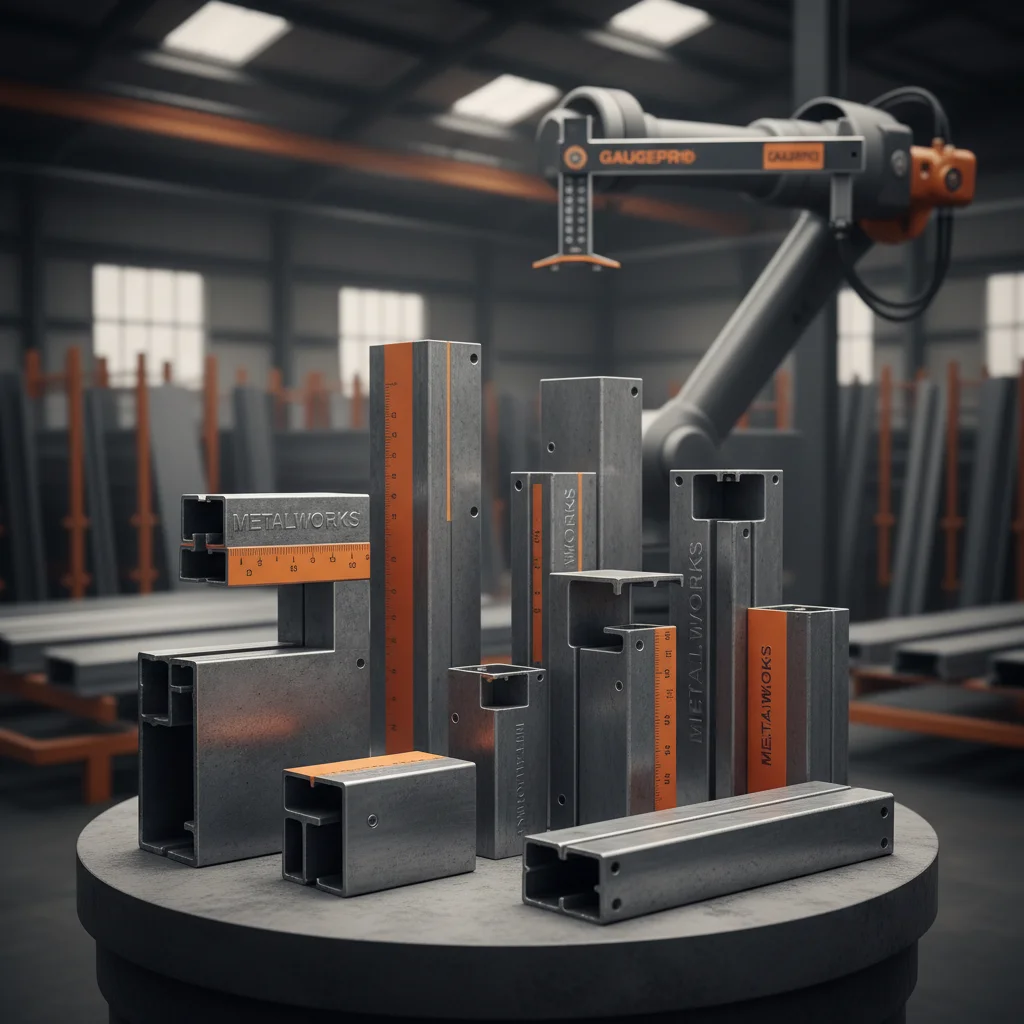
The realm of construction is constantly evolving, driven by the need for faster, more efficient, and sustainable building solutions. At the forefront of this evolution is the light gauge framing system, a technology poised to redefine how we approach residential, commercial, and industrial construction globally. This system isn’t merely a building method; it’s a paradigm shift, offering benefits ranging from rapid deployment in disaster relief to cost-effective housing solutions in developing nations.
The increasing demand for affordable and sustainable housing, coupled with the urgent need for rapid response in emergency situations, has propelled light gauge framing system into a critical position within the construction industry. Global urbanization rates and a growing awareness of environmental impact necessitate innovative building practices, and this system offers a compelling response. It addresses not only logistical challenges but also aims to provide dignified and resilient structures for communities worldwide.
Understanding the nuances of light gauge framing system is therefore crucial for architects, engineers, developers, humanitarian organizations, and policymakers alike. Its potential to reshape the construction landscape is significant, offering a path towards more efficient, sustainable, and equitable building practices for the future.
Introduction to Light Gauge Framing Systems
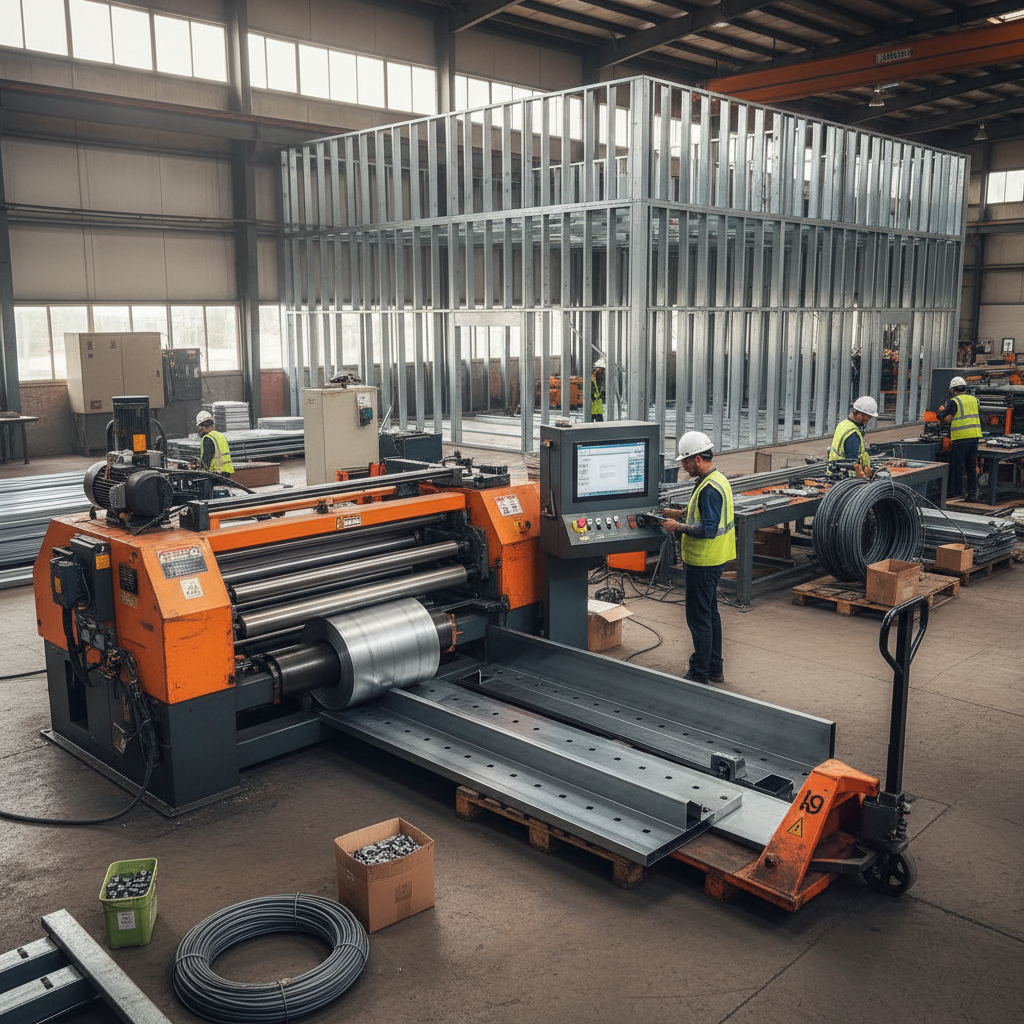
Light gauge framing systems are becoming increasingly recognized for their efficiency and adaptability. Utilizing galvanized steel components, these systems provide a robust and lightweight alternative to traditional wood or concrete construction. This approach significantly reduces construction time and labor costs while maintaining structural integrity and design flexibility.
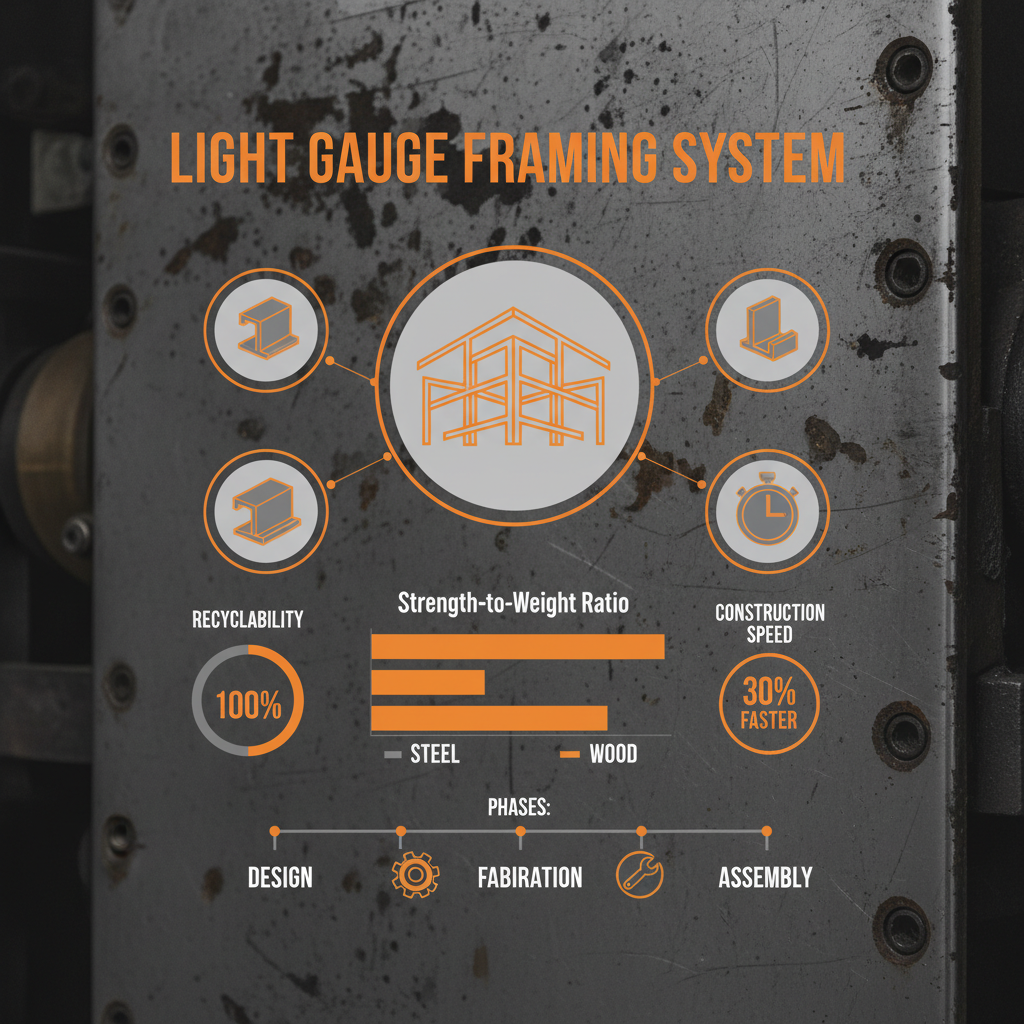
The inherent advantages of light gauge steel—its strength-to-weight ratio, fire resistance, and termite proofing—make it particularly suitable for a wide range of applications, from residential homes to large-scale commercial projects. Light gauge framing systems are proving to be a viable solution in both developed and developing nations, meeting diverse construction needs.
Global Relevance and Industry Context
The construction industry accounts for nearly 40% of global carbon emissions, making sustainable building practices critically important. According to UN reports, rapid urbanization and population growth are exacerbating the housing crisis, particularly in developing countries. This drives the need for faster, more affordable, and environmentally friendly construction methods, where light gauge framing systems are gaining traction.
The World Bank highlights the importance of resilient infrastructure in mitigating the impacts of natural disasters. Traditional construction methods often prove vulnerable in these scenarios, leading to significant economic losses and human suffering. Light gauge framing systems, with their inherent structural strength and seismic resistance, offer a compelling solution for building resilient communities.
Furthermore, ISO standards related to prefabricated construction and modular building are increasingly promoting the adoption of innovative techniques like light gauge steel framing. This standardization fosters quality control, ensures safety, and facilitates the scalability of these systems, making them attractive to both public and private sector investors.
Defining Light Gauge Framing Systems
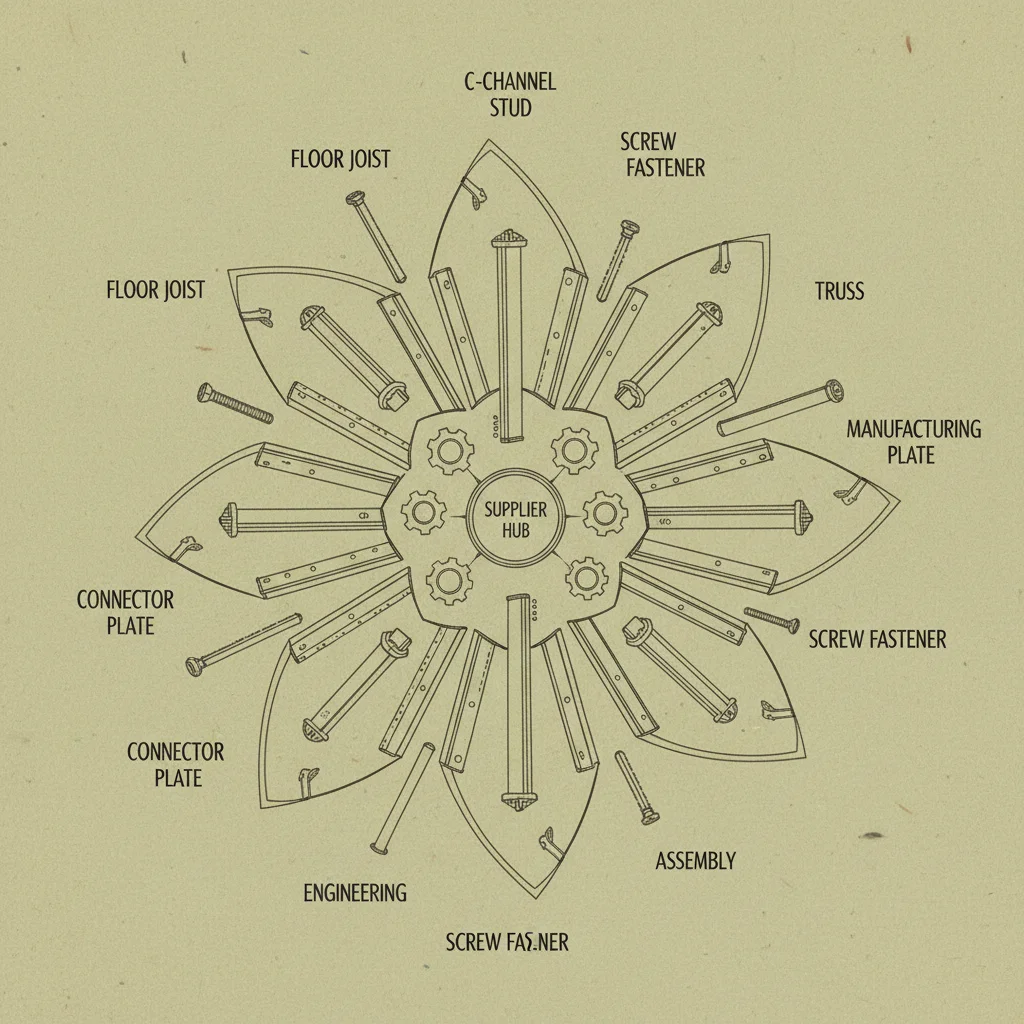
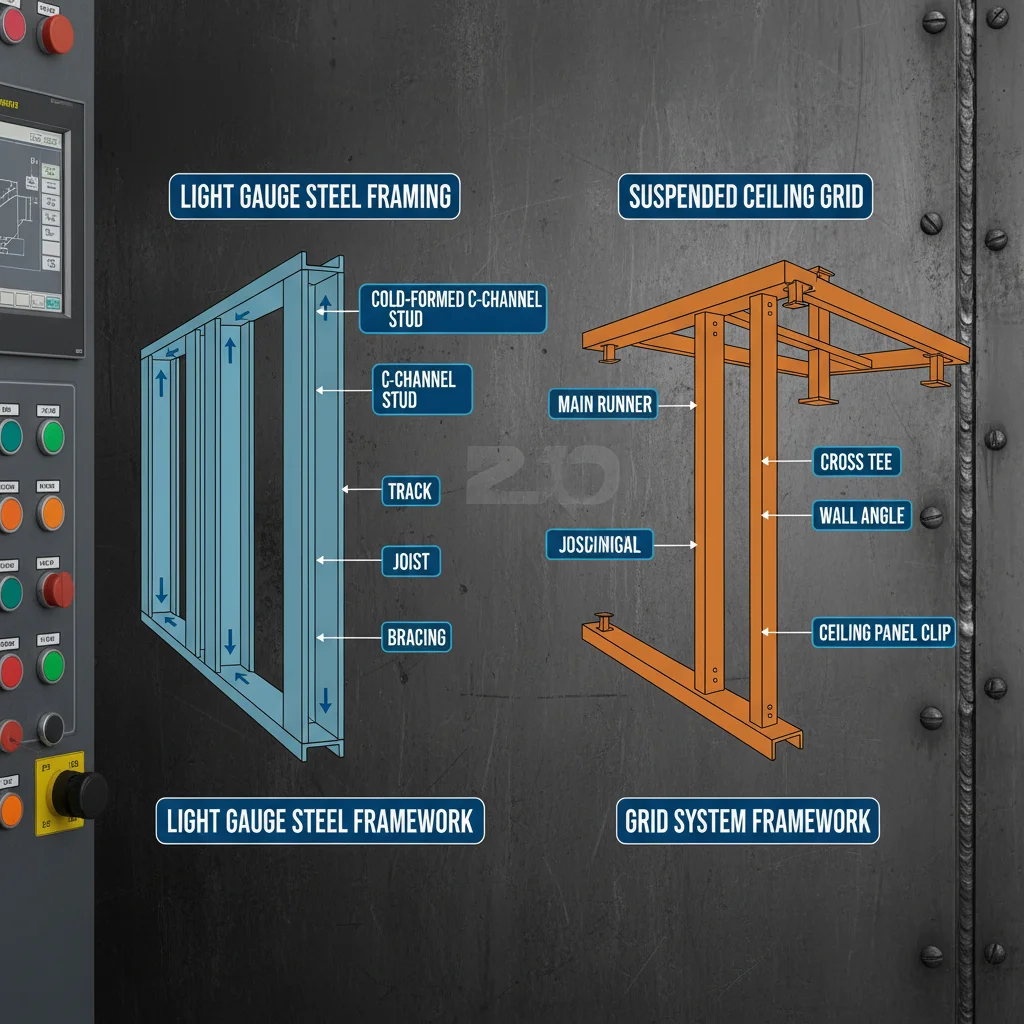
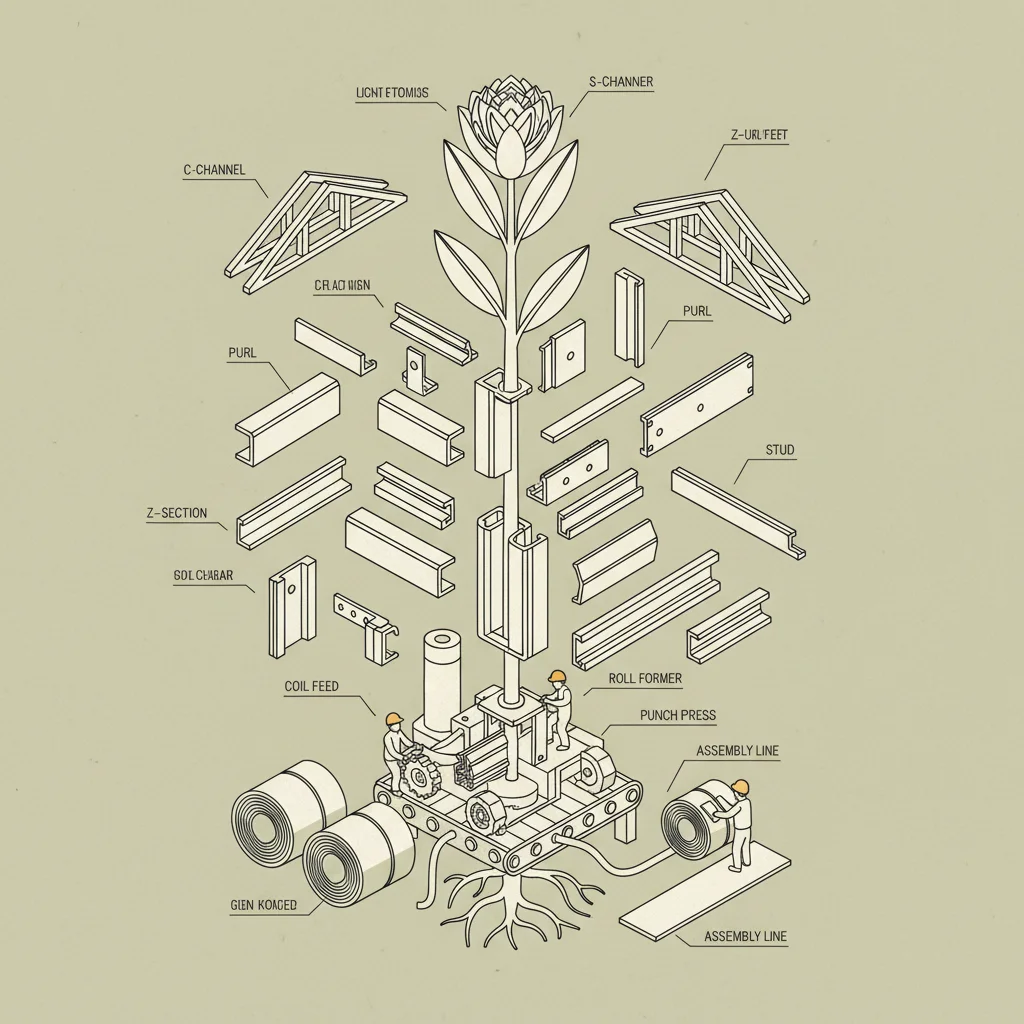
A light gauge framing system is a construction technique that utilizes cold-formed steel (CFS) components to create the structural framework of a building. CFS is typically galvanized steel sheets that are rolled into various shapes, such as C-sections, U-channels, and Z-purlins. These components are then assembled using screws or bolts to create walls, floors, and roofs.
Unlike traditional wood framing, light gauge steel framing is non-combustible, resistant to rot and pests, and offers consistent material properties. It connects to modern industry needs by enabling prefabricated components and off-site construction, drastically reducing on-site construction time and waste.
The application of light gauge framing systems extends beyond standard construction; it's vital in humanitarian contexts. Rapidly deployable shelters, disaster relief housing, and temporary medical facilities can all be constructed using these systems, offering immediate and safe accommodations for those affected by crises.
Key Factors and Core Components
Durability is a cornerstone of light gauge framing. Galvanized steel resists corrosion, rot, and insect damage, significantly extending the lifespan of a structure compared to wood. Scalability is another key factor; the system adapts seamlessly to various project sizes, from small residential buildings to large-scale commercial complexes.
Cost efficiency is achieved through reduced material waste, faster construction times, and lower labor costs. The precision of prefabricated components minimizes on-site modifications and rework. Furthermore, design flexibility allows for creative architectural solutions without compromising structural integrity. Light gauge steel’s strength allows for larger spans and open floor plans.
Component Performance in Light Gauge Framing Systems
Global Applications and Use Cases
In post-disaster relief operations, light gauge framing systems provide rapidly deployable and structurally sound shelters for displaced populations. Organizations like the Red Cross and Habitat for Humanity are increasingly utilizing these systems to address immediate housing needs in emergency situations.
In remote industrial zones, where access to skilled labor and traditional building materials is limited, these systems offer a cost-effective and efficient construction solution. Mining camps, temporary accommodations for construction workers, and field hospitals are commonly built using light gauge steel framing.
Advantages and Long-Term Value
The tangible benefits of light gauge framing systems are significant. Cost savings arise from reduced material waste, faster construction timelines, and lower labor requirements. Sustainability is enhanced by the recyclability of steel and reduced environmental impact. Social impact is realized through the provision of safe, durable, and affordable housing.
Beyond the practical advantages, light gauge steel framing fosters a sense of safety and security for occupants. The fire-resistant properties of steel provide peace of mind, while the durability of the system ensures long-term structural integrity. It builds trust in the construction process and offers a foundation for lasting community development.
Future Trends and Innovations
The integration of Building Information Modeling (BIM) with light gauge framing systems is streamlining the design and construction process, improving accuracy and collaboration. Automation technologies, such as robotic welding and assembly, are further accelerating production and reducing labor costs.
Research into new materials, such as high-strength steel alloys and advanced coatings, is enhancing the performance and durability of light gauge steel framing. The incorporation of green energy solutions, such as solar panels integrated into the building envelope, is driving the development of sustainable building practices.
FAQS
Light gauge steel framing offers several advantages over wood, including superior strength, fire resistance, termite proofing, and dimensional stability. Steel doesn't rot, warp, or shrink like wood, leading to fewer maintenance issues. It’s also a more sustainable choice as steel is highly recyclable.
Yes, light gauge steel framing is suitable for a wide range of climates. The galvanized coating provides excellent corrosion resistance, even in coastal environments. Additionally, steel doesn't expand or contract as much as wood with temperature changes, making it ideal for regions with extreme weather fluctuations.
The initial material cost of steel might be slightly higher than wood, but overall project costs are often lower with light gauge steel. This is due to faster construction times, reduced labor needs, less waste, and lower long-term maintenance costs. Life-cycle cost analysis usually favors steel framing.
Light gauge steel framing exhibits excellent seismic performance due to its ductility and strength-to-weight ratio. The flexibility of steel allows it to absorb energy during an earthquake, reducing the risk of structural failure. It's often preferred in regions prone to seismic activity.
Yes, most building codes recognize and regulate light gauge steel framing. It's essential to consult local building codes and standards to ensure compliance. Many jurisdictions have specific provisions for design, material specifications, and installation practices.
Absolutely. Light gauge steel framing is increasingly used for multi-story construction. Engineering designs must account for load-bearing requirements and stability, but the system is capable of supporting multiple floors while offering the benefits of speed, precision, and durability.
Conclusion
Light gauge framing systems represent a significant advancement in construction technology, offering a compelling blend of efficiency, sustainability, and resilience. From rapidly deploying shelters in disaster zones to constructing cost-effective and durable homes, the applications are vast and far-reaching. The system’s inherent advantages position it as a key enabler of more sustainable and equitable building practices worldwide.
As the construction industry faces increasing pressure to reduce its environmental impact and meet the growing demand for affordable housing, the adoption of innovative solutions like light gauge steel framing will become even more critical. We encourage further research, collaboration, and investment in this technology to unlock its full potential and create a more sustainable built environment for future generations. Visit our website at www.jinkaibm.com to learn more.