Hit enter to search or ESC to close
March 4, 2026
Acoustic T Bar ceilings are a popular choice for both commercial and residential spaces, offering a blend of functionality and aesthetics. They're widely used to improve sound absorption, conceal unsightly wiring and ductwork, and enhance the overall look of a room. Understanding the benefits, installation, and maintenance of these ceilings is crucial for achieving optimal performance and longevity. This article provides a detailed overview of acoustic T Bar ceilings, guiding you through every aspect from selecting the right materials to ensuring a professional finish. Choosing the right ceiling system can dramatically impact the comfort and usability of any space.
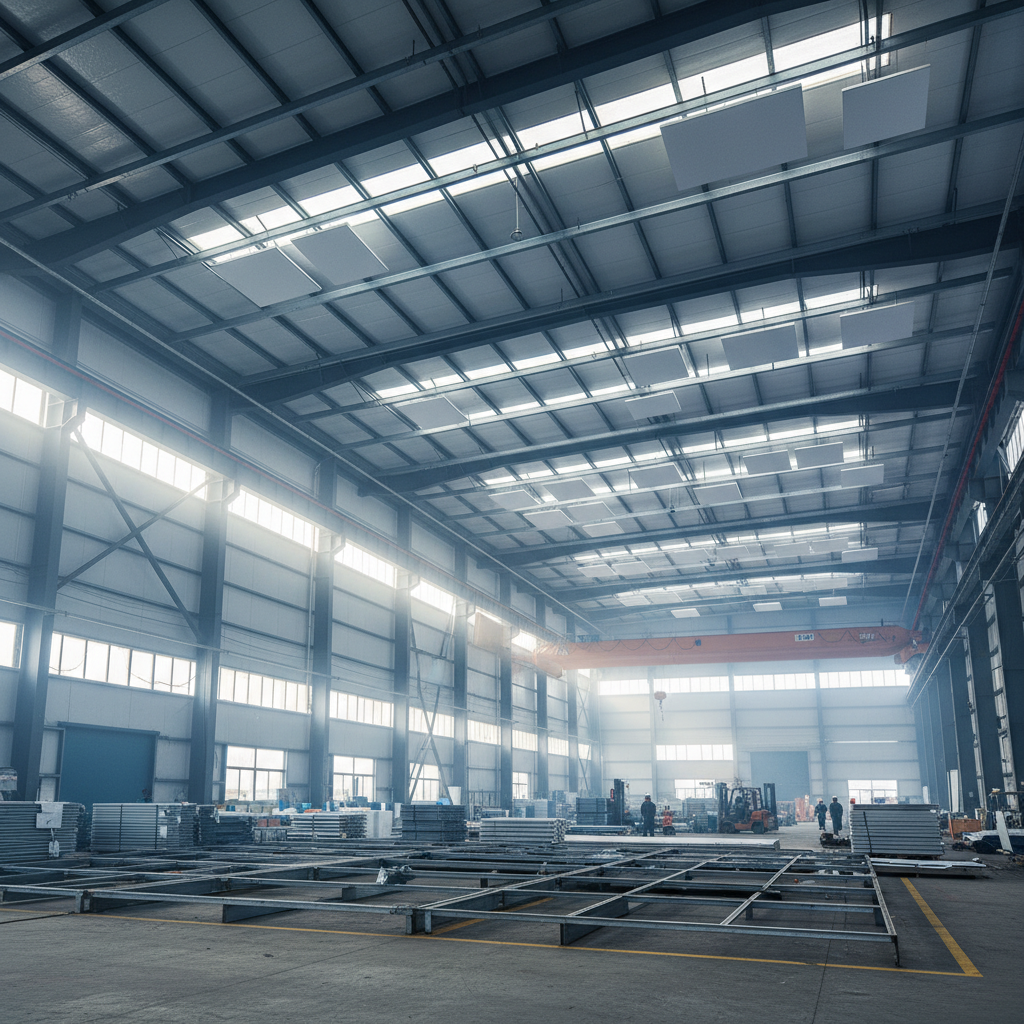
The primary advantage of acoustic T Bar ceilings lies in their ability to significantly reduce noise levels. The suspended design creates a plenum space above the ceiling tiles, effectively trapping and absorbing sound waves. This is particularly important in open-plan offices, classrooms, or any space where noise pollution is a concern. Beyond acoustics, T Bar ceilings offer easy access to the space above for maintenance and repairs, concealing unsightly elements, and contributing to a cleaner, more organized aesthetic. They are also relatively easy to install and can be adapted to accommodate various lighting and ventilation systems.
Key Highlights: Reduces noise pollution, easy access for maintenance, conceals utilities, and offers aesthetic appeal.
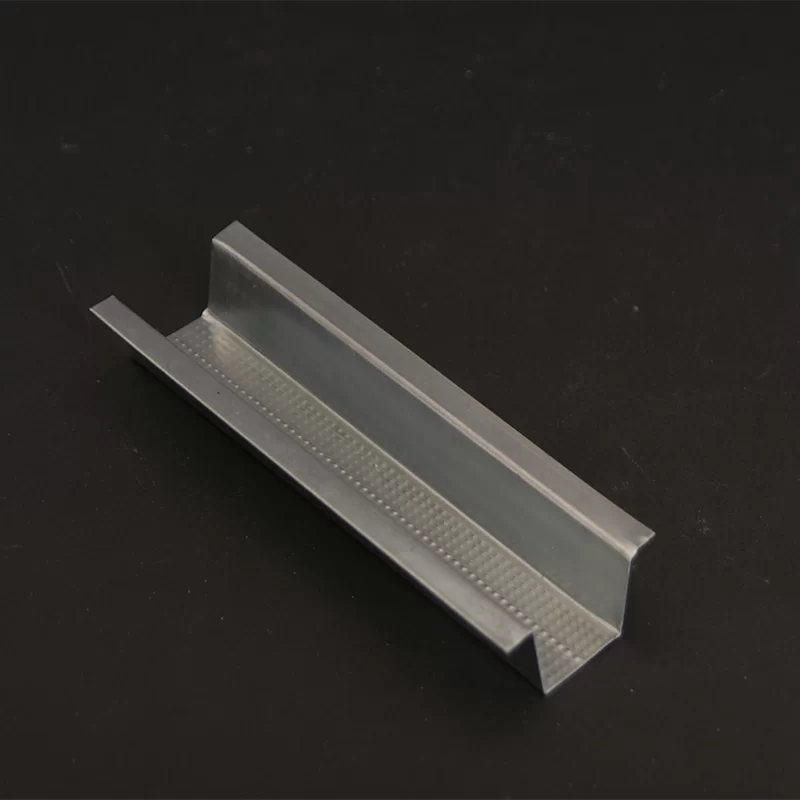
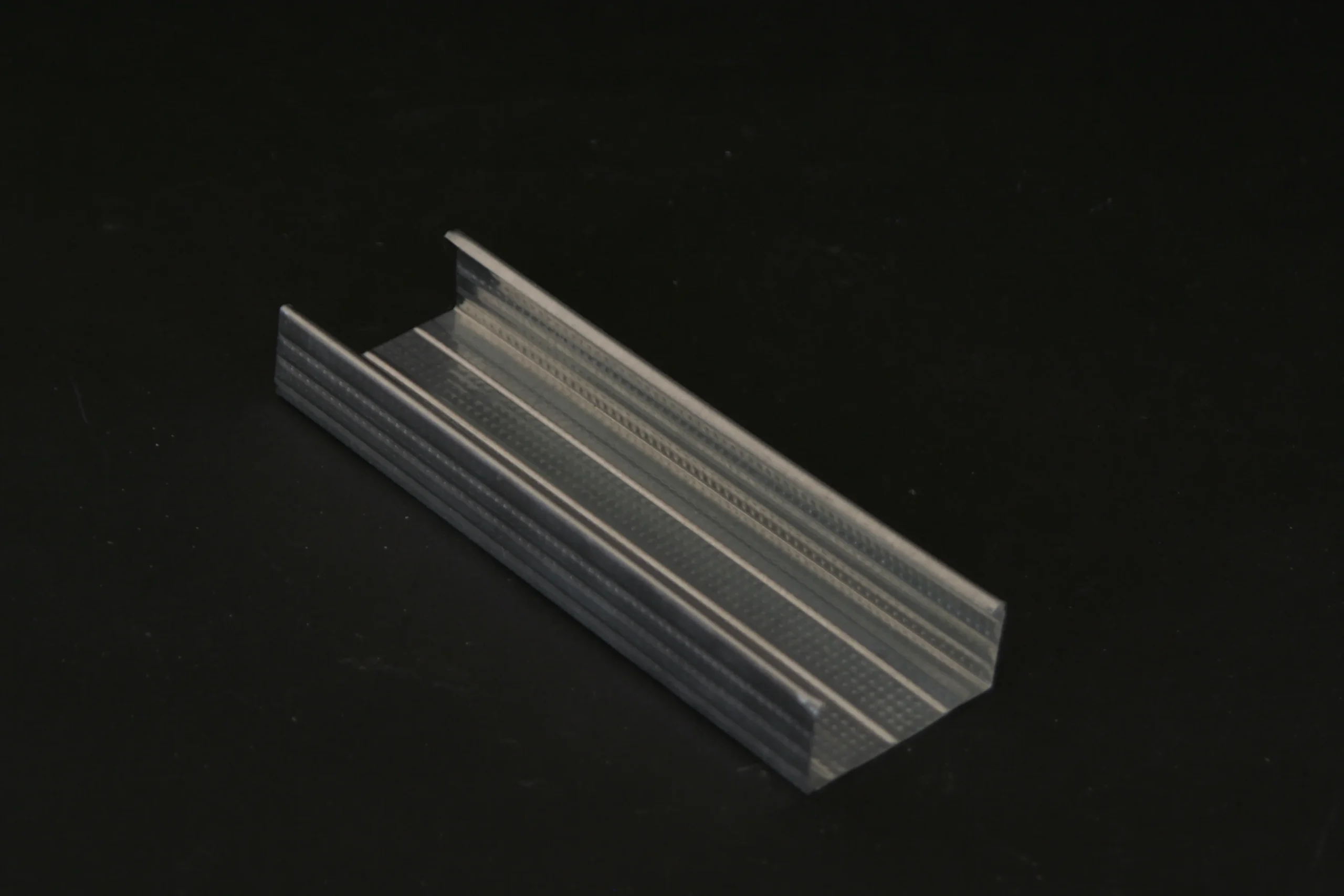
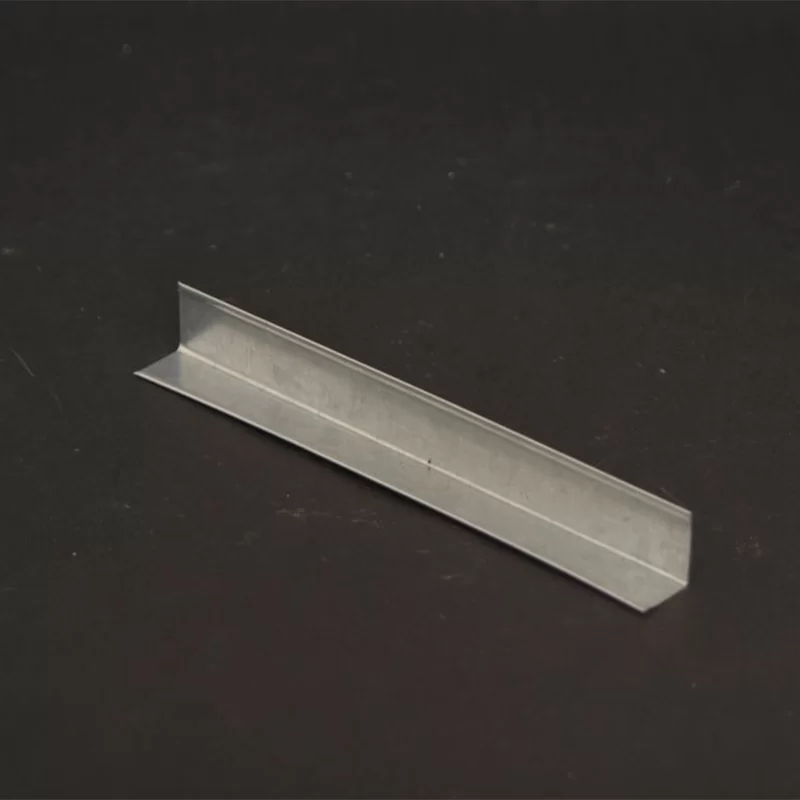
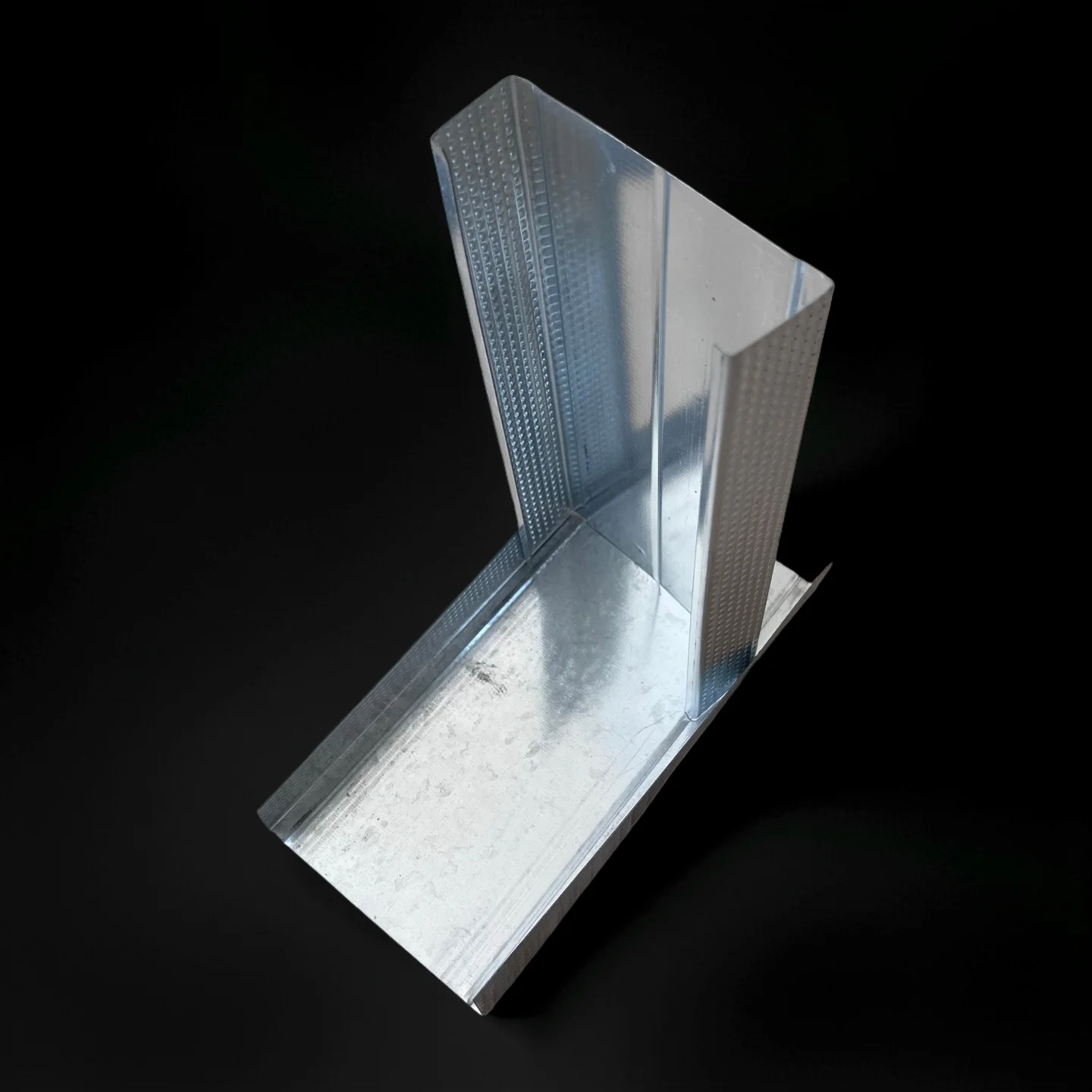
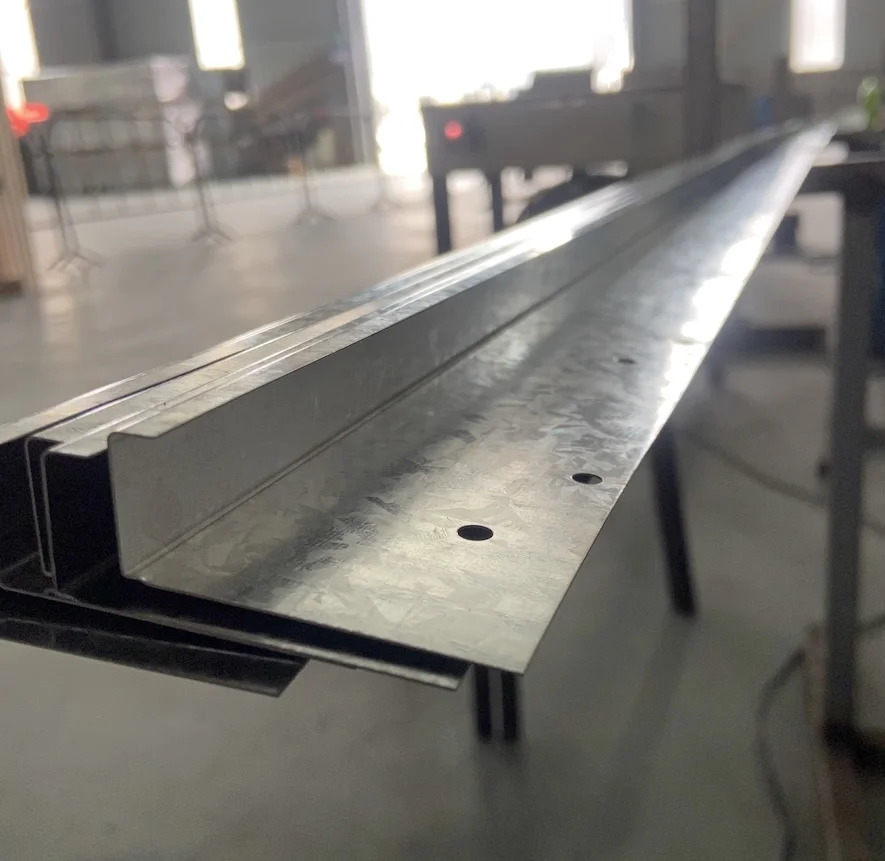
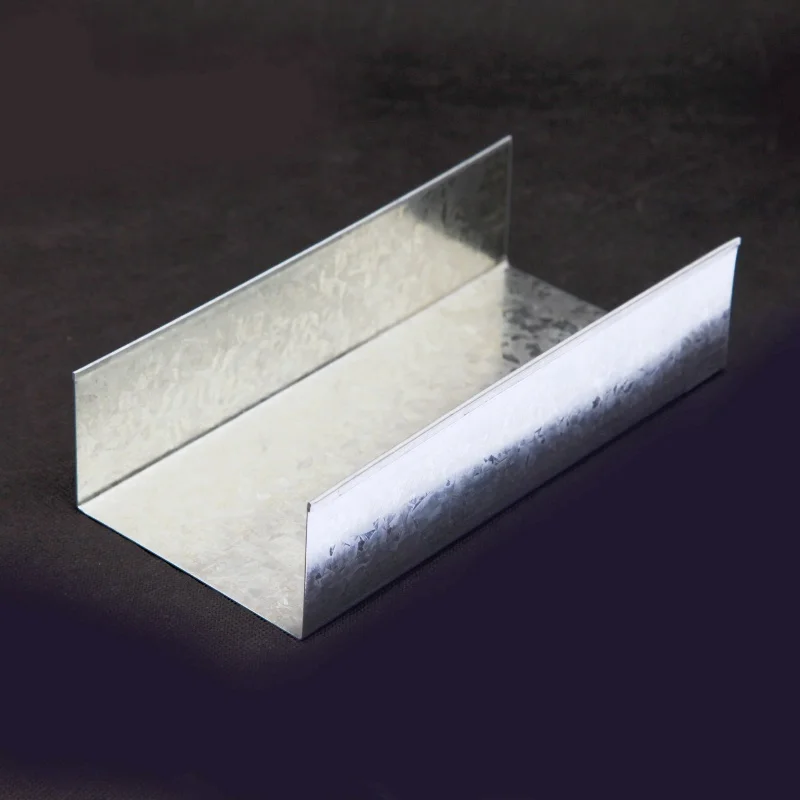
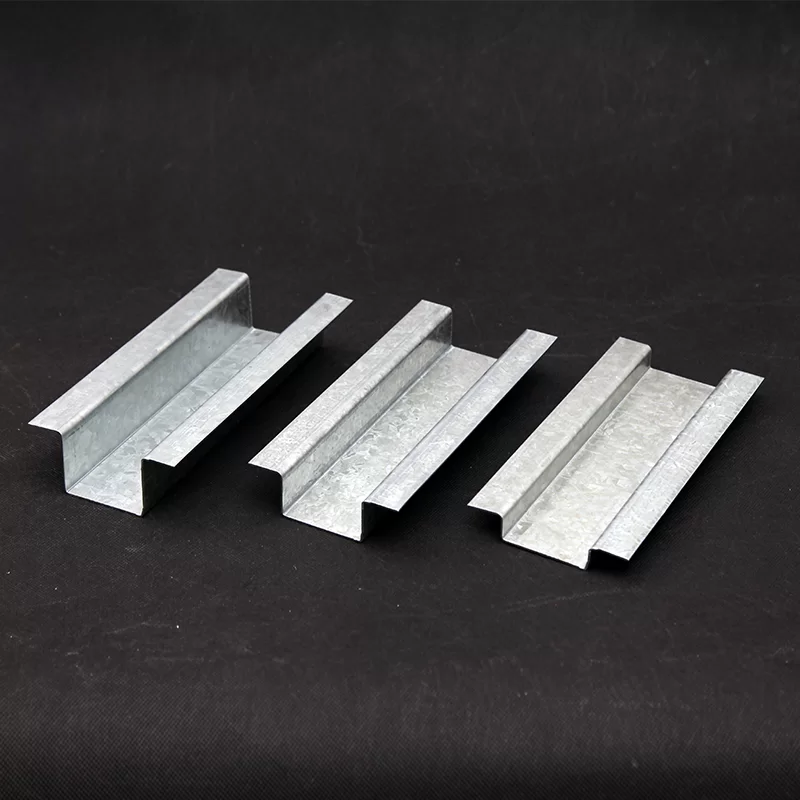
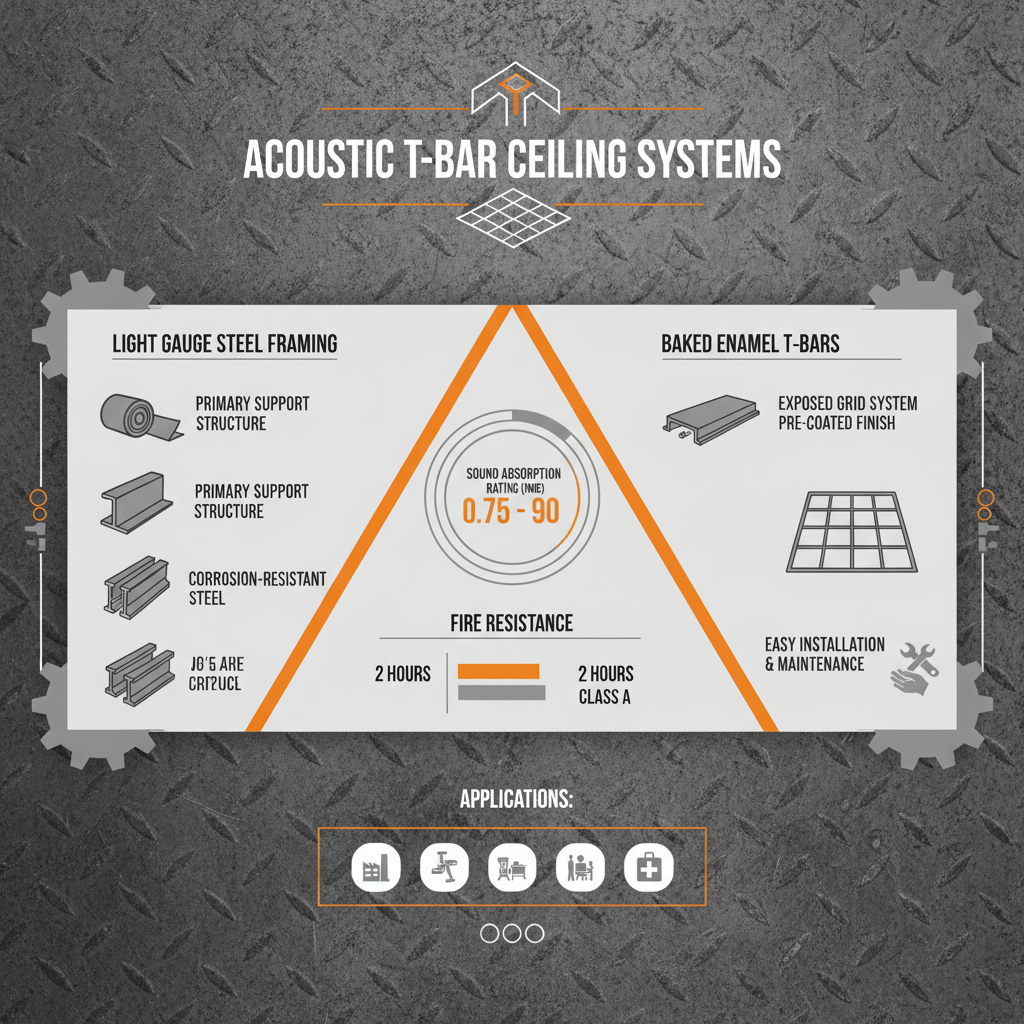
Acoustic T Bar ceilings consist of two main components: the suspension grid (or T-grid) and the ceiling tiles. The T-grid, typically made of galvanized steel, provides the structural framework. Ceiling tiles are available in a variety of materials, each offering different levels of acoustic performance and aesthetic options. Common materials include mineral fiber, fiberglass, and gypsum. Mineral fiber tiles are cost-effective and offer good sound absorption. Fiberglass tiles provide excellent acoustic performance but can be more expensive. Gypsum tiles offer a smoother surface and are often preferred for their aesthetic qualities. The choice of material depends on the specific needs and budget of the project.
Material Comparison:
• Mineral Fiber: Cost-effective, good sound absorption.
• Fiberglass: Excellent acoustic performance, higher cost.
• Gypsum: Smooth surface, aesthetic appeal.
The acoustic performance of a ceiling tile is measured by its Noise Reduction Coefficient (NRC). NRC is a decimal number ranging from 0 to 1, representing the fraction of sound energy absorbed by the material. A higher NRC indicates better sound absorption. For example, an NRC of 0.70 means the tile absorbs 70% of the sound energy that strikes it. Selecting tiles with an appropriate NRC rating is crucial for achieving the desired acoustic environment. Different spaces require different levels of sound absorption. For instance, a recording studio will need tiles with a much higher NRC than a typical office.
Proper installation is critical for maximizing the performance and longevity of an acoustic T Bar ceiling. It's recommended to hire a professional installer to ensure the grid is level and securely fastened. Maintenance primarily involves occasional cleaning to remove dust and debris. Avoid using abrasive cleaners, as they can damage the tile surface. Regularly inspect the tiles for any signs of damage, such as sagging or staining, and replace them as needed. Addressing minor issues promptly can prevent more significant problems down the road. You can find detailed installation guides and maintenance tips on the Jinka IBM website.
Selecting the right acoustic T Bar ceiling depends on various factors, including the intended use of the space, the desired level of sound absorption, the budget, and the aesthetic preferences. Consider the room's size and shape, as well as the presence of any noise sources. Consult with an acoustic specialist if you're unsure which type of tile is best suited for your specific needs. Jinka IBM offers a wide range of acoustic T Bar ceiling solutions to meet diverse requirements.
Investing in an acoustic T Bar ceiling is a smart way to improve the comfort, functionality, and aesthetics of any space. By understanding the benefits, materials, and installation process, you can make an informed decision and create a sound environment that meets your specific needs. Don't underestimate the impact a well-designed ceiling can have on the overall atmosphere of a room.
To clean acoustic T Bar ceiling tiles, use a soft brush or vacuum with a brush attachment to remove dust and debris. For light stains, you can gently wipe the tiles with a damp cloth and mild detergent. Avoid using abrasive cleaners or excessive water, as these can damage the tile surface. It’s crucial to test any cleaning solution in an inconspicuous area first to ensure it doesn’t cause discoloration or deterioration. Regularly cleaning your ceiling tiles will help maintain their appearance and acoustic performance.
While it’s possible to install acoustic T Bar ceilings yourself, it’s generally recommended to hire a professional installer, especially for larger or more complex projects. Proper installation requires precise measurements, careful cutting, and secure fastening of the grid system. An experienced installer will ensure the ceiling is level, stable, and provides optimal acoustic performance. Incorrect installation can lead to sagging, noise issues, and safety hazards.
The cost of an acoustic T Bar ceiling varies depending on several factors, including the size of the room, the type of tiles used, the complexity of the installation, and labor costs. Generally, costs can range from $3 to $10 per square foot, including materials and installation. Factors that increase the cost include higher NRC ratings, premium tile materials, and difficult installation conditions. Contacting Jinka IBM for a quote will give you the most accurate estimate for your specific project.
Fire safety is a critical consideration when choosing and installing acoustic T Bar ceilings. Ensure the tiles and grid system meet local building codes and fire safety regulations. Look for tiles with a Class A fire rating, which indicates they have excellent flame spread and smoke development characteristics. Proper installation, including correct spacing and anchoring of the grid, is also essential for maintaining fire resistance.