Light gauge steel frame buildings (LGSFB) are rapidly gaining prominence as a sustainable and efficient construction solution globally. Driven by the need for faster, more cost-effective, and environmentally friendly building methods, LGSFB offer a compelling alternative to traditional construction. They are increasingly recognized for their versatility, suitable for a wide array of applications, from residential housing to commercial structures and disaster relief shelters.
The increasing demand for LGSFB is fueled by urbanization, population growth, and the urgent need for affordable housing worldwide. Data from the UN Habitat indicates a global housing deficit of over 160 million units, pushing innovation in construction technologies. The benefits of LGSFB – speed of construction, reduced waste, and superior structural performance – directly address these challenges, making them a vital part of the future of construction.
Understanding the principles and applications of light gauge steel frame buildings is crucial for architects, engineers, developers, and policymakers alike. As the construction industry evolves toward more sustainable practices, LGSFB are poised to become a dominant building method, contributing to a more resilient and efficient built environment.
Introduction to Light Gauge Steel Frame Buildings
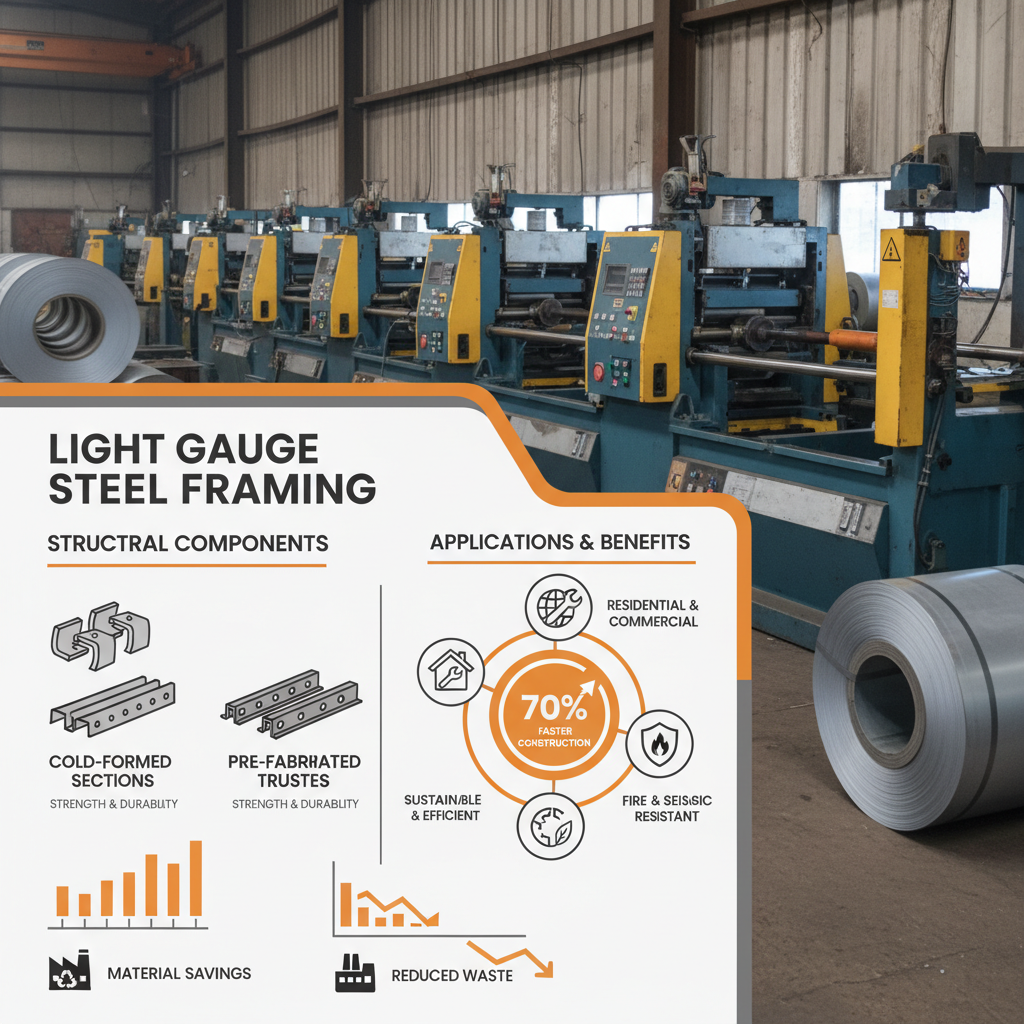
Light gauge steel frame buildings are a sophisticated construction technology utilizing cold-formed steel members to create the structural framework of a building. This innovative approach offers a compelling combination of strength, durability, and design flexibility. Their lightweight nature significantly reduces foundation requirements, leading to cost savings and faster construction timelines.
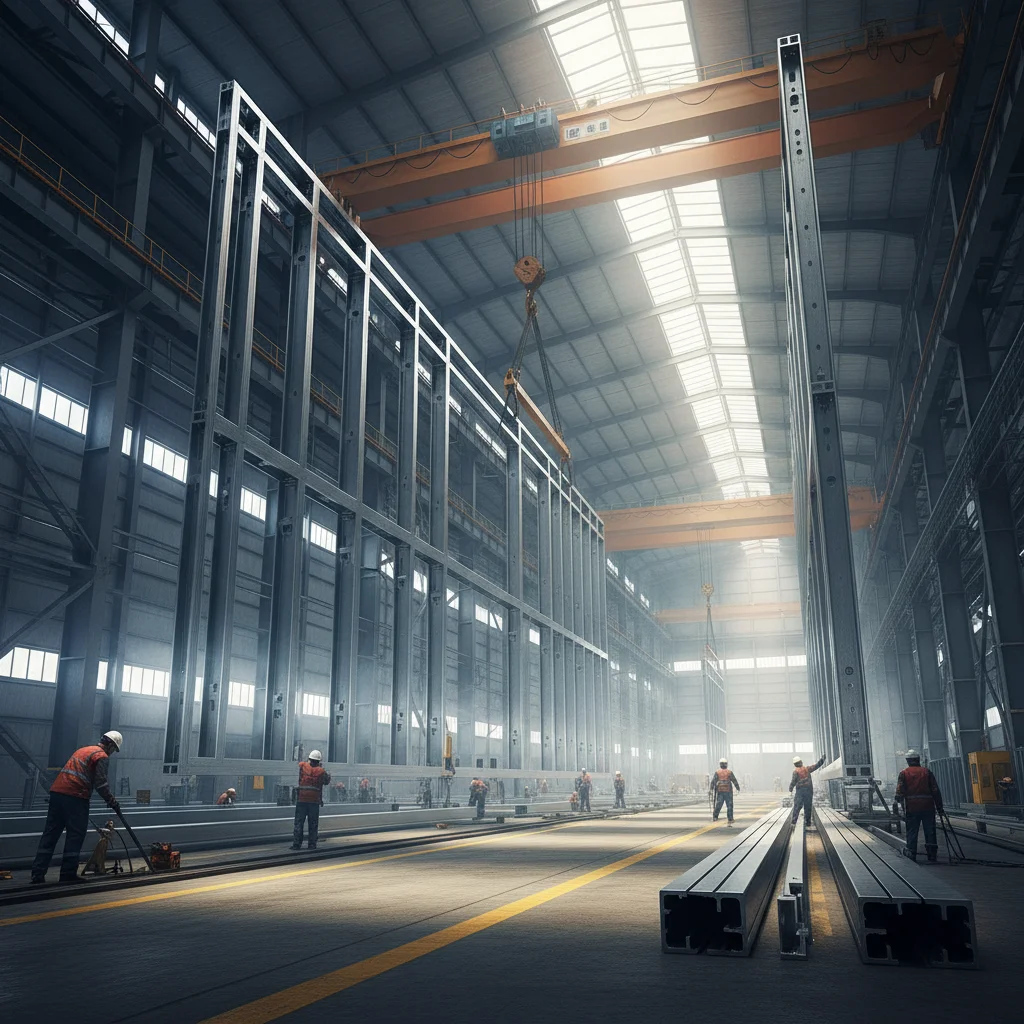
The adoption of light gauge steel frame buildings is expanding rapidly across various sectors, including residential, commercial, and industrial construction. These structures are particularly well-suited for projects requiring quick deployment, such as disaster relief housing or temporary facilities. The precision manufacturing of steel components ensures consistent quality and minimizes on-site waste, aligning with sustainable building practices.
Defining Light Gauge Steel Frame Buildings
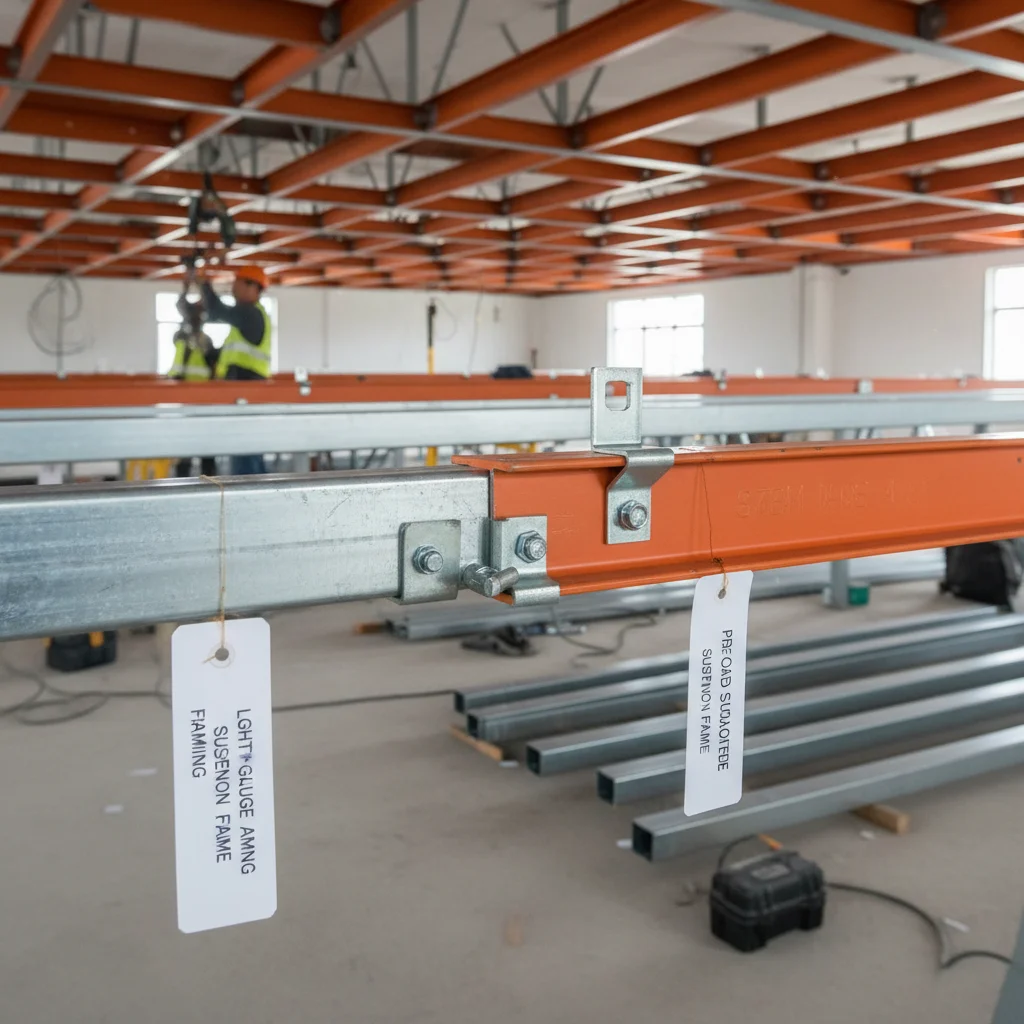
Light gauge steel frame buildings are constructed using a skeletal frame composed of cold-formed steel studs, joists, and rafters. Unlike traditional timber framing or heavier steel construction, LGSFB utilize thin-gauge steel components, typically ranging from 16 to 20 gauge. This steel is galvanized or coated to provide corrosion resistance, ensuring long-term durability. The steel members are connected using self-tapping screws, creating a robust and stable structure.
This construction method directly addresses the growing need for rapid and efficient building solutions in a world facing increasing urbanization and housing shortages. It's not just about speed; LGSFB offer a level of precision and consistency that is difficult to achieve with traditional methods, minimizing errors and reducing rework.
The connection to modern industry and humanitarian needs is clear. LGSFB provide a scalable and repeatable solution for building high-quality, affordable housing, disaster relief shelters, and commercial spaces, offering a viable alternative to resource-intensive construction practices.
Core Components and Key Factors
Several key factors contribute to the effectiveness of light gauge steel frame buildings. Durability is paramount, with galvanized steel providing excellent resistance to corrosion, fire, and pests, resulting in structures with a lifespan comparable to traditional construction. This inherent resistance reduces long-term maintenance costs and enhances the building’s overall value.
Scalability is another significant advantage. LGSFB can be easily adapted to a wide range of building designs and sizes, from small residential homes to large-scale commercial complexes. The modular nature of the system allows for flexible expansion and customization to meet specific project requirements. This flexibility makes them ideal for both individual homeowners and large-scale developers.
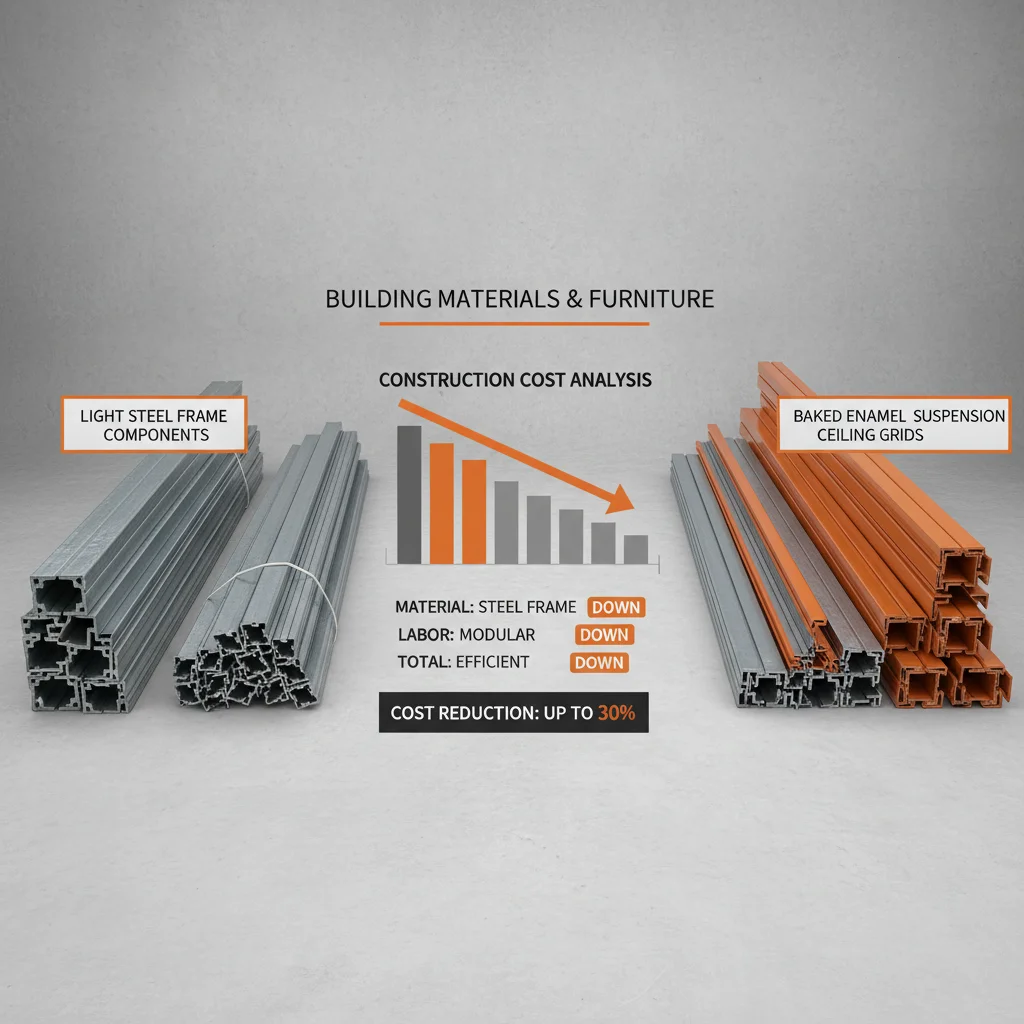
Cost Efficiency arises from reduced material waste, faster construction times, and lower labor costs. Prefabrication of steel components minimizes on-site cutting and fitting, streamlining the building process. Design Flexibility enables architects to create innovative and aesthetically pleasing structures, while Sustainability is promoted through the use of recyclable materials and reduced construction waste. Finally, Structural Integrity ensures the buildings can withstand various environmental loads and seismic activity.
Practical Applications and Global Reach
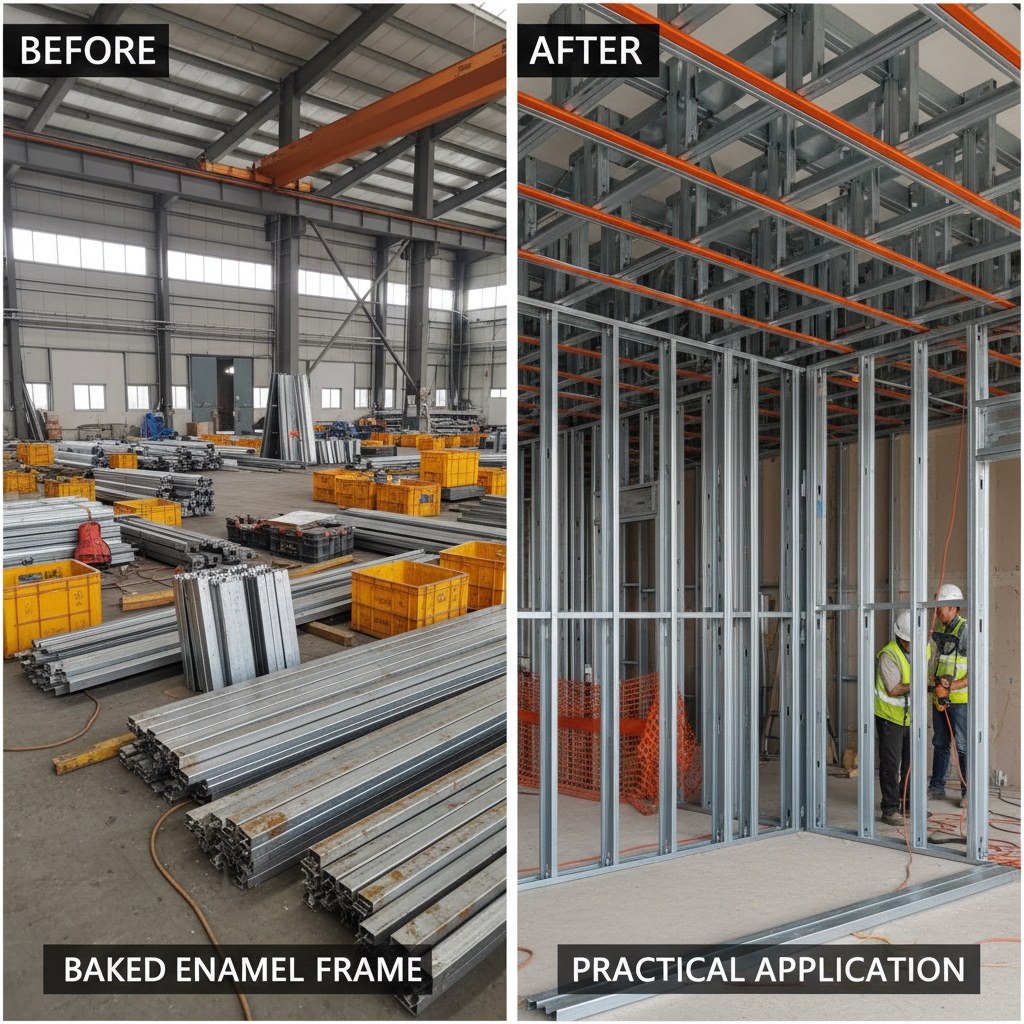
Light gauge steel frame buildings are finding applications across the globe, addressing diverse needs and challenges. In post-disaster relief operations, their rapid deployment capabilities provide immediate shelter for displaced populations. Organizations are utilizing LGSFB to construct temporary hospitals, schools, and emergency housing in areas affected by natural disasters.
In remote industrial zones, where access to traditional construction materials is limited, LGSFB offer a practical and efficient building solution. Mining camps, construction sites, and remote research facilities are benefiting from the speed and ease of assembly of these structures. Moreover, the growing demand for affordable housing in urban areas is driving the adoption of LGSFB in residential construction projects.
Regions such as North America, Australia, and parts of Europe are witnessing a surge in LGSFB construction, with governments and private developers recognizing their potential to address housing shortages and promote sustainable building practices. Companies specializing in LGSFB technology are expanding their operations internationally, bringing their expertise to emerging markets.
Light Gauge Steel Frame Building Method Comparison
Advantages and Long-Term Value Proposition
The advantages of light gauge steel frame buildings extend beyond initial cost savings. The inherent strength and durability of steel contribute to a longer building lifespan, reducing the need for frequent repairs and replacements. The resistance to fire, pests, and rot further enhances the building’s long-term value and minimizes maintenance expenses.
From a sustainability perspective, LGSFB offer a significantly lower environmental impact compared to traditional construction methods. The use of recyclable steel reduces reliance on virgin materials, and the minimized construction waste aligns with circular economy principles. This commitment to sustainability appeals to environmentally conscious consumers and investors.
Future Trends and Innovations in LGSFB
The future of light gauge steel frame buildings is bright, with ongoing innovations poised to further enhance their performance and appeal. Integration with Building Information Modeling (BIM) technology is streamlining the design and construction process, enabling greater precision and collaboration. Automation in the manufacturing and assembly of steel components is driving down costs and improving efficiency.
The incorporation of smart building technologies, such as energy-efficient insulation and integrated solar panels, is transforming LGSFB into high-performance, sustainable structures. Research into new steel alloys with enhanced corrosion resistance and strength is also underway, promising even greater durability and longevity for these buildings.
Challenges and Solutions in LGSFB Construction
Despite their numerous advantages, light gauge steel frame buildings face certain challenges. One common concern is the need for specialized training and expertise in design and construction. Addressing this requires investing in education and certification programs for architects, engineers, and construction workers.
Another challenge is the potential for thermal bridging, which can reduce energy efficiency. This can be mitigated through the use of thermal breaks and advanced insulation materials. Finally, ensuring proper corrosion protection in harsh environments is crucial for long-term durability, requiring careful selection of coatings and materials.
Innovative solutions, such as pre-engineered framing systems and modular construction techniques, are helping to overcome these challenges and make LGSFB more accessible and cost-effective. Collaborative partnerships between manufacturers, designers, and builders are also essential for driving innovation and promoting best practices.
FAQS
Light gauge steel frame buildings offer several key advantages over wood framing, including superior durability, fire resistance, and pest resistance. Steel doesn't rot, warp, or attract termites, leading to lower maintenance costs and a longer building lifespan. Steel framing is also dimensionally stable, resulting in straighter walls and fewer building defects. Moreover, steel is a recyclable material, making LGSFB a more sustainable building choice.
Yes, light gauge steel frame buildings can be engineered to perform exceptionally well in seismic zones. The ductility of steel allows it to absorb energy during an earthquake, minimizing structural damage. Properly designed LGSFB incorporate robust connections and bracing systems to withstand seismic forces. The lightweight nature of the steel frame also reduces the overall seismic load on the building.
While the initial material cost of steel may be slightly higher than wood, the overall cost of a light gauge steel frame building can be competitive or even lower than traditional construction. This is due to factors such as faster construction times, reduced labor costs, less material waste, and lower long-term maintenance expenses. The precision of steel framing minimizes rework and reduces the potential for costly errors.
Steel is a non-combustible material, making light gauge steel frame buildings inherently fire-resistant. While steel loses strength at very high temperatures, it doesn't contribute to the spread of fire. Properly designed LGSFB incorporate fire-rated gypsum board and other fire protection measures to meet building code requirements and ensure occupant safety. They often exceed the fire resistance of wood-framed structures.
Yes, light gauge steel frame buildings are suitable for multi-story construction. The structural capacity of steel allows for the creation of taller buildings with longer spans. However, careful engineering design and proper bracing are essential to ensure structural stability. LGSFB are commonly used for townhouses, apartments, and low-rise commercial buildings.
Light gauge steel frame buildings offer significant environmental benefits. Steel is a highly recyclable material, reducing the demand for virgin resources. The precision manufacturing process minimizes construction waste, and the lightweight nature of the steel frame reduces transportation costs and emissions. LGSFB also contribute to energy efficiency through improved insulation and reduced air leakage.
Conclusion
In conclusion, light gauge steel frame buildings represent a transformative approach to construction, offering a compelling combination of speed, efficiency, sustainability, and durability. Their versatility makes them applicable to a wide range of projects, from disaster relief housing to large-scale commercial developments. The advantages of LGSFB – reduced construction time, lower lifecycle costs, and environmental benefits – position them as a key solution to the growing global challenges of urbanization and housing shortages.
Looking ahead, continued innovation in materials, design, and construction techniques will further enhance the appeal and performance of light gauge steel frame buildings. Investing in education and training, promoting standardization, and fostering collaboration between industry stakeholders are crucial for accelerating the adoption of this sustainable building technology. Visit our website at light gauge steel frame buildings to learn more about how we can help you build a better future.