Hit enter to search or ESC to close
Lightweight steel frame construction (LSFC) is rapidly gaining prominence as a sustainable and efficient building solution globally. Driven by factors like urbanization, disaster resilience needs, and the demand for affordable housing, LSFC offers a compelling alternative to traditional construction methods. Its inherent properties – high strength-to-weight ratio, design flexibility, and prefabrication potential – position it as a key component in addressing pressing infrastructure challenges worldwide. Understanding LSFC is crucial for architects, engineers, policymakers, and anyone involved in shaping the future of the built environment.
The global construction industry is under immense pressure to reduce its environmental footprint and improve efficiency. Traditional methods often involve significant material waste, lengthy construction times, and substantial labor costs. LSFC directly addresses these issues by utilizing recyclable materials, enabling faster build times through prefabrication, and minimizing on-site labor requirements. The UN’s Sustainable Development Goals (SDGs), particularly those related to sustainable cities and communities (SDG 11), are increasingly pushing for innovative construction techniques like LSFC.
Furthermore, with a growing global population and increased frequency of natural disasters, the need for robust and rapidly deployable housing solutions is more critical than ever. Lightweight steel frame construction provides a viable answer, offering structural integrity, affordability, and the ability to quickly assemble buildings in diverse locations. lightweight steel frame construction is not merely a building technique, but a pathway towards a more resilient and sustainable future.
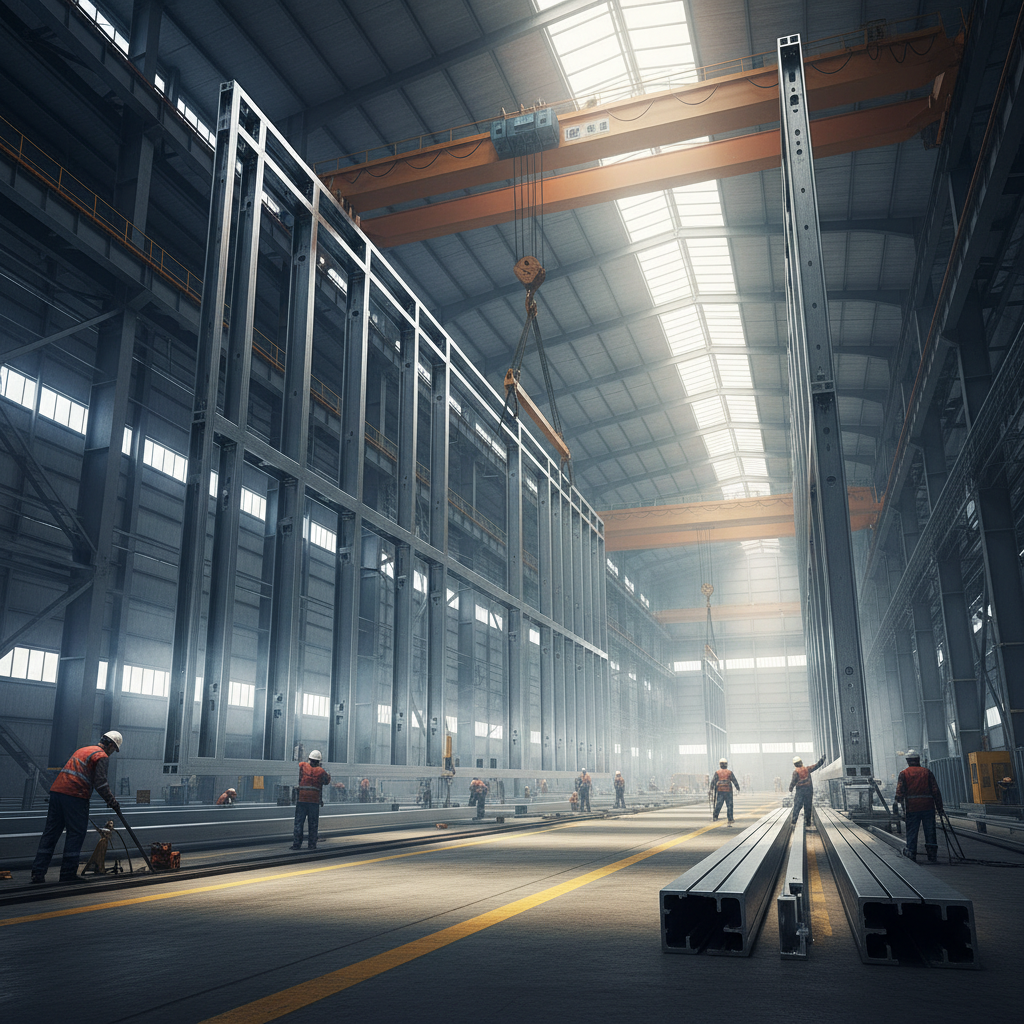
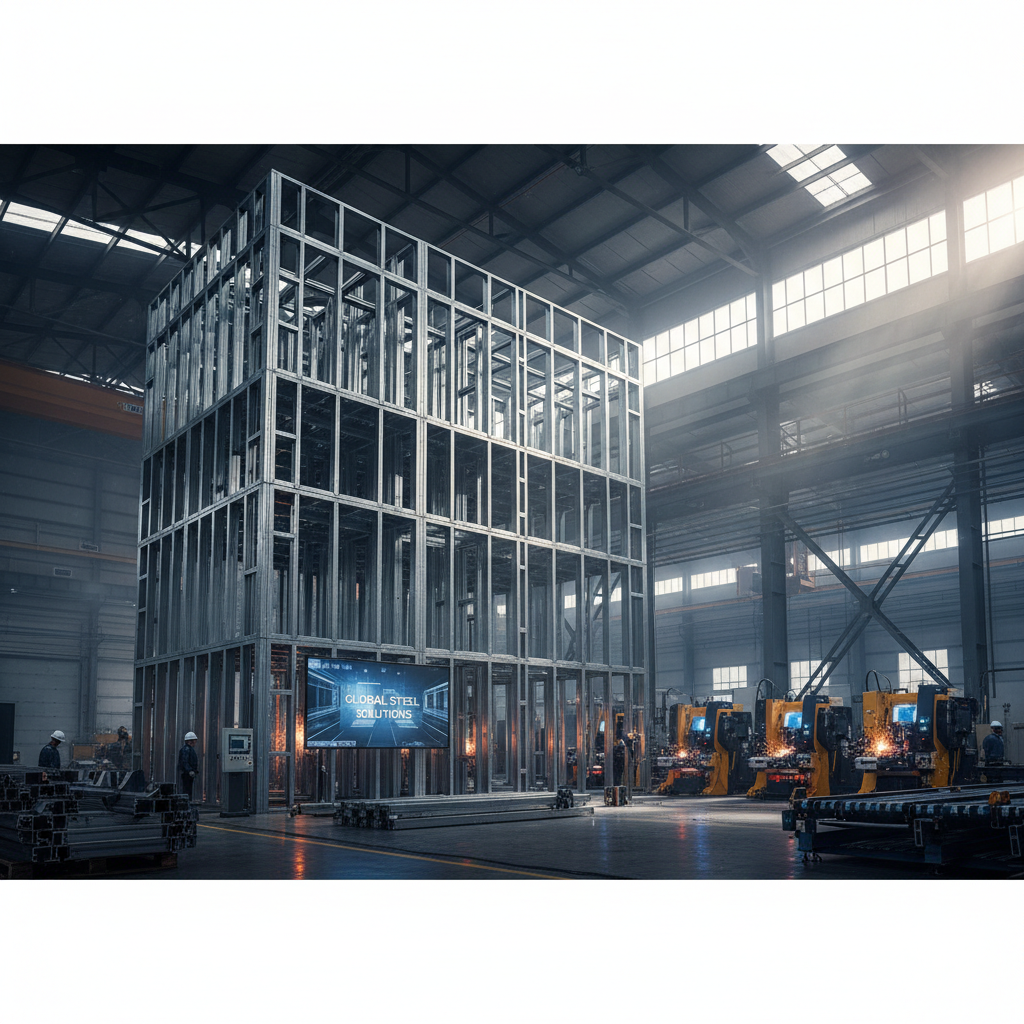
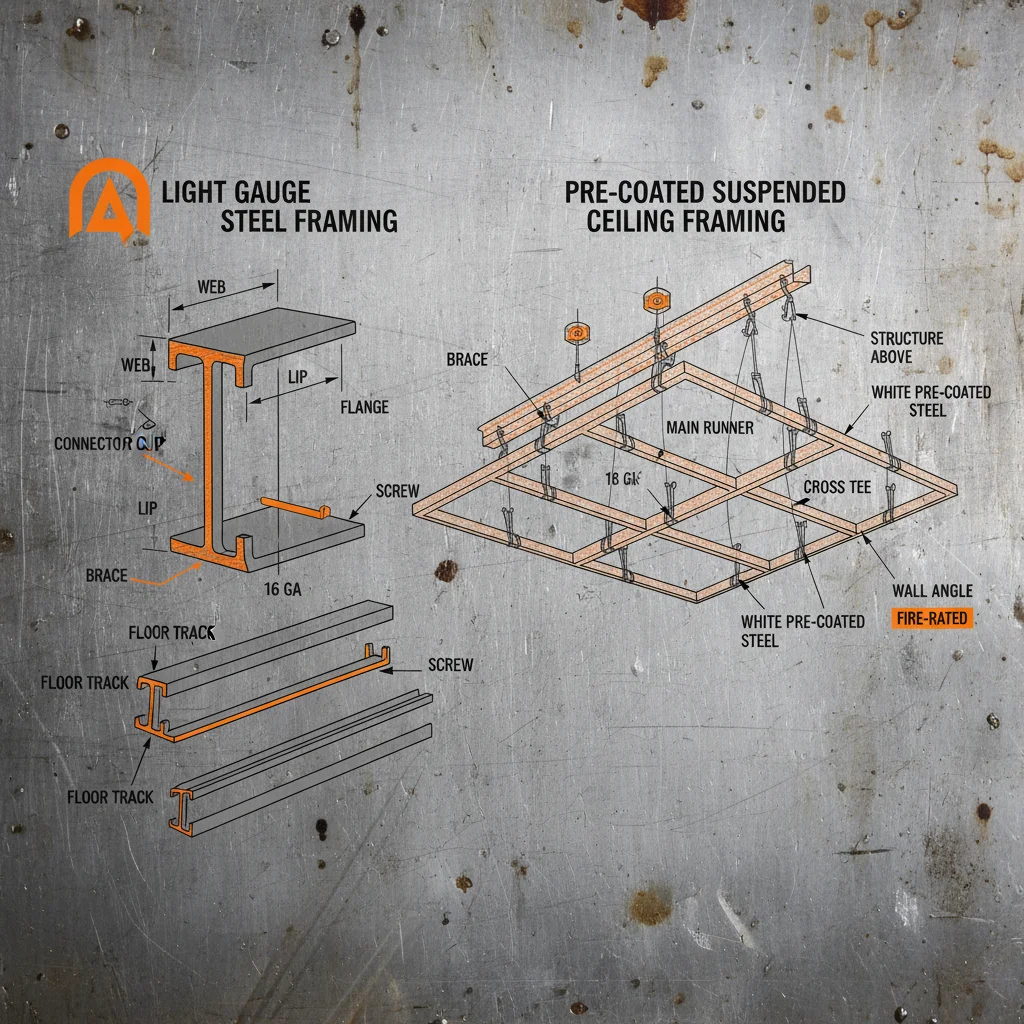
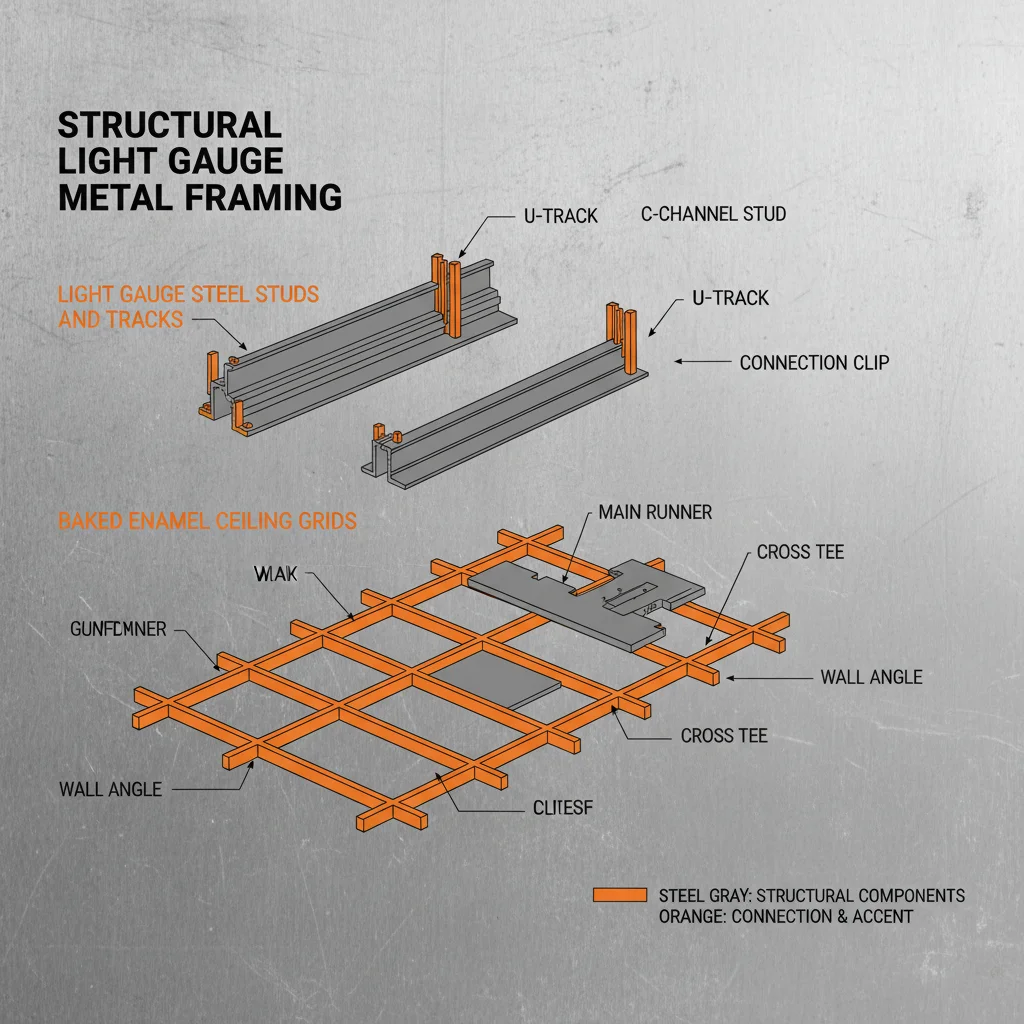
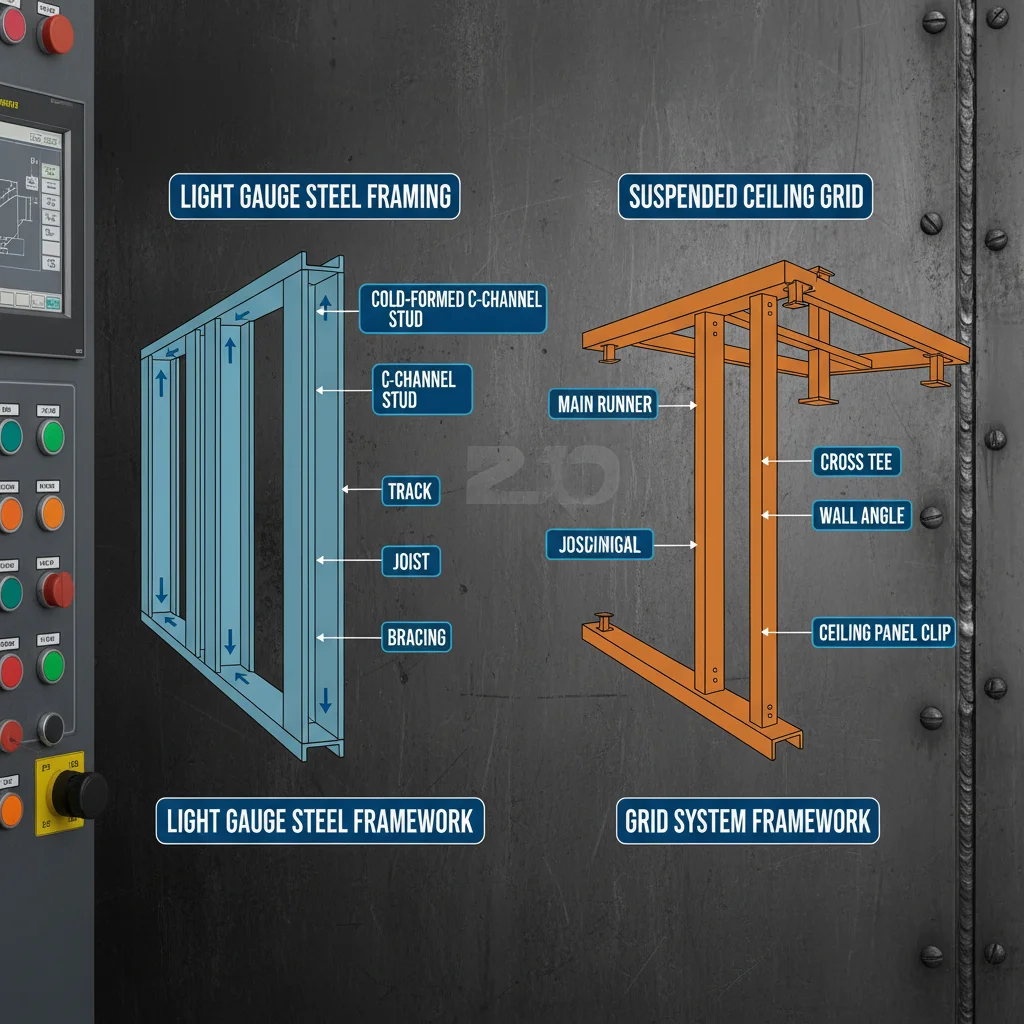
Lightweight steel frame construction is more than simply a building method; it's a transformative approach to creating durable, cost-effective, and sustainable structures. The key lies in utilizing high-strength steel components, typically cold-formed steel, to create a load-bearing frame. This frame is then infilled with various materials, offering design flexibility and adaptability to diverse climates and building codes. lightweight steel frame construction emphasizes precision engineering and prefabrication, drastically reducing construction timelines and on-site waste.
The appeal of LSFC isn’t limited to cost savings; its environmental benefits are significant. Steel is one of the most recycled materials globally, contributing to a circular economy. The reduced weight of the steel frame also translates to lower transportation costs and a smaller carbon footprint. This makes LSFC an attractive option for projects aiming for LEED certification or other green building standards.
LSFC offers several advantages over traditional wood framing, including superior strength, durability, and resistance to pests, fire, and decay. Steel doesn't warp or rot, leading to straighter walls and reduced maintenance. It’s also more dimensionally stable, resulting in fewer issues with cracking and settling. Furthermore, steel is a highly recyclable material, making it a more sustainable choice. The speed of construction is also significantly faster with LSFC due to prefabrication.
Lightweight steel frame construction exhibits excellent seismic performance. Steel's ductility allows it to absorb energy during an earthquake, reducing the risk of catastrophic failure. The frame’s flexibility and strength help the structure withstand ground motion. Properly engineered LSFC structures are designed to meet or exceed seismic building codes in high-risk areas, offering a safer and more resilient building solution.
While initial material costs for steel can sometimes be higher than concrete, LSFC often proves more cost-effective overall. The reduced construction time, lower labor costs, and minimized material waste contribute to significant savings. Furthermore, the long-term durability and reduced maintenance requirements of LSFC lower lifecycle costs. A comprehensive cost analysis, considering all factors, typically reveals that LSFC is competitively priced, and often more affordable.
LSFC is considered a highly sustainable construction method. Steel is one of the most recycled materials in the world, and a significant portion of the steel used in LSFC is recycled content. Reduced construction waste, faster build times, and the potential for energy-efficient designs further minimize environmental impact. LSFC supports green building certifications such as LEED and contributes to a circular economy.
Absolutely. LSFC is well-suited for multi-story construction. The inherent strength and stability of steel frames allow for taller structures with open spans. Advanced engineering techniques and connection methods ensure structural integrity and compliance with building codes. Many successful multi-story buildings around the world have been constructed using lightweight steel frame technology.
A wide variety of insulation options can be used with LSFC, including fiberglass batts, spray foam, rigid foam boards, and mineral wool. The choice of insulation depends on factors such as climate, building codes, and desired energy efficiency. LSFC allows for easy integration of high-performance insulation systems, contributing to reduced energy consumption and lower utility bills.
Lightweight steel frame construction offers a compelling solution to the evolving challenges of the building industry. Its combination of durability, sustainability, cost-effectiveness, and rapid deployment capabilities makes it a versatile and attractive option for a wide range of applications. From addressing the global housing crisis to providing resilient infrastructure in disaster-prone regions, LSFC is poised to play an increasingly important role in shaping the future of the built environment. lightweight steel frame construction isn’t just a technological advancement; it’s a responsible and forward-thinking approach to construction.
As research and innovation continue to drive advancements in LSFC technology, we can expect even greater efficiency, sustainability, and design flexibility. Embracing LSFC is not simply about adopting a new building method; it's about investing in a more resilient, sustainable, and equitable future for all. Visit our website at www.jinkaibm.com to learn more about how we can help you leverage the benefits of lightweight steel frame construction.