Hit enter to search or ESC to close
March 21, 2026
Ceiling tile cross tees are essential components in suspended ceiling systems, providing the structural framework that holds ceiling tiles in place. They’re often overlooked, but a solid understanding of cross tees is crucial for successful installation and a long-lasting ceiling. This article delves into what cross tees are, their types, installation best practices, materials, and considerations for various applications. We'll help you understand the intricacies of these important ceiling components and why choosing quality cross tees from a reputable supplier like Jinka IBM is key.
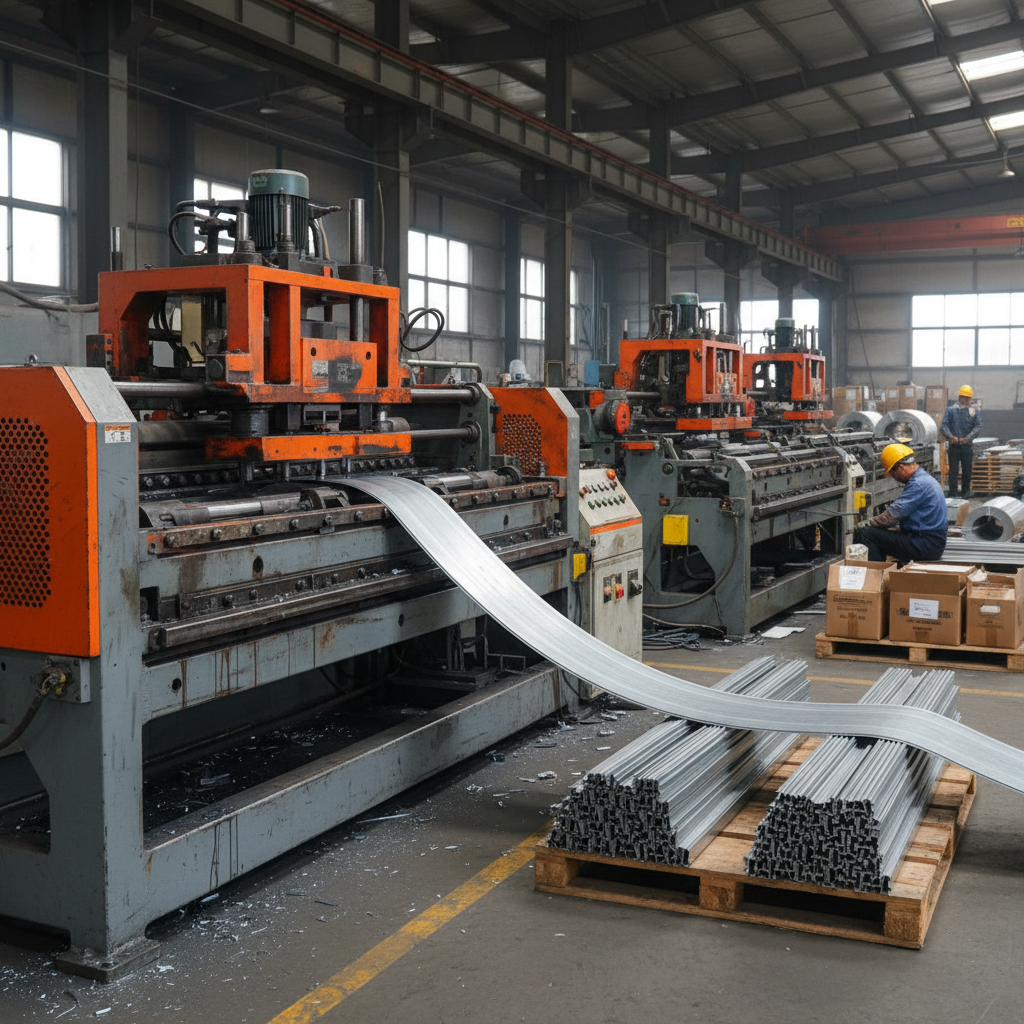
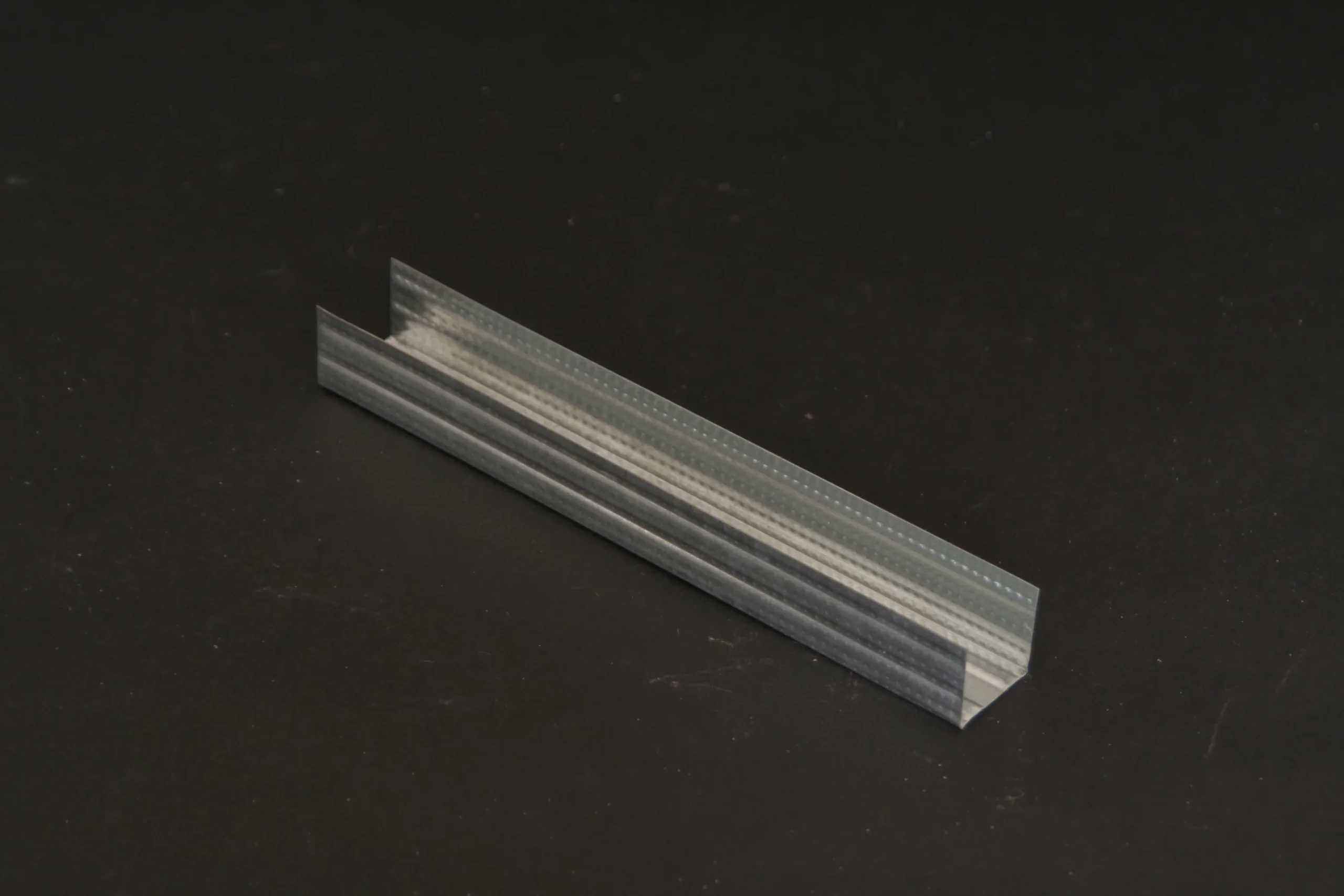
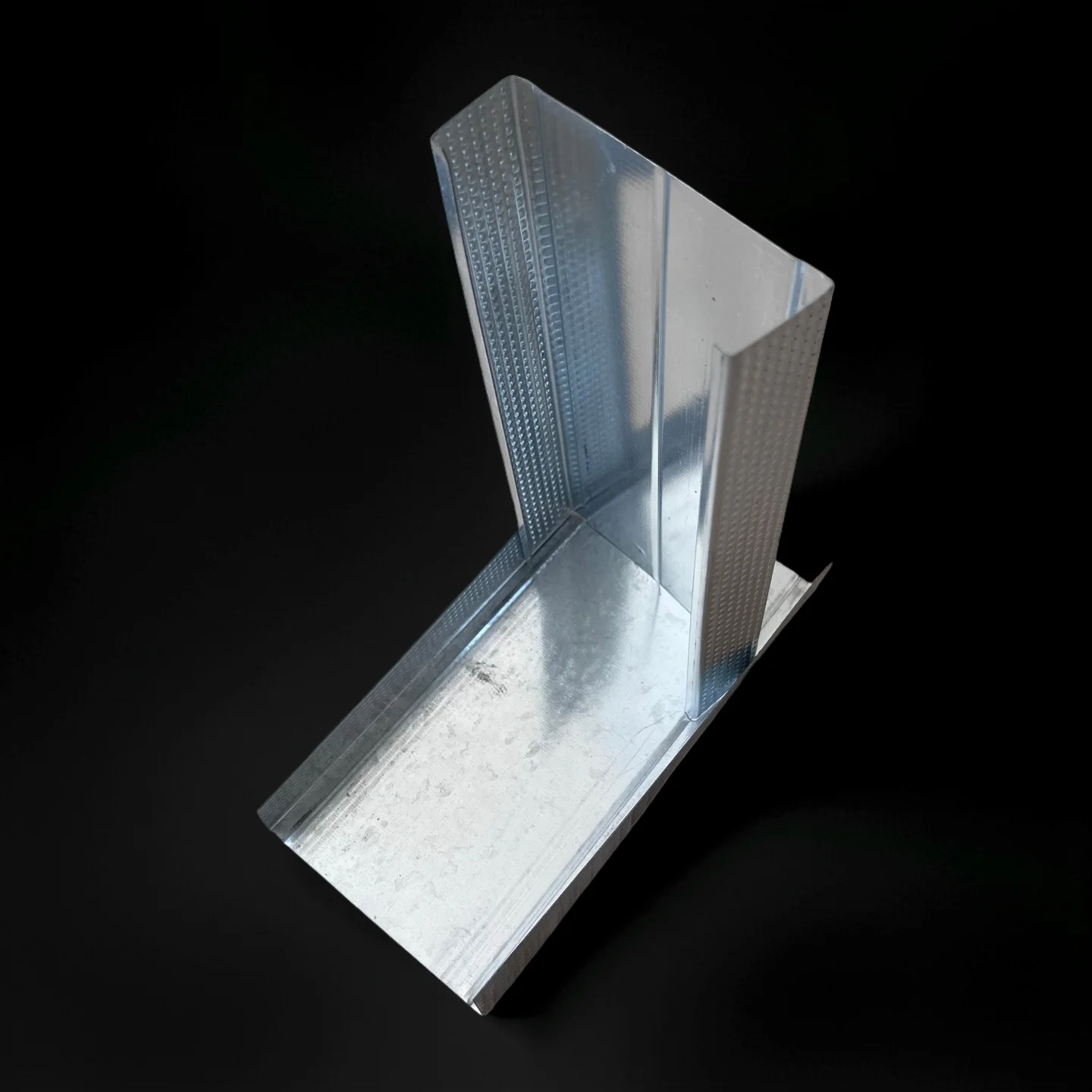
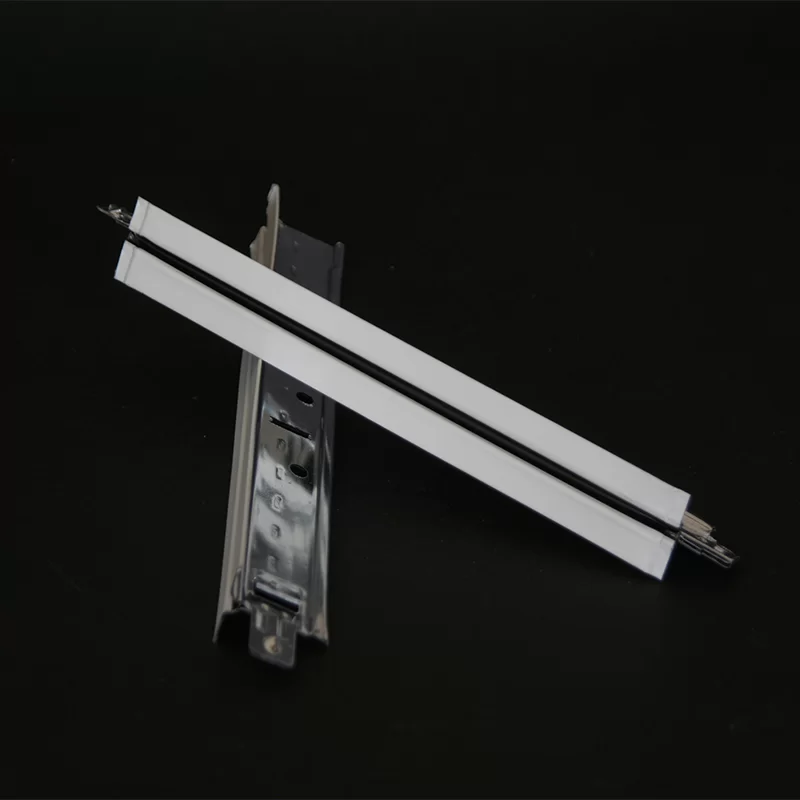
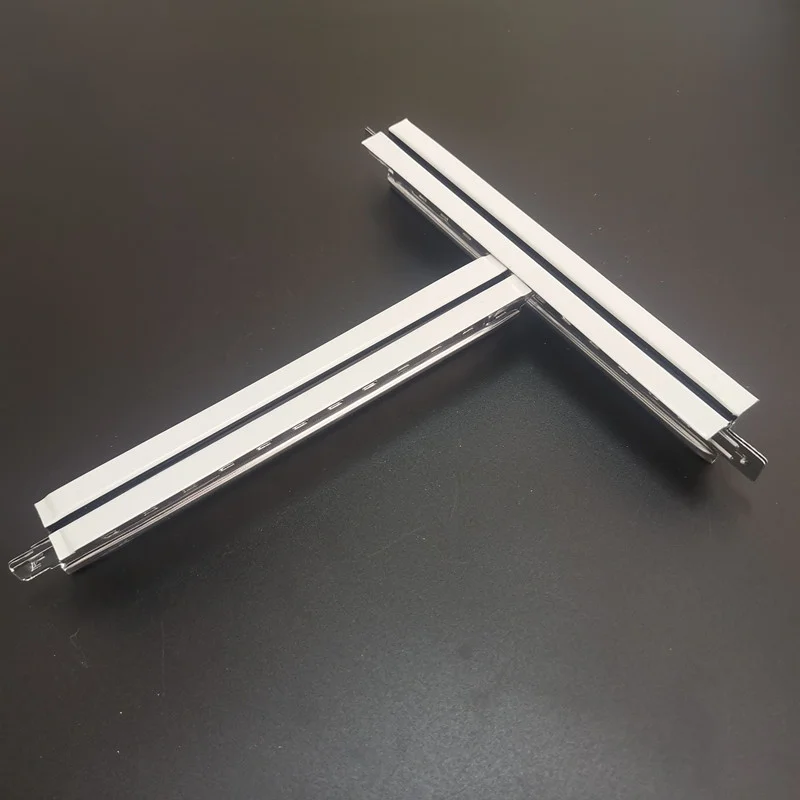
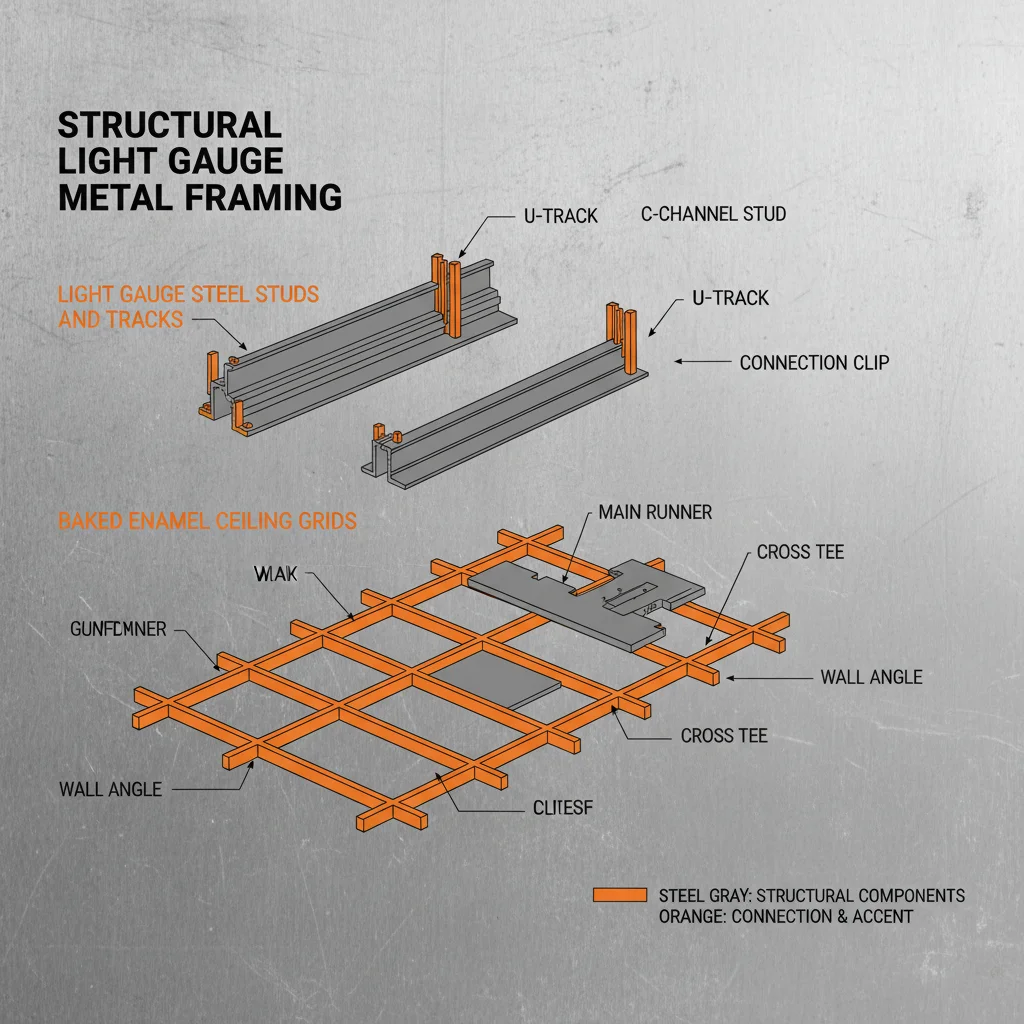
Simply put, cross tees are the interlocking metal profiles that form the grid system for a suspended ceiling. They connect to main runners (also called main tees) at right angles, creating a series of squares or rectangles that perfectly fit standard ceiling tiles. They provide support for the tiles, hiding the space above – often filled with ductwork, wiring, and plumbing – creating a finished, aesthetically pleasing look. Properly installed cross tees ensure a level and secure ceiling that will withstand the test of time. Without robust cross tees, ceiling tiles can sag, become dislodged, or even fall.
Key Functionality: Providing structural support, creating a level surface, concealing infrastructure, and enhancing the aesthetic appearance of a room.
Cross tees aren't all the same! They come in several variations, each suited to different needs and ceiling systems. The most common types include:
Choosing the correct type is vital. Using the wrong cross tees can lead to instability and a compromised ceiling system.
Choosing the Right Cross Tee:
• Consider the size and weight of your ceiling tiles.
• Factor in the room’s humidity and temperature.
• Determine if a specific aesthetic is required (e.g., closed-face for premium look).
• Ensure compatibility with the main runners you’ve selected.
Ceiling tile cross tees are primarily made from galvanized steel, but other materials are also available. Here's a breakdown:
Correct installation is paramount for a safe and durable ceiling. Key tips include:
Professional installation is recommended, especially for larger projects.
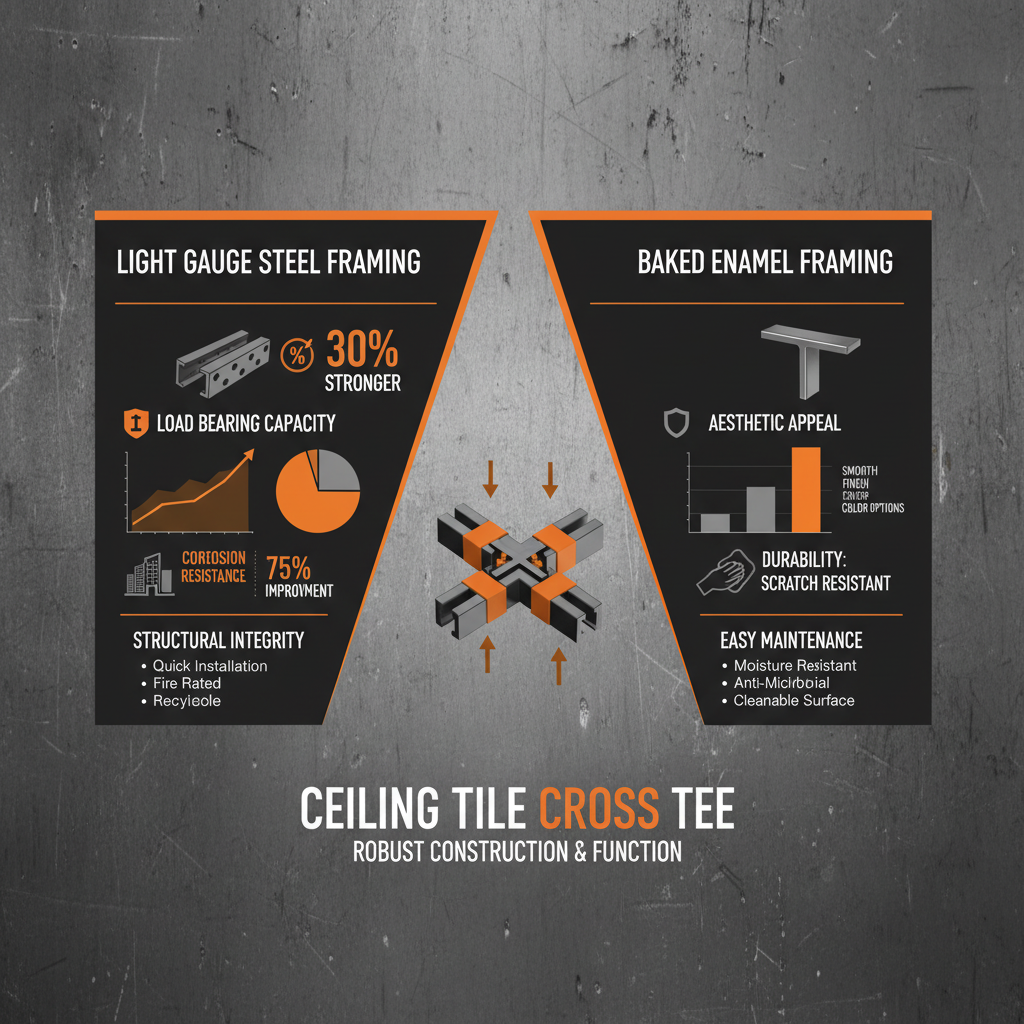
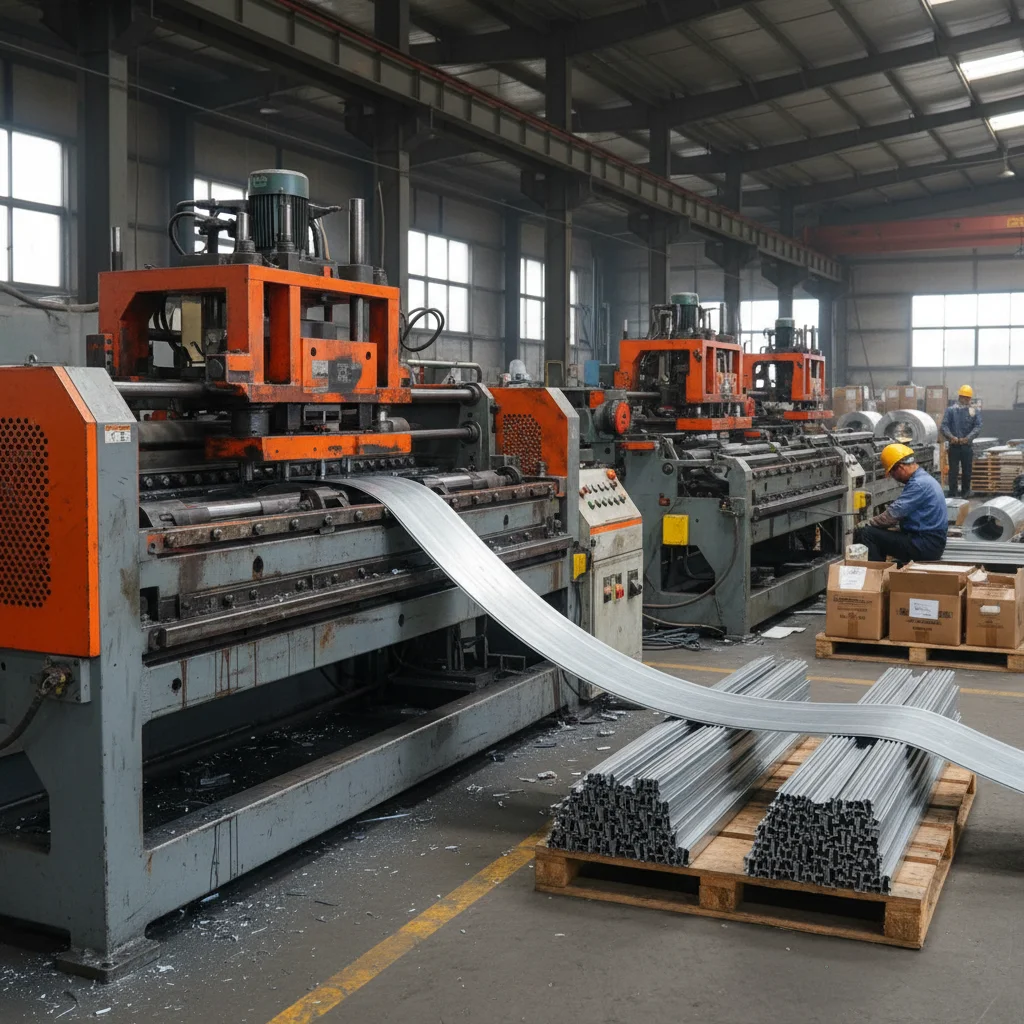
At Jinka IBM, we specialize in providing high-quality ceiling tile cross tees. We offer a wide selection of materials, sizes, and types to meet your specific project requirements. Our products are rigorously tested to ensure durability and performance, and we're committed to competitive pricing and exceptional customer service. We understand the importance of a reliable ceiling system and stand behind the quality of everything we sell.
Don’t underestimate the importance of quality ceiling tile cross tees. They’re the backbone of a safe, durable, and aesthetically pleasing suspended ceiling system. By choosing the right materials, following best practices for installation, and partnering with a trusted supplier like Jinka IBM, you can ensure a ceiling that will last for years to come.
The standard spacing between cross tees typically matches the size of the ceiling tiles being used. For 2x2 tiles, the spacing is usually 2 feet by 2 feet. For 2x4 tiles, it's 2 feet by 4 feet. However, it's crucial to consult the tile manufacturer's specifications, as some tiles may require different spacing. Incorrect spacing can lead to tiles sagging or becoming dislodged.
Yes, galvanized steel cross tees can be painted, but proper preparation is essential. First, thoroughly clean the cross tees to remove any dirt, oil, or rust. Then, apply a metal primer specifically designed for galvanized steel. Finally, apply a topcoat of paint in your desired color. Avoid using oil-based paints, as they may not adhere well. Always follow the paint manufacturer's instructions.
Determining the correct quantity involves calculating the area of the ceiling and dividing it by the area of each grid square formed by the cross tees. You’ll also need to account for the perimeter of the room and any obstructions like pipes or ducts. It’s always best to add a small percentage (around 5-10%) to your calculation to account for waste and potential errors. Jinka IBM can provide assistance with quantity estimates based on your project specifications.
Safety is paramount. Always wear safety glasses, gloves, and a dust mask during installation. Use a stable ladder or scaffolding to reach higher areas. Be mindful of overhead wiring and plumbing. Ensure the ceiling grid is securely attached to the building structure to prevent collapse. When cutting cross tees, use appropriate metal-cutting tools and follow all safety guidelines.