Hit enter to search or ESC to close
March 24, 2026
When renovating or constructing a space, the ceiling is often an overlooked but crucial element. A ceiling tile track system offers a modern and efficient solution for suspending ceiling tiles, providing easy access to utilities and a clean, finished look. This article delves into the benefits, components, installation considerations, and applications of these systems, helping you determine if they're the right choice for your project. Choosing the right system ensures both aesthetic appeal and functional efficiency. We’ll explore the many advantages this method offers over traditional ceiling installations.
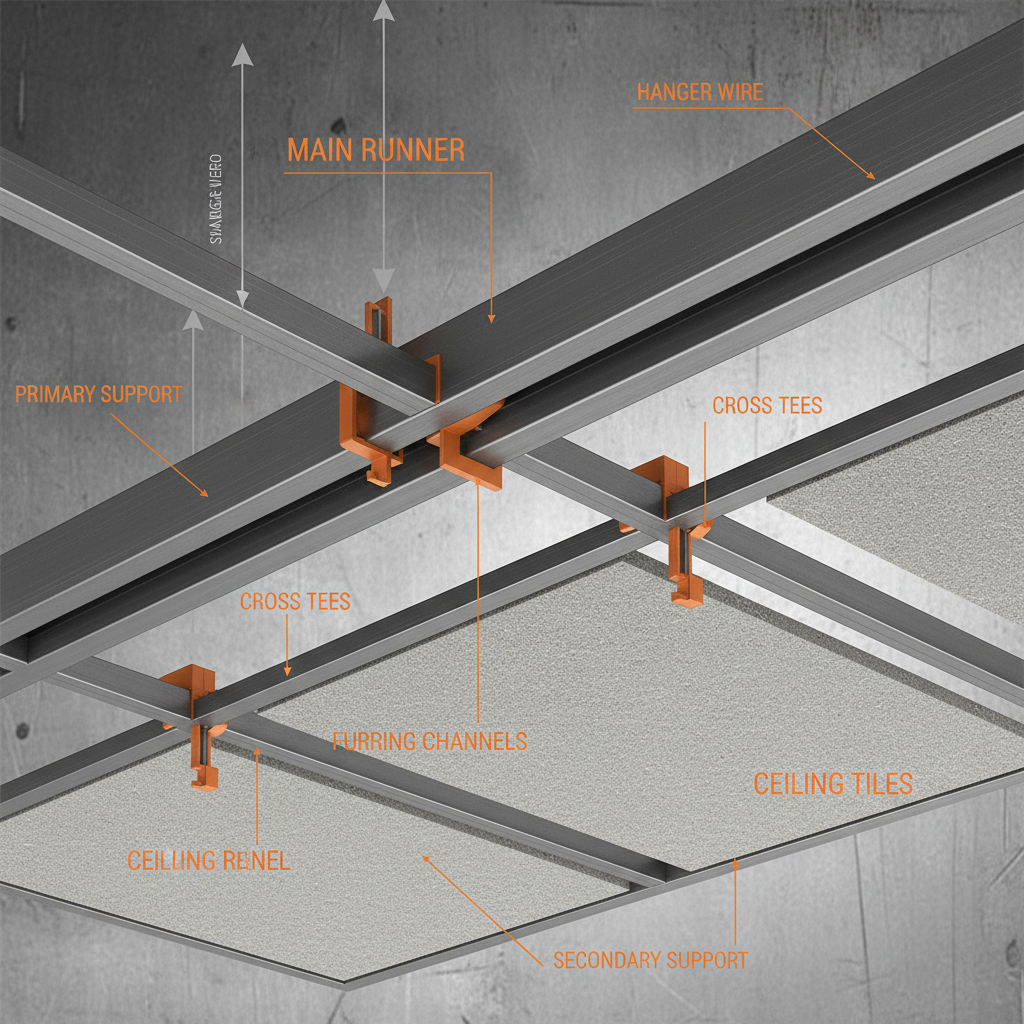
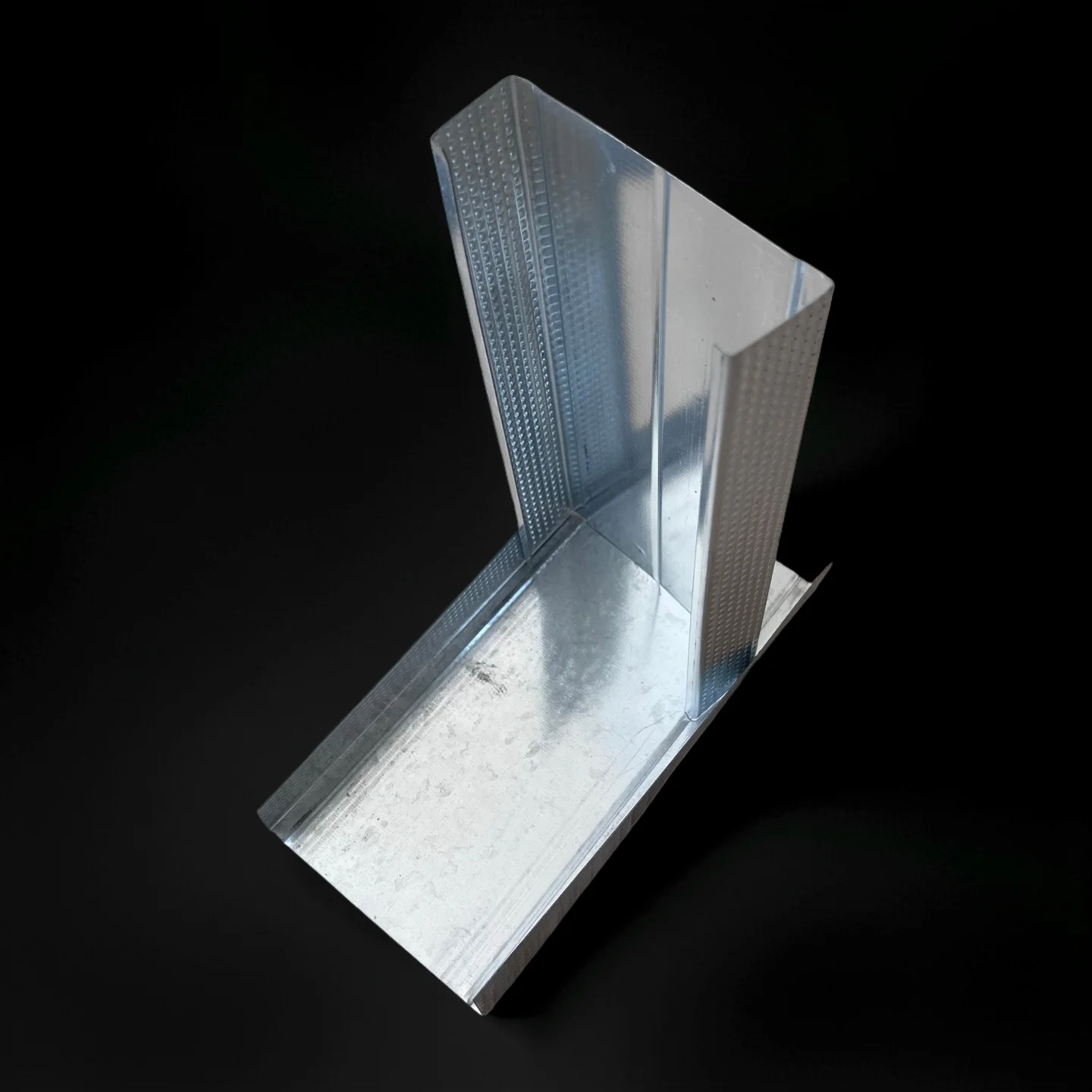
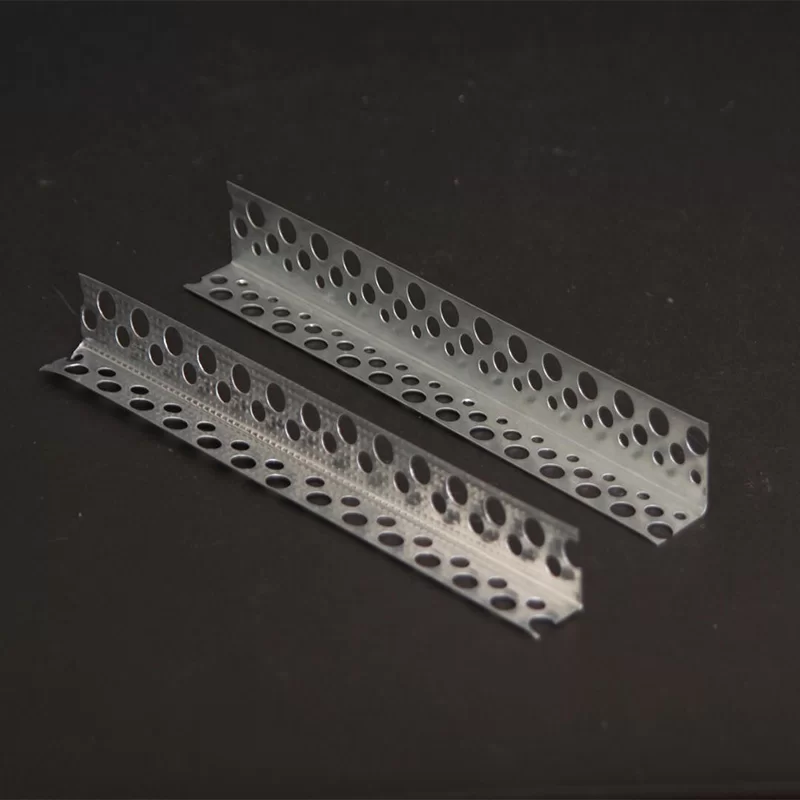
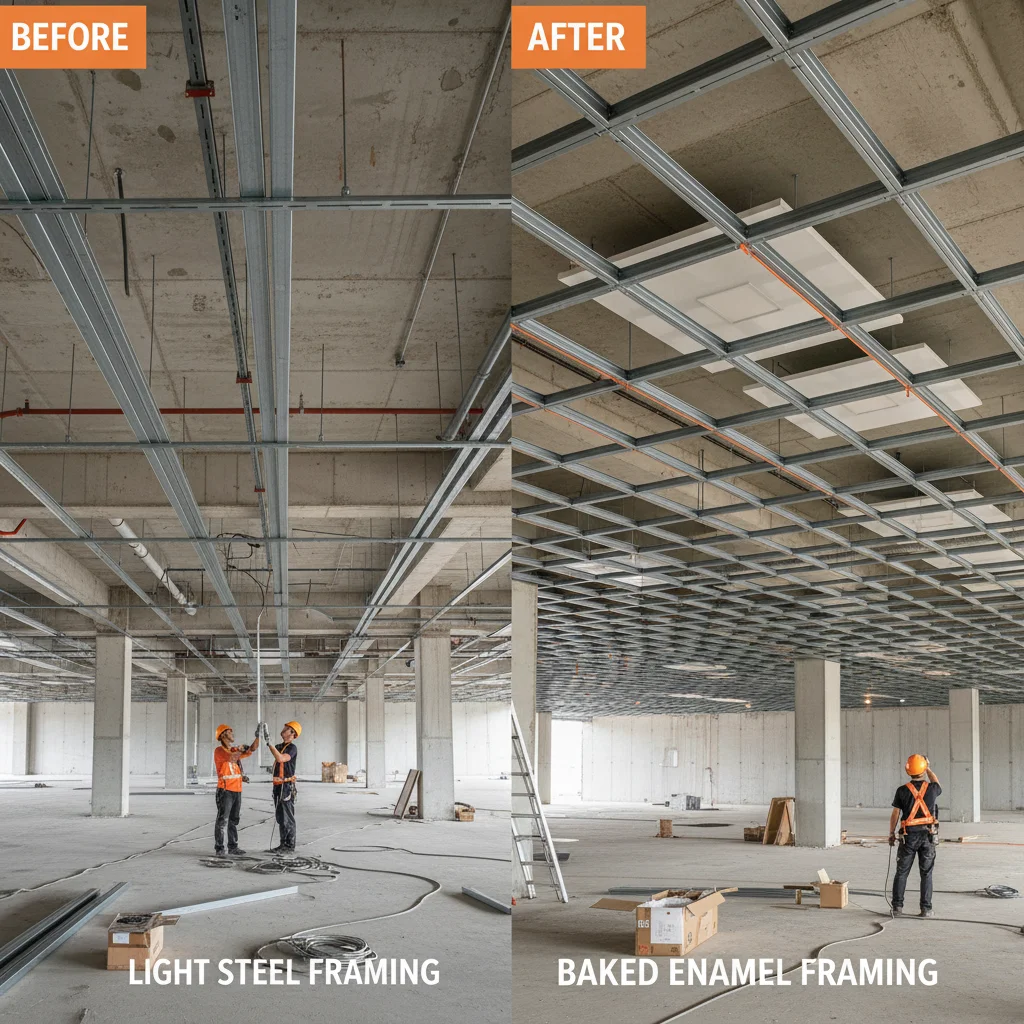
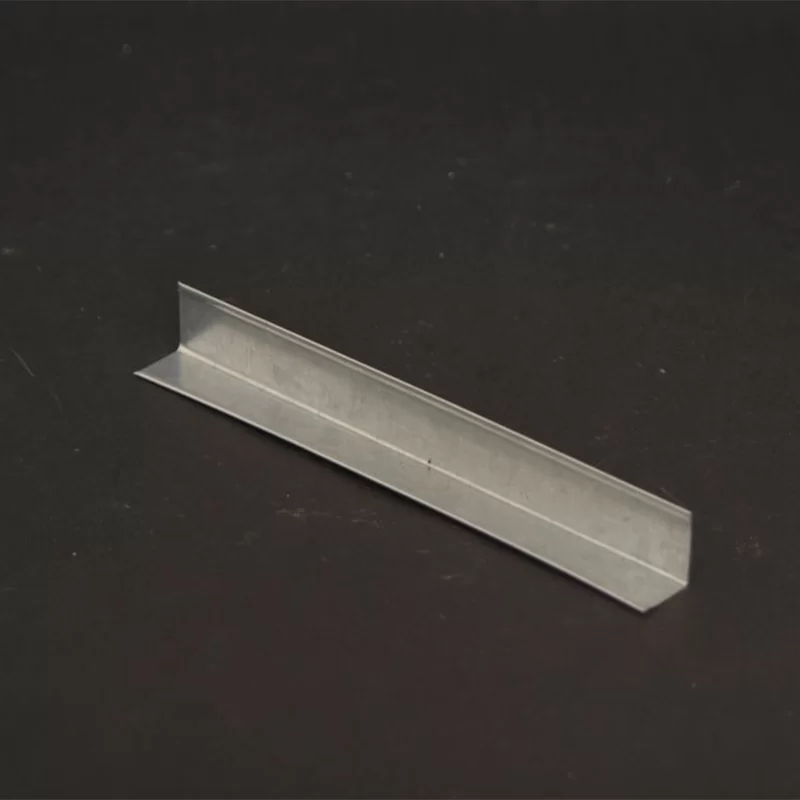
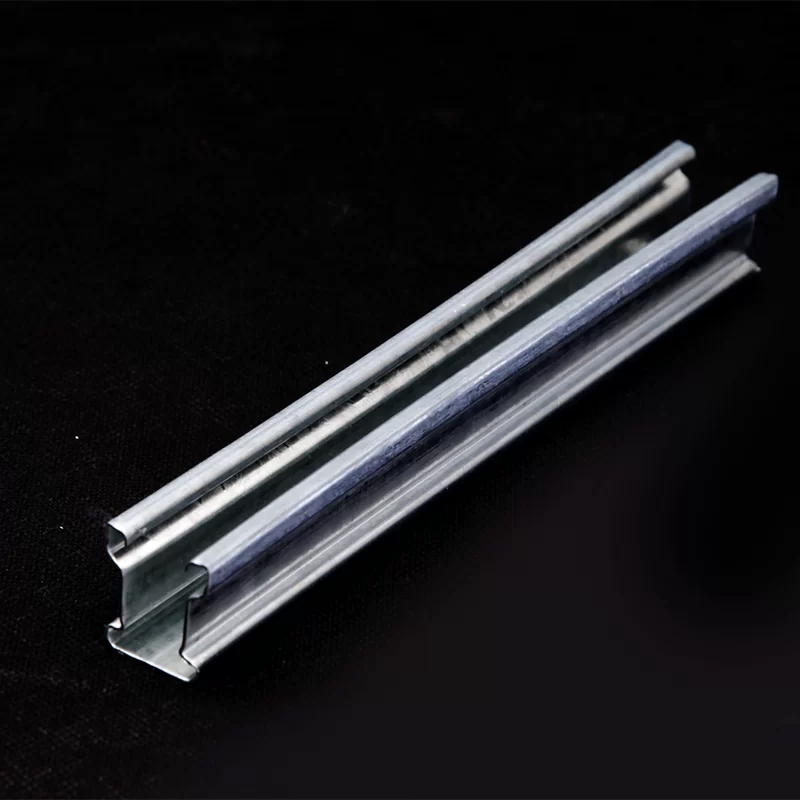
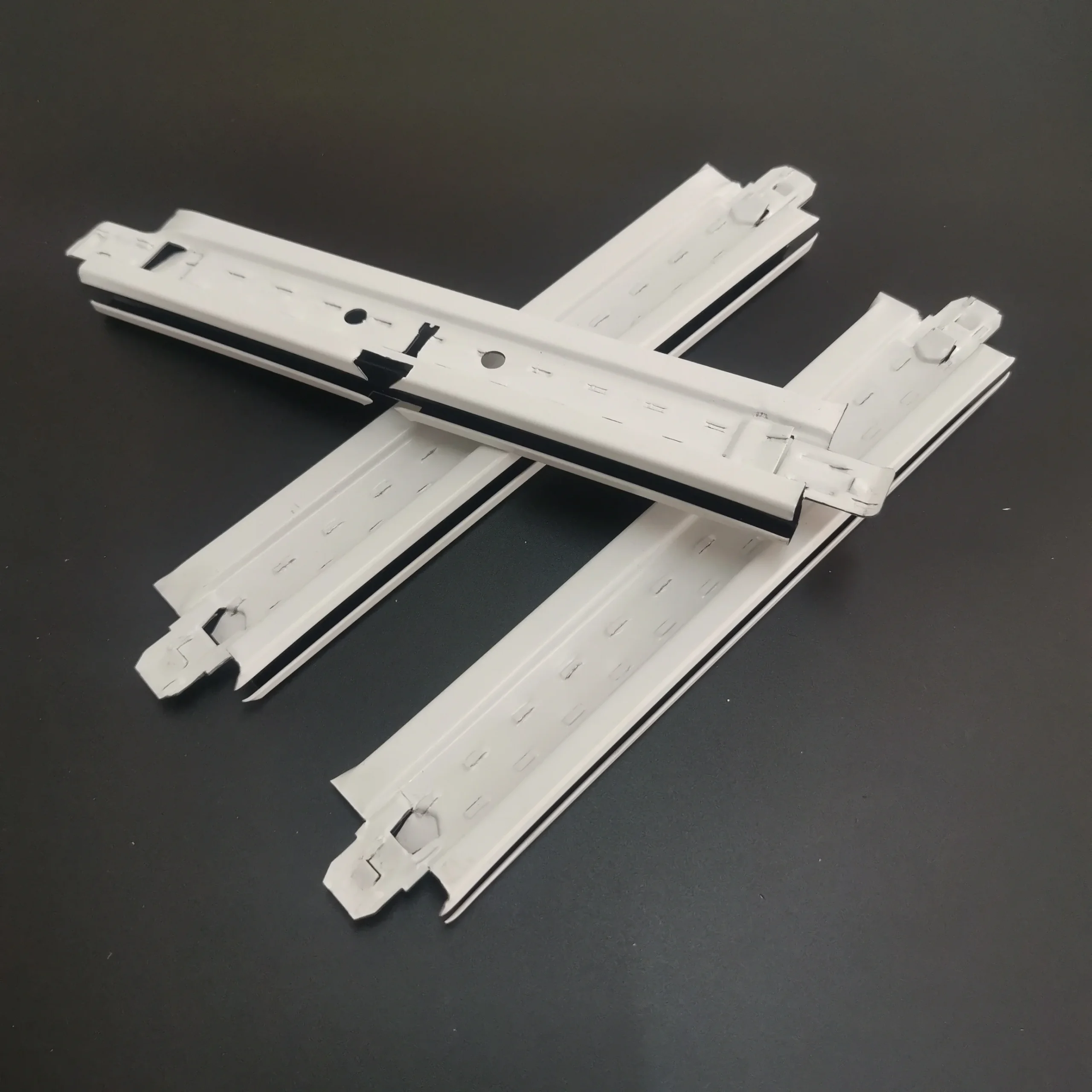
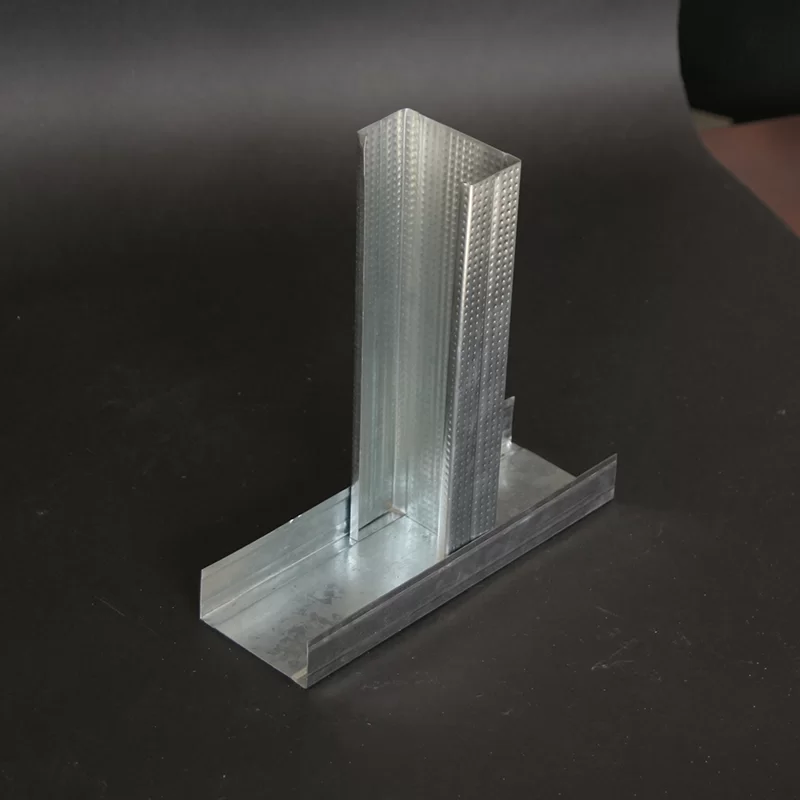
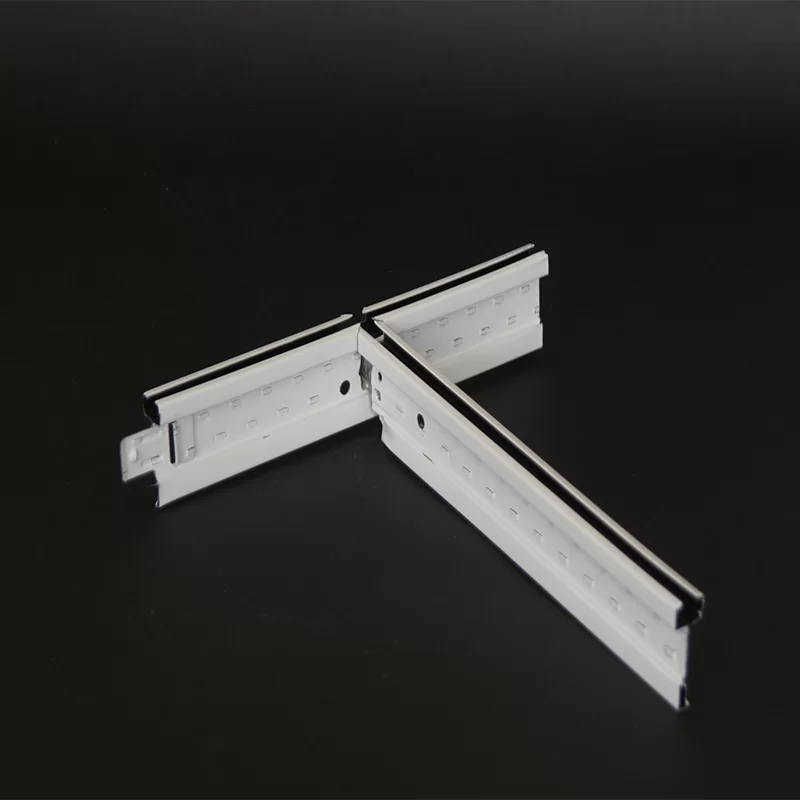
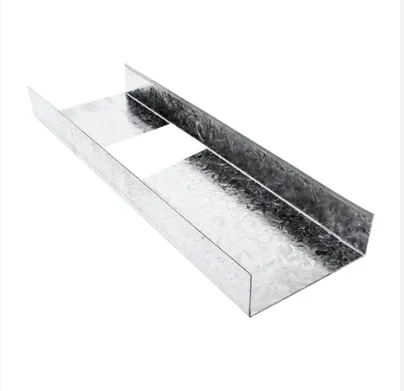
A typical ceiling tile track system comprises several key components working in harmony. These include the main runners (or primary tracks), cross tees (or secondary tracks), wall angles, and hangers. The main runners provide the primary support for the ceiling tiles, running parallel to each other. Cross tees intersect the main runners at regular intervals, creating a grid onto which the tiles are placed. Wall angles secure the perimeter of the grid to the walls. Finally, hangers are used to suspend the entire system from the building’s structure. High-quality materials and precise manufacturing are essential for a durable and reliable system. Jinka IBM specializes in providing robust and customizable ceiling track systems tailored to diverse project needs.
Key Highlights: Systems provide easy access to plumbing, electrical wiring, and HVAC ducts. They offer flexibility for future modifications and upgrades.
The advantages of employing a ceiling tile track system are numerous. Firstly, they provide easy access to the plenum space above the ceiling, simplifying maintenance and repairs to utilities. Secondly, they offer a clean and professional aesthetic, hiding unsightly wiring and ductwork. Thirdly, they allow for quick and easy tile replacement, minimizing disruption. Finally, these systems are adaptable to various tile sizes and designs, offering considerable design flexibility. Compared to traditional plasterboard ceilings, track systems are significantly more efficient to install and modify, reducing labor costs and project timelines.
Key Benefits:
• Easy access to utilities
• Clean and professional aesthetic
• Quick tile replacement
• Design flexibility
Proper installation is critical for the longevity and performance of a ceiling tile track system. Accurate leveling of the main runners is essential to ensure a flat and even ceiling surface. The spacing between hangers should comply with building codes and manufacturer’s recommendations. Furthermore, careful consideration should be given to the load-bearing capacity of the ceiling structure to ensure it can support the weight of the system and tiles. Professional installation is highly recommended, especially for larger or more complex projects, to guarantee a secure and aesthetically pleasing result.
Ceiling tile track systems find extensive application in a wide range of commercial spaces. They are commonly used in offices to provide a professional look and easy access to utilities. Retail stores benefit from their flexibility, allowing for easy adaptation to changing layouts. Educational institutions utilize them for their durability and acoustic properties. Healthcare facilities appreciate their hygiene and accessibility for maintenance. In essence, any space requiring a suspended ceiling with easy access and a clean aesthetic can benefit from a track system.
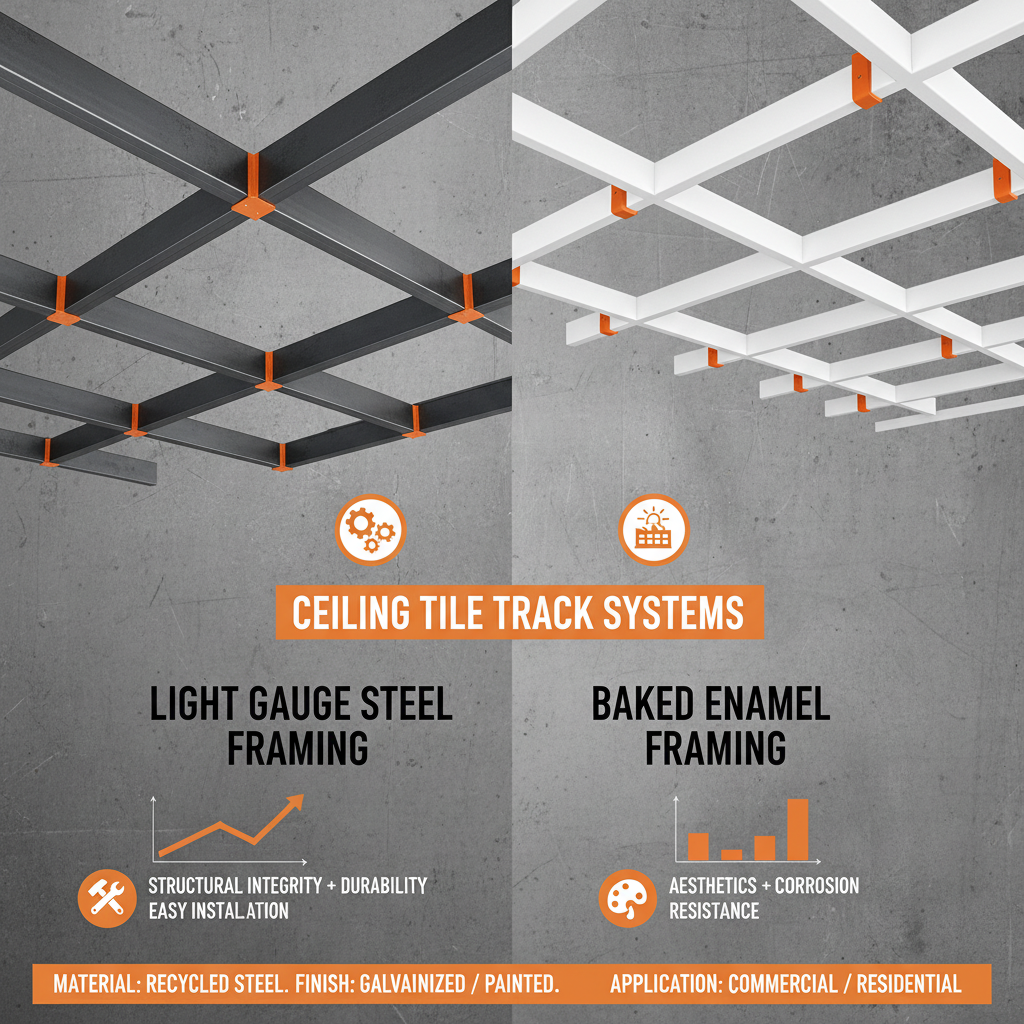
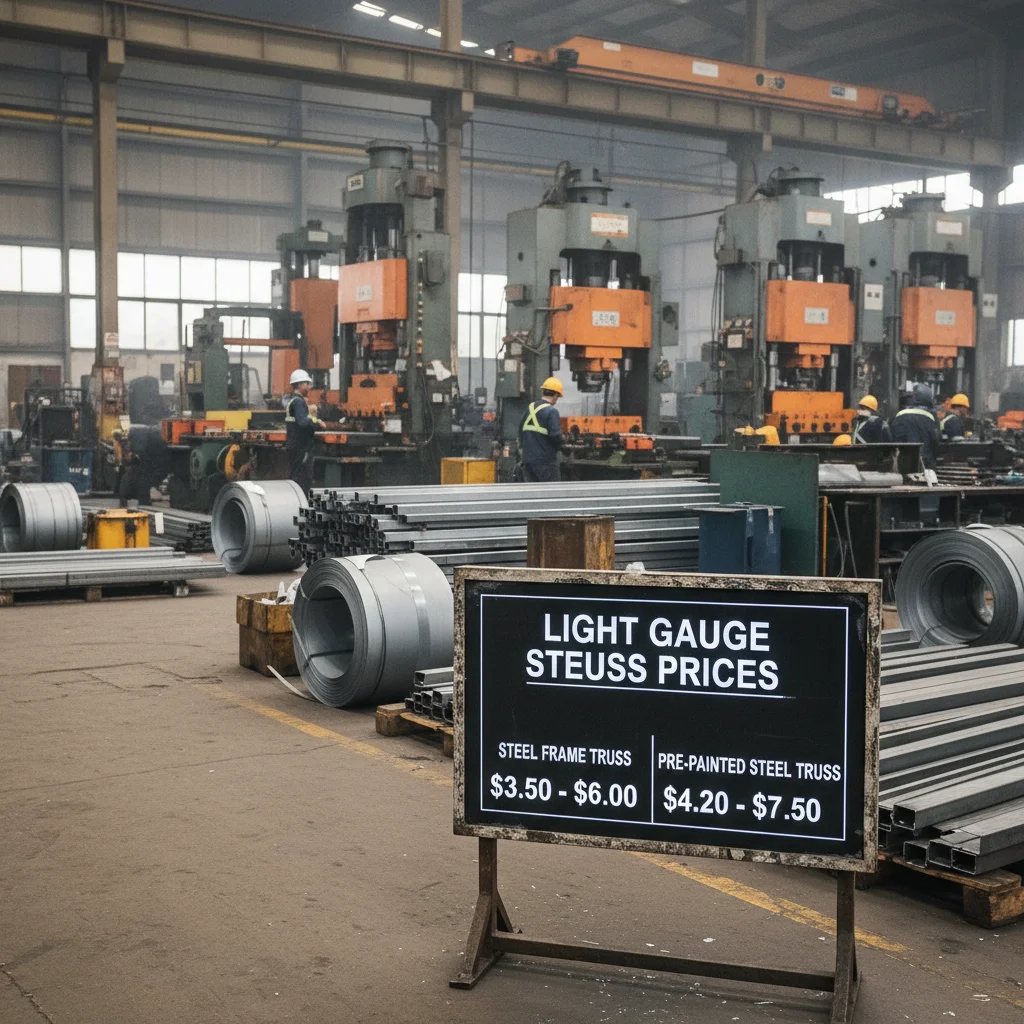
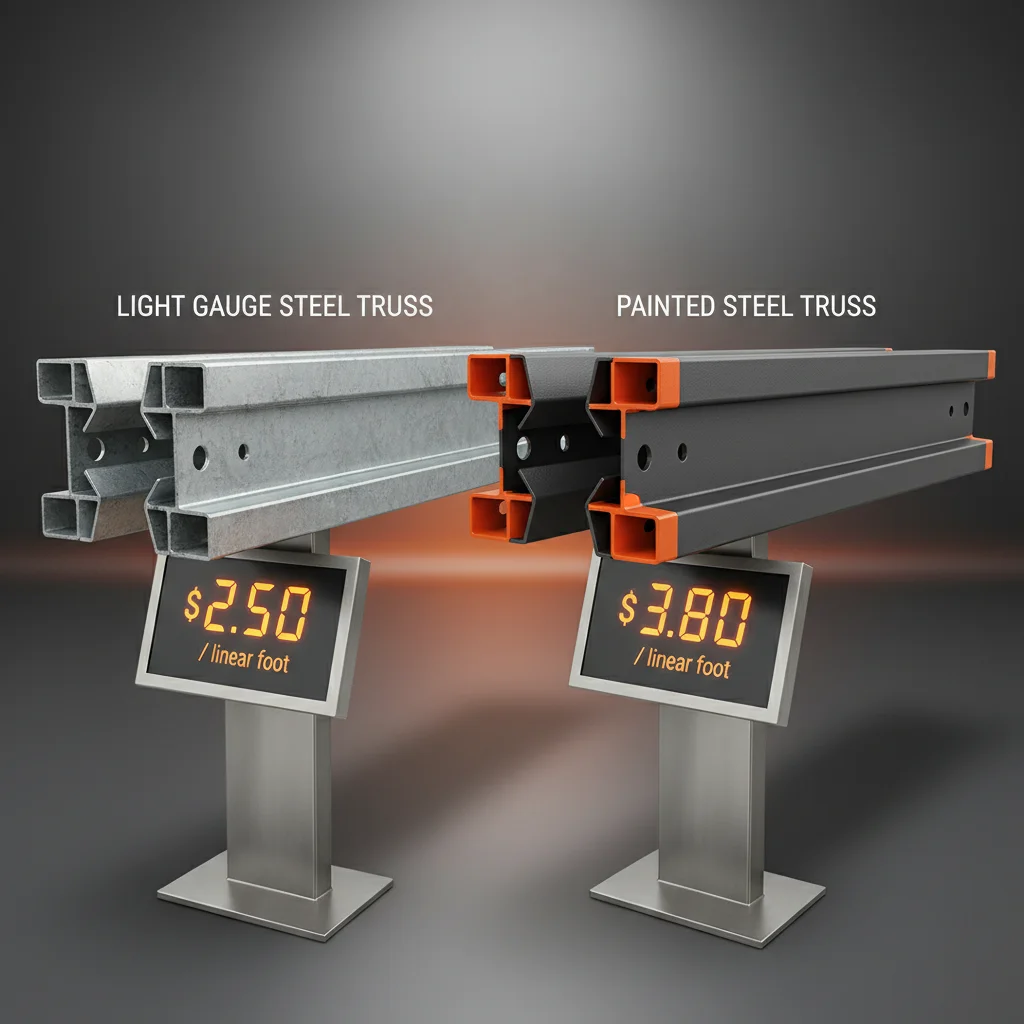
Ceiling tile track systems are typically constructed from galvanized steel or aluminum. Galvanized steel offers a cost-effective and durable solution, while aluminum provides superior corrosion resistance, making it ideal for humid environments. When selecting a system, consider the tile size and weight, the ceiling height, and the specific requirements of your project. Jinka IBM offers a variety of systems to meet diverse needs, with detailed product specifications available online.
A ceiling tile track system represents a smart investment for any construction or renovation project. Its versatility, accessibility, and aesthetic appeal make it a superior choice compared to traditional ceiling methods. By carefully considering the components, installation process, and material options, you can create a functional and visually pleasing space that meets your specific needs.
The maximum tile weight varies depending on the system's design and the spacing of the hangers. However, most standard systems can safely support tiles weighing up to 15-20 lbs per square foot. It's crucial to consult the manufacturer's specifications for the specific system you are using and ensure the tile weight falls within the recommended limits. Overloading the system can compromise its structural integrity and lead to safety hazards.
Yes, but it's essential to choose the right materials. Aluminum track systems are highly recommended for humid environments due to their excellent corrosion resistance. If using a galvanized steel system, ensure it's treated with a corrosion-resistant coating. Proper ventilation in the space can also help minimize moisture buildup and prolong the lifespan of the system.
Regular maintenance is minimal but important. Periodically inspect the system for loose hangers, damaged tiles, or signs of corrosion. Dust and clean the tiles as needed. If you notice any issues, address them promptly to prevent further damage. For systems in humid environments, inspect for corrosion more frequently.
Absolutely! Many lighting fixtures are specifically designed for use with ceiling tile track systems. These fixtures typically have flanges or clips that allow them to be securely attached to the grid. Ensure the chosen fixtures are compatible with the system and meet all relevant safety standards.