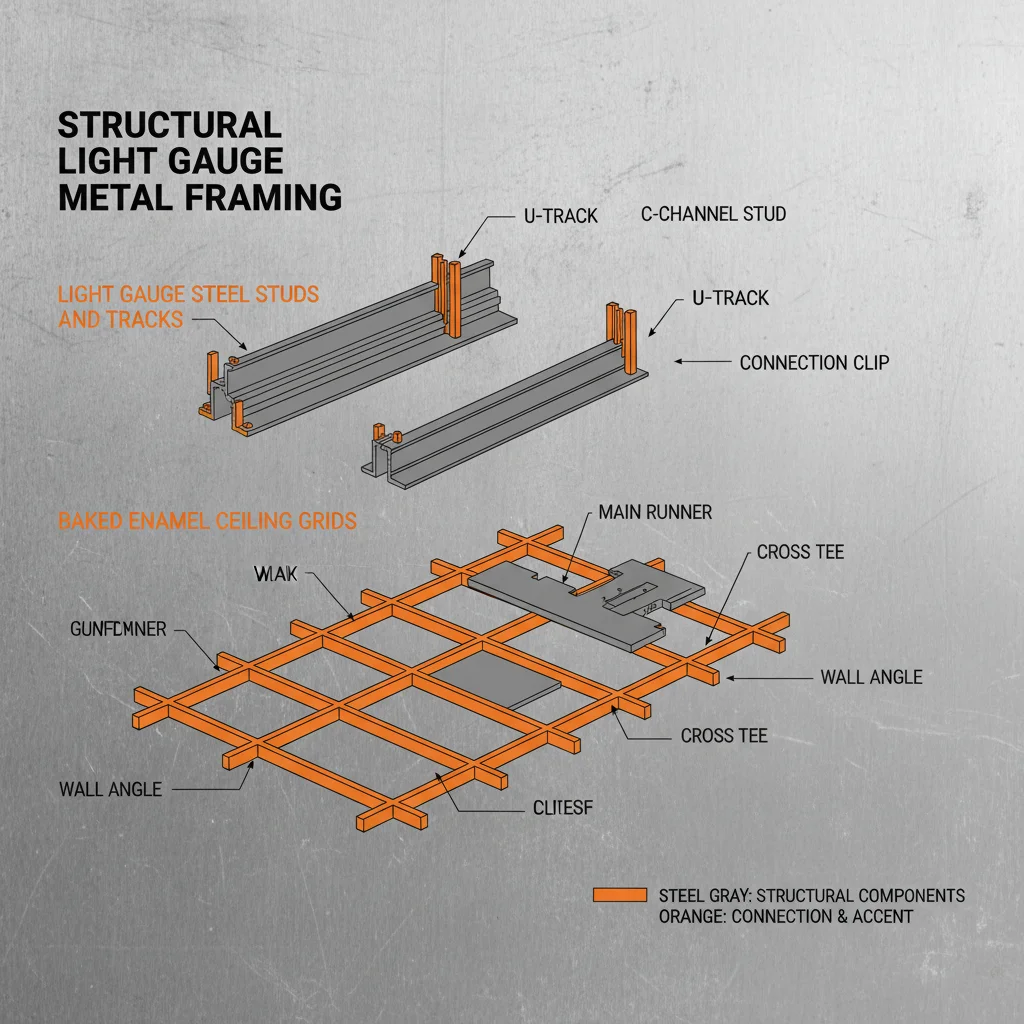
Look, I've spent years on sites, boots on the ground, seeing what really works. And frankly, traditional building methods are creaking. They're slow, weather-dependent, and frankly, a logistical nightmare getting materials where they need to be, when they need to be there. That's where light gauge structural steel framing comes in. It’s not just about swapping wood for metal, it’s a fundamental shift in how we approach construction – faster, more precise, and ultimately, more resilient. We’re talking about projects getting done on time, under budget, and with a quality level that’s hard to achieve with conventional methods.
What I've found is that folks often underestimate the scale of what’s happening globally with building needs. The UN estimates billions will need new housing by 2050, and a huge chunk of that will be in areas where traditional infrastructure is limited. That's a massive challenge, and frankly, we need solutions that can scale quickly and efficiently. Light gauge steel framing isn’t a silver bullet, but it’s a critical piece of the puzzle, particularly when you’re looking at disaster relief or rapidly developing areas. It’s about getting people safe, dry housing, fast.
And let’s be clear, it’s not just about humanitarian efforts. Even on standard commercial projects, the labor savings and reduced waste are huge. I’ve seen projects shave weeks off their schedules just by switching to light gauge steel. It's a smarter way to build, plain and simple.
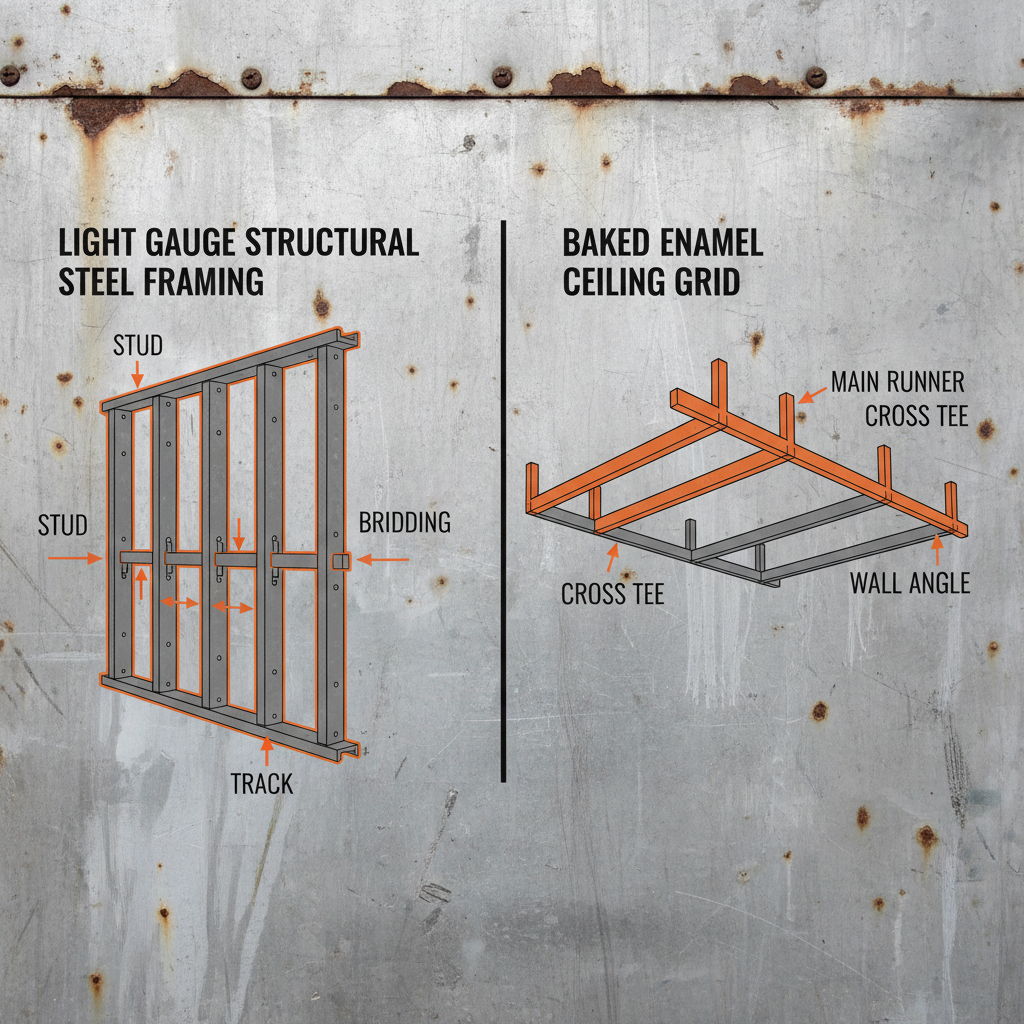
The Core Benefits of light gauge structural steel framing
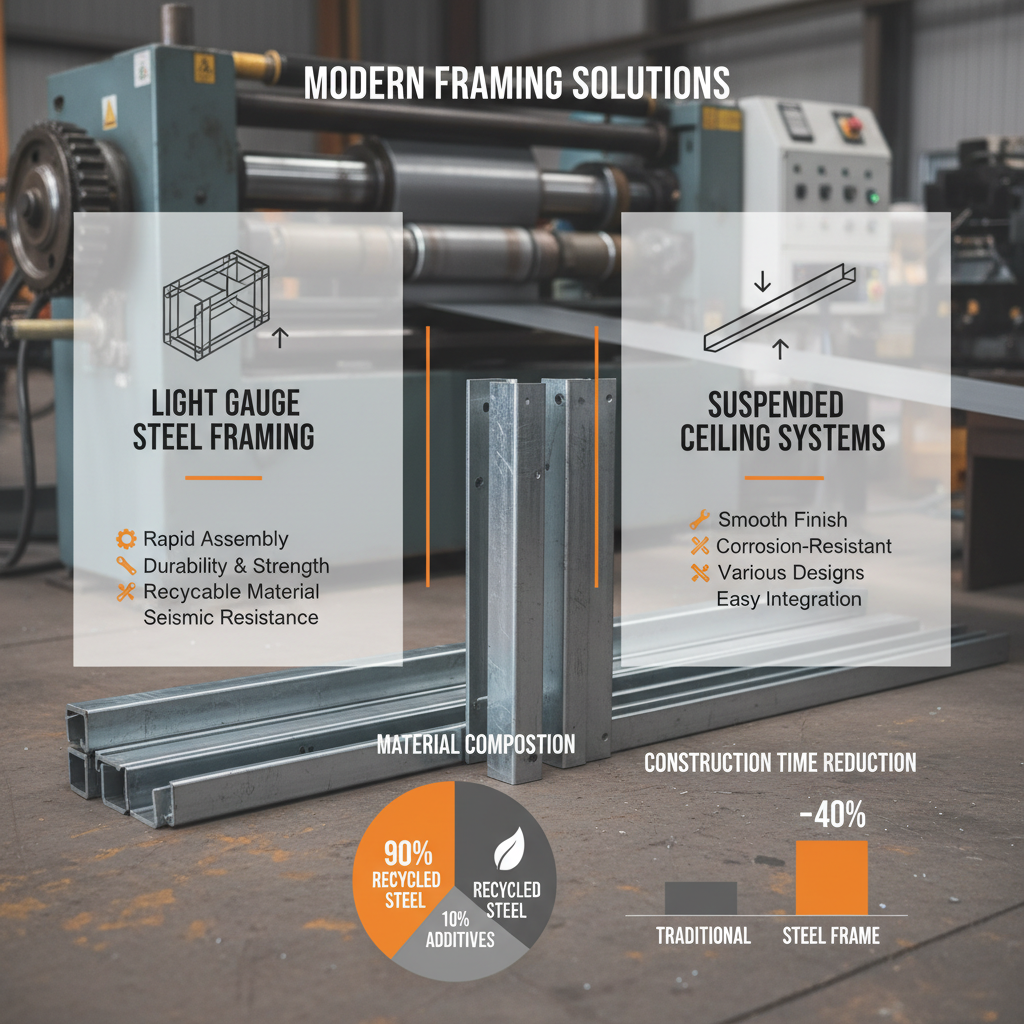
From my experience on the ground, the biggest win with light gauge steel is speed. You're pre-fabricating components off-site, which means less time dealing with weather delays and material shortages on the job. That translates directly to cost savings. But it's not just about speed. Steel is incredibly strong for its weight, meaning you can build taller, span further, and ultimately, create more usable space.
And let's not forget the precision. Steel is manufactured to tight tolerances, meaning fewer errors during assembly and a more structurally sound building. I've seen crews get the hang of steel framing surprisingly quickly, especially with the right training. It's a different skillset than traditional carpentry, but a learnable one, and the long-term benefits far outweigh the initial learning curve.
Global Relevance and Industry Challenges
The construction industry is facing a global crunch. Population growth, urbanization, and increasing demand for sustainable building practices are putting enormous pressure on resources. Traditional materials like timber are becoming scarce and expensive in many regions. That's where light gauge structural steel framing really shines. Steel is a readily available resource, and it's 100% recyclable, making it a much more sustainable option than many alternatives.
However, it’s not all smooth sailing. One of the biggest hurdles I see is a lack of skilled labor familiar with steel framing techniques. We need to invest in training programs and certifications to ensure a qualified workforce. Another challenge is overcoming ingrained habits and convincing contractors to adopt new methods. Change is never easy, especially in a conservative industry like construction.
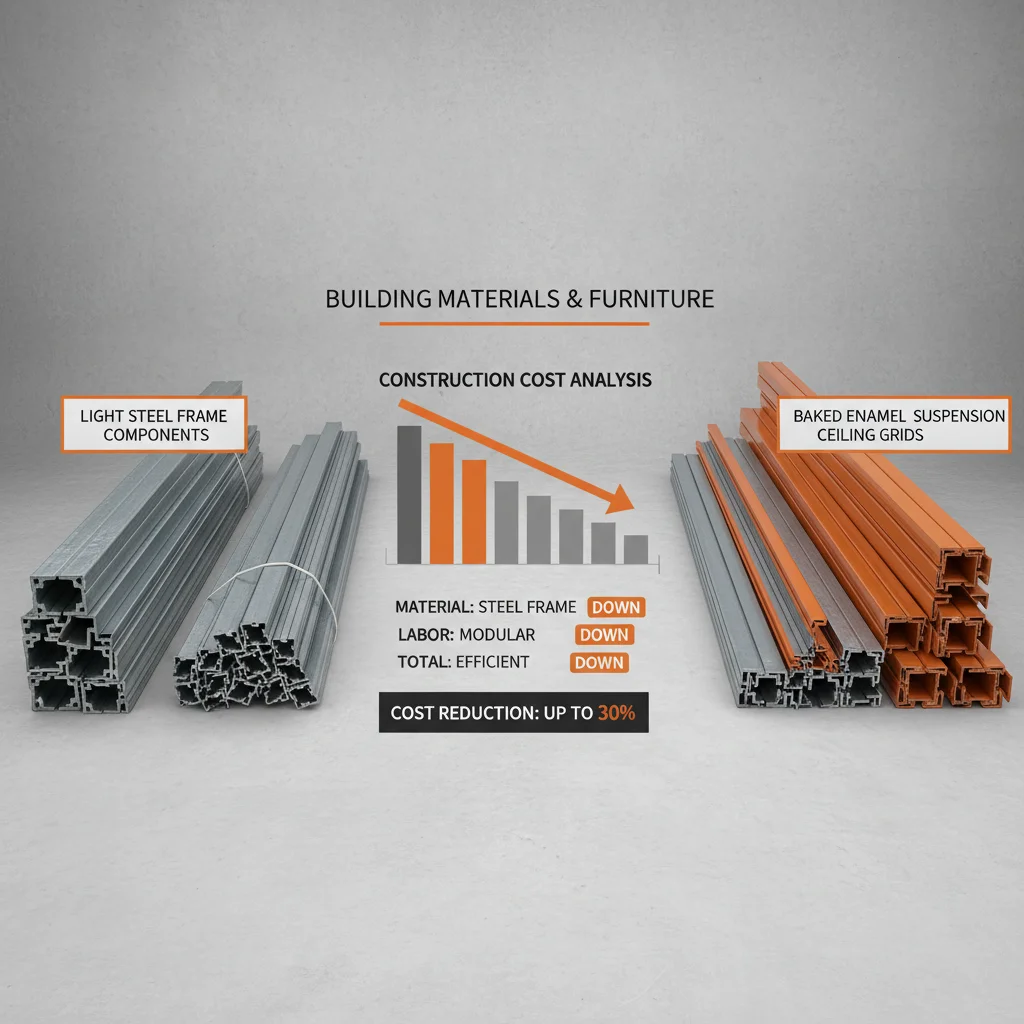
And then there’s the perception of cost. Initially, steel can be more expensive than wood. But when you factor in the long-term benefits – reduced maintenance, increased durability, faster construction times, and potential for design optimization – the total cost of ownership often comes out significantly lower. You have to look at the big picture.
Defining Light Gauge Structural Steel Framing
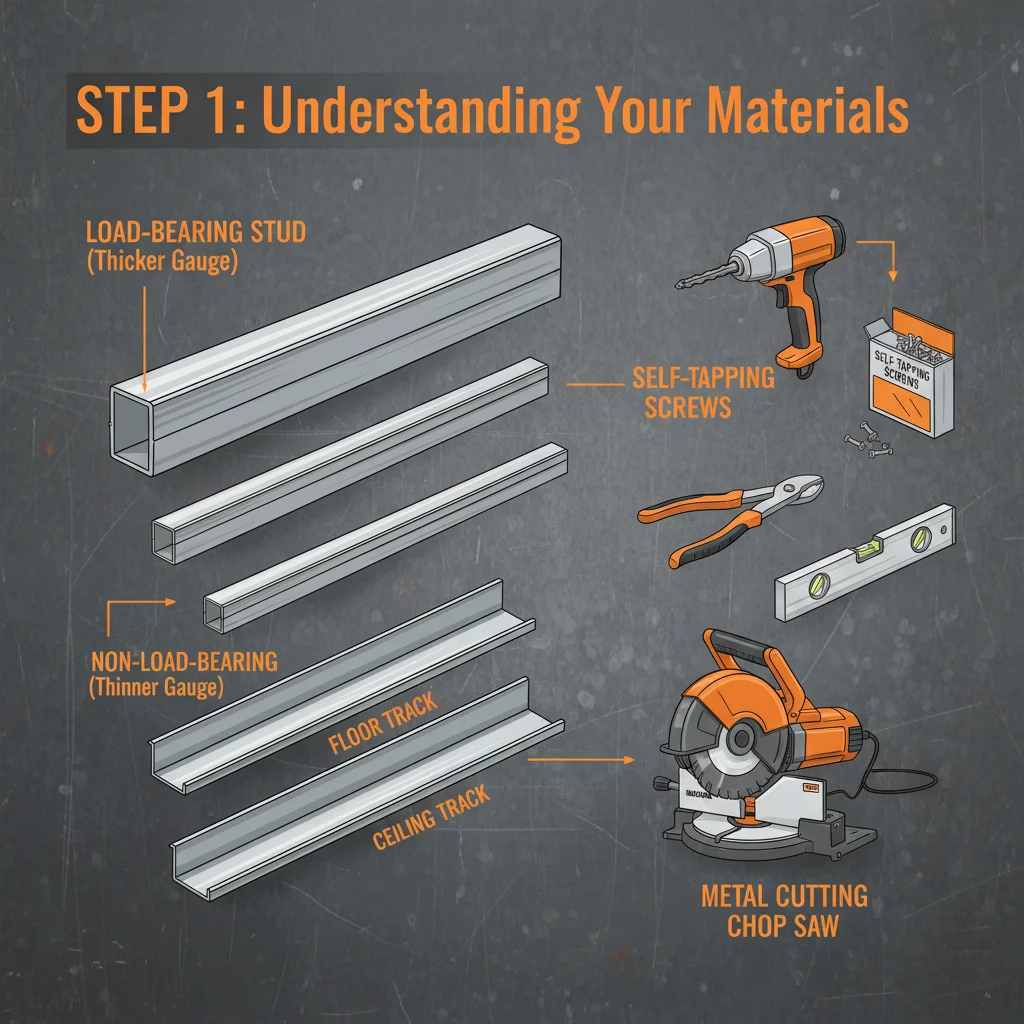
Okay, let’s get down to brass tacks. Light gauge structural steel framing, as I see it on site every day, isn’t about massive I-beams. It’s using cold-formed steel members – typically galvanized steel sheets – that are shaped into C-sections, U-channels, and other profiles. These are then assembled to create the structural framework of a building, just like wood studs and joists, but with steel's inherent strengths.
What's key here is the “light gauge” aspect. It means the steel is thinner and lighter than traditional structural steel, making it easier to handle and transport. It’s also easier to cut and connect, often using self-tapping screws or specialized connectors. This speed of assembly is a game-changer.
It’s a system that’s increasingly vital, particularly in areas where rapid deployment is crucial – think disaster relief housing, modular construction, or even temporary structures for events. But it's also gaining traction in permanent construction due to its sustainability and long-term performance. It’s a modern building solution for a modern world.
Key Aspects: Durability, Cost, and More
Let’s break down what makes this stuff tick. First, durability. Steel doesn't rot, warp, or attract termites. It's non-combustible, which is a huge safety benefit. And it’s incredibly strong, meaning it can withstand high winds, seismic activity, and heavy loads. I’ve seen steel-framed buildings stand strong after hurricanes where wood-framed structures were completely flattened.
Real-World Applications and Use Cases
I've seen light gauge steel used in everything from high-end residential homes to large-scale commercial buildings. It’s becoming increasingly popular for multi-story construction, particularly in areas prone to earthquakes or hurricanes. The speed and precision of steel framing allow for quicker project completion and reduced on-site waste.
In post-disaster relief operations, the ability to rapidly deploy durable, safe housing is critical. Light gauge steel framing offers a viable solution, allowing organizations to quickly construct shelters that can withstand harsh conditions. I’ve worked on projects where we’ve assembled entire housing units in a matter of days using pre-fabricated steel components.
The Long-Term Value Proposition
Look beyond the initial cost, and you’ll see the true value. Lower maintenance costs, increased durability, and reduced insurance premiums all add up over the lifespan of a building. Steel doesn’t rot or attract pests, meaning you won’t be constantly patching and repairing. And because it’s non-combustible, you may be able to qualify for lower insurance rates.
But it’s not just about dollars and cents. It’s about building structures that are safe, resilient, and sustainable. It’s about creating spaces that people can be proud of and that will stand the test of time. That peace of mind is priceless.
Ultimately, light gauge structural steel framing isn’t just a building material; it’s an investment in the future.
Future Trends and Innovations in Steel Framing
We’re seeing a lot of exciting developments in this space. Advancements in coating technologies are further improving steel’s corrosion resistance. Digital modeling and BIM (Building Information Modeling) are streamlining the design and fabrication process, minimizing errors and optimizing material usage.
Automation is also playing a bigger role. Robotics are being used to pre-fabricate steel components with greater precision and efficiency. This allows us to build faster, cheaper, and with higher quality. I’m also seeing a growing emphasis on sustainable steel production, with manufacturers exploring ways to reduce their carbon footprint.
The future of construction is about embracing innovation, and light gauge steel framing is at the forefront of that movement.
Key Considerations for Successful Light Gauge Steel Framing Projects
| Project Scope |
Cost Analysis |
Labor Requirements |
Long-Term Maintenance |
| Small Residential Project |
Initial material cost slightly higher than wood |
Requires specialized training for installers |
Minimal maintenance, resistant to rot and pests |
| Medium-Sized Commercial Building |
Overall project cost competitive due to faster build time |
Reduced labor hours due to pre-fabrication |
Periodic inspection for corrosion, especially in coastal areas |
| Large-Scale Modular Housing Development |
Economies of scale significantly lower material costs |
Factory-based production minimizes on-site labor |
Low maintenance, durable for long-term housing solutions |
| Disaster Relief Shelter Construction |
Cost-effective for rapid deployment and temporary structures |
Simplified assembly process requires minimal specialized skills |
Easy to disassemble and relocate as needed |
| Seismic Retrofitting of Existing Buildings |
Initial investment higher, but improves structural integrity significantly |
Requires careful planning and integration with existing structure |
Enhances building’s resistance to earthquake damage |
| Sustainable Building Project (LEED Certified) |
Recyclable material contributes to LEED points |
Reduced construction waste minimizes environmental impact |
Long-term durability reduces the need for replacement |
FAQS
Steel is inherently non-combustible, giving light gauge steel framed structures a significant advantage in fire safety. Wood, of course, burns. This means steel framing can help slow the spread of fire, potentially providing more time for evacuation and reducing property damage. Building codes often recognize this and may offer benefits for steel framed construction in areas prone to wildfires or requiring higher fire resistance ratings.
With proper design, installation, and maintenance, buildings constructed with light gauge steel framing can easily last 100 years or more. Steel doesn't rot, decay, or suffer from pest infestations like wood, so it provides a more durable and long-lasting structural framework. Regular inspections for corrosion, especially in coastal environments, are important to maximize its lifespan.
Initially, the material cost of light gauge steel can be higher than wood. However, when you consider the entire project lifecycle, steel framing often proves to be more cost-effective. Faster construction times, reduced labor costs, lower maintenance requirements, and increased durability all contribute to long-term savings. The initial investment is often offset by these benefits.
Galvanization is the most common form of corrosion protection for light gauge steel framing. This involves coating the steel with a layer of zinc, which acts as a barrier against rust and corrosion. Other protective coatings, such as paint or powder coatings, may also be applied for added protection, especially in harsh environments like coastal areas or industrial settings.
While some carpentry skills are transferable, working with light gauge steel framing requires specialized training. Installers need to be proficient in using steel-specific tools, understanding framing techniques, and interpreting blueprints. Properly fastening and connecting steel members is crucial for structural integrity. Certification programs are available to ensure a skilled workforce.
Light gauge steel framing is a highly sustainable building material. Steel is 100% recyclable, meaning it can be reused without losing its properties. Steel production is becoming increasingly efficient, and manufacturers are exploring ways to reduce their carbon footprint. The durability and longevity of steel framing also contribute to sustainability by reducing the need for frequent replacements.
Conclusion
We've covered a lot here, but the bottom line is this: light gauge structural steel framing is a game-changer for the construction industry. It's faster, more durable, more sustainable, and ultimately, a smarter way to build. It addresses critical challenges – from housing shortages to disaster relief – and offers a pathway to a more resilient and efficient future.
I encourage you to look beyond the traditional methods and consider the benefits of steel framing. Explore the possibilities, invest in training, and embrace the innovation that’s transforming the construction landscape. Visit our website at www.jinkaibm.com to learn more about how we can help you build a better future.