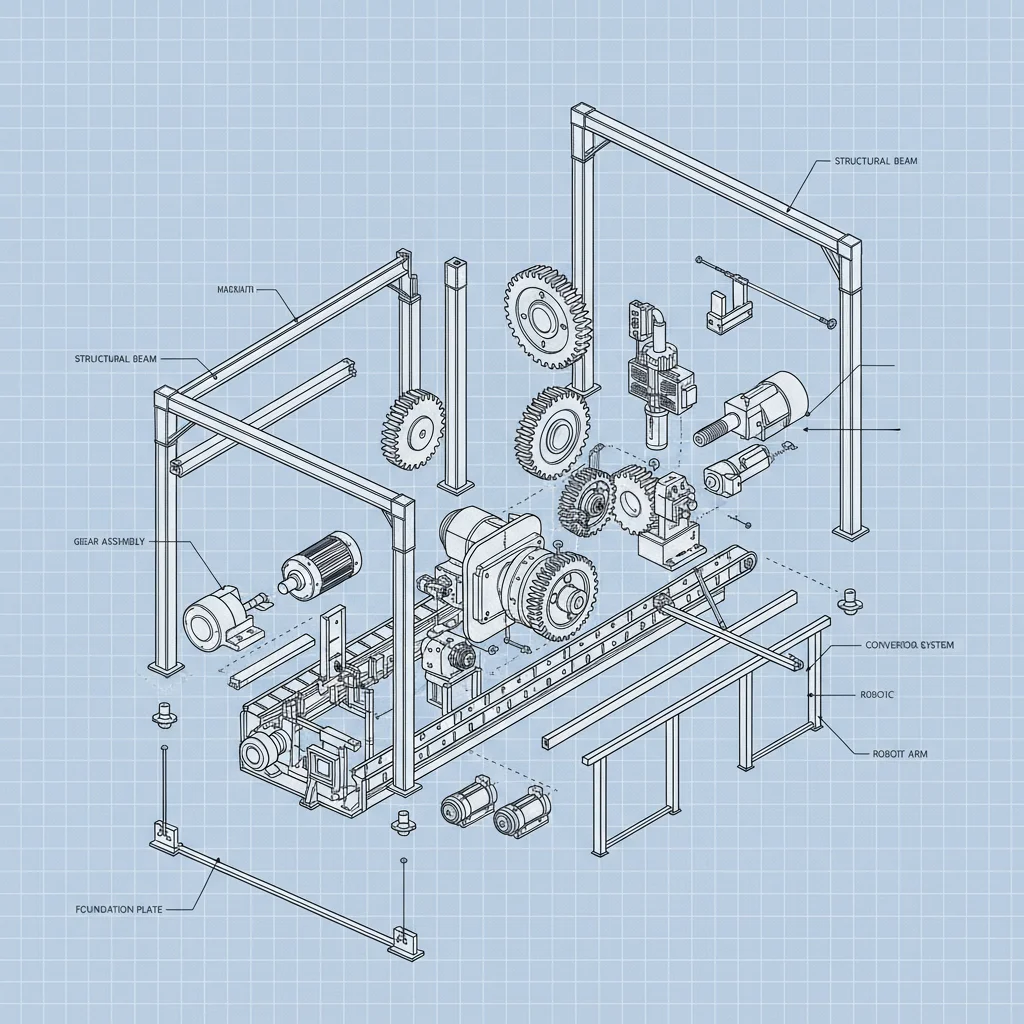
Light metal framing – it’s more than just steel studs and screws. After years spent on sites, wrestling with lumber, and watching projects get delayed by material shortages, I can tell you it’s a game changer. We're talking about a construction method that offers speed, precision, and a level of consistency traditional building just can't match. The shift towards light metal framing isn’t a trend, it’s a response to the very real pressures facing the construction industry today: rising costs, skilled labor shortages, and the urgent need for more sustainable building practices.
For too long, construction has been stubbornly slow to adopt innovation. We've relied on techniques passed down for generations, even when better options are available. Light metal framing represents a fundamental change. It’s about prefabrication, controlled environments, and a streamlined workflow. It means fewer surprises on site, less waste, and ultimately, projects delivered on time and within budget. And frankly, in my experience, a predictable build is a happy build for everyone involved.
What really excites me about light metal framing is its versatility. It's not just for residential construction anymore. We're seeing it used in commercial buildings, industrial facilities, even disaster relief housing. The technology is evolving rapidly, and the potential applications seem limitless. We’re tackling major challenges with a method that is built for the future, and I've seen first hand what that future looks like.
The Global Rise of Light Metal Framing
The demand for faster, more efficient, and sustainable construction methods is driving the global adoption of light metal framing. According to the United Nations, urbanization is happening at an unprecedented rate, with 68% of the world’s population projected to live in urban areas by 2050. This puts immense pressure on housing and infrastructure. Simultaneously, organizations like the World Bank are emphasizing the need for resilient infrastructure, especially in developing nations prone to natural disasters. Light metal framing offers a viable solution to both of these challenges.
What I’ve noticed, being on the ground, is that traditional construction just can’t keep up. Supply chains are stretched, skilled labor is dwindling, and building costs are spiraling. This is where light metal framing steps in. It offers a way to standardize the building process, reduce reliance on on-site labor, and deliver projects faster. It’s not about replacing skilled tradespeople; it’s about empowering them with tools and technologies that allow them to be more productive and efficient.
Defining Light Metal Framing
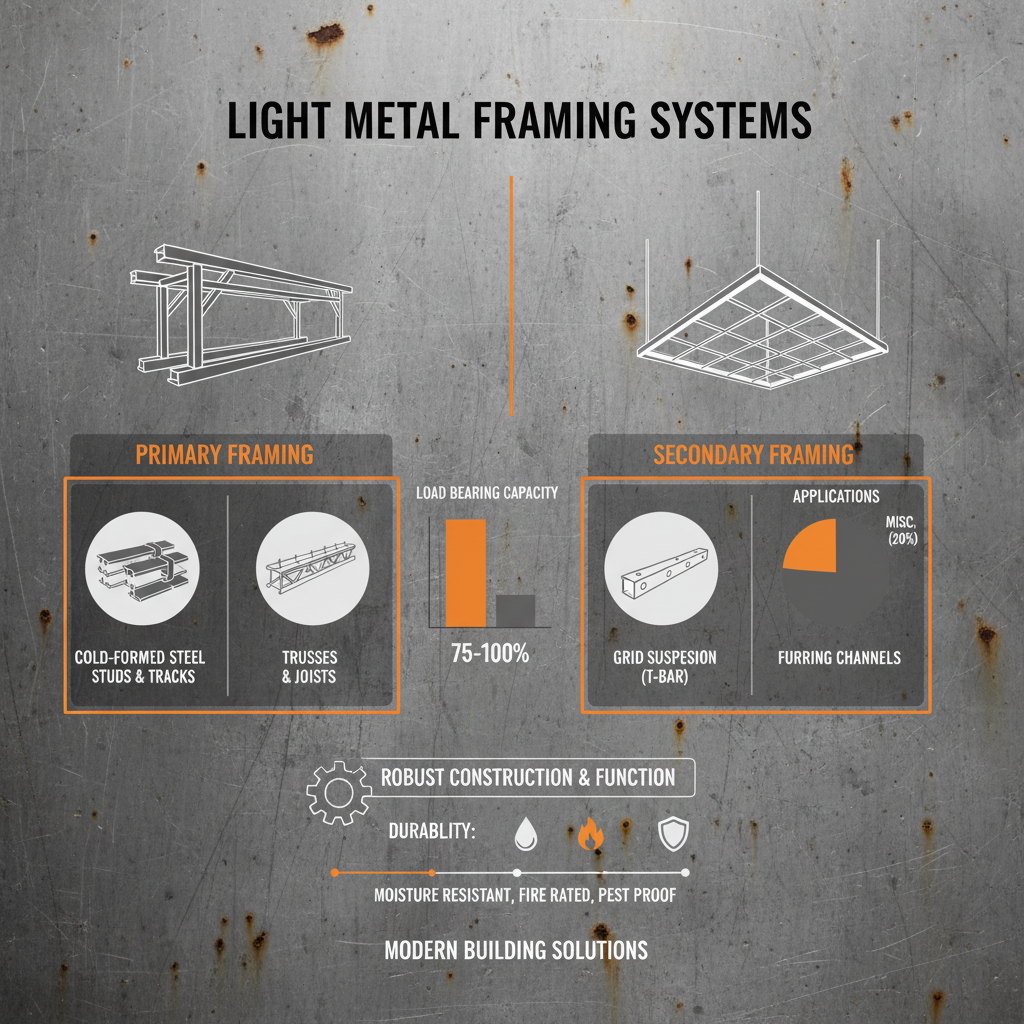
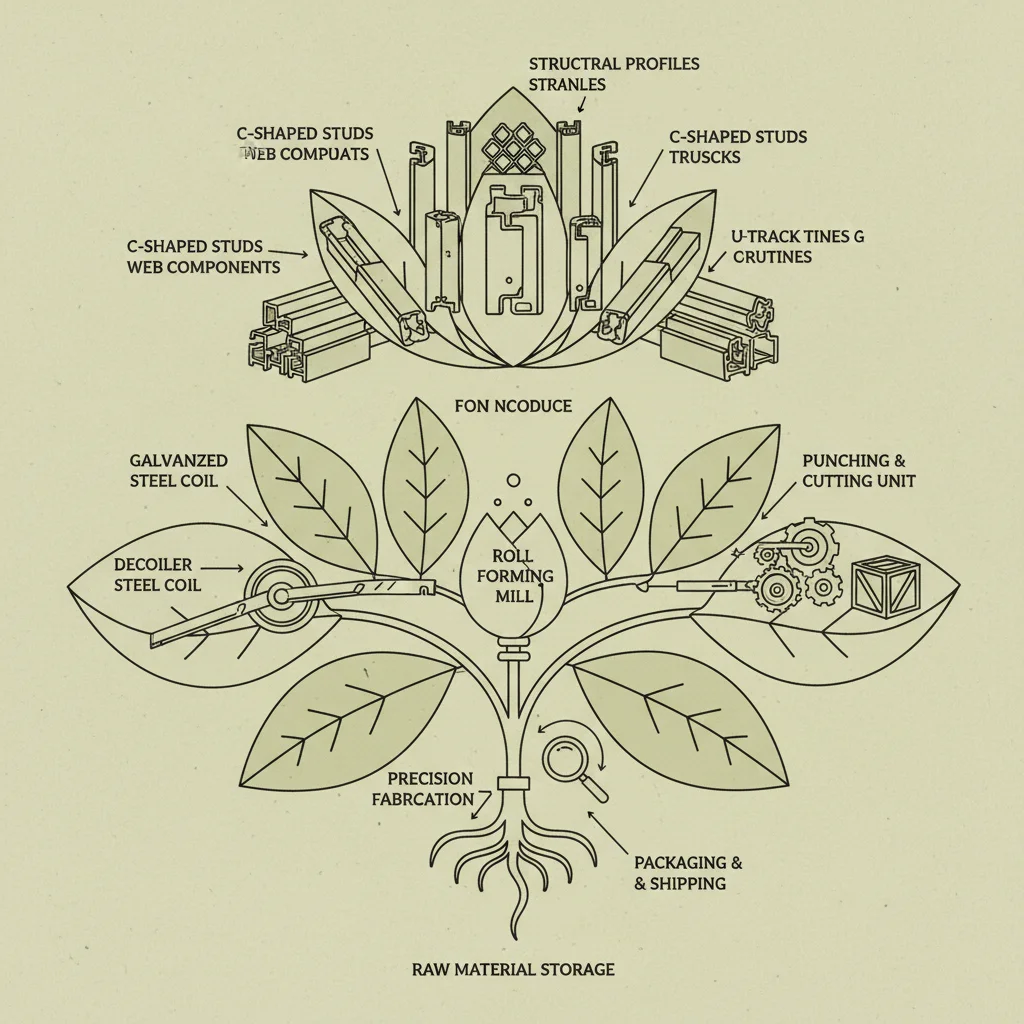
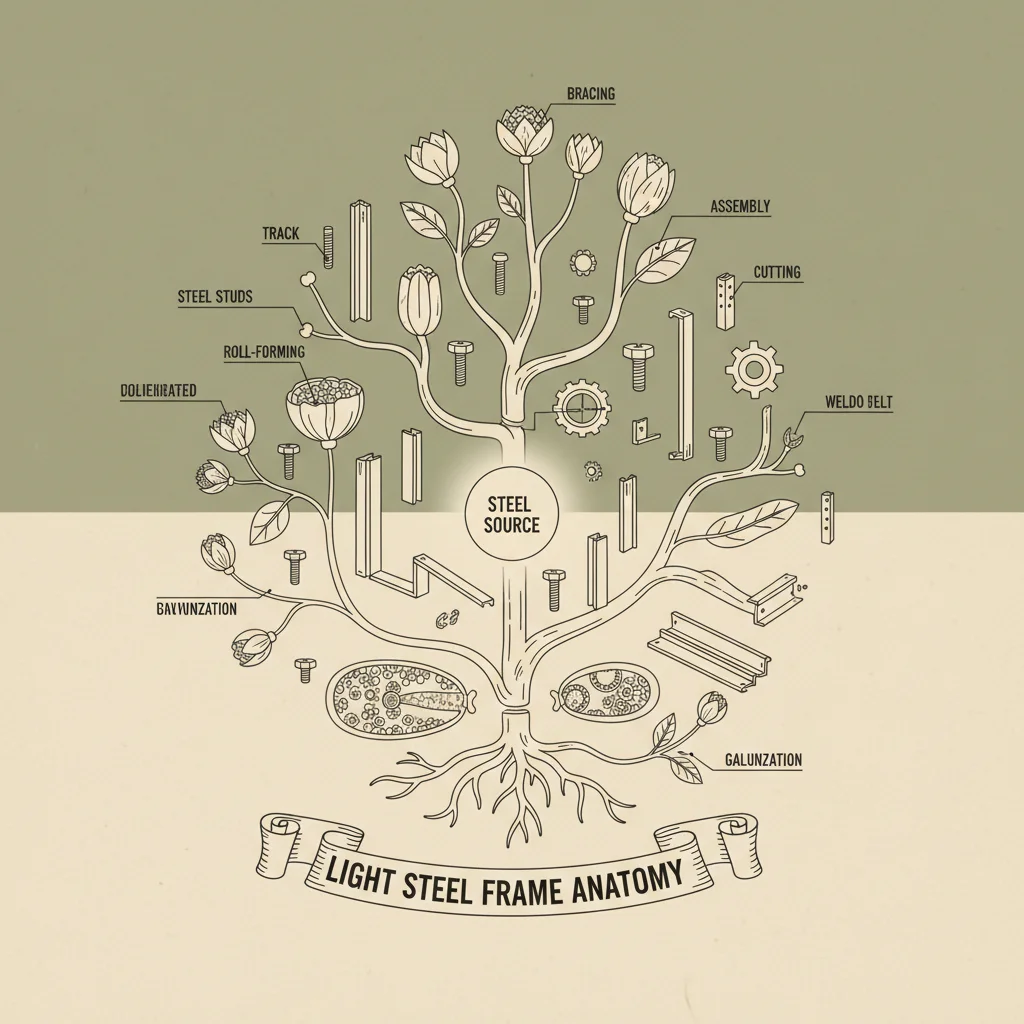
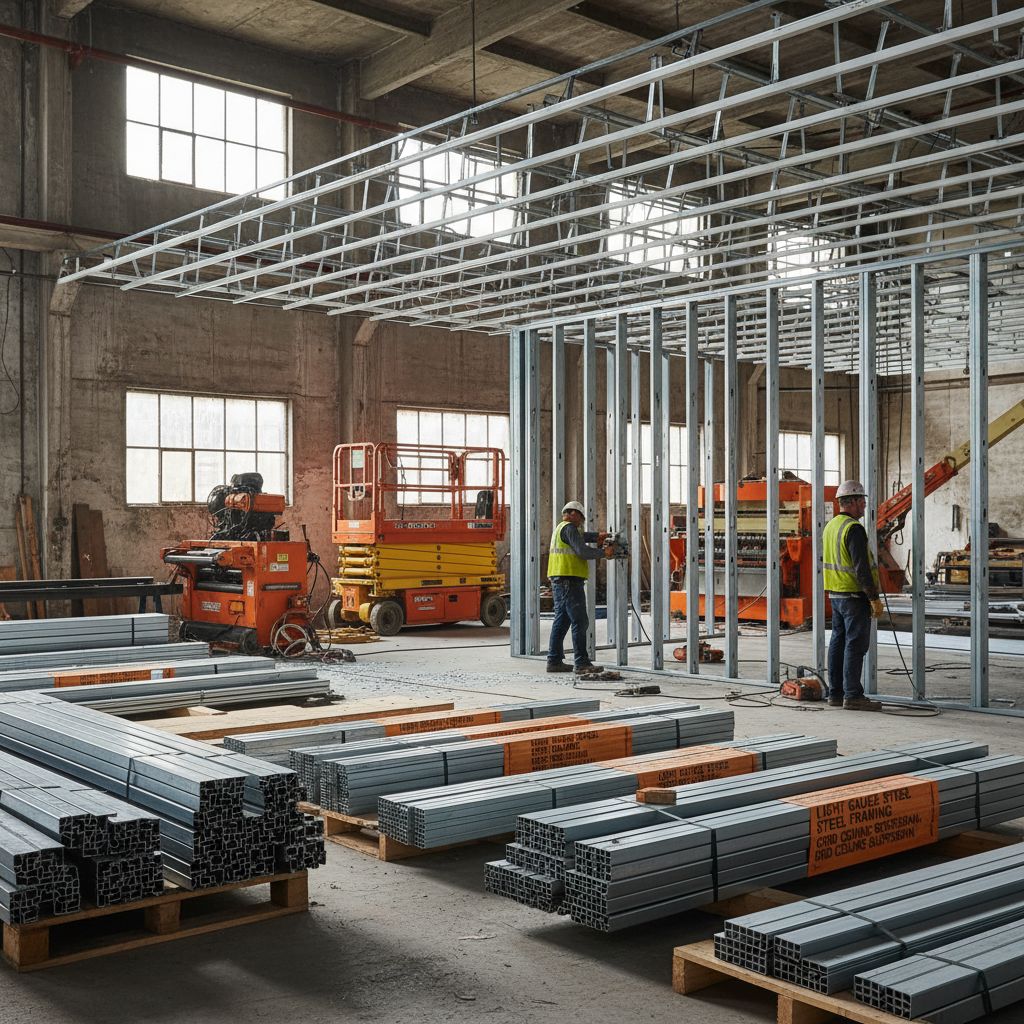
Simply put, light metal framing uses cold-formed steel (CFS) members to create the structural framework of a building. Think of it as a steel skeleton, replacing traditional wood studs and rafters. These steel components are lightweight, high-strength, and precisely manufactured. It’s a fundamentally different approach than traditional stick-built construction, where everything is cut and assembled on-site. I've seen crews building complete wall panels in a factory setting, then transporting them to the site for quick and easy assembly.
This isn’t just about faster construction; it’s about quality control. Manufacturing in a controlled environment means tighter tolerances, fewer errors, and a more consistent final product. It also addresses a critical humanitarian need. In disaster relief situations, speed is paramount. Light metal framing allows for the rapid deployment of shelters and temporary housing, offering a safe and dignified solution for those affected by crises.
From my experience, the key benefit lies in the precision. You're not dealing with warped lumber or inconsistent materials. Every piece is made to spec, ensuring a square and plumb structure. This is a massive advantage, especially when you’re working on complex designs or tight schedules.
Key Factors: What Sets Light Metal Framing Apart
Durability: Steel doesn’t rot, warp, or attract pests like wood. It’s inherently resistant to fire, earthquakes, and extreme weather. I’ve seen buildings framed with light metal withstand hurricanes that leveled nearby structures built with traditional methods. That peace of mind is invaluable.
Scalability: Light metal framing is easily scalable. Whether you're building a small residential home or a large commercial complex, the system can be adapted to meet your needs. Prefabrication allows for efficient production, regardless of project size. It’s a significant advantage when you're dealing with multi-unit developments or large-scale infrastructure projects.
Cost Efficiency: While the initial material cost might be slightly higher than wood, the long-term savings are substantial. Reduced labor costs, less waste, and lower maintenance expenses all contribute to overall cost efficiency. Plus, the speed of construction translates to faster project completion and quicker return on investment.
Global Applications & Use Cases
We’re seeing light metal framing pop up everywhere. In post-disaster relief operations, organizations are using it to build rapid-deployment housing that’s safe, durable, and provides a sense of dignity for those affected. I worked on a project in Puerto Rico after Hurricane Maria where prefabricated light metal homes were erected in a matter of days, offering immediate shelter to families who had lost everything.
In remote industrial zones, where access to skilled labor and traditional building materials is limited, light metal framing is proving to be a cost-effective and efficient solution. Mining camps, oil and gas facilities, and other remote installations are increasingly relying on this technology. I’ve also witnessed a growing trend in sustainable building projects, where light metal framing is used in conjunction with other green technologies to create energy-efficient and environmentally friendly structures.
Even in urban environments, we are seeing it used for mid-rise apartment buildings, schools, and commercial developments. The ability to prefabricate components off-site reduces disruption to surrounding neighborhoods and speeds up the construction process. It's really becoming the preferred method for projects where time and efficiency are critical.
Light Metal Framing Applications by Sector
Advantages & Long-Term Value
The benefits extend far beyond just speed and cost. Light metal framing offers a level of design flexibility that’s hard to match with traditional methods. You can create complex geometries and custom designs without sacrificing structural integrity. And from a sustainability standpoint, steel is one of the most recycled materials on the planet. Using light metal framing reduces construction waste and minimizes the environmental impact of building projects. I’ve seen companies actively tracking the carbon footprint of their projects, and light metal framing consistently comes out ahead.
But it’s not just about the technical advantages. It’s about the human element. A safer work environment, a more predictable build, and a higher-quality finished product – these things contribute to a sense of pride and satisfaction for everyone involved. That’s something you can’t quantify, but it’s incredibly valuable. Building with light metal framing is an investment in the future, a commitment to innovation, and a step towards a more sustainable and resilient built environment.
Future Trends & Innovations
The integration of Building Information Modeling (BIM) with light metal framing is a game changer. BIM allows for the creation of a virtual model of the building, enabling clash detection, accurate material quantification, and streamlined coordination between different trades. I've seen projects where BIM reduced rework by as much as 30%. That’s a huge savings in both time and money.
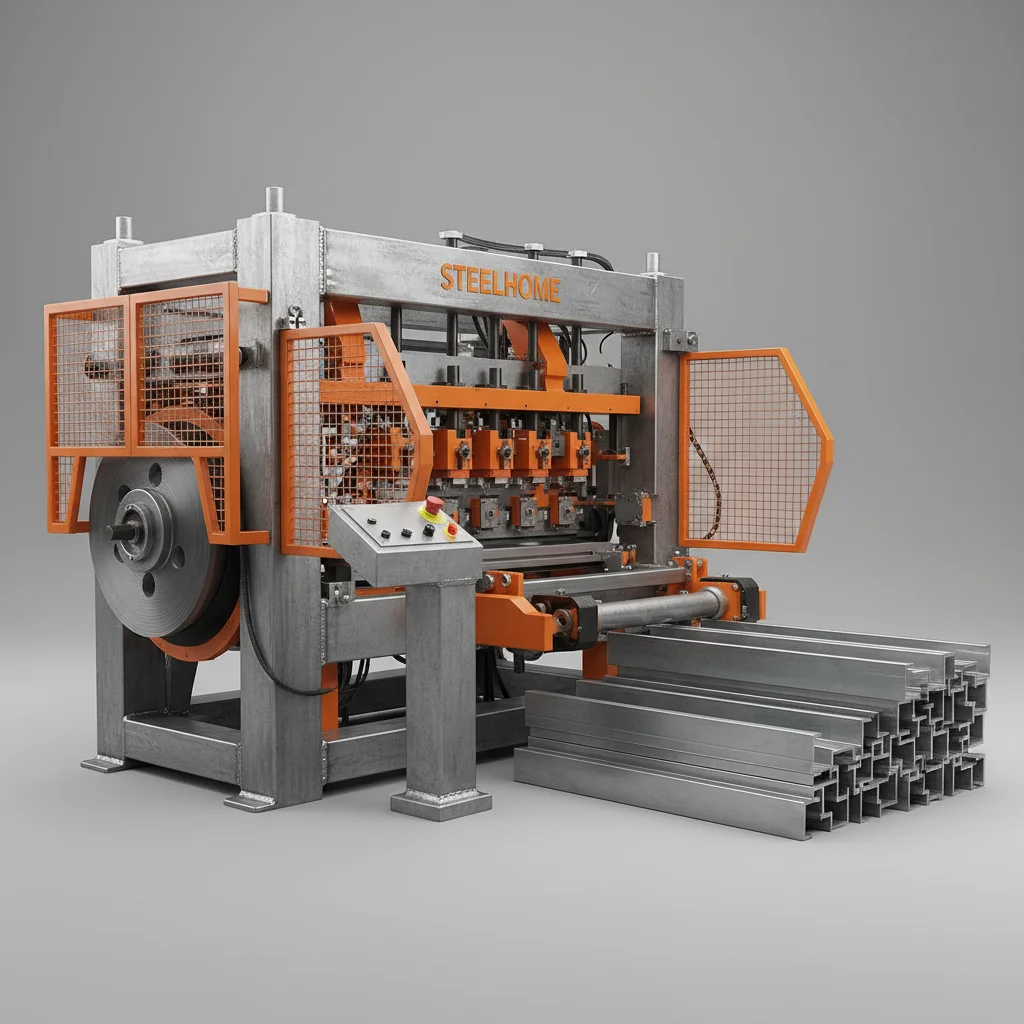
Automation is also playing an increasing role. Robotic welding and automated assembly lines are becoming more common, further increasing efficiency and reducing labor costs. And the development of new steel alloys with even higher strength-to-weight ratios is pushing the boundaries of what’s possible with light metal framing. We’re entering an era of smart construction, where technology and innovation are driving unprecedented levels of performance and sustainability.
Challenges & Solutions
One of the biggest hurdles is overcoming the perception that light metal framing is somehow “inferior” to traditional wood framing. This is simply not true. Light metal framing meets or exceeds all relevant building codes and standards, and in many cases, offers superior performance. Education and outreach are key to dispelling these myths and demonstrating the benefits of this technology. I’ve spent countless hours on site explaining the process to carpenters and contractors, and once they see it in action, they’re usually convinced.
Another challenge is the initial investment in equipment and training. Setting up a light metal framing fabrication facility requires capital, and workers need to be trained in the proper techniques. However, the long-term return on investment far outweighs these initial costs. Government incentives and training programs can help to accelerate the adoption of this technology.
Finally, ensuring proper corrosion protection is crucial, especially in coastal environments. Galvanizing and other protective coatings are essential to prevent rust and ensure the longevity of the structure. Choosing the right coating for the specific application is critical and requires careful consideration of the environmental factors.
Summary of Challenges and Solutions for Light Metal Framing
| Challenge |
Impact |
Proposed Solution |
Implementation Priority (1-10) |
| Perceived Inferiority |
Slow adoption rate |
Education & Demonstration Projects |
8 |
| Initial Investment Cost |
Barrier to entry for small businesses |
Government Incentives & Financing Options |
7 |
| Lack of Skilled Labor |
Construction delays & quality issues |
Targeted Training Programs & Certifications |
9 |
| Corrosion Risk |
Reduced Structural Longevity |
Appropriate Protective Coatings & Material Selection |
6 |
| Supply Chain Disruptions |
Material Availability & Cost Fluctuations |
Diversification of Suppliers & Local Manufacturing |
5 |
| Code & Regulation Gaps |
Permitting & Compliance Challenges |
Advocacy for Updated Building Codes & Standards |
4 |
FAQS
Light metal framing allows for prefabrication of components in a controlled environment, drastically reducing on-site assembly time. Unlike wood, it doesn't require drying or acclimation, and its consistent dimensions eliminate fitting issues. This streamlined process minimizes delays caused by weather, material variations, or labor availability, leading to significantly faster project completion times. From my experience, a light metal framed structure can be erected in a fraction of the time it takes for a comparable wood-framed structure.
Light metal framing exhibits exceptional durability and resilience in harsh conditions. Steel is naturally resistant to rot, pests, and fire, extending the lifespan of structures. With proper corrosion protection, a light metal framed building can easily last for 50-100 years, even in coastal or seismic zones. I've seen light metal framing used in disaster relief housing that has withstood multiple storms and earthquakes without significant damage. It’s a long-term investment in safety and security.
Absolutely. Steel is one of the most recycled materials globally, reducing the environmental impact of construction. Light metal framing generates minimal waste due to precise manufacturing, and its durability reduces the need for frequent repairs or replacements. While initial material costs can be comparable to wood, the long-term benefits – reduced labor, lower maintenance, and increased lifespan – make it a highly cost-effective option. It's a win-win for both the environment and your bottom line.
Importing can be complex, requiring careful navigation of customs regulations, tariffs, and shipping logistics. Ensuring compliance with local building codes and standards is also critical. A key challenge is often establishing a reliable supply chain and securing qualified installers in the destination country. Partnering with local organizations and engaging experienced consultants can help streamline the process and minimize delays.
Light metal framing, due to its relatively lighter weight compared to traditional construction, offers flexibility in foundation choices. Commonly used foundations include concrete slab-on-grade, crawlspace foundations, and even pier and beam systems. The best choice depends on soil conditions, local climate, and building design. It’s crucial to conduct a thorough geotechnical investigation to determine the most appropriate foundation for the specific site. I've seen successful projects using all three types of foundations.
While both offer faster build times than traditional methods, light metal framing generally offers greater design flexibility and scalability compared to shipping container homes. Container homes are limited by the dimensions of the container itself, whereas light metal framing allows for custom designs and complex geometries. Cost-wise, it can vary, but light metal framing often proves more economical for larger or more complex projects. It is generally more cost effective at scale, but container homes can be very effective for single-family homes.
Conclusion
Light metal framing isn’t just a building method; it’s a solution to some of the biggest challenges facing the construction industry today. From speed and cost-efficiency to durability and sustainability, the benefits are undeniable. It’s about building smarter, building faster, and building for the future. It’s a shift that requires a willingness to embrace innovation and a commitment to quality, but the rewards are well worth the effort.
I encourage anyone involved in construction – architects, engineers, contractors, developers – to explore the potential of light metal framing. Visit our website at light metal framing to learn more and discover how we can help you build a better future. This isn’t just about changing the way we build; it’s about building a world that’s more resilient, more sustainable, and more equitable for all.