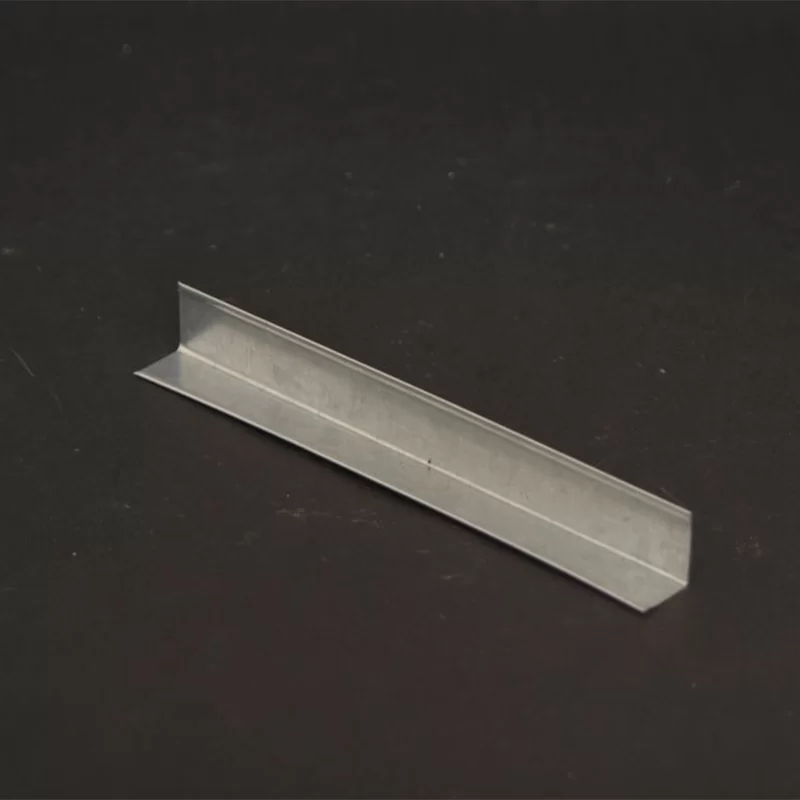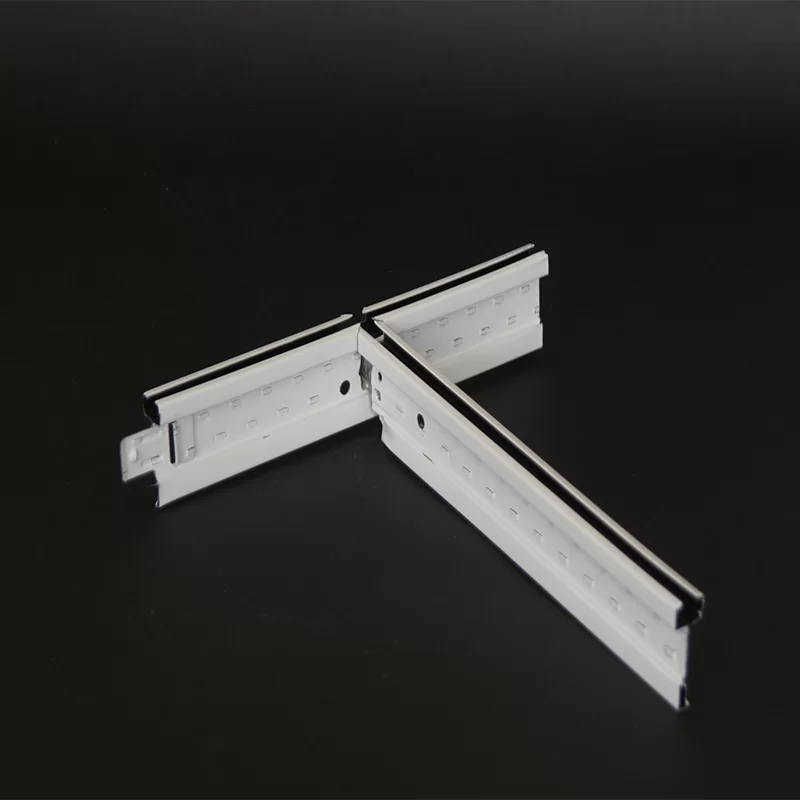
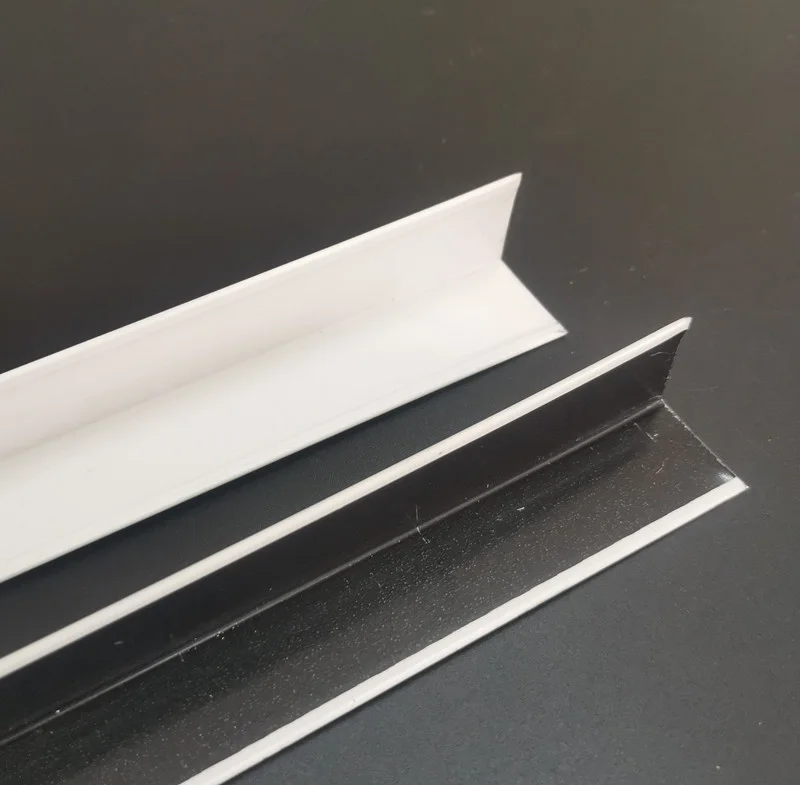
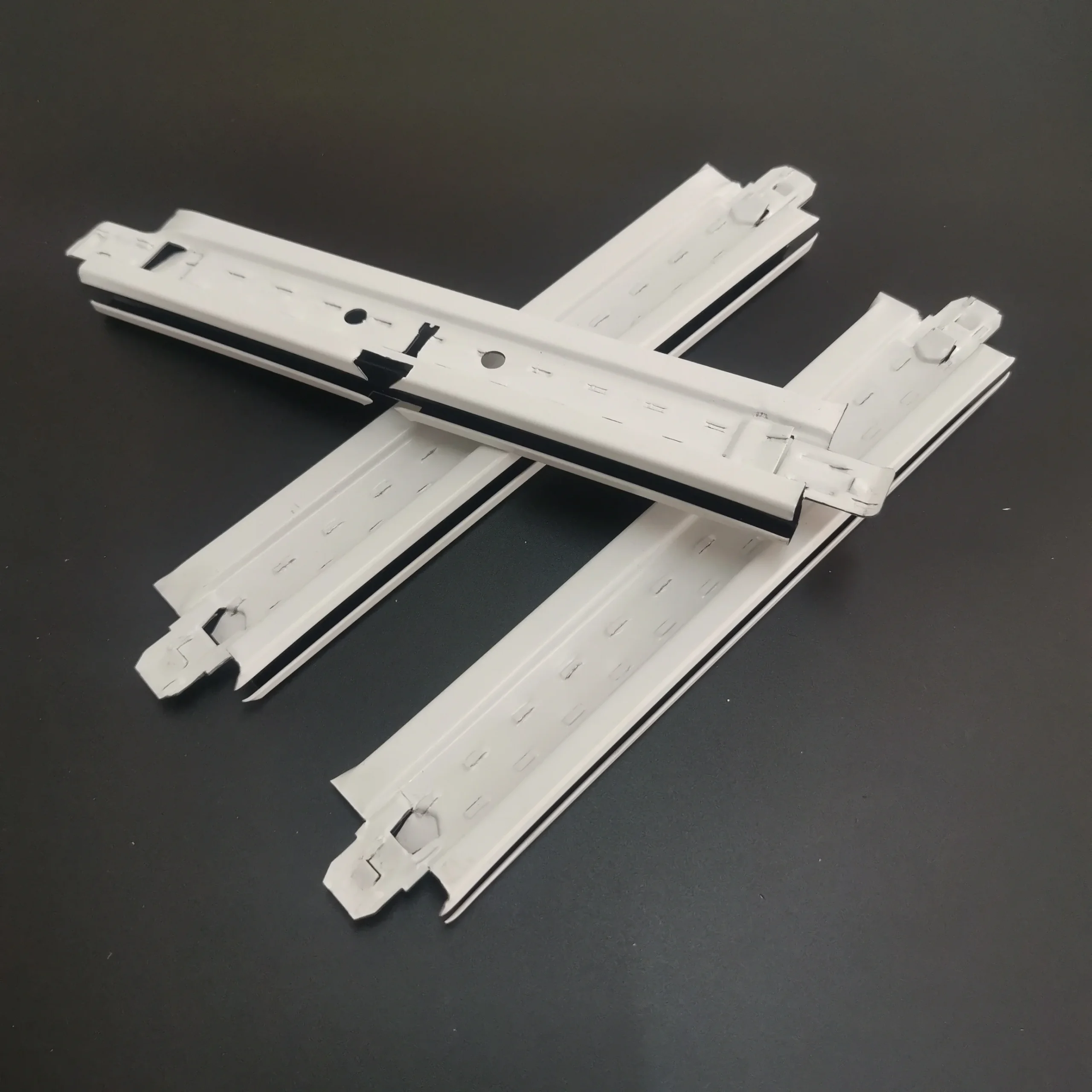
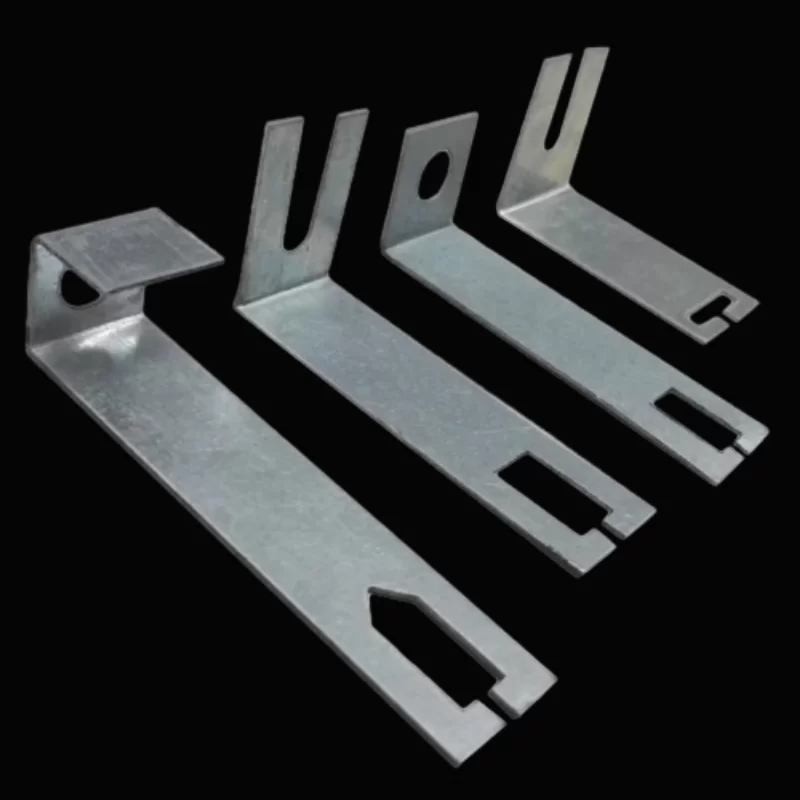
HighPerformance prefabricated light gauge steel building Solutions for Italy

High-Performance prefabricated light gauge steel building Solutions for Italy

Advanced structural engineering delivering precision-engineered metal framing for Italy's diverse architectural and industrial landscape.

High-Performance prefabricated light gauge steel building Solutions for Italy

Integrating cutting-edge cold-formed steel technology to optimize construction speed and structural integrity across the Italian peninsula.

Construction Landscape of Structural Light Gauge Metal Framing in Italy

Analyzing the shift towards sustainable and seismic-resistant building materials in the Italian market.

Italy's construction sector is currently undergoing a significant transition, driven by strict Eurocode standards and the necessity for seismic resilience. In regions like Tuscany and Lazio, there is an increasing demand for lightweight steel frame building systems that can offer high strength-to-weight ratios while reducing the carbon footprint compared to traditional reinforced concrete.

The local market is characterized by a blend of historical preservation and modern expansion. This duality requires materials that are versatile and easy to transport. The adoption of precise metal framing gauges ensures that new constructions can integrate seamlessly with existing urban infrastructures without compromising the structural stability of adjacent historic sites.

Economic pressures and the push for "Green Building" certifications in major hubs like Milan and Rome have accelerated the shift toward off-site manufacturing. The ability to control steel stud gauge specifications in a factory setting minimizes waste and ensures that Italy's rigorous energy efficiency laws are met through superior insulation integration.
Evolution of Steel Framing Technology in Italy

From traditional heavy masonry to precision-engineered lightweight steel solutions.

Market Development History

Between 1990 and 2010, the Italian market relied heavily on traditional masonry and heavy steel sections. However, the early 2010s saw a pivot toward cold-formed steel as architects sought faster assembly times and better thermal performance to combat the diverse Mediterranean climate.

By 2015, the introduction of BIM (Building Information Modeling) integrated with automated rolling mills allowed for the mass customization of prefabricated light gauge steel building components. This era marked the transition from simple partitioning to full structural load-bearing steel frames.

Since 2020, the focus has shifted toward extreme precision. The standardization of metal framing gauges has enabled a "Lego-like" assembly process, significantly reducing on-site labor costs and construction timelines in the Italian residential sector.

Future Development Trends

AI-Driven Structural Optimization

The next 3 years will see AI algorithms optimizing the steel stud gauge for every single member of a building, reducing material waste by up to 15% while maintaining safety.

Hybrid Carbon-Steel Systems

Integration of recycled polymers with structural steel to enhance moisture resistance, particularly for coastal projects along the Adriatic and Tyrrhenian seas.

Circular Economy Integration

A shift toward 100% recyclable steel frames that can be disassembled and reused, aligning with the EU's Circular Economy Action Plan.

Future Outlook for Metal Framing in Italy

Strategic trajectories for the next generation of non-metallic and metal mineral products.

Seismic Performance Evolution
Enhanced ductility in structural light gauge metal framing to meet Italy's rigorous anti-seismic building codes.
Modular Speed Optimization
Reducing project lead times through prefabricated panels and standardized metal framing gauges.
Thermal Bridge Elimination
Implementing advanced thermal breaks within the steel stud gauge to optimize energy ratings.
Sustainable Material Sourcing
Prioritizing Green Steel produced via electric arc furnaces (EAF) for all Italian infrastructure projects.

Industry Outlook

According to European search trends, there is a surge in interest for "zero-emission construction" and "rapid housing" in Southern Europe. We expect a 20% CAGR in the adoption of prefabricated steel systems in Italy as the government incentivizes residential renovation and sustainable urban redevelopment.

The future will see the convergence of lightweight steel frame building technology with 3D printing for complex joints, allowing for architectural freedom without sacrificing the precision provided by industrial rolling mills.

Localized Applications in the Italian Market

Real-world implementation of steel framing across Italy's unique architectural zones.

1. Seismic Retrofitting in Campania

Using structural light gauge metal framing to reinforce existing masonry structures, providing essential ductility and safety in earthquake-prone zones.

2. Luxury Eco-Villas in Lake Como

Implementing prefabricated light gauge steel building frames to create minimalist, high-efficiency residences that blend with the natural landscape.

3. Industrial Warehousing in Lombardy

Deploying high-precision metal framing gauges for rapid-deployment logistics centers, ensuring maximum clear-span efficiency.

4. Urban Infill Housing in Milan

Utilizing optimized steel stud gauge profiles to construct narrow, multi-story residential units in densely populated city centers.

5. Agriturismo Extensions in Tuscany

Developing lightweight additions to traditional farmhouses using steel frames that minimize ground impact and allow for easy future disassembly.

Brand Story

Global Development Journey of Wenan Jinkai Construction Materials Co., Ltd.

Foundation & Precision

Started with a mission to solve the inconsistency of manual steel cutting, Jinkai introduced automated rolling technology to ensure every profile met micron-level precision.

Technological Breakthrough

Developed advanced alloys that combined lightweight properties with superior corrosion resistance, specifically for challenging coastal environments.

European Expansion

Entered the EU market by aligning all production processes with Eurocode standards, establishing a reputation for reliability in Italy and Germany.

Sustainable Innovation

Launched a green-manufacturing initiative, reducing production energy consumption by 30% to support global net-zero targets.

Global Leadership

Today, Jinkai is a premier partner for large-scale prefabricated projects, bridging the gap between architectural vision and structural reality.

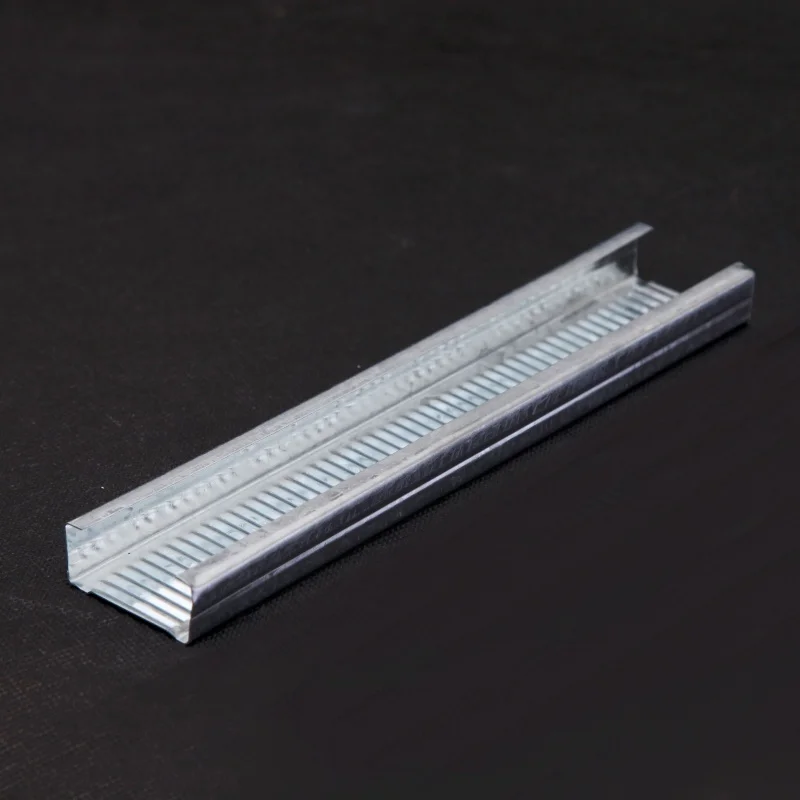
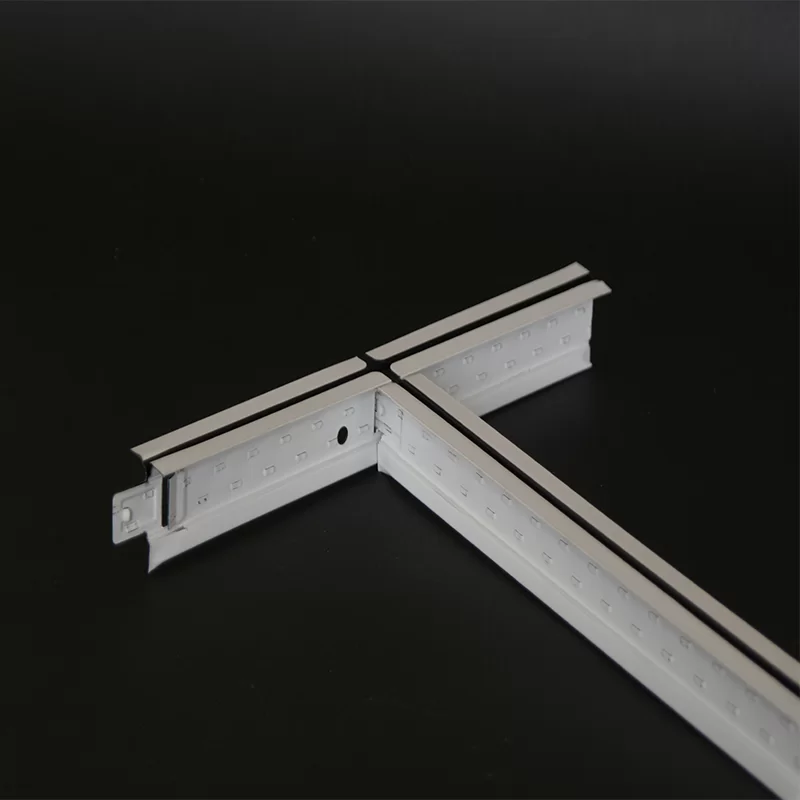
Comprehensive Steel Framing Portfolio for Italy

Tailored product ranges designed for Mediterranean climates and European building regulations.

Italian Market FAQs

Expert answers to common technical questions regarding light gauge steel in Italy.

How do prefabricated light gauge steel building systems comply with Italian seismic codes?

Our systems are engineered based on Eurocode 3 and 8, utilizing cold-formed steel that provides high ductility, allowing the structure to absorb and dissipate seismic energy more effectively than rigid masonry.

Which metal framing gauges are recommended for multi-story residential units?

Depending on the load-bearing requirements, we typically recommend gauges between 0.75mm and 1.5mm. A detailed structural analysis is performed to ensure the gauge meets local safety factors.

Can structural light gauge metal framing be used for historical renovations in Italy?

Yes, its lightweight nature makes it ideal for internal reinforcements or extensions that do not overload existing ancient foundations, often approved by local heritage commissions.

What is the advantage of a specific steel stud gauge for thermal insulation?

The gauge determines the cavity depth available for insulation. We optimize the profile to maximize the R-value of the wall, helping Italian buildings meet "Classe A" energy certifications.

How does lightweight steel frame building construction reduce site waste?

Since all components are precision-cut in the factory using CAD/CAM software, on-site cutting is virtually eliminated, reducing material waste by up to 90% compared to traditional methods.

What coating is used to prevent corrosion in salty coastal areas of Italy?

We utilize high-grade galvanized coatings (Z275 or higher) and optional powder coating to provide a robust barrier against chloride-induced corrosion common in coastal regions.

Get Expert Structural Guidance

Our engineering team is ready to support your next project in Italy with precision-engineered steel solutions.

Contact Us Now

If you are interested in our products, you can choose to leave your information here, and we will be in touch with you shortly.