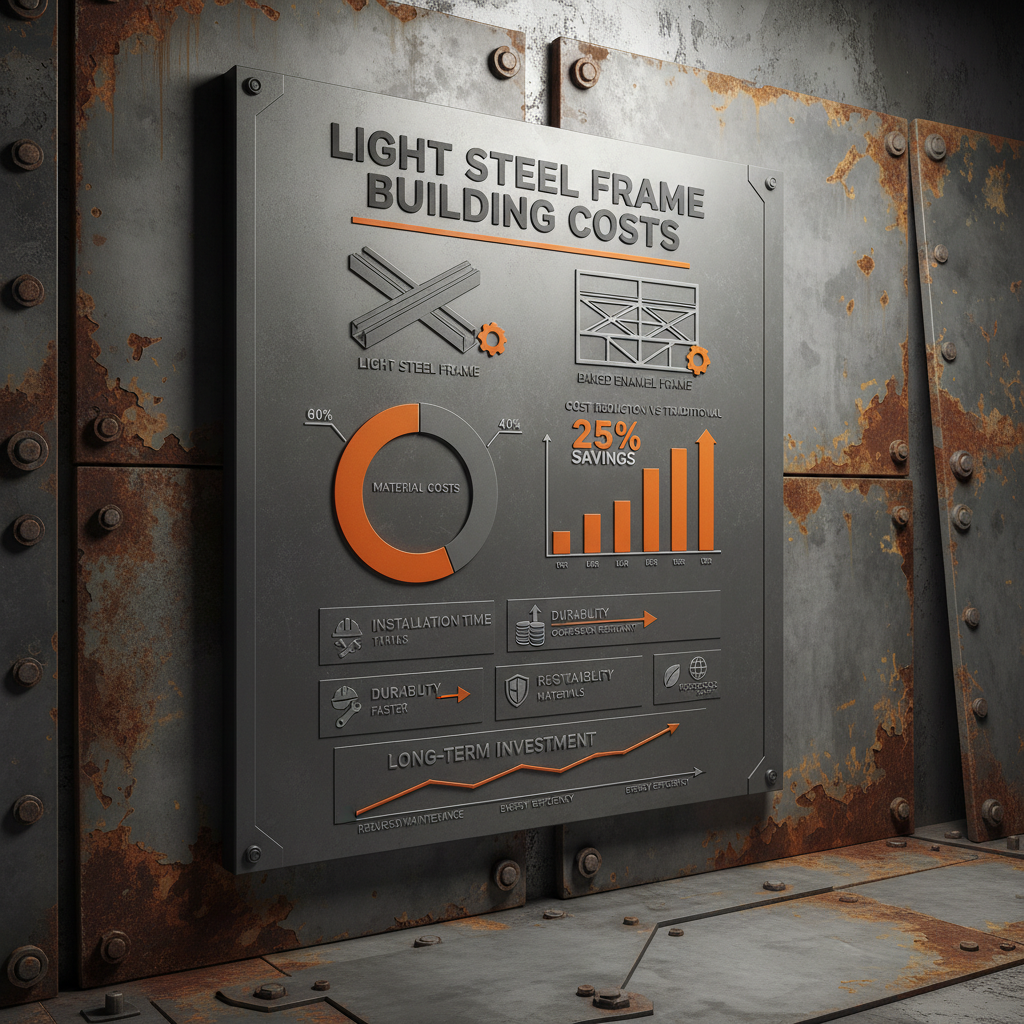
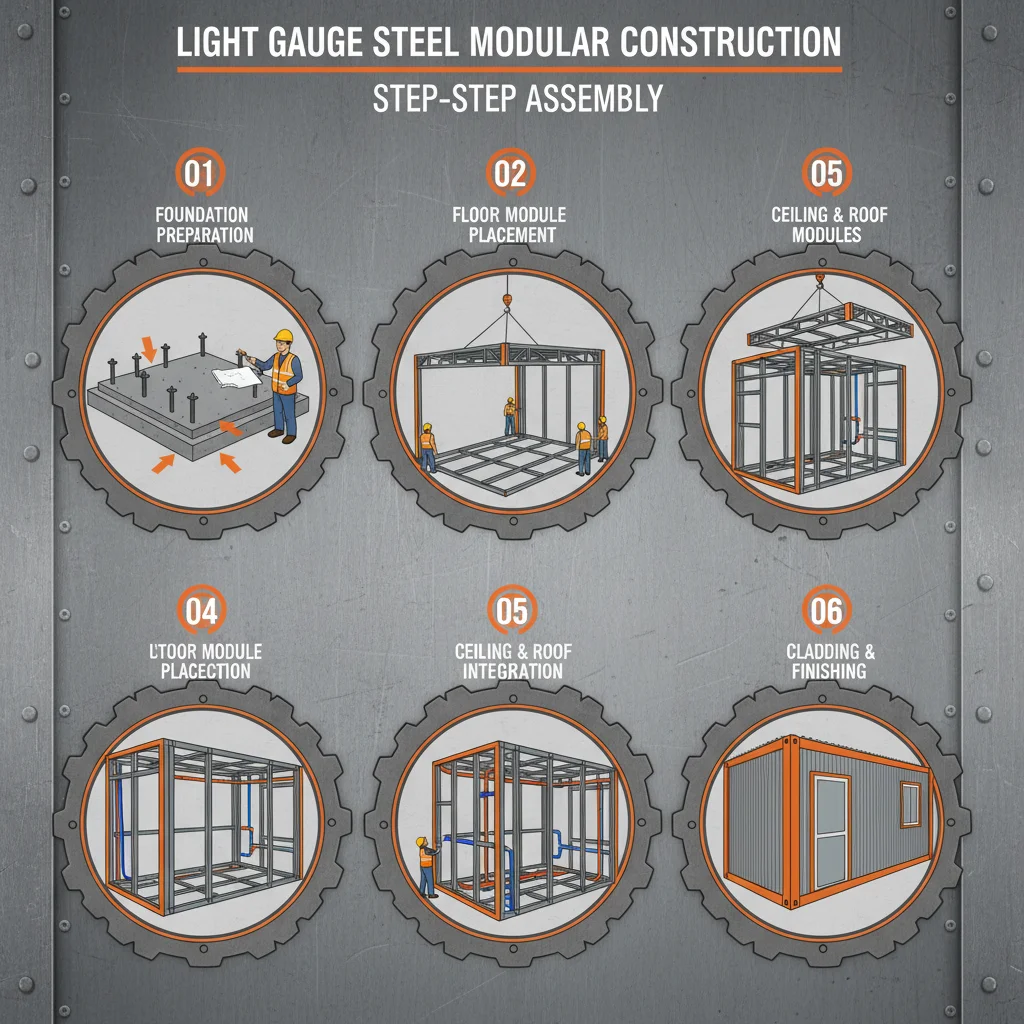
Understanding light steel frame building costs is essential for modern developers and architects seeking a balance between structural integrity and budgetary efficiency. As the construction industry shifts toward sustainable and rapid-assembly methods, light-gauge steel has emerged as a primary alternative to traditional timber and heavy concrete, offering a predictable cost-to-performance ratio that is critical for large-scale urban planning.
Globally, the volatility of raw material prices and the rising demand for affordable housing have placed a spotlight on the precise calculation of light steel frame building costs. By leveraging precision-engineered components like the Australian Drywall System or the Canada-US Drywall System, stakeholders can significantly reduce on-site waste and labor hours, which typically constitute a massive portion of overall expenditure in traditional builds.
Whether you are implementing a Ceiling T Bar system in a commercial office or a complex CD-UD System in residential complexes, the total investment is influenced by a combination of material grade, regional labor rates, and the complexity of the architectural design. Mastering these variables allows for more competitive bidding and ensures that the long-term value of the asset is not compromised by short-term cost-cutting measures.
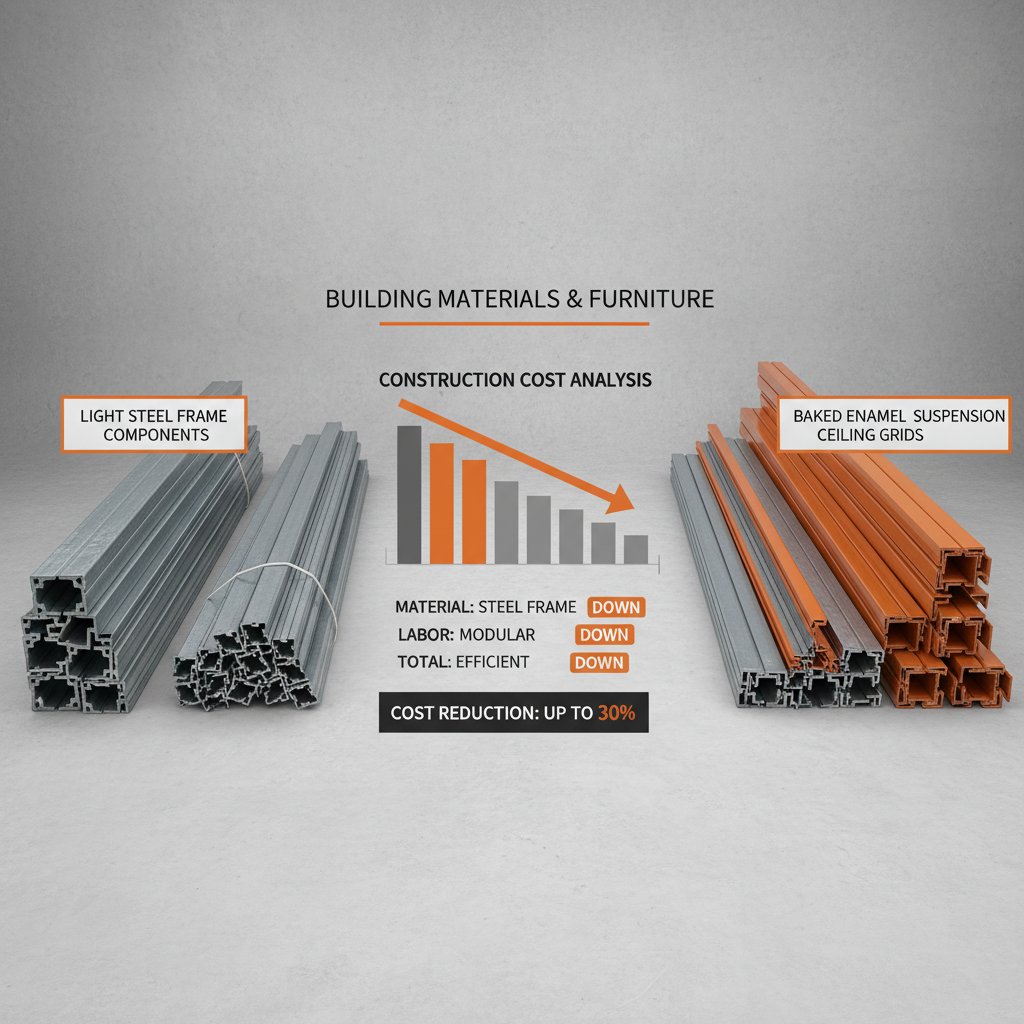
Global Economic Impact of Light Steel Frame Building Costs
On a global scale, light steel frame building costs are increasingly viewed through the lens of economic scalability. With the World Bank and various UN housing initiatives pushing for rapid urbanization solutions, the shift toward prefabricated light steel allows countries to bypass the slow, expensive process of traditional masonry. This transition is particularly evident in developing economies where the speed of deployment directly correlates with the reduction of financial risk for investors.
Moreover, the standardization of profiles, such as those found in the South American System or the Small Furring System (South Asia), ensures that costs remain predictable across different geographies. By reducing the reliance on highly specialized local artisans and moving toward a system of assembly, the industry is effectively decoupling building speed from high labor costs, making high-quality infrastructure accessible to a broader demographic.
Defining the Components of Light Steel Frame Building Costs
When we discuss light steel frame building costs, we are referring to the total expenditure associated with the procurement, fabrication, and installation of cold-formed steel members. This includes everything from the primary load-bearing studs to the intricate secondary systems like Flat T Grids T15 or T24. Unlike traditional construction, these costs are heavily weighted toward the engineering and manufacturing phase, which ensures that the on-site phase is lean and efficient.
A critical component of these costs is the selection of the drywall system. For instance, choosing between a Black Lined T15 and a Black Lined T24 isn't just a matter of aesthetic preference, but a strategic decision based on the required load-bearing capacity and the resulting impact on the overall budget. The precision of these manufactured parts minimizes the need for corrective work, which is often a hidden "cost killer" in traditional builds.
Furthermore, the integration of auxiliary systems, such as the FUT Grids or the Ultra Lined (Silhouette) profiles, adds layers of functionality—like acoustic insulation and fire rating—that are integrated into the initial cost structure. This holistic approach to pricing allows developers to see the "true cost" of a building's lifecycle rather than just the initial price per square meter.
Core Factors Influencing Structural Cost Efficiency
The first major driver of light steel frame building costs is material optimization. By using high-tensile steel and precision rolling, manufacturers can achieve the necessary structural strength with less mass. This reduction in weight not only lowers the material cost but also reduces the load on the foundation, potentially lowering the costs of the entire ground-work phase of the project.
Secondly, the choice of the regional system—such as the Middle East Furring System versus the Canada-US Drywall System—plays a pivotal role. These systems are engineered to meet specific local building codes and climatic challenges. Utilizing a system specifically designed for the target region prevents costly redesigns and ensures that the light steel frame building costs remain aligned with local regulatory approvals.
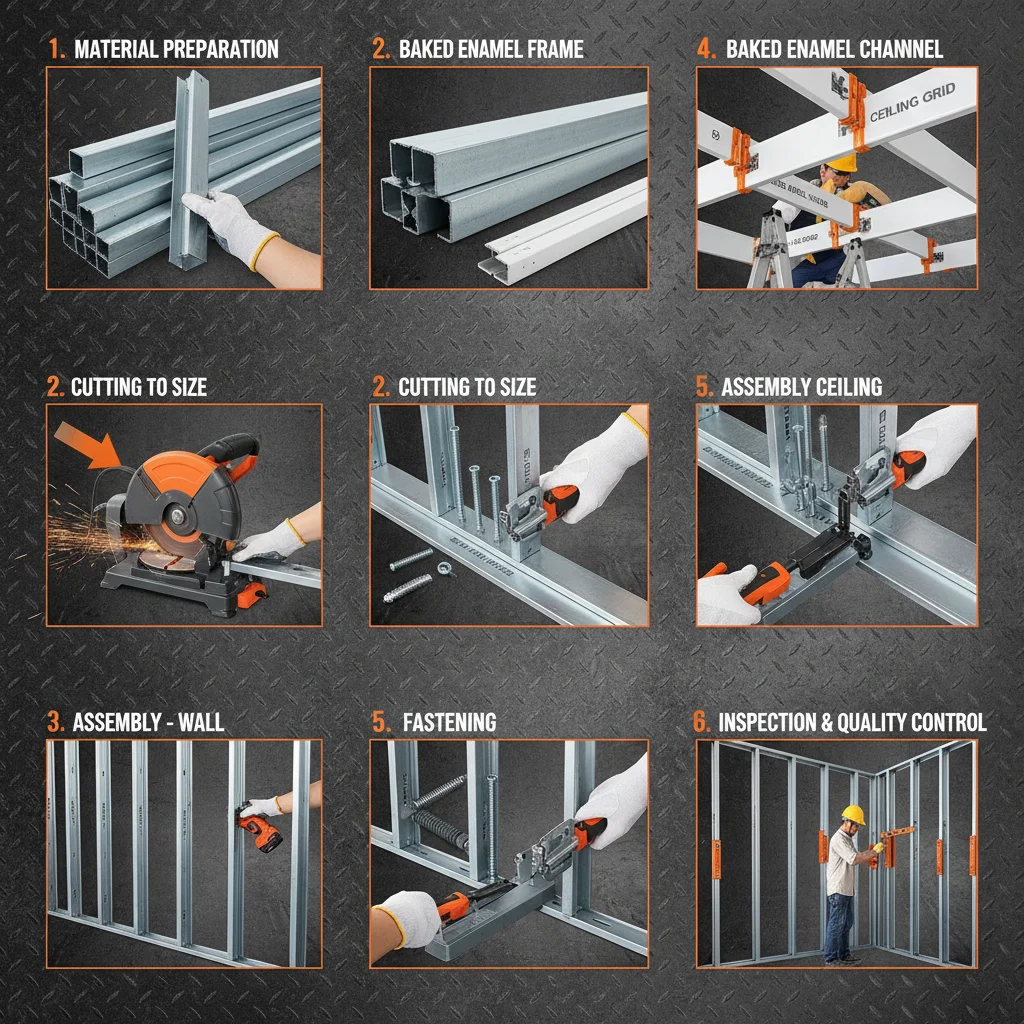
Finally, labor productivity is the third pillar. Because light steel components are pre-cut and pre-punched, the assembly process is akin to a "kit of parts." This drastically reduces the skill gap required for on-site installation, allowing general contractors to complete projects faster. When the timeline is shortened, the overhead costs of site management and equipment rental drop, further optimizing the total expenditure.
Comparative Analysis of Material System Costs
Evaluating light steel frame building costs requires a side-by-side comparison of different profile systems. For example, the CD-UD System offers a versatile framework for interior partitioning that balances cost with versatility, whereas specialized systems like the Ultra Lined (Silhouette) provide a premium finish and higher structural rigidity at a slightly higher price point.
The financial decision often comes down to the trade-off between the initial purchase price of the steel profiles and the subsequent installation speed. A more expensive, highly integrated system can often result in a lower total project cost by eliminating the need for additional bracing or complex jointing.
Comparison of Efficiency and Light Steel Frame Building Costs Factors
Global Application Scenarios and Use Cases
In the realm of rapid urban development, light steel frame building costs are optimized through modular application. In Southeast Asia and the Middle East, the use of the South Asian Small Furring System and the Middle East Furring System allows for the rapid creation of commercial partitions and ceiling grids in high-traffic shopping malls and hospitals, where downtime is financially catastrophic.
Furthermore, in post-disaster relief operations, the predictability of these costs allows NGOs and governments to deploy temporary yet durable housing quickly. By using standardized Drywall Steel Profiles, these organizations can calculate exactly how many units can be provided within a fixed budget, ensuring that the maximum number of displaced people receive safe, dignified shelter without budget overruns.
Long-Term Value and Sustainability Gains
While the initial light steel frame building costs are a primary concern, the long-term financial value is where light steel truly excels. Steel is non-combustible and resistant to pests and rot, which significantly lowers insurance premiums and maintenance costs over the building's lifecycle compared to timber-framed structures.
Sustainability also adds a hidden economic layer. Light steel is almost 100% recyclable. As green building certifications (like LEED or BREEAM) become mandatory in many jurisdictions, the use of recyclable steel profiles helps developers avoid "carbon taxes" and increases the resale value of the property, effectively offsetting the upfront investment.
Finally, the precision of systems like the Black Lined T24 ensures that energy efficiency is maximized. Tight seals and consistent framing allow for better insulation installation, leading to lower heating and cooling costs for the end-user, which is a powerful selling point in the modern real estate market.
Future Trends in Cost Optimization and Technology
The future of light steel frame building costs is being rewritten by BIM (Building Information Modeling) and AI-driven optimization. By integrating a digital twin of the building with the manufacturing process, waste can be reduced to nearly zero. Every piece of a CD-UD system or Ceiling T Bar is cut to the millimeter, ensuring that no paid material ends up in a landfill.
Automation in the fabrication of profiles, such as the Ultra Lined (Silhouette), is further driving down the cost of high-end systems. As robotic rolling and punching become standard, the price gap between basic and premium steel systems is narrowing, allowing more projects to benefit from superior structural performance without breaking the bank.
Additionally, we are seeing a trend toward "hybridized" systems where light steel is paired with carbon-neutral cladding materials. This shift not only addresses environmental concerns but also optimizes the total light steel frame building costs by using the right material for the right function—steel for strength, and eco-materials for thermal mass.
Comparative Analysis of Steel System Cost and Performance Metrics
| System Type |
Relative Material Cost |
Installation Speed |
Lifecycle Value |
| CD-UD System |
Low-Medium |
Very High |
Moderate |
| Australian System |
Medium |
High |
High |
| Black Lined T24 |
Medium |
High |
High |
| FUT Grids (ME) |
Low |
Very High |
Moderate |
| Ultra Lined (Silhouette) |
High |
Medium |
Very High |
| Canada-US System |
Medium |
High |
High |
FAQS
While the initial material cost of steel may be higher than timber, the overall light steel frame building costs are often lower when considering labor and time. Steel is faster to install, requires fewer corrective measures, and drastically reduces the risk of costly future repairs related to pests, rot, or fire, providing a superior return on investment over 10-20 years.
Yes, the system choice is a primary variable in light steel frame building costs. For example, using a specialized Ultra Lined (Silhouette) system increases upfront material costs but offers higher structural rigidity and aesthetic value, which can reduce the need for additional finishing materials and increase the eventual market value of the property.
Absolutely. Regional systems are designed for specific climatic and regulatory environments. By utilizing these, you minimize the cost of engineering adaptations and ensure compliance with local laws, which prevents expensive delays and redesigns, thereby optimizing the light steel frame building costs for that specific geography.
Yes, it is highly cost-effective in the long run. Although the production of steel is energy-intensive, its 100% recyclability and the precision of components like the CD-UD system minimize construction waste. Furthermore, the improved thermal performance of light steel frames reduces operational energy costs, contributing to lower total lifecycle expenses.
Most "hidden" costs in light steel frame building costs actually stem from poor planning or incorrect system selection. If a developer chooses a system not rated for the local wind or seismic load, the cost of structural reinforcement later can be immense. Investing in the correct engineering and a reputable system from the start eliminates these risks.
BIM reduces light steel frame building costs by creating a precise digital blueprint that dictates exact material quantities. This eliminates over-ordering and on-site errors. When paired with automated manufacturing, BIM ensures that components like Ceiling T Bars arrive ready for assembly, slashing labor costs and shortening project timelines.
Conclusion
In summary, light steel frame building costs are not merely a reflection of raw material prices, but a complex interplay of system efficiency, installation speed, and long-term durability. By selecting the appropriate standardized system—whether it be the Australian, Canada-US, or specialized regional profiles—developers can achieve a level of precision and predictability that is unattainable with traditional construction methods. The shift toward these systems represents a move toward a more sustainable, scalable, and economically viable future for global infrastructure.
Looking ahead, the integration of automation and green building standards will further refine how we calculate and optimize these expenditures. For developers and architects, the key to success lies in looking beyond the initial invoice and focusing on the total lifecycle value provided by light steel. To ensure your next project is both cost-effective and structurally superior, we invite you to explore our range of professional steel solutions. Visit our website: www.jinkaibm.com