Hit enter to search or ESC to close
June 25, 2026
In the contemporary construction landscape, efficiency and structural integrity are paramount. Understanding the light gauge metal framing cost is essential for developers and contractors aiming to balance budget constraints with high-performance results. Light gauge steel framing has revolutionized the way we approach interior partitions and ceiling suspensions, offering a durable alternative to traditional timber. By utilizing precision-engineered components, builders can significantly reduce waste and installation time. This guide explores the various factors influencing pricing and why selecting high-strength materials is a strategic investment for long-term stability.

Several variables dictate the overall expenditure of a framing project. First and foremost is the material grade; high-strength galvanized steel, such as DX51D, ensures corrosion resistance and longevity, which may affect the initial price but lowers maintenance costs. Second, the gauge or thickness of the steel plays a critical role—thicker channels provide more rigidity but increase the material volume. Market fluctuations in raw steel prices also contribute to volatility in the light gauge metal framing cost. Finally, the volume of the order (MOQ) often allows for economies of scale, making bulk purchases more economical for large-scale commercial projects.
Pro Tip: To optimize your budget, always specify the exact thickness required for your load-bearing needs. Over-specifying material thickness can unnecessarily inflate your total construction cost.
When evaluating the light gauge metal framing cost against traditional wood framing, it is important to look beyond the unit price. While timber might seem cheaper upfront in some regions, steel offers unmatched precision. Steel frames do not warp, rot, or attract termites, which eliminates the need for expensive chemical treatments. Additionally, the speed of installation for metal furring channels is significantly faster, reducing labor costs. In high-humidity regions like Southeast Asia, the durability of galvanized steel makes it the only viable choice for sustainable building.
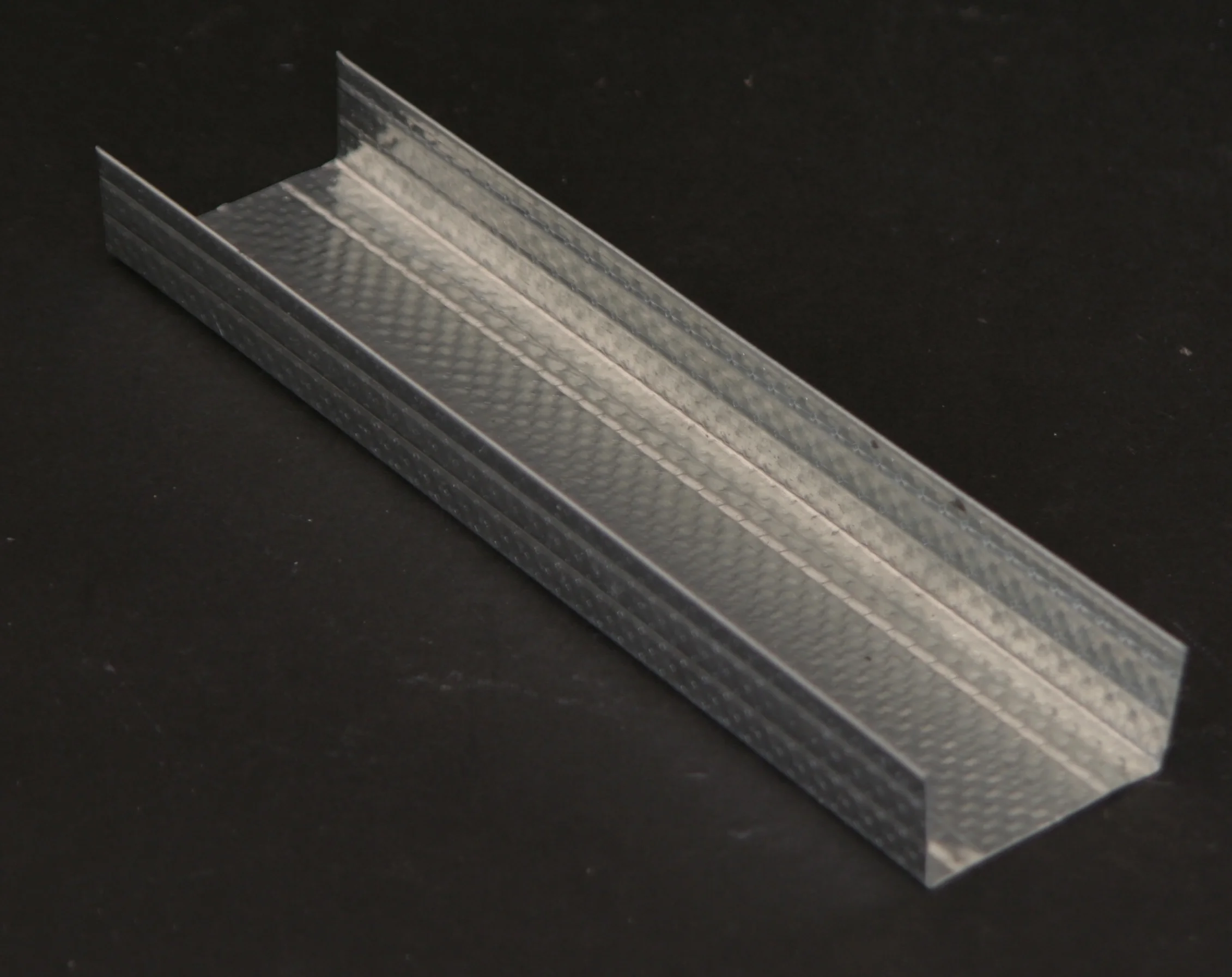
JKSTAR™ metal furring channels are specifically engineered for suspending gypsum drywall boards, making them indispensable for modern interior design. These channels are widely adopted in South Asian countries—including Malaysia, the Philippines, Indonesia, and Thailand—due to their ability to withstand humid climates. By providing a rigid yet lightweight framework, they ensure that ceilings remain flat and walls remain plumb. When calculating the light gauge metal framing cost for a project, architects must consider the specific application, such as residential partitioning or commercial office ceiling grids, as each requires different specifications.

To provide an accurate estimation of the light gauge metal framing cost, it is essential to refer to technical specifications. JKSTAR™ offers a versatile range of small metal furring channels crafted from high-strength galvanized steel DX51D. The variety in dimensions allows engineers to select the optimal profile for their structural load. Below is the comprehensive specification table used for procurement and budgeting.
Reducing the light gauge metal framing cost without compromising quality requires a smart procurement strategy. First, optimizing the layout design to minimize off-cuts and material waste can save up to 10% of total material costs. Second, sourcing directly from experienced manufacturers like JKSTAR™ eliminates middleman markups. Third, standardized lengths reduce the need for on-site modification. By focusing on these three pillars—design optimization, direct sourcing, and standardization—developers can achieve a high-end finish while maintaining a lean budget.
When discussing the light gauge metal framing cost, it is imperative to consider the return on investment (ROI). Steel is 100% recyclable, making it an environmentally friendly choice for LEED-certified buildings. The durability of galvanized steel means that the framework will not need replacement for decades, significantly reducing the lifecycle cost of the building. Furthermore, the high strength-to-weight ratio allows for thinner walls and ceilings, potentially increasing the usable square footage of a property, which directly increases the real estate value.
Calculating the light gauge metal framing cost involves more than just looking at the price per piece. It is a comprehensive calculation of material quality, installation speed, and lifelong durability. By choosing professional-grade solutions like JKSTAR™ galvanized steel channels, construction professionals can ensure structural safety while optimizing their financial resources. Invest in quality today to avoid the costly repairs of tomorrow.
Material thickness is one of the most direct drivers of cost. A thicker gauge (e.g., 0.50mm compared to 0.20mm) requires more raw steel per linear meter, which increases the production cost. However, thicker channels provide higher load-bearing capacity and greater rigidity, which may reduce the number of supporting hangers required. To optimize your budget, it is recommended to use the minimum thickness required by local building codes for your specific application.
South Asian regions like Thailand, Indonesia, and Malaysia experience high humidity and rainfall. Standard steel would rust quickly in these conditions. Galvanized steel, specifically the DX51D grade used by JKSTAR™, is coated with a layer of zinc that protects the base metal from oxidation. This prevents structural failure and mold growth in ceilings, making it the most cost-effective long-term solution despite the slightly higher initial price compared to non-galvanized options.
Yes, JKSTAR™ provides customization options for the length of their furring channels. By ordering "any length" tailored to your specific architectural plan, you can significantly reduce the amount of on-site cutting. This not only lowers the total light gauge metal framing cost by minimizing scrap metal waste but also accelerates the installation process, as workers can install full-length pieces without constant measurement and cutting.
For high-quality industrial production, the minimum order quantity (MOQ) is typically 5,000 pieces. Ordering at this scale allows the manufacturer to optimize the production run and offer more competitive wholesale pricing. For large-scale commercial projects, meeting or exceeding the MOQ is the most effective way to lower the average unit cost and ensure consistent quality across all components of the building framework.