Understanding the nuances of structural framing is essential for any modern construction project, and often the primary concern for project managers is the overall budget, starting with the metal stud cost per foot. In the competitive landscape of non-metallic mineral products and architectural decorations, selecting a material that balances structural integrity with financial feasibility is key to project success.
While traditional steel has long dominated the market, the industry is shifting toward high-performance aluminum alloys for suspended ceilings. When analyzing the metal stud cost per foot, it is crucial to look beyond the initial purchase price and consider the total lifecycle value, including installation speed and long-term maintenance.
For professionals seeking a superior alternative to standard galvanized steel, our premium Aluminum Ceiling Keels offer a precision-engineered solution. By evaluating the metal stud cost per foot alongside the benefits of corrosion resistance and lightweight handling, developers can achieve a more sustainable and polished aesthetic for commercial and industrial environments.

The Material Evolution of Metal Stud Cost Per Foot
The evolution of ceiling support systems has moved from heavy timber and basic steel toward advanced aluminum alloys like 6063-T5. While procurement officers often focus on the immediate metal stud cost per foot, the industry is recognizing that precision-engineered aluminum profiles provide a superior strength-to-weight ratio.
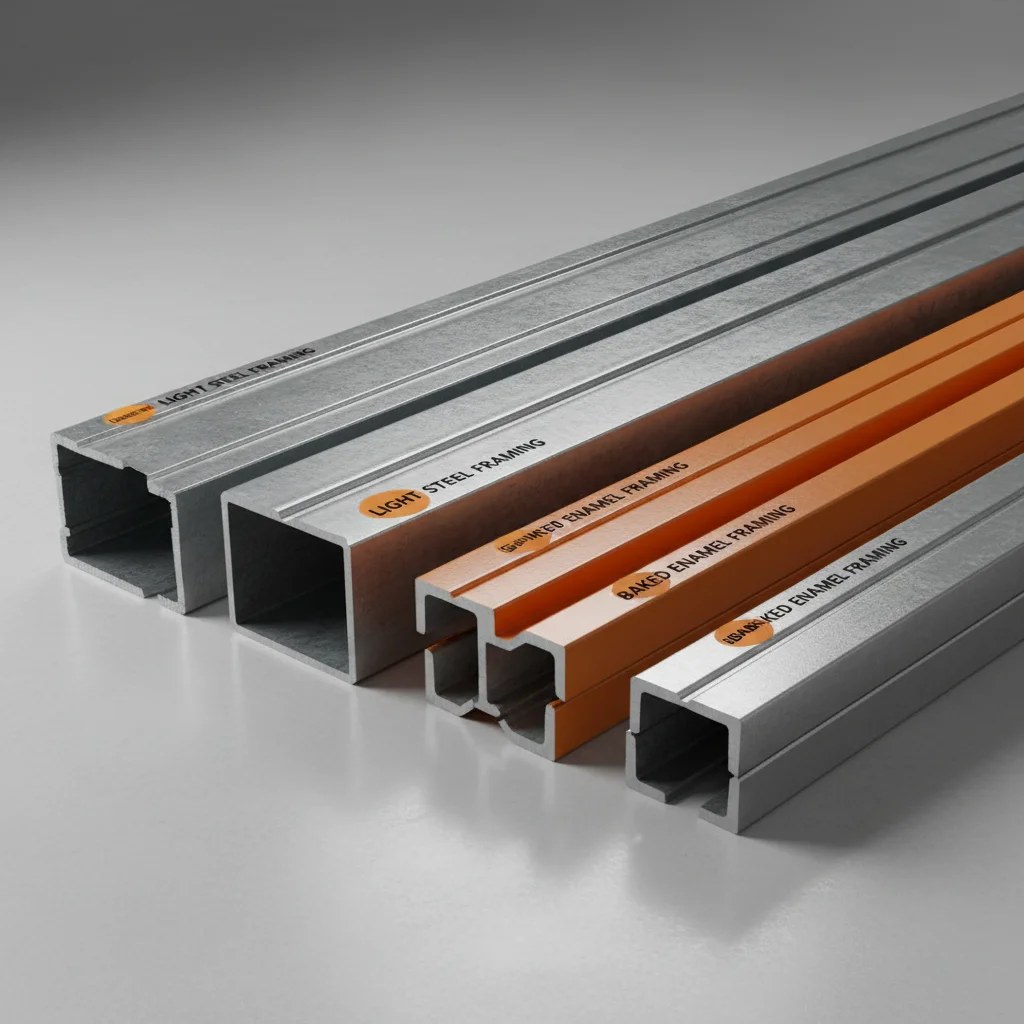
These modern aluminum keels are designed for seamless integration with clip-in and lay-in systems. By optimizing the profile shapes—ranging from U-shape to T-bar—manufacturers can offer a solution that reduces structural load while maintaining the rigid support necessary for large-scale commercial overhead installations.
Factors Influencing Structural Pricing and Efficiency
Several variables impact the final metal stud cost per foot, with material grade being the most significant. High-quality aluminum alloys provide innate corrosion resistance, which eliminates the need for secondary protective coatings required by traditional steel, thereby simplifying the supply chain.
Surface finishing also plays a critical role in pricing. Whether a project requires anodized, powder-coated, or brushed finishes, the choice affects not only the aesthetic appeal but also the durability of the keel in harsh environments. Custom color-matching adds a layer of architectural flexibility but can influence the per-foot investment.
Finally, installation labor represents a hidden cost that offsets the raw material price. Because aluminum is significantly lighter than steel, the speed of on-site assembly increases, reducing the man-hours required for installation and effectively lowering the total project expenditure compared to heavier alternatives.
Comparing Aluminum and Steel Value Propositions
When comparing materials, the traditional approach focuses heavily on the initial metal stud cost per foot. Steel is often cheaper upfront, but it is prone to oxidation and rust, especially in humid climates, leading to higher maintenance costs over time.
Aluminum ceiling keels provide a distinct advantage in terms of longevity. While the metal stud cost per foot for aluminum may be higher than galvanized steel, its natural resistance to moisture makes it the only viable choice for professional kitchens, airports, and bathrooms.
Ultimately, the value proposition shifts from "lowest purchase price" to "lowest lifecycle cost." The reduction in replacement frequency and the absence of rust-related structural failures ensure that the investment in premium aluminum keels pays for itself within a few years of operation.
Quantifying Long-Term Investment Returns
To truly understand the financial impact of choosing high-grade aluminum, one must analyze the ROI across different performance metrics. The efficiency of aluminum systems is evident in their ability to reduce the structural load on the building, potentially allowing for lighter primary supports.
By analyzing the metal stud cost per foot against factors like installation speed and lifespan, it becomes clear that aluminum is the superior choice for high-traffic commercial zones where downtime for maintenance is unacceptable.
Lifecycle Value Comparison for Metal Stud Cost Per Foot
Global Applications in High-Humidity Zones
In international construction, particularly in Southeast Asia and South American coastal cities, the humid climate makes traditional steel profiles a liability. In these regions, the metal stud cost per foot for aluminum is viewed as a necessary insurance policy against rapid oxidation and structural sagging.
From massive airport terminals to luxury hotel bathrooms, the demand for non-combustible, rust-proof supports is surging. Our aluminum keels, compatible with linear strip and open cell systems, ensure that even in the most challenging environments, the ceiling remains perfectly level and secure.
Sustainability and the Green Building Shift
Modern architecture is no longer just about aesthetics; it is about environmental responsibility. Aluminum is 100% recyclable without losing its structural properties, making it a cornerstone for projects aiming for LEED or BREEAM certifications.
When developers calculate the metal stud cost per foot, they are increasingly factoring in the "end-of-life" value of the material. Aluminum's high scrap value means that at the end of a building's lifecycle, the materials can be recovered and reused, significantly reducing the project's carbon footprint.
Furthermore, the precision of CNC machining used in our production process minimizes material waste. By providing customized lengths and profiles, we help contractors reduce on-site scrap, further aligning the financial cost with sustainable building practices.
Engineering Specifications for Maximum Stability
The structural reliability of a suspended ceiling depends on the dimensional tolerance of the keels. Our use of high-grade aluminum alloys (e.g., 6063-T5) ensures that every profile maintains its shape under load, preventing the unsightly dipping often seen in lower-quality installations.
While some may focus on the lowest metal stud cost per foot, professional engineers prioritize fire ratings and load-bearing capacity. Our keels are non-combustible and compliant with international fire safety standards, providing peace of mind for commercial high-rise developments.
The versatility of our system—offering sizes like 38×12mm and 50×19mm—allows for a tailored approach to different ceiling weights. Whether supporting lightweight aluminum sheets or heavier decorative tiles, the precision-cut smooth edges ensure a clean, professional finish.
Aluminum Ceiling Keels Technical Comparison and Specifications
| Profile Specification |
Material Performance |
Installation Efficiency |
Lifecycle Value Score |
| U-Shape 38x12mm |
High Corrosion Resistance |
Very Fast |
9/10 |
| T-Bar 50x19mm |
Superior Load Bearing |
Fast |
10/10 |
| L-Angle Custom |
Rigid Edge Support |
Moderate |
8/10 |
| V-Shape Precision |
High Torsional Rigidity |
Fast |
9/10 |
| Custom Alloy Profile |
Bespoke Strength |
Moderate |
9/10 |
| Standard 3.6m Length |
Uniform Stability |
Very Fast |
10/10 |
FAQS
Aluminum is a more premium material with higher innate value and superior properties. Unlike steel, it does not require galvanization or painting to prevent rust. The higher initial cost is offset by its lightweight nature, which reduces labor costs, and its extreme durability in humid environments, which eliminates the need for periodic replacements.
Yes, our aluminum ceiling keels are non-combustible and are manufactured to comply with strict international fire safety and building code standards. This makes them an ideal and safe choice for high-occupancy commercial buildings, airports, and industrial facilities where fire safety is a top priority.
Absolutely. We provide a full customization hub where you can specify profile shapes, widths, heights, and lengths. Our advanced CNC machining ensures that every custom piece meets strict dimensional tolerances, ensuring a perfect fit for your unique project requirements.
Our system is designed for maximum versatility. It is fully compatible with clip-in panels, lay-in tiles, linear strip ceilings, and open cell systems. This flexibility allows architects to change the visual style of the ceiling without needing to replace the underlying structural framework.
Aluminum is 100% recyclable without any loss of quality. By using recyclable materials, projects can significantly lower their environmental impact and earn points toward LEED or BREEAM certifications. Additionally, the longevity of aluminum reduces the waste generated by frequent renovations.
For high-moisture environments, we recommend our anodized or powder-coated finishes. These provide an extra layer of protection and hygiene, making the keels mold-resistant and easy to clean, ensuring the structural integrity remains intact despite constant exposure to steam and humidity.
Conclusion
Selecting the right structural framework requires a shift in perspective from simply analyzing the metal stud cost per foot to evaluating the comprehensive lifecycle value. Aluminum ceiling keels offer an unmatched combination of corrosion resistance, lightweight installation, and sustainable recyclability, making them the logical choice for modern commercial and industrial projects. By investing in high-grade alloy profiles, developers ensure long-term stability and a professional aesthetic that stands the test of time.
As the global construction industry moves toward greener and more efficient materials, the transition from steel to aluminum is becoming a standard for quality. We suggest that project planners prioritize durability and installation speed to achieve the best return on investment. For premium, precision-engineered aluminum solutions that elevate your ceiling project, visit our website: www.jinkaibm.com.