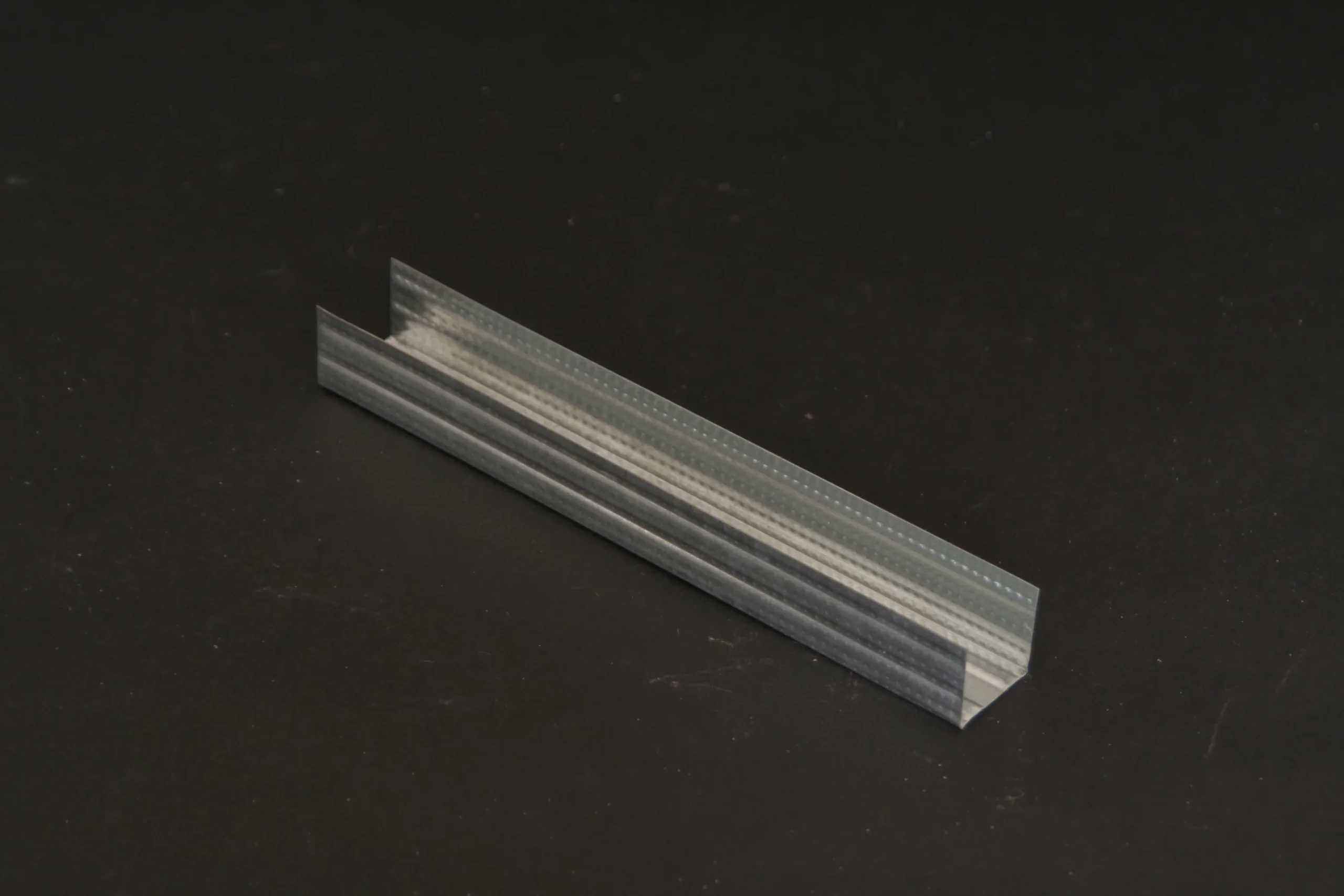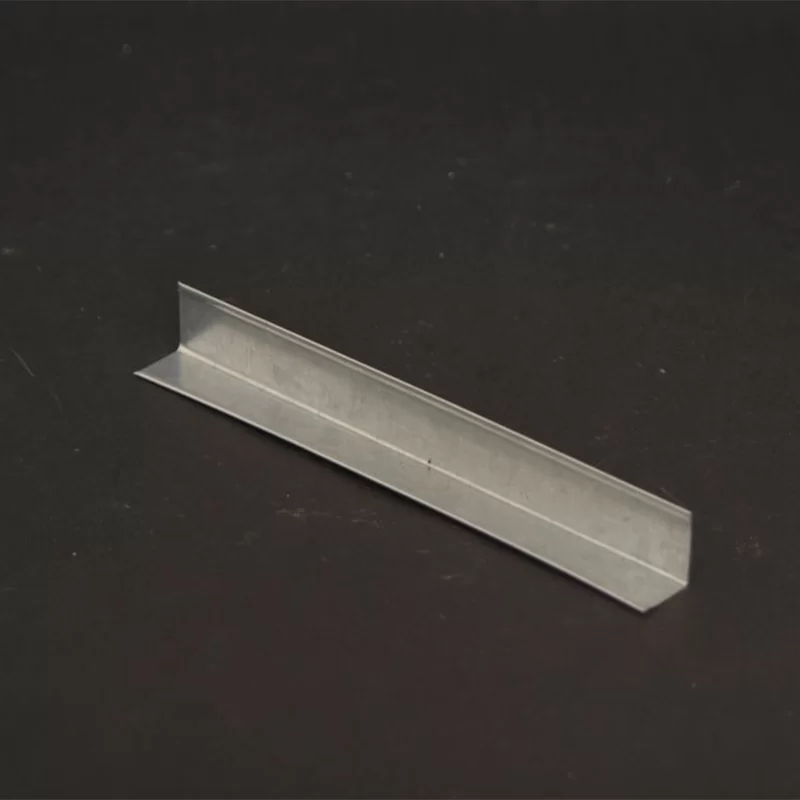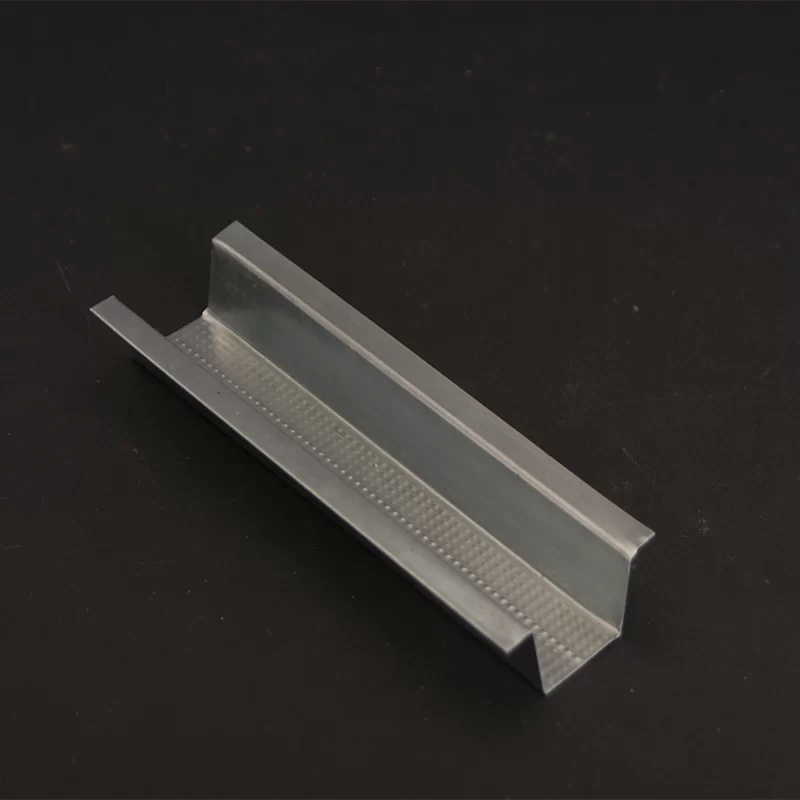
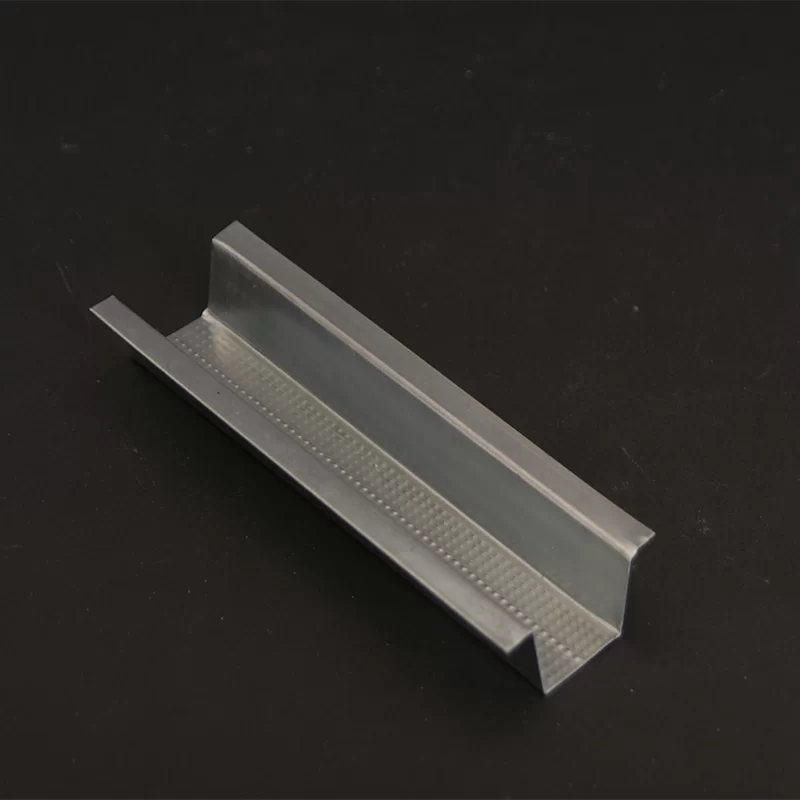
Advanced prefabricated light gauge steel building Solutions for DRC

Advanced prefabricated light gauge steel building Solutions for DRC

Engineered for durability and rapid deployment in the Democratic Republic of the Congo's challenging terrains and tropical climates.

Advanced prefabricated light gauge steel building Solutions for DRC

Integrating high-precision cold-formed steel technology to redefine industrial and residential construction across the Congo Basin.

Construction Landscape in Democratic Republic of the Congo

Overcoming logistical barriers with lightweight architectural innovation.

In the Democratic Republic of the Congo, the construction sector faces immense pressure due to rapid urbanization in Kinshasa and Lubumbashi, coupled with extreme humidity and heavy rainfall. Traditional masonry is often slow and costly to transport to remote mining sites, creating a critical demand for a lightweight steel frame building approach that reduces onsite labor and material waste.

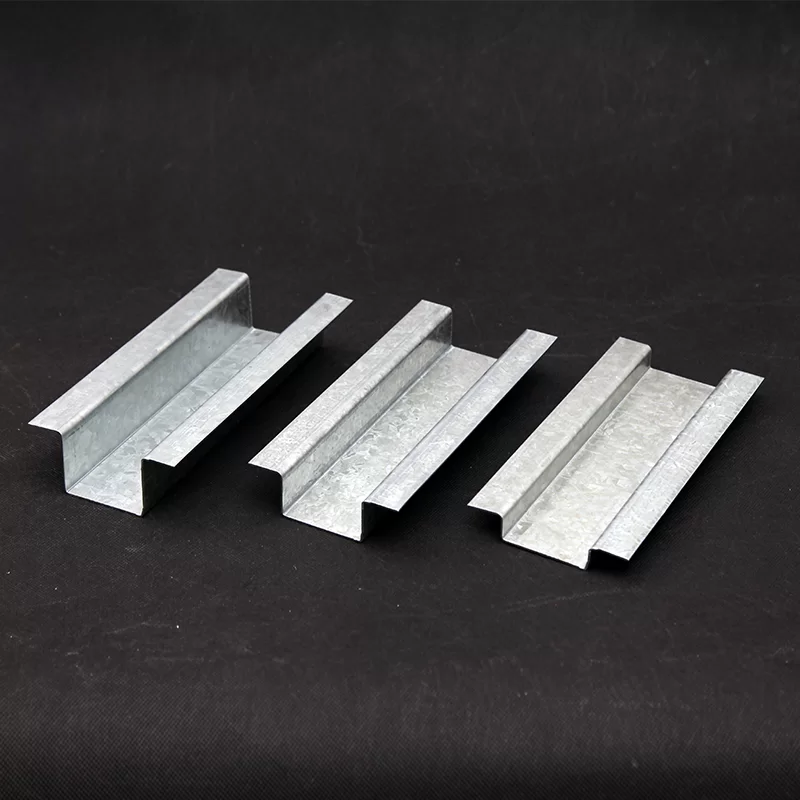
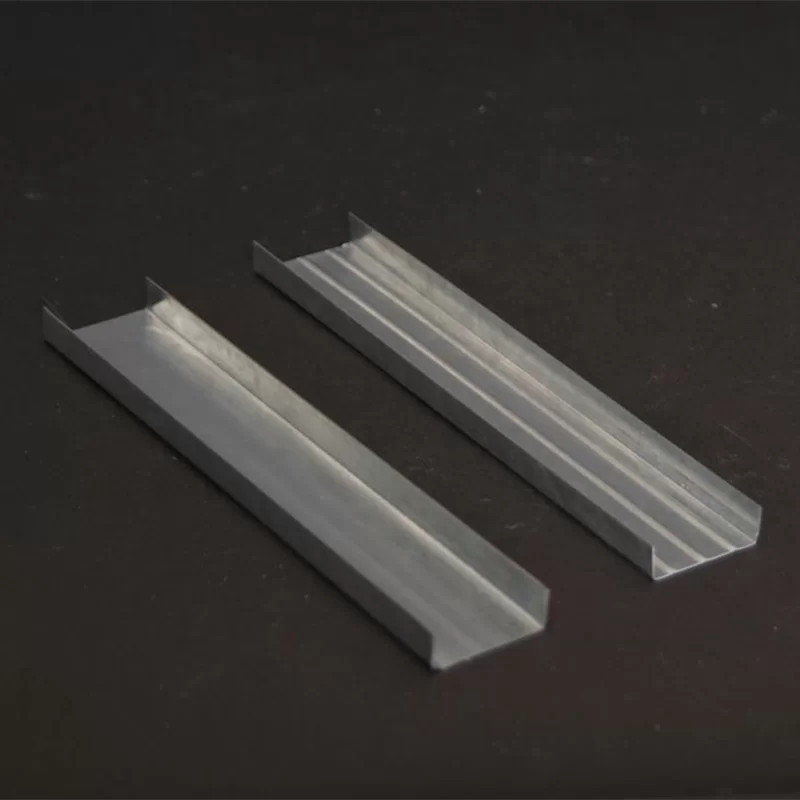
The logistical complexity of the Congo River basin makes heavy prefabricated components impractical. Consequently, the market is shifting toward components that can be flat-packed and assembled quickly. The precision of metal framing gauges ensures that structures remain stable despite the unstable soil conditions found in many equatorial regions of the country.

Furthermore, the rise of sustainable mining infrastructure requires facilities that are not only fast to build but also easy to dismantle or relocate. The adoption of structural light gauge metal framing is proving to be the most viable solution for temporary housing and industrial warehouses in the DRC's interior.
Evolution of Steel Framing in DRC

From heavy industrial beams to high-precision light gauge systems.

Market Development History

Prior to 2010, the DRC construction market relied heavily on imported heavy hot-rolled steel and traditional concrete. These methods were prohibitively expensive for mid-scale residential projects and lacked the flexibility needed for the country's diverse geography.

Between 2010 and 2020, there was a transition toward basic cold-formed sections. Contractors began experimenting with steel stud gauge options for interior partitioning, though the primary structural shells remained concrete-based.

From 2021 to the present, the integration of BIM (Building Information Modeling) has allowed for the full deployment of LGS (Light Gauge Steel) systems. This era marks the shift toward fully integrated prefabricated shells that are engineered to resist local seismic and climatic stresses.

Future Development Trends

Modular Integration

The focus is shifting toward 3D modular volumetric pods that can be shipped to the DRC and stacked on-site, further reducing construction time by 60%.

High-Corrosion Resistance

Due to the humid tropical climate, there is a growing trend toward advanced zinc-aluminum-magnesium coatings to extend the lifecycle of steel frames.

Digital Fabrication

Local production hubs using CNC roll-forming machines are expected to emerge, reducing the cost of importing pre-cut frames from overseas.

Industry Trends and Future Outlook

Predicting the next wave of architectural efficiency in Central Africa.

Rapid Urbanization Logistics
Scaling housing in Kinshasa through rapid-assembly steel kits to meet the growing urban population demand.
Climate-Resilient Materials
Adopting specialized galvanization to prevent oxidation in the DRC's high-humidity rainforest zones.
Green Building Standards
Reducing the carbon footprint by replacing cement-heavy structures with recyclable steel framing.
Smart Site Assembly
Implementing QR-coded component tracking to simplify assembly for semi-skilled labor in remote areas.

Industry Outlook

Based on search trends for "fast construction" and "affordable housing" in Central Africa, the next 3-5 years will see a massive pivot toward LGS. The Democratic Republic of the Congo is uniquely positioned to leapfrog traditional construction phases, moving directly to digital fabrication.

We anticipate a surge in hybrid systems where light gauge steel provides the primary skeleton, paired with local sustainable materials for cladding, blending global engineering with Congolese aesthetics.

Localized Applications in DRC

Practical implementation of steel framing across various sectors in the Congo.

1. Remote Mining Camp Housing

Deploying prefabricated dormitories in the Katanga region that can be transported via truck and assembled in days, providing safe housing for mine operators.

2. Rapid Urban Clinic Construction

Building modular healthcare centers in rural provinces using structural frames to ensure hygienic, sterile, and rapidly deployable medical facilities.

3. Kinshasa Commercial Partitioning

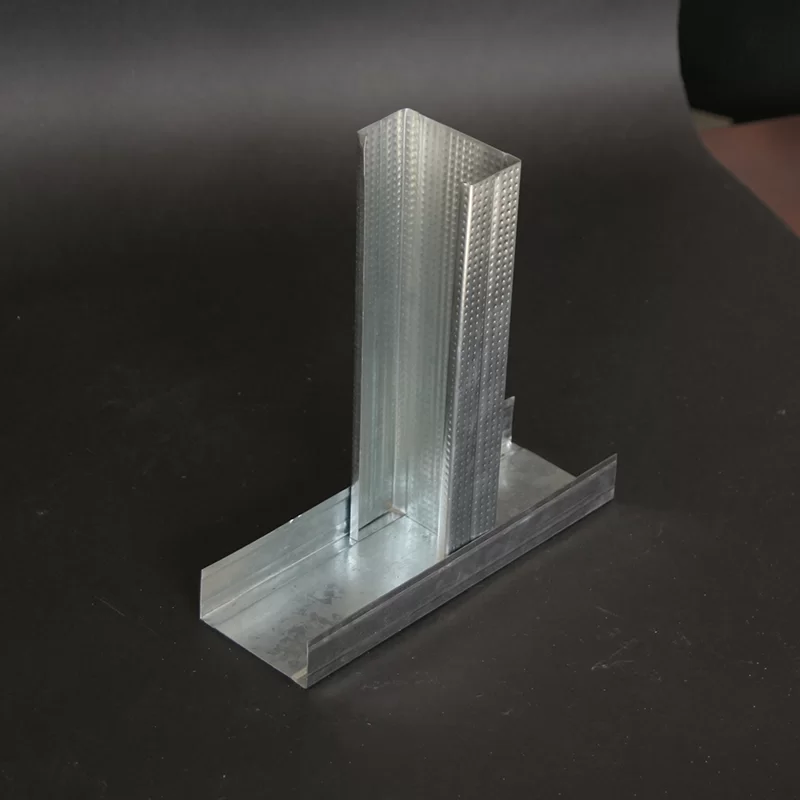
Using high-precision steel studs for rapid office fit-outs in the capital's growing financial district, allowing for flexible space reconfiguration.

4. Agricultural Storage Warehouses

Constructing large-span, corrosion-resistant storage units for coffee and cocoa harvests, protecting crops from the humid environment.

5. Educational Hubs in Remote Villages

Creating standardized classroom kits that can be airlifted or shipped via river to provide education in the most isolated parts of the jungle.

Brand Story

Global Development Journey of Wen'an Jinkai Construction Materials Co., Ltd.

Foundational Engineering

Established with a mission to solve the inefficiency of traditional construction, focusing on the precision of cold-formed steel.

Technological Breakthrough

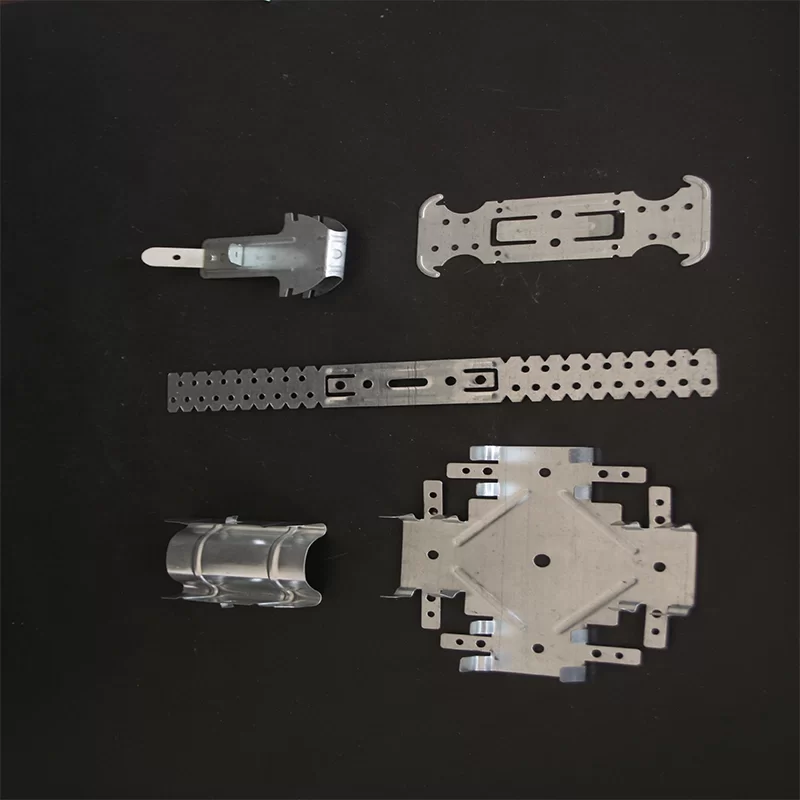
Developed advanced roll-forming lines that allow for customizable gauges and complex structural profiles.

Global Market Expansion

Extended operations to Africa, adapting engineering standards to meet the needs of tropical and underdeveloped infrastructures.

Sustainable Innovation

Launched a line of eco-friendly, fully recyclable steel frames to combat the environmental impact of cement.

The DRC Commitment

Dedicated to providing the Democratic Republic of the Congo with the tools to build a modern, resilient urban future.

Comprehensive Steel Solution Portfolio for DRC

From individual studs to full-scale structural kits.

DRC Construction FAQs

Technical answers for local engineers and developers.

Which steel stud gauge is best for DRC's humid climate?

We recommend high-gauge galvanized steel with an additional ZAM coating to prevent corrosion in high-humidity regions like Kinshasa.

How do metal framing gauges affect structural load?

Higher gauge numbers indicate thinner steel; for primary structural loads in DRC industrial buildings, we utilize lower gauge, thicker profiles for maximum stability.

Are prefabricated light gauge steel buildings termite-proof?

Yes, unlike timber, LGS is completely immune to termites, which is a significant advantage for constructions in the Congo Basin.

What is the assembly time for a structural light gauge metal framing unit?

Depending on the size, a standard residential unit can be framed in 3-7 days, significantly faster than traditional brick-and-mortar.

Can LGS buildings withstand heavy tropical rainfall?

Absolutely. When paired with appropriate waterproof cladding and engineered drainage, our steel frames provide superior structural integrity during storms.

Is training provided for local workers in DRC for LGS assembly?

Yes, we provide detailed digital assembly guides and remote technical support to ensure local teams can execute the build precisely.

Ready to Build the Future of DRC?

Get expert consultation on the most efficient steel framing solutions tailored for the Democratic Republic of the Congo.

Contact Us Now

If you are interested in our products, you can choose to leave your information here, and we will be in touch with you shortly.