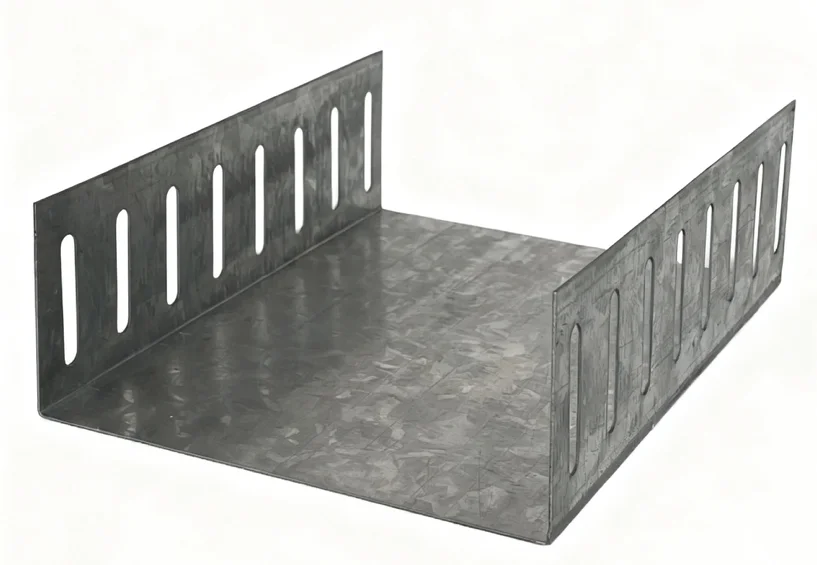
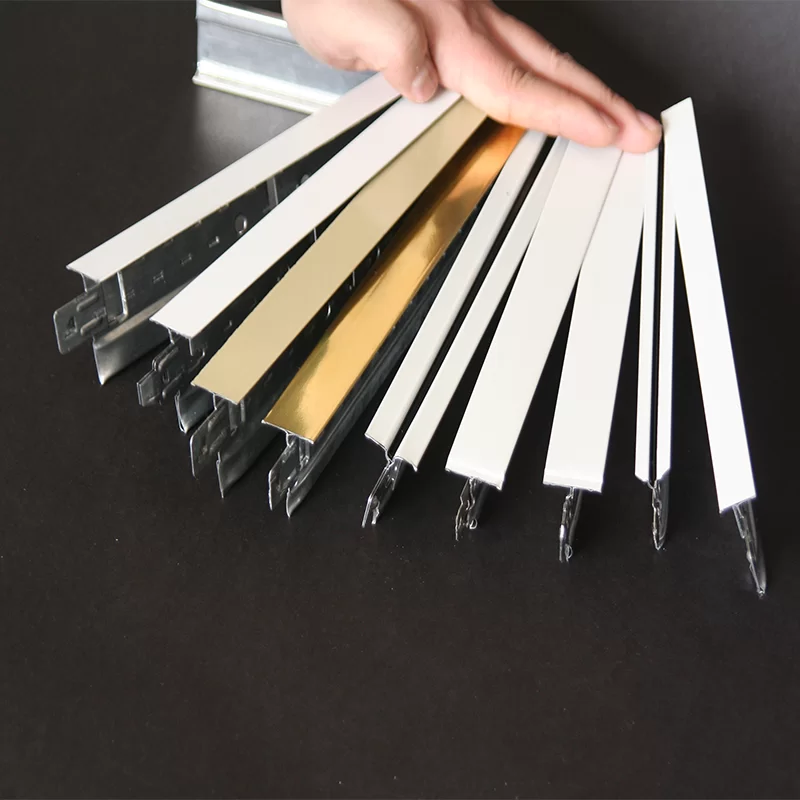
Advanced prefabricated light gauge steel building Solutions for Norway

Advanced prefabricated light gauge steel building Solutions for Norway

High-performance structural steel systems engineered for the rigorous Nordic climate and sustainable urban development.

Advanced prefabricated light gauge steel building Solutions for Norway

Delivering precision-engineered metal framing systems that combine structural integrity with rapid deployment for Norway's residential and industrial sectors.

The Current Landscape of Steel Framing in Norway

Analyzing the shift toward industrialization in the Norwegian construction sector.

In Norway, the construction industry is currently grappling with extreme weather conditions and a high demand for energy-efficient housing. The adoption of lightweight steel frame building technology has surged as an alternative to traditional timber, offering superior fire resistance and dimensional stability in humid coastal regions.

The market is characterized by a strict adherence to Eurocodes and Norwegian national annexes. Contractors are increasingly prioritizing structural light gauge metal framing to reduce on-site labor costs and minimize waste, aligning with the country's aggressive carbon-neutral goals for 2030.

Furthermore, the logistical challenge of building in fjords and mountainous terrains has made off-site manufacturing essential. The precision of metal framing gauges ensures that components manufactured in controlled environments fit perfectly upon arrival at remote Norwegian sites.
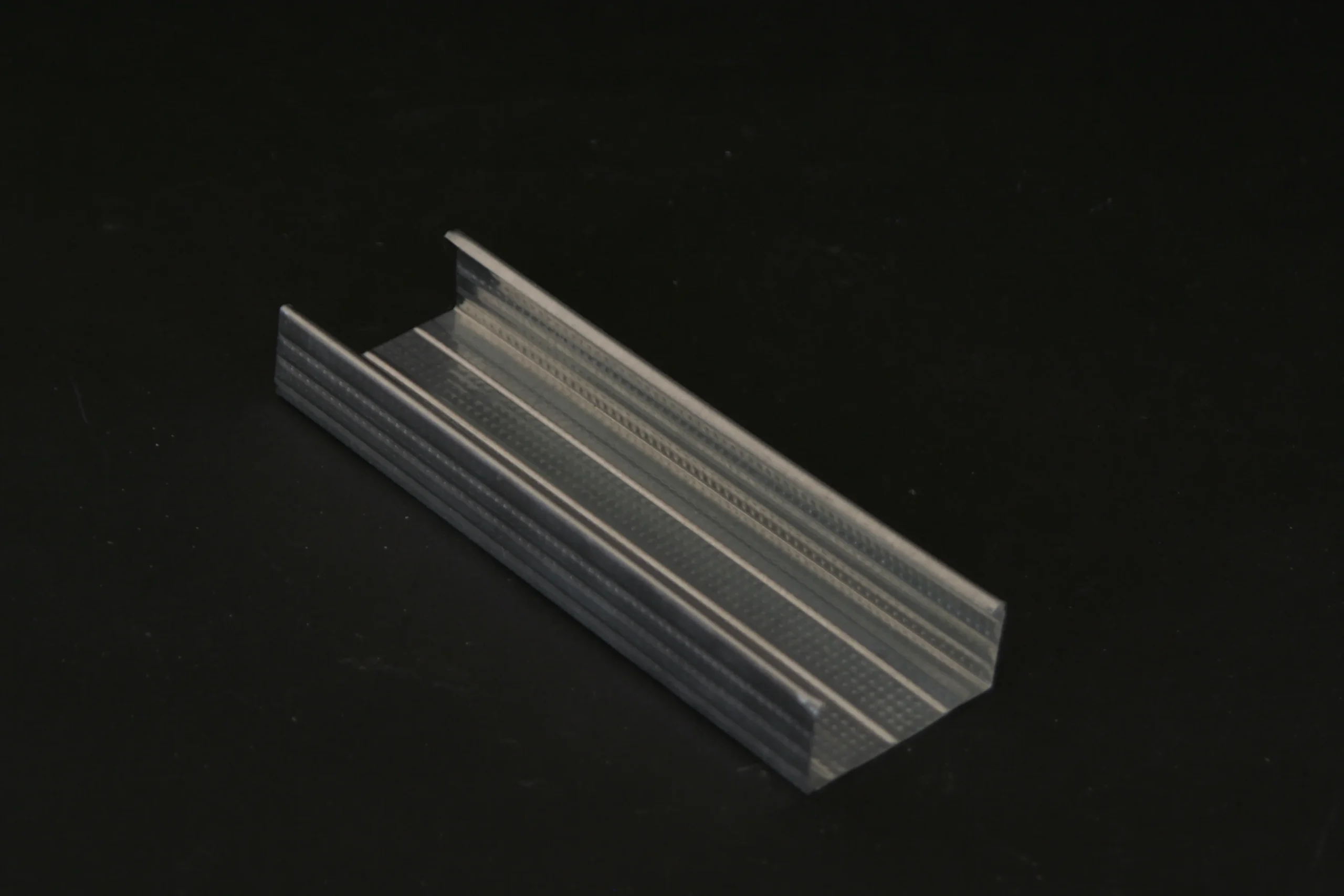
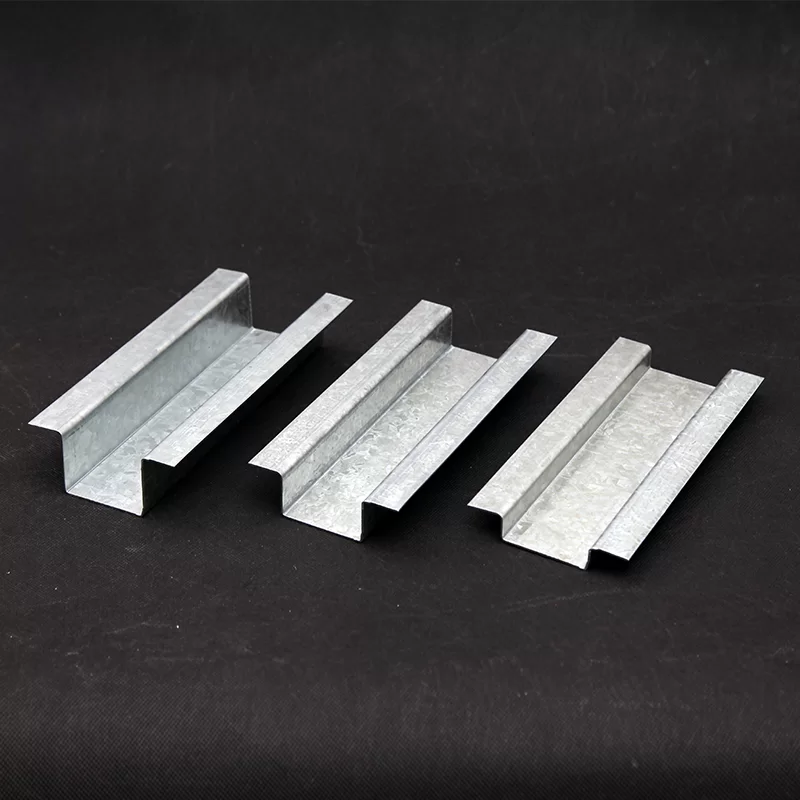
Evolution and Technical Trajectory of Steel Framing

From basic partitioning to advanced load-bearing structural systems.

Market Development History

Historically, the Norwegian market relied heavily on heavy steel beams or timber. In the early 2000s, the introduction of cold-formed steel began as a non-load-bearing solution, primarily focusing on interior steel stud gauge for drywall partitions in commercial offices.

By 2010-2015, technical iterations led to the adoption of high-tensile galvanized steel. This period marked the transition from simple partitioning to complex structural light gauge metal framing, allowing for multi-story residential developments with reduced footprint.

From 2018 to the present, the integration of BIM (Building Information Modeling) has revolutionized the industry, enabling millimetre-precise fabrication and the widespread use of fully prefabricated light gauge steel building kits.

Future Development Trends

AI-Driven Structural Optimization

Integrating AI to optimize metal framing gauges based on real-time wind load data from the Norwegian Meteorological Institute.

Hybrid Steel-Timber Composites

A trend toward combining steel frames with Cross Laminated Timber (CLT) to maximize thermal insulation while maintaining structural rigidity.

Circular Economy and Recyclability

Shift toward 100% recycled steel content in all light gauge profiles to meet Norway's strict environmental regulations.

Industry Trends and Future Outlook

Strategic forecasting for the Nordic metal construction market.

Modularization Acceleration
Rapid growth in volumetric modular units using precision LGS frames for fast-track urban housing in Oslo.
Precision Gauge Control
Increased demand for specialized metal framing gauges to optimize strength-to-weight ratios.
Green Certification
Alignment with BREEAM-NOR standards through the use of sustainable, recyclable light gauge steel.
Digital Twin Integration
Using digital twins to simulate structural behavior of LGS frames under extreme Arctic wind loads.

Industry Outlook

Google search trends in Northern Europe indicate a growing interest in "sustainable prefabricated housing," suggesting a pivot away from traditional concrete toward lightweight steel frame building systems. This is driven by the need for shorter construction cycles during the brief Nordic summer.

Over the next 3-5 years, we expect the market to shift toward "Integrated Steel-Energy" systems, where the framing itself incorporates thermal break technology and integrated smart sensors to monitor building health in real-time.

Localized Application Scenarios in Norway

Practical implementation of LGS technology across diverse Norwegian terrains.

1. Arctic Remote Research Stations

Deployment of prefabricated light gauge steel building units that can be shipped via sea and assembled rapidly in Svalbard, ensuring structural stability against permafrost shifts.

2. Oslo Urban Infill Housing

Utilizing structural light gauge metal framing to create high-density residential apartments in narrow city lots, minimizing noise pollution during construction.

3. Fjord-side Tourist Cabins

Implementing lightweight frames with precise metal framing gauges to create eco-friendly, low-impact holiday homes that blend into the steep coastal topography.

4. Commercial Warehouse Extensions

Rapid expansion of logistics hubs using standardized steel stud gauge for interior zoning and heavy-duty LGS for perimeter walls.

5. Public School Renovations

Updating aging educational facilities with internal LGS framing to improve acoustics and thermal performance without adding significant dead load to existing foundations.

Brand Story

Global Development Journey of Wen'an Jinkai Building Materials Co., Ltd.

Industrial Foundations

Established with a focus on precision metallurgy, solving the common pain point of inconsistent thickness in steel profiles for the local market.

Technological Pivot

Invested in advanced roll-forming machinery to transition from basic components to complex, engineered LGS systems.

Global Standard Alignment

Obtained international certifications to ensure our structural light gauge metal framing meets strict EU and Nordic building codes.

Strategic Expansion

Developed a seamless export pipeline, delivering prefabricated kits to high-demand markets including Norway and Sweden.

Sustainable Future

Committed to zero-waste manufacturing and the development of next-generation, low-carbon steel framing solutions.

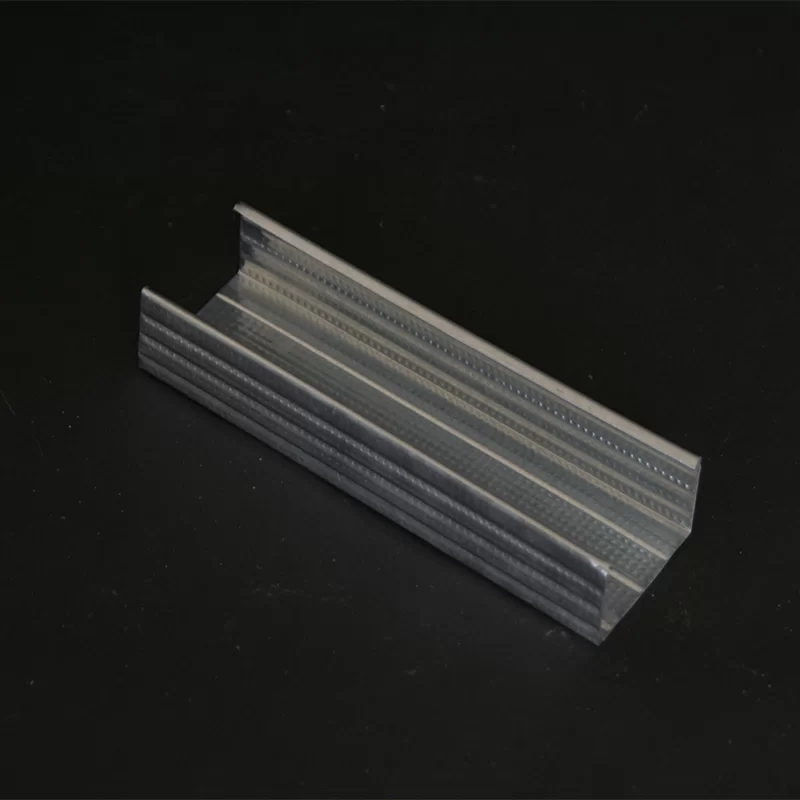
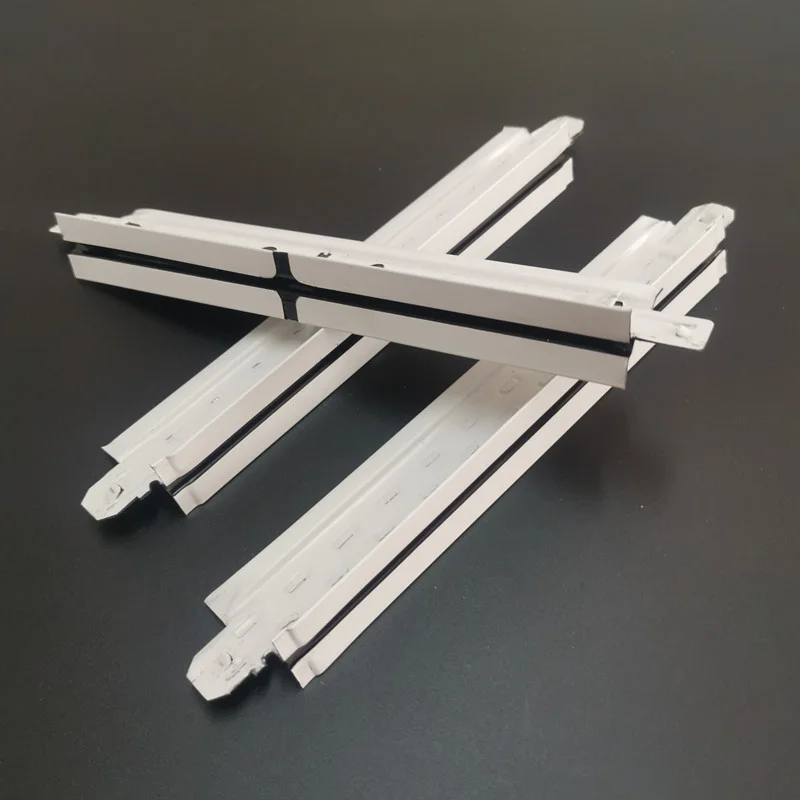
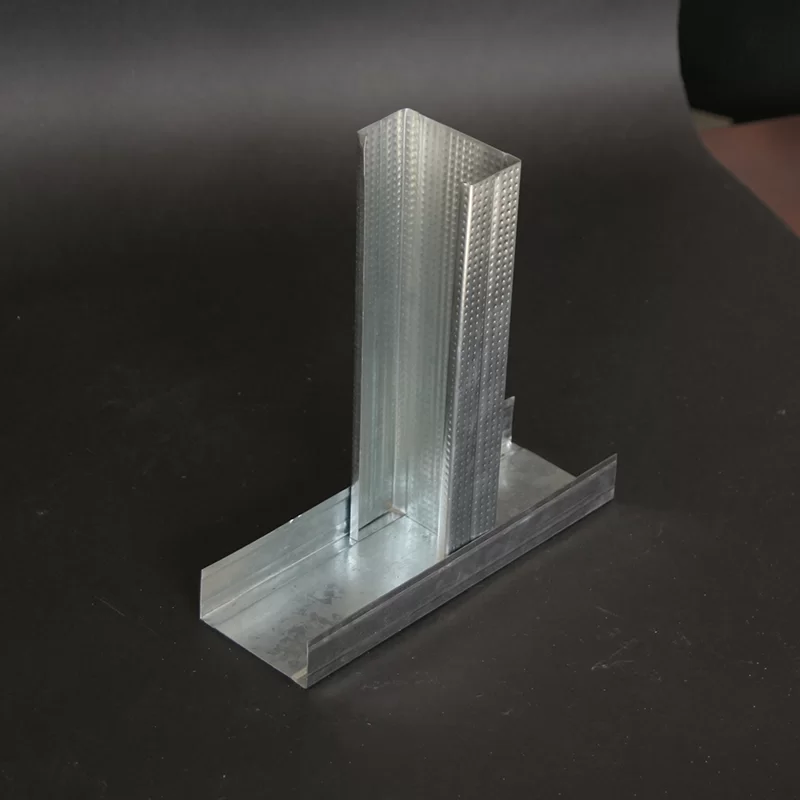
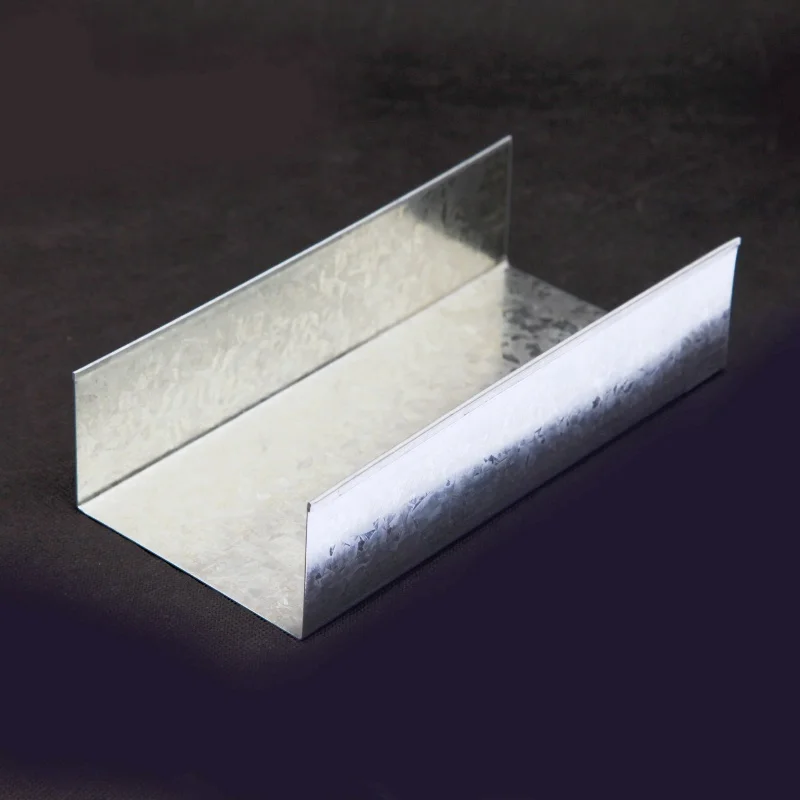
Comprehensive Product Portfolio for the Norwegian Market

From precision studs to complete prefabricated structural kits.

Frequently Asked Questions in Norway

Technical insights for engineers and contractors.

How does a lightweight steel frame building perform in Arctic temperatures?

LGS systems are highly stable in extreme cold as they do not warp or shrink like timber. When paired with appropriate thermal breaks and high-R value insulation, they exceed Norwegian energy efficiency requirements.

What are the standard metal framing gauges used for residential load-bearing walls?

Depending on the structural load and height, gauges typically range from 0.75mm to 1.6mm. We provide customized gauge calculations based on specific Norwegian wind and snow load data.

Can prefabricated light gauge steel building kits be customized for traditional Norwegian architecture?

Yes, the versatility of LGS allows for complex roof pitches and traditional aesthetics while maintaining the efficiency of a modern prefabricated core.

Which steel stud gauge is recommended for interior non-load bearing partitions?

For standard interior partitions, a thinner gauge (typically 0.5mm to 0.6mm) is used to maximize space and reduce cost without compromising wall rigidity.

Is structural light gauge metal framing compliant with Eurocode 3?

Absolutely. All our structural profiles are designed and manufactured to meet or exceed Eurocode 3 standards, ensuring safety and legality for Norwegian building permits.

What is the typical lead time for a prefabricated LGS project in Norway?

Due to off-site manufacturing, the lead time is significantly reduced. Typically, fabrication takes 4-8 weeks, with on-site assembly occurring in a fraction of the time required for traditional builds.

Partner With the LGS Experts

Ready to optimize your next construction project in Norway? Contact our engineering team today for a technical consultation.

Contact Us Now

If you are interested in our products, you can choose to leave your information here, and we will be in touch with you shortly.