Advanced prefabricated light gauge steel building Solutions for Portugal

Advanced prefabricated light gauge steel building Solutions for Portugal

Integrating high-precision engineering with sustainable materials to revolutionize the Portuguese construction landscape through innovative metal framing technology.

Advanced prefabricated light gauge steel building Solutions for Portugal

Providing the Portuguese market with high-strength, corrosion-resistant structural components designed to meet Eurocode standards and seismic requirements.

Construction Landscape of Portugal

Analyzing the shift towards industrialized building systems in the Iberian Peninsula.

Portugal's construction sector is currently facing a transition from traditional masonry to more efficient systems. The demand for lightweight steel frame building techniques has surged, driven by the need for faster project delivery in urban hubs like Lisbon and Porto.

Due to the Atlantic coastal climate, there is a critical requirement for materials that resist salt-spray corrosion. This has led developers to prioritize high-grade galvanized metal framing gauges that ensure long-term structural integrity against humidity and oxidation.

Furthermore, Portugal's seismic activity necessitates a building method that offers flexibility and strength. The adoption of structural light gauge metal framing provides a superior strength-to-weight ratio, reducing the inertial forces during earthquakes compared to heavy concrete structures.
Evolution of Metal Framing in Portugal

From basic partitioning to complex structural load-bearing systems.

Market Development History

In the late 1990s, the Portuguese market primarily used steel for simple non-load-bearing partitions. The focus was on basic steel stud gauge standards used mainly for interior drywalling in commercial offices.

Between 2010 and 2020, there was a pivot toward prefabricated components. The industry began integrating BIM (Building Information Modeling) to optimize the precision of metal framing gauges, reducing on-site waste and labor costs significantly.

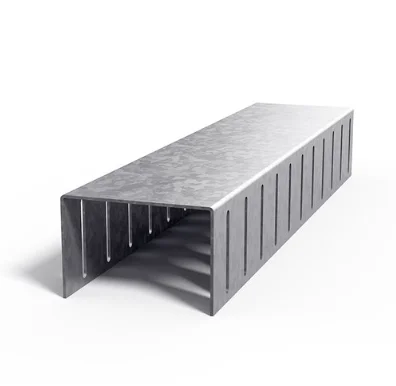
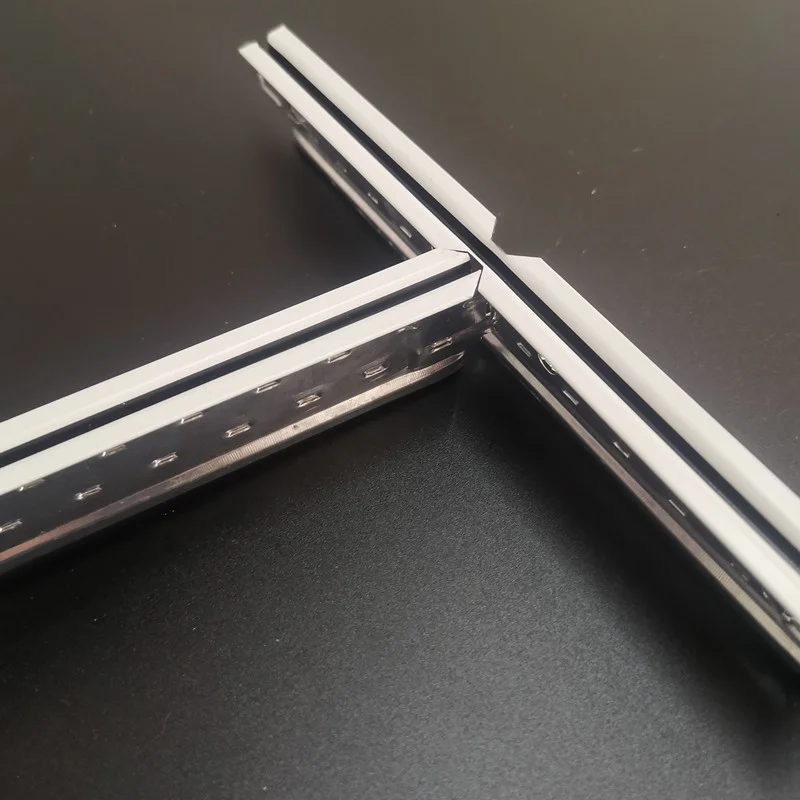
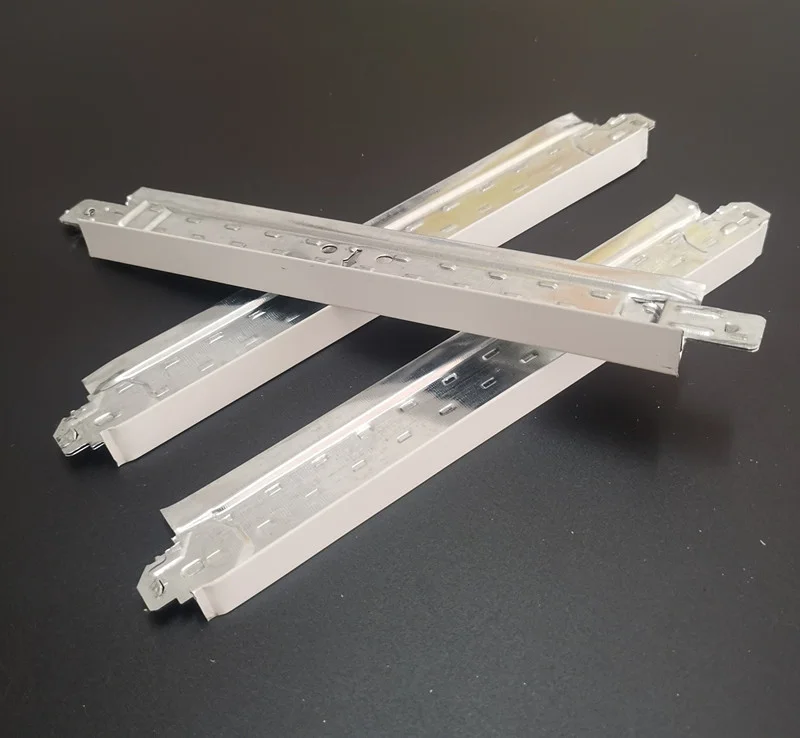
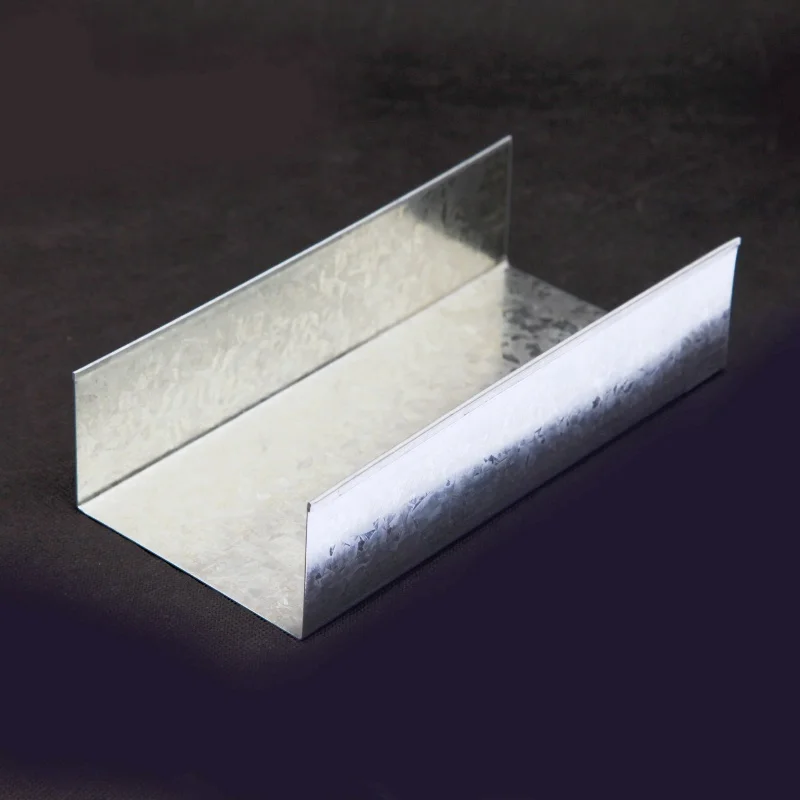
Currently, the market has evolved into the era of full-system prefabrication. Modern projects now employ complete prefabricated light gauge steel building kits that allow for rapid assembly of entire residential complexes in a fraction of the traditional time.

Future Development Trends

Sustainable Green Certification

Expected integration of recycled steel content to meet EU Green Deal goals, focusing on reducing the carbon footprint of structural frames.

AI-Driven Structural Optimization

Shift towards generative design to calculate the exact steel stud gauge required for each specific wall segment, minimizing material usage.

Modular Hybrid Systems

Increasing combination of LGS with cross-laminated timber (CLT) to create hybrid buildings that optimize both thermal insulation and structural speed.

Industry Outlook and Future Trends

Navigating the future of non-metallic and metallic decorative manufacturing.

Digital Twin Integration
Implementing digital twins for every structural light gauge metal framing project to monitor structural health in real-time.
Rapid Modularization
Moving toward "plug-and-play" room modules using advanced prefabricated light gauge steel building technology.
Precision Gauge Control
Adopting ultra-precise cold-form rolling to ensure metal framing gauges are accurate within 0.1mm.
Eco-Friendly Coatings
Implementing non-toxic, high-durability finishes for decorative metal elements to improve indoor air quality.

Industry Outlook

Google search trends in the EU indicate a significant rise in "sustainable prefab housing," which directly correlates with the increasing adoption of lightweight steel frame building systems. We predict a 15% CAGR in the Portuguese LGS market over the next 5 years.

The future will be defined by the synergy between traditional craftsmanship and industrial precision. As Portugal continues to modernize its tourism infrastructure, the demand for rapidly deployable, high-quality structural steel will dominate the sector.

Local Applications in Portugal

Real-world deployment of LGS technology across diverse Portuguese environments.

1. Algarve Tourism Resorts

Rapid deployment of luxury villas using prefabricated light gauge steel building systems to meet seasonal tourism demands without disrupting the local landscape.

2. Lisbon Urban Infill Projects

Utilizing structural light gauge metal framing to add lightweight extensions to historic buildings where traditional heavy foundations are not feasible.

3. Porto Industrial Warehouses

Implementation of high-precision metal framing gauges for fast-assembly logistics centers, ensuring compliance with strict EU safety and load standards.

4. Madeira Mountain Lodges

Transporting pre-cut LGS components to remote island locations, reducing the need for heavy machinery and minimizing the environmental impact on fragile ecosystems.

5. Azorean Seismic-Resistant Housing

Deploying optimized steel stud gauge configurations to create earthquake-resilient residential shells for the Azores archipelago.

Brand Story

Global Development Journey of Wen'an Jinkai Construction Materials Co., Ltd.

Foundational Precision

Established with a focus on high-precision cold-rolled steel, solving the industry pain point of dimensional inaccuracy in structural frames.

Technological Breakthrough

Developing proprietary automation for variable gauge production, allowing for customized structural solutions based on regional load requirements.

European Market Entry

Aligning manufacturing processes with Eurocode standards to bring sustainable and fast-build LGS solutions to the Portugal and EU markets.

Global Sustainability Initiative

Implementing a closed-loop recycling system for steel scrap, ensuring that our prefabricated solutions are as green as they are strong.

Industry Leadership

Today, Jinkai stands as a global benchmark for integrating non-metallic mineral expertise with high-end metal decoration manufacturing.

Comprehensive Product Portfolio for Portugal

End-to-end structural and decorative solutions tailored for the Portuguese construction market.

Frequently Asked Questions in Portugal

Expert answers to the most common technical queries regarding LGS construction.

How do lightweight steel frame building systems handle Portugal's seismic zones?

Our systems utilize high-ductility steel and precise engineering to absorb seismic energy, making them significantly safer in high-risk areas than traditional unreinforced masonry.

What are the most common metal framing gauges used for residential walls in Europe?

Typically, gauges range from 0.6mm to 1.2mm depending on the load-bearing requirement, with high-tensile galvanized steel being the standard for EU residential projects.

Can a prefabricated light gauge steel building be customized for traditional Portuguese architectural styles?

Yes, the LGS frame acts as the structural skeleton, which can be finished with traditional Portuguese lime renders, stone cladding, or ceramic tiles to match local aesthetics.

How is the steel stud gauge determined for multi-story commercial projects?

It is determined through rigorous structural analysis considering dead loads, live loads, and wind loads, ensuring the gauge meets the specific safety factors of Portuguese building codes.

What is the lifespan of structural light gauge metal framing in coastal areas?

With our advanced Z275 galvanization and optional additional anti-corrosive coatings, our framing systems are designed to last over 50 years even in humid coastal environments.

Does using LGS reduce the overall construction time in Portugal?

Absolutely. By shifting the fabrication to a controlled factory environment, on-site assembly is reduced by up to 60% compared to traditional concrete methods.

Ready to Modernize Your Construction?

Consult with our experts to implement high-performance steel framing solutions across Portugal.

Contact Us Now

If you are interested in our products, you can choose to leave your information here, and we will be in touch with you shortly.