Hit enter to search or ESC to close
March 12, 2026
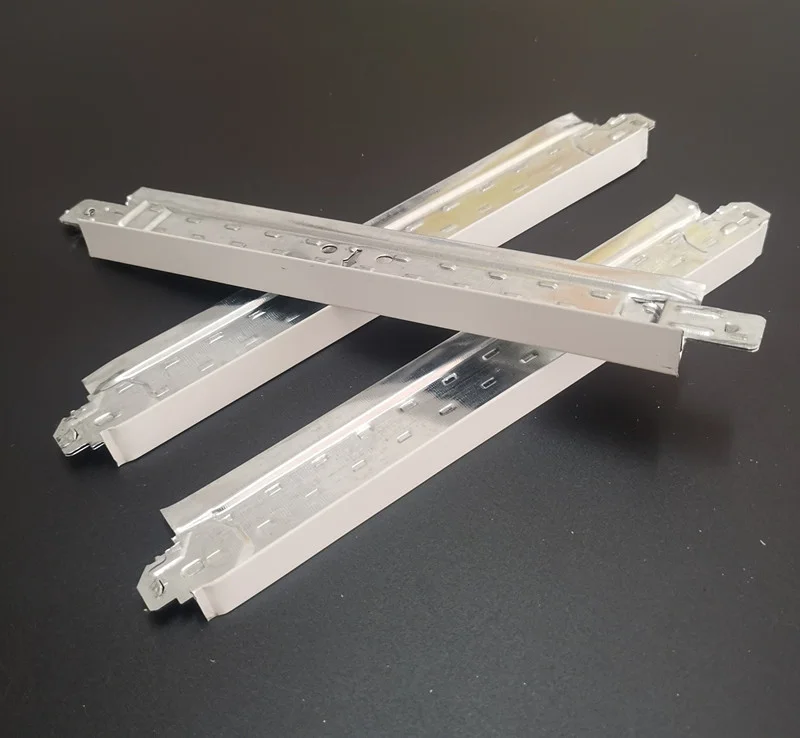
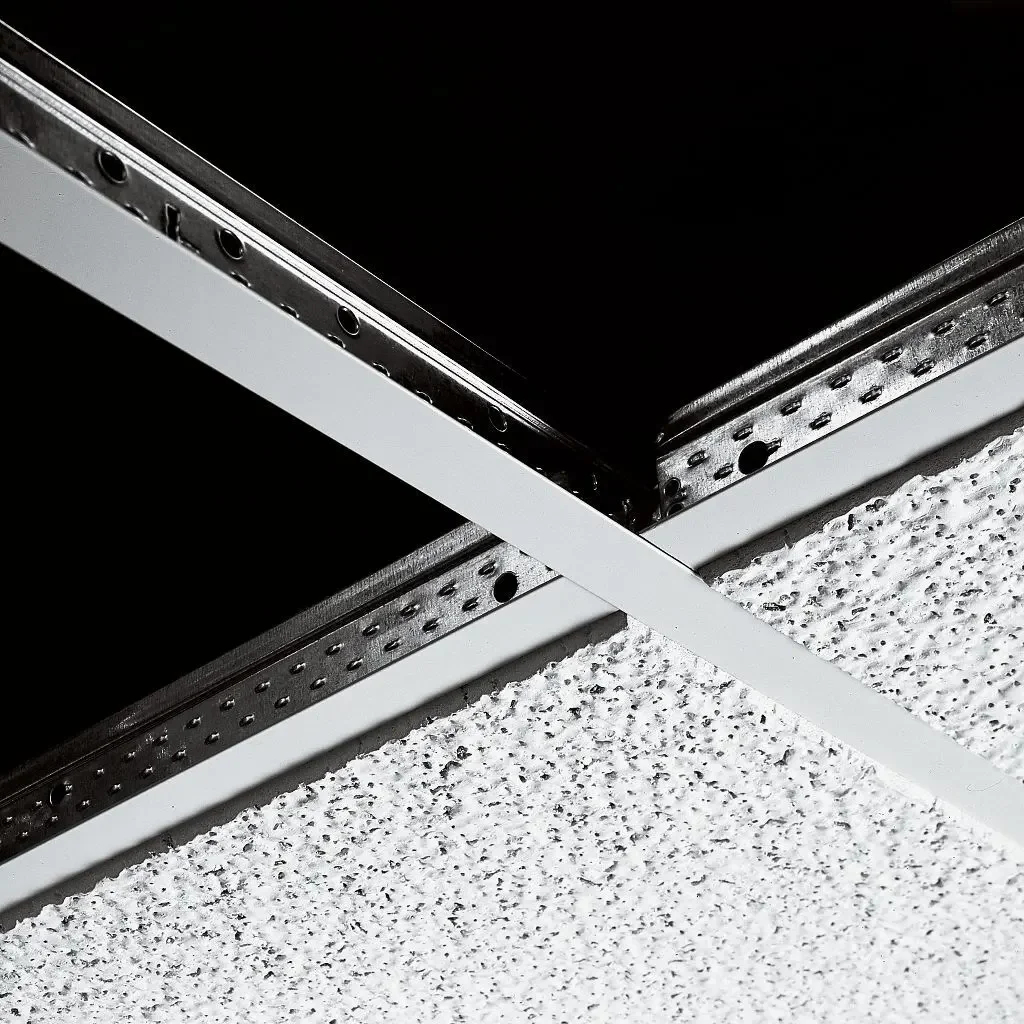
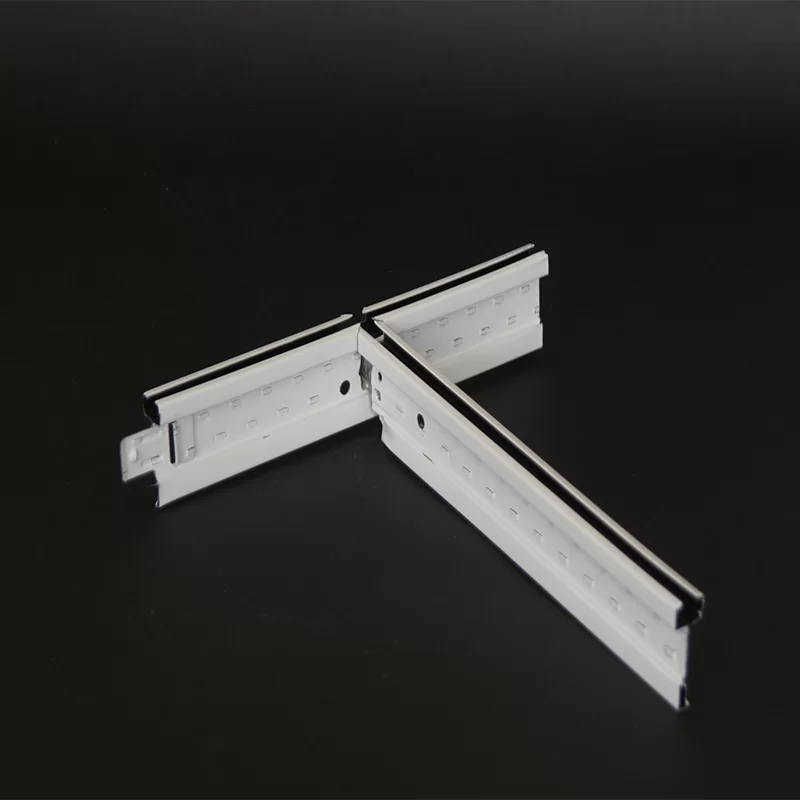
Ceiling grid tees, also known as T-grid suspension systems, are fundamental components in modern suspended ceiling installations. They provide the framework to which ceiling tiles are attached, creating a clean and functional aesthetic. Whether you're a contractor, architect, or simply renovating a space, understanding these tees is crucial for a successful project. This article will delve into the types, materials, installation, and benefits of ceiling grid tees, providing a complete overview to help you make informed decisions. Choosing the right system can significantly impact the longevity and appearance of your ceiling.
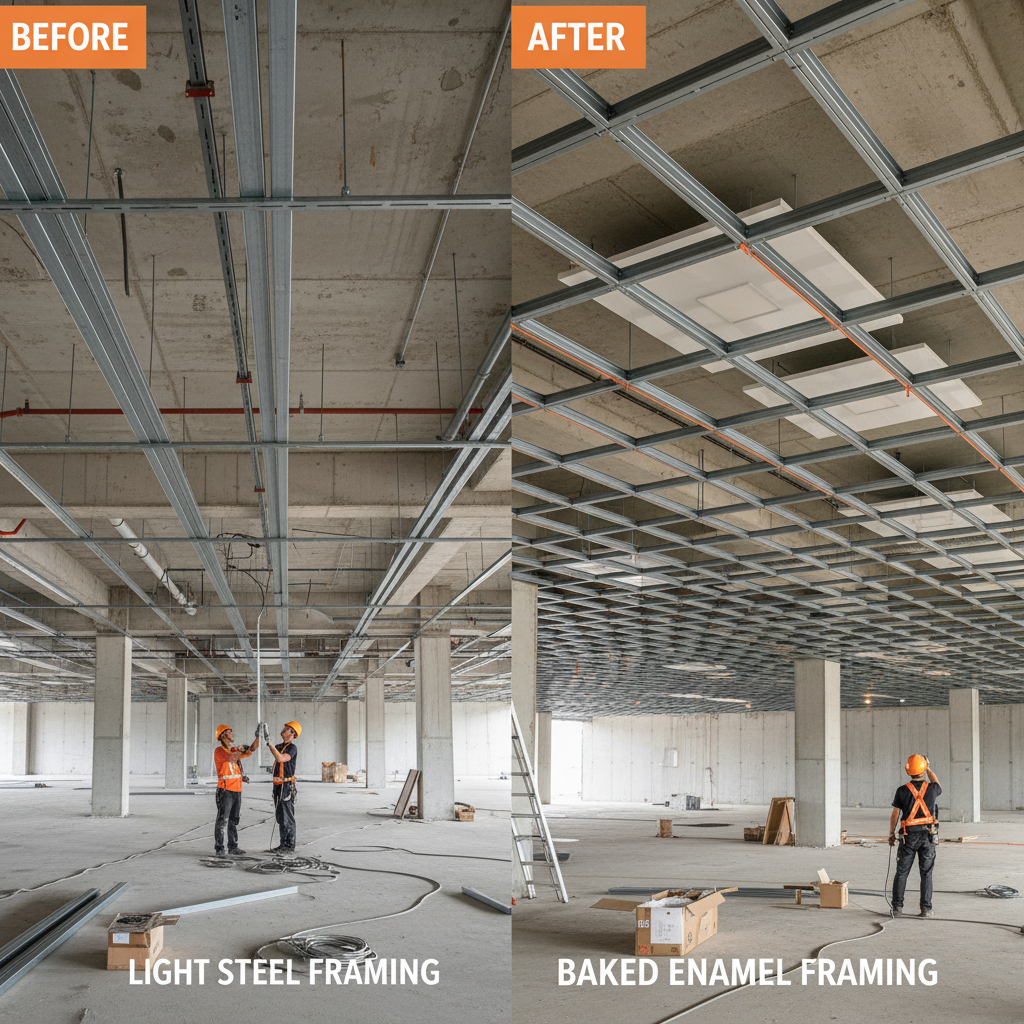
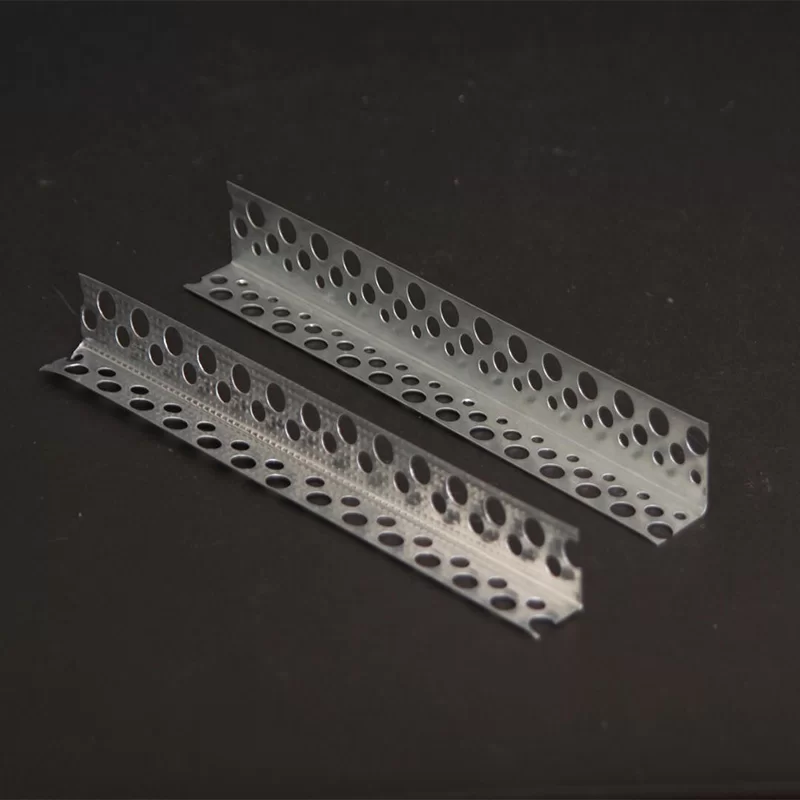
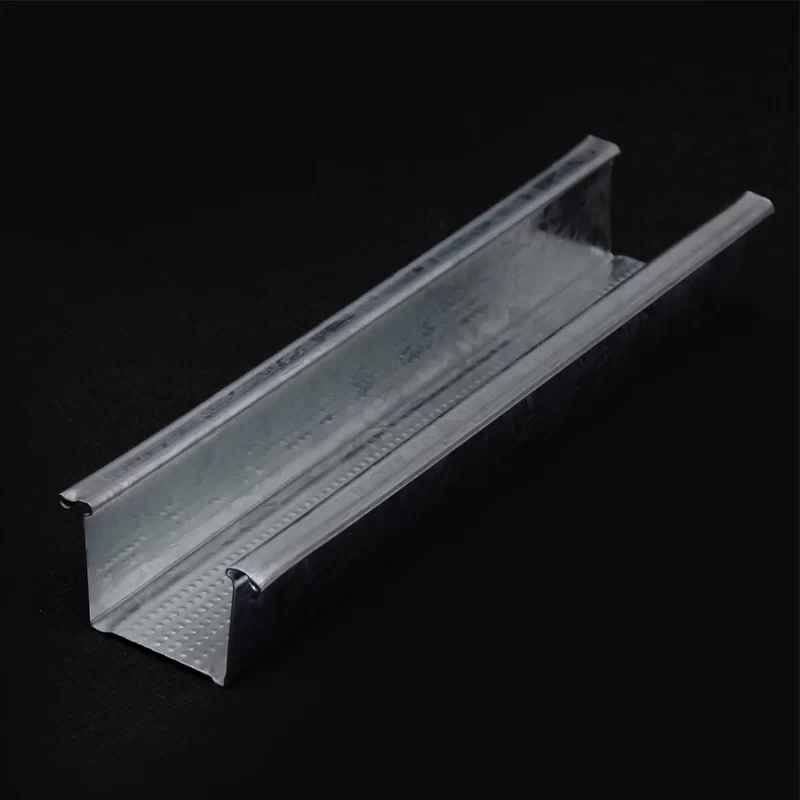
Ceiling grid tees aren’t one-size-fits-all. Several types are available, each suited for different applications and aesthetic preferences. The most common types include: Imperial tees, which adhere to a 2ft x 4ft grid system, are a long-standing industry standard. Metric tees, based on a 600mm x 600mm grid, are gaining popularity and are especially common in international projects. Concealed tees offer a smoother, more seamless look by hiding the tee profile, offering a more modern aesthetic. Finally, bold-faced tees feature a wider visible face, providing a more defined grid pattern. Understanding these differences is key to achieving your desired ceiling design. Jinka IBM offers a wide range of these options.
Key Highlights: Ceiling grid tees are available in various types, each tailored to different aesthetic preferences and grid dimensions. Understanding these options is essential for achieving the desired look and functionality.
The material of your ceiling grid tees is critical for durability, corrosion resistance, and overall cost-effectiveness. Galvanized steel is the most common material, offering a good balance of strength and affordability. Aluminum tees are lighter and highly corrosion-resistant, making them ideal for humid environments like bathrooms or kitchens. Stainless steel tees are the most durable and corrosion-resistant, but also the most expensive, often used in specialized applications. Consider the environment where the ceiling will be installed to determine the best material for your project. Jinka IBM provides tees made from all three materials, ensuring we can meet your specific requirements.
Material Comparison:
• Galvanized Steel: Cost-effective, strong, suitable for general use.
• Aluminum: Lightweight, corrosion-resistant, ideal for humid environments.
• Stainless Steel: Highest durability and corrosion resistance, premium price.
Installing ceiling grid tees requires careful planning and execution. The process typically involves: Marking the layout on the floor, establishing the grid pattern. Hanging the main runners, suspended from the ceiling using wire or rods. Installing the cross tees, which interlock with the main runners to form the grid. Leveling the grid to ensure a perfectly flat surface. Finally, installing the ceiling tiles, dropping them into the grid openings. Proper installation is vital for a stable and aesthetically pleasing ceiling. It’s often best left to experienced professionals.
Employing ceiling grid tees provides several advantages: Easy access to utilities above the ceiling, simplifying maintenance and repairs. Improved acoustics by reducing noise levels within a space. Enhanced aesthetics, creating a clean and professional appearance. Flexibility to easily change or rearrange ceiling tiles. Cost-effectiveness compared to other ceiling solutions. These benefits make them a popular choice for commercial and residential spaces alike.
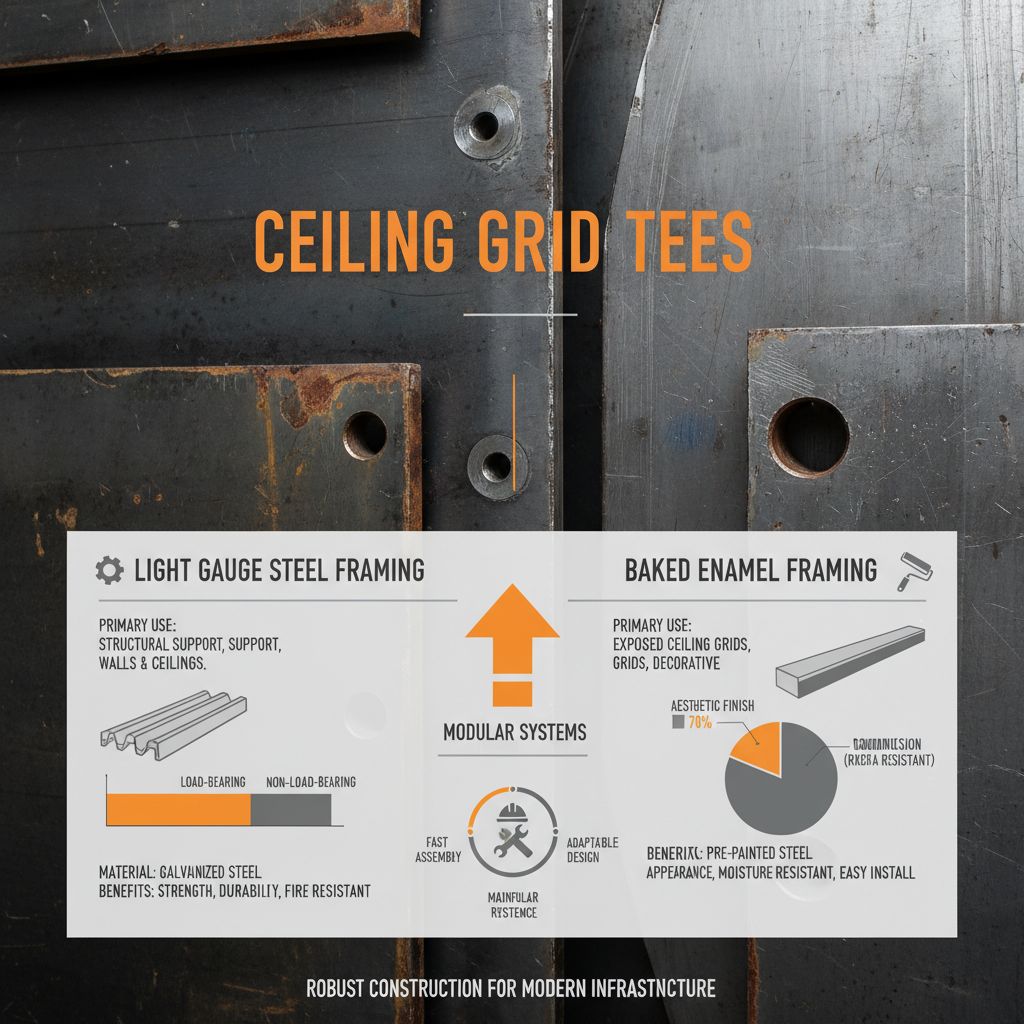
Selecting the appropriate ceiling grid tees requires considering several factors. First, determine the grid size (imperial or metric) based on your tile dimensions. Next, consider the material based on the environment (galvanized steel, aluminum, or stainless steel). Assess the load-bearing capacity required to support the ceiling tiles and any potential additional weight. Finally, choose a reputable supplier like Jinka IBM to ensure quality and reliability.
Investing in high-quality ceiling grid tees is crucial for a durable, aesthetically pleasing, and functional ceiling installation. By carefully considering the type, material, and installation process, you can ensure a long-lasting result. Choose Jinka IBM for reliable products and expert support.
The most common grid sizes are 2ft x 4ft (imperial) and 600mm x 600mm (metric). Imperial grids have been the standard for many years, but metric grids are becoming increasingly popular, particularly in projects adhering to international standards. The choice depends on the tile dimensions and project requirements. Ensuring the grid size matches the tile size is crucial for a proper fit and a clean aesthetic.
The weight capacity of ceiling grid tees varies depending on the material, gauge, and spacing. Typically, they can support between 10-15 pounds per square foot. However, it’s vital to consult the manufacturer’s specifications for the specific tees you are using, as this can vary. If you plan to support additional weight, such as lighting fixtures or HVAC equipment, ensure the grid system is designed to handle the load accordingly.
While galvanized steel tees offer some corrosion resistance, aluminum or stainless steel tees are more suitable for wet environments like bathrooms or kitchens. These materials are less prone to rust and will maintain their structural integrity in humid conditions. Using the appropriate material will significantly extend the lifespan of the ceiling system and prevent potential issues.
Regular visual inspections are recommended to check for any signs of damage, corrosion, or sagging. Dust and debris should be removed periodically to maintain a clean appearance. If any tees are damaged or bent, they should be replaced promptly to ensure the structural integrity of the ceiling. Proper maintenance will help prolong the life of the ceiling system.