Hit enter to search or ESC to close
March 6, 2026
Selecting the appropriate bar ceiling tiles is crucial for both aesthetic appeal and functional performance in any space. These tiles offer a unique blend of style and practicality, suitable for a diverse range of applications from commercial spaces to residential interiors. This article delves into the various types, benefits, installation considerations, and factors to consider when purchasing bar ceiling tiles, helping you make an informed decision for your next project. A well-chosen ceiling can significantly enhance the overall ambiance and acoustic properties of a room.
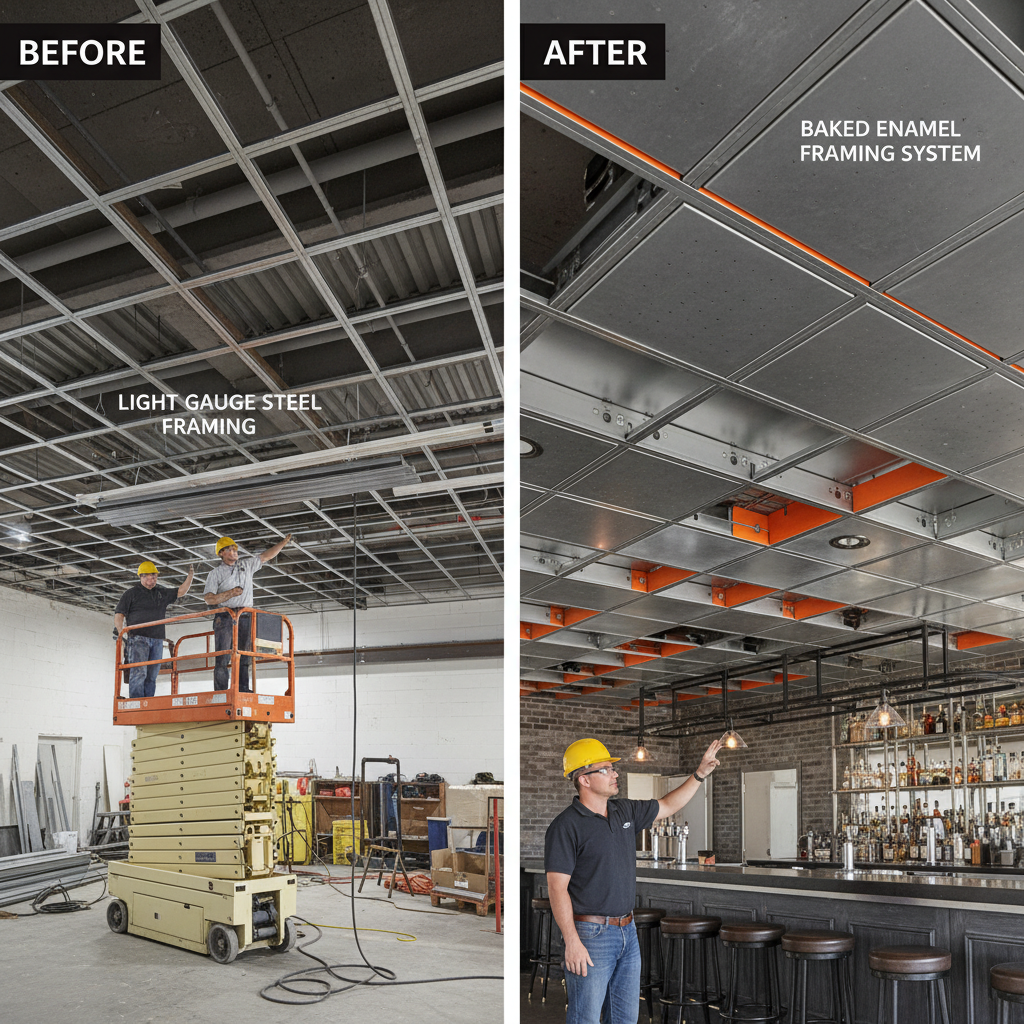
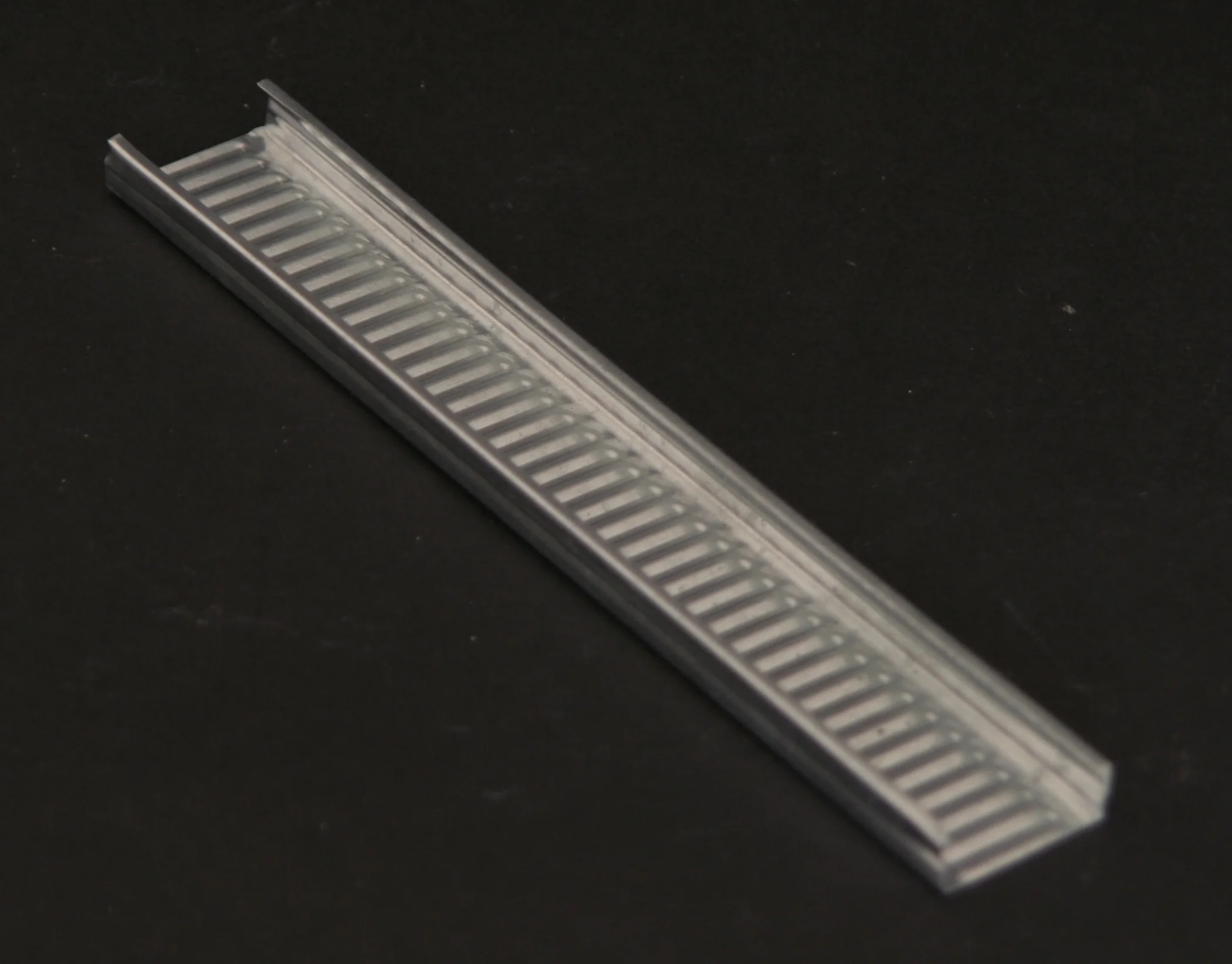
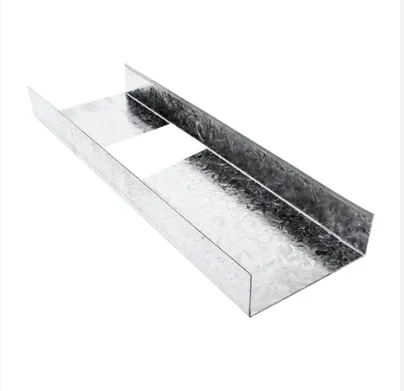
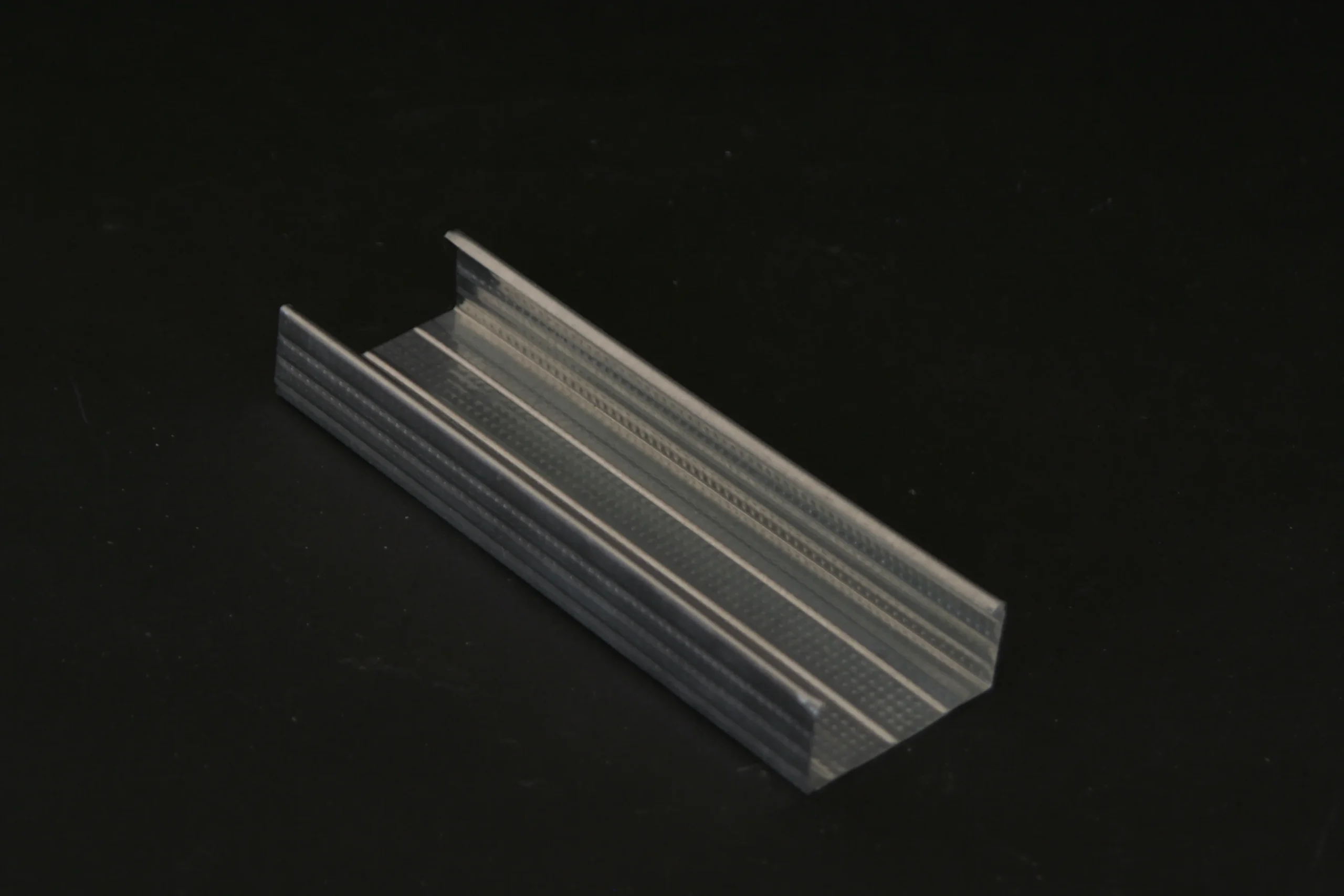
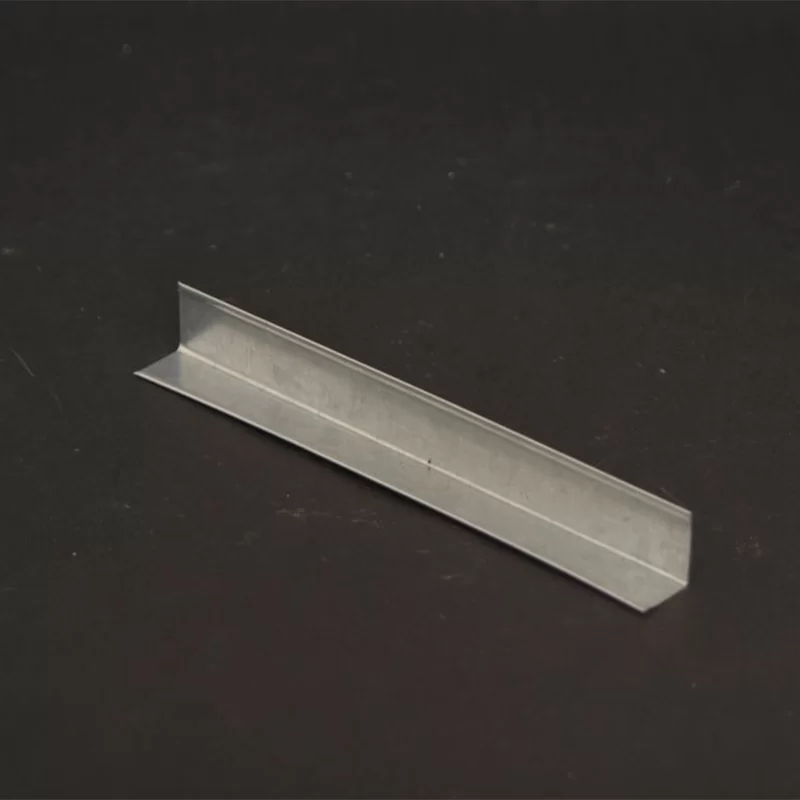
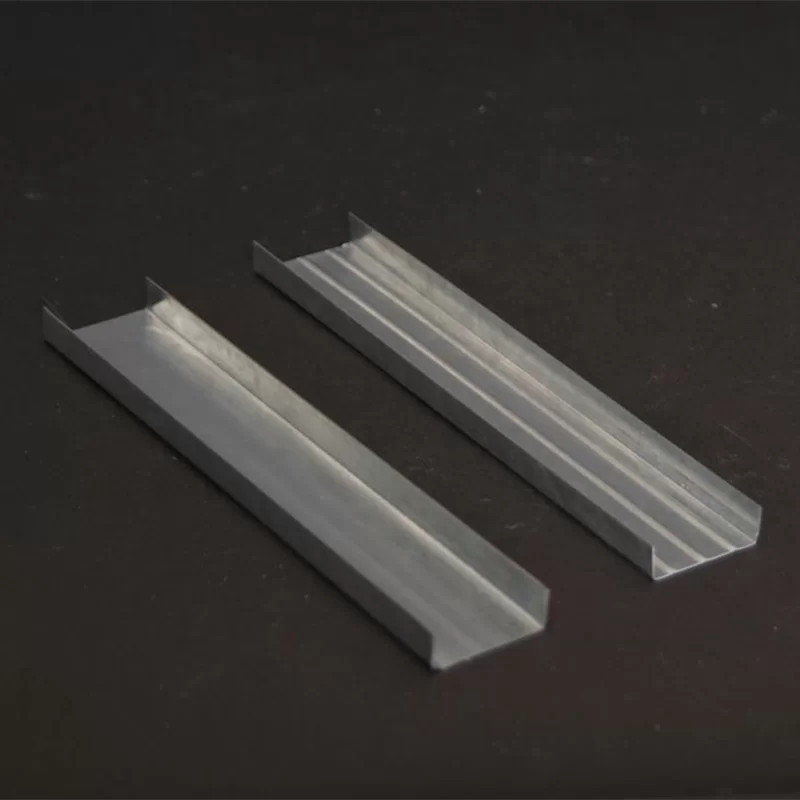
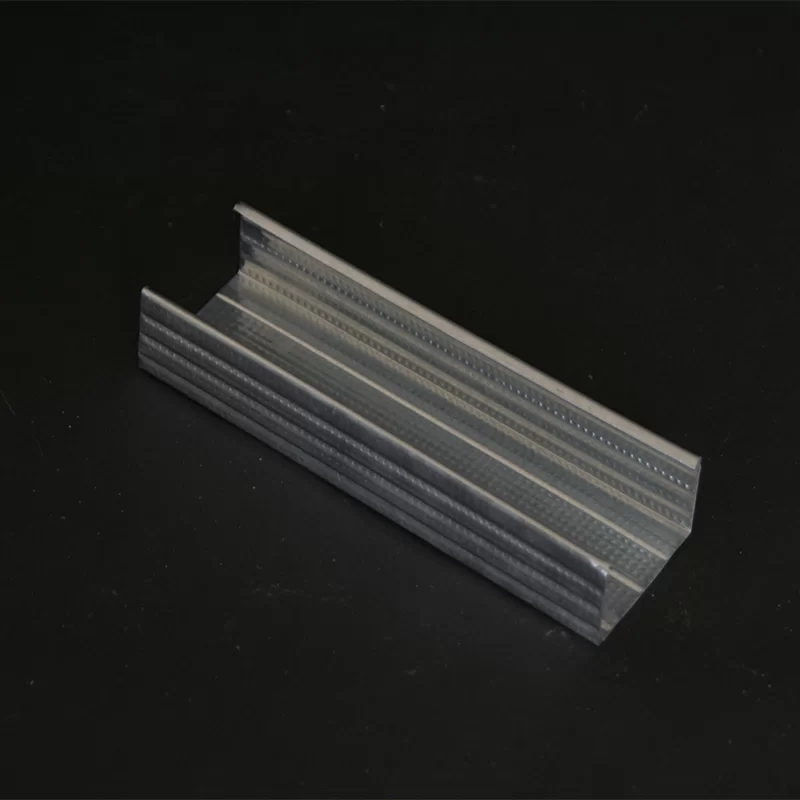
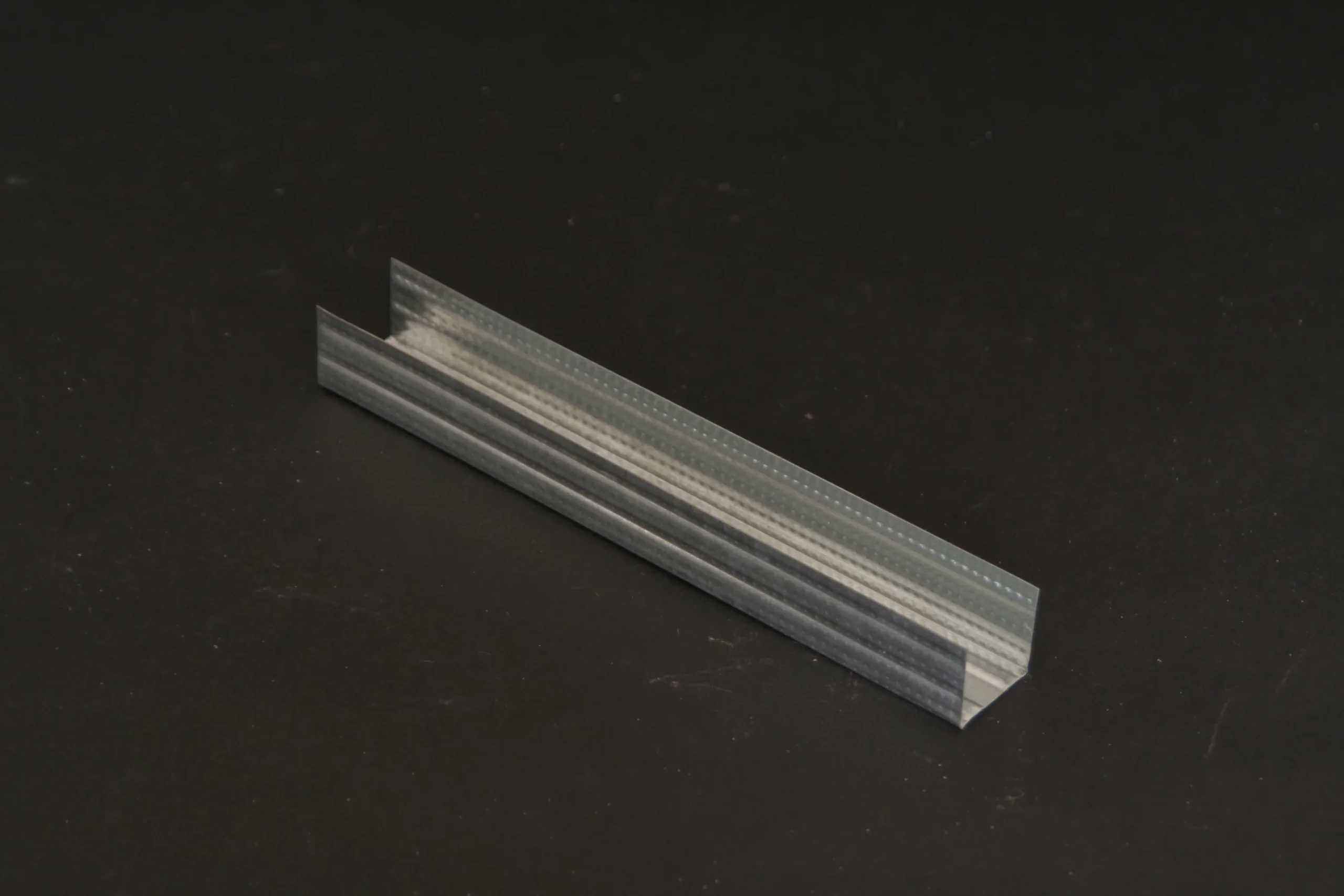
Bar ceiling tiles come in a variety of materials and designs, each offering unique properties. Common materials include aluminum, steel, and wood. Aluminum is lightweight, corrosion-resistant, and available in a wide range of finishes. Steel provides superior strength and durability, suitable for high-traffic areas. Wood offers a warmer, more natural aesthetic but requires more maintenance. The "bar" configuration refers to the linear, elongated shape of the tiles, creating a visually striking and modern look. Different tile widths and profiles also contribute to distinct design options. Understanding these differences is essential for selecting tiles that align with your project's specific needs and aesthetic goals.
Key Highlights: Different materials like aluminum, steel, and wood offer varying levels of durability, aesthetics, and maintenance requirements.
Bar ceiling tiles offer several advantages over traditional ceiling systems. They create a visually appealing and modern aesthetic, adding a touch of sophistication to any space. They can also enhance the perceived height of a room, making it feel more spacious. Moreover, they provide excellent acoustic performance, reducing noise levels and improving sound clarity. This is particularly beneficial in offices, restaurants, and other commercial environments. The open spaces between the bars allow for easy access to utilities, simplifying maintenance and renovations. These tiles also contribute to improved lighting distribution, creating a more inviting atmosphere.
Key Benefits:
• Modern and sophisticated aesthetic
• Enhanced acoustic performance
• Improved lighting distribution
• Easy access to utilities
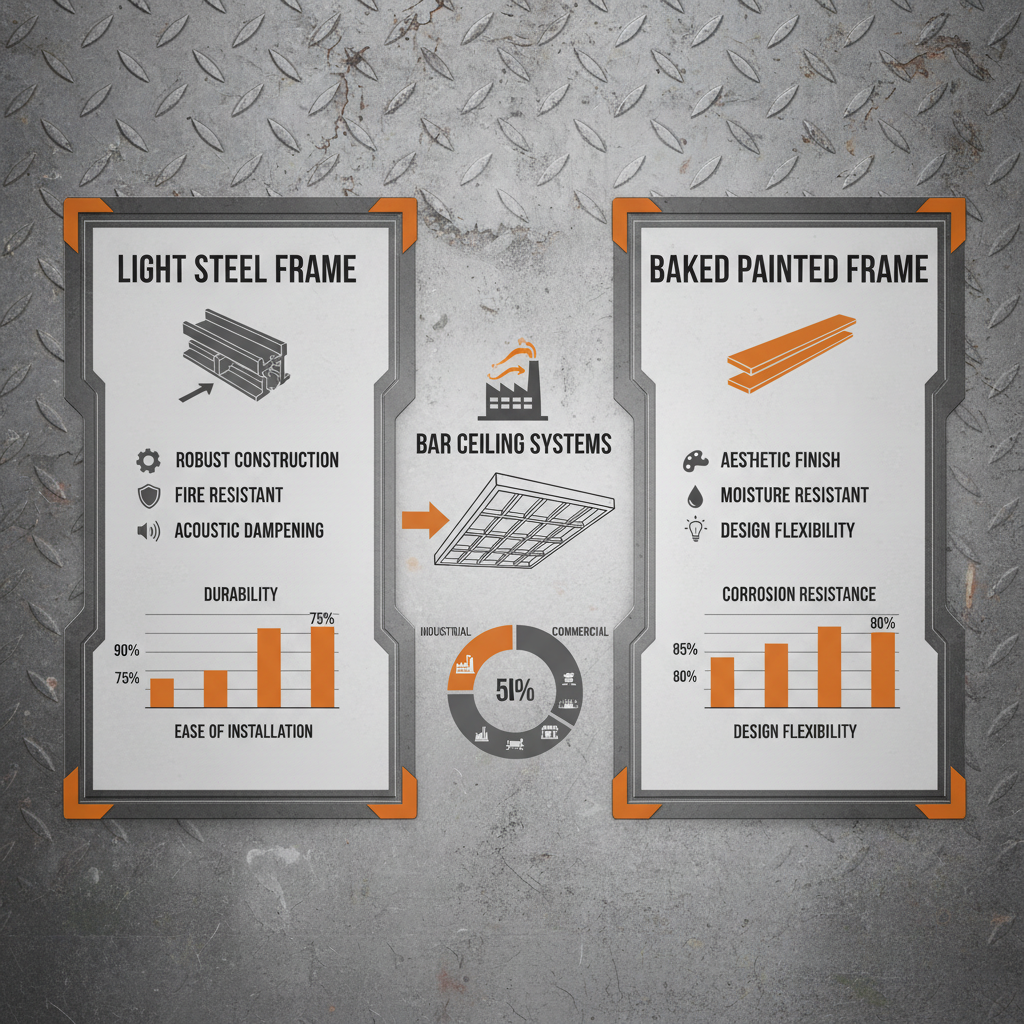
Choosing the right material is paramount when considering bar ceiling tiles. Each material boasts unique strengths and weaknesses. The following table provides a clear comparison to aid in your decision-making process.
Proper installation is key to ensuring the longevity and performance of your bar ceiling tiles. While DIY installation is possible for experienced homeowners, professional installation is often recommended, especially for larger projects. Consider the existing ceiling structure and ensure it is level and capable of supporting the weight of the tiles. The suspension system, including hangers and runners, must be properly installed to prevent sagging or instability. Accurate measurements and precise cutting are essential for a seamless and professional finish. Always follow the manufacturer's instructions for installation to maintain warranty coverage.
Before making a purchase, carefully consider several factors. Your budget will influence the material and quality of tiles you can afford. The size and layout of the room will determine the number of tiles needed and the optimal configuration. The desired aesthetic should guide your choice of material and finish. Acoustic requirements may necessitate tiles with specific sound-absorbing properties. Finally, ensure the tiles meet relevant building codes and safety standards. Jinka IBM offers a wide range of bar ceiling tiles to suit various needs and preferences.
Investing in quality bar ceiling tiles is a transformative step toward enhancing the aesthetic and functional appeal of any space. From modern offices to stylish homes, these tiles offer a versatile solution for creating a visually stunning and acoustically comfortable environment. Choose wisely, consider your needs, and elevate your space with the enduring elegance of bar ceiling tiles.
Cleaning bar ceiling tiles is generally straightforward. For aluminum or steel tiles, a damp cloth with mild detergent is usually sufficient. Avoid abrasive cleaners, as they can damage the finish. For wood tiles, use a wood cleaner specifically designed for painted or finished surfaces. Regular dusting will help prevent dirt buildup. Always test any cleaning solution in an inconspicuous area first to ensure it doesn't cause discoloration.
The lifespan of bar ceiling tiles varies depending on the material and environmental conditions. Aluminum and steel tiles can last for decades with proper care. Wood tiles may require more frequent maintenance and may have a shorter lifespan. Regular inspection and cleaning can help extend the life of any type of tile. Factors like humidity, temperature fluctuations, and exposure to corrosive substances can also affect their longevity.
Aluminum and steel bar ceiling tiles are generally well-suited for high-humidity environments due to their corrosion resistance. However, it’s important to choose tiles with a protective coating to prevent moisture damage. Wood tiles are less suitable for high-humidity areas unless they are treated with a waterproof sealant. Consider the specific environment and choose tiles accordingly to ensure long-term durability.