Understanding Double Metal Stud Walls: Why They Matter Today
In a world that’s reshaping how we build faster, safer, and greener, double metal stud wall systems are quietly becoming a serious game changer. But what is this construction method, and why should we care — especially at a global scale? Think about it: with urban growth exploding worldwide, climate change ramping up, and supply chains stretched thin, building smarter isn’t just a luxury anymore; it's essential. Double metal stud walls are helping architects, engineers, and humanitarian agencies meet these pressing demands.
Briefly, these wall systems consist of two parallel metal frames (or "studs") separated by insulation, creating stronger, quieter, and more energy-efficient partitions. Whether it’s for high-rise offices in New York, refugee shelters in the Middle East, or remote mining camps in Australia, understanding how this system works can unlock new design possibilities and sustainability benefits — all that while improving costs and comfort.
Mini takeaway: Double metal stud walls blend strength with efficiency, addressing needs from climate resilience to rapid construction worldwide.
Global Context: The Rise of Double Metal Stud Walls Across Industries
Looking globally, the construction industry accounts for nearly 40% of global energy consumption and carbon emissions, according to the International Energy Agency. In this high-stakes environment, building envelopes (walls, roofs, windows) are receiving renewed scrutiny. That’s where double metal stud walls come in — they provide a modular, adaptable solution with excellent thermal and acoustic properties.
Data from the UN's Habitat program highlights how urban populations are expected to swell by 2.5 billion by 2050, intensifying the demand for fast, sustainable construction. Moreover, the ISO standards for construction materials increasingly favor lightweight, durable, and recyclable components — hallmarks of metal stud systems.
One big challenge is that traditional framing can fall short in extreme climates or disaster zones, while labor shortages push toward pre-fabricated, easy-to-install options. Double metal stud wall systems often meet these criteria, offering an effective answer to these emerging industry and humanitarian problems.
Mini takeaway: With rising energy concerns and urbanization, the double stud metal walls align perfectly with international sustainability and efficiency goals.
Defining Double Metal Stud Walls: A Simple Explanation
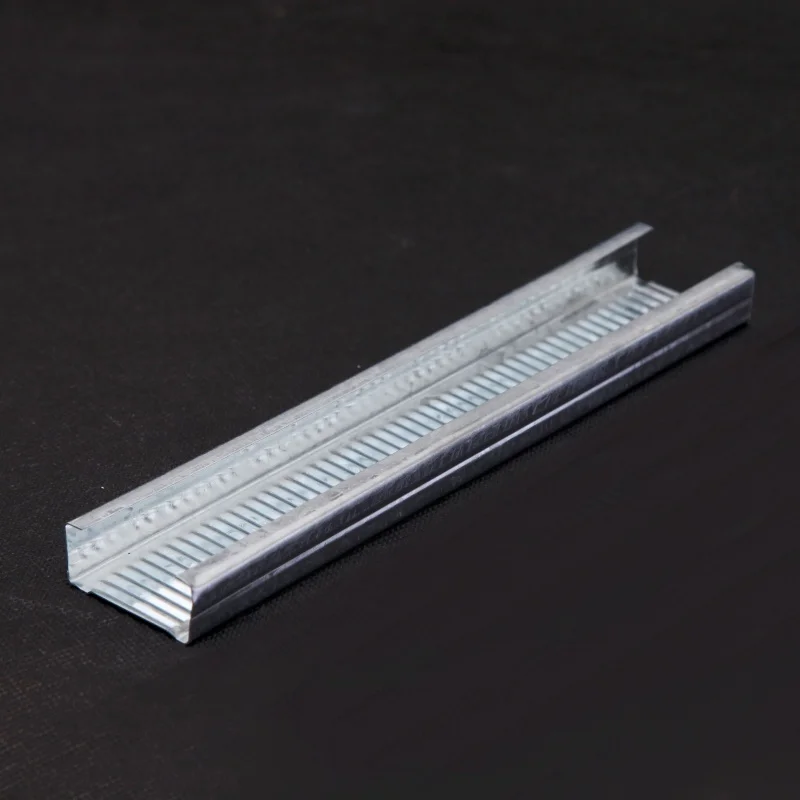
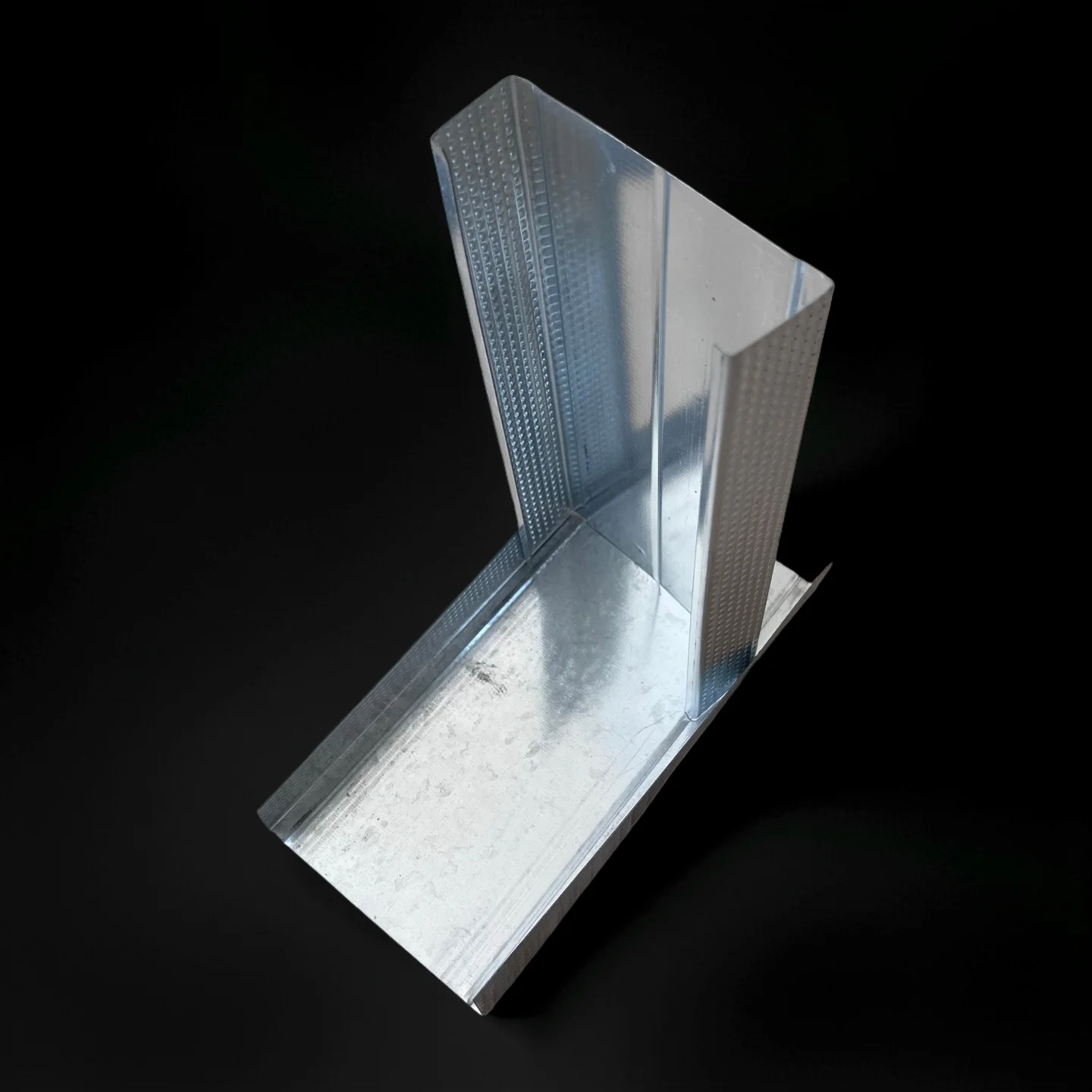
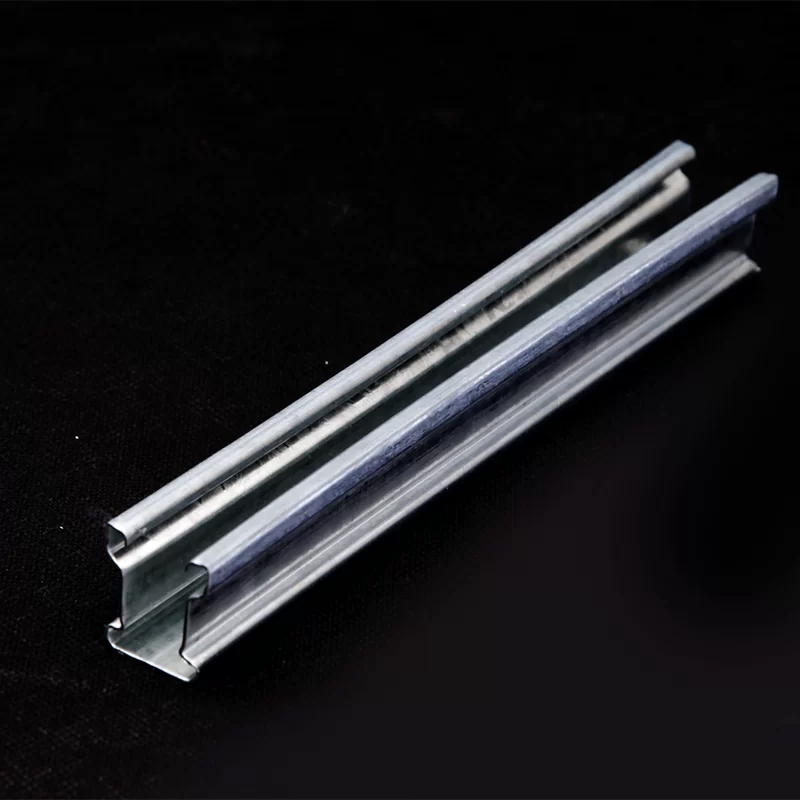
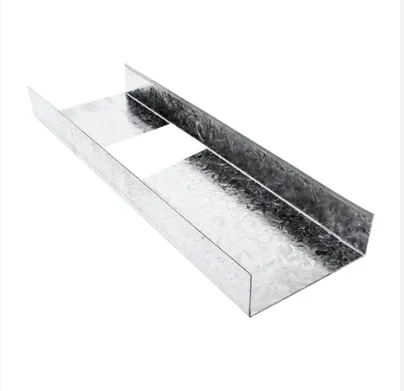
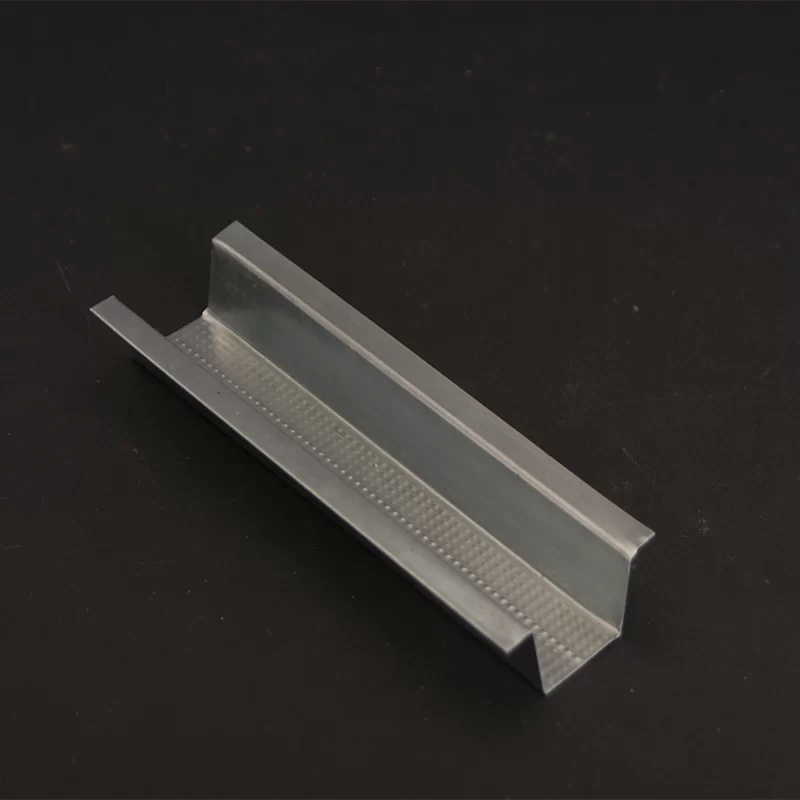
So, what exactly is a double metal stud wall? Imagine two sets of vertical metal tracks (the "studs") separated by a gap filled with insulation material. This design creates a cavity between two drywall layers, which increases soundproofing and thermal resistance dramatically compared to single stud walls. The metal studs themselves are usually galvanized steel, ensuring resistance to corrosion and fire — crucial for long-term durability.
In modern industry, these walls are ideal for office buildings, healthcare facilities, and even specialized environments like clean rooms or hotels. But on the humanitarian front, double metal stud walls can be incorporated into modular shelters that need to be quick to assemble yet robust enough to withstand changing climates — something NGOs and disaster relief agencies are increasingly adopting.
Mini takeaway: In straightforward terms, double metal stud walls are two parallel steel frames creating a resilient, insulated barrier — useful everywhere from city buildings to emergency shelters.
Core Components That Make Double Metal Stud Walls Work
1. Durability and Corrosion Resistance
Galvanized steel studs resist rust and structural degradation far better than wood, especially in humid or coastal environments. This ensures longer lifespans and less maintenance — something many facility managers swear by.
2. Enhanced Thermal Insulation
The cavity between the two stud layers allows for more and better insulation material, helping buildings comply with stricter energy codes like the International Energy Conservation Code (IECC).
3. Acoustic Performance
The air gap reduces sound transmission between rooms or units, a real plus in hotels, hospitals, or multifamily apartments.
4. Scalability and Modularity
Because the components are standardized, walls can be prefabricated off-site and assembled quickly. This reduces labor costs and disruption on the job site.
5. Cost Efficiency Over Time
While the upfront cost might be a bit higher than single stud walls, the improved energy efficiency, durability, and lower maintenance make it a smart investment — especially with energy prices creeping up worldwide.
| Specification |
Typical Value |
| Stud Gauge |
18 to 20 gauge galvanized steel |
| Stud Spacing |
16" or 24" centers |
| Wall Thickness |
4” to 8” (includes insulation cavity) |
| Fire Rating |
1 to 2 hours (varies with drywall layers) |
| Sound Transmission Class (STC) |
52 to 60 (excellent acoustic control) |
Real-World Applications: Who’s Using Double Metal Stud Walls?
From office parks in Asia to refugee housing in Africa, double metal stud walls have found many stages. Industrial zones in Canada utilize them to create insulated offices within larger warehouses, where noise dampening and temperature control matter. In post-disaster relief operations, NGOs prefer modular units framed with double metal studs thanks to their rapid assembly and lasting performance.
Even in colder European countries, these walls help cut down on heating costs during harsh winters, aligning with strict EU regulations on energy efficiency. The educational sector, too, is seeing a surge — schools deploy modular classrooms using double stud walls to reduce construction time during enrollment spikes.
Mini takeaway: Versatile, practical, and adaptable, double metal stud walls serve diverse settings from the arctic tundra to tropical zones, embodying a global solution.
Benefits That Extend Beyond Building Codes
- Cost savings over building lifecycle: Reduced energy bills and minimal maintenance requirements improve ROI.
- Environmental sustainability: Steel studs are recyclable, and the wall design supports superior insulation, lowering a building’s carbon footprint.
- Social impact: Providing safe, durable shelters in emergency zones protects human dignity at critical moments.
- Reliability and safety: Fire-resistant steel frames increase occupant safety, meeting rigorous codes worldwide.
On a less technical note, many builders and occupants simply feel better inside these walls: quieter, warmer, and more secure. It’s a very human benefit sometimes lost in data figures.
Looking Ahead: Innovations and Trends in Double Metal Stud Walls
Advances aren’t slowing down. We’re seeing bi-metal studs (combining steel and aluminum) for even better corrosion resistance. Smart wall systems with embedded sensors for humidity or structural stress monitoring are emerging, tied to the “smart building” revolution.
Green energy integration is also a hot topic — these walls enhance the effectiveness of solar window systems or heat-reflective coatings. Automation in prefab factories is streamlining production, reducing defects and waste.
Another shift is policy-driven: tougher carbon regulations mean these walls will increasingly be paired with sustainable insulation (like cellulose or recycled foam). Basically, the double metal stud systems of tomorrow will be greener, smarter, and more modular than ever before.
Challenges and How the Industry Is Tackling Them
Of course, no system is without flaws. Some complaints? The initial costs can deter budget-focused projects; thermal bridging (heat loss through the metal studs) still requires careful mitigation; and logistics around transporting prefabricated panels can be tricky in certain regions.
Innovative solutions include thermal breaks integrated into studs, improved insulation materials, and strategic local manufacturing hubs to cut delivery times. Many engineers emphasize training installers to get the best from these systems — especially when combining them with HVAC or electrical runs embedded in the walls.
FAQ About Double Metal Stud Walls
- Q: Are double metal stud walls more expensive upfront than traditional wood framing?
- A: Generally, yes. The initial material and installation costs can be higher. However, lower maintenance, better energy savings, and durability often make them more cost-effective over the building’s lifecycle.
- Q: How do double metal stud walls improve sound insulation?
- The air gap between two metal stud frames creates a buffer zone that reduces sound transmission. Combined with insulation materials, these walls can significantly improve privacy compared to single stud walls.
- Q: Can these walls be used in humid or coastal regions?
- Absolutely. The galvanized steel studs resist corrosion well, making them ideal for salty or wet environments where wooden frames might deteriorate quickly.
- Q: How quickly can double metal stud walls be installed?
- When parts are prefabricated, drywall-mounted, and insulation ready, installation times on site are much faster than traditional framing—sometimes cutting construction time in half.
- Q: Are double metal stud walls recyclable?
- Yes, steel studs are highly recyclable, and most insulation materials used today (like mineral wool or fiberglass) have improved recycling or environmental disposal options.
Vendor Comparison: Choosing the Right Double Metal Stud Wall Supplier
| Vendor |
Lead Time |
Customization Options |
Price Range |
Sustainability Certifications |
| SteelStruct Co. |
2-3 weeks |
High (custom gauges, sizes) |
$$$ |
ISO 14001, LEED |
| MetalWall Solutions |
1-2 weeks |
Medium (standard sizes, limited gauges) |
$$ |
ISO 9001 |
| QuickBuild Systems |
3-4 weeks |
Low (predefined kits only) |
$ |
None |
Wrapping Up: Why Double Metal Stud Walls Deserve Your Attention
To circle back, double metal stud walls deliver an impressive blend of longevity, efficiency, and adaptability — all the qualities today’s builders and humanitarian responders need. When you factor in their sustainability credentials, cost savings over time, and quieter, safer interior environments, they check a lot of boxes. If you’re curious to explore how these systems might transform your next project, or simply want a deeper dive into specifications, check out our detailed resources and product offerings at double metal stud wall.
In the end, it’s about building places that last and serve well — no matter where you are in the world.
References:
- International Energy Agency: Building Energy Efficiency
- UN Habitat: Urbanization Report 2022
- ISO 14001 Environmental Management