Hit enter to search or ESC to close
February 28, 2026
When considering a suspended ceiling installation, understanding the t bar ceiling price per square foot is crucial for budgeting and project planning. Costs can vary significantly based on materials, complexity, and location. This article provides a detailed breakdown of factors influencing pricing, typical costs, material options, and how to obtain accurate quotes. We'll cover everything you need to know to navigate the process effectively and ensure a successful installation.
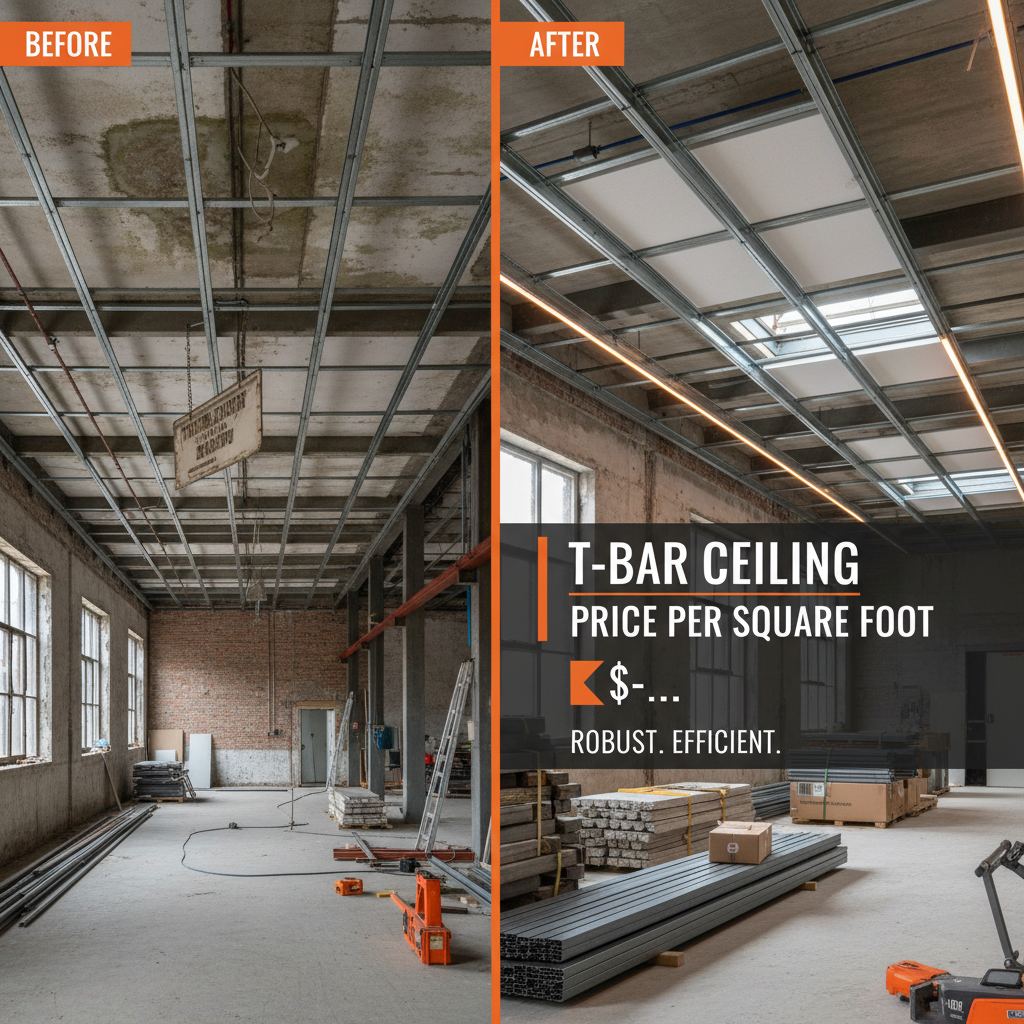
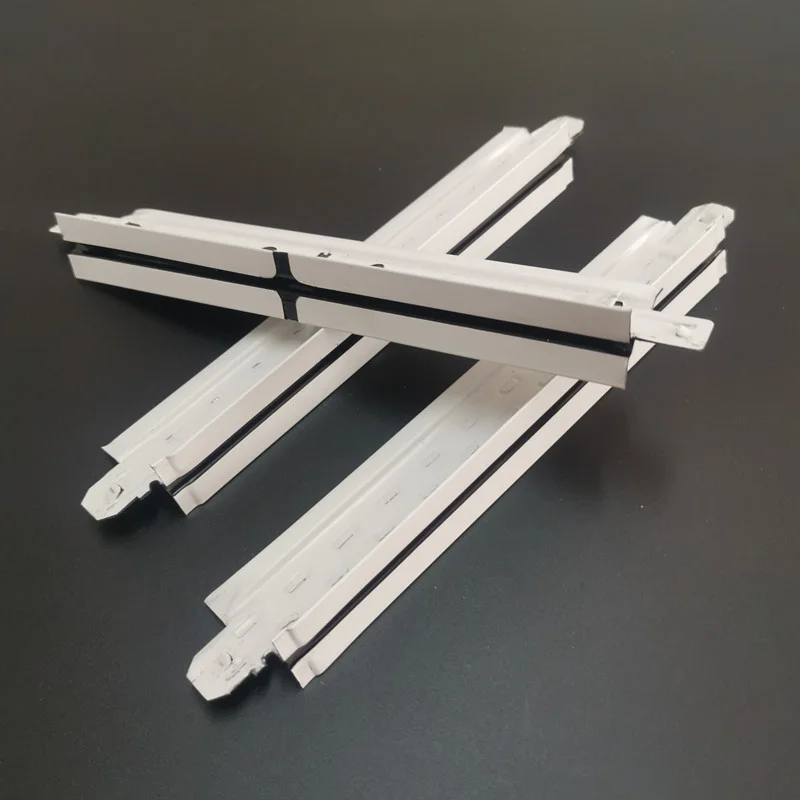
Several key factors determine the overall cost of a t-bar ceiling. These include the type of ceiling tile chosen (mineral fiber, fiberglass, metal, etc.), the grid material (steel or aluminum), the complexity of the installation (room size, obstacles, height), and labor costs in your region. Larger projects often benefit from economies of scale, reducing the price per square foot. Furthermore, acoustic properties, fire resistance ratings, and aesthetic considerations can also affect material choices and subsequent costs. Obtaining detailed quotes from multiple contractors is essential for accurate pricing.
Key Influencers: Material choices, installation complexity, labor costs, and project scale all contribute to the final price.
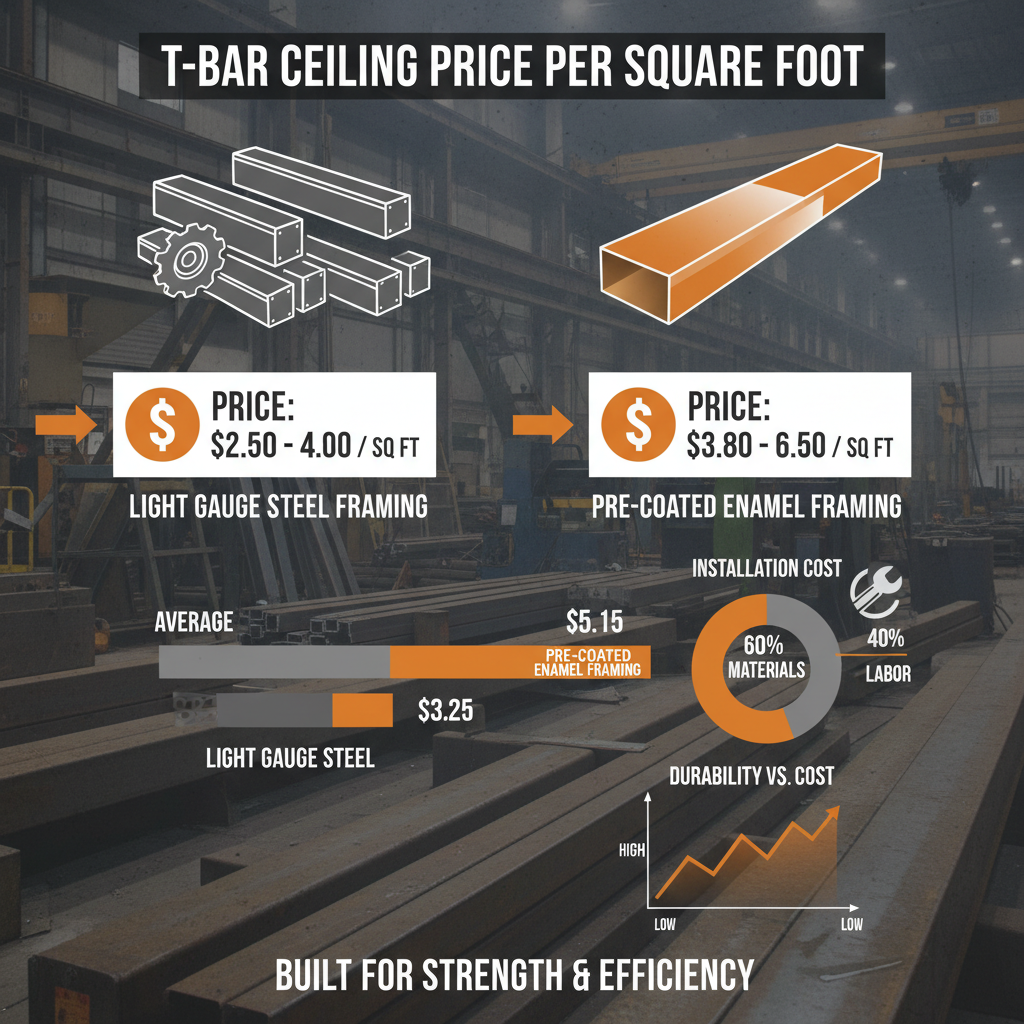
The t bar ceiling price per square foot typically falls within a range of $3 to $10, but this can fluctuate. A basic mineral fiber tile installation with a steel grid may start around $3 - $5 per square foot. Higher-end options like metal tiles or fiberglass with enhanced acoustic properties can push the price to $7 - $10 or even higher. Labor costs often represent a significant portion of the overall expense, varying by location and contractor expertise.
Price Breakdown (Approximate):
• Basic Mineral Fiber Tile & Steel Grid: $3 - $5 per sq ft
• Fiberglass Tile & Aluminum Grid: $5 - $7 per sq ft
• Metal Tile & Specialized Grid: $7 - $10+ per sq ft
Different ceiling tile materials come with varying price points and advantages. Mineral fiber tiles are the most economical option, offering good sound absorption but lower moisture resistance. Fiberglass tiles provide excellent acoustic performance and are more resistant to moisture, but are typically more expensive. Metal tiles offer a sleek, modern aesthetic and are highly durable, but represent the highest cost. The grid material also impacts pricing; aluminum is lighter and more corrosion-resistant but pricier than steel. Choosing the right combination of materials depends on your budget, aesthetic preferences, and functional requirements.
Beyond the direct cost of materials and labor, several hidden costs can impact your budget. These include demolition of existing ceilings, electrical work (relocating lights or adding new fixtures), and potential repairs to the underlying structure. Permits may be required, depending on your location, adding to the overall expense. It's crucial to discuss these potential costs with your contractor during the initial consultation to avoid surprises.
To obtain an accurate t bar ceiling price per square foot, it's essential to get quotes from at least three reputable contractors. Provide them with detailed information about your project, including room dimensions, desired materials, and any specific requirements. Ask for a breakdown of all costs, including materials, labor, and any potential hidden fees. Check references, verify licensing and insurance, and choose a contractor with a proven track record of quality workmanship. Jinka IBM offers professional ceiling solutions and can provide detailed, accurate quotes for your project.
Understanding the factors that influence the t bar ceiling price per square foot and careful planning are key to a successful and budget-friendly installation. By considering materials, labor costs, and potential hidden expenses, you can make informed decisions and choose the best solution for your needs.
Installation time varies depending on the size and complexity of the project. A small room (e.g., a bathroom) might take a day or two, while a larger commercial space could take several days or even weeks. Factors like the need to relocate electrical fixtures or deal with obstructions will also extend the timeline. It's best to discuss a realistic schedule with your contractor during the quoting process.
While it's technically possible for a skilled DIY enthusiast to install a t-bar ceiling, it’s generally recommended to hire a professional. Correct installation is crucial for the ceiling's structural integrity, acoustic performance, and fire safety. Incorrectly installed grids or tiles can lead to sagging, noise issues, or even safety hazards.
T-bar ceilings generally require minimal maintenance. Occasional cleaning with a soft brush or vacuum cleaner can remove dust and debris. Replace any damaged or stained tiles promptly to maintain the ceiling's appearance and performance. Regular inspections can help identify potential issues early on.
Steel grids are more affordable but can be prone to corrosion in humid environments. Aluminum grids are more expensive but offer superior corrosion resistance and are lighter, making installation easier. The choice depends on the environment and budget. Aluminum is generally preferred for kitchens, bathrooms, and other areas with high moisture levels.