Hit enter to search or ESC to close
November 14, 2025
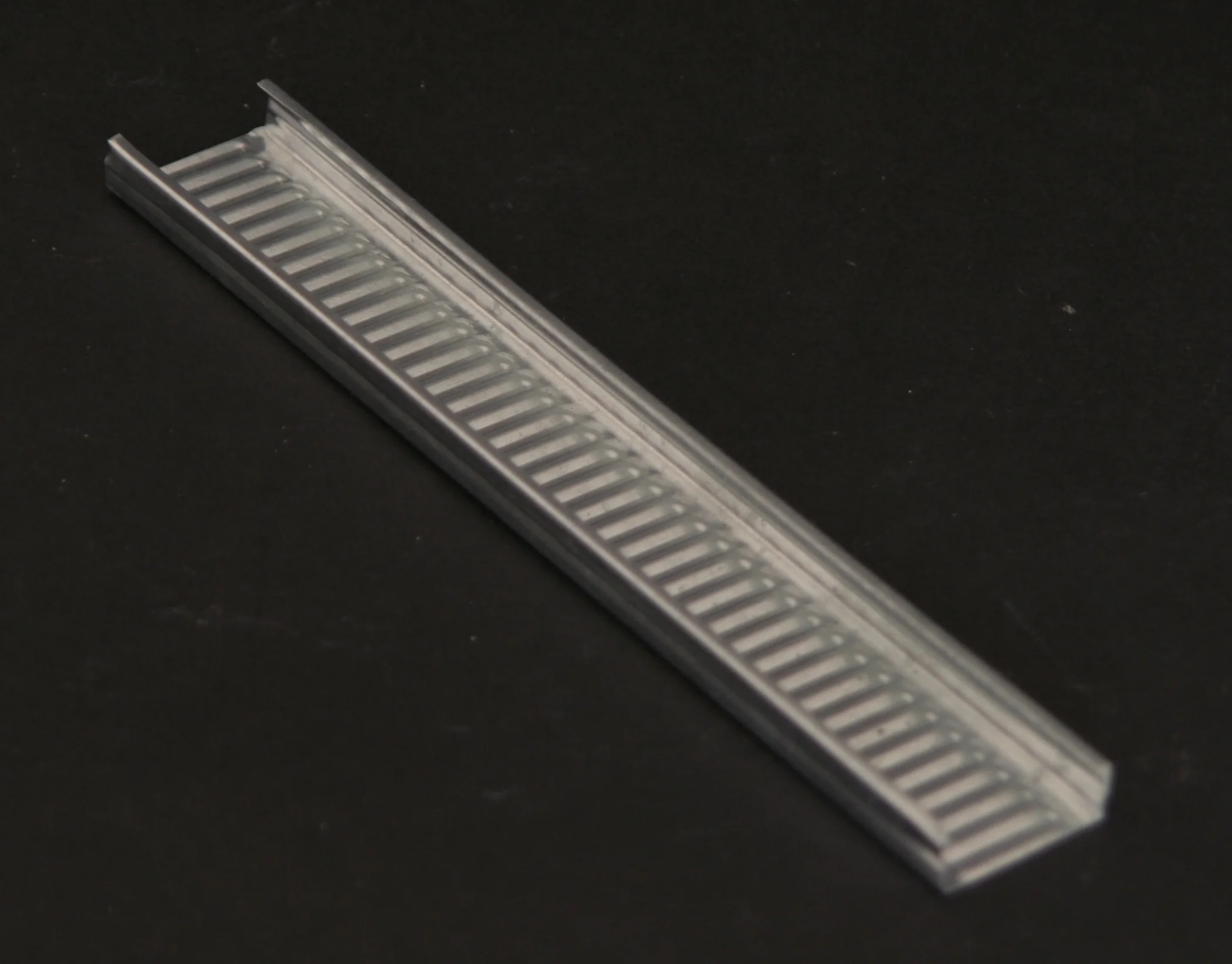
In the evolving landscape of modern architecture and interior design, lighting has transcended its utilitarian function to become a pivotal element of aesthetic expression and spatial perception. At the forefront of this revolution stands the drywall LED profile – a sophisticated, integrated lighting solution that seamlessly merges illumination with structural elements. No longer content with conspicuous fixtures, designers and homeowners alike are gravitating towards lighting that appears to emanate directly from walls and ceilings, creating an unparalleled sense of fluidity and elegance. These profiles, often crafted from high-grade aluminum, are meticulously designed to be embedded within drywall, offering a clean, trimless finish that is virtually indistinguishable from the surrounding surface.
The impact of this innovation extends far beyond mere aesthetics. It represents a paradigm shift in how we conceive and interact with illuminated spaces. Traditional lighting often casts harsh shadows or creates visual clutter, detracting from a minimalist design ethos. In contrast, integrated LED profiles provide a soft, diffused glow that enhances architectural features, defines spatial boundaries, and elevates the overall ambiance of any environment. This growing preference is reflected in market trends; recent analyses indicate that the global architectural lighting market, projected to exceed $25 billion by 2028, is increasingly driven by demand for integrated and concealed lighting solutions. Specific segments, such as linear LED lighting, are witnessing compound annual growth rates of over 10%, with drywall integration being a significant factor. This surge is fueled by both the energy efficiency inherent in LED technology and the profound design flexibility offered by these discreet profiles. By removing visible light sources and allowing light to become an architectural element itself, drywall LED profiles are not just illuminating spaces; they are redefining them, offering a glimpse into the future of integrated design.
Beyond their aesthetic appeal, drywall LED profiles are a testament to meticulous engineering, offering a suite of technical advantages that ensure both superior performance and longevity. The core of their design often lies in extruded aluminum, a material chosen for its exceptional thermal conductivity. This is crucial for LED strips, which, despite their energy efficiency, generate heat that can degrade their performance and shorten their lifespan if not properly managed. The aluminum acts as an effective heat sink, dissipating thermal energy away from the LED chips, thereby preserving their luminous flux and chromatic stability over time. This translates to an extended operational life for the LED strips, often reaching 50,000 hours or more, significantly reducing maintenance and replacement costs.
Furthermore, these profiles are typically paired with high-quality diffusers, predominantly made from polycarbonate (PC). These diffusers serve a dual purpose: they protect the delicate LED strips from dust, moisture, and physical impact, and more importantly, they uniformly distribute light. Unlike bare LED strips that can produce noticeable hotspots and glare, the frosted or opal PC diffusers ensure a smooth, continuous line of light, eliminating visual distractions and creating a more comfortable visual environment. The precise engineering also extends to their installation mechanisms, featuring various mounting options such as recessed flanges, trimless edges, and spring clips that facilitate a clean, flush fit within drywall or plaster. Many profiles are designed with internal channels for easy wire management, ensuring a tidy and professional installation. The robust construction, often treated with an anodized finish, provides resistance against corrosion and scratches, making these profiles suitable for a wide array of interior applications, from dry residential spaces to more demanding commercial environments. Their inherent adaptability to different LED strip widths and configurations underscores their technical versatility, allowing for bespoke lighting solutions tailored to specific illumination requirements.
The market for integrated LED lighting solutions, particularly drywall LED profiles, is characterized by a diverse range of manufacturers, each bringing unique strengths in terms of material science, design innovation, and production capabilities. Navigating this landscape requires a keen understanding of key differentiators to ensure the selection of a product that aligns perfectly with project requirements and budget constraints. While many manufacturers offer standard aluminum profiles, the true distinction often lies in the quality of extrusion, the consistency of anodization, the precision of accessory components, and the breadth of their product lines.
Consider the varying approaches to material sourcing and manufacturing tolerances. Premium manufacturers might use higher purity aluminum alloys and tighter extrusion tolerances, leading to straighter profiles with smoother finishes, which is critical for seamless integration into drywall. Similarly, the quality of PC diffusers varies, with superior options offering better light transmission and color stability over time, resisting yellowing. Ease of installation is another significant factor, with some manufacturers designing ingenious clip systems or pre-drilled holes that drastically cut down installation time and complexity. Warranty and technical support also play a crucial role, particularly for large-scale commercial projects where reliability and post-purchase assistance are paramount. To illustrate these differences, a comparative overview of hypothetical manufacturers highlights key areas of distinction:
Feature | LumenaTech (Premium) | IntegrateLight (Mid-Range) | ProLine Illumination (Value) |
Material Quality | High-purity 6063 T5 Aluminum, superior anodization. | Standard 6063 Aluminum, good anodization. | Standard Aluminum, basic anodization. |
Finish Options | Extensive: Silver, Black, White, Custom Powder Coating. | Limited: Silver, Black. | Basic: Silver. |
Diffuser Quality | Premium UV-resistant PC, 90%+ light transmission, no yellowing. | Standard PC, 85% light transmission, minor yellowing over time. | Basic PC, 80% light transmission, noticeable yellowing. |
Ease of Installation | Innovative snap-in clips, precision-engineered for trimless finish. | Standard mounting clips, requires careful alignment. | Basic screw-in method, may require filler for trimless look. |
Customization Scope | Full spectrum: custom lengths, finishes, specialized profiles. | Moderate: standard lengths, some color options. | Limited: standard lengths only. |
Warranty (Profiles) | 10 Years | 5 Years | 2 Years |
Price Range | $$$ (Higher initial investment) | $$ (Balanced cost and quality) | $ (Budget-friendly) |
This comparison underscores that while all manufacturers aim to provide lighting solutions, the level of refinement, durability, and aesthetic integration varies significantly, impacting both the initial project cost and the long-term value delivered.
The true power of drywall LED profiles in modern design lies not just in their inherent integration but in the unparalleled level of customization they offer. This adaptability allows architects and designers to break free from the constraints of standard fixtures, crafting lighting solutions that are precisely tailored to the unique dimensions, aesthetic vision, and functional requirements of any space. Customization begins with the most fundamental aspect: length. While standard lengths are readily available, many manufacturers provide cutting services to achieve exact measurements, minimizing waste and ensuring a perfect fit for intricate architectural details, long linear runs, or specific corner solutions. This precision is vital for achieving the seamless, trimless effect that these profiles are renowned for.
Beyond length, the choice of finish dramatically impacts the final look. While anodized silver is a classic, options such as matte black, pristine white, or even custom powder-coated colors can be specified to either blend invisibly with dark ceilings or create a deliberate design statement against a contrasting surface. The diffuser selection is another critical customization point. Opal diffusers provide maximum light diffusion and a virtually hotspot-free appearance, ideal for general illumination. Frosted diffusers offer a slightly more focused beam with reduced glare, suitable for task lighting. Clear diffusers, while showing individual LED points, provide the highest light transmission, often chosen for ambient backlighting where the light source itself is less visible. Furthermore, the shape and mounting style of the profile offer extensive design flexibility. Recessed profiles create the most integrated look, while corner profiles are perfect for subtle cove lighting or accentuating architectural edges. Surface-mounted options, though less concealed, provide a clean linear aesthetic for spaces where recessing is not feasible.
The integration of advanced control systems further enhances customization. Drywall LED profiles can be paired with dimmable LED strips, tunable white LEDs to adjust color temperature from warm to cool, or even RGBW strips for dynamic color-changing effects. These can be controlled via smart home systems, DMX, or standard wall dimmers, offering unparalleled control over the mood and functionality of a space. This granular level of customization, from the physical attributes of the profile to the dynamic behavior of the light, empowers designers to transform mere spaces into captivating, personalized environments that respond to human needs and desires.
The versatility of drywall LED profiles extends their utility far beyond basic illumination, transforming them into fundamental tools for enhancing functionality, aesthetics, and user experience across a myriad of applications. In residential settings, they are indispensable for creating sophisticated lighting schemes. Imagine a kitchen bathed in the soft glow of integrated under-cabinet lighting, eliminating shadows and highlighting countertops, or a living room where discreet cove lighting subtly washes the ceiling, expanding the perceived space and creating an inviting atmosphere. In bedrooms, they can provide ambient lighting behind headboards or along baseboards, offering a gentle guide in the dark without harsh glare. Their trimless design is particularly effective in minimalist interiors, allowing the architecture to speak for itself while light thoughtfully defines and accentuates.
Commercially, the impact is even more pronounced. In office environments, recessed profiles provide uniform, glare-free general illumination, crucial for productivity and visual comfort. They can also be used to define pathways, delineate collaborative zones, or provide focused task lighting in workstations. Retail spaces benefit immensely from their ability to create dramatic visual merchandising. Integrated into shelving, display cases, or ceiling perimeters, they highlight products, draw customer attention, and enhance brand aesthetics. The hospitality sector, including hotels and restaurants, leverages these profiles to craft luxurious and welcoming ambiances in lobbies, corridors, and guest rooms, often employing tunable white or RGBW options to adjust the mood throughout the day. In healthcare facilities, where sterile environments and precise lighting are paramount, integrated profiles offer clean lines and consistent light output without dust-collecting crevices, contributing to both hygiene and patient comfort.
Even specialized applications such as art galleries and museums utilize these profiles to illuminate artworks with precision, minimizing shadows and reflections while ensuring even light distribution that brings out the vibrancy of each piece. Their ability to deliver light exactly where needed, coupled with their discreet presence, allows the focus to remain on the illuminated object or space itself. The cumulative impact across these diverse sectors underscores that drywall LED profiles are not merely lighting fixtures; they are integral architectural components that elevate the design, functionality, and emotional resonance of any environment they inhabit.
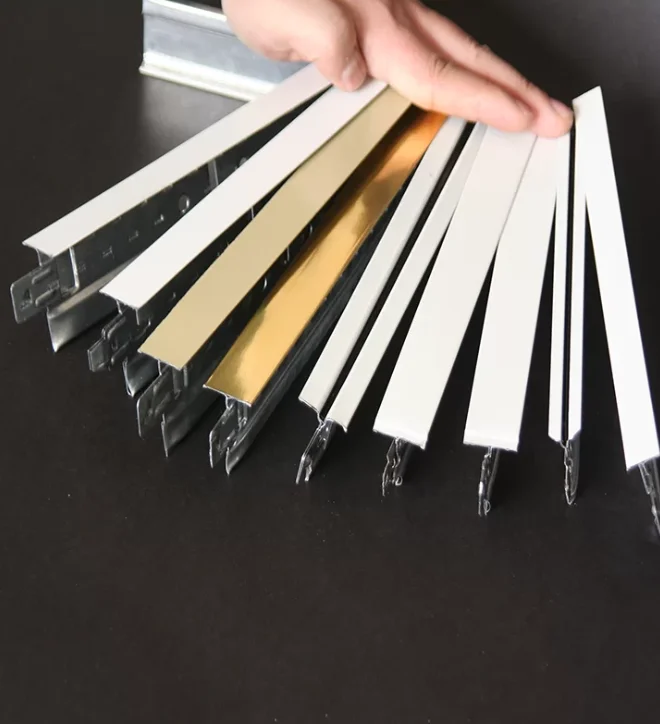
Achieving the full potential of drywall LED profiles necessitates a strategic approach to both selection and installation. The journey begins with a thorough evaluation of the project's specific requirements. Consider the desired light output and color temperature: will it be primary illumination, accent lighting, or mood setting? This will dictate the appropriate LED strip and corresponding profile size for effective heat management. The environment itself is crucial; for areas with potential moisture exposure, such as bathrooms or exterior soffits, profiles with higher IP ratings (e.g., IP44, IP65) are essential to protect the LED strips from ingress. The aesthetic goal is equally important: does the design call for a truly trimless, flush-mount appearance, or is a visible flange acceptable? This will guide the choice between different profile types and their respective mounting methods.
When selecting the profile, prioritize quality. Opt for profiles made from high-grade aluminum for superior heat dissipation and durability. A consistent, smooth finish, whether anodized or powder-coated, is indicative of a well-manufactured product and will ensure a refined final look. Pay close attention to the diffuser material; high-quality polycarbonate resists yellowing and maintains light transmission over time. Ensure compatibility between the chosen LED strip and the profile: the strip's width must fit comfortably within the profile's channel, and its heat output should not exceed the profile's heat sinking capacity. While the profile itself is a passive component, its ability to manage heat directly impacts the LED strip's longevity and performance.
Professional installation is paramount for achieving the seamless, integrated look. Precise measurements and clean cuts of both the drywall and the profile are critical. For trimless profiles, careful plastering and sanding around the edges are required to blend the profile seamlessly into the wall or ceiling surface. Proper wiring, ensuring secure connections and appropriate power supplies, is essential for safety and optimal operation. Installers must also consider access for future maintenance, although the extended lifespan of LEDs within well-designed profiles significantly reduces this need. By making informed choices during selection and adhering to best practices during installation, stakeholders can unlock the maximum value and aesthetic impact that these advanced lighting solutions offer, ensuring long-term satisfaction and performance.
The journey through the world of integrated lighting culminates in the profound realization that drywall LED profiles are more than just components; they are architectural enablers. They represent a harmonious convergence of cutting-edge technology, sophisticated design, and practical functionality, setting a new standard for how we illuminate and perceive our built environments. From their inherent ability to seamlessly disappear into surfaces, creating an illusion of light emanating from nowhere, to their robust technical advantages ensuring longevity and superior performance, these profiles are redefining modern lighting aesthetics.
The deep dive into manufacturer comparisons, customization capabilities, and diverse application cases underscores their unparalleled versatility. Whether crafting an intimate residential ambiance, a dynamic commercial space, or a specialized gallery setting, drywall LED profiles offer a solution that is both elegant and efficient. They empower designers to transcend conventional lighting constraints, allowing light to become an integral, fluid element of the architecture itself, rather than a mere add-on. As the demand for minimalist, energy-efficient, and highly customizable lighting continues to grow, these profiles stand out as a foundational technology, pushing the boundaries of interior and architectural design. Their impact is not merely about brightness; it's about shaping experiences, enhancing perceptions, and ultimately, elevating the quality of every space they illuminate. Investing in carefully selected and professionally installed drywall LED profiles is an investment in the future of design – a future where light is not just seen, but felt, experienced, and seamlessly integrated into the very fabric of our surroundings.
A1: Drywall LED profiles are specialized aluminum channels designed to house LED strips. They are engineered to be recessed or flushed into drywall or plasterboard, creating a seamless, trimless, and integrated lighting effect where the light source itself is concealed.
A2: The primary advantages are aesthetic integration and enhanced performance. They offer a clean, modern look by concealing the LED strip and wiring, provide superior heat dissipation for longer LED lifespan, and come with diffusers for uniform, glare-free light.
A3: Installation requires precision, as it involves cutting into drywall and careful plastering to achieve a seamless finish. While experienced DIYers might manage, professional installation is often recommended to ensure optimal integration and a flawless aesthetic.
A4: Yes, they can be used in most rooms. For areas with moisture like bathrooms or outdoor applications, it's crucial to select profiles with an appropriate IP (Ingress Protection) rating (e.g., IP44, IP65) to protect the LED strip from water and humidity.
A5: Most standard 12V or 24V LED strips are compatible, provided their width fits within the profile's channel. It's important to match the LED strip's power and heat output with the profile's heat dissipation capabilities for optimal performance and longevity.
A6: Yes, while anodized silver is common, many manufacturers offer options like matte black, white, or custom powder-coated finishes to match or complement specific interior designs.
A7: Drywall LED profiles significantly improve light quality through their diffusers (often opal or frosted polycarbonate). These diffusers spread the light evenly, eliminate hotspots, and reduce glare, resulting in a smooth, continuous line of light that is more comfortable and aesthetically pleasing.
A8: Yes, aluminum profiles can be cut to custom lengths using appropriate tools. Many suppliers also offer cutting services to provide precise lengths for specific project requirements.