Hit enter to search or ESC to close
November 14, 2025
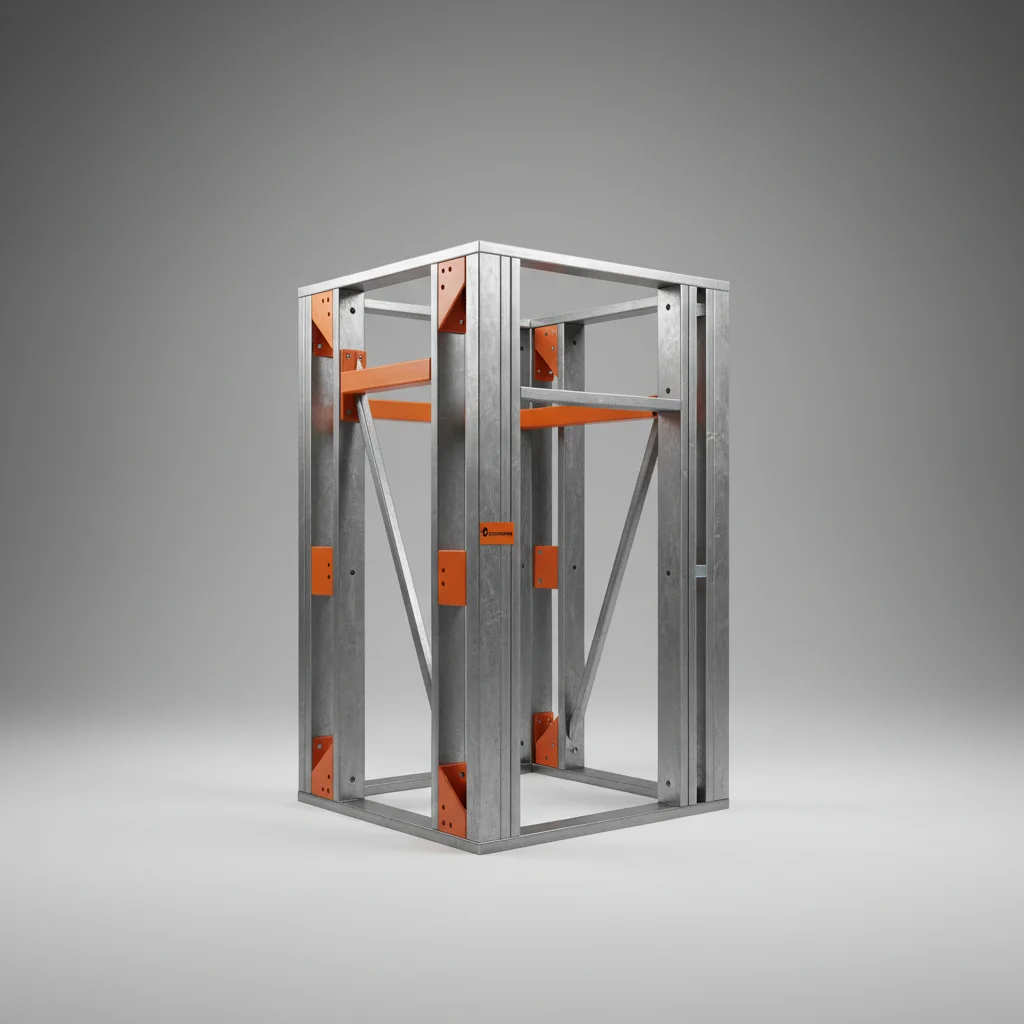
In the evolving landscape of contemporary architecture and construction, the unsung hero underpinning the aesthetic and structural integrity of countless interiors is often the humble yet sophisticated metal profile for plasterboard. Far from being mere ancillary components, these precisely engineered elements form the foundational skeleton for gypsum board systems, defining internal spaces, supporting finishes, and housing essential services. Their widespread adoption is not accidental; it’s a testament to their unparalleled versatility, structural prowess, and the efficiency they bring to projects ranging from high-rise residential towers to intricate commercial fit-outs. The choice of appropriate profiles directly influences a project’s durability, acoustic performance, fire resistance, and even its long-term maintenance costs. For instance, studies indicate that well-specified metal framing can reduce plasterboard installation time by up to 15% and significantly extend the lifespan of interior wall and ceiling systems. This initial investment in quality profiles translates into substantial savings on labor and materials during construction, alongside minimized repair and renovation expenditures over the building's operational life. As we delve deeper, it becomes clear that understanding the nuances of these profiles is critical for anyone involved in crafting robust, resilient, and aesthetically pleasing indoor environments. This exploration will uncover the technical superiority, quantifiable benefits, and strategic considerations involved in selecting and implementing the optimal metal profile for plasterboard, ensuring projects not only meet but exceed contemporary building standards and client expectations.
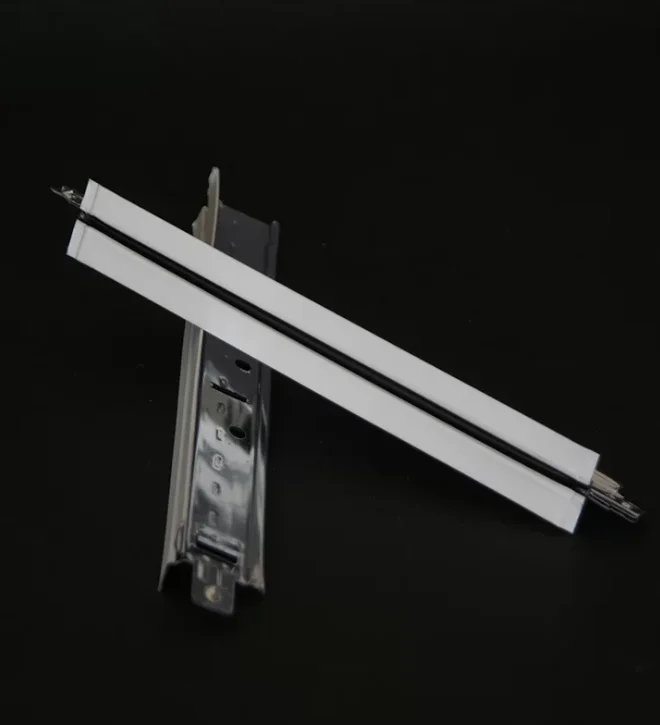
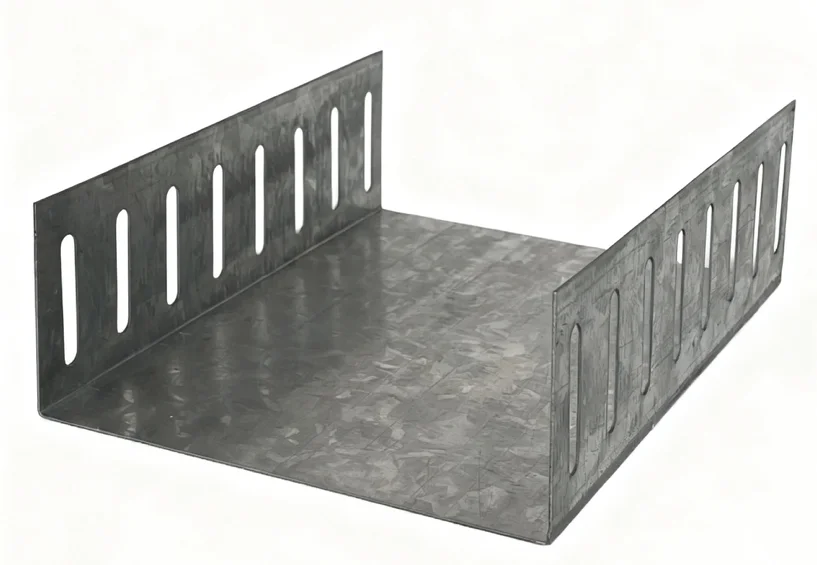
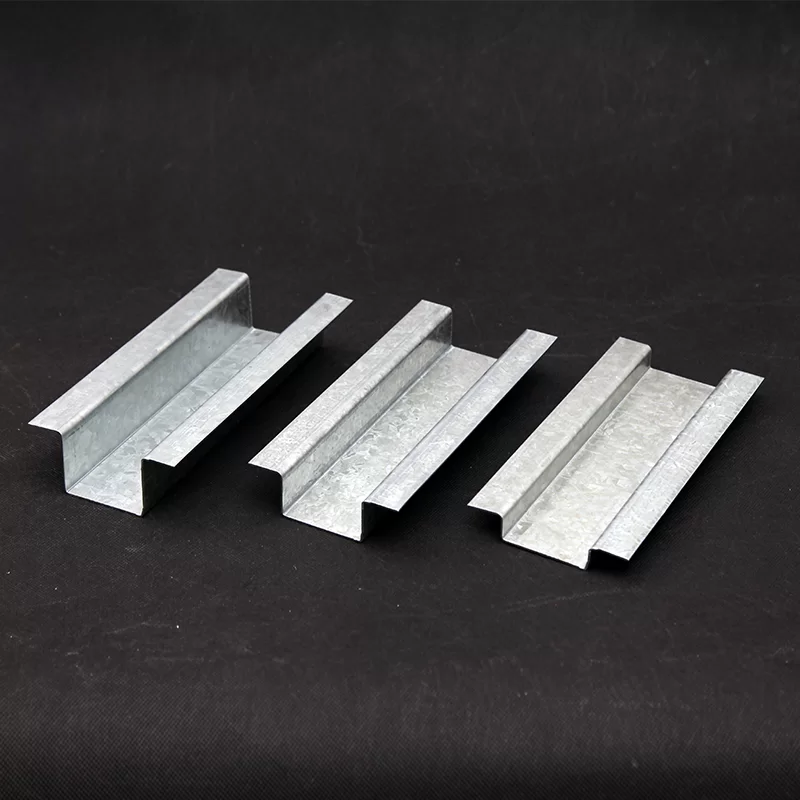
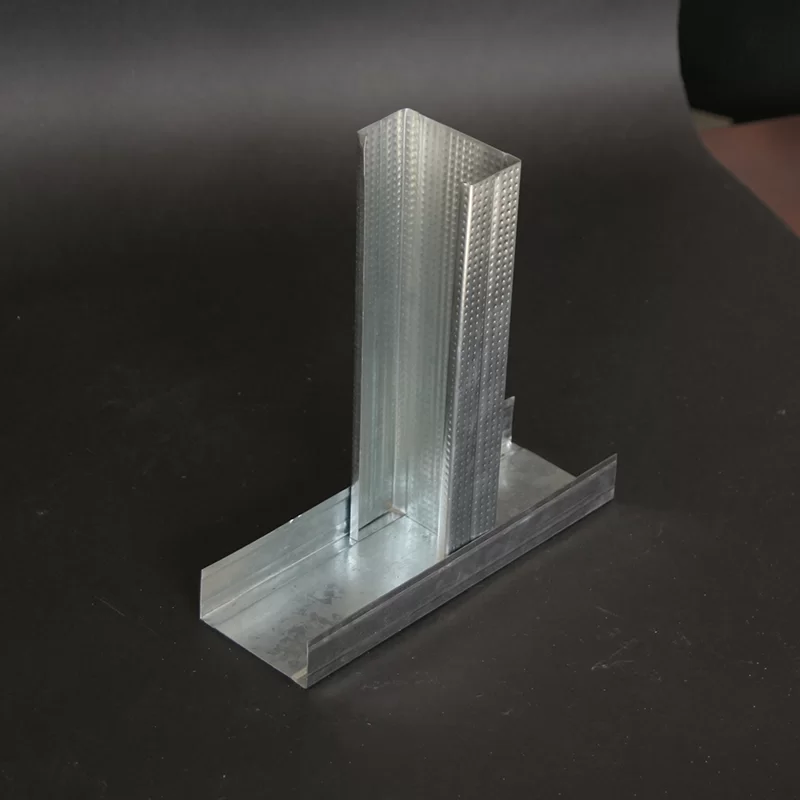
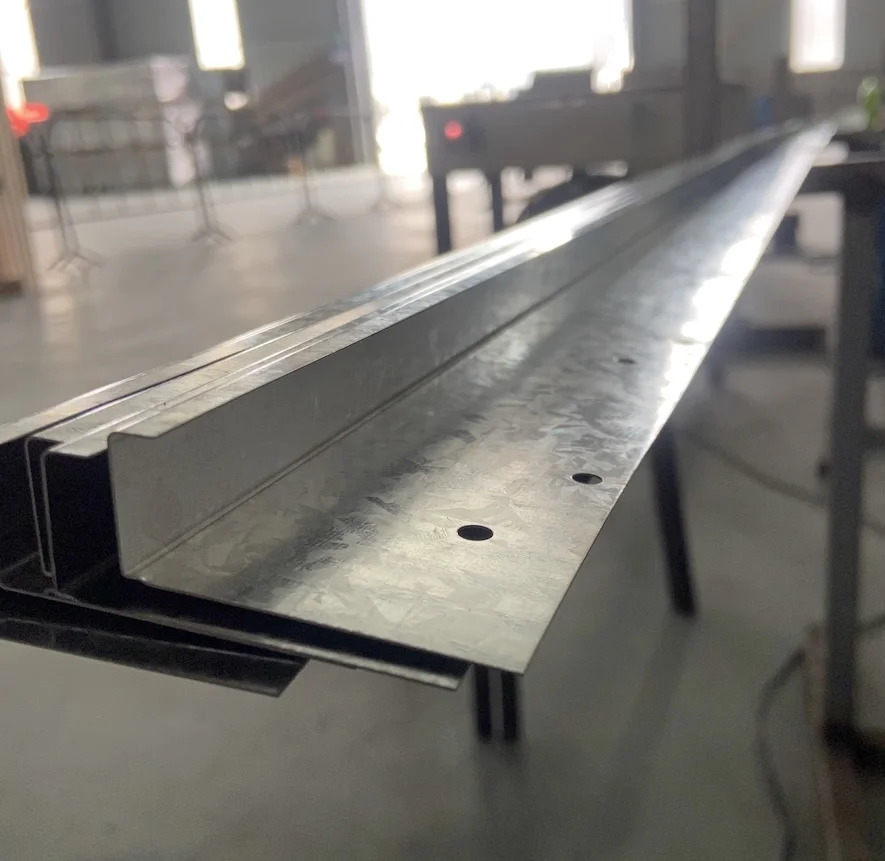
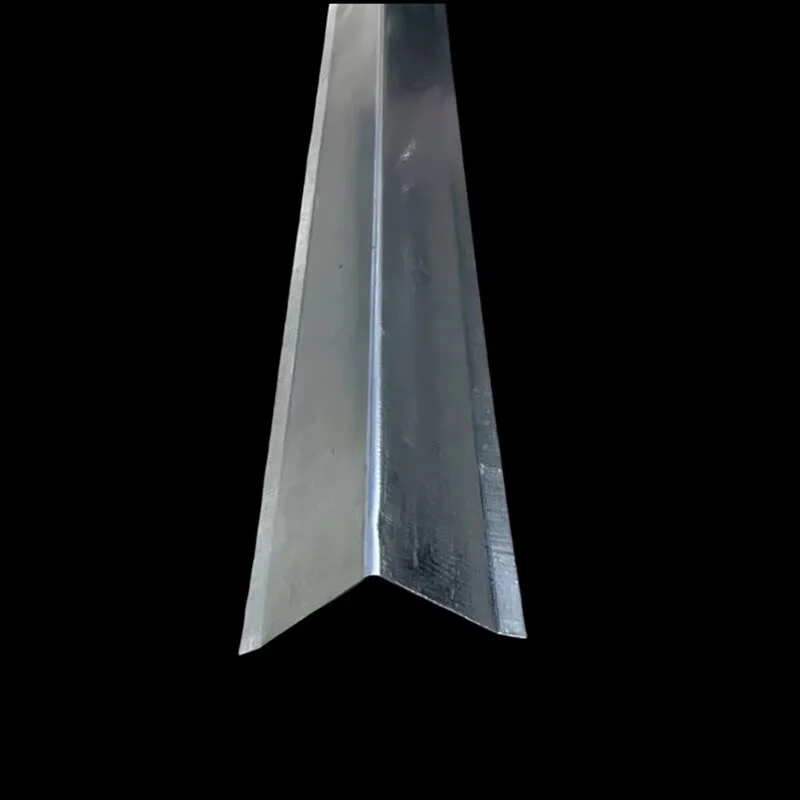
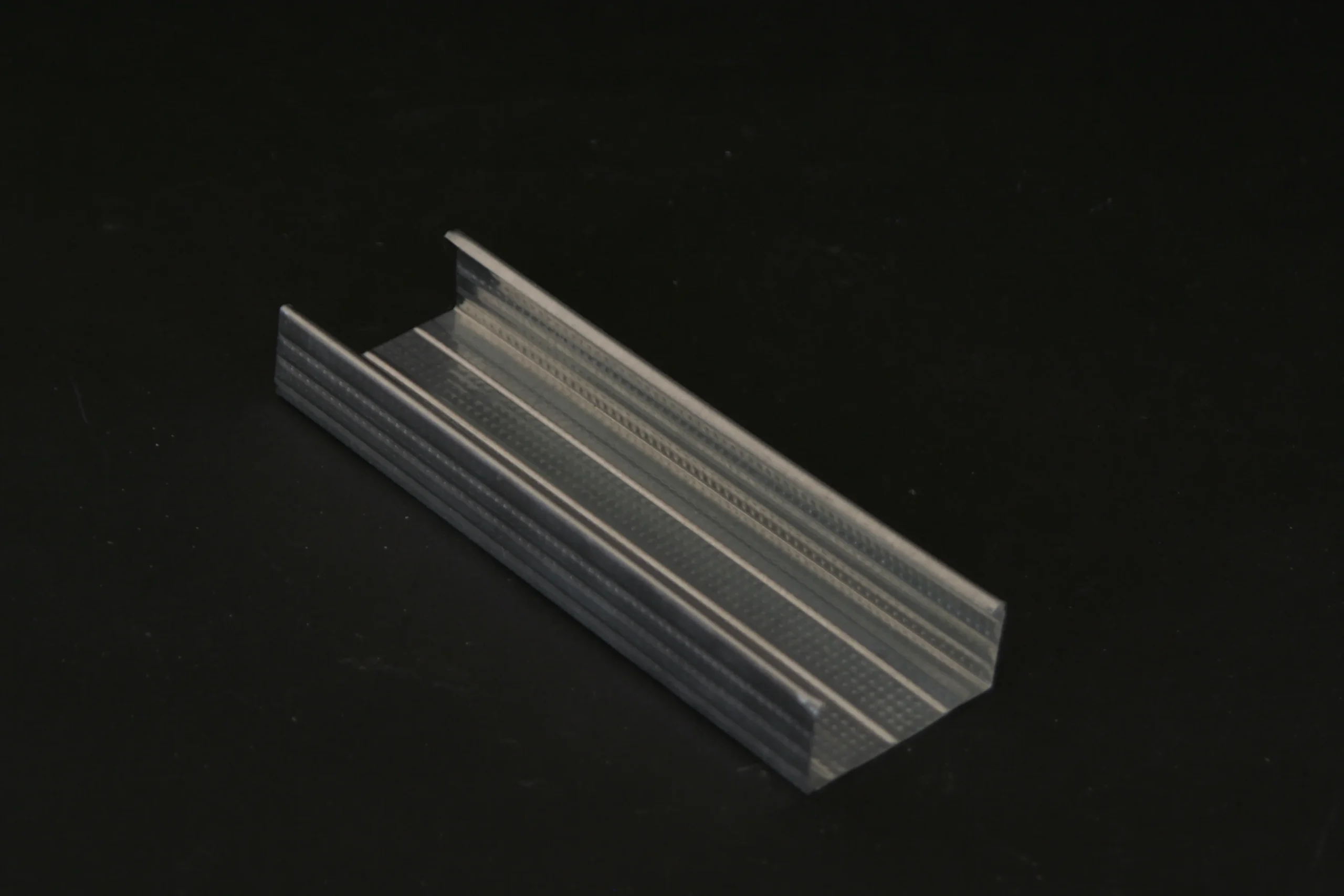
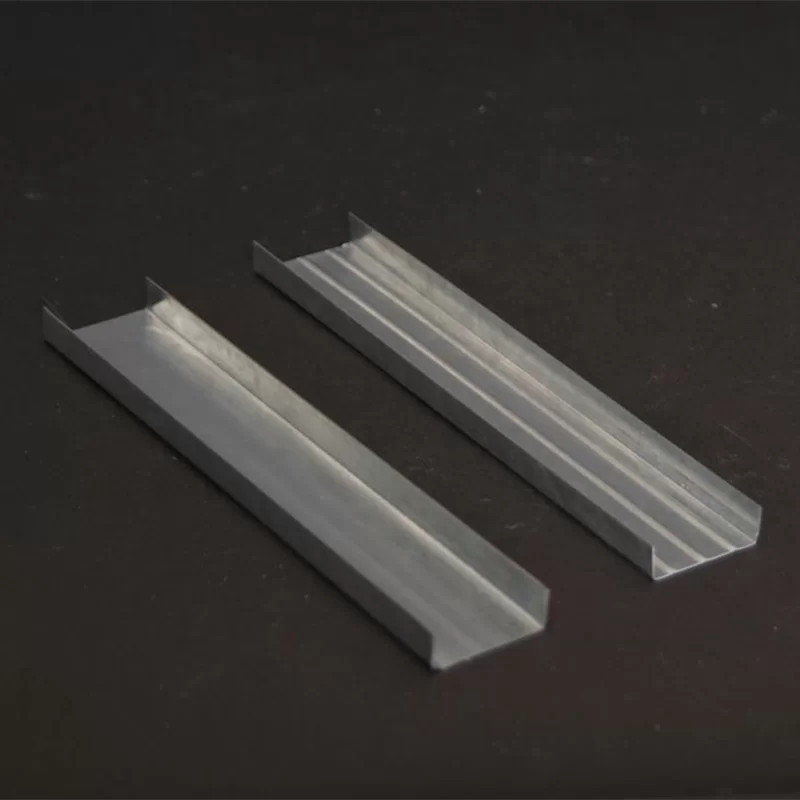
The core strength and longevity of any plasterboard system hinge critically on the engineering and material science behind its metal profiles. Typically fabricated from galvanized steel, these profiles boast exceptional resistance to corrosion, a vital attribute given their often concealed placement within walls and ceilings where moisture can pose a threat. The galvanization process, involving a protective zinc coating, acts as a sacrificial layer, preventing rust and preserving the structural integrity of the frame for decades. Beyond corrosion resistance, the inherent strength-to-weight ratio of cold-formed steel is a significant technical advantage. Unlike traditional timber framing, steel profiles offer consistent dimensions, freedom from warping, shrinking, or twisting, and are impervious to pests like termites. This dimensional stability ensures perfectly flat and plumb surfaces, which are crucial for achieving high-quality plasterboard finishes without unsightly imperfections. Modern manufacturing techniques allow for precise roll-forming of various profile shapes—such as C-studs, U-channels, furring channels, and angled sections—each designed with specific load-bearing capacities and functional applications. For example, C-studs feature stiffened flanges for enhanced rigidity, while U-channels provide stable tracks for floor and ceiling connections. Furthermore, the design of these profiles often incorporates perforations or knock-outs, simplifying the routing of electrical conduits, plumbing, and HVAC ducts, thereby streamlining installation and reducing potential on-site modifications. The non-combustible nature of steel also contributes inherently to improved fire resistance ratings for wall and ceiling assemblies, a critical safety feature in all building types. Through continuous innovation, manufacturers are also developing profiles with enhanced acoustic dampening properties, using specialized designs or integrated resilient elements to mitigate sound transmission, transforming ordinary rooms into serene, sound-controlled environments.
The strategic deployment of high-quality metal profiles in plasterboard systems yields tangible economic and operational benefits that resonate throughout a project's lifecycle. Beyond their structural contributions, these profiles are catalysts for efficiency, driving down costs and accelerating construction timelines. Consider labor efficiency: the lightweight nature and standardized dimensions of steel profiles enable quicker, more straightforward installation compared to traditional methods. Industry data suggests that a skilled team can install steel framing up to 25% faster than conventional timber framing, significantly reducing man-hours and associated labor costs. Furthermore, the precision manufacturing of these profiles minimizes on-site waste, with typical waste reduction rates of 10-15% compared to cutting and fitting less consistent materials. This translates directly into lower material purchasing needs and reduced disposal costs, contributing to a project's green credentials. From a long-term perspective, the superior durability and stability of galvanized steel framing substantially reduce maintenance requirements. Buildings framed with quality profiles experience fewer issues related to cracking, movement, or material degradation, leading to a projected 30% decrease in repair expenditures over a 20-year period. This longevity not only preserves the aesthetic quality of the interior but also safeguards the property owner’s investment. For large-scale developments, the predictability of steel profile performance and supply chain reliability minimizes project delays, mitigating costly penalties and accelerating occupancy. Moreover, the enhanced fire resistance and acoustic properties inherent in many modern metal framing systems can lead to lower insurance premiums and higher property valuations, adding another layer of economic benefit for developers and end-users alike. These quantifiable advantages underscore why investing in advanced metal profiles is a shrewd financial decision, delivering both immediate savings and enduring value.
The market for metal profiles is diverse, populated by numerous manufacturers each offering a range of products designed to meet various building codes, performance specifications, and budgetary constraints. Making an informed choice requires a keen understanding of key differences in material quality, design innovation, and adherence to industry standards. A direct comparison reveals significant distinctions. For instance, while most standard profiles meet basic structural requirements, premium manufacturers often utilize higher-grade galvanized steel with thicker zinc coatings (e.g., Z350 compared to Z275), offering superior corrosion resistance and extended warranties. Some specialize in profiles engineered for enhanced acoustic performance, incorporating unique dampening strips or geometries that achieve higher Sound Transmission Class (STC) ratings. Conversely, economy-focused manufacturers might provide more basic profiles with thinner gauges and standard coatings, suitable for projects where cost is the primary driver and extreme durability is not paramount. Understanding the nuances of steel gauge is also crucial: a 0.50mm gauge might suffice for non-load-bearing partitions, whereas a 0.70mm or thicker gauge is imperative for robust load-bearing walls or ceiling systems supporting significant weight. Compliance with international standards such as ASTM C645 in North America or BS EN 14195 in Europe ensures a baseline of quality and performance, but certain manufacturers may exceed these with proprietary testing and certifications. The table below illustrates a comparative snapshot, highlighting typical variations one might encounter when evaluating options in the market:
Feature | Manufacturer A (Standard) | Manufacturer B (Premium) | Manufacturer C (Eco-Friendly) |
Material | Galvanized Steel | High-Tensile Galv. Steel | Recycled Galv. Steel |
Steel Gauge | 0.50mm - 0.70mm | 0.55mm - 0.80mm | 0.45mm - 0.65mm |
Coating Type | Z275 (275g/m² Zinc) | Z350 (350g/m² Zinc) | Z200 (200g/m² Zinc) |
Standard Compliance | ASTM C645, BS EN 14195 | ASTM C645, BS EN 14195 | ASTM C645, EN 14195 |
Fire Rating (typical) | Up to 60 mins (standard) | Up to 120 mins (specific systems) | Up to 60 mins (standard) |
Sound Insulation | Standard Acoustic Performance | Enhanced Acoustic Performance | Standard Acoustic Performance |
Typical Price Range | $ (Economy) | $$$ (Premium) | $$ (Mid-range) |
Key Feature/Benefit | Versatile, cost-effective for general use | Superior strength, longevity, highest performance | Sustainable choice, lightweight for specific applications |
Warranty | 10 years | 25 years | 15 years |
This comparative overview highlights the importance of aligning product specifications with project requirements, balancing performance, budget, and desired longevity.
In a world where architectural innovation constantly pushes boundaries, standard metal profiles, while highly effective, often require customization to realize truly unique design visions or overcome specific on-site challenges. The flexibility inherent in steel fabrication allows for an impressive array of tailored solutions, transforming conventional framing into bespoke structural artistry. Architects and designers frequently encounter projects demanding curved walls, vaulted ceilings, or intricate geometric patterns that standard straight profiles simply cannot achieve. In such scenarios, manufacturers can provide custom-bent or pre-formed profiles, meticulously shaped to precise radii, allowing for seamless execution of complex curves and arcs. This capability is invaluable in creating dynamic, flowing interiors for lobbies, art galleries, or luxury residences, where every line and surface contributes to the overall aesthetic experience. Beyond shape, customization extends to specific lengths, minimizing waste and optimizing installation time for unusual ceiling heights or partition spans. Specialized perforations can be pre-punched into profiles, aligning perfectly with complex service routing requirements for integrated smart building technologies, advanced HVAC systems, or intricate lighting designs, eliminating the need for time-consuming and imprecise on-site modifications. Furthermore, for projects in aggressive environments (e.g., coastal regions, industrial facilities), custom coating options, such as epoxy or powder-coat finishes, can be applied to enhance corrosion resistance beyond standard galvanization. Acoustic performance can also be augmented through custom designs that incorporate specialized resilient layers or mass additions directly into the profile, achieving superior sound attenuation for recording studios, hospitals, or executive boardrooms. This ability to tailor metal profiles to exact specifications not only facilitates greater design freedom but also contributes significantly to project efficiency, reducing on-site labor, improving precision, and ultimately delivering a higher quality, more durable final product that perfectly aligns with the most ambitious architectural blueprints.
The versatility of metal profiles as the backbone of drywall systems is best illustrated through their diverse applications across various sectors, transforming blueprints into functional, aesthetically pleasing realities. In commercial office spaces, for example, metal framing is indispensable for creating flexible, reconfigurable floor plans. Lightweight steel studs allow for rapid construction of non-load-bearing partition walls, essential for adapting to evolving tenant needs or open-plan designs. Their consistent dimensions ensure seamless integration of modular office furniture and glass partition systems. A notable case involved a corporate headquarters where over 1,500 linear meters of C-studs and U-channels were deployed to create a mix of private offices, meeting rooms, and collaborative zones, achieving an impressive 18-week fit-out timeline. In healthcare facilities, the focus shifts to hygiene, sound attenuation, and fire safety. Here, specialized galvanized profiles are used for highly sterile environments, often with additional antimicrobial coatings. The non-combustible nature of steel is crucial for fire-rated corridors and patient rooms, while resilient channels help to isolate sound, ensuring patient privacy and reducing noise pollution—a critical factor in patient recovery. A recent hospital expansion utilized specific acoustic furring channels in over 300 patient rooms, achieving an STC rating of 55 for privacy between adjacent spaces. Residential high-rises also benefit immensely. The stability of metal framing prevents common issues like plasterboard cracking due to building movement, a frequent problem with timber in tall structures. Its uniform quality ensures perfectly level walls and ceilings, vital for achieving high-end finishes in luxury apartments. In a 40-story condominium project, light gauge steel framing was selected for all interior partitions, contributing to an overall 10% reduction in structural weight and faster floor-to-floor construction cycles. Even in specialized applications like sound studios or cinemas, purpose-designed profiles featuring isolation clips or resilient mounts are employed to create "room-within-a-room" constructions, achieving near-perfect soundproofing critical for their intended use. These varied examples underscore how metal profiles are not merely components but strategic solutions, enabling architects and builders to meet the unique functional and aesthetic demands of every project type.
The journey from conceptual design to a flawlessly executed interior space is profoundly influenced by the foundational choices made regarding the metal profile for plasterboard. Optimizing your investment in these critical components means looking beyond initial cost to consider long-term performance, regulatory compliance, and the overall impact on project efficiency and sustainability. A strategic selection process involves a thorough assessment of the project's specific demands: Is it a high-traffic commercial area requiring maximum durability? Is acoustic performance paramount for a healthcare facility? Are there stringent fire rating requirements for a public building? Each scenario necessitates a specific profile type, gauge, and possibly specialized coatings or designs. Prioritizing manufacturers who adhere to international standards (e.g., ASTM, EN) and provide comprehensive technical data and support is crucial. Their commitment to quality translates into reliable products that perform as expected, mitigating risks of costly repairs or structural failures down the line. Furthermore, engaging with suppliers who offer customization options can unlock significant value, allowing for precise fitments that reduce waste and accelerate installation for unique architectural features. The future of construction points towards increasingly intelligent, sustainable, and resilient buildings. The evolution of metal profiles aligns with this trajectory, with ongoing innovations in material science enhancing strength, corrosion resistance, and environmental impact. For instance, the growing availability of profiles made from recycled steel minimizes embodied carbon, contributing to greener building certifications. Therefore, making an informed decision about your metal profile for plasterboard is not just a procurement task; it is a strategic imperative that underpins the integrity, longevity, and ultimate success of any modern building project. By carefully considering all factors—from material composition and technical specifications to manufacturer reputation and long-term value—stakeholders can ensure their interior framing systems are robust, efficient, and future-proof, safeguarding their investment for decades to come.
· What are metal profiles for plasterboard primarily made of?
They are predominantly made from cold-formed galvanized steel. The galvanization process involves coating the steel with zinc to provide excellent corrosion resistance, ensuring durability and longevity.
· Why choose metal profiles over traditional timber framing for drywall?
Metal profiles offer several advantages: they are dimensionally stable (no warping, shrinking, or twisting), non-combustible, impervious to pests like termites, and generally lighter. Their consistent quality and precision manufacturing also lead to faster and more accurate installation.
· What are the main types of metal profiles used in plasterboard systems?
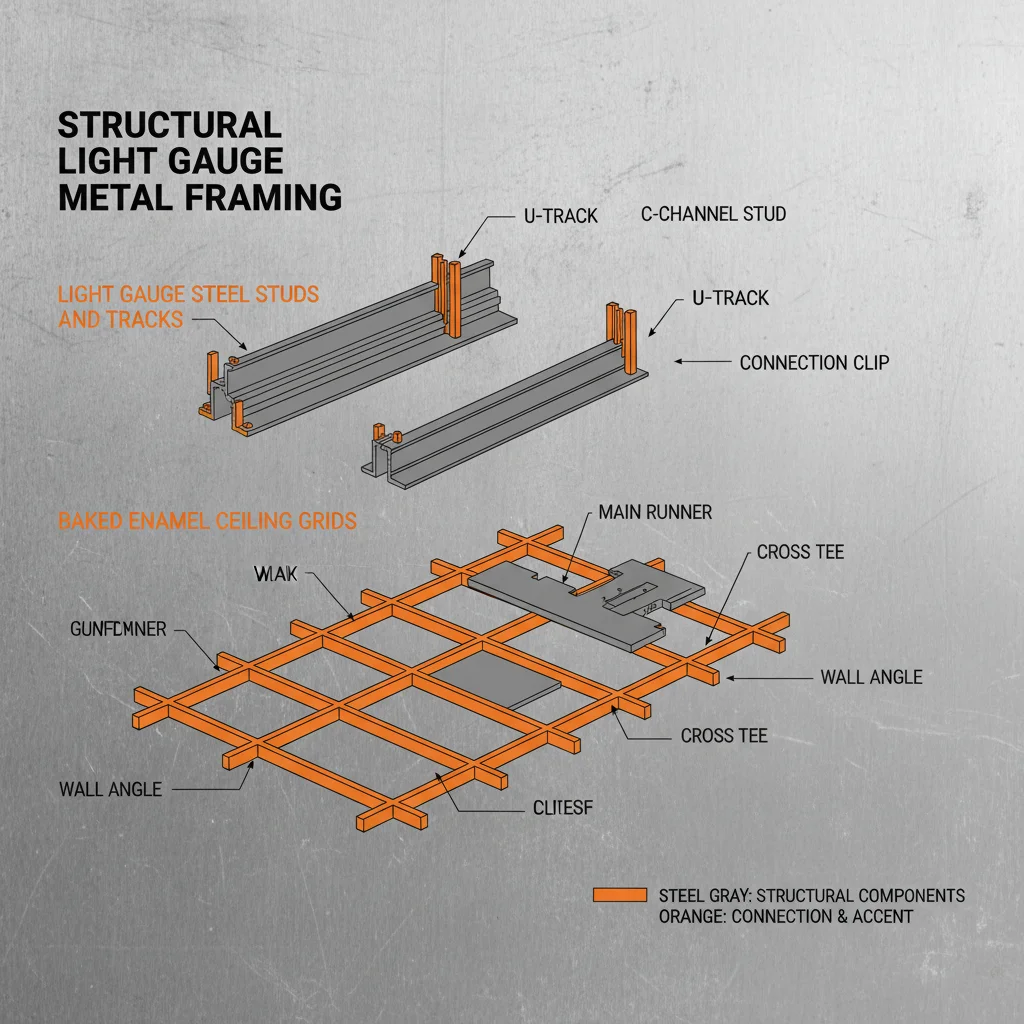
Key types include C-studs (vertical support), U-channels or tracks (horizontal top and bottom runners), furring channels (for ceilings and wall furring), and various angle sections (for corners and edges). Each serves a specific structural or support function.
· How do metal profiles contribute to fire resistance?
Steel is non-combustible. When integrated into a plasterboard system, the metal framework significantly enhances the overall fire rating of the wall or ceiling assembly by providing structural stability during a fire event, preventing collapse and containment failure for a specified duration.
· Can metal profiles improve acoustic performance?
Yes, specialized metal profiles, such as resilient channels or specific sound-dampening designs, are engineered to reduce sound transmission between rooms. They create a decoupling effect, isolating the plasterboard from the main frame and minimizing vibration transfer.
· Are metal profiles for plasterboard suitable for moist or humid environments?
Yes, due to their galvanized coating, they offer good resistance to moisture and humidity. For extremely aggressive or corrosive environments, profiles with thicker zinc coatings or additional protective layers (e.g., epoxy paint) can be specified.
· How do I determine the correct gauge of metal profile for my project?
The appropriate gauge (thickness) depends on factors such as the wall height, required load-bearing capacity, desired sound insulation, and specific building codes. Thicker gauges (e.g., 0.70mm or more) provide greater strength and rigidity, while thinner gauges (e.g., 0.50mm) are suitable for non-load-bearing partitions. Consulting engineering specifications or manufacturer guidelines is recommended.
· Is it possible to customize metal profiles for unique architectural designs?
Absolutely. Many manufacturers offer customization options including pre-bent profiles for curved walls, custom lengths to minimize waste, and specific perforations for integrating services. This flexibility allows architects to achieve complex designs while maintaining structural integrity and installation efficiency.