Hit enter to search or ESC to close
November 7, 2025
Suspended ceiling grid systems, often understated, represent a foundational element in modern architecture and interior design, offering a versatile platform for both aesthetic enhancement and crucial functional integration. Far from merely holding ceiling tiles, these intricate frameworks facilitate access to critical building services like HVAC, electrical wiring, and plumbing, while simultaneously contributing to a space's acoustic performance, fire safety, and overall visual appeal. The global market for suspended ceiling systems is experiencing robust growth, projected to reach $10.5 billion by 2027 at a CAGR of 6.2%, driven by increasing construction activities, especially in the commercial and institutional sectors. This growth underscores a rising recognition of their multi-faceted benefits, moving beyond simple utility to become integral components of intelligent building design. Understanding the distinct suspended ceiling grid types available is paramount for architects, designers, contractors, and building owners alike, as each variant offers unique characteristics regarding load-bearing capacity, aesthetic finish, installation complexity, and suitability for specific environments. From the ubiquitous exposed tee systems to the sleek, almost invisible concealed grids, the choice profoundly impacts a project's timeline, budget, and long-term functionality. This guide delves into the nuances of these systems, providing a professional exposition on their technical advantages, market landscape, customization potential, and diverse applications, ensuring an informed decision-making process for any construction endeavor.
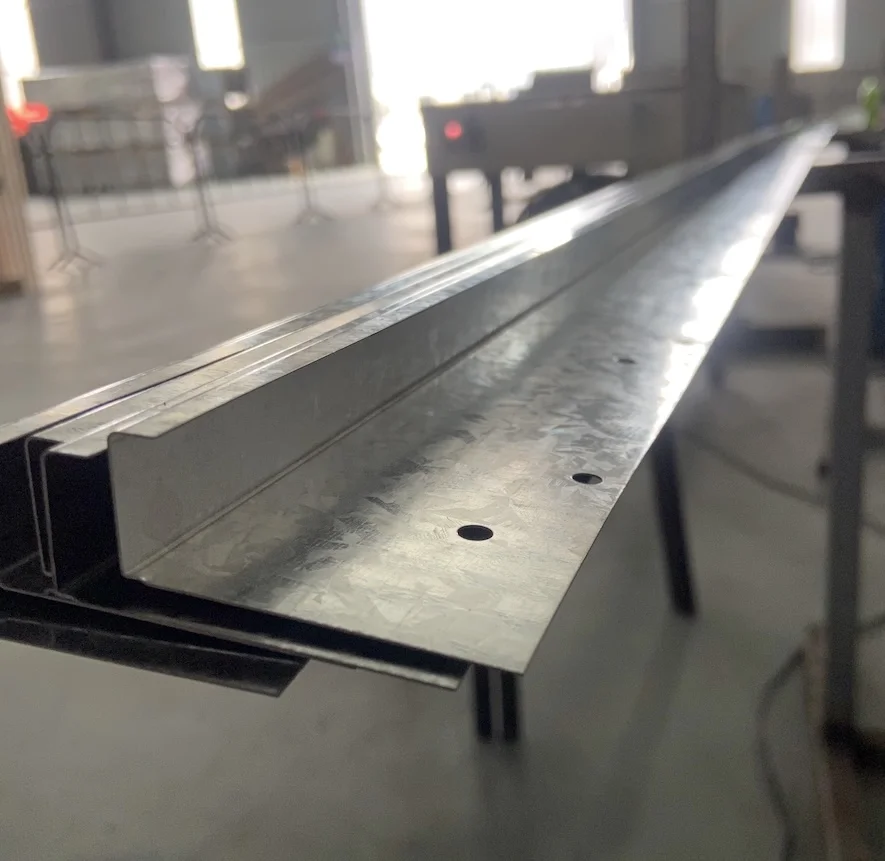
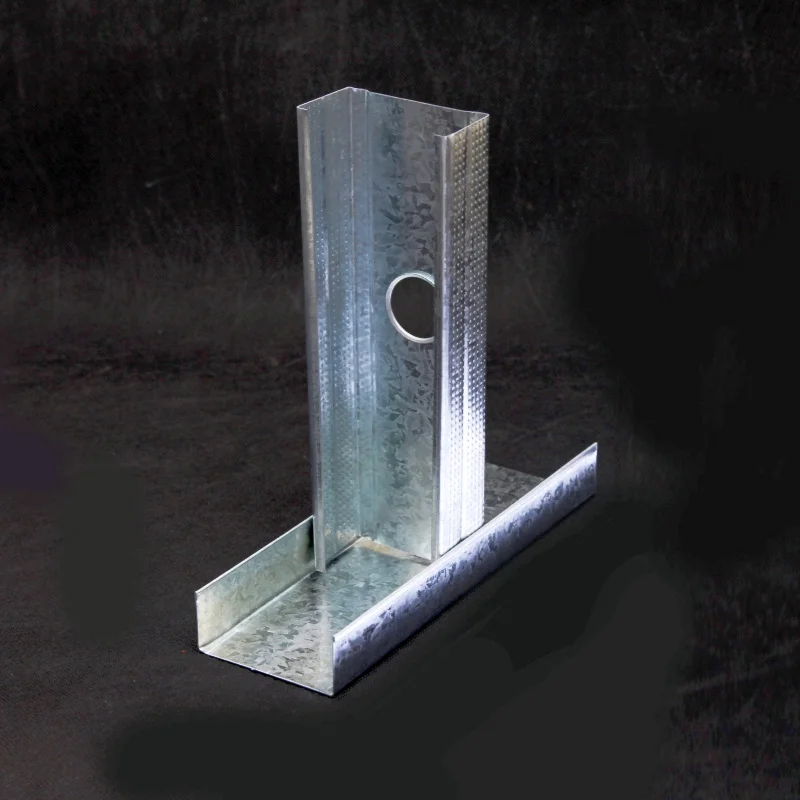
Beyond their primary function of supporting ceiling panels, suspended ceiling grid systems boast a compelling array of technical advantages that underscore their indispensability in modern construction. Material science plays a crucial role, with most grids manufactured from corrosion-resistant galvanized steel or aluminum, offering exceptional durability and longevity. These materials are often coated with specialized finishes—such as baked enamel or polyester powder coat—that enhance resistance to humidity, chemicals, and abrasion, ensuring sustained performance even in challenging environments. Structurally, grid systems are engineered for precise load-bearing capacities, ranging from standard-duty (for typical acoustical panels) to intermediate-duty and heavy-duty (for heavier fixtures, lighting, and specialized equipment). Furthermore, their modular design simplifies installation and allows for easy access to the plenum space for maintenance or future upgrades, significantly reducing operational costs over the building's lifecycle. Many systems are designed with advanced fire ratings, featuring expansion reliefs that prevent buckling and collapse during a fire, thereby safeguarding occupants and property. Seismic performance is another critical consideration, with specialized grid components and bracing designed to withstand earthquake forces, particularly vital in seismically active regions. Acoustic performance is paramount; by creating a plenum chamber, grids, in conjunction with acoustic tiles, effectively absorb sound, reduce reverberation, and enhance speech intelligibility, a benefit that data increasingly supports for improved productivity and comfort in office and educational settings. The inherent versatility extends to integration with various building services, including sophisticated lighting fixtures, HVAC diffusers, sprinklers, and security cameras, all seamlessly incorporated within the grid framework, demonstrating an intelligent synergy between form and function.
The vast landscape of suspended ceiling grid systems is characterized by several distinct configurations, each engineered to address specific aesthetic, functional, and installation requirements. The most common and widely recognized is the Exposed Tee System (also known as lay-in or conventional grid). This system features a visible metal grid that forms square or rectangular modules, into which ceiling panels are simply dropped. It's lauded for its cost-effectiveness, ease of installation, and straightforward access to the plenum space, making it a staple in commercial offices, retail spaces, and educational facilities. The exposed grid itself can be specified in various widths (e.g., 15/16-inch or 9/16-inch), and colors, allowing for some design flexibility. Next, the Concealed Grid System (or Fissured/Butt-Edge System) offers a dramatically different aesthetic. Here, the grid components are largely hidden by the ceiling panels, creating a monolithic, smooth appearance. Panels are typically specially manufactured with kerfed edges that interlock with the grid, resulting in a cleaner, more upscale finish. While providing a more refined look, installation can be more intricate, and access to the plenum space generally requires removing individual panels, making it slightly less convenient for frequent maintenance. The Fineline System (sometimes referred to as Interlude or Integra) strikes a balance between exposed and concealed designs. It features a narrower face profile (e.g., 9/16-inch or even slimmer 1/4-inch), which, while visible, minimizes the visual impact of the grid. This creates a refined, architectural aesthetic, often preferred in premium offices, hospitality, and healthcare settings where design elegance is paramount. Beyond these primary types, specialized grids exist for unique applications. Heavy-Duty Grid Systems are designed for areas requiring robust support for heavier fixtures or where seismic performance is critical. Cleanroom Grid Systems offer sealed environments to prevent contamination, essential for laboratories and medical facilities. Lastly, Acoustical Suspension Systems are engineered to optimize sound absorption, often incorporating unique panel edge designs or specialized clips to enhance acoustic performance in auditoriums or recording studios. Each configuration represents a carefully considered balance of aesthetics, functionality, and installation methodology.

The suspended ceiling grid market is dominated by several key players who continuously innovate to meet evolving architectural demands, regulatory standards, and sustainability goals. These manufacturers offer diverse product portfolios, catering to a wide spectrum of project types, from budget-conscious commercial fit-outs to high-end architectural masterpieces. Understanding their comparative strengths is crucial for informed procurement decisions. The table below outlines a comparison of prominent manufacturers, highlighting their core offerings and unique selling propositions.
Manufacturer | Key Product Lines/Specialties | Materials Typically Offered | Sustainability Focus | Unique Features/Advantages |
Armstrong Ceiling Solutions | Suspended (PeakForm, Suprafine), Axiom (perimeter/transition), TechZone (integrated services) | Galvanized Steel, Aluminum | High recycled content, Declare labels, LEED contributions, Living Product Challenge | Extensive design versatility, comprehensive integrated solutions, strong technical support |
USG (United States Gypsum) | Donn Brand (DX, DXL, Centricitee), BrandGuard (fire-rated), Drywall Suspension Systems | Galvanized Steel | High recycled content, EPDs, HPDs, Cradle-to-Cradle certification for many products | Industry standard for reliability, robust fire-rated systems, excellent grid-to-tile integration |
Chicago Metallic (ROCKFON) | Fineline (9/16", 15/16"), Infinity (perimeter trim), Drywall Furring | Galvanized Steel, Aluminum | High recycled content, fully recyclable products, focus on indoor air quality | Emphasis on aesthetics and narrow-face profiles, innovative perimeter solutions, integration with ROCKFON stone wool panels |
Knauf AMF (HERADESIGN, THERMATEX) | VENTATEC (T24, T15), AMF Topiq, HERADESIGN (wood wool panels) | Galvanized Steel, Aluminum | FSC/PEFC certified wood, recycled content, EPDs, focus on natural materials | Specialization in acoustic and design-oriented solutions, strong European market presence, integration with diverse panel materials |
This comparison highlights that while all manufacturers provide foundational grid systems, their competitive edge often lies in specific niches: Armstrong excels in integrated solutions and design flexibility, USG in robust standard and fire-rated systems, Chicago Metallic in refined aesthetics and perimeter details, and Knauf AMF in specialized acoustic and natural material integrations. When selecting a manufacturer, factors such as project budget, specific performance requirements (fire rating, seismic, acoustics), aesthetic aspirations, and sustainability goals should guide the decision, ensuring the chosen system aligns perfectly with the project's vision and long-term objectives.
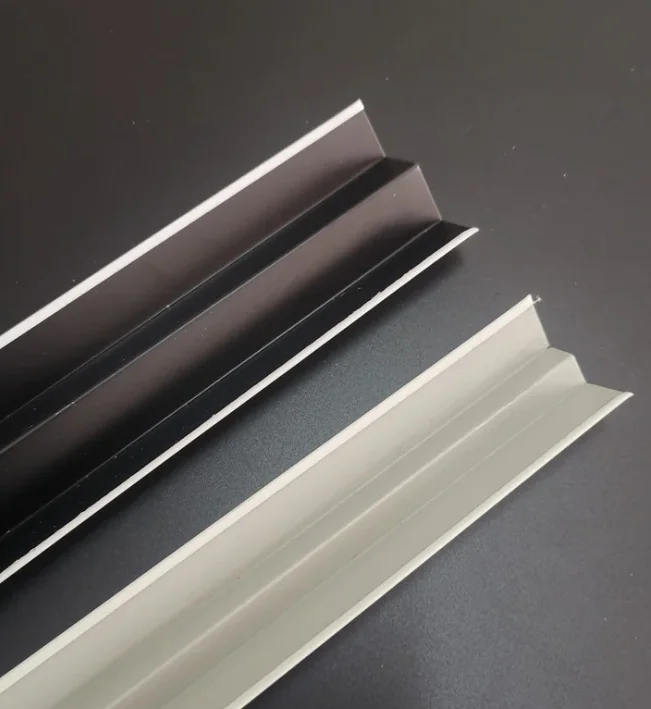
The contemporary suspended ceiling grid is no longer a monotonous, utilitarian framework; it has evolved into a dynamic design element offering remarkable customization potential and aesthetic flexibility. This evolution empowers architects and interior designers to transcend purely functional considerations and integrate the grid system seamlessly into the overall spatial narrative. One of the most impactful customization options lies in the choice of grid finish and color. While white is the traditional standard, manufacturers now offer an extensive palette, including black, grey, bronze, and custom colors achieved through powder coating or anodization. A black grid, for instance, can create a dramatic, sophisticated backdrop that recedes from view, allowing the ceiling panels or light fixtures to take prominence. Conversely, a metallic finish like polished aluminum or brushed stainless steel can add an industrial chic or high-tech appeal. Grid profiles also offer design versatility; standard flat profiles are common, but routed, beveled, or even vaulted profiles can introduce architectural interest and depth. Beyond color and shape, the grid system can be intelligently integrated with other ceiling elements. Specialized grid components are available to facilitate the seamless incorporation of various lighting fixtures, from recessed LED panels to linear lighting systems, creating intricate lighting patterns within the grid matrix. Similarly, diffusers for HVAC systems, sprinkler heads, and security cameras can be precisely aligned and integrated, ensuring a clean, uncluttered ceiling plane. Manufacturers often provide proprietary trim and perimeter solutions that allow for creative transitions between the ceiling and walls, or between different ceiling heights, adding to the bespoke feel of a space. For enhanced acoustic performance, certain grids are designed to work in conjunction with specific panel types, allowing for precise control over sound absorption and diffusion. Furthermore, custom grid layouts, including diagonal patterns or multi-level configurations, can transform a standard ceiling into a striking architectural feature, contributing to wayfinding or defining distinct zones within an open-plan environment. The data consistently shows that aesthetically pleasing and functionally optimized spaces contribute to occupant well-being and productivity, making the strategic customization of ceiling grids a valuable investment in any modern build.
The versatility and adaptability of suspended ceiling grid systems are best illustrated through their diverse real-world applications across various industries, each leveraging specific grid properties to meet unique functional and aesthetic demands. In Office Spaces, exposed tee systems (e.g., 9/16-inch Fineline) combined with acoustic panels are predominantly used to manage sound, reduce reverberation, and enhance speech privacy. The grid's modularity also provides convenient access to the plenum for IT infrastructure and HVAC maintenance, which is critical in dynamic corporate environments. The visual coherence achieved helps foster a productive and aesthetically pleasing workspace. Healthcare Facilities, such as hospitals and clinics, often prioritize hygiene, durability, and access to utilities. Cleanroom-rated grid systems, often made from corrosion-resistant aluminum with sealed joints, are essential in surgical suites and laboratories to prevent contamination. Furthermore, robust heavy-duty grids are crucial for supporting complex medical equipment, while their accessibility allows for regular inspection and maintenance of critical life-support systems without disrupting patient care areas. In Retail Environments, the aesthetic impact of the ceiling is paramount. Designers frequently employ black or custom-colored exposed grids with integrated spotlighting to highlight merchandise and create a specific brand ambiance. The grid's flexibility allows for easy reconfiguration of lighting and displays as store layouts change, directly impacting customer engagement and sales figures. Educational Institutions benefit from grids that offer both durability and effective acoustics. Classrooms and lecture halls utilize acoustic tile systems to reduce noise levels, aiding concentration and improving learning outcomes. The ease of maintenance and resistance to wear and tear are also vital in high-traffic school environments. For Industrial Settings and manufacturing plants, heavy-duty suspension systems are critical to safely support heavy lighting, ventilation ductwork, and even small machinery. The emphasis here is on structural integrity, load-bearing capacity, and simplified access for routine equipment checks and repairs, ensuring operational safety and efficiency. These diverse applications underscore how the strategic selection of specific grid types, coupled with appropriate panels and integrated services, significantly contributes to the functionality, safety, and overall success of a building project, providing quantifiable benefits in terms of operational efficiency, occupant comfort, and long-term value.
The landscape of suspended ceiling grid types is continually evolving, driven by advancements in material science, increasingly stringent sustainability mandates, and the overarching trend towards smart building integration. Future trends point towards even greater emphasis on environmentally conscious manufacturing and lifecycle management. Manufacturers are rapidly adopting sustainable practices, focusing on using high percentages of recycled content in their steel and aluminum grids, as well as developing fully recyclable products at the end of their service life. Data indicates a growing demand for products with Environmental Product Declarations (EPDs) and Health Product Declarations (HPDs), reflecting a commitment to transparency regarding environmental impact and indoor air quality. The advent of smart ceiling technologies is also revolutionizing grid systems. We are seeing the integration of IoT sensors directly into the grid framework, enabling real-time monitoring of air quality, occupancy, lighting levels, and even sound, allowing for dynamic adjustments that optimize energy consumption and occupant comfort. These smart grids are poised to become central nervous systems for interior spaces. Biophilic design, which seeks to connect building occupants with nature, is influencing grid design, leading to organic patterns, natural finishes, and the incorporation of living elements such as integrated vertical gardens or moss panels within the grid modules. Furthermore, the drive for enhanced flexibility and adaptability will see the development of more modular and reconfigurable grid systems, allowing for easier, faster, and less wasteful adjustments to office layouts or retail displays. Seismic resilience and advanced fire protection will remain critical areas of innovation, with ongoing research into materials and connection details that offer superior performance in extreme conditions. The role of the right suspended ceiling grid type is increasingly pivotal in achieving holistic building performance, from energy efficiency and acoustic comfort to occupant health and long-term operational resilience. The future promises grids that are not only structurally sound and aesthetically pleasing but also intelligent, sustainable, and integral to creating truly adaptive and high-performing built environments, delivering unparalleled value over the entire building lifecycle.
What are the primary suspended ceiling grid types?
The primary types are Exposed Tee (Lay-in), Concealed (Fissured/Butt-Edge), and Fineline (Interlude/Integra). Each offers a different aesthetic and level of access to the plenum.
How do I choose the right suspended ceiling grid type for my project?
Consider factors such as aesthetic requirements (visible vs. hidden grid), budget, desired plenum access, fire rating requirements, seismic performance needs, and the weight of fixtures the grid needs to support.
What materials are commonly used for suspended ceiling grids?
Most suspended ceiling grids are made from galvanized steel for strength and corrosion resistance, or aluminum, especially in environments requiring enhanced corrosion resistance or lighter weight.
Can suspended ceiling grids contribute to a building's sustainability goals?
Absolutely. Many manufacturers offer grids with high recycled content, EPDs (Environmental Product Declarations), and HPDs (Health Product Declarations). Choosing recyclable materials also contributes to sustainability.
What is the difference between a 15/16-inch and a 9/16-inch grid?
This refers to the face width of the grid members. A 15/16-inch grid has a wider visible face, offering a more traditional look. A 9/16-inch (or Fineline) grid has a narrower, more subtle face, providing a more refined and contemporary aesthetic.
Are there fire-rated suspended ceiling grid types?
Yes, many manufacturers offer fire-rated grid systems designed to maintain structural integrity during a fire, preventing ceiling collapse and protecting the plenum space. These systems often incorporate expansion reliefs.
Can I customize the color or finish of my suspended ceiling grid?
Yes, customization is a significant advantage. Grids are available in various standard colors (e.g., white, black, grey) and can often be custom powder-coated or anodized to match specific design schemes or branding requirements.