Hit enter to search or ESC to close
October 13, 2025
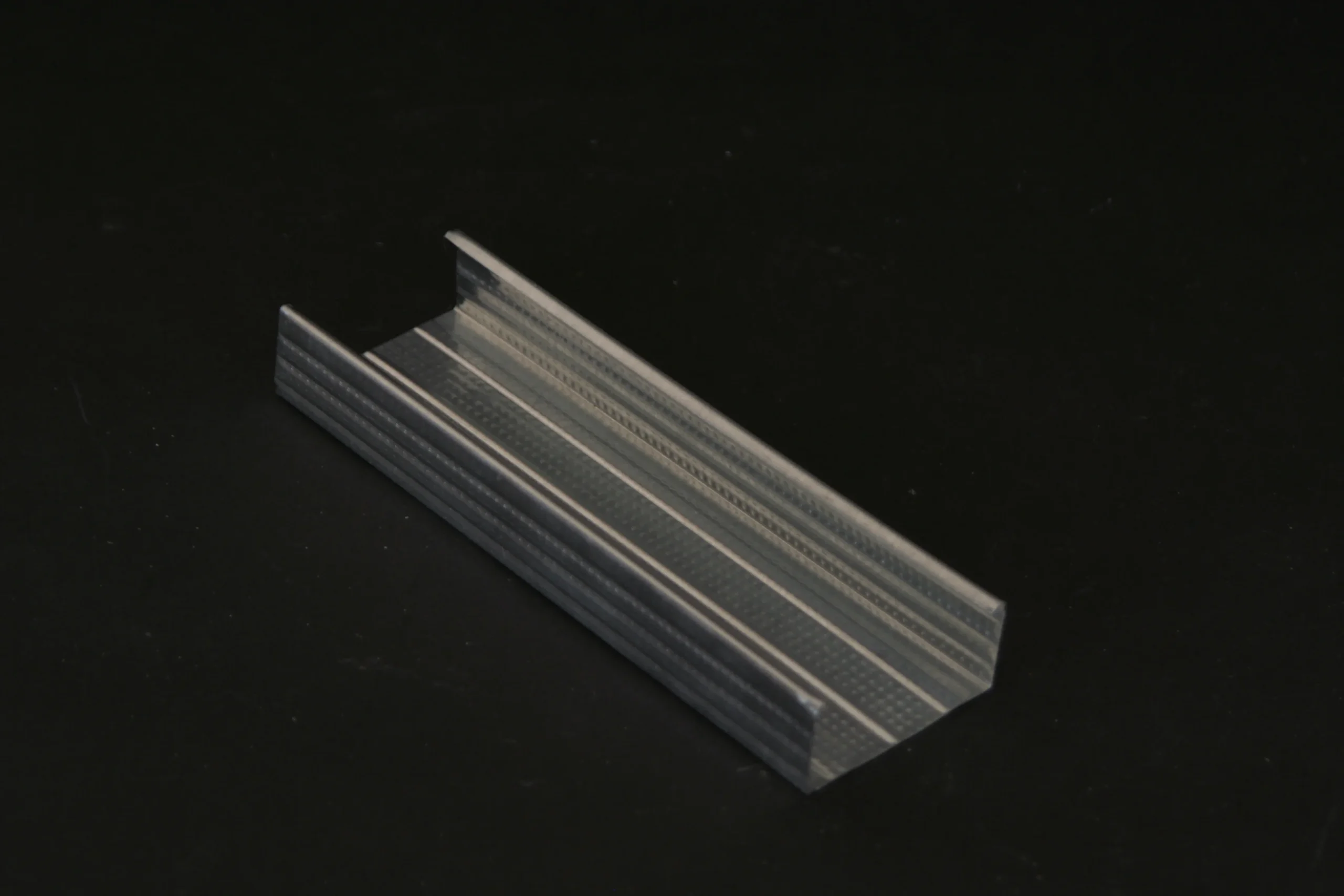
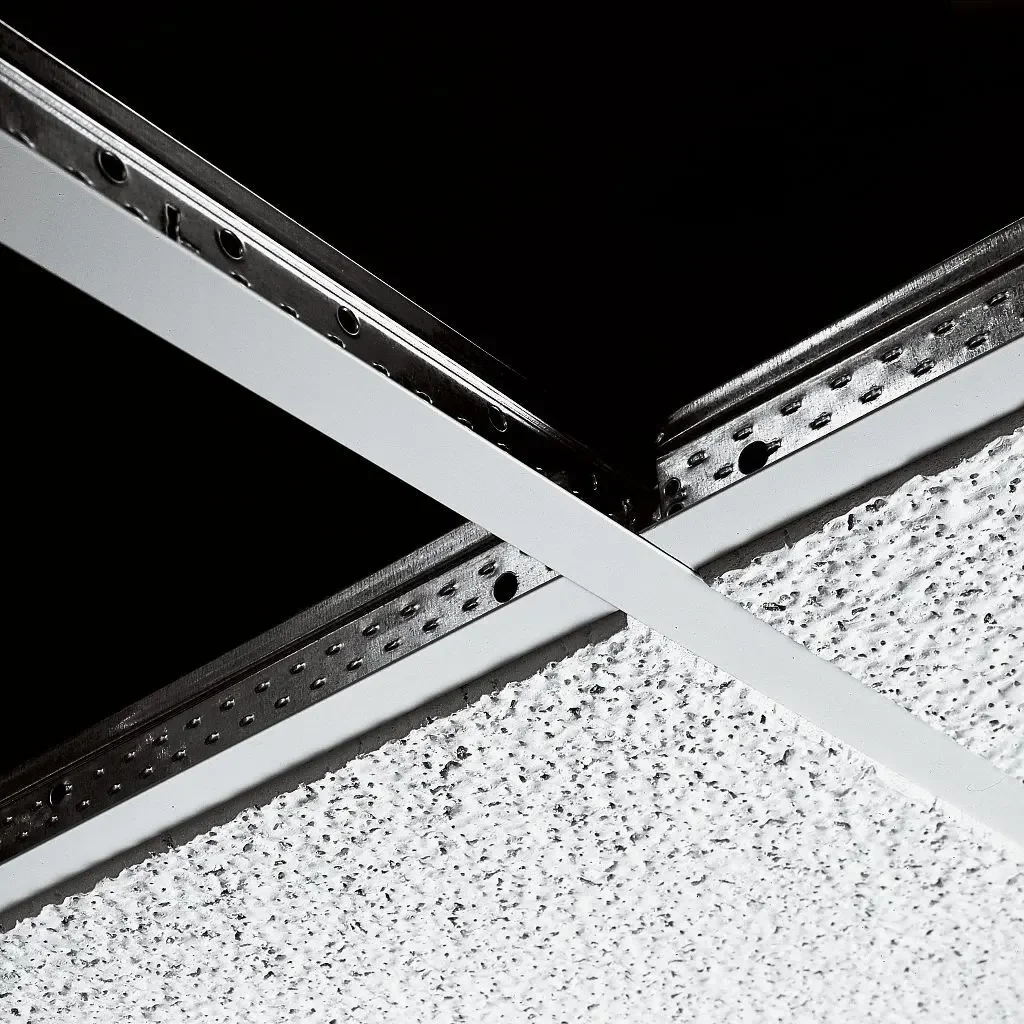
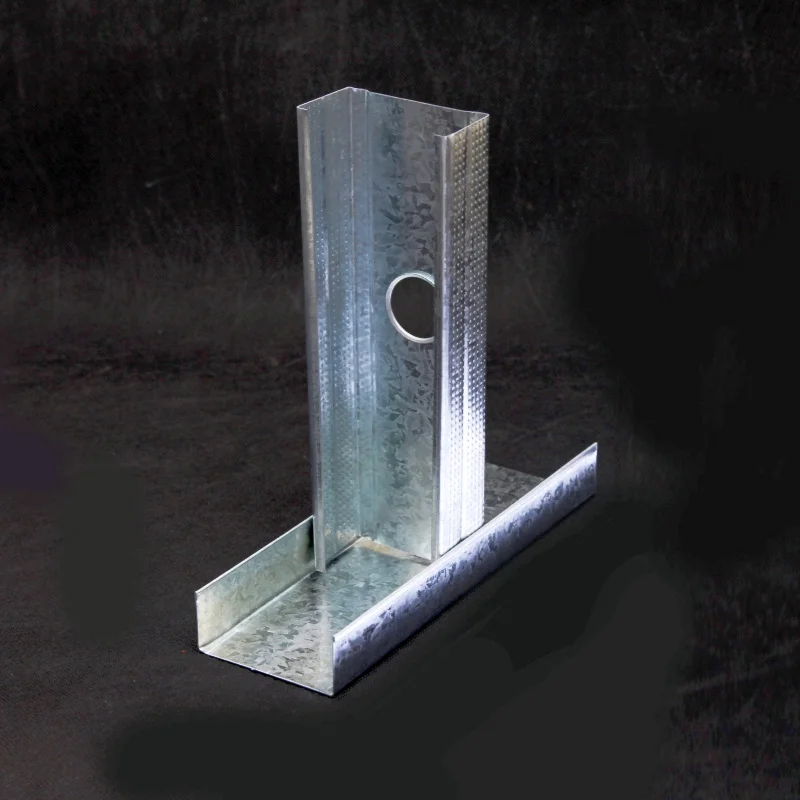
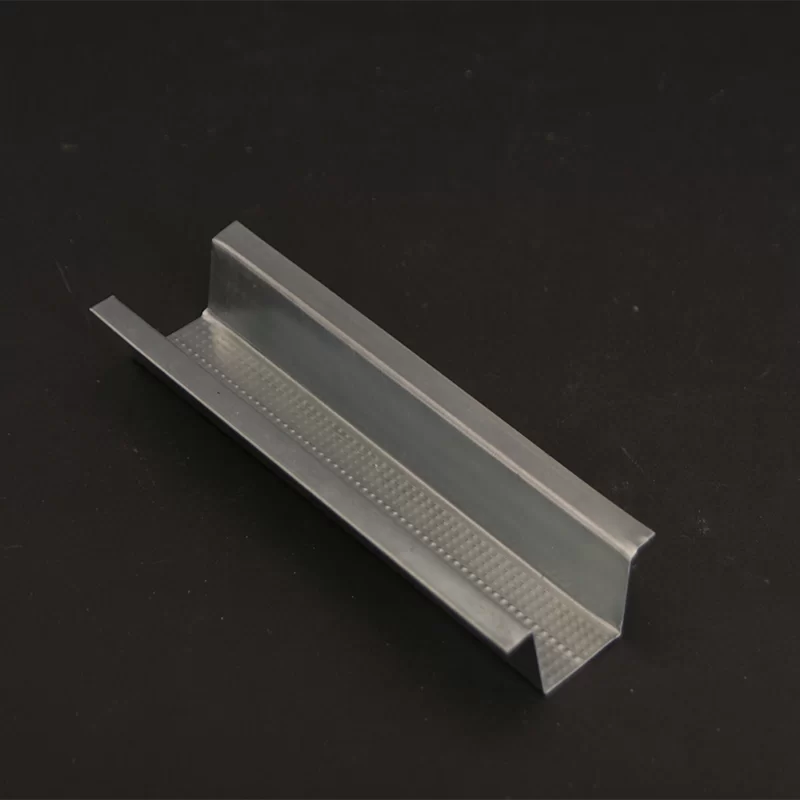
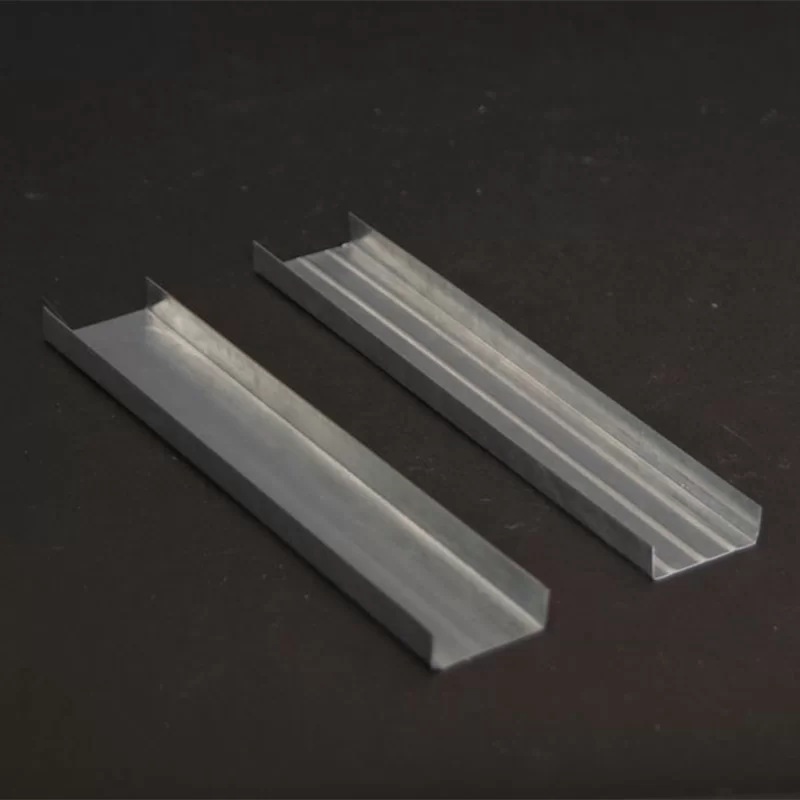
In the intricate ecosystem of modern construction, elements often perceived as secondary frequently bear disproportionate weight in a project's overall success and longevity. Among these, the unassuming drywall profile stands as a critical, yet frequently underappreciated, component. Far more than simple edge protectors, these meticulously engineered strips of metal or PVC are the unsung heroes that define the crispness of corners, the seamless transition of planes, and the structural integrity of interior wall and ceiling systems. Their proper selection and installation are paramount, dictating not only the aesthetic finish but also the durability, fire resistance, and acoustic performance of a space. Consider this: a significant percentage of post-completion client complaints in finishing work are directly attributable to poor corner definition, cracking along joints, or inadequate transitions—all issues that quality drywall profiles are designed to mitigate. The market demand for superior profiles is robust, driven by an unwavering pursuit of perfection in finish carpentry and an increasing emphasis on building longevity. As construction methodologies evolve and design aesthetics become more demanding, the role of these profiles transcends mere utility, becoming integral to achieving the high standards expected in contemporary architectural projects.
Historically, the finish carpentry for interior walls involved laborious plastering techniques, often yielding inconsistent results and demanding extensive skilled labor. The advent of drywall (gypsum board) revolutionized this process, but it quickly became apparent that unsupported edges and corners were vulnerable points. This vulnerability led to the development of specialized profiles, initially simple metal strips, which have since evolved into a diverse array of sophisticated solutions. These profiles provide a crucial rigid framework, acting as a buffer against impacts, moisture ingress, and thermal expansion, which are common culprits behind premature wear and tear in interior finishes. Furthermore, they facilitate a smoother, faster, and more efficient installation process for drywall panels, significantly reducing labor hours and material waste. Industry data indicates that utilizing appropriate drywall profiles can reduce joint compound usage by up to 15% and cut finishing time by 20% on average, translating directly into tangible cost savings and accelerated project timelines. This efficiency gain, coupled with the enhanced aesthetic and structural benefits, underscores why the careful selection of a drywall profile is a strategic decision rather than a mere afterthought.
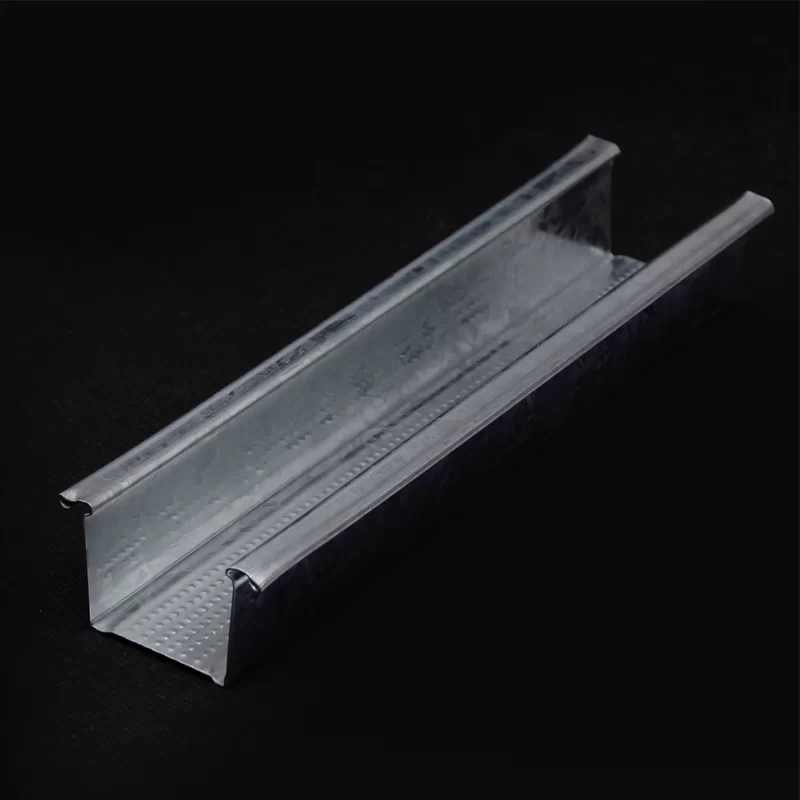
The technical sophistication embedded within modern drywall profiles is often overlooked. These components are not simply bent pieces of metal; they are precision-engineered elements designed to address specific structural, aesthetic, and performance challenges. Key to their superiority are factors such as material gauge, coating technology, geometric design, and specialized functionalities. For instance, profiles fabricated from high-grade galvanized steel offer exceptional corrosion resistance, crucial in humid environments or areas prone to moisture exposure. The galvanization process, typically involving a hot-dipped zinc coating, ensures a robust barrier against rust, extending the lifespan of the entire wall system. Similarly, PVC profiles offer inherent resistance to moisture and mold, making them ideal for bathrooms, kitchens, and basements where traditional metal profiles might eventually degrade. Advanced designs include tear-away strips for cleaner finishes, integrated expansion joints to accommodate building movement without cracking, and specialized corner beads that provide superior impact resistance in high-traffic areas.
Consider the impact resistance provided by certain corner profiles. A standard paper-faced corner bead offers a basic level of protection, but a heavy-gauge steel or composite corner bead can withstand significantly greater lateral forces, preventing unsightly dents and chips that necessitate costly repairs. Testing reveals that premium vinyl corner beads can absorb up to 50% more impact energy compared to traditional paper tape and mud combinations, drastically reducing maintenance cycles in commercial settings.
Furthermore, the geometric design of a profile—be it a rounded bullnose, a sharp square edge, or a reveal bead creating a shadow line—is meticulously crafted to ensure optimal adhesion of joint compound and paint, minimizing cracking and maximizing aesthetic appeal. Manufacturers now employ advanced roll-forming techniques that allow for tighter tolerances and more consistent dimensions, ensuring that each profile fits perfectly and contributes to a flawlessly smooth finish. This precision not only enhances the visual outcome but also accelerates the application of mud and sanding, streamlining the finishing process significantly. The innovation in this sector is continuous, driven by demands for greater durability, easier installation, and more versatile design options for architects and contractors.
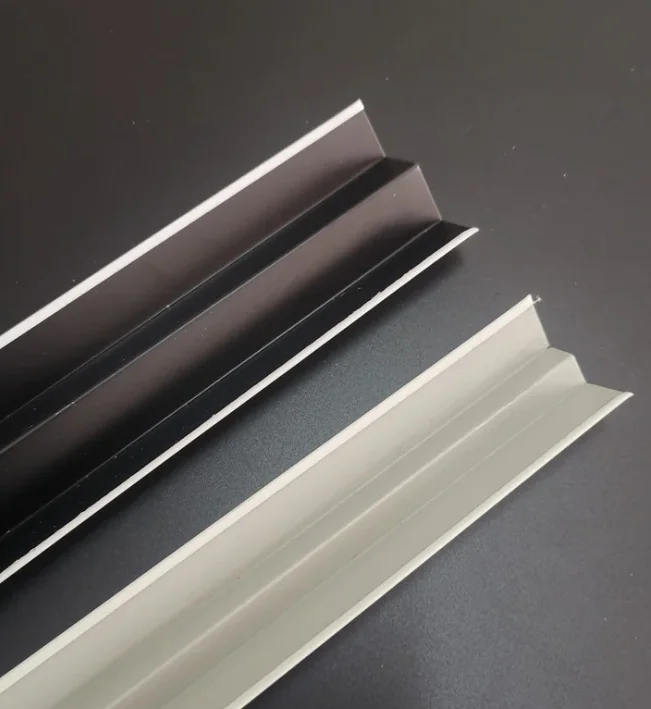
The journey from raw material to a highly functional drywall profile is a testament to modern manufacturing precision and material science. The choice of raw material is the primary determinant of a profile's performance characteristics. Galvanized steel, predominantly G40 or G60 grade, is the industry workhorse, chosen for its strength, cost-effectiveness, and rust resistance. The galvanization process, involving immersion in molten zinc, creates a metallurgical bond that shields the steel from corrosion, crucial for long-term integrity. Aluminum profiles, lighter and inherently corrosion-resistant, are often favored in specialized applications where weight is a concern or in environments exposed to moisture without compromising structural stability. PVC (Polyvinyl Chloride) profiles, on the other hand, offer excellent moisture and mold resistance, making them ideal for wet areas and providing flexibility for intricate designs. Some manufacturers are also exploring composite materials, combining the benefits of different substances to create profiles with enhanced properties such as superior fire ratings or improved acoustic dampening.
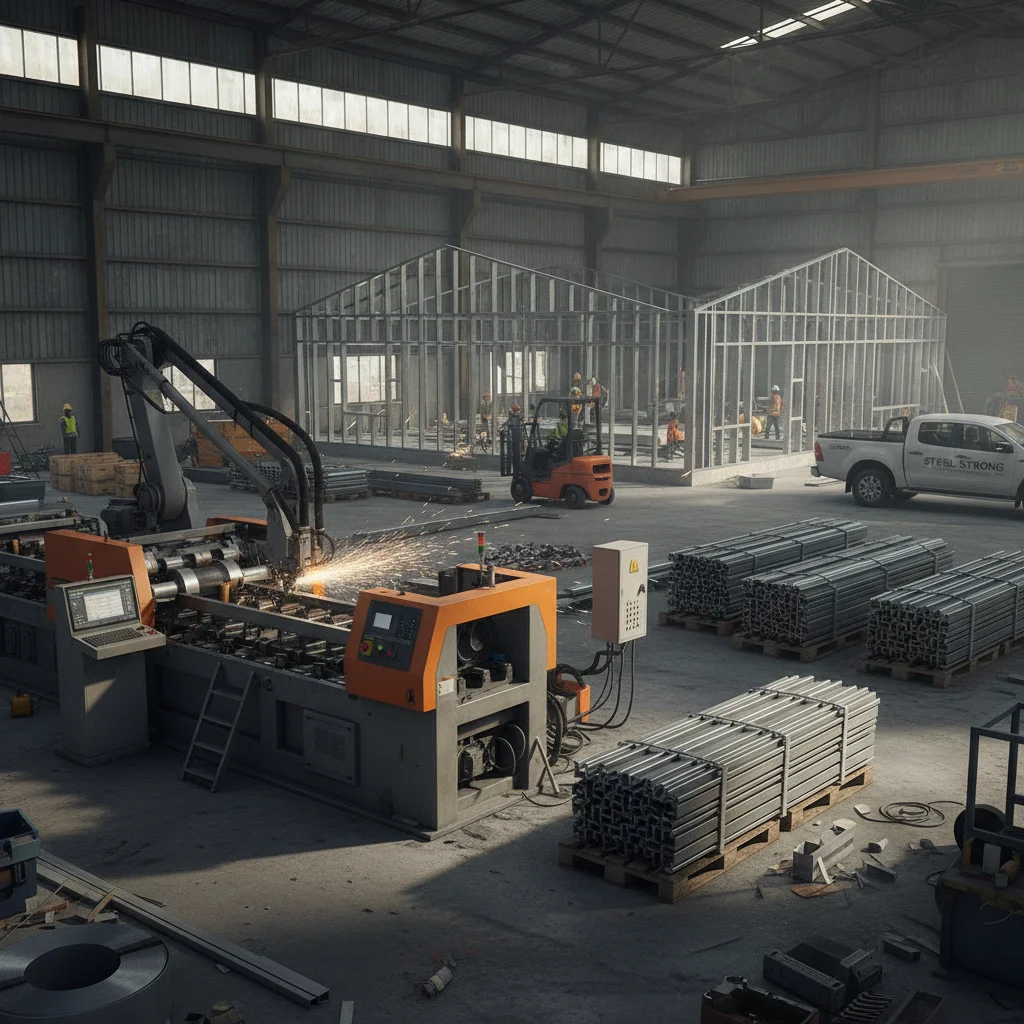
The manufacturing process itself is equally critical. For metal profiles, roll-forming is the dominant technique. Cold-rolled steel coils are fed through a series of precisely engineered dies that progressively shape the metal into the desired profile, often at high speeds. This method ensures uniform thickness, consistent dimensions, and sharp, clean edges, all vital for a professional finish. Precision tooling and automated control systems minimize variations, ensuring that every lineal foot of profile meets stringent quality standards. For PVC profiles, extrusion is the preferred method. Plastic pellets are melted and forced through a die, creating continuous profiles. This allows for greater design flexibility, enabling the creation of complex shapes and integrated features like tear-away strips or flexible hinges for curved walls. Post-processing often involves specialized coatings for improved paint adhesion, UV resistance, or antimicrobial properties. The meticulous attention to detail at every stage of manufacturing—from raw material sourcing to final product inspection—is what differentiates a high-quality profile capable of delivering lasting performance from an inferior alternative that might compromise the entire drywall system.
The market for drywall profiles is competitive, populated by a range of manufacturers each vying for market share through innovation, material quality, and customer service. Making an informed choice among them requires a careful assessment of several key factors. While specific brand names might vary by region, general categories of manufacturers exist: established industry giants with broad product portfolios, specialized manufacturers focusing on niche applications or premium materials, and budget-friendly producers. Understanding their comparative strengths and weaknesses is crucial for procurement and project managers.
Below is a comparative table illustrating key differences across hypothetical manufacturer profiles, designed to highlight typical market differentiators:
Feature | Manufacturer A (Premium) | Manufacturer B (Mid-Range) | Manufacturer C (Economy) |
Material Quality (Gauge/Grade) | G60 Galvanized Steel / Virgin PVC, rigorous QA | G40 Galvanized Steel / Recycled & Virgin PVC mix | G30-G40 Galvanized Steel / Recycled PVC, basic QA |
Product Range & Innovation | Extensive, custom shapes, specialized reveal beads, impact-resistant composites. Patented designs. | Broad standard range, some specialized profiles (e.g., bullnose, L-bead). | Limited standard profiles (corner bead, J-bead). Focus on volume. |
Installation Ease (Design Features) | Pre-applied adhesives, perforated flanges for optimal mud keying, tear-away strips. Designed for speed. | Standard perforations, generally good fit. | Basic design, may require more mud application and finishing time. |
Certifications & Compliance | ASTM, ICC-ES, LEED contributions, environmental certifications. | Meets basic ASTM standards. | May meet local minimum standards. |
Price Point (Relative) | High | Medium | Low |
Customer Support & Technical Resources | Extensive technical guides, dedicated reps, training, CAD files. | Standard documentation, online resources. | Basic product sheets. |
Choosing a manufacturer ultimately depends on the project's specific requirements, budget constraints, and desired performance characteristics. For high-end architectural projects demanding flawless aesthetics and maximum durability, investing in premium profiles from Manufacturer A might be justified. For standard commercial or residential builds where cost-effectiveness is balanced with quality, Manufacturer B could be the ideal choice. Understanding these nuances allows for a strategic procurement process that aligns product selection with project goals.
While standard drywall profiles address the vast majority of construction needs, there are numerous scenarios where off-the-shelf solutions simply won't suffice. This is where the capability for customization becomes invaluable. Customization in drywall profiles extends beyond mere dimensions; it encompasses unique shapes, specialized material compositions, bespoke finishes, and integrated functionalities designed for specific architectural challenges or performance requirements. Architects and designers frequently push the boundaries of conventional interior spaces, incorporating curved walls, intricate reveals, floating ceilings, or unique lighting coves. Standard profiles, with their rigid geometries, often fail to accommodate such innovative designs, leading to compromises in aesthetic vision or structural integrity.
A tailored solution begins with collaborative design. Manufacturers equipped with advanced CAD/CAM capabilities can work directly with project teams to translate complex architectural drawings into manufacturable profiles. This might involve custom roll-forming dies for unique metal profiles, or specialized extrusion tooling for PVC. For instance, a luxury hotel project might require a custom reveal bead with a specific depth and angle to integrate seamlessly with LED strip lighting, creating a dramatic, yet subtle, lighting effect. A high-security facility might need profiles made from a thicker gauge steel or specialized alloys for enhanced impact resistance and security. Even seemingly minor modifications, such as custom flange widths for specific board thicknesses or pre-punched holes at precise intervals, can significantly expedite installation and improve the overall finish quality. The ability to specify custom colors, textures, or protective coatings further expands the possibilities, allowing profiles to become an integral part of the design aesthetic rather than just a functional component. This level of bespoke manufacturing not only ensures perfect integration but also elevates the perceived value and longevity of the finished interior space, proving that precision engineering tailored to specific needs offers unparalleled advantages.
The versatility of drywall profiles is best illustrated through their diverse applications across various construction sectors, demonstrating how tailored solutions contribute to both functionality and aesthetics. From residential homes to sprawling commercial complexes and specialized industrial facilities, these components play a pivotal role in achieving desired outcomes.
· Residential Projects (Custom Homes & Renovations): In a high-end residential renovation aiming for a minimalist aesthetic, specialized reveal beads were employed to create crisp, shadow-line transitions between drywall and ceiling panels, eliminating the need for traditional crown molding. Additionally, robust bullnose corner profiles were used in high-traffic hallways and children's play areas, significantly reducing damage from everyday bumps and impacts. Feedback from the homeowner indicated a 70% reduction in corner chipping incidents compared to their previous home, leading to lower long-term maintenance costs.
· Commercial Office Spaces: A large corporate office building required acoustic separation between meeting rooms and open-plan areas. Custom Z-profiles, designed with specific dimensions, were used to create staggered stud walls, allowing for the integration of multiple layers of drywall and insulation. This design, facilitated by precision-engineered profiles, helped achieve an impressive Sound Transmission Class (STC) rating of 55, surpassing initial acoustic performance targets by 10%. Furthermore, L-beads were extensively used around door and window openings, providing clean, sharp edges that contributed to the modern, professional aesthetic of the workspace.
· Healthcare Facilities (Hospitals & Clinics): Hygiene and durability are paramount in healthcare settings. For a new hospital wing, PVC profiles were selected for all wet areas (bathrooms, operating rooms) due to their inherent moisture and mold resistance. Moreover, specialized expansion joint profiles were strategically placed to accommodate structural movement, preventing cracks in walls that could harbor bacteria and compromise sterile environments. This proactive use of appropriate profiles contributed to a reduction in wall surface degradation by an estimated 40% over five years, enhancing infection control efforts and reducing repair frequency.
· Retail Environments: In a fast-paced retail store environment, durability and visual appeal are equally important. Metal corner beads with extra-wide flanges were utilized to provide superior protection against shopping cart impacts and general wear and tear in high-traffic aisles. Tear-away L-beads were also critical around display niches and signage cutouts, ensuring perfectly clean, sharp edges that enhanced product presentation and the overall brand image. The efficiency of installation using these profiles reportedly saved 15% in labor time for the finishing crew.
· Industrial/Manufacturing Plants: Specific industrial applications demand profiles that can withstand harsh conditions. In a food processing plant, corrosion-resistant stainless steel profiles were custom-fabricated for areas exposed to frequent washing and sanitization, ensuring structural integrity and compliance with stringent hygiene standards where standard galvanized steel would quickly fail.
These examples underscore that the choice and deployment of drywall profiles are not incidental but are strategic decisions that profoundly influence a project's long-term performance, aesthetic appeal, and maintenance costs. The ability to specify or even custom-order profiles ensures that every unique challenge can be met with an optimized solution.
The trajectory of drywall profile technology is characterized by continuous innovation, driven by evolving construction practices, sustainability imperatives, and the relentless pursuit of enhanced performance. As the industry moves towards smarter, more efficient, and environmentally conscious building, drywall profiles are evolving to meet these new demands. One significant trend is the increasing focus on sustainable materials and manufacturing processes. Manufacturers are actively exploring the use of recycled content in both metal and PVC profiles, minimizing the environmental footprint of production. For instance, the use of up to 40% post-consumer recycled plastic in PVC profiles is becoming more common, along with efforts to source steel from producers utilizing cleaner manufacturing practices and recycled scrap metal. This commitment extends to reducing waste during manufacturing and optimizing packaging for lower transportation emissions.
Beyond material composition, technological advancements are yielding "smarter" profiles. Integrated sensors for monitoring moisture levels or structural strain, though still nascent, represent a potential future for intelligent building components. Automation in installation, with robotic systems capable of precisely applying profiles, is another area of active research, promising to further reduce labor costs and improve consistency. Furthermore, the development of multi-functional profiles that combine several properties—such as fire resistance, acoustic dampening, and moisture protection in a single unit—is gaining traction. Composite profiles incorporating materials like fiberglass or specialized polymers are being engineered to offer superior performance characteristics beyond what traditional steel or PVC can provide individually. The integration of BIM (Building Information Modeling) workflows also means that profiles can be specified and visualized with greater accuracy early in the design phase, leading to fewer errors and more efficient material use on site. Ultimately, the future of the drywall profile is one where innovation, sustainability, and seamless integration converge, ensuring these critical components continue to elevate the standards of modern construction and contribute positively to our built environment.
A drywall profile is a manufactured strip (typically made of galvanized steel, aluminum, or PVC) used to create clean, durable, and precise edges, corners, and transitions for gypsum board installations. They are crucial for protecting vulnerable drywall edges from impact, accommodating building movement, ensuring aesthetic consistency, and providing a stable base for finishing materials like joint compound and paint.
Common types include: Corner Beads (for outside corners), J-Beads (for exposed raw edges, e.g., around door/window openings), L-Beads (for transitions where drywall meets another surface), U-Channels (for framing open edges), Bullnose Beads (for rounded corners), Expansion Joints (to accommodate movement in large wall/ceiling areas), and various Reveal Beads (to create architectural shadow lines).
The "best" material depends on the application. Galvanized steel is strong, cost-effective, and widely used for its durability and fire resistance. Aluminum is lighter, highly corrosion-resistant, and suitable for specialized architectural details. PVC (vinyl) is excellent for moisture-prone areas (bathrooms, basements) due to its resistance to rust, mold, and rot, and offers flexibility for curved designs. Each has specific advantages.
Profiles reinforce vulnerable edges and corners, protecting them from everyday impacts, scuffs, and chips that would otherwise damage exposed drywall. Expansion joint profiles prevent cracking caused by thermal expansion or structural settling. By providing a rigid, stable edge, they ensure the finish remains intact longer, significantly reducing the frequency and cost of repairs and repainting.
Yes, many manufacturers offer custom drywall profile solutions. This can include bespoke dimensions, unique shapes (e.g., specific reveal depths, angles for lighting coves), specialized materials or coatings, and custom finishes to seamlessly integrate with complex architectural designs and meet specific project requirements.
While profiles themselves are not primary fire-rated or acoustic components, their proper use is essential for maintaining the integrity of wall and ceiling assemblies designed for specific fire or acoustic ratings. Certain heavier gauge metal profiles or specialized composite profiles can enhance the overall system's performance, and expansion joints are critical for maintaining fire and sound barriers across large surfaces.
Environmental considerations include sourcing profiles made from recycled content (e.g., steel with post-consumer recycled scrap, PVC with recycled plastic), opting for manufacturers with sustainable production practices, and choosing profiles that contribute to building longevity, thus reducing material replacement over time. Look for products that contribute to LEED or other green building certifications.