Hit enter to search or ESC to close
November 14, 2025
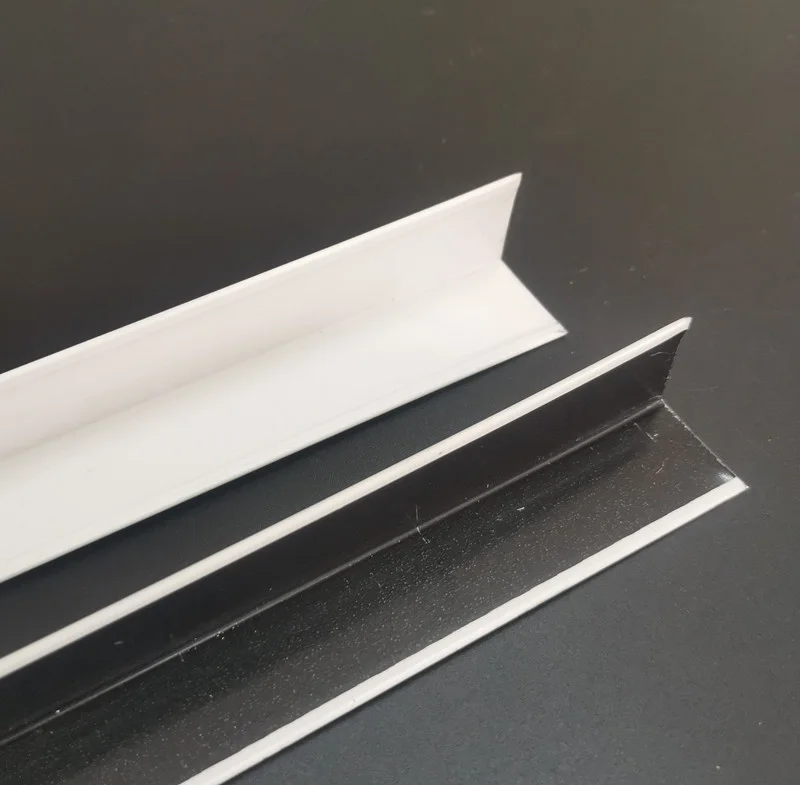
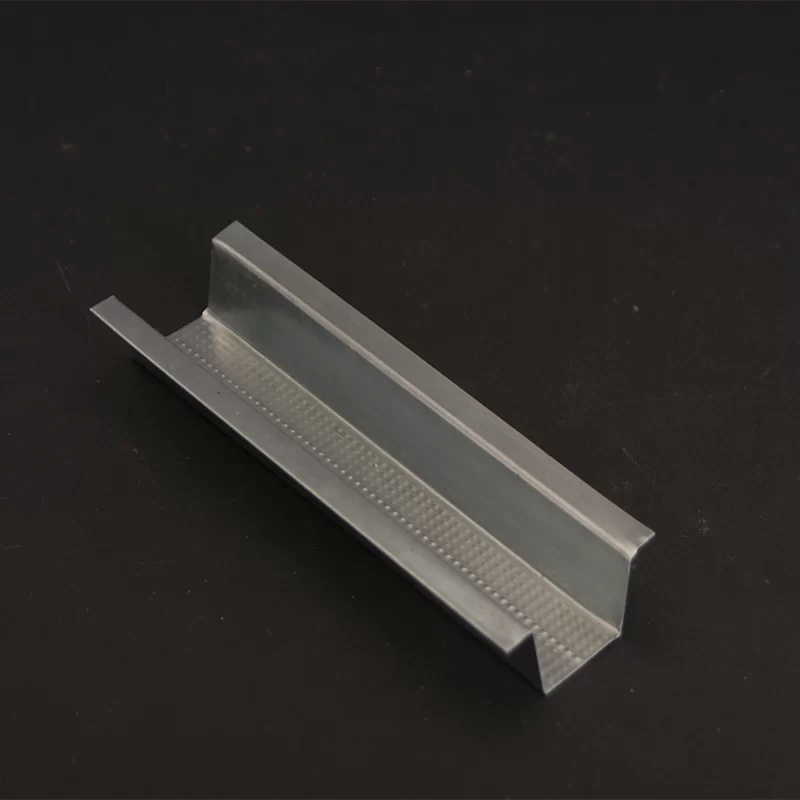
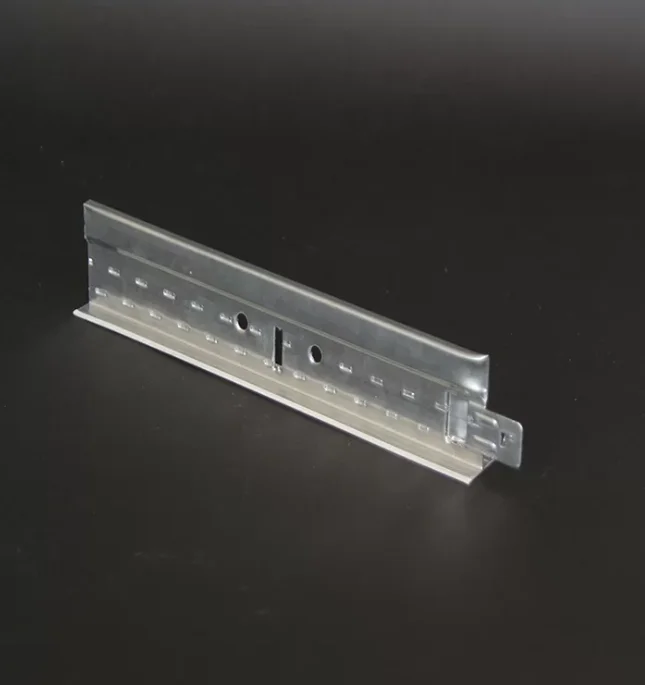
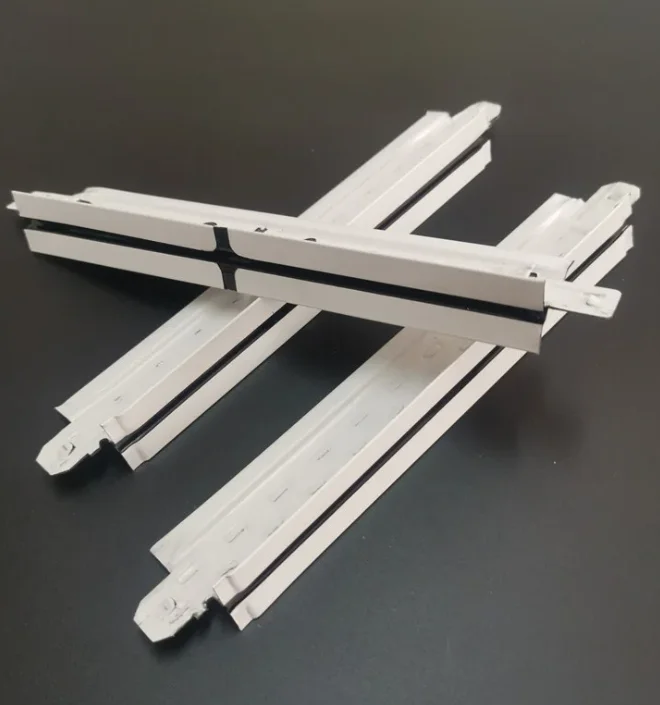
In the dynamic realm of contemporary architecture and interior design, the pursuit of seamless aesthetics and robust functionality often converges on subtle yet crucial components. Among these, plasterboard aluminium profiles stand out as indispensable elements, quietly revolutionizing how we conceive and construct internal spaces. Far from being mere utilitarian components, these profiles are sophisticated engineering solutions designed to provide clean lines, enhance structural integrity, and facilitate innovative lighting and design integrations within plasterboard constructions. Their significance extends beyond simple attachment; they enable the creation of flush finishes, intricate shadow gaps, and durable edge protection, which are hallmarks of high-quality craftsmanship. The meticulous attention to detail offered by precisely engineered aluminium profiles elevates a standard plasterboard wall or ceiling into a refined architectural feature. This evolution signifies a move away from visible fixings and clumsy transitions towards an era of understated elegance and superior performance. As designers and builders increasingly demand materials that combine aesthetic appeal with long-term durability and ease of installation, the role of these specialized profiles becomes ever more pronounced, shaping not just the visual landscape but also the functional longevity of modern interiors across residential, commercial, and public sectors.
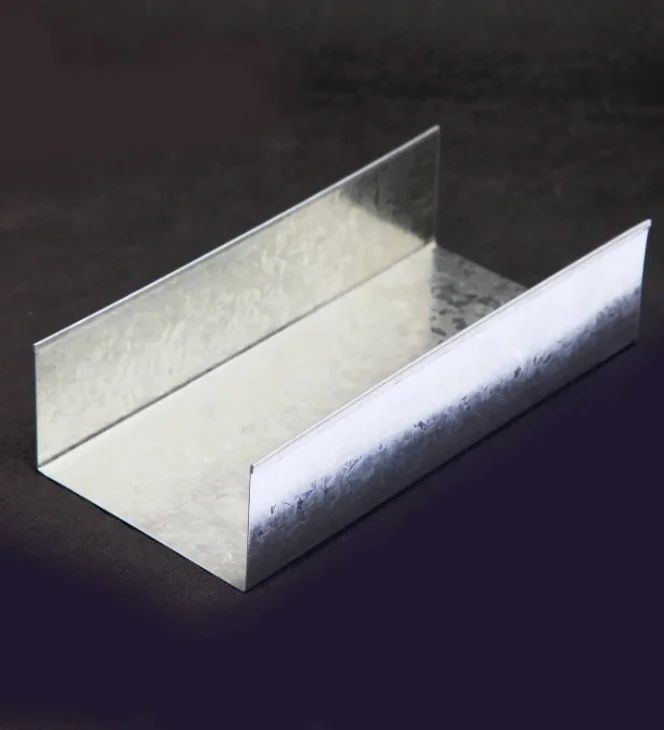
The true power of modern construction often lies in its unseen components, and plasterboard aluminium profiles are a prime example. Their exceptional performance stems from a harmonious blend of precision engineering and advanced material science. Typically manufactured from high-grade aluminium alloys such as 6063-T5, these profiles offer an outstanding strength-to-weight ratio, ensuring structural stability without imposing excessive load. This particular alloy is renowned for its excellent extrudability, allowing for intricate and consistent cross-sections that meet rigorous dimensional tolerances—often within ±0.1mm, a factor critical for achieving truly flush finishes. Beyond sheer strength, the inherent properties of aluminium contribute significantly to enhanced project longevity. Unlike steel, aluminium exhibits superior corrosion resistance, particularly important in moisture-prone environments, potentially extending the lifespan of an installation by over 50% compared to untreated alternatives. Furthermore, these profiles play a vital role in passive building performance. When designed with thermal breaks or specific geometries, they can contribute to improved thermal efficiency, reducing heat transfer by up to 15% in partition walls, thus impacting energy consumption. Acoustic dampening is another key advantage; the dense nature of aluminium, combined with strategically designed internal chambers, can contribute to a noticeable reduction in sound transmission, improving room acoustics and privacy. For instance, incorporating specific profile designs can enhance sound insulation ratings (STC) by an additional 2-3 points in certain plasterboard systems. The uniformity and stability provided by precision-cut profiles also dramatically reduce installation time, with some contractors reporting a 20-30% faster assembly rate compared to traditional methods relying on less sophisticated framing and finishing techniques. This blend of material excellence and engineering foresight makes these profiles not just accessories, but fundamental components driving efficiency, durability, and performance in contemporary building.
Beyond their structural and performance attributes, the profound impact of aluminium profiles lies in their extraordinary design versatility and capacity for aesthetic integration. Architects and interior designers are constantly seeking ways to achieve clean, minimalist lines and sophisticated finishes, and these profiles are instrumental in realizing such visions. They enable the creation of truly seamless transitions where walls meet ceilings, floors, or other surfaces, eliminating the need for traditional architraves or skirting boards that can disrupt a sleek aesthetic. This "shadow gap" or "flush finish" effect is a hallmark of high-end design, delivering an impression of floating elements and refined simplicity. Moreover, the inherent flexibility of aluminium extrusion allows for an astonishing array of profile shapes and sizes, from recessed channels designed to house LED strip lighting (transforming a standard room into a subtly illuminated architectural experience) to specialized corner beads that provide robust edge protection while maintaining a crisp, sharp angle. Imagine a modern office space where linear LED lights are seamlessly integrated into ceiling recesses, casting an even, glare-free illumination that appears to emanate directly from the structure itself—this is made possible by meticulously crafted profiles. In retail environments, these profiles can define display shelving, create elegant bulkhead features, or form sophisticated joinery details that draw attention to products. The ability to specify various finishes, including anodized, powder-coated, or brushed aluminium, further expands the design palette, allowing profiles to either blend invisibly into the background or stand out as deliberate design statements. This versatility means they are not just hidden structural elements, but active participants in shaping the visual language and overall ambiance of an interior, offering endless possibilities for creative expression.
Selecting the right manufacturer for plasterboard aluminium profiles is a critical decision that directly impacts project quality, longevity, and budget. The market offers a diverse range of suppliers, each with varying capabilities, quality standards, and service offerings. Understanding these distinctions is key to making an informed choice. Key considerations include the purity of the aluminium alloy, the precision of the extrusion process, the quality of surface finishes (e.g., anodizing thickness, powder coating adhesion), and adherence to international standards like ISO 9001 for quality management. Reliable manufacturers typically invest heavily in advanced machinery and quality control processes to ensure consistent product excellence. Below is a comparative overview of typical manufacturer profiles, highlighting crucial differentiation points:
Manufacturer Type | Typical Alloy Purity | Extrusion Precision | Surface Finish Options | Certifications | Lead Time (Standard) | Customization Capacity | Price Point |
Premium Specialist | 99.7% Aluminium (6063-T5/T6) | ±0.05mm | Extensive (Class II/III Anodizing, RAL Powder Coat, Custom) | ISO 9001, CE, ASTM | 2-4 Weeks | High (New Tooling, Bespoke Design) | $$$ |
Mid-Market Supplier | 99.5% Aluminium (6063-T5) | ±0.1mm | Standard (Class I Anodizing, Limited RAL Powder Coat) | ISO 9001 | 3-6 Weeks | Medium (Modify Existing Designs) | $$ |
Economy Provider | 99.0% Aluminium (Mixed Grade) | ±0.2mm | Basic (Mill Finish, Basic Anodizing) | Varies | 4-8 Weeks | Low (Standard Stock Only) | $ |
When evaluating suppliers, it is advisable to request samples, review material data sheets, and inquire about their manufacturing processes and quality assurance protocols. A manufacturer's ability to provide technical support and offer a comprehensive warranty also speaks volumes about their commitment to product performance and customer satisfaction. While cost is always a factor, prioritizing quality and reliability often translates into significant long-term savings by avoiding costly rework, premature material failure, and compromised aesthetic outcomes.
In the fiercely competitive construction and design landscape, off-the-shelf solutions often fall short of meeting the unique demands of innovative projects. This is precisely where the power of customization in aluminium profiles becomes paramount. Leading manufacturers don't just supply standard lengths and shapes; they offer comprehensive customization services, transforming a generic component into a precisely tailored solution. This capability is critical for architects and designers pushing the boundaries of creativity and functionality. Customization can encompass several aspects: precise cutting to specific lengths, ensuring minimal waste and perfect fit on site; specialized bending or curving to accommodate unique architectural contours; and bespoke extrusion profiles developed from scratch. For instance, a designer might require a profile with an integrated channel for both LED lighting and specific data cabling, or a unique shadow gap detail for a curved wall. In such cases, manufacturers collaborate closely, often starting with conceptual drawings, progressing to CAD models, and then developing custom dies for extrusion. Surface finishes also offer extensive customization. While standard anodizing and powder coating are common, bespoke colour matching to specific brand guidelines or interior palettes, and specialized textures (e.g., brushed, polished, or wood-grain effects), can elevate a project's distinctiveness. Consider a high-end retail project where every fixture must reflect the brand's sophisticated aesthetic; custom coloured profiles can seamlessly integrate with the overall design scheme. Furthermore, pre-fabrication services, such as pre-drilled holes or integrated connection points, can significantly reduce on-site labour and installation time, directly translating into cost savings and accelerated project timelines. This tailored approach not only ensures a perfect functional and aesthetic fit but also provides architects and contractors with the flexibility to realize their most ambitious visions without compromise.
The versatility and aesthetic prowess of plasterboard aluminium profiles are best illustrated through their diverse applications across various sectors, transforming architectural concepts into tangible realities. In high-end residential projects, these profiles are frequently employed to create luxurious, minimalist interiors. For example, in a contemporary open-plan living space, recessed profiles might be used to embed linear LED lighting along the perimeter of a dropped ceiling, providing ambient illumination that appears to glow from within the structure. Similarly, shadow gap profiles between walls and doors eliminate the need for traditional architraves, contributing to a sleek, seamless transition that accentuates clean lines. In the commercial sector, particularly in corporate offices and co-working spaces, the emphasis is often on functionality and modern aesthetics. Here, aluminium profiles are essential for creating durable, visually appealing partition walls and integrated service channels. Imagine a modern meeting room where AV cables and power outlets are discreetly housed within a wall-integrated profile system, maintaining a clutter-free environment while ensuring accessibility. In retail environments, these profiles play a crucial role in creating dynamic and inviting display areas. They can be used to construct illuminated shelving units, bespoke display cases, or striking ceiling features that draw customers' attention to specific product zones. A boutique fashion store might utilize custom anodized profiles to outline display niches, with integrated LED lighting highlighting merchandise. Furthermore, in the hospitality industry, from luxury hotels to upscale restaurants, profiles contribute to creating sophisticated and durable interiors. They might define elegant ceiling coves, frame unique wall paneling systems, or provide robust edge protection in high-traffic corridors, all while maintaining a consistent aesthetic quality. Each case study underscores how these profiles are not just components but facilitators of innovative design, enabling precision, durability, and a refined finish that is critical to achieving architectural excellence across a spectrum of building types.
As construction methods continue to evolve, the future of plasterboard aluminium profiles appears poised for even greater innovation and integration. The industry is witnessing a clear trajectory towards increased sustainability, smarter building integration, and enhanced material performance. Manufacturers are already exploring the use of recycled aluminium content, with some profiles now incorporating upwards of 70% post-consumer recycled material, significantly reducing the carbon footprint associated with their production. This aligns perfectly with the global push for greener building practices and certifications like LEED and BREEAM. Beyond material composition, the drive for smarter buildings is influencing profile design. Expect to see profiles engineered with integrated sensor technology for environmental monitoring (temperature, humidity, air quality) or even embedded pathways for fibre optics, facilitating a truly interconnected "smart wall" or "smart ceiling." The seamless integration of IoT devices directly within the building fabric, enabled by these specialized profiles, will become a standard expectation. Furthermore, advancements in surface treatment technologies will continue to push aesthetic boundaries and functional longevity. Self-cleaning coatings, antimicrobial finishes for healthcare environments, and advanced anti-scratch treatments will become more prevalent, extending the lifespan and reducing maintenance requirements of plasterboard surfaces. Finally, the synergy between computational design and advanced manufacturing will lead to even more complex and bespoke profile geometries. Parametric design tools will allow architects to specify highly customized forms with unprecedented precision, which can then be fabricated through advanced extrusion techniques. The role of plasterboard aluminium profiles will expand beyond mere structural or aesthetic support; they will become integral, multi-functional elements that contribute significantly to a building's overall intelligence, sustainability, and human experience, cementing their status as a cornerstone of modern, high-performance interior construction.
Plasterboard aluminium profiles are specialized extruded aluminium components designed to create seamless transitions, durable edges, and integrated features (like lighting channels) within plasterboard wall and ceiling constructions. They enhance both the aesthetic finish and structural integrity.
Aluminium profiles offer superior durability, corrosion resistance, precision for flush finishes, and versatility for integrated design elements (e.g., LED lighting). They can significantly reduce installation time and provide a more refined, modern aesthetic compared to traditional plastering or timber framing methods.
Common finishes include anodizing (clear, black, bronze, etc., offering enhanced corrosion resistance and hardness), powder coating (available in a vast range of RAL colours), and mill finish. Some manufacturers also offer custom colours, textures, or brushed finishes.
Absolutely. Many profiles are specifically designed with integrated channels to house LED strip lighting, allowing for discreet, linear illumination that appears to be part of the architectural structure itself. This creates stunning ambient or accent lighting effects.
Yes, high-grade aluminium profiles, especially those with anodized or powder-coated finishes, offer excellent corrosion resistance, making them suitable for use in bathrooms and other moisture-prone environments. Always ensure proper ventilation and sealing for the entire system.
Many manufacturers utilize recycled aluminium content in their profiles, reducing the environmental impact. Their durability and long lifespan also minimize the need for frequent replacement, and their potential to improve thermal and acoustic performance can contribute to overall energy efficiency of a building.
Yes, customization is a significant advantage. Manufacturers can provide profiles cut to precise lengths, custom extruded shapes, bespoke finishes, and even pre-fabrication services (e.g., pre-drilling) to meet unique design specifications and streamline on-site installation.