Hit enter to search or ESC to close
November 7, 2025
The global construction industry stands at a pivotal juncture, grappling with demands for greater efficiency, sustainability, and resilience. As urban populations expand and architectural ambitions soar, traditional building methods often fall short in meeting these complex requirements. This evolution has spurred a significant shift towards innovative structural solutions, with light gauge steel (LGS) trusses emerging as a frontrunner. These precision-engineered components offer unparalleled advantages over conventional materials like wood or heavier structural steel, transforming the speed, integrity, and ecological footprint of modern buildings. The market for LGS construction is experiencing robust growth, propelled by technological advancements and an increasing awareness of its multifaceted benefits. Projections indicate that the pre-engineered building market, a segment heavily influenced by LGS solutions, is set to expand at a compound annual growth rate (CAGR) exceeding 6% through 2028, reaching an estimated value of over $30 billion. This trajectory underscores the critical role that light gauge steel trusses manufacturers play in shaping the future of construction. They are not merely suppliers of components but innovators at the forefront of a paradigm shift, enabling architects and builders to achieve previously unattainable designs while adhering to stringent timelines and budget constraints. Their expertise extends beyond fabrication, encompassing design support, engineering validation, and logistical efficiency, making them indispensable partners in contemporary building endeavors. Understanding their capabilities is crucial for anyone looking to capitalize on the advantages of modern, efficient, and sustainable construction practices.
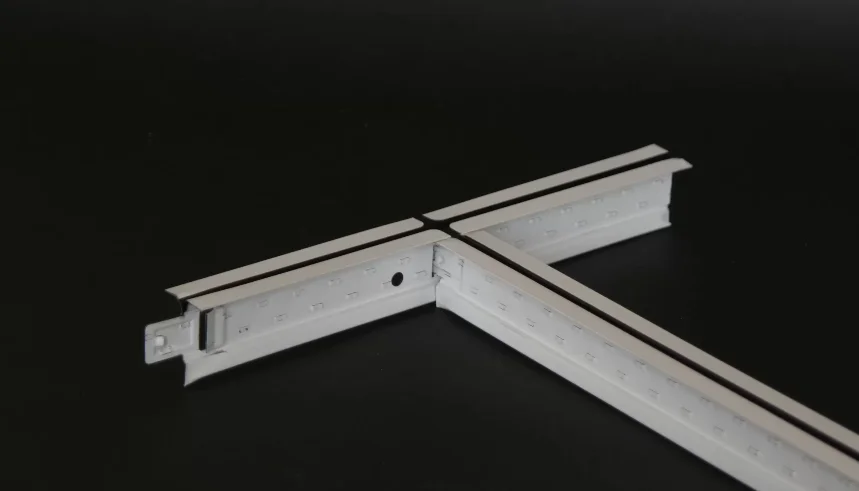
The intrinsic technical advantages of light gauge steel trusses set them apart as a superior choice for a myriad of construction projects. Foremost among these is their exceptional strength-to-weight ratio, which allows for lighter foundations and simplified erection processes compared to traditional timber or concrete structures. Manufactured from cold-formed steel, these trusses exhibit remarkable dimensional stability, impervious to the warping, shrinking, or rotting that plague wooden alternatives. This inherent stability translates into superior structural integrity and a significantly longer lifespan for the building envelope. Furthermore, LGS is non-combustible, offering enhanced fire resistance that can reduce insurance premiums and provide critical time for evacuation in emergencies. Unlike wood, steel is resistant to pests such as termites and rodents, eliminating the need for chemical treatments and ensuring a healthier indoor environment. From an operational standpoint, the precision manufacturing processes employed by LGS truss producers ensure consistent quality and accurate dimensions, which drastically reduces on-site cutting and waste. This precision facilitates faster assembly times, with some projects reporting up to 30% reduction in framing schedules. The uniform nature of steel also contributes to superior energy efficiency when combined with appropriate insulation, as it minimizes thermal bridging and air infiltration. Architects and designers particularly appreciate the expansive design flexibility offered by LGS trusses. Their ability to span greater distances without intermediate supports allows for larger open spaces, complex roof geometries, and innovative architectural features that would be challenging or cost-prohibitive with other materials. This combination of durability, efficiency, and design freedom positions light gauge steel as a foundational element for sophisticated and sustainable construction.
Selecting the optimal light gauge steel truss manufacturer is a critical decision that profoundly impacts project success, budget, and timeline. The market presents a diverse landscape of providers, each offering varying levels of specialization, production capacity, and service integration. A thorough comparative analysis must consider several key factors beyond mere cost. Manufacturers can differ significantly in their engineering capabilities, from those offering standardized truss designs to those providing full-service custom engineering and BIM integration. Production capacity is another vital differentiator; larger manufacturers often possess state-of-the-art automated fabrication lines capable of producing high volumes with exceptional speed and precision, while smaller, specialized firms might excel in bespoke, complex projects requiring meticulous craftsmanship. Certifications, such as ISO 9001 for quality management or specific regional building code approvals, are non-negotiable indicators of a manufacturer's commitment to quality and compliance. Furthermore, the level of customer support—ranging from initial design consultation and structural analysis to logistics, on-site technical assistance, and post-installation support—can significantly streamline a project. Lead times, geographical reach, and a robust supply chain are also crucial, particularly for projects with tight deadlines or remote locations. Below is a comparative table illustrating potential differences across various manufacturer profiles:
Criteria | Manufacturer A (Large-Scale Integrated) | Manufacturer B (Mid-Size Specialist) | Manufacturer C (Regional Niche) |
Typical Project Scale | Large commercial, multi-residential, industrial | Complex architectural, medium commercial | Small-to-medium residential, light commercial |
Engineering Services | Full in-house, BIM, advanced structural analysis | Specialized design, 3D modeling, consultancy | Standard design support, basic calculations |
Production Capacity | High volume, fully automated lines (e.g., 500,000 linear feet/month) | Medium volume, semi-automated (e.g., 150,000 linear feet/month) | Lower volume, manual/semi-manual (e.g., 50,000 linear feet/month) |
Lead Time (Average) | 2-4 weeks (for standard orders) | 4-6 weeks (for custom orders) | 6-8 weeks (often project-dependent) |
Certifications/Compliance | ISO 9001, AISC, ICC-ES, regional codes | Regional building codes, specific product approvals | Local building codes, engineering stamps |
Logistics & Delivery | Nationwide/International, managed transport | Regional, partnered transport services | Local, client pick-up or third-party arrangement |
On-site Support | Full technical support, installation guidance | Limited technical advice, remote support | Documentation only |
Innovation Focus | R&D, advanced software, new product lines | Custom solutions, unique structural challenges | Cost-efficiency for standard designs |
This comparison highlights that the "best" manufacturer is highly dependent on specific project needs. For large-scale, time-sensitive projects, a manufacturer like 'A' might be ideal, while complex, architecturally driven projects might benefit from the specialized expertise of 'B'. Understanding these distinctions is paramount for effective procurement and successful project execution.
One of the most compelling advantages offered by leading light gauge steel truss manufacturers is their profound capability for custom engineering. Modern architecture frequently pushes the boundaries of traditional forms, demanding innovative structural solutions that can accommodate complex geometries, expansive spans, and unique load requirements. This is where the expertise of an adept LGS truss provider truly shines. The customization process typically begins with an in-depth consultation, where the manufacturer's engineering team collaborates closely with architects, structural engineers, and project managers. Utilizing advanced Building Information Modeling (BIM) software and sophisticated structural analysis tools, they transform conceptual designs into precise, buildable components. This collaborative approach allows for iterative design refinement, ensuring that the trusses not only meet aesthetic goals but also adhere to stringent safety standards and structural integrity. Whether it's designing a vaulted ceiling for a grand foyer, a long-span roof for a convention center, or a complex hip-and-valley arrangement for a unique residential property, LGS manufacturers can engineer tailor-made solutions. They account for specific wind, seismic, snow, and live loads pertinent to the project's geographic location and intended use. The digital precision of cold-formed steel fabrication means that once a design is finalized, it can be manufactured with extremely tight tolerances, eliminating on-site modifications and reducing construction errors. This level of customization extends beyond mere shape; it includes optimizing steel gauges for material efficiency, integrating provisions for HVAC and electrical systems, and designing connections that simplify installation. The ability to pre-engineer intricate structural elements off-site and deliver them ready for assembly dramatically accelerates the construction schedule and reduces labor costs, making custom light gauge steel trusses an economically viable and structurally superior choice for ambitious architectural projects.
The versatility of light gauge steel trusses has enabled their adoption across an astonishingly broad spectrum of construction applications, from modest residential homes to towering commercial complexes and specialized industrial facilities. Their inherent structural benefits make them ideal for projects where speed, durability, and design flexibility are paramount. In residential construction, LGS trusses are increasingly used for single-family homes, multi-story apartments, and condominiums, providing stable, fire-resistant, and pest-proof framing for roofs and floors. Their lightweight nature simplifies handling, and the precision fabrication reduces waste, making them a preferred choice for builders seeking efficiency. Commercial applications are equally diverse, including shopping centers, office buildings, hotels, and schools, where long clear spans for column-free spaces are often required. For instance, the roof structure of a large retail outlet or the floor system of a multi-story hotel can be efficiently framed using LGS trusses, allowing for open interior layouts and quicker enclosure of the building envelope. Industrial facilities, such as warehouses, manufacturing plants, and storage units, benefit from the robust, corrosion-resistant properties of steel, ensuring the longevity of structures exposed to varying environmental conditions. Beyond these common uses, LGS trusses have also found their niche in more specialized constructions, including healthcare facilities where strict structural integrity and non-combustible materials are crucial, and even in modular construction, where pre-fabricated LGS wall and roof panels are assembled rapidly on-site. Examples of successful projects span continents, with LGS technology contributing to resilient housing in seismic zones, rapid deployment structures in remote areas, and architectural marvels with complex curves and cantilevers. The consistent performance and adaptability of LGS trusses make them a cornerstone of modern construction, proving their value in diverse environments and under demanding structural criteria.
Beyond their immediate technical and structural advantages, light gauge steel trusses present a compelling economic imperative for any construction project, offering significant long-term value and contributing positively to sustainability goals. While the upfront material cost of LGS might sometimes be marginally higher than conventional timber in certain markets, the holistic economic benefits often lead to substantial overall savings. A primary driver of cost efficiency is the accelerated construction timeline. Precision-engineered LGS components arrive on-site ready for assembly, significantly reducing the labor hours required for framing. This speed translates directly into lower labor costs, reduced interim financing charges, and quicker occupancy, allowing for faster return on investment. Furthermore, the minimization of on-site waste, often cited as up to 50% less than traditional framing, reduces disposal fees and material overruns. The inherent durability of LGS trusses contributes to lower maintenance costs over the building's lifespan. Being impervious to rot, termites, and mold, they eliminate the need for costly repairs or preventative treatments. The non-combustible nature of steel can also lead to reduced insurance premiums for property owners. From an environmental perspective, LGS is an exceptionally sustainable choice. Steel is 100% recyclable, and a significant portion of the LGS used today is made from recycled content, reducing demand for virgin resources and minimizing landfill waste. The efficient manufacturing process also typically has a lower carbon footprint compared to timber harvesting and processing. Moreover, the superior thermal performance achievable with LGS framing, when properly insulated, can lead to substantial energy savings throughout the building's operational life, lowering utility bills and contributing to a greener building certification. Thus, investing in light gauge steel trusses is not just a decision for structural integrity, but a strategic move towards a more economically sound and environmentally responsible future in construction.
Navigating the complex landscape of construction materials and technologies ultimately leads to the crucial decision of partnering with the right suppliers. For projects leveraging the undeniable benefits of light gauge steel, selecting an exemplary light gauge steel trusses manufacturer is paramount. This choice extends far beyond merely procuring steel components; it involves securing a partnership that provides expertise, reliability, and innovation from concept to completion. When evaluating potential manufacturers, prioritize those with a proven track record of successful projects and a robust portfolio that demonstrates their capacity for both standardized and highly customized solutions. Look for manufacturers who emphasize a collaborative design process, offering in-house engineering support, advanced software capabilities like BIM integration, and a deep understanding of local and international building codes. Production quality is non-negotiable; investigate their fabrication processes, quality control measures, and adherence to industry certifications. Furthermore, consider their logistical prowess, as efficient delivery and precise scheduling are critical for maintaining project timelines. A manufacturer's commitment to customer service, including on-site technical assistance and responsive problem-solving, can significantly mitigate potential challenges during construction. Ultimately, the right partner will not only supply superior light gauge steel trusses but will also act as an extension of your design and construction team, contributing invaluable insights and support. As the demand for sustainable, resilient, and efficient building solutions continues to grow, collaborating with a leading light gauge steel trusses manufacturer is not just a preference, but a strategic necessity for achieving excellence in modern construction. Make an informed decision that will empower your project with structural integrity, economic efficiency, and environmental responsibility.
Here are some common questions about light gauge steel trusses and their manufacturers:
Q1: What exactly do light gauge steel trusses manufacturers produce?
A1: They specialize in designing and fabricating structural components, primarily roof trusses and floor joists, using cold-formed steel. These components are precision-engineered to specific project requirements, offering strength, durability, and dimensional stability for various building types.
Q2: How do LGS trusses compare in cost to traditional wood trusses?
A2: While the initial material cost for LGS can sometimes be slightly higher than wood, the overall project cost often becomes more competitive or even lower due to faster installation times, reduced on-site waste, lower labor costs, reduced maintenance, and potential insurance savings, leading to better long-term value.
Q3: What are the primary advantages of choosing LGS trusses over timber?
A3: LGS trusses offer superior strength-to-weight ratio, are non-combustible (fire-resistant), impervious to pests (termites, rodents), resistant to rot and mold, dimensionally stable (no warping or shrinking), and 100% recyclable, contributing to faster, safer, and more sustainable construction.
Q4: Do light gauge steel trusses manufacturers offer custom design services?
A4: Yes, leading manufacturers excel in custom engineering. They collaborate with architects and engineers, utilizing advanced software (e.g., BIM) to design trusses for complex geometries, long spans, and specific load requirements, tailoring solutions to unique architectural visions.
Q5: What certifications should I look for in a reputable LGS truss manufacturer?
A5: Key certifications include ISO 9001 (Quality Management System), compliance with local and international building codes (e.g., ICC-ES reports in the US, regional standards globally), and industry-specific standards like AISC (American Institute of Steel Construction) for structural steel fabrication where applicable for larger components.
Q6: How does the installation process for LGS trusses differ from wood?
A6: LGS trusses are typically lighter and arrive pre-fabricated, often with pre-punched holes for services. This allows for quicker, more precise assembly with less on-site cutting and waste. Installation often requires specialized fasteners but generally follows similar hoisting and bracing principles.
Q7: Are LGS trusses environmentally friendly?
A7: Yes, LGS trusses are highly sustainable. Steel is 100% recyclable and often produced with a high percentage of recycled content. The precise manufacturing reduces material waste, and the durability of steel contributes to a longer building lifespan, reducing the environmental impact over time.