Hit enter to search or ESC to close
November 7, 2025
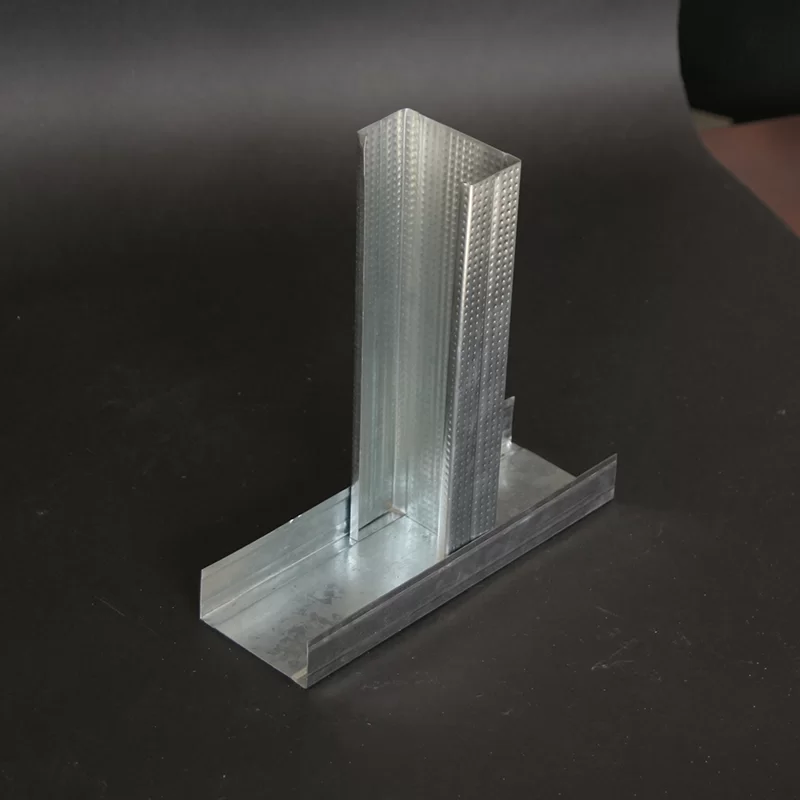
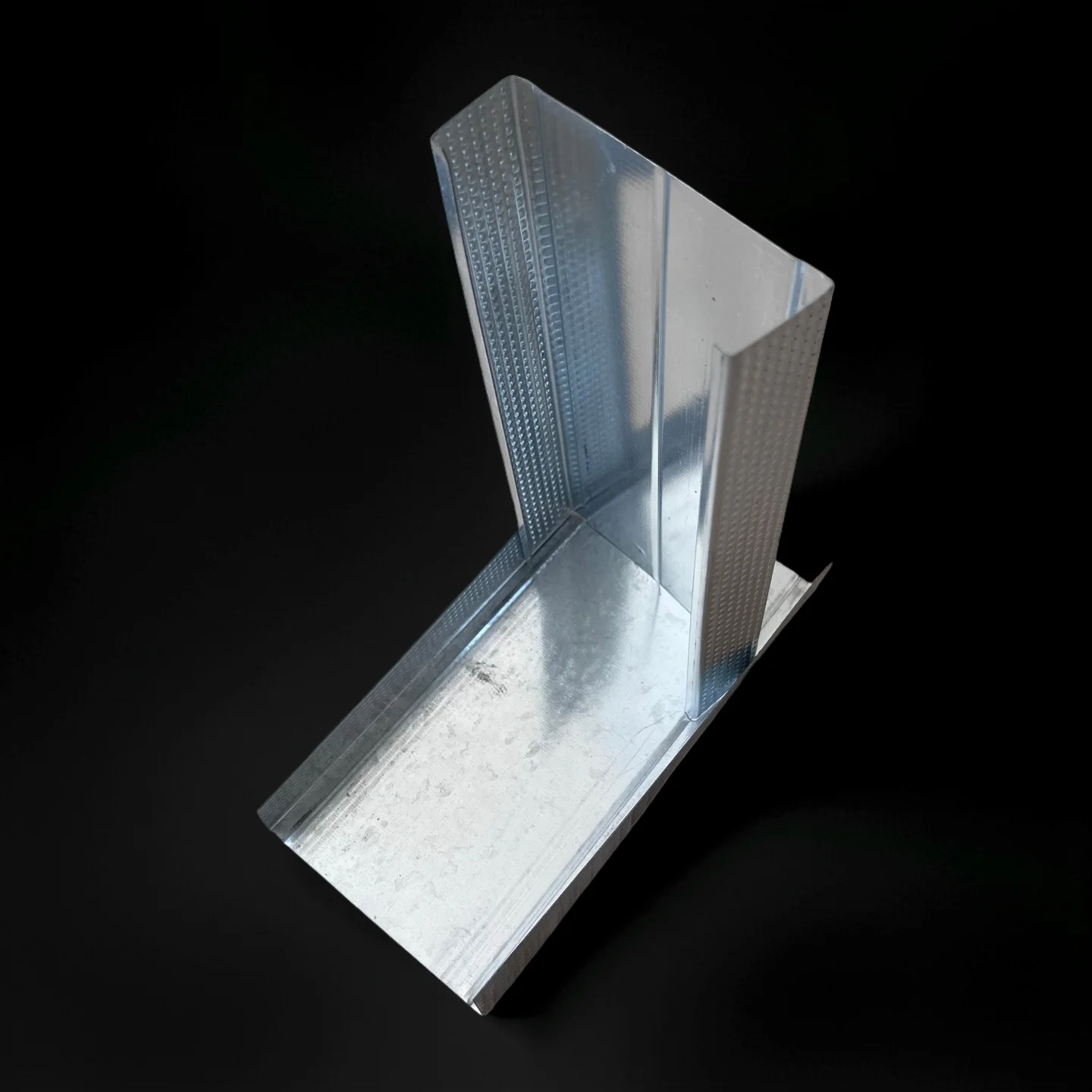
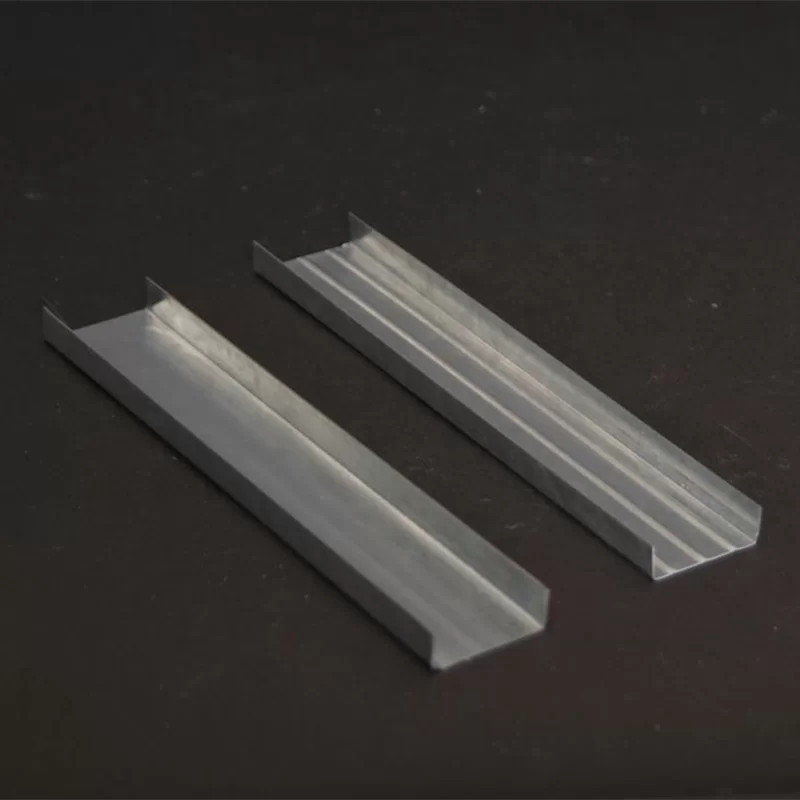
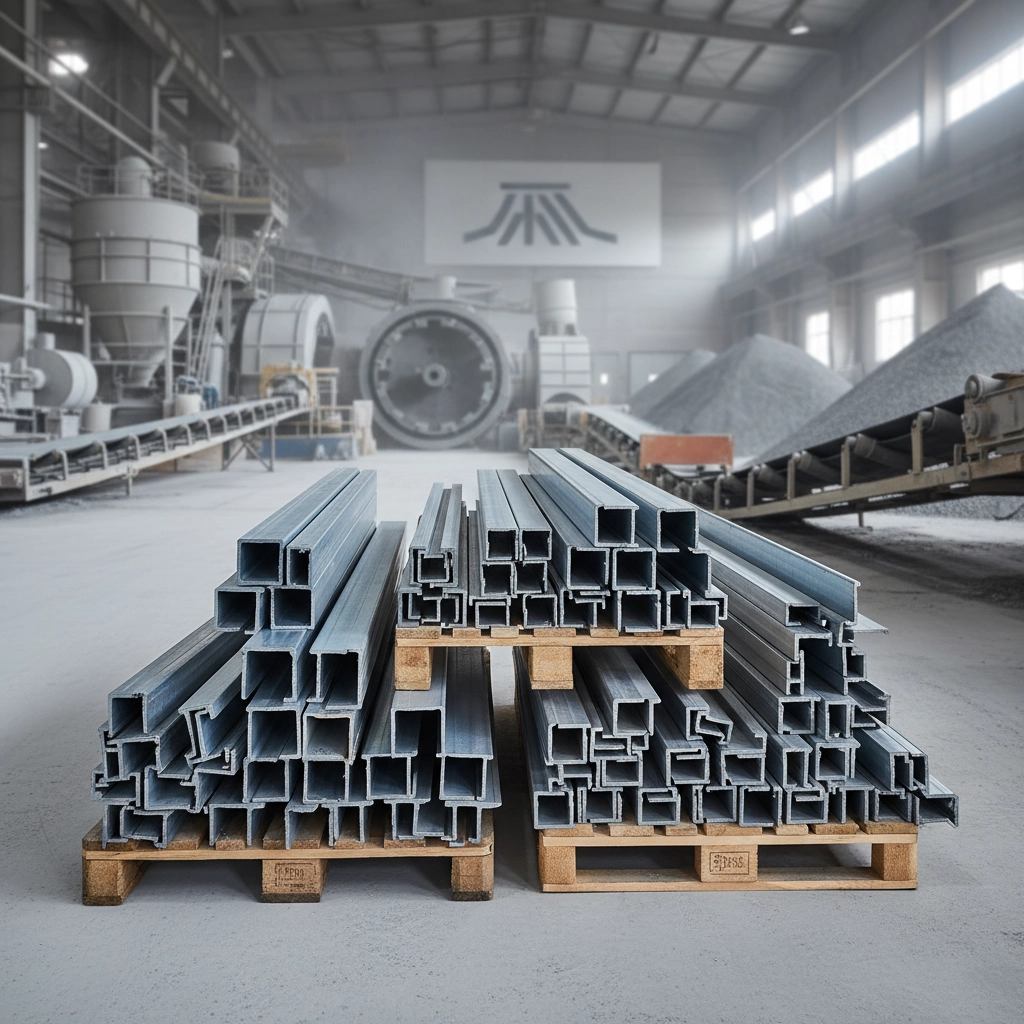
The modern construction industry is continuously seeking materials and methods that offer enhanced performance, durability, and sustainability. Among the myriad options, metal stud construction type has emerged as a cornerstone, revolutionizing how commercial, industrial, and even residential structures are framed. This method, primarily utilizing cold-formed steel (CFS) sections, presents a compelling alternative to traditional wood framing, offering a host of benefits that resonate with contemporary building demands. From its inherent resistance to pests and fire to its remarkable dimensional stability and high strength-to-weight ratio, metal stud framing has transcended its initial applications to become a versatile solution for diverse architectural visions. The evolution of manufacturing techniques, material science, and building codes has further solidified its position, enabling architects, engineers, and contractors to push the boundaries of design and construction efficiency. Understanding the nuances of different metal stud construction types—from interior non-load-bearing partitions to robust load-bearing exterior walls and complex structural systems—is paramount for optimizing project outcomes, ensuring compliance, and delivering structures that are built to last. This deep dive will explore the multifaceted advantages and considerations surrounding this indispensable construction methodology.
The economic footprint and performance capabilities of cold-formed steel (CFS) in construction are substantial, marking it as a critical component in achieving project success and long-term value. Data from industry reports consistently highlight the growth trajectory of the CFS market. For instance, projections indicate the global cold-formed steel market size is set to reach approximately USD 60 billion by 2027, growing at a Compound Annual Growth Rate (CAGR) of over 5% from 2020. This upward trend is driven by several factors, including increasing construction activity worldwide, stringent building codes mandating enhanced safety and durability, and a growing emphasis on sustainable building practices. From a cost perspective, while the initial material cost of steel studs might sometimes be marginally higher than wood, the total installed cost often evens out or even becomes more favorable due to reduced waste, faster installation times, and lower long-term maintenance expenses. Consider a typical commercial office building: using CFS can lead to a 10-15% reduction in overall framing time compared to wood, translating directly into significant labor cost savings and accelerated project timelines. Furthermore, the inherent non-combustible nature of steel contributes to lower insurance premiums and enhanced occupant safety, thereby generating tangible economic benefits over the lifecycle of the structure. The predictability of steel's performance, coupled with its resistance to environmental degradation, pests, and mold, significantly reduces future repair and remediation costs, offering a robust return on investment for developers and building owners alike. These quantifiable advantages underscore why CFS framing is not just a trend but a fundamental shift in modern construction economics.
The technical superiority of metal stud construction, particularly concerning structural integrity and durability, positions it as a preferred choice for demanding building applications. Unlike organic materials, steel is inorganic, rendering it immune to the vulnerabilities of rot, mold, and pest infestations such as termites—issues that can severely compromise the structural integrity and indoor air quality of wood-framed buildings over time. This intrinsic resilience translates into a longer service life for the structure and significantly reduced maintenance costs. Furthermore, steel studs possess exceptional dimensional stability; they do not warp, shrink, or split due to moisture fluctuations, a common problem with wood that can lead to costly callbacks for drywall cracks and alignment issues. This stability ensures straighter walls and more precise finishes, contributing to the aesthetic and functional quality of the final build. In terms of strength, cold-formed steel boasts an impressive strength-to-weight ratio, allowing for lighter wall assemblies that can still support significant loads. This can simplify foundation design and reduce overall structural mass. When it comes to fire safety, steel is non-combustible. While it loses strength at extremely high temperatures, it does not contribute fuel to a fire, nor does it generate smoke or toxic fumes, which are critical factors in occupant safety and evacuation during a fire event. Properly designed metal stud assemblies can achieve high fire-resistance ratings, providing invaluable passive fire protection. For regions prone to seismic activity or high winds, the ductility and strength of steel framing systems offer superior resistance to lateral forces, absorbing energy and maintaining structural integrity where other materials might fail. These combined technical advantages make metal stud construction a resilient, reliable, and high-performance solution for contemporary building challenges.
Beyond its structural and economic merits, metal stud construction offers compelling advantages in terms of sustainability and operational efficiency, aligning with the global push for greener building practices and streamlined workflows. Steel is one of the most recycled materials globally, with an impressive recovery rate exceeding 90% for structural steel and 70% for light gauge steel framing in North America. This high recycled content—often upwards of 25% to 30% post-consumer and pre-consumer recycled material in new steel studs—significantly reduces the demand for virgin resources and minimizes landfill waste. The manufacturing process for cold-formed steel also tends to be more efficient, with less energy consumption per unit of strength compared to some other building materials. On the job site, metal stud framing generates significantly less waste. Off-cuts and scraps are typically recyclable, preventing them from ending up in landfills, a stark contrast to the often unrecyclable waste associated with wood framing. From an operational efficiency standpoint, the lightweight nature of steel studs simplifies handling and installation, reducing physical strain on workers and potentially speeding up the construction schedule. The precision engineering of pre-punched holes in steel studs allows for easier routing of electrical and plumbing lines, reducing the need for on-site modifications and ensuring cleaner installations. Furthermore, the inherent straightness and consistency of steel studs contribute to flatter walls and ceilings, which simplifies the application of drywall and finishes, thereby reducing labor time and material waste during the finishing stages. This meticulousness in material and process control translates into higher quality finished products, fewer construction defects, and ultimately, a more efficient and sustainable building lifecycle.
The market for metal stud construction is populated by a range of manufacturers, each offering distinct advantages in terms of material specifications, proprietary systems, and specialized applications. While many adhere to industry standards like ASTM, differentiation often lies in their specific alloy compositions, coating technologies, and the breadth of their product lines. Below is a comparative overview of representative advanced metal stud systems, highlighting key technical attributes that influence selection for various projects. This comparison underscores the importance of evaluating not just basic gauge and dimension, but also performance enhancements and sustainability features.
Feature/Manufacturer | Acme Framing Solutions | Global Metal Systems | Pinnacle Stud Works |
Steel Grade & Gauge Range | Commercial Grade (33-18 ga), Structural (18-12 ga) - G90 galvanized steel, min. 50 ksi yield strength. | Standard Grade (25-16 ga), High-Strength (16-10 ga) - G60/G90 galvanized steel, min. 40-60 ksi yield strength. | Premium Structural (20-10 ga), Interior Partition (25-20 ga) - G90/G100 galvanized steel, min. 50-65 ksi yield strength. |
Corrosion Protection | Standard G90 Hot-Dip Galvanized, proprietary polymer coating option for extreme environments. | G60/G90 Hot-Dip Galvanized, optional Zinc-Aluminum (Galvalume) coating for enhanced durability. | G90 Hot-Dip Galvanized as standard, specialized post-fabrication epoxy coating for coastal/industrial projects. |
Acoustic Performance (STC Rating Potential) | Standard designs achieve STC 45-50. Specialized studs/assemblies up to STC 60 with additional insulation. | Typical assemblies reach STC 40-48. Advanced sound-attenuating designs with resilient channels achieve STC 55+. | Baseline STC 48-52. Proprietary decoupled stud systems and specific gauges designed for STC 60+ without extensive add-ons. |
Fire Rating (Hourly) | UL/ASTM certified assemblies for 1, 2, 3, and 4-hour fire ratings. | UL listed systems for 1, 2, 3-hour fire ratings, often with less gypsum board layers. | Extensive UL/ASTM testing, achieving 1 to 4-hour ratings with innovative stud designs and minimal material. |
Recycled Content (Avg.) | Minimum 25% post-consumer, up to 70% total recycled content. | Typically 28% post-consumer, up to 65% total recycled content. | Industry-leading 30% post-consumer, up to 75% total recycled content for LEED projects. |
Specialized Systems/Innovations | Pre-engineered panelized wall systems, seismic clip connections, sound-isolation studs. | Thermal break studs for exterior walls, robust curtain wall framing systems, non-magnetic studs for MRI rooms. | High-span floor joists, custom radius studs for curved walls, rapid-install track and stud systems. |
This comparison illustrates that while the foundational principles of metal stud construction remain consistent, manufacturers differentiate themselves through innovations in material science, product design, and system integration. Selecting the right manufacturer often involves aligning project-specific requirements—such as seismic performance, acoustic isolation, fire resistance, or sustainability goals—with a manufacturer's particular strengths and offerings. For instance, a project requiring superior soundproofing might lean towards Pinnacle Stud Works for its specialized acoustic systems, while a large-scale commercial development focused on rapid deployment might favor Acme Framing Solutions' pre-engineered panelized options. The choice ultimately impacts not just the initial build but also the long-term performance and operational costs of the structure.
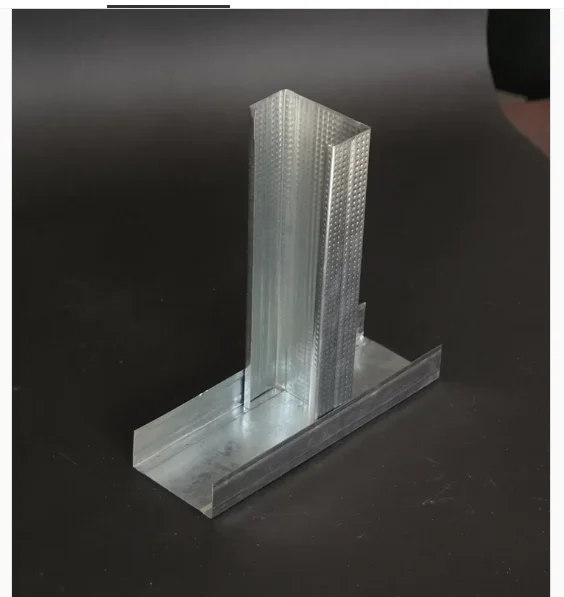
The versatility of metal stud construction extends far beyond standard wall framing, offering an impressive degree of customization and adaptability for a myriad of complex architectural and structural requirements. This flexibility allows for the creation of truly bespoke solutions that address unique project challenges, whether they involve intricate designs, challenging environmental conditions, or specific performance criteria. For instance, in regions prone to high seismic activity, specialized metal stud framing systems incorporating advanced bracing and connection details are engineered to provide superior ductility and energy absorption, ensuring the structural integrity of buildings during an earthquake. Similarly, coastal environments demand enhanced corrosion protection, leading manufacturers to offer studs with superior galvanization or proprietary epoxy coatings that can withstand saline air and humidity, significantly extending the lifespan of the framing. Architecturally, metal studs can be custom-formed to create complex curves, arches, and irregular shapes, liberating designers from the constraints of linear construction and enabling the realization of ambitious aesthetic visions, such as the sweeping curved walls often seen in modern museums or luxury hotels. Case studies abound, demonstrating this adaptability: a prominent tech campus recently utilized custom-fabricated metal studs for its cutting-edge research facility, requiring precise tolerances for equipment mounting and superior vibration isolation. Another example is a LEED Platinum certified hospital, where not only the standard wall framing but also specialized systems for lead-lined walls (for imaging departments) and robust shafts (for mechanical risers) were executed using tailored metal stud solutions, contributing to the facility’s overall safety, efficiency, and environmental performance. These applications highlight that metal stud systems are not merely components but foundational elements that can be engineered to meet the most stringent and specific demands of contemporary construction.
As the construction industry continues to evolve, driven by demands for increased efficiency, sustainability, and resilience, the various metal stud construction type systems are poised to play an even more critical role. The inherent advantages of cold-formed steel—its superior strength, non-combustibility, resistance to pests and mold, dimensional stability, and high recyclability—make it an indispensable material for building durable, safe, and environmentally responsible structures. Looking ahead, innovations in manufacturing, such as advanced roll-forming technologies and automated fabrication processes, are continuously improving the precision and speed of metal stud production and assembly, further enhancing cost-effectiveness and reducing construction timelines. The integration of Building Information Modeling (BIM) with metal stud design and prefabrication is streamlining workflows, minimizing waste, and ensuring greater accuracy on complex projects. Furthermore, research into new steel alloys and coating technologies promises even greater performance in terms of corrosion resistance, thermal efficiency, and acoustic dampening. The versatility of metal stud framing allows it to adapt seamlessly to evolving building codes and performance requirements, ensuring its relevance in future construction paradigms, including modular and off-site construction methods. From high-rise commercial towers and critical healthcare facilities to educational institutions and multi-family residential complexes, the optimal metal stud construction type continues to offer a compelling blend of performance, value, and adaptability. Its enduring efficacy stems from its proven track record and its capacity for continuous innovation, securing its place as a cornerstone of modern building practices and a key enabler for the sustainable, resilient structures of tomorrow.
Q1: What are the primary types of metal studs used in construction?
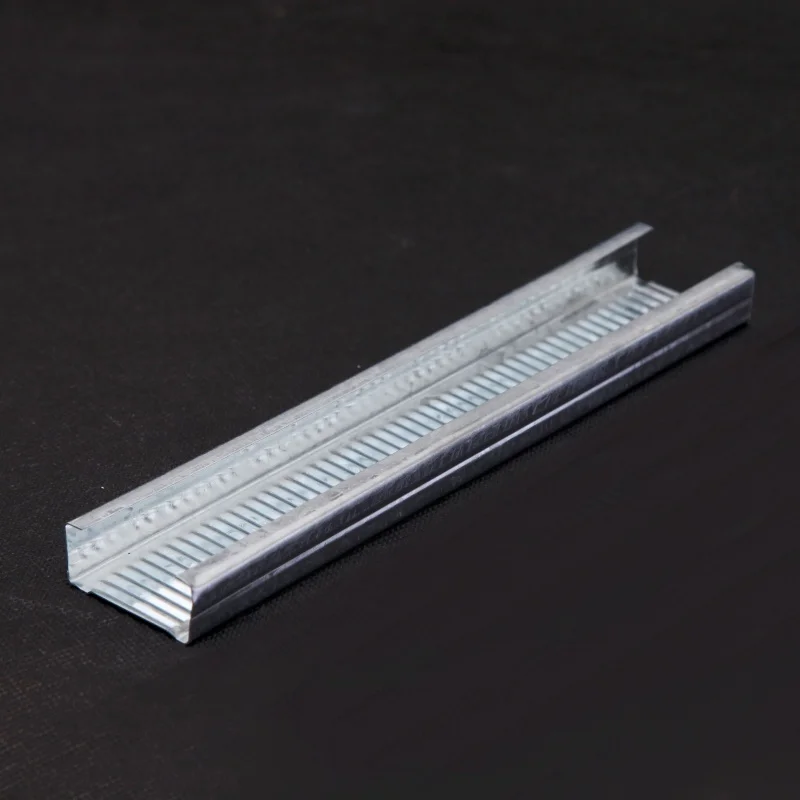
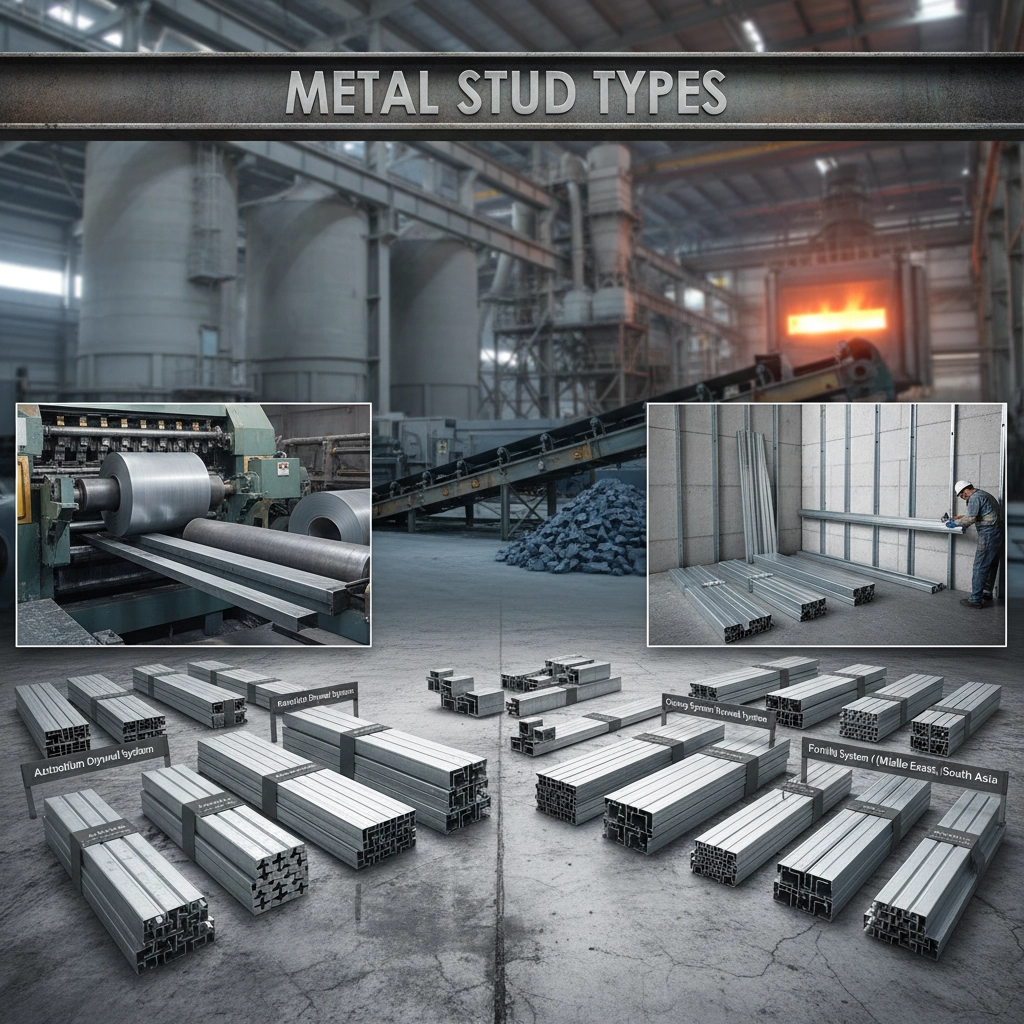
A1: The primary types include non-load-bearing studs (often 25-gauge or lighter, used for interior partitions), load-bearing studs (typically 20-gauge or heavier, used for exterior walls, curtain walls, and structural elements), and specialized studs like resilient channels (for acoustic isolation), fire-rated studs, and curved studs for architectural features. Studs also vary by web depth, flange size, and lip size.
Q2: How does the gauge of a metal stud affect its application?
A2: The gauge (thickness) of a metal stud directly correlates with its strength and stiffness. Lighter gauges (e.g., 25-gauge) are suitable for non-load-bearing interior walls, while heavier gauges (e.g., 20, 18, 16-gauge and lower) are used for load-bearing applications, exterior walls, and areas requiring greater structural integrity, such as those supporting heavy finishes or resisting seismic forces.
Q3: What are the main advantages of using metal studs over wood studs?
A3: Key advantages include superior fire resistance (non-combustible), resistance to pests (termites, rodents) and mold, dimensional stability (no warping, shrinking, or splitting), lighter weight for easier handling, consistent quality, higher recycled content, and typically straighter walls and corners.
Q4: Are metal stud construction types more expensive than wood framing?
A4: Initial material costs can sometimes be comparable or slightly higher for metal studs. However, when considering the total installed cost, metal framing often becomes competitive or even more economical due to faster installation, reduced waste, lower insurance premiums (due to fire resistance), and significantly lower long-term maintenance costs (no rot, mold, or pest issues).
Q5: How does metal stud construction address acoustic performance?
A5: Metal stud assemblies can achieve excellent acoustic performance, often superior to wood. This is accomplished through various methods, including using staggered or double-stud wall configurations, incorporating sound-absorbing insulation within the cavities, and utilizing resilient channels or specialized acoustic studs to decouple the drywall from the framing, thereby reducing sound transmission.
Q6: Can metal stud framing be used in residential construction?
A6: Absolutely. While historically more common in commercial builds, metal stud framing is increasingly used in residential construction, particularly for multi-family dwellings, custom homes, and basements. Its benefits, such as fire safety, pest resistance, and long-term durability, are highly attractive for homeowners and developers alike.
Q7: What corrosion protection is typically applied to metal studs?
A7: Metal studs are primarily protected by galvanization, a process where steel is coated with a layer of zinc. Common galvanization designations include G60 and G90, indicating the minimum amount of zinc coating in ounces per square foot. G90 offers superior corrosion resistance and is often preferred for exterior applications or humid environments. Some specialized studs may also feature additional polymer or epoxy coatings for extreme conditions.