Hit enter to search or ESC to close
April 21, 2026
When planning a commercial or residential project involving a suspended ceiling, understanding the suspended drywall ceiling grid cost is crucial for accurate budgeting. Several factors influence the final price, from the materials used to the complexity of the installation. This article provides a comprehensive overview of these costs, helping you make informed decisions. We'll cover material breakdowns, labor expenses, and potential additional costs, along with tips on how to optimize your spending.

The cost of a suspended drywall ceiling grid varies significantly depending on the type of grid material, the size of the area, and the complexity of the design. Common grid materials include galvanized steel, aluminum, and, less frequently, vinyl-coated steel. Galvanized steel is generally the most affordable option, while aluminum is lighter and more corrosion-resistant, making it suitable for humid environments. Labor costs are also a substantial part of the equation, varying based on location and the installer's experience. Furthermore, the height of the ceiling and any required modifications to existing structures can impact the overall expense.
Key Considerations: The size of the area, complexity of the design, materials used, and the location all affect the final cost.
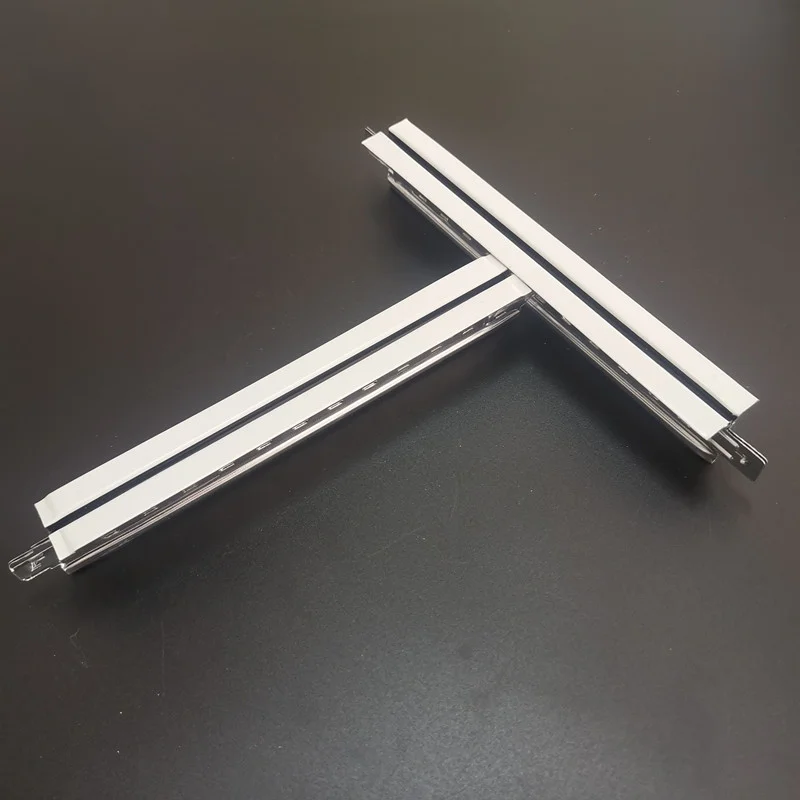
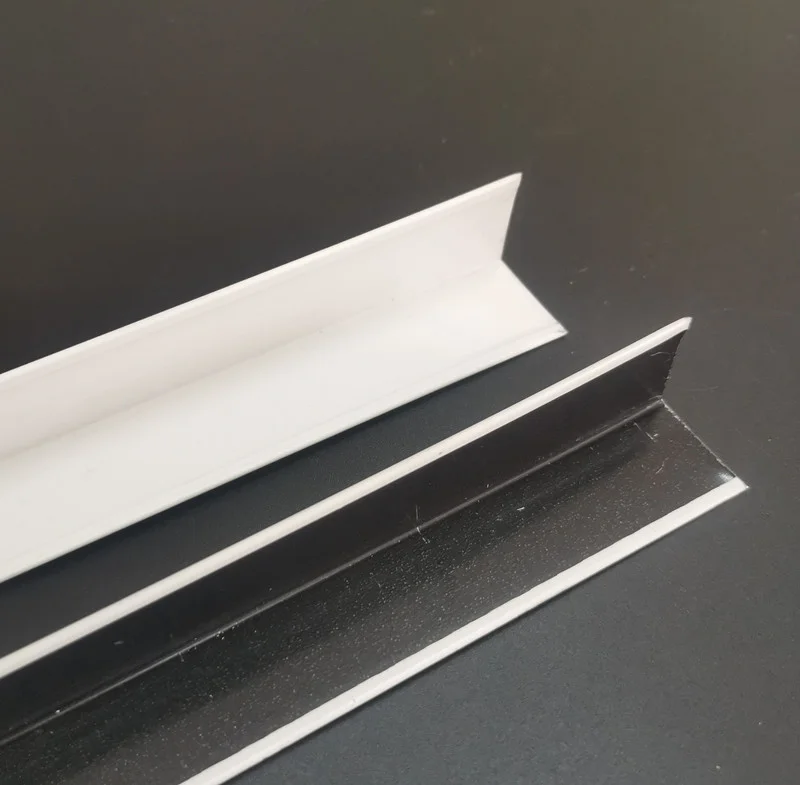
Let's delve into the specific material costs involved. Main components include the main runners (the longest sections supporting the ceiling), cross tees (connecting to the main runners to form the grid), and wall angle (secured to the walls to support the perimeter of the grid). Here’s a general cost range per square foot:
Labor costs typically range from $2 to $5 per square foot, depending on the region, the installer's rates, and the complexity of the job. Factors that increase labor costs include intricate designs, working at heights, and the need to work around existing fixtures or obstacles. It is always best to get multiple quotes from qualified installers to ensure you're receiving a competitive price. A professional installation ensures the ceiling is level, secure, and meets all building codes.
Labor Cost Influencers:
• Regional Labor Rates
• Complexity of the Design
• Ceiling Height & Accessibility
• Obstacles & Existing Fixtures
Choosing the right grid material involves weighing cost against performance. Galvanized steel offers the best value for dry, indoor applications. Aluminum is ideal for areas prone to moisture or corrosion, but comes at a higher price. This chart provides a side-by-side comparison:

Beyond materials and labor, be prepared for additional costs. These might include permits (depending on local regulations), removal of existing ceilings, electrical work if relocating lighting fixtures, and the cost of drywall itself, which is typically priced separately. Unexpected issues, like hidden plumbing or electrical wiring, can also add to the budget. It’s wise to include a contingency fund of 10-15% to cover unforeseen expenses. A reliable contractor like Jinka IBM can help you anticipate and manage these potential costs.
Accurately estimating the suspended drywall ceiling grid cost requires careful consideration of materials, labor, and potential additional expenses. By understanding these factors and obtaining quotes from reputable installers, you can ensure a successful and cost-effective project. Don’t hesitate to seek professional guidance to navigate the complexities and achieve the desired result.
A well-installed suspended ceiling grid can last for 20-30 years or even longer with proper maintenance. However, factors like humidity, corrosion, and heavy loads can shorten its lifespan. Regular inspections for rust, sagging, or damage are recommended. Replacement of individual components, such as cross tees, is often possible rather than replacing the entire grid. The quality of the materials used also plays a significant role – higher-quality grids, like those made from aluminum, tend to be more durable.
While it's technically possible to install a suspended ceiling grid yourself, it's generally recommended to hire a professional. Correct installation is crucial for safety and performance. Errors can lead to sagging, instability, and even collapse. Professionals have the experience and tools to ensure the grid is level, securely fastened, and meets all building codes. DIY installation may also void any warranties on the materials.
To get an accurate quote, provide potential installers with as much detail as possible about your project. This includes the square footage of the area, ceiling height, desired grid material, any existing ceilings that need to be removed, and any specific design requirements. Ask for a detailed breakdown of costs, including materials, labor, and any potential additional expenses. It's also a good idea to get multiple quotes from different installers to compare prices and services.
Aluminum grids are more corrosion-resistant than galvanized steel, making them ideal for humid environments like bathrooms, kitchens, or areas near water sources. Aluminum is also lighter, which can simplify installation, particularly at higher elevations. However, aluminum is generally more expensive than galvanized steel. If corrosion isn’t a concern and budget is a primary factor, galvanized steel is often a suitable choice.