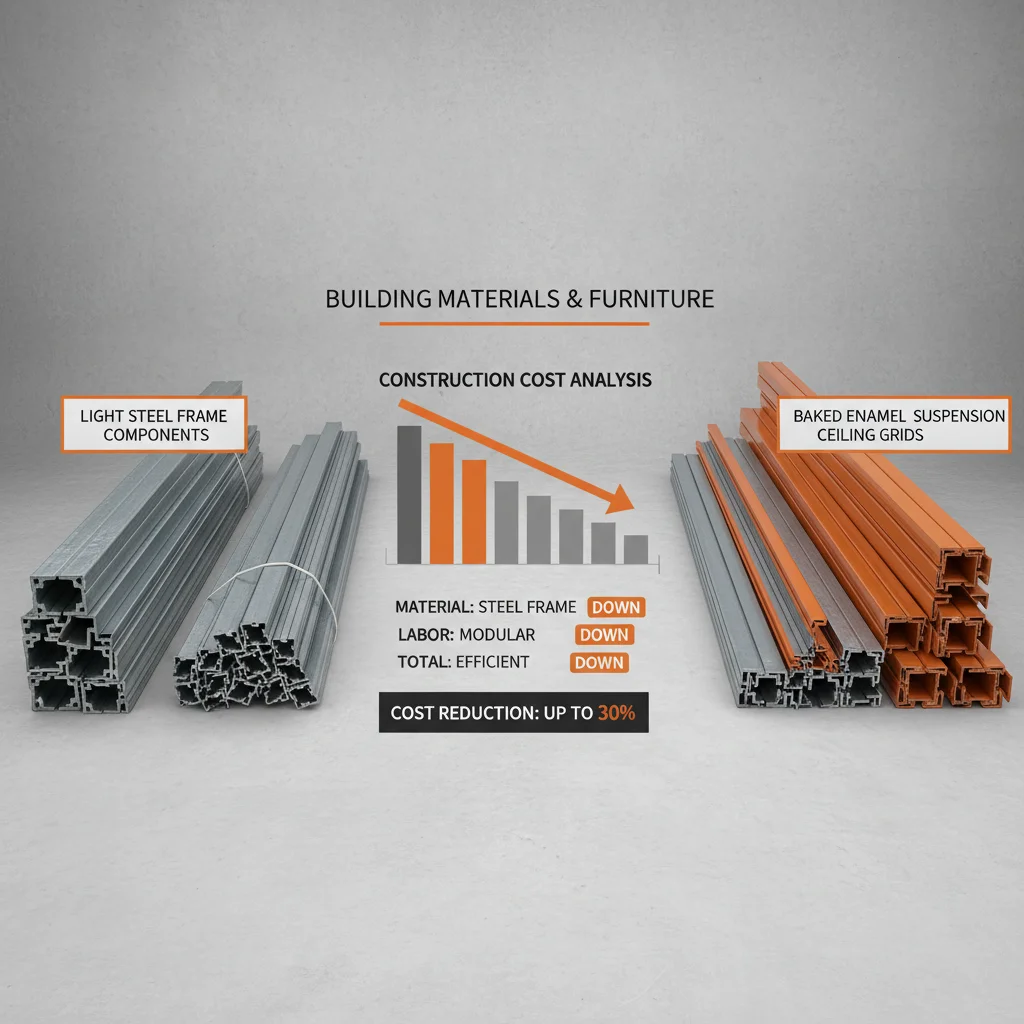
Gypsum Board Profile is a key solution in the industry, specifically within the construction and interior design sectors. This article explores how https://www.jinkaibm.com supports professionals with durable, high-performance products, and explains why this product is an ideal choice for businesses in these sectors.
Table of Contents
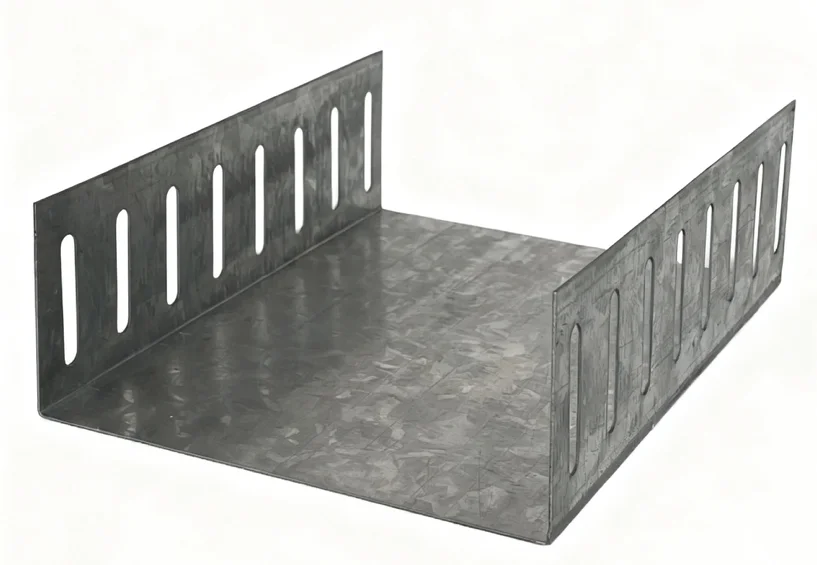
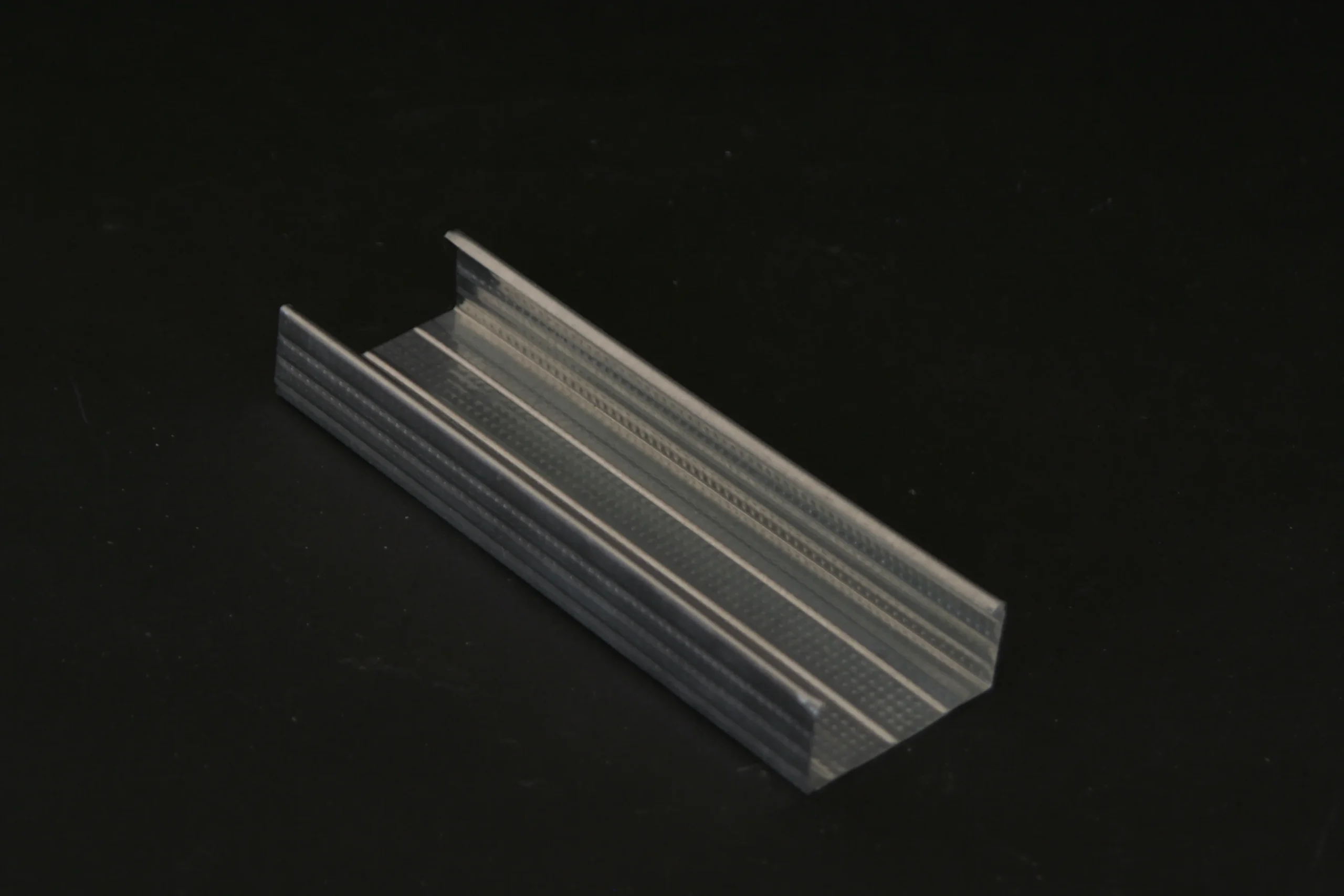
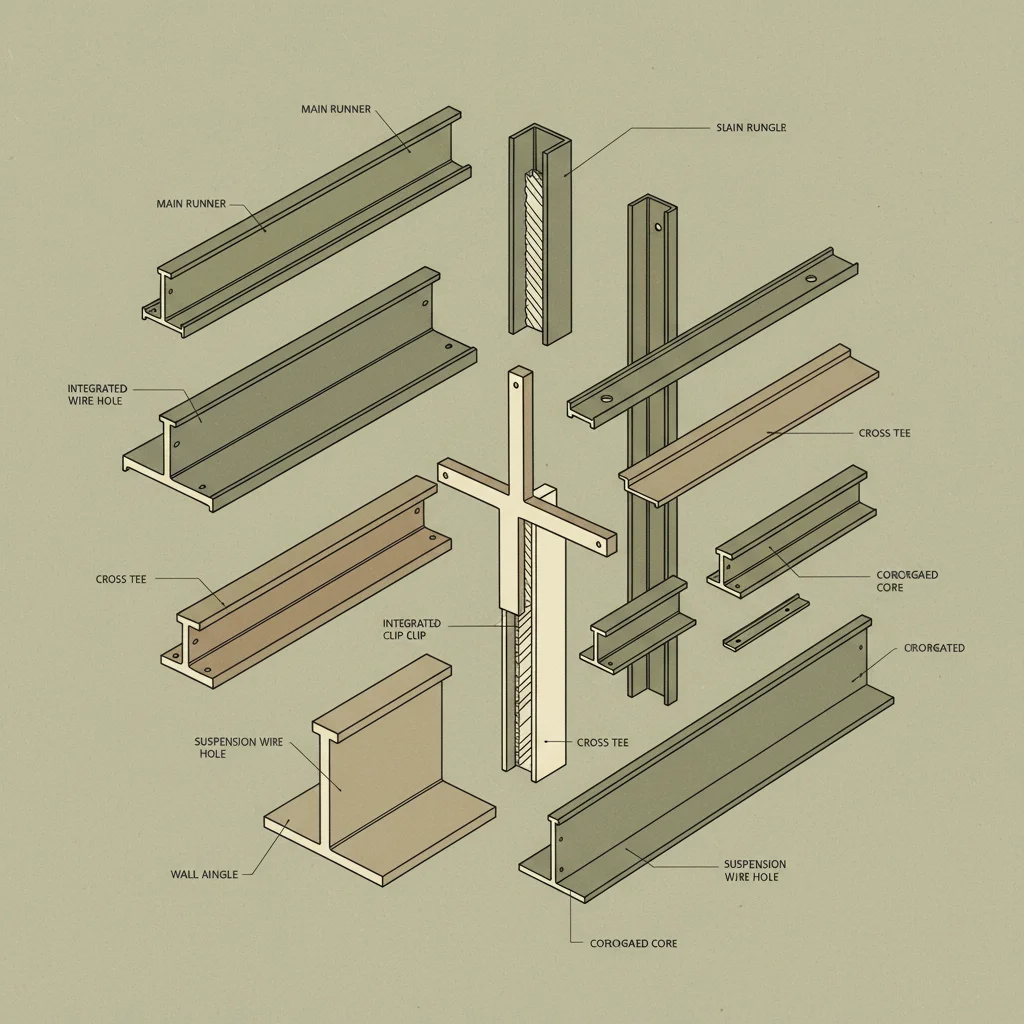
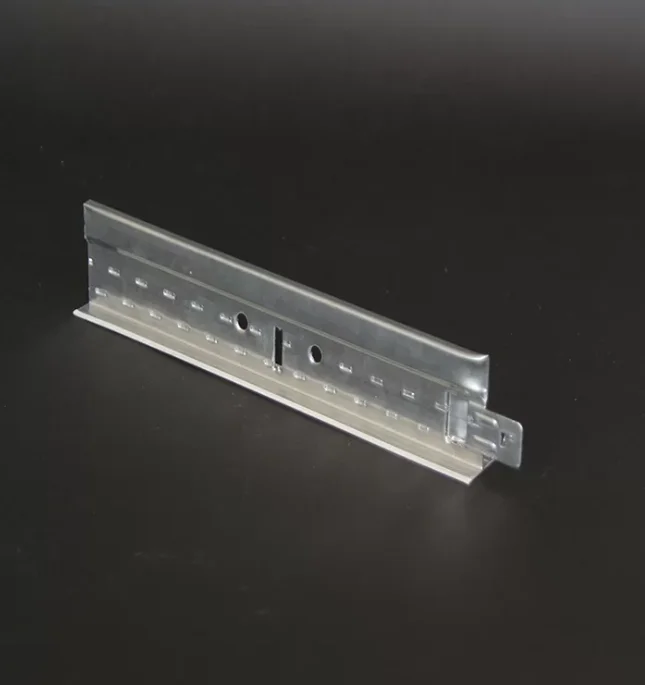
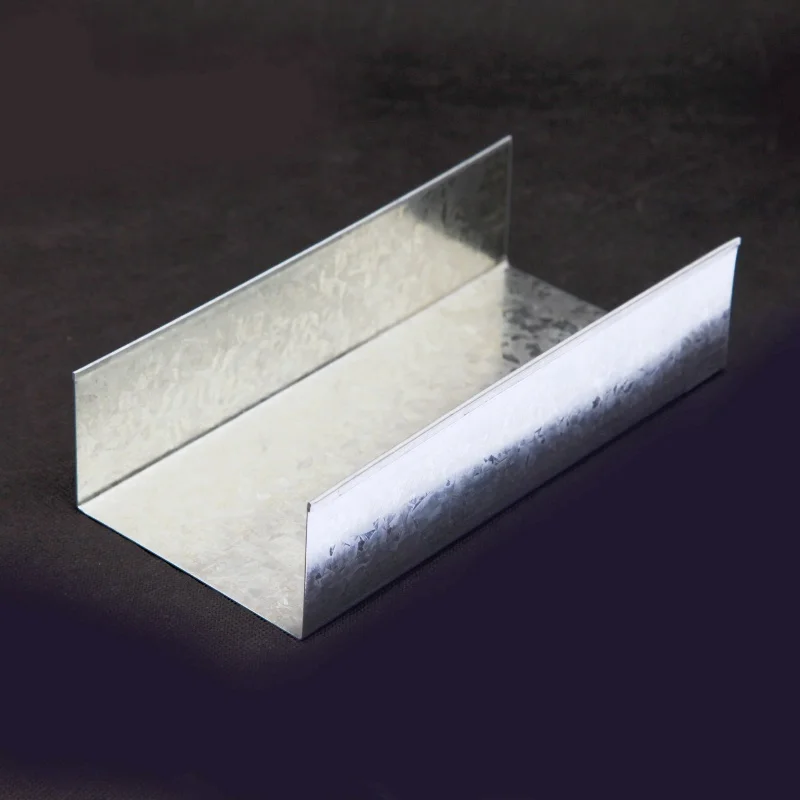
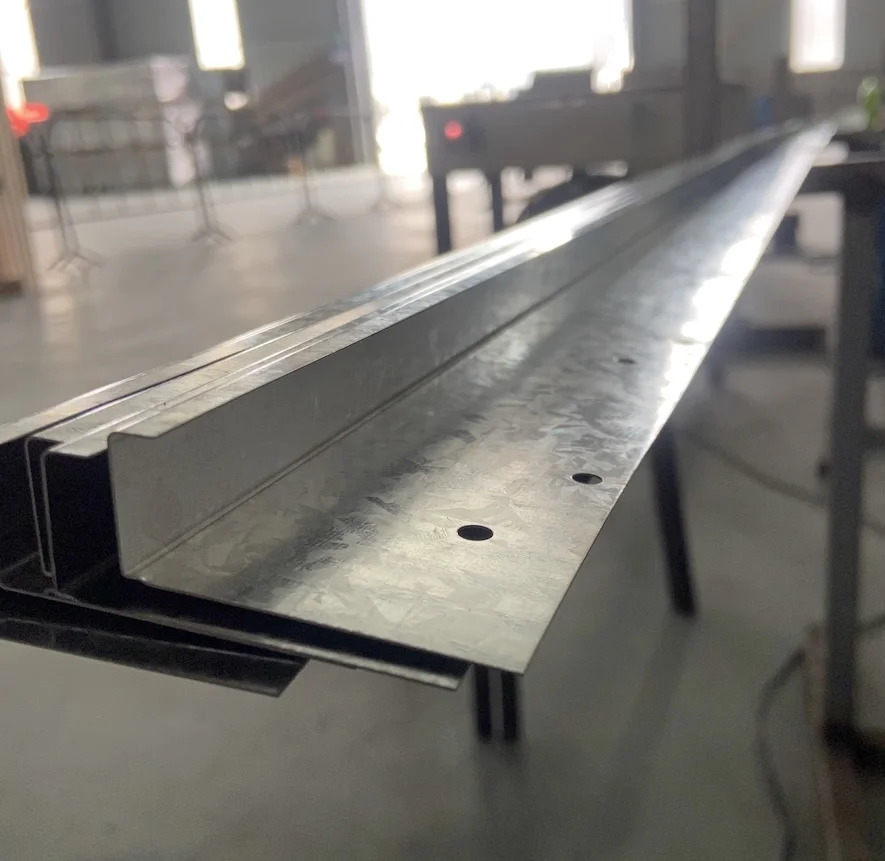
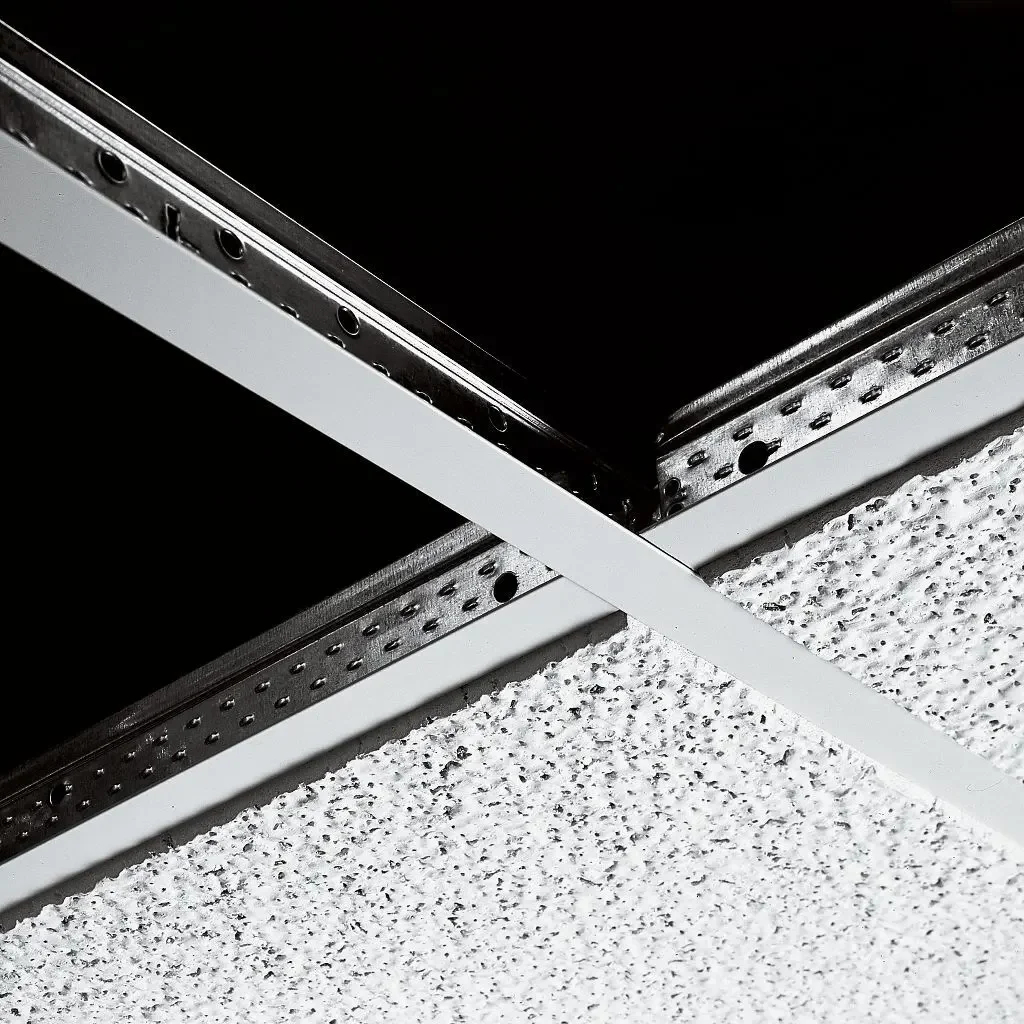
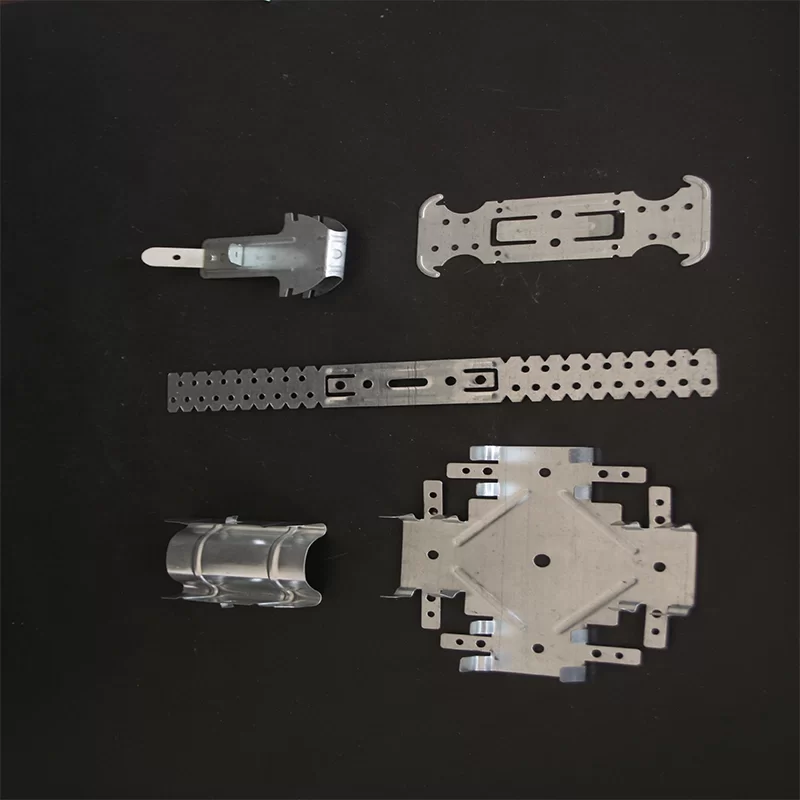
For those immersed in construction or renovation, Gypsum Board Profile might sound familiar, but it's worth unpacking what it really entails. Simply put, gypsum board profiles are the metal frames or channels that provide the skeleton to hang gypsum boards – those drywall panels you see everywhere, from offices to homes. They’re critical for shaping walls, ceilings, and partitions with precision and sturdiness.
Technically, these profiles typically consist of galvanized steel, engineered for rigidity and corrosion resistance. Jinkai Industrial has developed gypsum board profiles with specifications tailored to resist warping and bending, common issues that can plague lesser materials in humid or fluctuating environments. For example, their standard C-profile comes in thicknesses around 0.5mm to 1.0mm, with a height ranging from 27mm to 100mm depending on the structural requirements. These profiles have undergone rigorous tests, including load-bearing and impact trials, to ensure long-term stability. I suppose their attention to technical detail is what really makes a difference in real-world applications.
Typical Gypsum Board Profile Specifications
| Specification |
Value |
Notes |
| Material |
Galvanized Steel |
Corrosion resistant |
| Thickness |
0.5mm – 1.0mm |
Depending on load requirements |
| Profile Types |
C-profile, U-profile, L-profile |
Versatile framing options |
| Length |
3,000mm standard |
Custom lengths available |
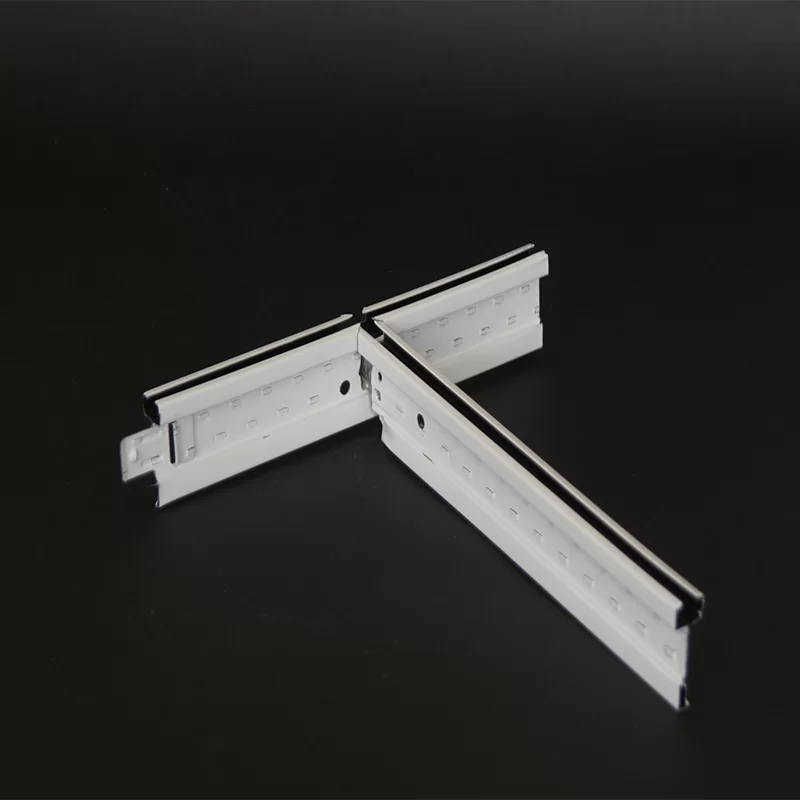
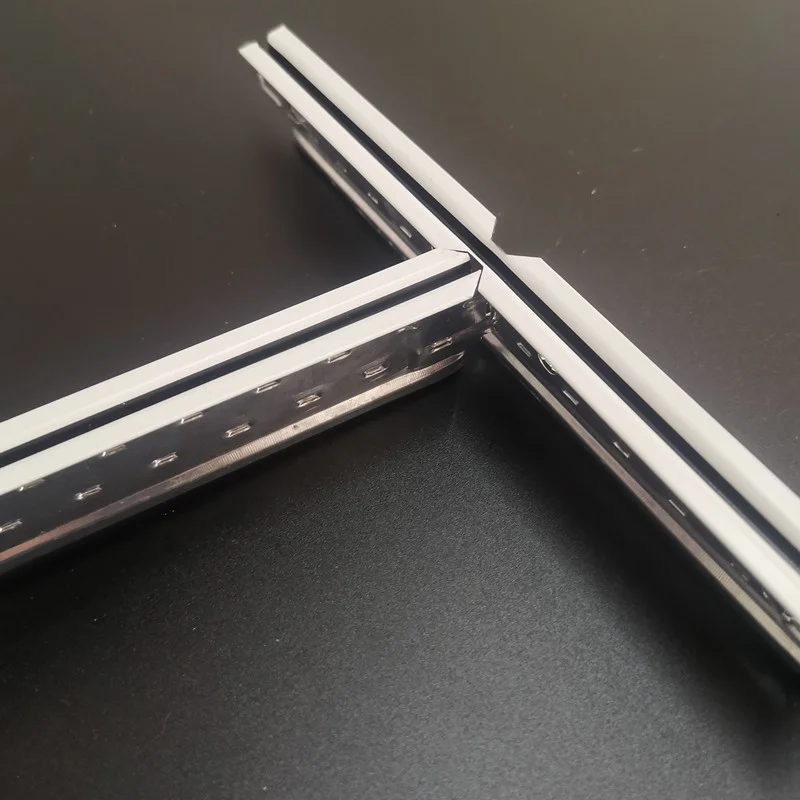
The applications of gypsum board profiles are, frankly, vast – but what stands out is just how indispensable they are in creating lightweight yet durable partitions, suspended ceilings, and even decorative wall elements. For industries involved in commercial building, residential development, or even hospitality upgrades, these profiles offer a backbone that’s easy to assemble and adapt on site.
One feature I keep hearing from engineers and contractors is how Jinkai’s profiles resist typical onsite hassles like twisting or misalignment during installation. That means less waste, fewer callbacks, and saving on labor hours — it adds up. Beyond that, these profiles don’t just hold drywall; they also support insulation, wiring, and fixtures, which is crucial for modern building codes and energy efficiency standards.
Oddly enough, customers mention how the profiles’ smooth finishing subtly improves the final aesthetic, reducing the amount of filler and sanding needed before painting — a small but welcome benefit. And frankly, when you’re managing multiple projects, every detail that speeds up finishing counts.
Cost, Maintenance & User Experience
Cost-wise, gypsum board profiles from Jinkai strike a good balance between upfront expense and long-term value. While they’re not the cheapest on the market, their durability and minimal maintenance translate to a better total cost of ownership. You know, it’s one of those cases where a lower initial price sometimes means higher costs later. Here, the profiles’ galvanized steel reduces corrosion even in damp environments, which is a boon if you’re in coastal or humid regions.
User feedback highlights the ease of installation and consistent product quality. A repeat client in the commercial construction sector noted a 15% reduction in project time after switching to Jinkai’s profiles — that’s a substantial saving on labor costs alone. Maintenance typically involves just standard inspections, with no significant repairs or replacements needed for years, which I suppose is reassuring amid tight budgets.
Vendor Comparison Table
Gypsum Board Profile Vendors Comparison
| Vendor |
Material Quality |
Price Range |
Lead Time |
Customization |
| Jinkai Industrial |
High (galvanized steel) |
Mid to High |
2-3 weeks |
Wide range |
| Vendor A |
Medium |
Low |
1 week |
Limited |
| Vendor B |
High |
High |
3-4 weeks |
Moderate |
Sustainability & Market Trends
Sustainability is no longer an afterthought in building materials, and gypsum board profiles fit into this narrative quite nicely. Companies like Jinkai are increasingly focusing on producing galvanized steel that’s not only durable but also fully recyclable, aligning well with circular economy principles. Frankly, regulations are tightening across regions concerning VOC emissions, waste reduction, and energy-efficient manufacturing, so profiles that can meet or exceed these standards are getting a leg up.
Market-wise, demand for gypsum board profiles is growing steadily thanks to rising urbanization and focus on modular, lightweight construction. It feels like the trend toward faster build times and safer structures has pushed B2B decision makers to favor reliable, innovative solutions. Jinkai’s ability to customize profiles to fit new building codes and green certifications shows they are listening to industry needs — and that responsiveness is critical when the market moves fast.
Frequently Asked Questions about Gypsum Board Profile
- What is Gypsum Board Profile and how does it work?
-
Gypsum Board Profile is the metal framework, primarily made of galvanized steel, that supports gypsum boards in walls and ceilings. It works as the essential skeleton to which drywall panels are fixed, ensuring stability, shape, and alignment.
- What are the main benefits of using Gypsum Board Profile in industrial applications?
-
The key benefits include enhanced durability, resistance to deformation, ease of installation, and compatibility with insulation and wiring needs. Additionally, it improves cost-effectiveness by reducing labor and maintenance.
- How does Gypsum Board Profile compare to traditional alternatives?
-
Compared to wooden or less refined metal profiles, gypsum board profiles offer improved precision, corrosion resistance, and adaptability. The galvanized steel construction means longer lifespan and less warping, which is especially crucial in humid conditions.
- What industries can benefit most from Gypsum Board Profile implementation?
-
Primarily, construction, commercial real estate, hospitality, and residential building sectors see major benefits. The profiles are ideal for office buildings, hotels, hospitals, and modular housing projects where quality and speed matter.
Conclusion on Gypsum Board Profile from China
Ultimately, gypsum board profiles represent a subtle but foundational component in modern construction projects. Their role in ensuring both structural integrity and aesthetic quality is often overlooked until you dig into the details. Companies like Jinkai Industrial provide profiles that meet rigorous quality demands while addressing practical concerns related to cost, maintenance, and sustainability. For decision makers weighing options, these profiles stand out as a reliable investment.
Visit our website: https://www.jinkaibm.com
Reflecting on the evolution of gypsum board profiles, it’s clear that incremental innovations in materials and design translate to big improvements onsite. For B2B professionals, partnering with suppliers like Jinkai who combine quality with practical support can genuinely make a difference.
References:
1. Jinkai Industrial Product Specifications
2. Industry Construction Journals, 2023
3. Global Market Insights on Drywall Framing Materials, 2024