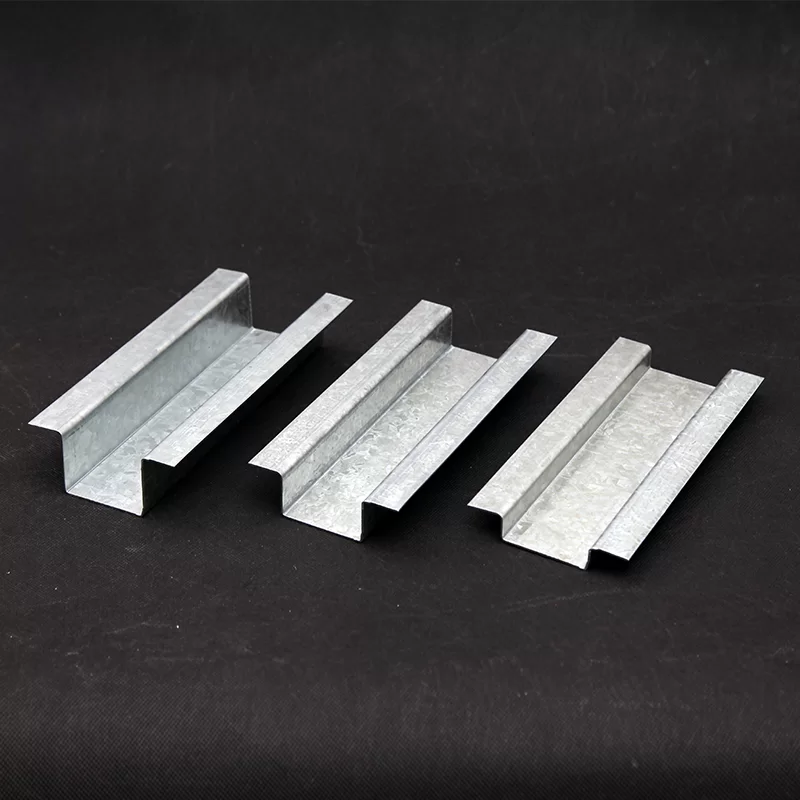
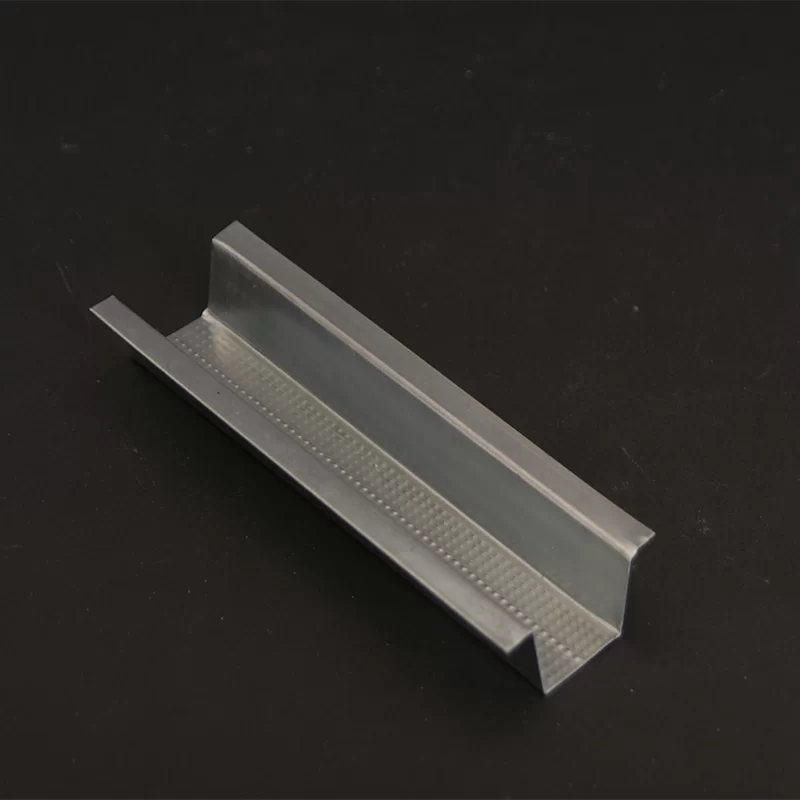
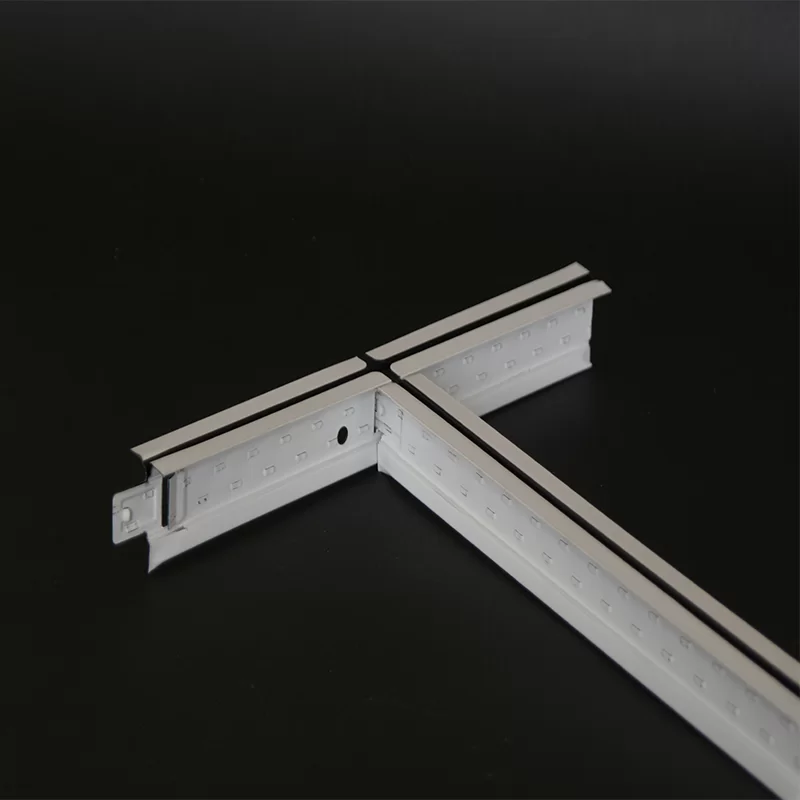
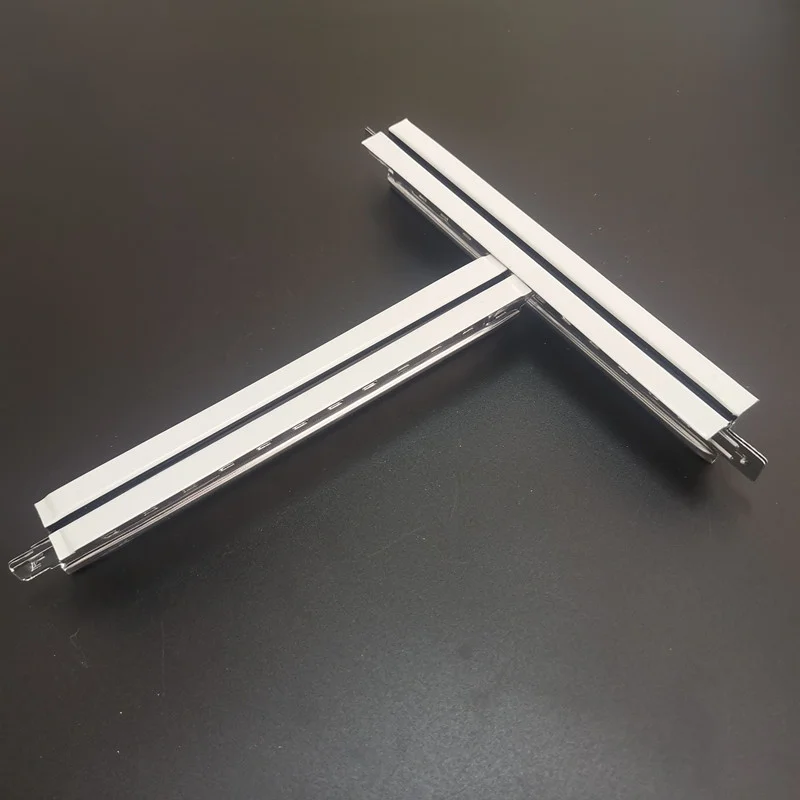
Having spent years deep in the industrial equipment trenches, I can say that sometimes it’s the little things that make a huge difference on-site. Take plasterboard corner profiles — yes, those narrow strips you rarely notice in finished walls but really, they do a lot of the heavy lifting beneath the surface.
Oddly enough, the exact choice of corner profile can impact not only the durability but also the ease of installation and even final appearance of drywall corners. If you’re working on anything from residential builds to commercial offices, trusting a quality corner profile feels like a no-brainer – but I suppose it’s one of those details that sometimes gets overlooked.
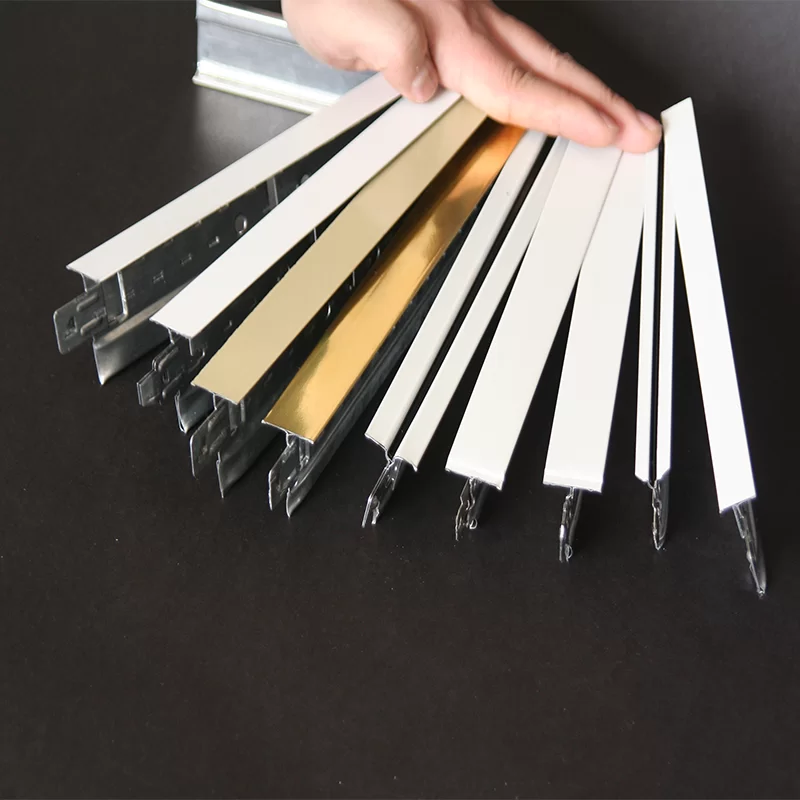
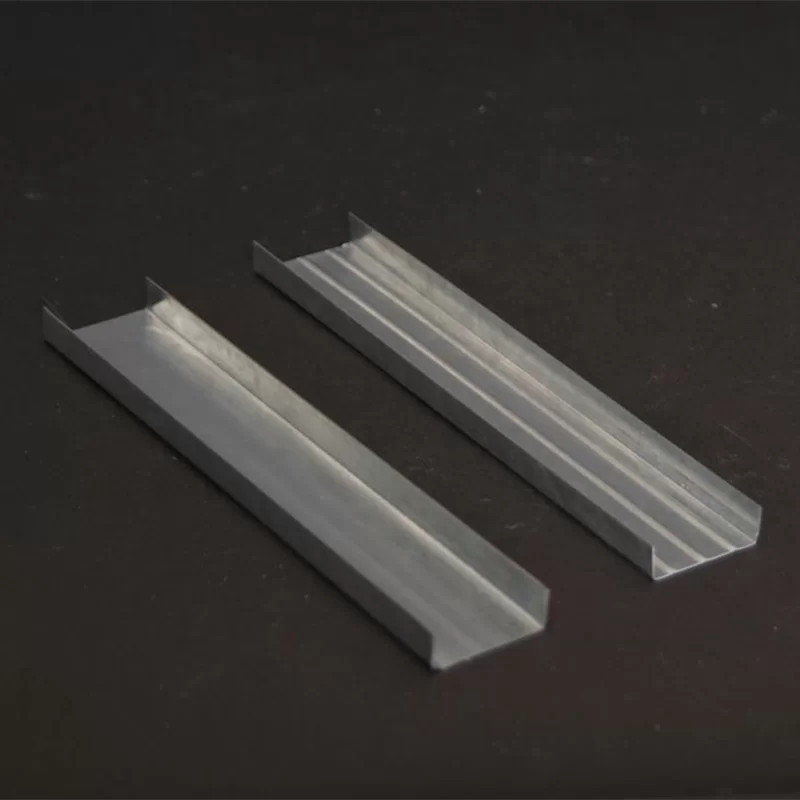
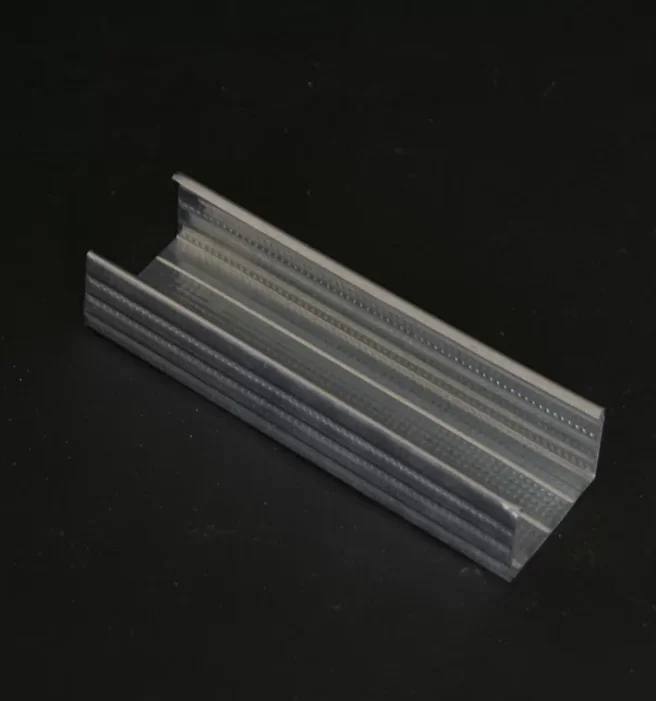
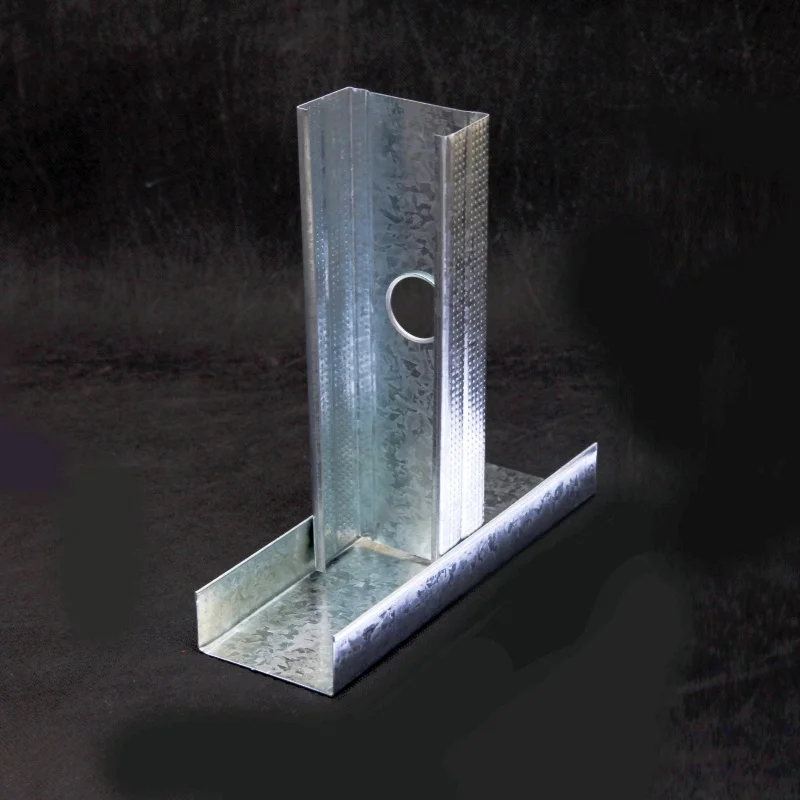
In real terms, a plasterboard corner profile reinforces vulnerable edges where plasterboard sheets meet at corners, protecting them from knocks, dents, and wear. They’re made from materials like galvanized steel, PVC, or aluminum — each with its own pros and cons. From my experience, galvanized steel profiles tend to offer tougher resistance on busy job sites, but PVC profiles provide the advantage of flexibility and easier cutting, especially when retrofitting older buildings.
Here’s a quick snapshot of typical specs you’ll find:
| Specification |
Typical Value |
| Material |
Galvanized steel, PVC, aluminum |
| Length |
2.5m – 3m |
| Width of flange |
20mm – 25mm |
| Thickness |
0.5mm – 0.7mm (steel), 1.0mm (PVC) |
| Finish |
Galvanized, powder-coated, plain PVC |
Now, a little story — just last month, I was on-site with a contractor who swore by one brand of stainless steel profiles. Turns out, the job was a busy school renovation with a lot of kids running around, and they really needed reinforced corners that wouldn’t chip or rust. The profile held up flawlessly under wear and tear, and the painter even commented on how clean the edges looked after finishing. It’s these kinds of “small wins” that weigh in when you’re specifying materials.
When choosing a vendor for plasterboard corner profiles, several factors come into play: material quality, pricing, customization options, and lead times. Here’s how a few typical suppliers stack up — this isn't exhaustive, but it reflects what many in the industry eyeball before buying.
| Vendor |
Material Options |
Customization |
Typical Lead Time |
Price Range |
| Jinkai Building Materials |
Steel, PVC, Aluminum |
Custom lengths & thicknesses |
2-3 weeks |
Competitive |
| CornerPro |
Steel only |
Limited |
1-2 weeks |
Mid-range |
| FlexiCorners |
PVC only |
High (colors & profiles) |
3-4 weeks |
Higher |
What I’ve noticed — and this might sound obvious — is that no one-size-fits-all solution exists. Steel profiles, for instance, are unbeatable for raw durability but can be a pain to cut without specialized tools. PVC is forgiving but doesn’t have the same resistance to heavy impacts. Aluminum sits somewhere in between, lightweight yet strong, but more expensive.
So, if you’re weighing options, the best advice I can give is to look closely at your project’s priorities – is it long-term toughness? Fast installation? Or maybe cost-efficiency? This plasterboard corner profile decision will affect your wall finishes far more than you might expect.
It feels like these small specifics are often overlooked in training or product pitches, but frankly, they matter when the job’s done and you walk through your work. Remember, details like corner profiles protect not just walls but ultimately the look and feel of whole interiors.
Keep them in mind on your next project — it could save you a lot of time and headaches.
References:
1. "Drywall Systems and Treatments," Building Construction Handbook, J. Smith, 2022.
2. Jinkai Building Materials Product Catalog, 2024.
3. On-site experience, multiple commercial projects, author’s own observations.