Drywall Profile Types: A Practical Guide from the Field
Having spent quite a few years elbow-deep in the industrial equipment and construction sectors, I've come to appreciate that not all drywall profiles are created equal. If you’re just getting into framing, or even if you’re a seasoned pro, selecting the right drywall profile — that is, the metal profile that shapes your drywall installation — can really make a difference. Drywall profile types may sound straightforward, but the details genuinely matter on-site.
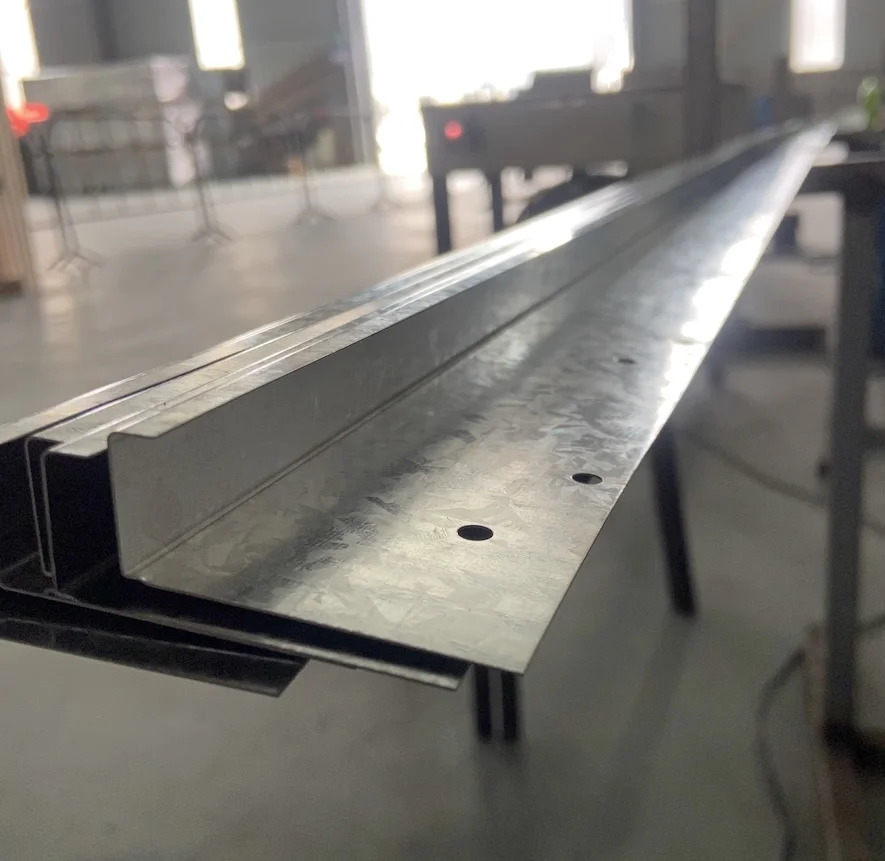
Oddly enough, it wasn’t until a few years ago when I first dealt with a highly custom steel profile—someone called it a “snip-and-snap” style—that I realized how much the design impacts installation speed and wall resilience. Profiles aren’t just U-shapes or L-shapes; there’s quite a variety depending on the wall system, desired rigidity, or acoustic requirements.
Most Common Drywall Profiles and Their Functions
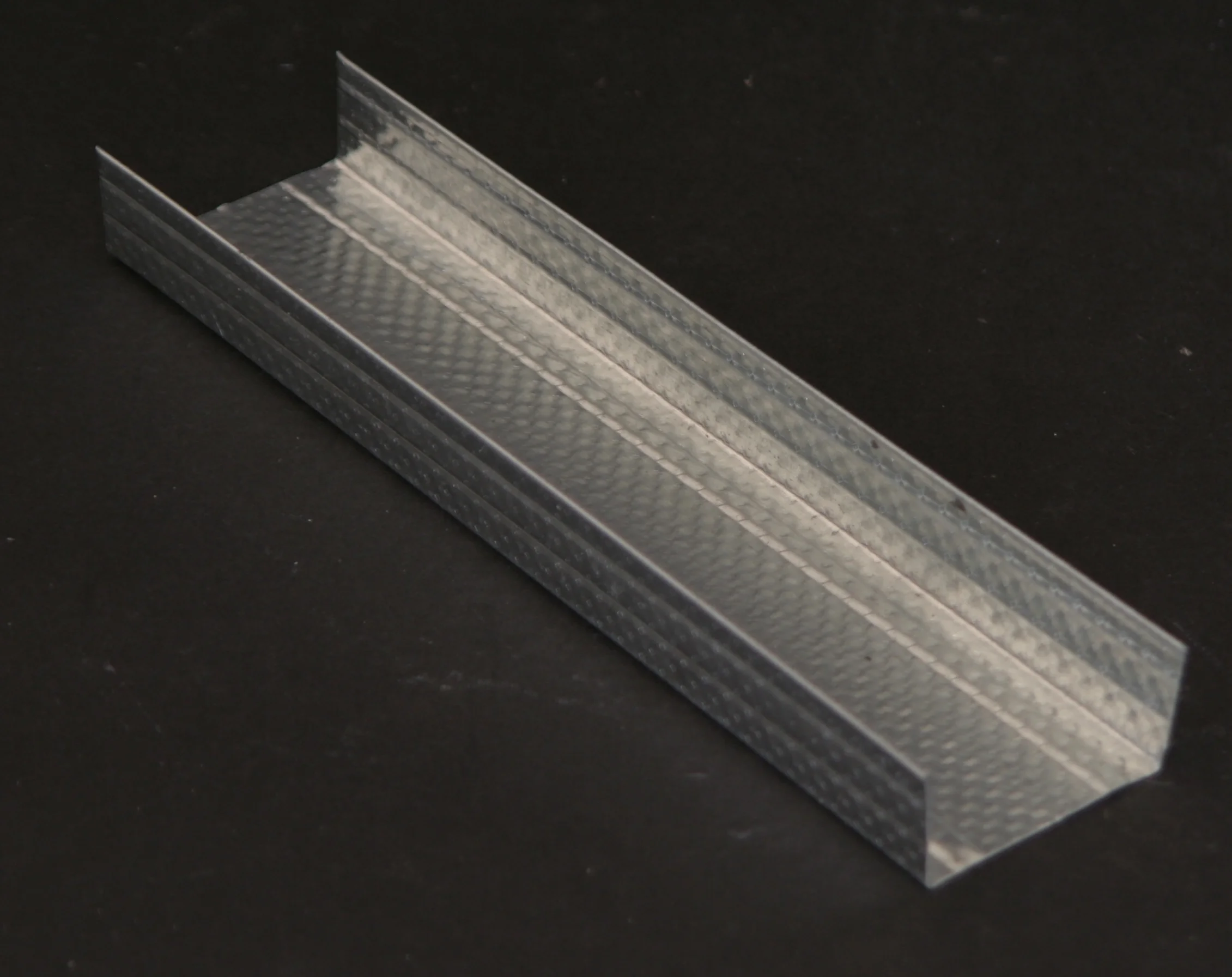
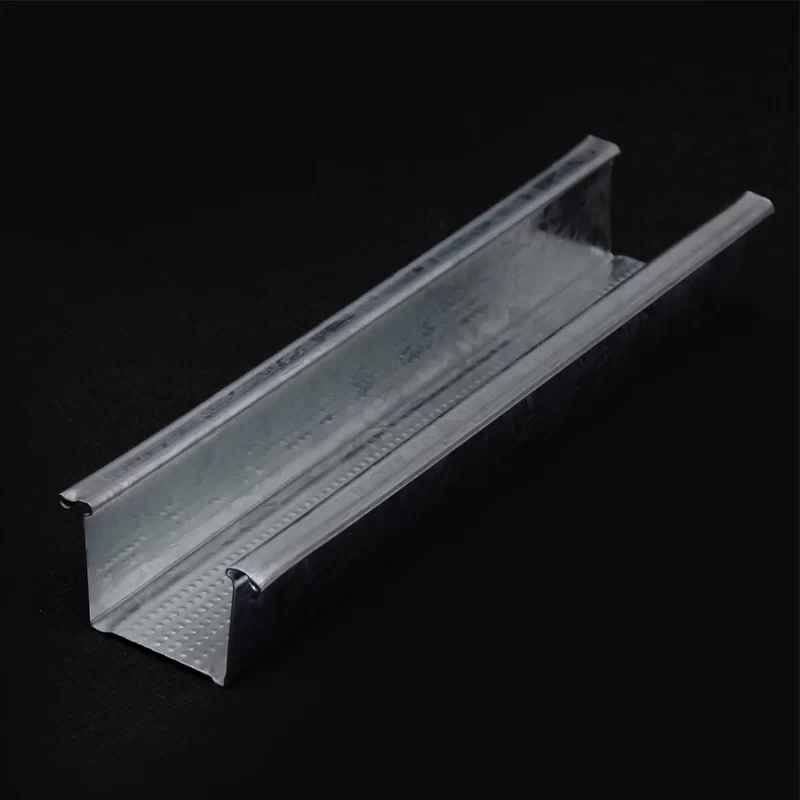
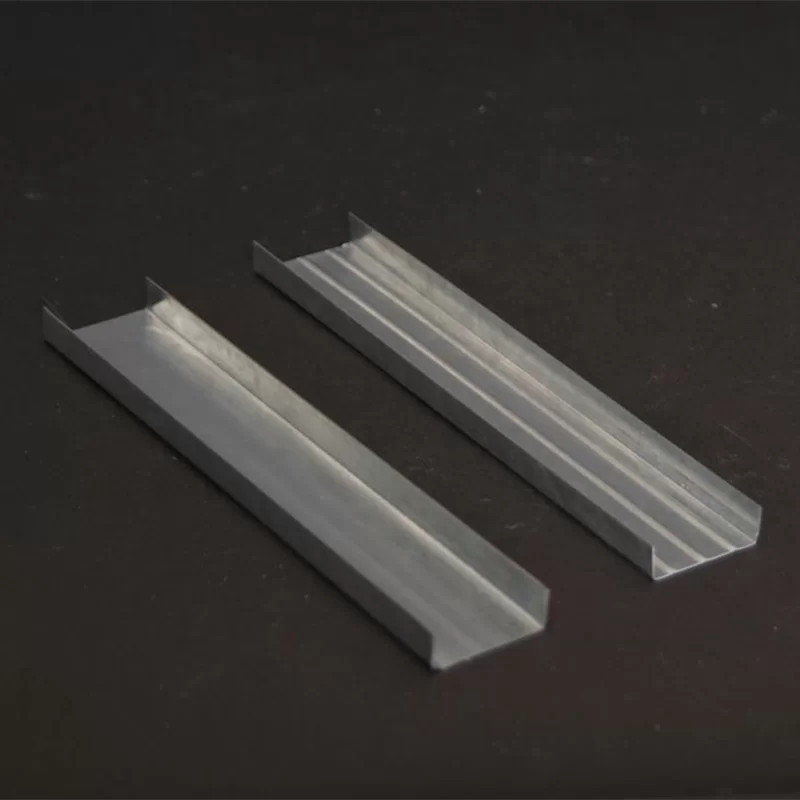
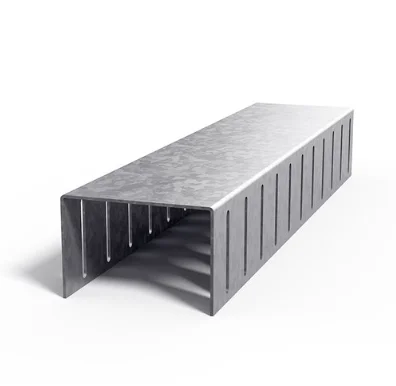
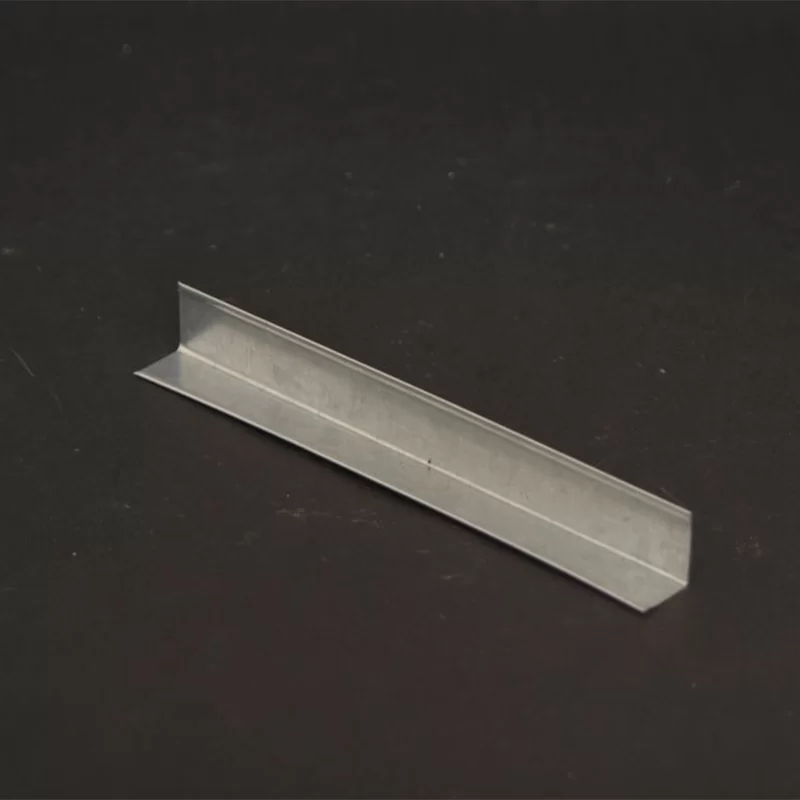
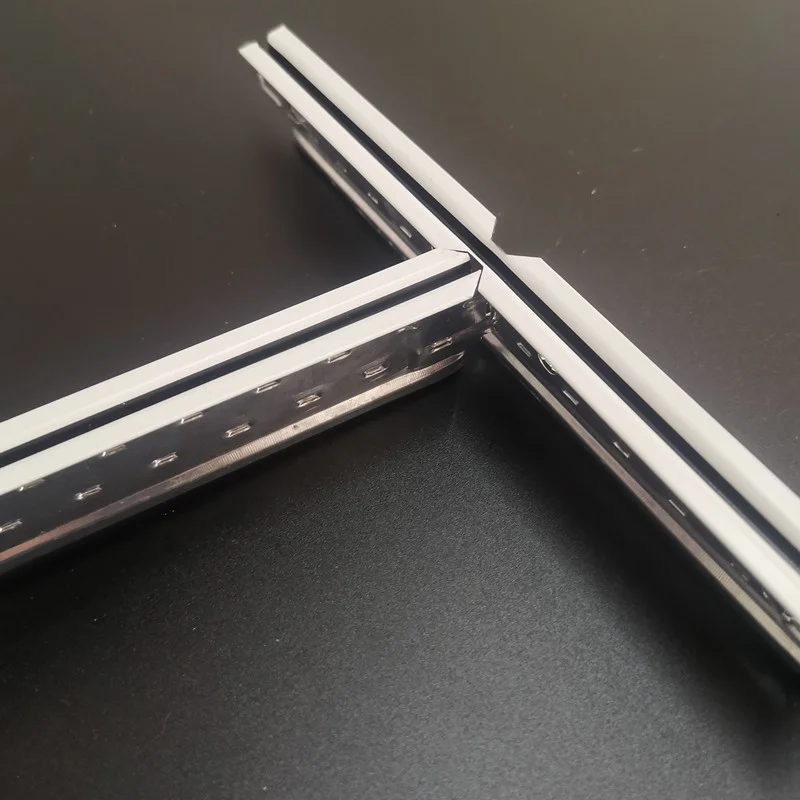
Generally, drywall metal profiles come in several core styles: studs, tracks, furring channels, and hat channels. To break it down a bit:
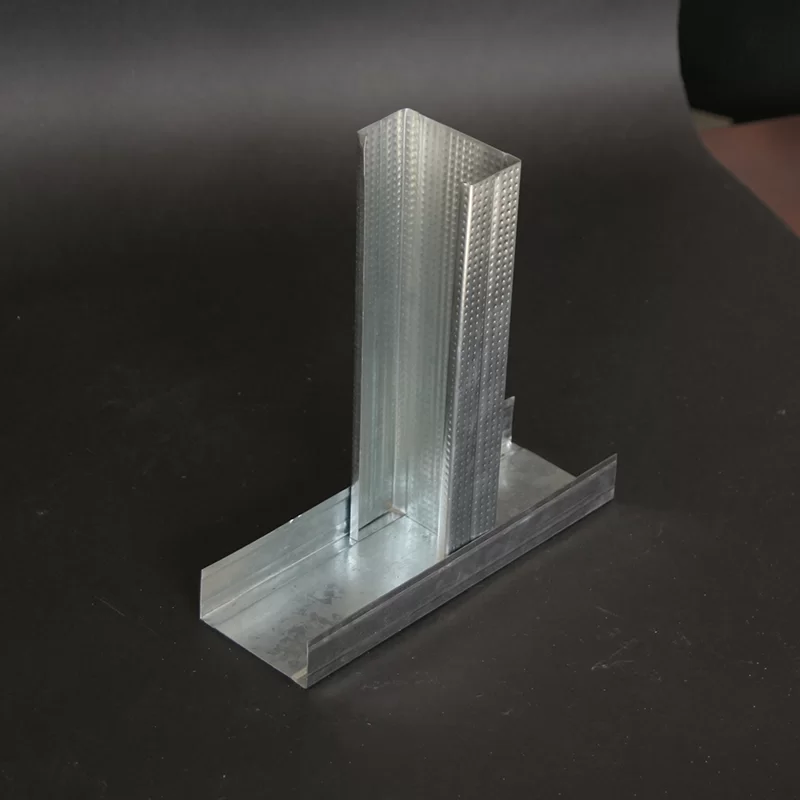
- Studs: These vertical profiles hold the drywall panels in place. They’re usually C-shaped for stiffness and ease of fastening.
- Tracks: Laying horizontally at the floor and ceiling lines, tracks create a channel that studs snap or screw into.
- Furring Channels: Often used for leveling uneven surfaces or providing a resilient mount for drywall.
- Hat Channels: Resembling a “hat,” they offer extra strength and soundproofing capabilities.
The materials vary, too — from galvanized steel to stainless steel, reflecting corrosion resistance needs mostly dictated by the environment. For example, in damp locations, I’ve seen stainless steel profiles dramatically extend lifespan, which frankly outweighs the initial price difference.
Product Specification Overview
| Profile Type |
Material |
Width (mm) |
Thickness (mm) |
Common Uses |
| C-Stud |
Galvanized Steel |
50-100 |
0.5-0.8 |
Wall framing, partitions |
| U-Track |
Galvanized Steel |
50-100 |
0.45-0.6 |
Top & bottom tracks |
| Furring Channel |
Galvanized Steel / Stainless |
30-35 |
0.4-0.7 |
Uneven wall leveling, ceilings |
| Hat Channel |
Galvanized Steel |
25-38 |
0.4-0.8 |
Soundproofing, extra rigidity |
Vendor Comparisons: What Sets Providers Apart?
When it comes to choosing suppliers, I’ve learned that the specs only tell half the story. You want reliability, local support (because shipping delays are a headache), and consistent steel quality. Based on my direct dealings and feedback from colleagues, here’s a quick lowdown:
| Vendor |
Material Quality |
Custom Profiles |
Delivery Speed |
Price Competitiveness |
| Jinkai Building Materials |
High (galv & stainless) |
Excellent, quick turnaround |
Fast (typically 7-10 days) |
Competitive |
| Vendor B |
Medium |
Limited options |
Moderate (10-15 days) |
Moderate |
| Vendor C |
High but pricey |
Good |
Slower (15+ days) |
High |
Fun anecdote: a friend of mine once ordered a custom “hat channel” profile that nobody else in the region makes. The design helped reduce noise transmission in a music studio. It took some back-and-forth with the supplier, but the end product was spot-on — a real testament to the value of vendor flexibility.
In real terms, drywall profiles are the silent heroes of any secure and smooth wall installation. They don’t get the spotlight like fancy finishes or architectural flourishes, but they hold it all together—literally. So choosing the right drywall profile types matters more than you might think.
If you are curious about specific profiles or need a quick chat about what works best in your projects, reaching out to a reputable supplier with demonstrated expertise is always a smart move.
To sum up: Understand your environment, match material to need, and don’t underestimate the value of good vendor support. It all adds up to a smoother build and a happier end client.
References:
1. "Steel Drywall Framing Systems," Construction Materials Handbook, 2021.
2. Industry feedback compiled from jobsite interviews, 2022–2023.
3. Jinkai Building Materials product catalog, 2024.