Drywall on Studs: A Veteran’s Take on Getting it Right
After spending a couple of decades in the industrial equipment and construction world, I’ve come to appreciate that something as seemingly simple as drywall on studs actually hides quite a bit of nuance. You might think it’s just about hanging sheets on framing and calling it a day, but the truth is, the well-done assembly can make all the difference in durability, soundproofing, and even fire safety.
Oddly enough, it’s those little details — stud spacing, drywall thickness, fastening patterns — that separate a “meh” wall from one that stands the test of time, especially in industrial or commercial settings where durability matters more than your average home renovation. It’s not just about slapping panels on wood or metal studs; the best teams consider materials, installation method, and long-term environmental stress.
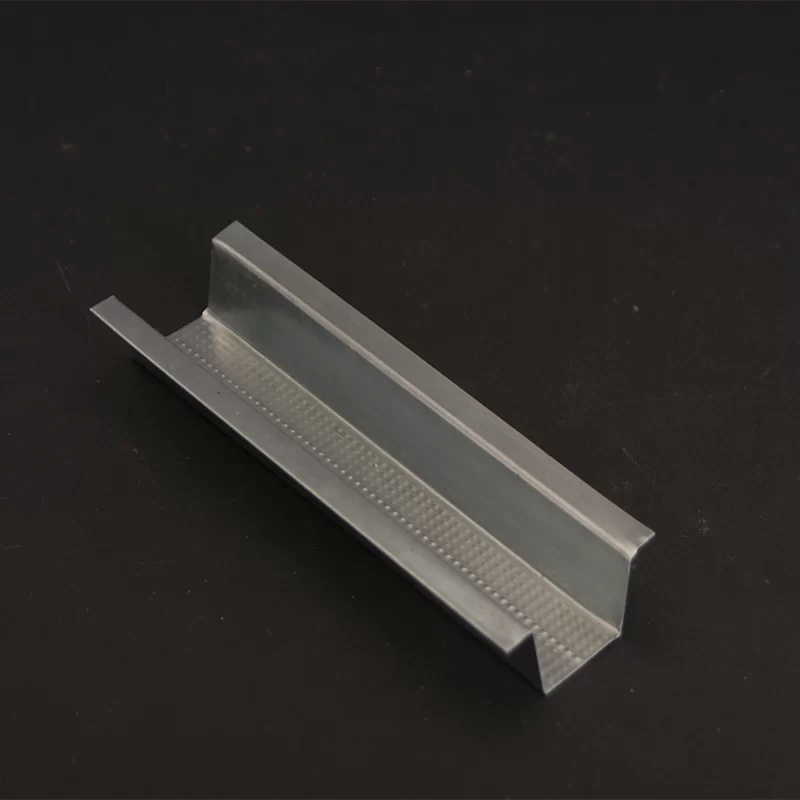
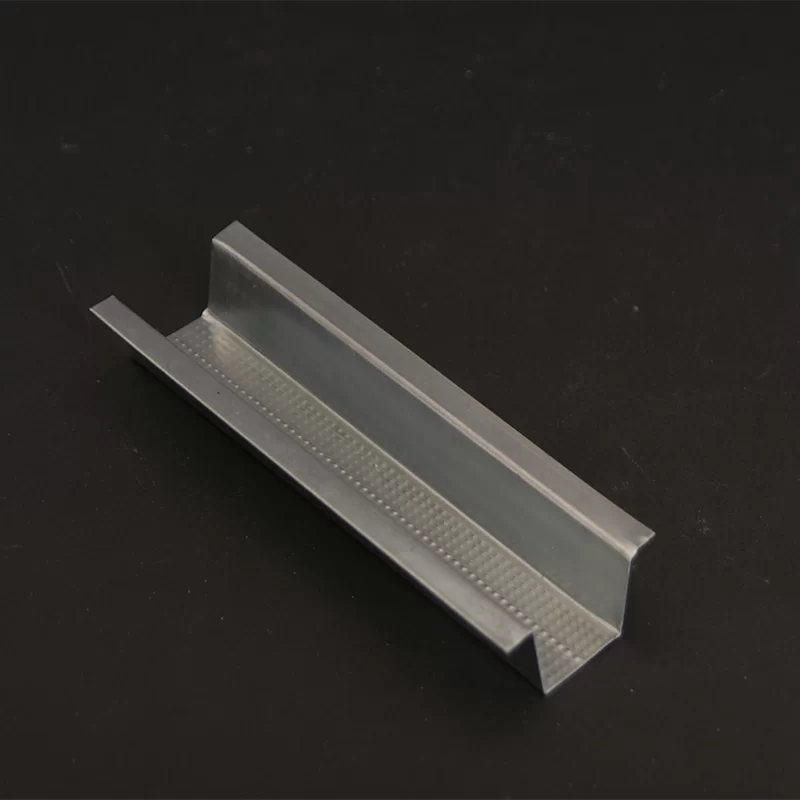
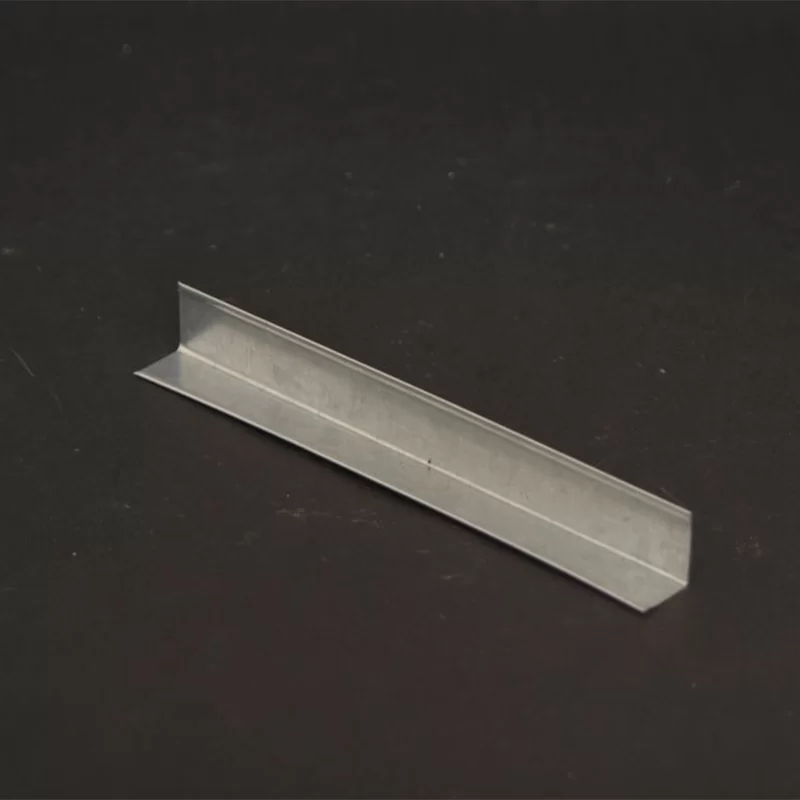
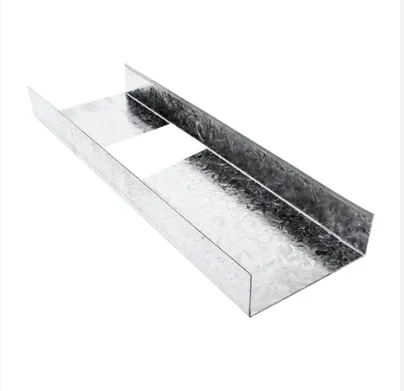
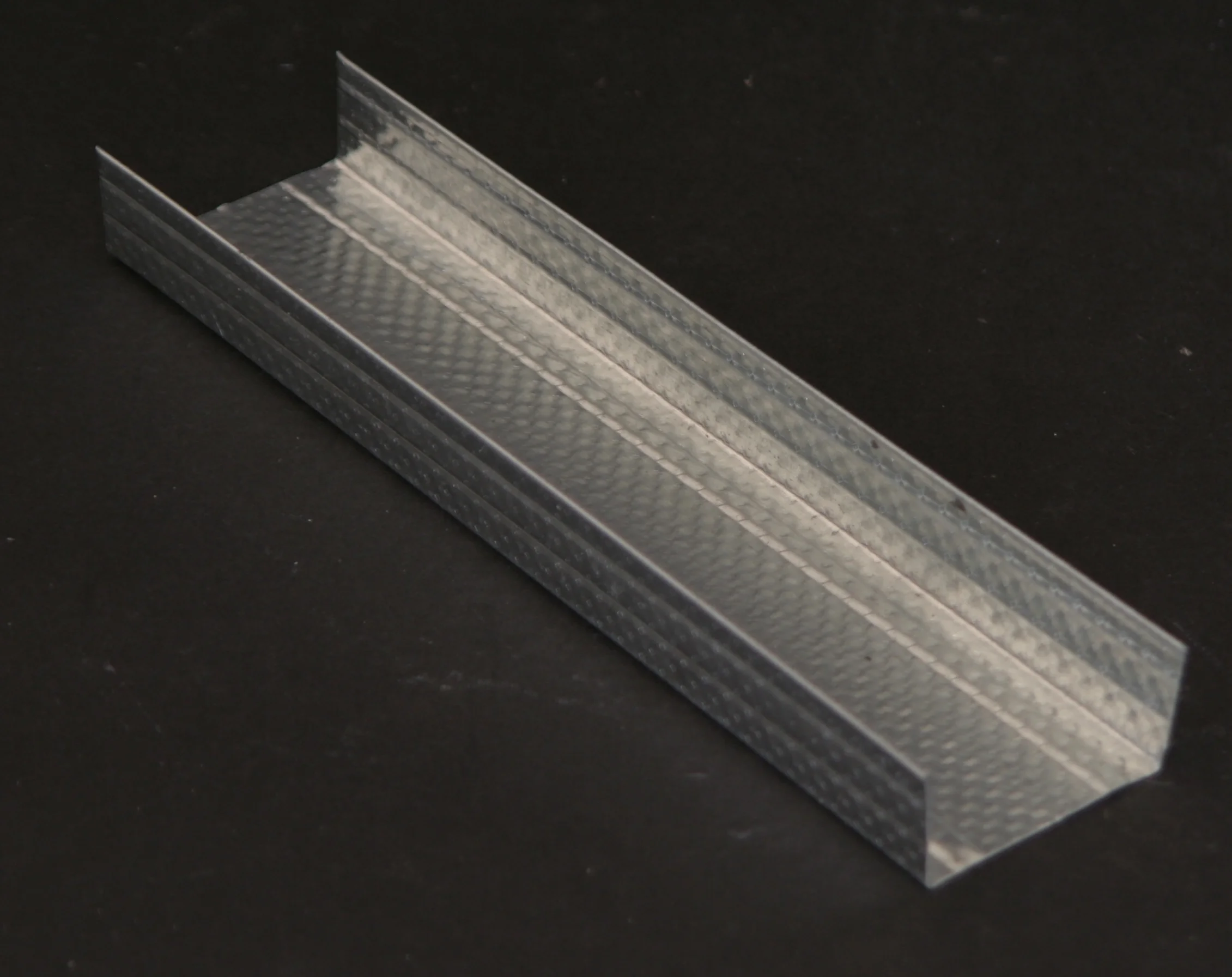
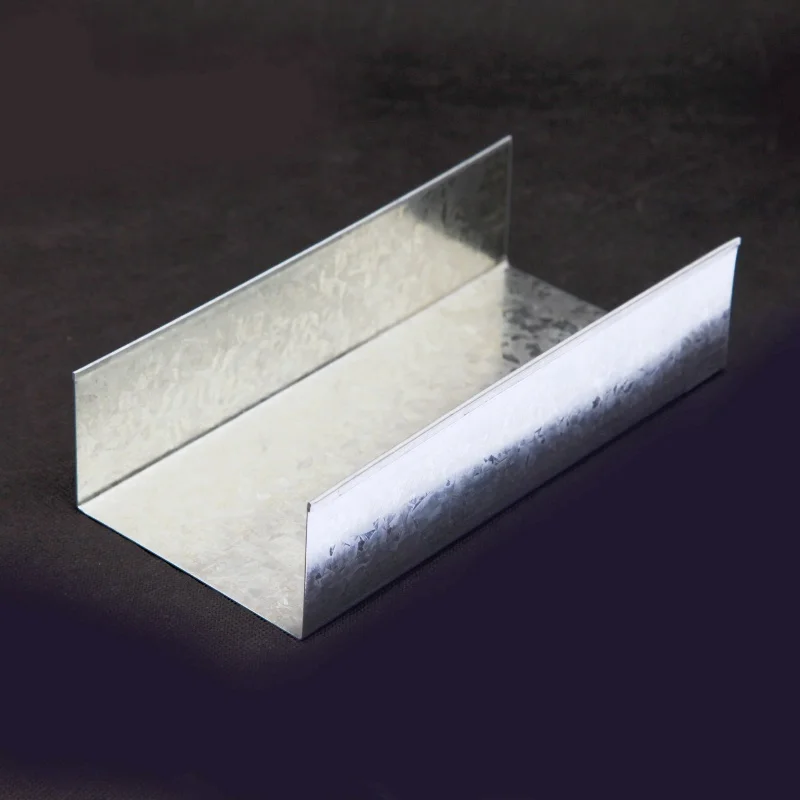
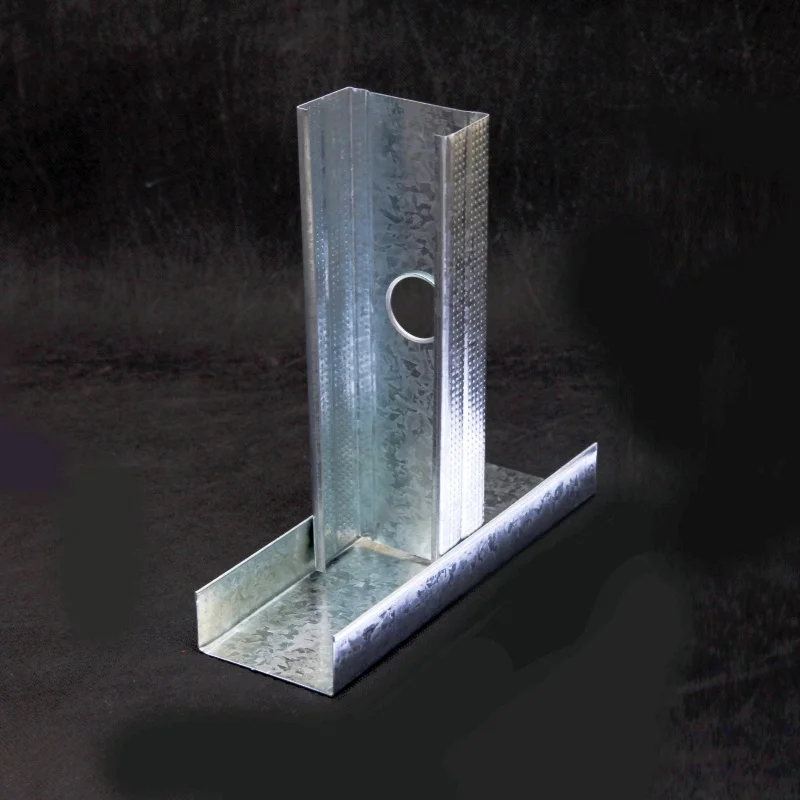
I remember a project a few years back where a client switched from traditional wood studs to steel framing for an office retrofit. It felt like a small detail at first but impacted everything: the way drywall was attached, soundproofing techniques, and even the choice of drywall thickness. Steel studs call for self-drilling screws and sometimes differing drywall core compositions because the metal doesn’t absorb vibration the same way wood does. It’s the kind of thing you don’t realize until you’re knee-deep in it.
Know Your Materials: Drywall Sheet Specs
| Specification |
Typical Value |
Remarks |
| Sheet Size |
4 ft x 8 ft (1.22m x 2.44m) |
Industry standard for easy handling |
| Thickness |
1/2 inch (12.7 mm) |
Most common for interior walls |
| Type |
Standard, Moisture-Resistant, Fire-Resistant |
Choose based on environment and code |
| Weight per sheet |
~50 lbs (22.7 kg) |
Impacts handling and labor time |
Despite all these standards, not every drywall product is created equal. Material suppliers often tweak gypsum core densities, paper facings, and additives for moisture or mold resistance, especially for industrial waterproofing. Frankly, it pays to test or at least verify certifications because cheap drywall has a tendency to sag or crumble in demanding environments.
Choosing the Right Vendor: Comparing Options
| Vendor |
Product Range |
Customization |
Price Range |
| Jinkai Building Materials |
Standard, Moisture & Fire Resistant |
Available on request |
Mid-range |
| Vendor B |
Limited types, cheaper options |
None |
Low-end |
| Vendor C |
Premium fireproof varieties |
Extensive customization |
High-end |
Working with a vendor like Jinkai has always offered that comfortable middle ground for me — you get reliable quality without burning the budget, plus they’re usually pretty responsive about special orders or technical questions. And that counts for a lot when a project throws you an unexpected curveball.
Of course, in real terms, the installation technique makes a huge difference, too. Correct screw placement, using the right fasteners for wood or metal studs, and proper joint treatment can make or break the whole assembly’s performance. Many engineers I follow insist on a well-documented installation process to ensure warranties hold up — a detail often overlooked in quick renovations.
To wrap up, while drywall on studs may seem like a mundane topic, it’s one worth paying attention to if you want walls that last, perform, and answer to industrial demands. The next time you’re planning a build or retrofit, keep not only the product specs in mind but also the vendor capability and installation prowess. You might just save yourself a headache in the long run.
And hey, if you want a reliable partner in drywall supply, Jinkai Building Materials remains my go-to recommendation.
References
- Gypsum Association, “Gypsum Construction Handbook”
- National Fire Protection Association (NFPA), Drywall Fire Ratings
- Personal experience from 20+ years in industrial construction