Understanding Drywall Steel Studs & Framing: The Backbone of Modern Construction
At first glance, drywall steel studs & framing might sound like just another building buzzword, but they are quietly transforming construction worldwide. From urban high-rises to humanitarian shelters, steel framing is essential for creating spaces that are not only durable but also cost-effective and adaptable. Why does that matter globally? Because, as urban populations balloon and climate challenges rise, we need better, faster, and tougher construction methods — and drywall steel studs & framing answers that call in a big way.
Mini Takeaway: Drywall steel studs & framing aren’t just materials; they represent efficiency and resilience that construction projects globally can’t ignore.
The Global Perspective: Why Drywall Steel Studs & Framing Matters
The construction industry is responsible for approximately 38% of global carbon emissions, as reported by the UN Environment Programme.[1] With rapid urbanization — the World Bank estimates over 68% of people will live in cities by 2050 — there’s an urgent need for sustainable building solutions. Drywall steel studs & framing offer a lighter, recyclable alternative to traditional wood or masonry framing, significantly reducing waste on-site. But here's the kicker: in addition to sustainability, they drastically speed up build times and improve safety standards, especially crucial in regions hit by natural disasters or rapid development.
However, challenges persist. Traditional timber framing struggles where wood is scarce or regulations prohibit its use. Moreover, conventional methods falter under seismic strains — that’s where cold-formed steel framing shines as a solution engineered with precision.
Mini Takeaway: As urban demands increase and environmental pressure mounts, drywall steel stud framing stands out as a modern, greener choice, delivering quality without compromising speed or safety.
What Exactly Are Drywall Steel Studs & Framing?
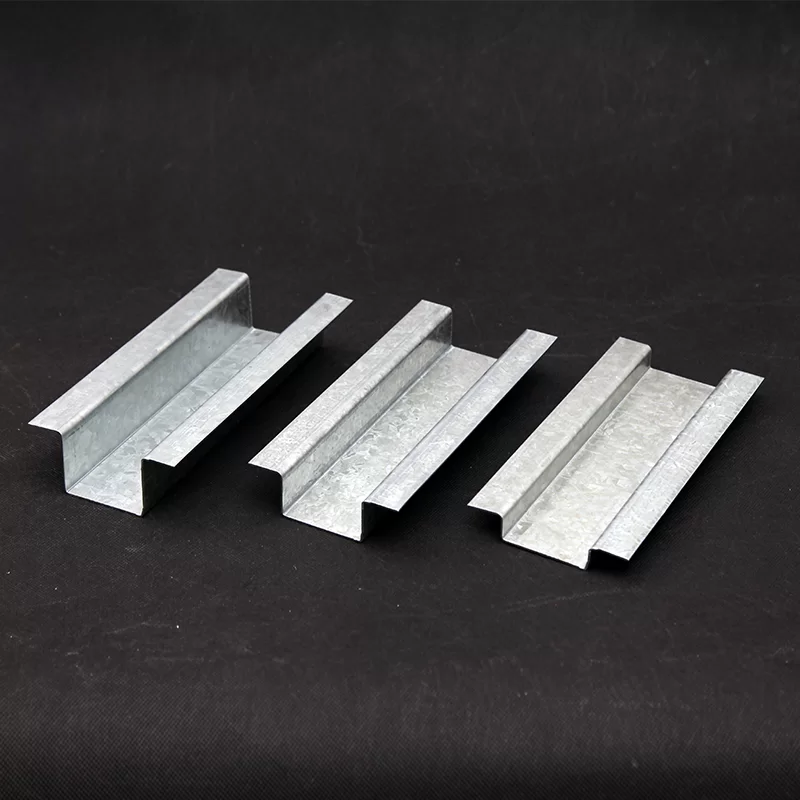
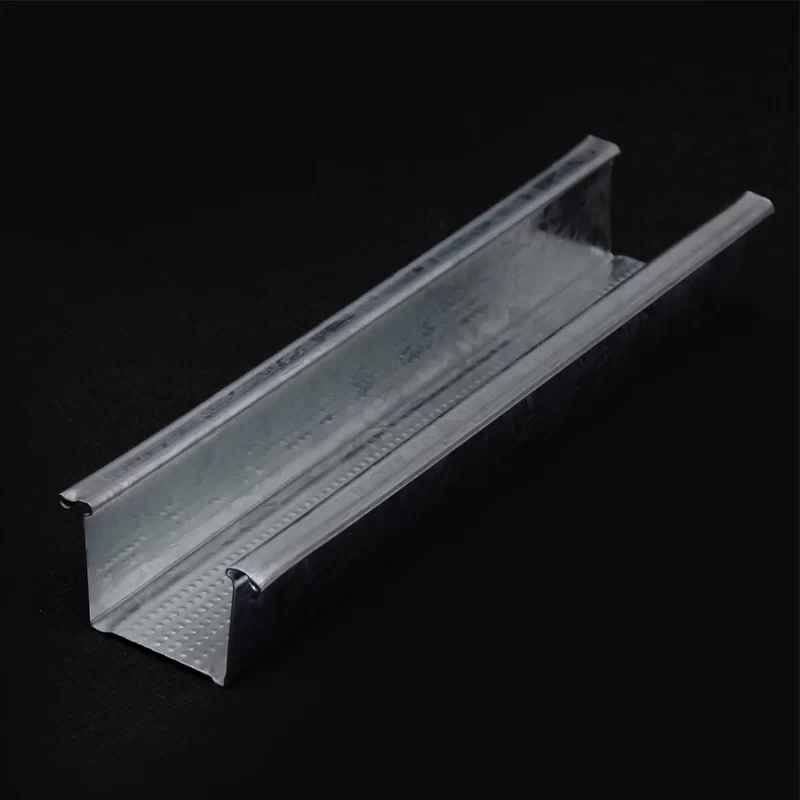
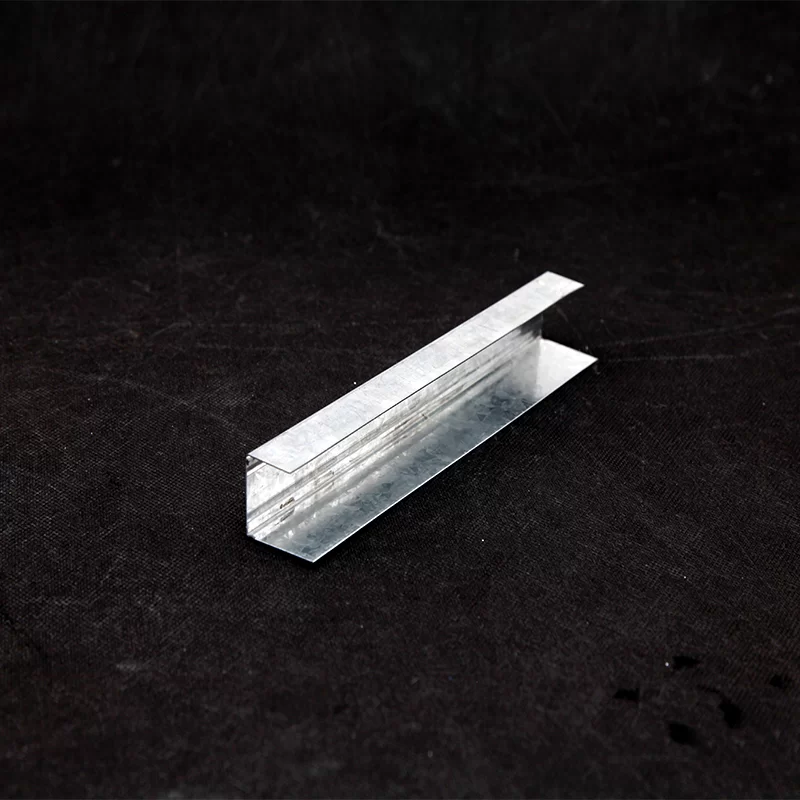
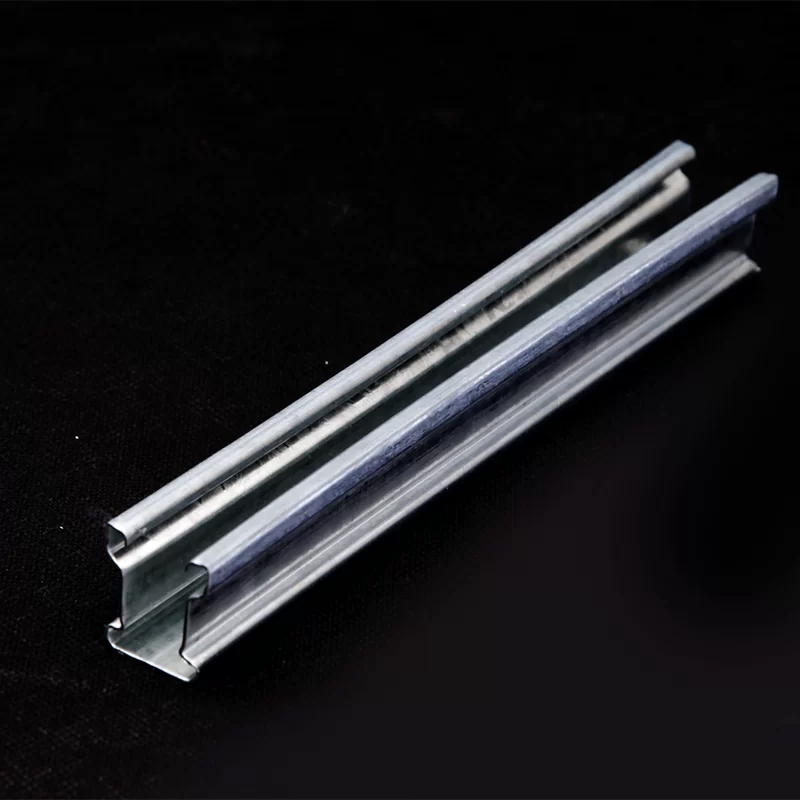
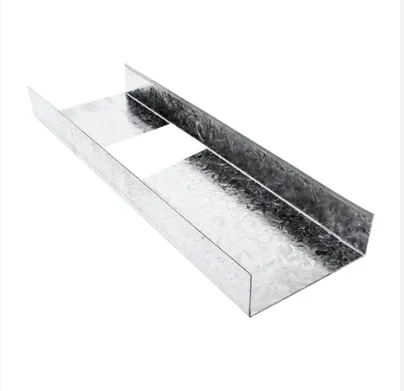
Simply put, drywall steel studs are U-shaped or C-shaped metal components, typically made from cold-formed galvanized steel, that form the skeleton for interior walls and ceilings. Unlike wooden studs, they don’t warp, rot, or get eaten by termites — which is a real win in many climates.
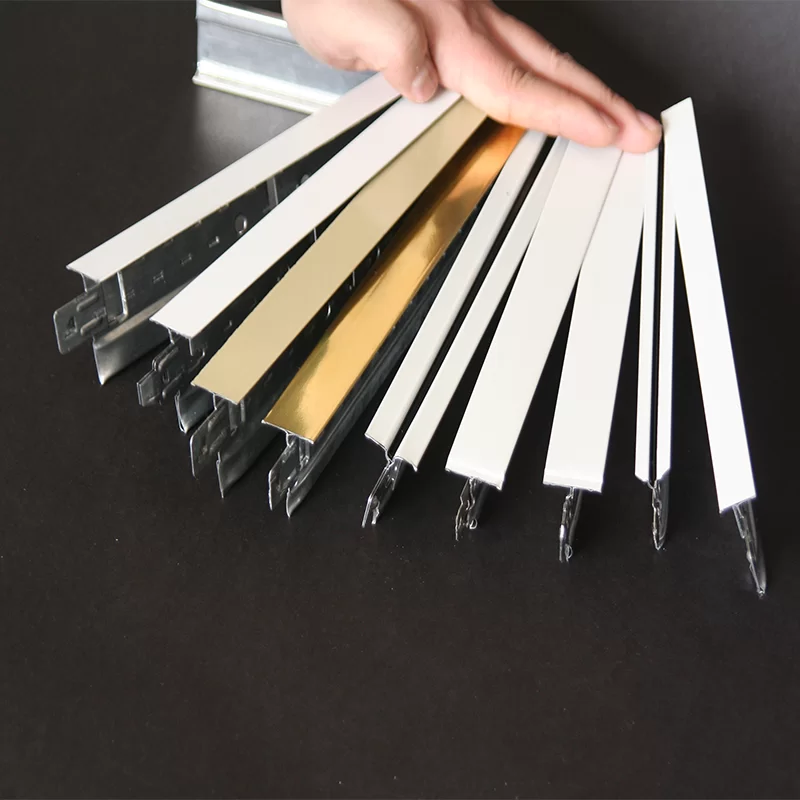
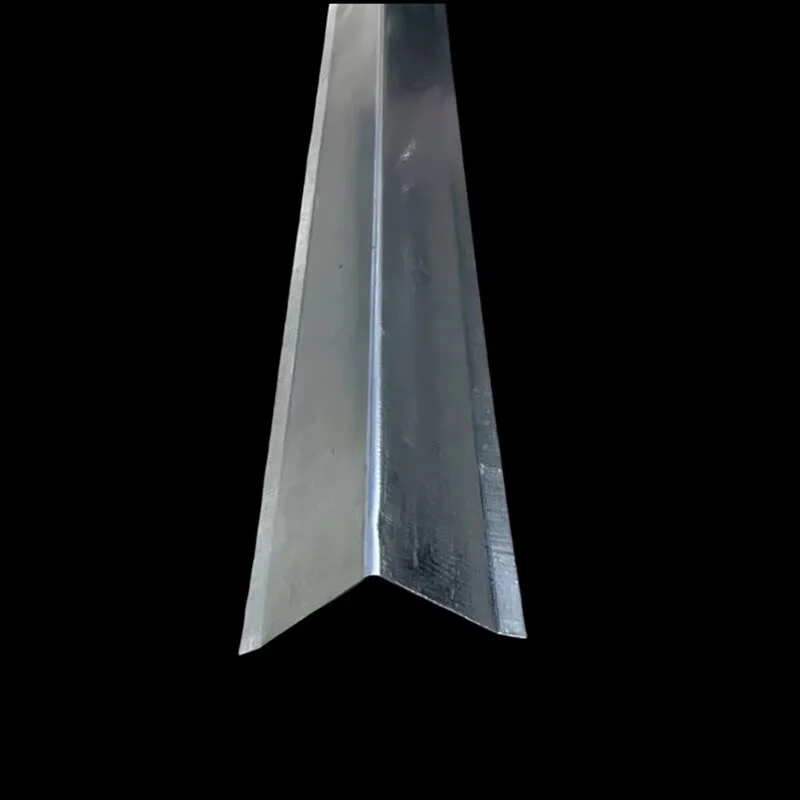
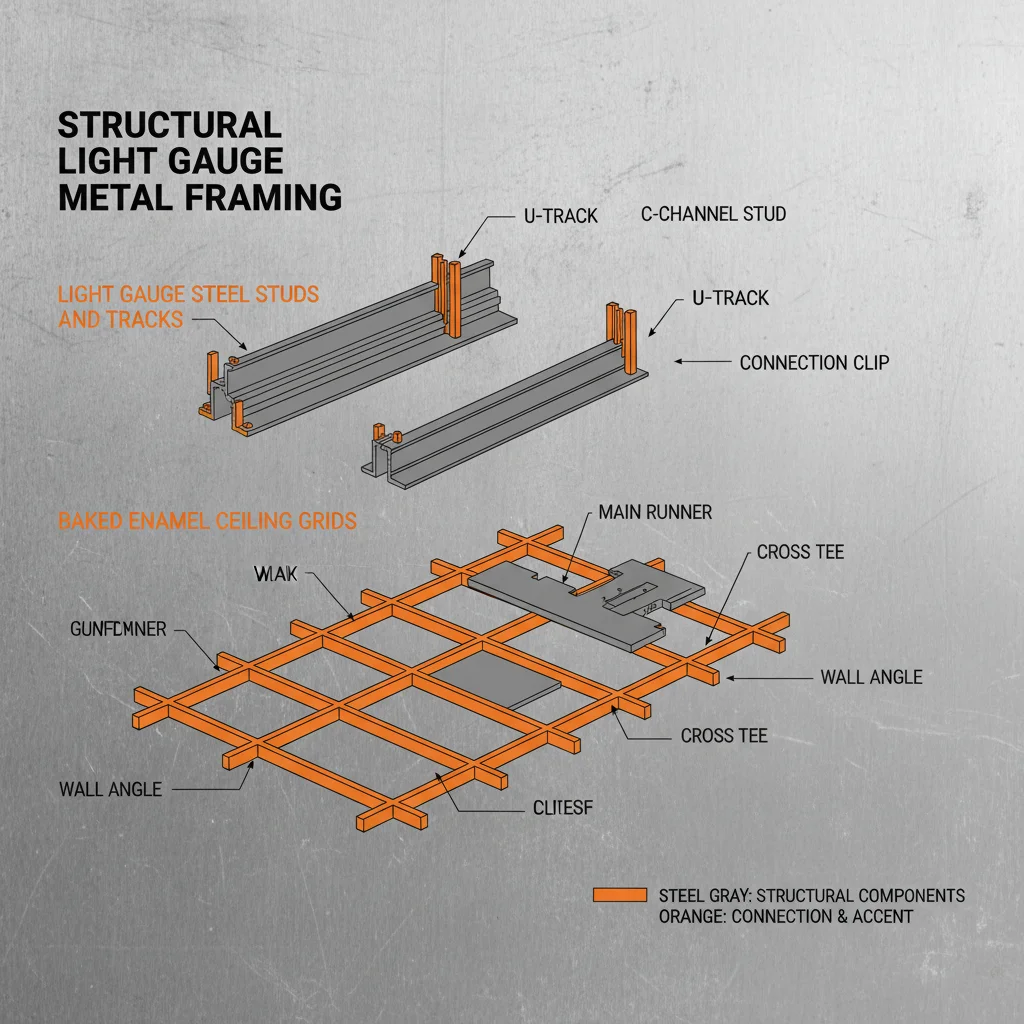
The steel framing system includes tracks (horizontal components), studs (vertical supports), and often channels for additional reinforcement. Once installed, these frames get covered with drywall panels — gypsum boards — to create smooth, fire-resistant interior surfaces. Because steel framing is lightweight but strong, it's favored in everything from residential condos to massive commercial buildings and even temporary shelters.
Interestingly, this construction method also plays a surprising role in humanitarian contexts: agencies utilize drywall steel framing for quick-deploy, durable shelters after disasters, marrying industrial efficiency with essential human needs.
Mini Takeaway: Drywall steel studs and framing form a strong, stable, and adaptable framework — think of it as the bones holding the skin (drywall) in place.
Key Features of Drywall Steel Studs & Framing
Durability & Resistance
Steel studs resist moisture, fire, and pests far better than wood. You won’t see them swell or twist — vital when precision matters for walls lining up perfectly with doors or cabinets.
Lightweight & Ease of Installation
Compared to concrete or timber, steel framing is light, which means less labor intensity and quicker installation. It also reduces shipping costs — a big perk for remote builds.
Cost Efficiency
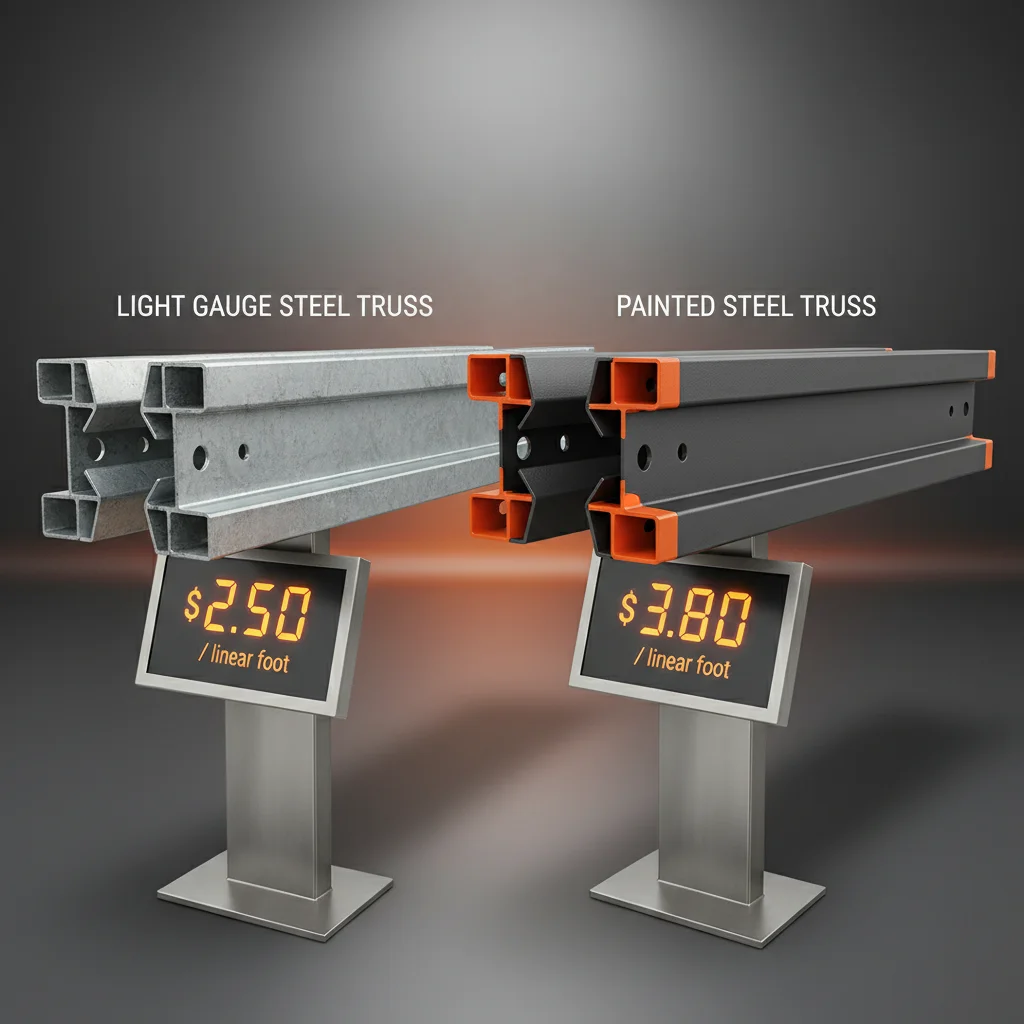
While material cost is slightly higher than wood in some markets, savings come through reduced labor time and lower maintenance. Plus, thanks to economies of scale, prices are steadily falling.
Environmental Impact
Made mostly from recycled steel, these studs are recyclable themselves, contributing to circular economy efforts in construction. They align with ISO’s sustainable construction standards.[2]
Flexibility & Scalability
Easy to cut and shape on site, steel framing adapts well to custom architectural designs, allowing for larger windows, open plan layouts, or additional reinforcements if needed.
Compatibility with Modern Systems
Steel frames work seamlessly with HVAC, electrical, and plumbing systems embedded behind walls, easing the installation of complex building services.
Mini Takeaway: Each feature adds up to steel studs being not just materials, but comprehensive solutions supporting smarter construction.
Real-World Applications & Who Benefits Most?
- Urban Construction: In rapidly growing cities like Tokyo or Dubai, skyscrapers and residential apartments use steel framing to meet tight timelines and stringent safety codes.
- Post-Disaster Relief: After earthquakes or hurricanes, NGOs leverage steel-framed shelters for quick, long-lasting temporary housing.[3]
- Remote Industrial Zones: Mining camps or oil fields favor modular steel frame buildings for robustness and ease of transport.
- Commercial and Retail Spaces: Drywall steel studs make flexible interiors that can easily adapt when tenants change or layouts need refreshing.
For instance, in volcanic regions of the Philippines, steel framing houses stood firm where wooden structures failed. It’s a testament to durability that engineers quietly celebrate.
Mini Takeaway: From skyscrapers to shelters, drywall steel studs & framing prove their mettle in diverse contexts, ensuring safety and speed without compromise.
Advantages & Long-Term Value
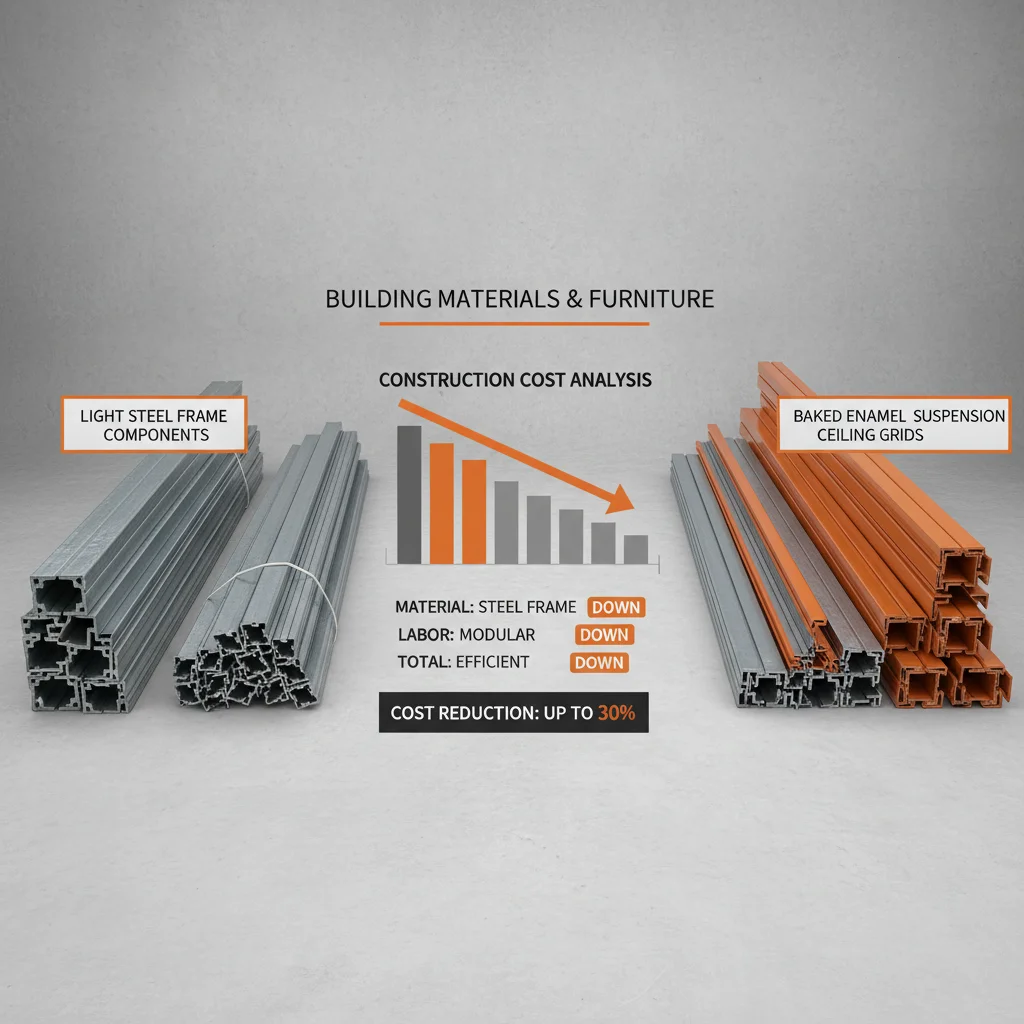
If you ask many builders, the top value lies in blending economy with excellence. Steel framing often reduces construction schedules by 30% compared to wood framing, meaning faster occupancy and earlier revenue for developers.
On sustainability — fewer resources wasted, materials recycled. And socially speaking? It enables dignified, safe housing for people living in vulnerable settings, restoring a basic human right: shelter.
Plus, the fire resistance of steel framing can literally save lives, a reassuring thought for families and businesses alike.
So yes, it’s not just a choice based on numbers; it’s a trust in innovation that lasts decades.
Emerging Trends & Innovations To Watch
We're seeing two big shifts: first, the integration of digital tools like Building Information Modeling (BIM) with steel framing enables super precise prefabrication—reducing errors on-site. Second, new alloys and coatings are making steel even lighter and less energy-intensive to produce.
Green energy-driven manufacturing processes cut carbon footprints further. And rumors swirl about self-healing coatings that could extend frame life. Honestly, it feels like we’re just scratching the surface of how futuristic construction materials will evolve.
Challenges and How Experts Are Tackling Them
One sticking point? Thermal bridging — steel studs can conduct heat, potentially affecting energy efficiency. But clever solutions like adding insulation cushions or thermal breaks are now standard practices.
Another challenge is noise transmission, which steel doesn’t absorb well alone. Acoustic framing assemblies and layered drywall fix this, so you don’t have to worry about overhearing your neighbors' late-night debates.
While cost can still be a hurdle in some regions, local manufacturing and bulk sourcing increasingly bring price parity with other materials.
FAQ: Practical Answers About Drywall Steel Studs & Framing
- Q: How does drywall steel framing compare to traditional wood framing in earthquake zones?
A: Steel framing offers superior strength and flexibility, absorbing seismic forces better without cracking or breaking. It adheres to international seismic standards and is increasingly preferred in earthquake-prone areas.
- Q: Are drywall steel studs suitable for residential homes?
A: Absolutely. Many modern homes use steel framing because it's pest-resistant and long-lasting. It also makes renovations easier due to modular design.
- Q: What about sustainability — is steel framing eco-friendly?
A: Steel studs are predominantly made of recycled materials and are 100% recyclable post-use, making them a highly sustainable building choice compared to timber.
- Q: Can drywall steel framing be customized for complex architectural designs?
A: Yes, steel’s flexibility allows cutting and shaping on site or off-site fabrication, supporting curves, angles, and open spans that wood struggles with.
- Q: How do NGOs import drywall steel framing kits internationally?
A: Many vendors offer modular, pre-cut kits shipped as standard containers to ease customs and logistics, ideal for quick deployment in disaster zones.
Product Specification Table
| Specification |
Standard Value |
Notes |
| Material Composition |
Cold-rolled galvanized steel |
Corrosion resistant |
| Thickness |
0.5 - 1.25 mm |
Varies per building code |
| Stud Width |
50, 60, 90, 140 mm |
Common sizes for walls |
| Fire Rating |
Up to 2 hours (with drywall finish) |
Subject to assembly design |
| Weight per linear meter |
0.5 - 1.1 kg |
Lighter than wood equivalent |
Vendor Comparison: Choosing the Right Drywall Steel Stud & Framing Supplier
| Supplier |
Product Range |
Price Level |
Lead Time |
Sustainability Features |
| SteelBuild Co. |
Classic & custom studs, tracks, accessories |
Mid-range |
2-3 weeks |
Recycled steel; low-VOC coatings |
| RapidFrame Ltd. |
Prefabricated framing kits, modular solutions |
High-end |
1-2 weeks |
Energy-efficient production, waste recycling |
| EcoSteel Systems |
Standard and custom thermal breaks |
Competitive |
3-4 weeks |
Zero-waste policy; recyclable packaging |
Wrapping It Up: Why Drywall Steel Studs & Framing Deserve Your Attention
At the end of the day, drywall steel studs & framing are more than just building blocks; they embody a smarter, more sustainable approach to construction. They save time, reduce waste, and provide a flexible framework that meets the diverse demands of modern life — whether that’s a gleaming new downtown office or a sturdy shelter in a far-flung disaster zone.
If your next project could benefit from this robust yet nimble solution, I recommend exploring more at drywall steel studs & framing. Because in a world that moves fast and expects durability, it pays to build with materials that keep pace.
Thanks for sticking around — construction may seem dry on surface, but honestly, it’s alive with innovation.
References
- United Nations Environment Programme (UNEP), Global Status Report on Buildings and Construction, 2020.
- ISO 14001 Environmental Management — Sustainability in Construction, International Organization for Standardization.
- World Humanitarian Data & Trends 2023, UN Office for the Coordination of Humanitarian Affairs.