Understanding Galvanized Metal Furring: A Cornerstone in Modern Construction
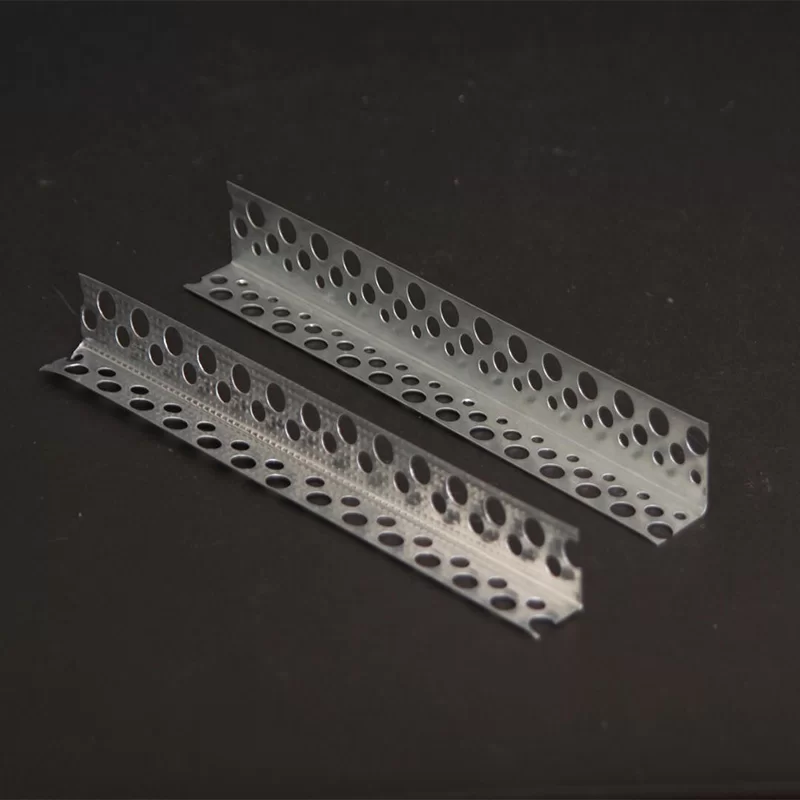
Galvanized metal furring might sound like a mouthful, but it’s actually one of those unsung heroes in building and infrastructure projects worldwide. If you're diving into construction, industrial design, or humanitarian shelter solutions, getting to know this product is like adding a solid tool to your kit. Simply put, it's metal strips coated with zinc to prevent rust, used to create a level surface for attaching walls, ceilings, or insulation. But beyond that, galvanized metal furring plays a significant role in safety, longevity, and cost-efficiency for projects stretching from dense urban centers to remote disaster zones.
Why does this matter on a global scale? Well, as we urbanize rapidly and climates shift unpredictably, the demand for materials that withstand environmental stresses while being affordable and sustainable is skyrocketing. Think about rebuilding efforts after storms in Southeast Asia or building insulation frameworks in cold European countries — galvanized metal furring is often central to these projects.
Introduction: The Global Context of Galvanized Metal Furring
Globally, construction is booming. The World Bank reports that over 1.4 billion people currently live in inadequate housing, underscoring an urgent need for durable, cost-effective materials. Enter galvanized metal furring: with its corrosion resistance and lightweight strength, it addresses challenges such as costly repairs and structural failures. The International Organization for Standardization (ISO) has specific standards (ISO 1461) to ensure that galvanized materials meet consistent quality globally — which helps reduce discrepancies in building codes internationally.
Oddly enough, despite being so fundamental, many still overlook galvanized metal furring until a project hits snag due to corrosion or poor framework. Understanding this simple component helps prevent major headaches down the line.
What Is Galvanized Metal Furring?
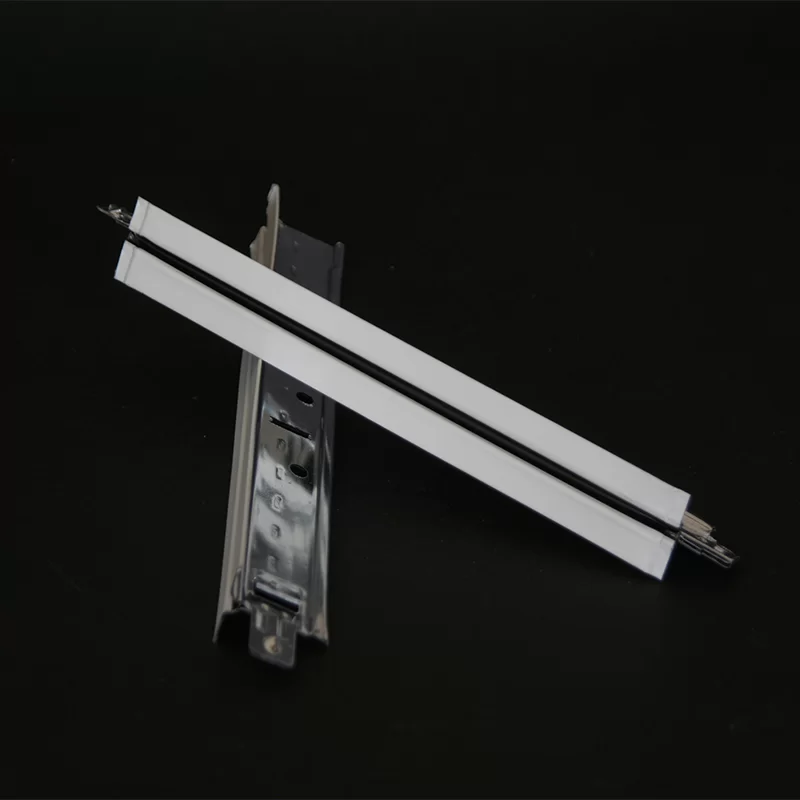
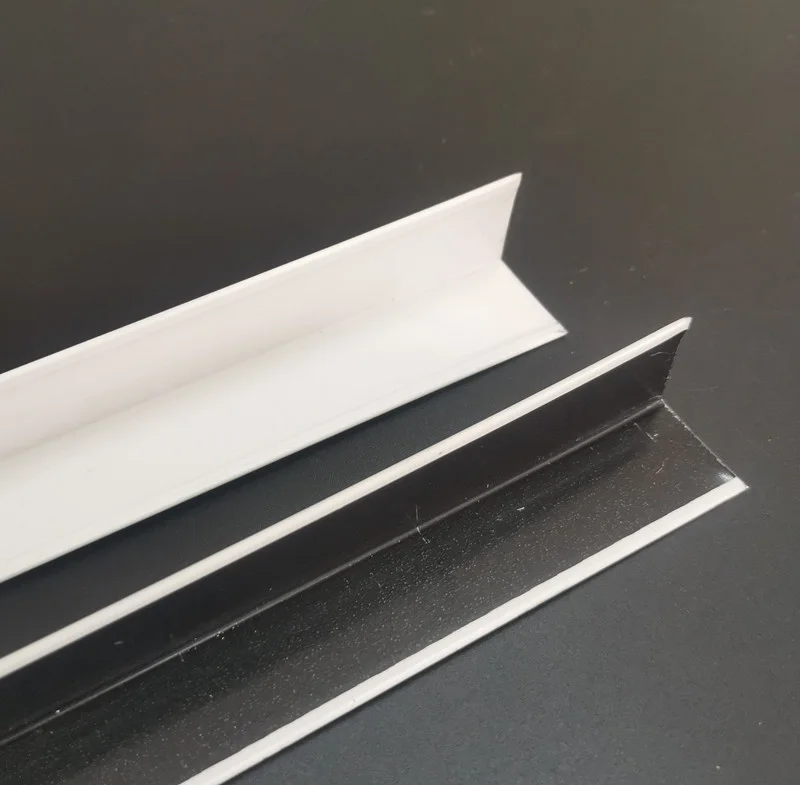
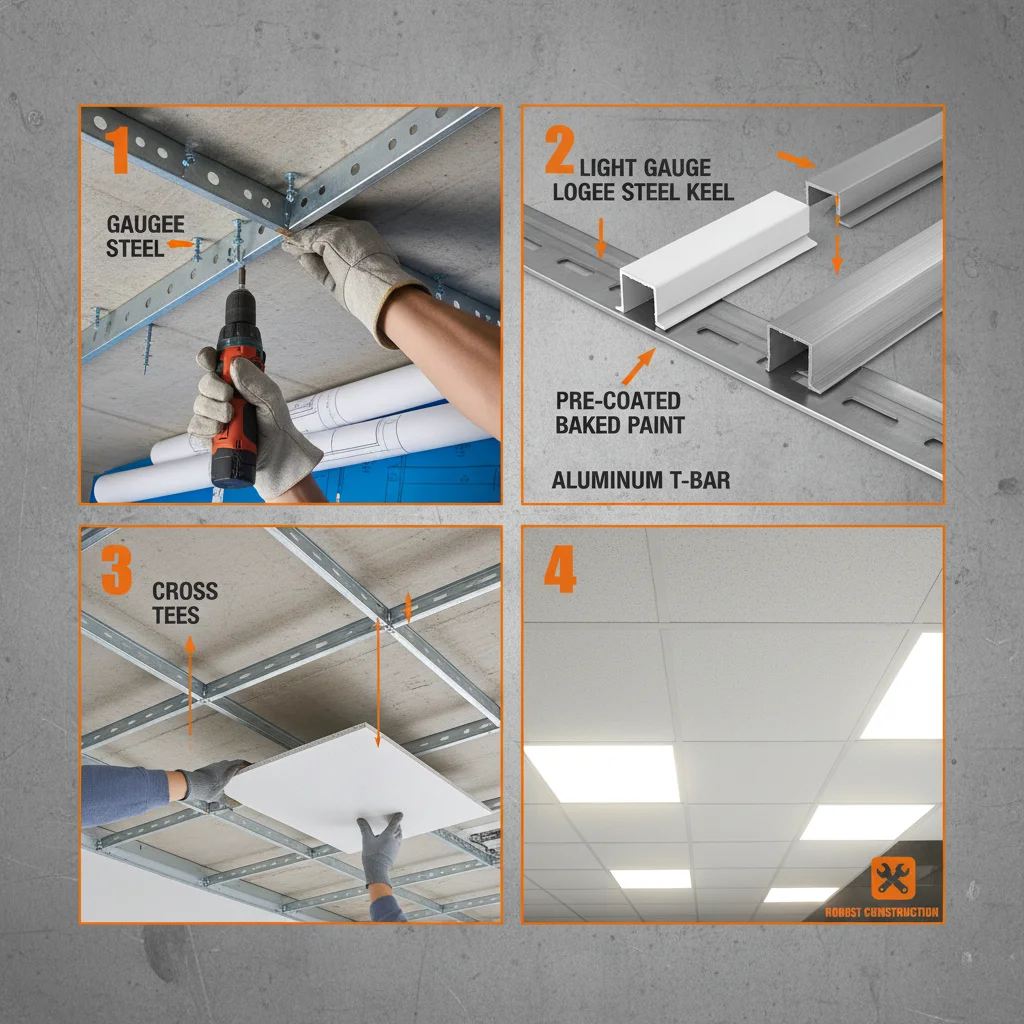
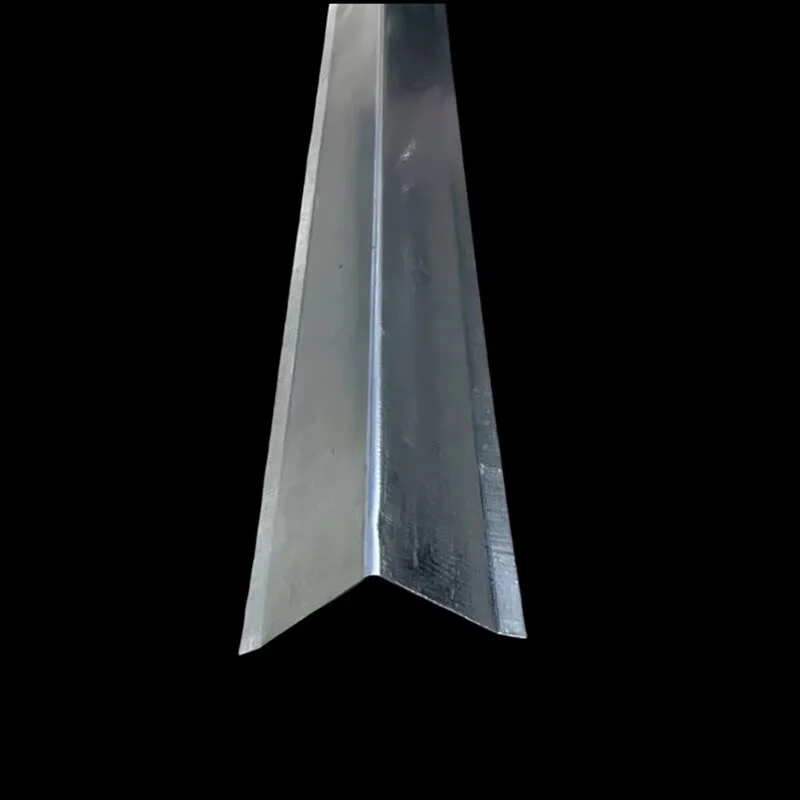
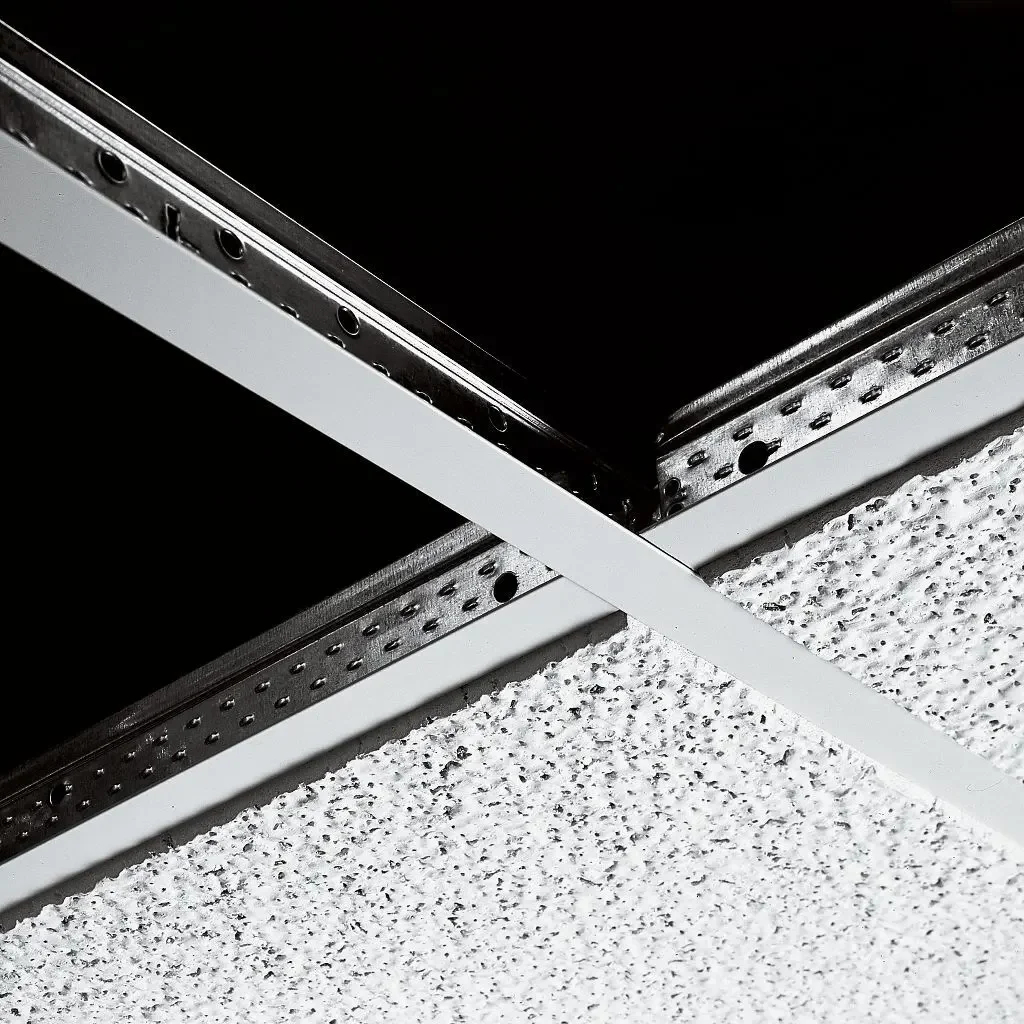
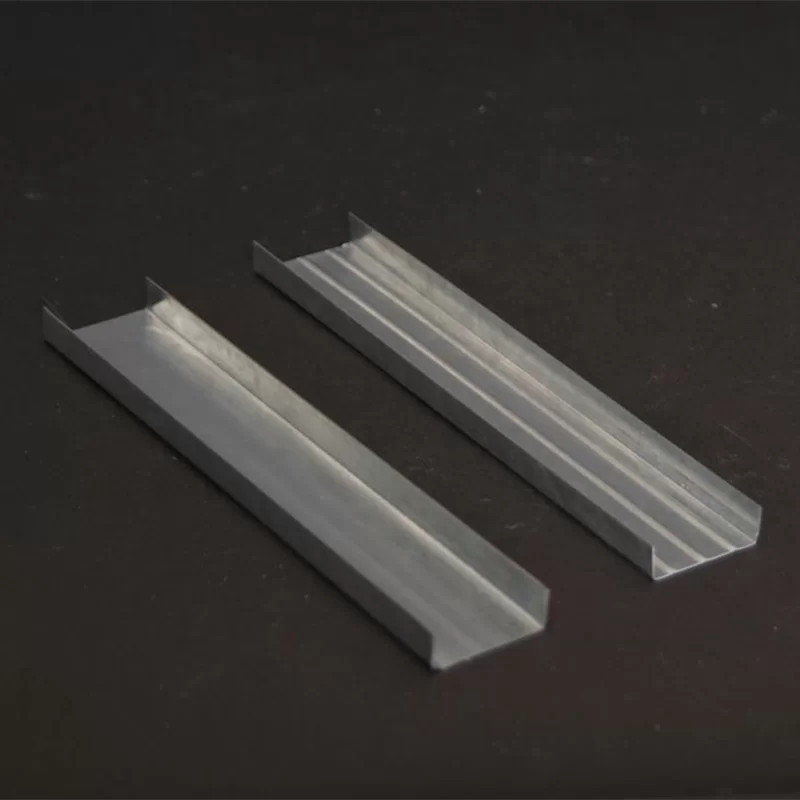
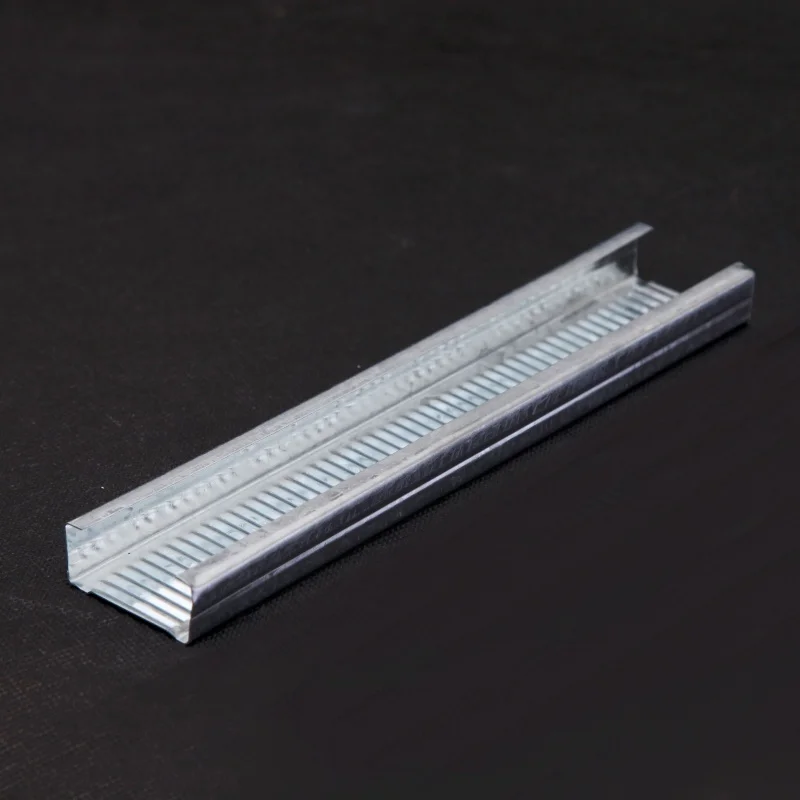
In straightforward terms, galvanized metal furring consists of steel strips or channels coated in zinc through a galvanization process. This coating slows down rusting dramatically — crucial for metal parts exposed to moisture or changing climates. Picture it as the construction’s “rust armor.” Mechanically, these strips serve as a base to attach drywall, ceiling tiles, or insulation, creating a smooth, flat surface where walls and ceilings can be securely fixed.
In humanitarian or industrial scenarios, these strips are often the backbone of fast-deploy shelters or insulation systems. They combine strength with relative light weight — a critical feature for rapid assembly, disassembly, and transportation.
Key Factors of Galvanized Metal Furring
1. Durability
The galvanized zinc layer extends the life of steel furring by decades, even in humid or salty environments. This resistance is vital for coastal or tropical areas where untreated steel would corrode rapidly.
2. Scalability
These metal strips come in various lengths and profiles, making them scalable for projects from tiny homes to large industrial warehouses. It’s like having a modular Lego set but for walls and ceilings.
3. Cost Efficiency
Compared to untreated steel or wood furring, the galvanized variety reduces replacement costs and labor from repairs. Plus, zinc prices have remained comparatively stable, helping project budgets stay predictable.
4. Fire Resistance
Unlike wood, galvanized metal isn’t combustible, which enhances building safety codes adherence, especially in commercial projects.
5. Environmental Impact
Metal furring can be made from recycled steel and is itself fully recyclable. Moreover, it supports energy conservation by allowing better installation of insulation panels.
Mini Takeaway:
Galvanized metal furring's strength and versatility make it indispensable for durable construction that demands both resilience and adaptability.
Typical Galvanized Metal Furring Specifications
| Specification |
Details |
| Material |
Hot-dip galvanized steel (ASTM A653) |
| Coating Thickness |
40-100 microns (ISO 1461 compliant) |
| Length |
2.4 m, 3 m, 4 m (custom available) |
| Cross Section |
Channels, hat-shaped, or Z-shaped |
| Weight |
~1-2 kg/m depending on profile |
Global Applications & Use Cases
From sprawling industrial zones in Germany to emergency housing camps in the Philippines, galvanized metal furring provides a reliable backbone. For example, relief agencies in disaster-prone regions use galvanized furring to build quick-deploy shelters that resist saltwater corrosion during typhoon seasons. In colder climates such as Canada or Scandinavia, metal furring supports thick insulation layers that keep buildings warm and energy-efficient through long winters.
Industries including commercial real estate, shipbuilding, and agricultural construction also rely on galvanized furring for framing walls or ceilings. This versatility makes it a truly global player in construction, suitable for everything from eco-friendly office spaces to modular schools in remote zones.
Advantages & Long-Term Value
It’s tempting to think only in numbers, but galvanized metal furring delivers more than just physical specs. There’s a reason engineers, architects, and contractors swear by it — it combines peace of mind with actual business value. Reduced maintenance means fewer disruptions, and longevity means clients feel their investment is secure.
Socially, it helps craft safer environments, securing workers and inhabitants alike. Its eco-friendly properties also resonate with today’s sustainability standards, an increasingly critical demand from governments and consumers globally.
Future Trends & Innovations
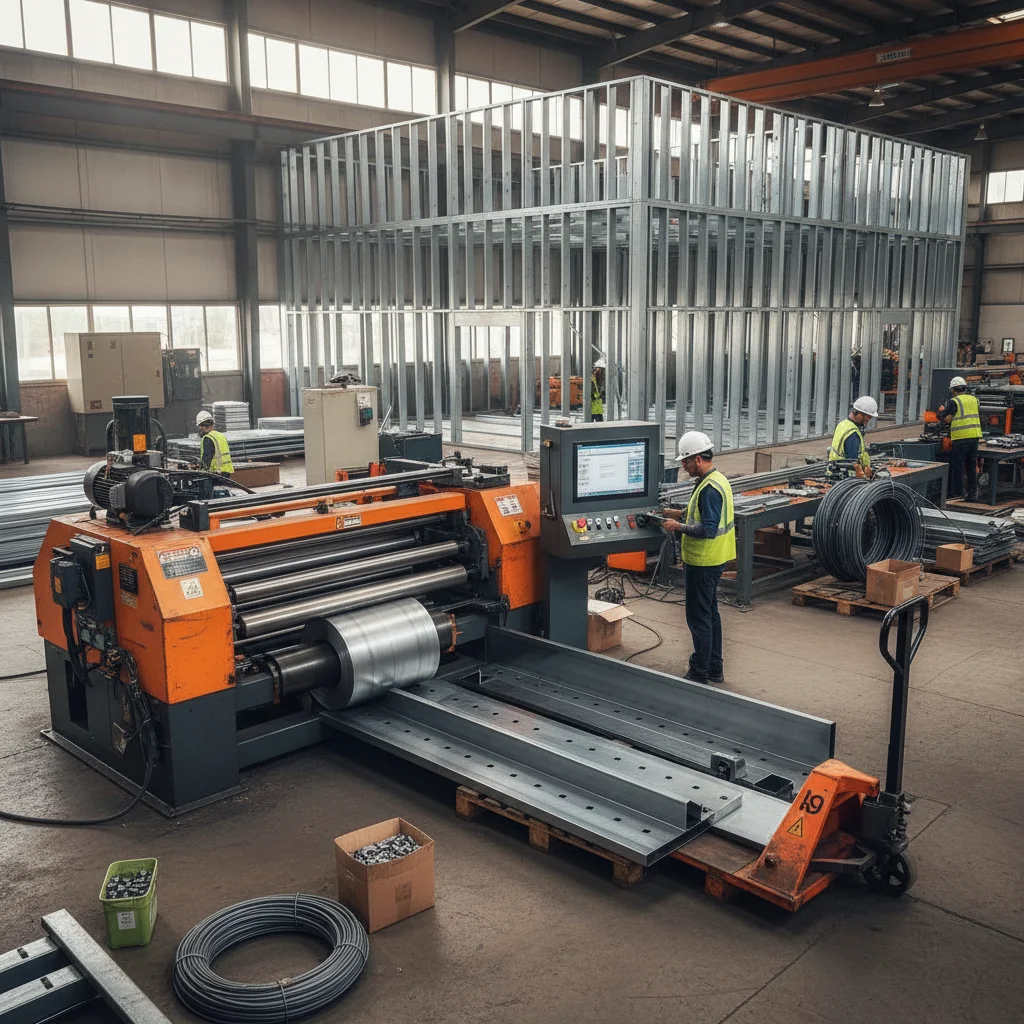
The future points towards even smarter materials. Innovations such as ultra-thin zinc coatings leveraging nanotechnology are under development to prolong life spans even further. Automation in fabrication allows totally custom profiles for specific project needs — imagine furring strips that incorporate sensors for humidity or temperature!
Aligning with global green initiatives, manufacturers are exploring completely zinc-free coatings and hybrid composites, balancing environmental concerns with durability. Plus, digital BIM modeling is making design integration smoother than ever, reducing waste and enhancing precision.
Challenges & Solutions
Of course, it’s not all perfect. One challenge is the initial cost, which can be higher versus untreated alternatives. But savings accumulate over time through less downtime and repairs. Also, shipping bulky steel strips to remote locations remains costly — a problem partly eased by modular designs and local galvanizing capabilities.
To tackle these, some vendors offer prefab kits or collaborate with local producers to cut freight emissions and costs. As always, quality control is key — enforcing global standards through certifications ensures consistency and trust.
Vendor Comparison: Galvanized Metal Furring Providers
| Vendor |
Coating Type |
Lead Time |
Custom Profiles |
Price Range |
| Jinkai BM |
Hot-dip galvanizing (ISO 1461) |
2-3 weeks |
Yes, made-to-order |
Moderate |
| SteelForm Inc. |
Electro-galvanizing |
1-2 weeks |
Limited |
Lower |
| Global Metals |
Hot-dip galvanizing |
3-4 weeks |
Yes |
Premium |
FAQ: Frequently Asked Questions About Galvanized Metal Furring
- What makes galvanized metal furring better than untreated alternatives?
Galvanized furring offers superior corrosion resistance through its zinc coating, ensuring longer lifespan and less maintenance, especially in humid or coastal environments.
- How long does galvanized metal furring typically last in harsh conditions?
With proper application, it can last 30-50 years or more, depending on exposure levels and maintenance.
- Is galvanized metal furring recyclable and environmentally friendly?
Absolutely. Steel is one of the most recycled materials globally, and the galvanization process itself has been optimized to minimize environmental impact.
- Can galvanized metal furring be custom-sized for unusual projects?
Yes, most suppliers offer custom lengths and profiles to fit specific architectural or industrial needs.
- How do NGOs import galvanized metal furring for international relief projects?
NGOs typically work with established manufacturers or regional distributors. Ensuring compliance with ISO standards and coordinating logistics early helps streamline import processes.
Conclusion
So, there you have it — galvanized metal furring is much more than just metal strips. They are fundamental, adaptable components vital to modern construction and relief projects worldwide. Offering longevity, cost efficiency, and sustainability, they support industries and communities on a scale both global and local. If you want to explore high-quality, customizable galvanized metal furring options, feel free to visit galvanized metal furring and discover how this backbone of construction can streamline your next project.
Reflecting briefly, I find it fascinating how something so “basic” often defines the success of complex systems. It’s a quiet reminder of how fundamentals matter.
References
- ISO 1461: Hot dip galvanized coatings on fabricated iron and steel articles
- World Bank: Urban Development Data
- Wikipedia: Galvanization