Understanding Galvanized Studs: A Key to Sustainable Construction Worldwide
Galvanized studs might not be the star of everyday conversation, but their role in modern construction and infrastructure is undeniably critical. Across the globe, these metal fasteners help ensure the safety, durability, and longevity of countless buildings, bridges, and industrial frameworks. With rising needs for sustainable materials and resilient structures—particularly in disaster-prone regions—the importance of galvanized studs becomes even more evident. This guide dives into what galvanized studs are, why they're so vital globally, and how industries harness their benefits for the long haul.
Global Context: The Growing Demand for Durable Building Components
As urban populations surge and climate-related events become more frequent, infrastructure resilience is a pressing concern. According to the United Nations, natural disasters cause billions in damage annually, often tearing through buildings ill-prepared for such stresses.
Engineers worldwide are increasingly turning to galvanized studs to combat corrosion and structural degradation — especially in coastal zones or humid climates where rust can rapidly weaken steel components. The Global Construction 2030 report by the World Bank notes a 70% increase in infrastructure investments in developing countries where galvanized materials are integral to longer-lasting projects.
However, these benefits don't just apply to new commercial buildings. Galvanized studs are pivotal in humanitarian construction, temporary shelters, and remote industrial setups requiring quick assembly and long-term reliability.
What Are Galvanized Studs?
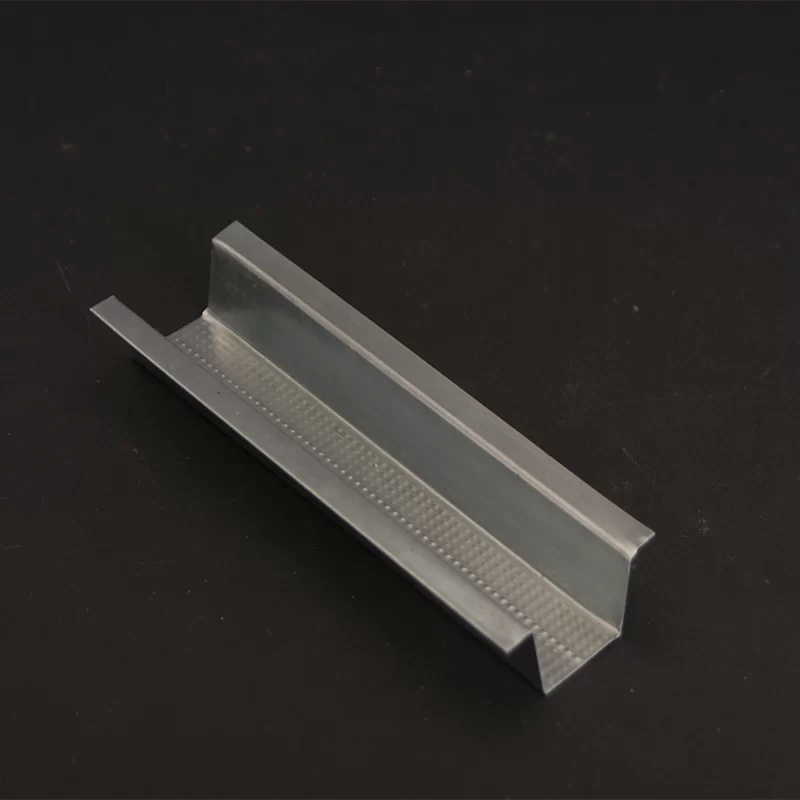
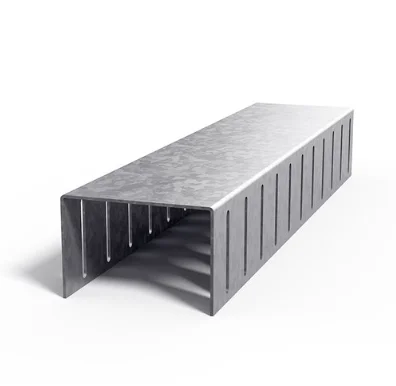
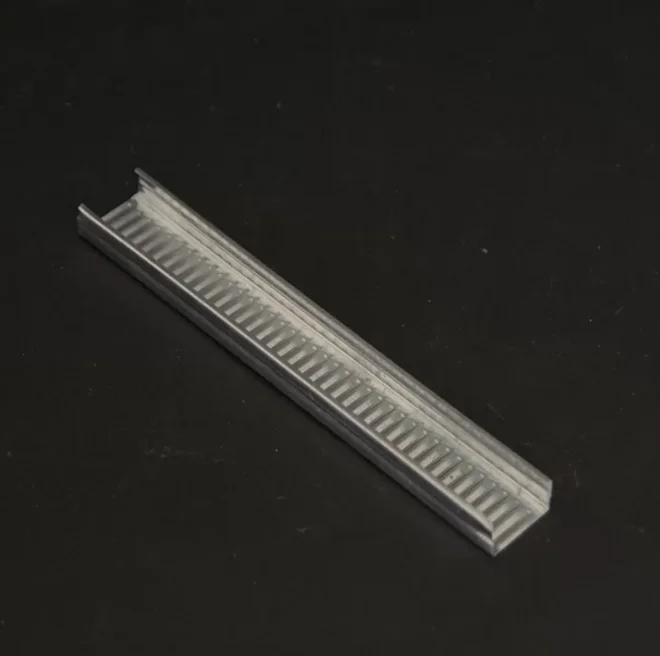
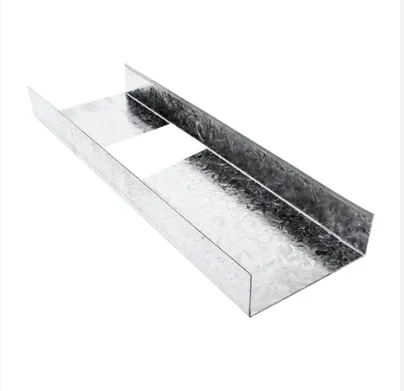
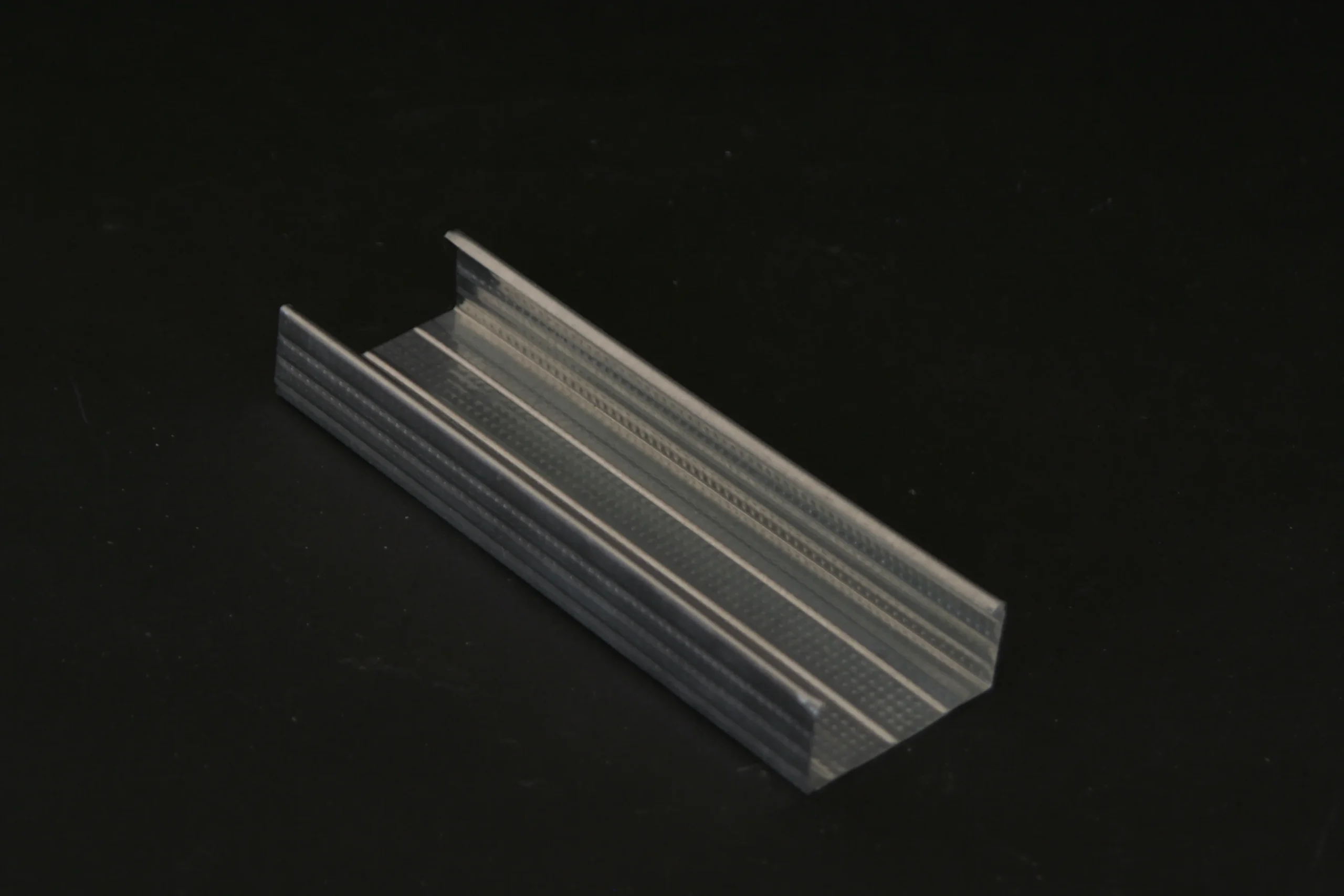
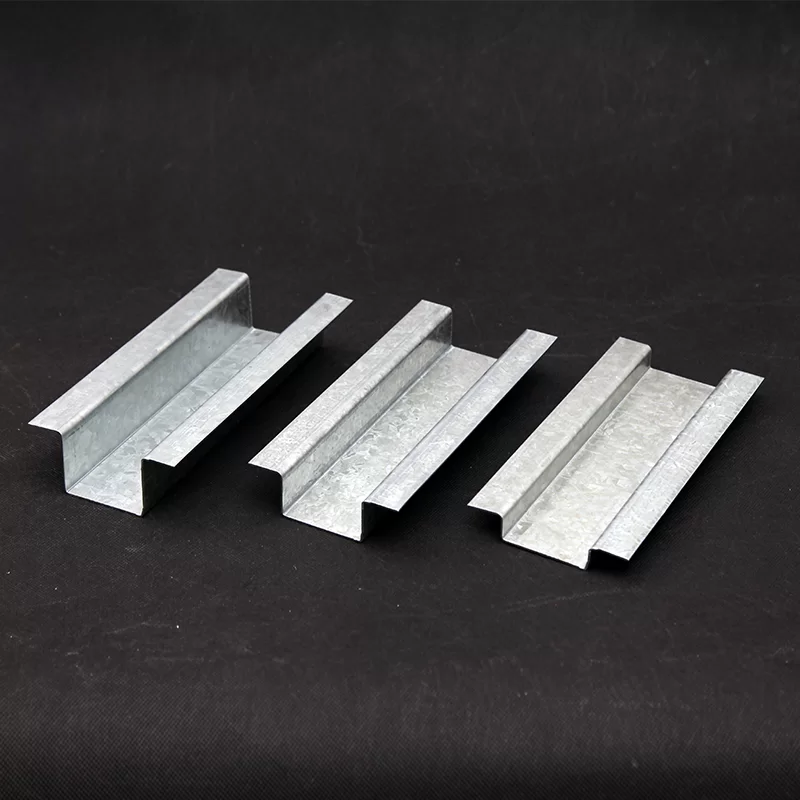
Simply put, galvanized studs are metal studs—usually steel—that have undergone a galvanizing process, typically hot-dip galvanizing. This means they're coated in a protective layer of zinc, which guards against corrosion and rust.
This simple innovation transforms ordinary steel studs into durable components suitable for harsh environments. The result? A superior alternative to untreated steel studs with expanded use cases in construction, engineering, and beyond.
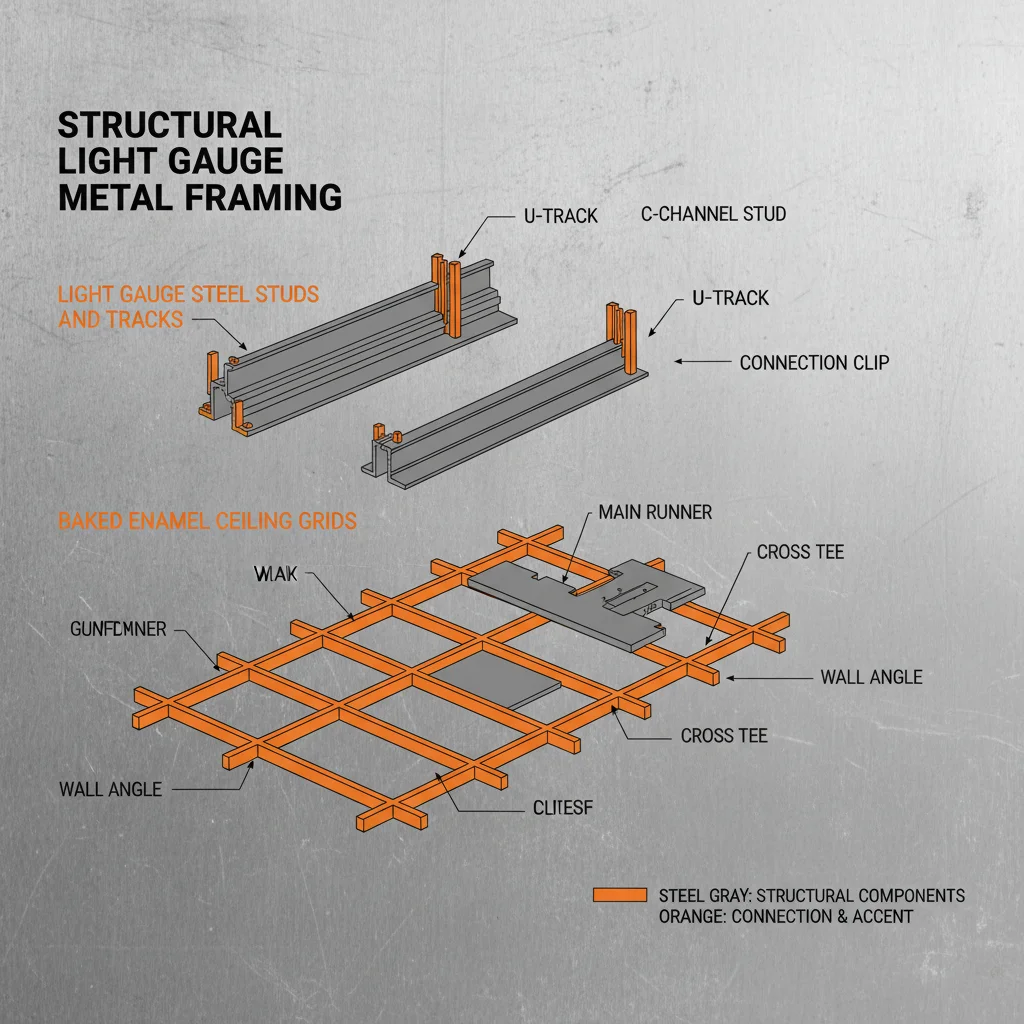
These studs serve as the backbone for walls, ceilings, and structural reinforcements. Oddly enough, though small, they impact large-scale projects by enhancing safety and reducing maintenance needs.
Core Aspects of Galvanized Studs
Durability
The zinc coating acts as a sacrificial layer, meaning it corrodes first to protect the underlying steel. This dramatically extends the life span of galvanized studs—some lasting upwards of 50 years in favorable conditions.
Cost Efficiency
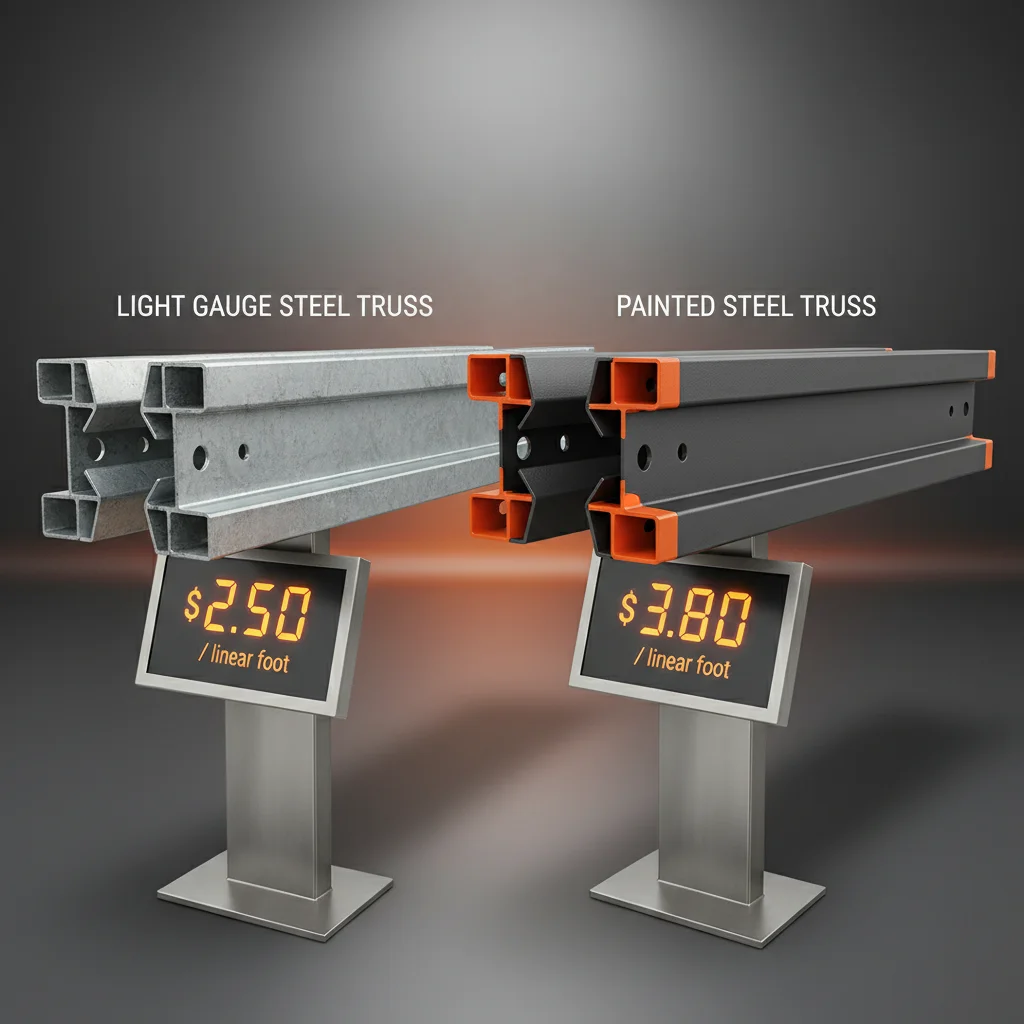
While initially more expensive than untreated studs, galvanized studs reduce long-term expenses by minimizing repairs and replacements. For governments and industries, this means enhanced ROI on infrastructure.
Scalability & Versatility
Whether for small residential projects or massive industrial complexes, galvanized studs come in various lengths and gauges. This adaptability makes them practical for both standard and custom designs.
Sustainability
Galvanized steel is 100% recyclable. With growing emphasis on green building certifications like LEED, using galvanized studs supports eco-friendly construction practices.
Safety
Resisting corrosion helps maintain structural integrity, reducing risks associated with weakened frames. In earthquake-prone or coastal regions, galvanized studs enhance occupant safety.
Galvanized Studs in Action: Global Use Cases
- Coastal Housing Projects: In Southeast Asia, where humidity and salt can devastate metal, galvanized studs help create resilient housing that lasts decades.
- Post-Disaster Reconstruction: After earthquakes in Japan and Chile, emergency shelters and infrastructures have employed galvanized studs for quick assembly and durability.
- Industrial Manufacturing Zones: In remote mining or processing sites, galvanized studs withstand corrosive chemicals and weather extremes, ensuring operational continuity.
- Commercial Skyscrapers: Major cities like New York and Dubai rely on galvanized studs in their core steel frameworks for added lifespan and minimal upkeep.
Advantages & Long-Term Benefits of Galvanized Studs
Frankly, the value of galvanized studs isn’t just technical — it’s deeply practical and even emotional. They provide:
- Longevity: Reduces frequency of costly repairs, translating into less disruption and higher confidence among building occupants.
- Environmental Responsibility: By extending building life and being recyclable, they align with sustainable construction goals.
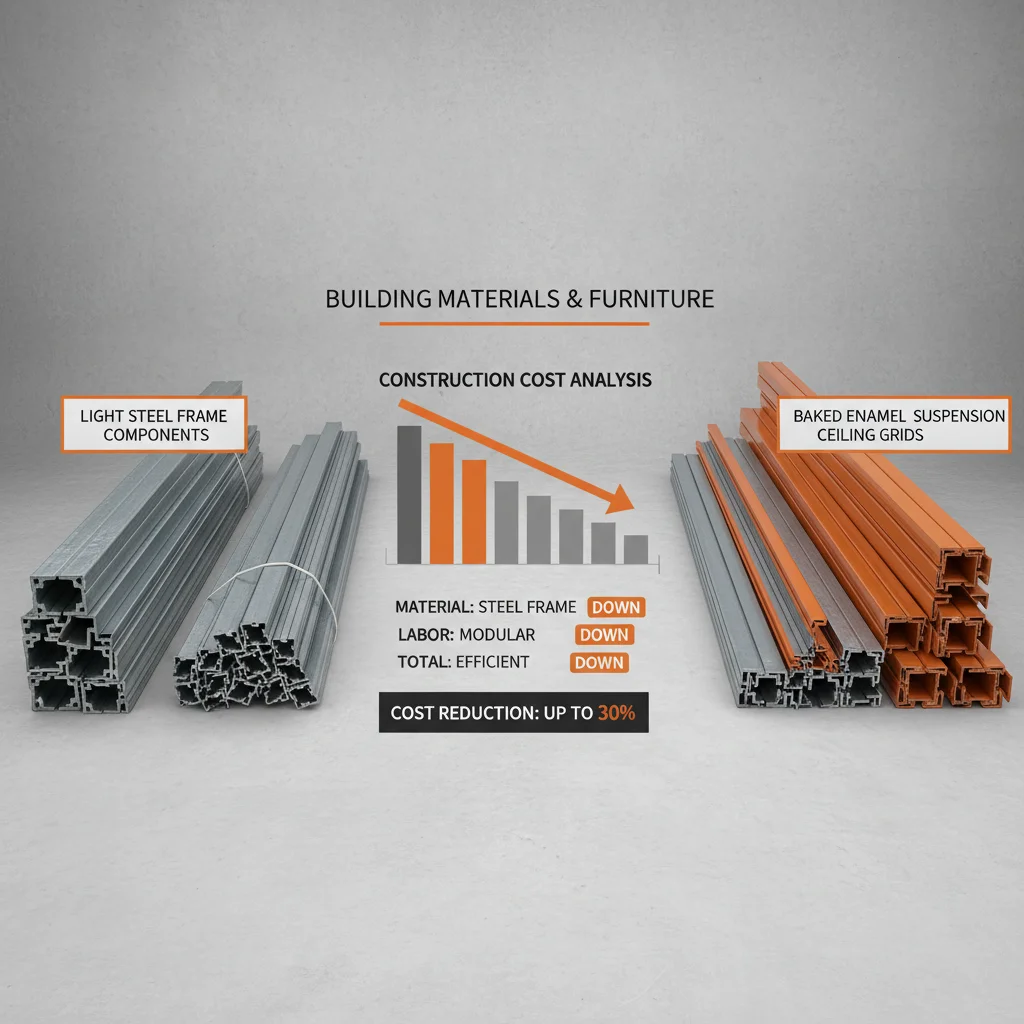
- Cost Savings: Total cost of ownership over decades is significantly lower than untreated alternatives.
- Safety Assurance: Enhances structural resilience that can save lives during natural calamities.
- Innovation Driver: Supports modular and prefabricated constructions, enabling faster project delivery.
Product Specification Table: Typical Galvanized Studs
| Property |
Specification |
Typical Range |
| Material |
Steel (Hot-dip galvanized) |
ASTM A653/A792 compliant |
| Coating Thickness |
Zinc Layer |
45-85 microns |
| Stud Length |
Varies |
2 to 12 ft |
| Gauge |
Thickness of steel sheet |
16 to 25 gauge |
| Corrosion Resistance |
Rated for coastal and industrial use |
50+ years expected |
Vendor Comparison: Galvanized Studs Suppliers
| Supplier |
Lead Time |
Customization Options |
Pricing |
Environmental Certifications |
| JinkaiBM |
2-4 weeks |
Full range (length, gauge, coating thickness) |
Competitive |
ISO 14001 certified |
| SteelPro Inc. |
3-6 weeks |
Limited |
Mid-range |
None specifically |
| EcoMetal Supplies |
4-5 weeks |
Standard sizes only |
Premium |
LEED approved |
Future Trends & Innovations in Galvanized Studs
Looking ahead, advances in coating technologies will likely improve corrosion resistance further—think nanocoatings or hybrid protective layers. Digitally enhanced manufacturing, like robotics and automated quality inspections, is already starting to reduce defects and turnaround times.
Green energy initiatives push for more sustainable steel production methods that reduce carbon footprints, aligning galvanized studs with circular economy principles. Plus, modular construction trends mean studs are now designed for easier installation and recycling after building life ends.
Challenges & Expert Solutions
Of course, galvanized studs aren’t perfect. Sometimes, coating irregularities can cause early corrosion spots, especially if installation damages the zinc layer. Also, high upfront costs deter budget-conscious projects.
Experts suggest rigorous quality control, including ASTM-standard testing, and protective measures like sealing cut edges onsite. Bulk purchasing combined with local fabrication can reduce pricing hurdles. Knowledge sharing among engineers on best practices ensures longevity and performance.
FAQ: Frequently Asked Questions About Galvanized Studs
- Q: How do galvanized studs compare to stainless steel studs in terms of cost and durability?
- A: Galvanized studs typically cost less upfront than stainless steel, while offering substantial corrosion resistance due to the zinc coating. Stainless steel is more corrosion-resistant long-term but significantly pricier. For most construction needs, galvanized studs provide excellent durability with a better balance of cost and performance.
- Q: Can galvanized studs be used in coastal areas prone to saltwater exposure?
- A: Absolutely. The zinc coating protects against saltwater corrosion, making them well-suited for coastal construction. However, additional protective measures like paint coatings or sealants might be used in highly corrosive environments for added longevity.
- Q: Are galvanized studs recyclable and eco-friendly?
- A: Yes, galvanized steel studs are 100% recyclable, and the galvanizing process itself is designed to minimize waste. Using these studs supports sustainable building practices and often contributes to green building certifications.
- Q: What are the typical installation challenges when using galvanized studs?
- A: The primary challenge is avoiding damage to the zinc coating during cutting or fastening, which can expose steel to rust. Proper handling, protective edge treatments, and specialized fasteners help mitigate this issue.
- Q: How can organizations source quality galvanized studs internationally?
- A: Reputable vendors like galvanized studs suppliers offer international shipping and customization services. It’s essential to verify certifications (e.g., ASTM, ISO) and request samples before bulk purchasing.
Conclusion: Why Galvanized Studs Are a Wise Investment
Ultimately, galvanized studs serve as more than just fasteners—they’re a fundamental part of ensuring the resilience, sustainability, and safety of constructions worldwide. From protecting coastal homes against salt damage to accelerating disaster relief housing, their versatility and reliability pay dividends over time. If you’re considering materials for your next project, it’s worth giving galvanized studs a hard look. Trust me, in real terms, they offer peace of mind, bottom-line savings, and a greener footprint.
For an extensive range and expert support, visit our website and explore how galvanized studs can elevate your building needs.
Stay curious, stay resilient.
References:
- Wikipedia: Galvanization
- United Nations on Climate Change
- World Bank: Global Construction 2030