Gypsum Stud and Track: The Backbone of Modern Interior Construction
Gypsum stud and track systems form the often unseen but absolutely vital framework behind modern drywall installations. Their importance goes far beyond just holding up walls; they represent a globally relevant construction solution that combines efficiency, sustainability, and adaptability in building interiors. Understanding gypsum stud and track not only benefits architects and builders but also plays a key role in enhancing construction quality, speed, and environmental impact worldwide.
Why Gypsum Stud and Track Matter Globally
In today's growing urban landscape, the demand for quick, reliable, and eco-friendly construction methods is soaring. According to the United Nations Department of Economic and Social Affairs, the global urban population is expected to rise to 68% by 2050, which puts enormous pressure on building infrastructure to adapt smarter and faster (1). Gypsum stud and track frameworks answer that call, offering a lightweight, cost-effective solution ideal for rapid construction and remodeling projects everywhere.
Oddly enough, even humanitarian efforts in disaster relief and refugee housing increasingly rely on this system because it’s modular, easy to transport, and quick to assemble. For industries and governments alike, understanding gypsum stud and track is like having a secret weapon for building smarter, safer indoor spaces.
Defining Gypsum Stud and Track
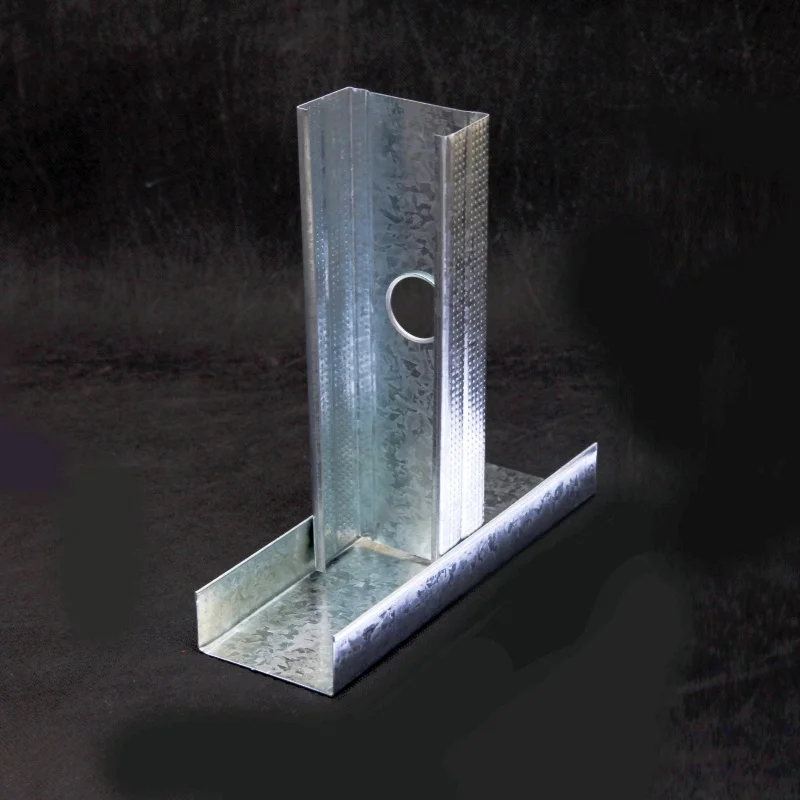
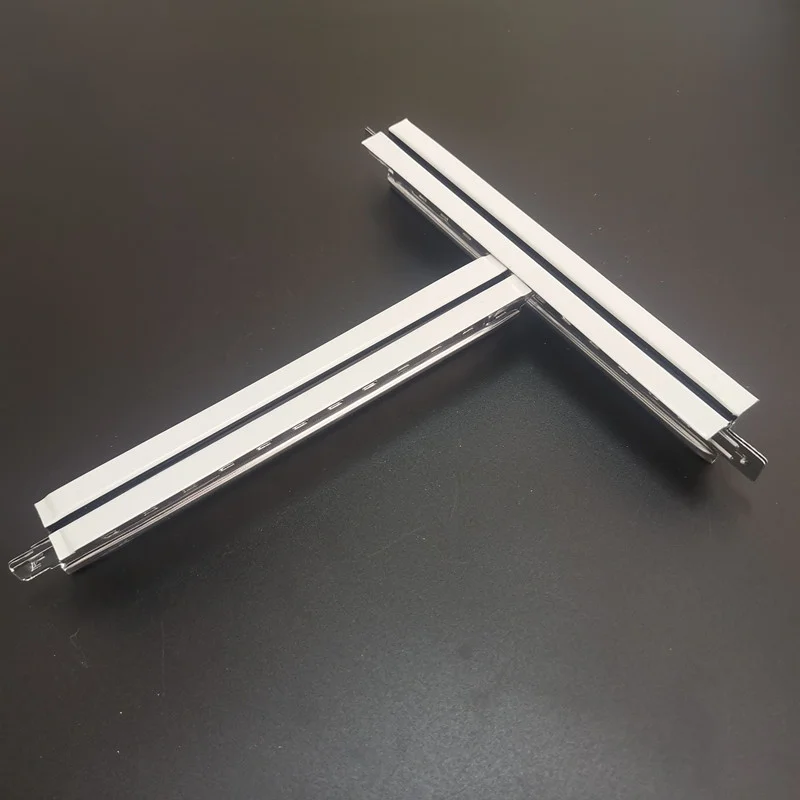
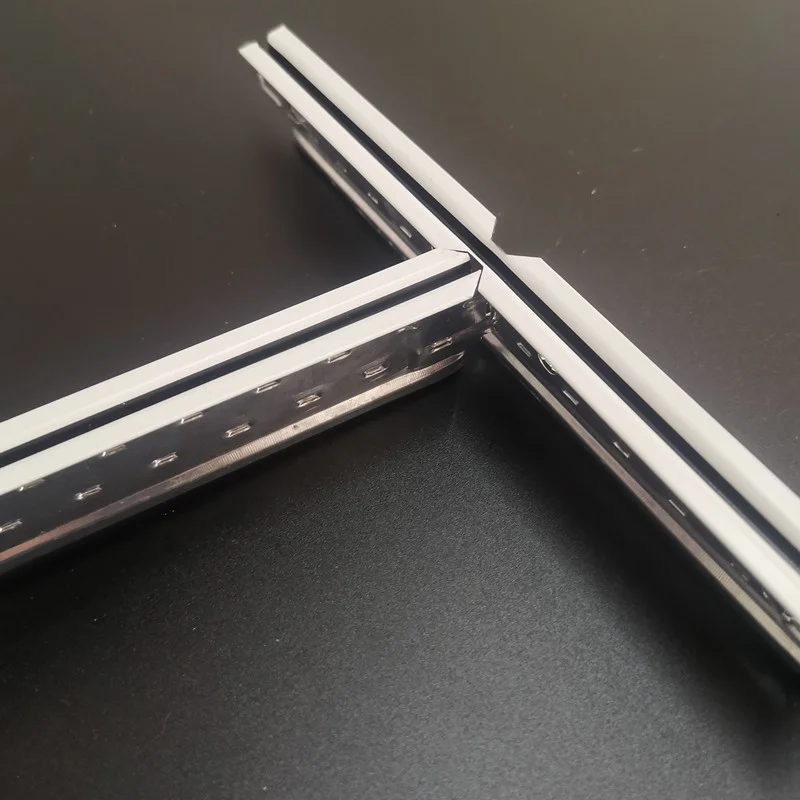
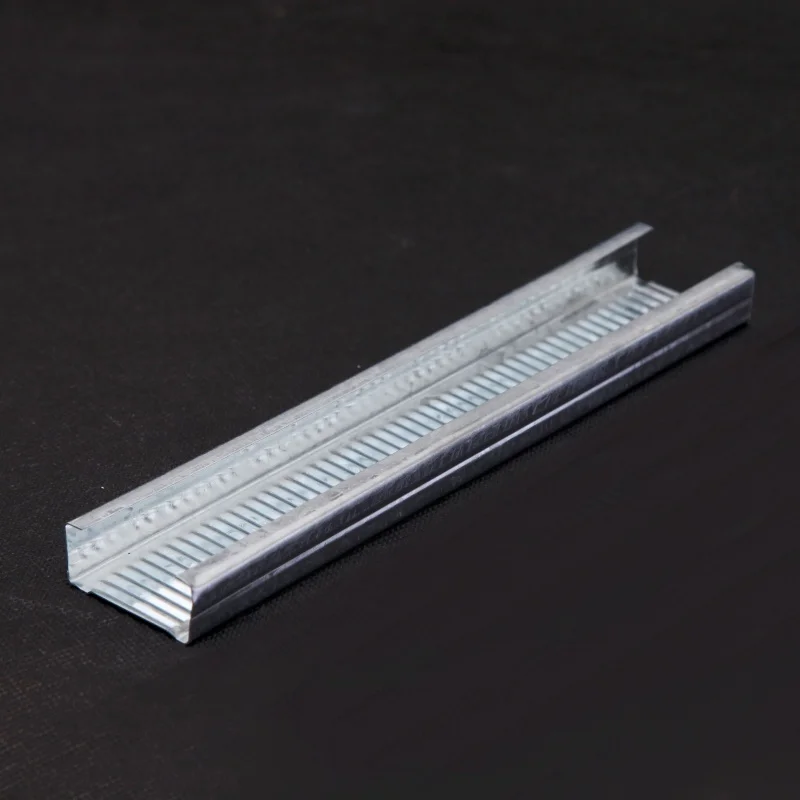
At its core, gypsum stud and track refers to the metal framing components used to create non-load-bearing walls and partitions combined with gypsum plasterboards (commonly known as drywall or plasterboard). The “stud” is the vertical framing member, while the “track” is the horizontal piece that runs along floors and ceilings, securing the wall assembly.
Typically made from galvanized steel, these components provide structural integrity that gypsum panels rely on for rigidity and shape. This system replaces traditional timber framing in many modern constructions, giving builders a more durable, moisture-resistant, and fire-retardant framework that can be quickly customized for various architectural needs.
Key Components and Aspects of Gypsum Stud and Track Systems
Durability and Strength
Gypsum studs and tracks are engineered to withstand everyday wear, vibrations, and even minor impacts better than wood alternatives. Their galvanized coating also ensures resistance to rust, which is crucial in humid environments or commercial spaces exposed to moisture.
Scalability and Flexibility
One of the most attractive aspects is how quickly these frameworks can be adjusted onsite. Whether it’s reconfiguring office layouts or adding new partitions in hospitals, gypsum stud and track allow for rapid scaling without heavy equipment or prolonged downtime.
Cost Efficiency
Compared to traditional masonry or wood framing, gypsum stud and track systems reduce material waste and labor time, which translates into significant savings, especially for large projects.
Sustainability
Many manufacturers now offer steel studs made from recycled materials, and gypsum boards are recyclable as well. This aligns with global goals like ISO 14001 environmental management standards, pushing the building sector towards greener practices (2).
Gypsum Stud and Track Product Specifications
| Component |
Material |
Dimensions (mm) |
Gauge |
Weight (kg/m) |
Key Feature |
| Gypsum Stud |
Galvanized steel |
50x90, 64x92, custom |
25 - 20 |
0.5 - 0.7 |
High rigidity, corrosion resistant |
| Gypsum Track |
Galvanized steel |
40x30, 30x24 |
25 - 22 |
0.4 - 0.6 |
Secure flooring/ceiling support |
Global Applications and Use Cases
It’s fascinating to see how versatile gypsum stud and track systems have become worldwide. In the Middle East and parts of Asia, rapid urbanization demands housing projects that can go up quickly yet last decades — gypsum frameworks fit that bill perfectly. Large commercial spaces like shopping malls or airports favor the system for its ability to easily integrate electrical and HVAC components within walls.
In humanitarian operations — such as earthquake or flood zones in Latin America — these modular wall systems offer a quick shelter solution that can be repaired or replaced easily. Many NGOs report lower costs and higher durability compared to tents or wooden shelters (3). Oddly enough, even in advanced industrial zones, gypsum stud and track use is growing for interiors because it supports digitized construction methods like Building Information Modeling (BIM).
Key Vendor Comparison: Gypsum Stud and Track Providers
| Vendor |
Material Quality |
Customization Options |
Lead Time (weeks) |
Price Competitiveness |
| Jinkai Building Materials |
Galvanized steel, ISO 9001 certified |
Multiple sizes & gauges, custom profiles |
2-3 |
High value |
| Global Stud Corp |
Standard galvanized steel |
Standard sizes only |
3-4 |
Moderate |
| EcoBuild Materials |
Recycled steel blend |
Limited profiles |
4-5 |
Competitive |
Advantages and Long-Term Value
- Cost Savings: Reduced labor and material waste mean smaller budgets, especially for large-scale projects.
- Sustainability: Eco-friendly materials align with international environmental goals.
- Speed: Rapid install times translate into faster project delivery and less disruption.
- Safety: Fire-resistant and structurally sound, gypsum systems enhance occupant protection.
- Adaptability: Walls can be easily modified or repaired without demolishing entire structures.
Many builders I’ve spoken with rave about how these systems bring dignity and confidence to occupants — a sense their spaces are thoughtfully built, safe, and modern. It’s a subtle but meaningful human factor often overlooked in technical specs.
Future Trends & Innovations in Gypsum Stud and Track
The future looks bright. Manufacturers are experimenting with advanced coatings that improve moisture and mold resistance further, vital for humid climates. Integration with smart building tech, like embedded sensors for structural health monitoring, is gaining momentum. Plus, digital fabrication methods promise custom profiles that fit any architectural design with near-zero tolerances.
Sustainability efforts continue, too, with ongoing work to optimize recycled steel content and even biodegradability of gypsum boards—though that’s still a long way off. Policy-wise, international standards such as ISO 21930 are pushing transparent environmental declarations, making supplier choices more straightforward for conscientious builders.
Challenges and Practical Solutions
Of course, no system is perfect. Common issues include corrosion if coatings are compromised, or acoustics limitations if panels aren’t properly installed. Many engineers recommend combining gypsum stud and track with specialized insulation or sound-dampening materials to overcome these drawbacks.
On-site training and quality control checks are essential to avoid misalignments or improper fastening. In remote areas, shipping lead times can be frustrating, which is why partnering with responsive suppliers like gypsum stud and track vendors who offer customization and fast delivery is often the best call.
Frequently Asked Questions About Gypsum Stud and Track
- What makes gypsum stud and track framing better than traditional timber?
- Gypsum stud and track systems are more moisture resistant, fire-retardant, and dimensionally stable than timber. They’re also lighter and easier to handle, reducing labor time on site.
- How long can walls built with gypsum studs last in commercial buildings?
- With proper installation and maintenance, such walls often last several decades. The galvanized steel studs resist corrosion and the gypsum panels can be replaced or repaired easily if damaged.
- Is gypsum stud and track environmentally sustainable?
- Yes, especially when using recycled steel and recyclable gypsum boards. These materials reduce waste compared to traditional masonry or wood framing and support LEED certification goals.
- Can gypsum stud and track systems be quickly deployed in disaster relief housing?
- Absolutely. Their modular nature and lightweight components make for fast assembly, which is critical in emergency response scenarios where speed and durability both matter.
- How do I choose the right gypsum stud and track supplier?
- Look for certifications (ISO 9001), customization options, lead times, and proven experience. Vendors like Jinkai Building Materials offer a good balance of quality and service.
Wrapping Up: Why Investing in Gypsum Stud and Track Pays Off
In real terms, gypsum stud and track systems are quietly revolutionizing how we build interior walls — faster, greener, and smarter than ever before. Their global relevance will only grow as urbanization accelerates and sustainability standards rise. For builders, architects, and engineers, mastering these systems means better designs, happier clients, and long-term value.
If you’re keen to explore trusted products and innovative designs in gypsum stud and track, do visit our website for more info.
Quick takeaway: The simplicity of gypsum stud and track belies its profound impact on modern construction — it’s the quiet hero behind many walls we live and work behind.
References
- United Nations World Urbanization Prospects
- ISO 14001 Environmental Management Standards
- Humanitarian Relief and Construction Methods - Wikipedia