Understanding the 6 Inch Metal Track: A Key Component in Modern Industry
When you hear "6 inch metal track," you might think of railroads or something industrially niche. Yet, this component holds surprising importance worldwide—across construction, manufacturing, and even humanitarian efforts. Frankly, grasping what these metal tracks are and how they’re used helps us appreciate the sturdy backbone that supports so many modern structures and machines.
Global Context: Why the 6 Inch Metal Track Matters Today
Industries worldwide rely heavily on reliable, durable materials that can handle stress, transport, and installation needs effortlessly. According to ISO standards, industrial metal components like tracks must meet stringent durability and safety benchmarks — especially when used in infrastructure or machinery that supports whole communities.
Oddly enough, the 6 inch metal track, a seemingly small and specialized item, appears in sectors ranging from large factory conveyor systems to modular housing construction. The 6 inch metal track addresses a challenge present globally: how to create scalable, cost-effective, yet robust systems that can be deployed in remote or disaster-affected locations.
What Exactly is a 6 Inch Metal Track?
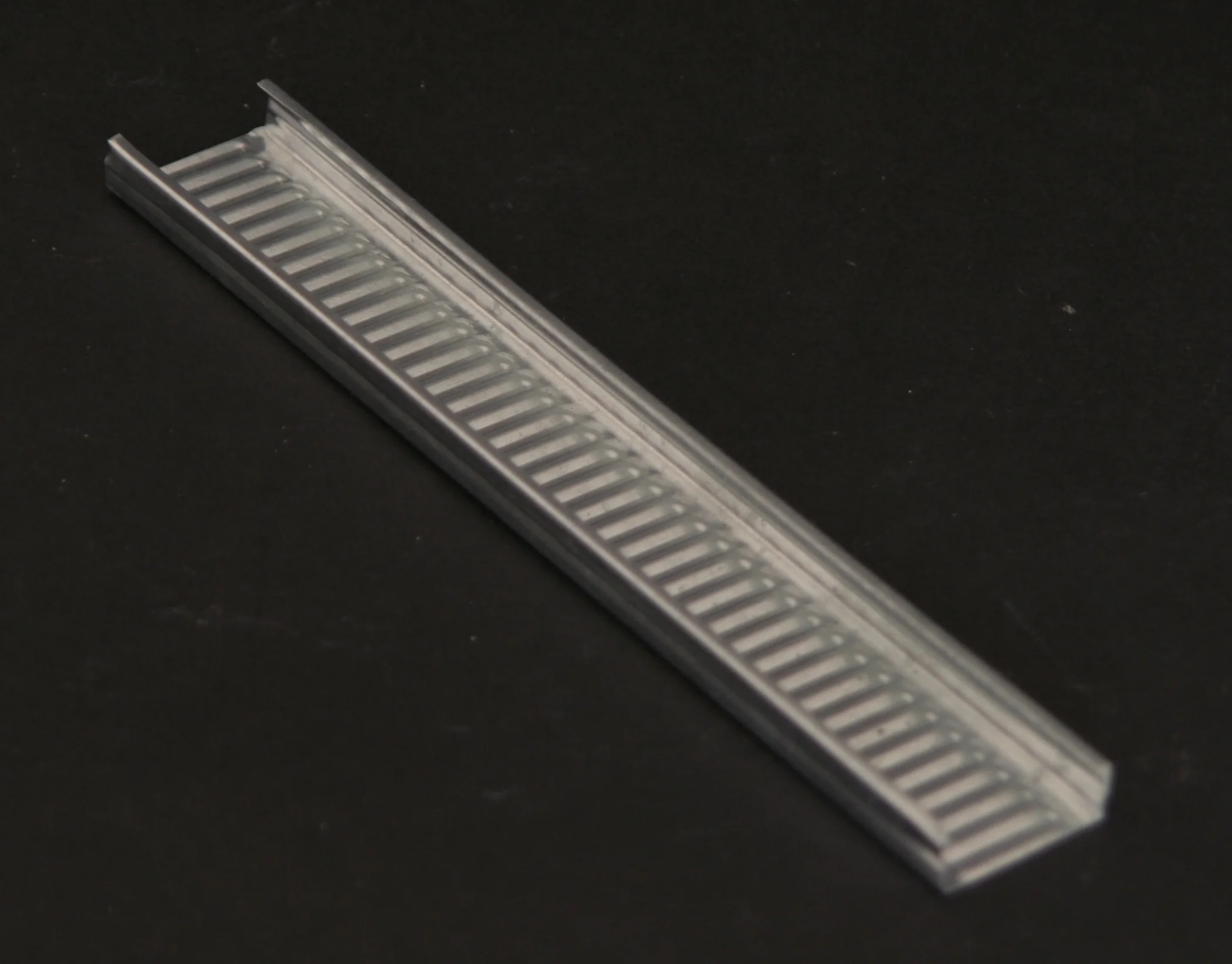
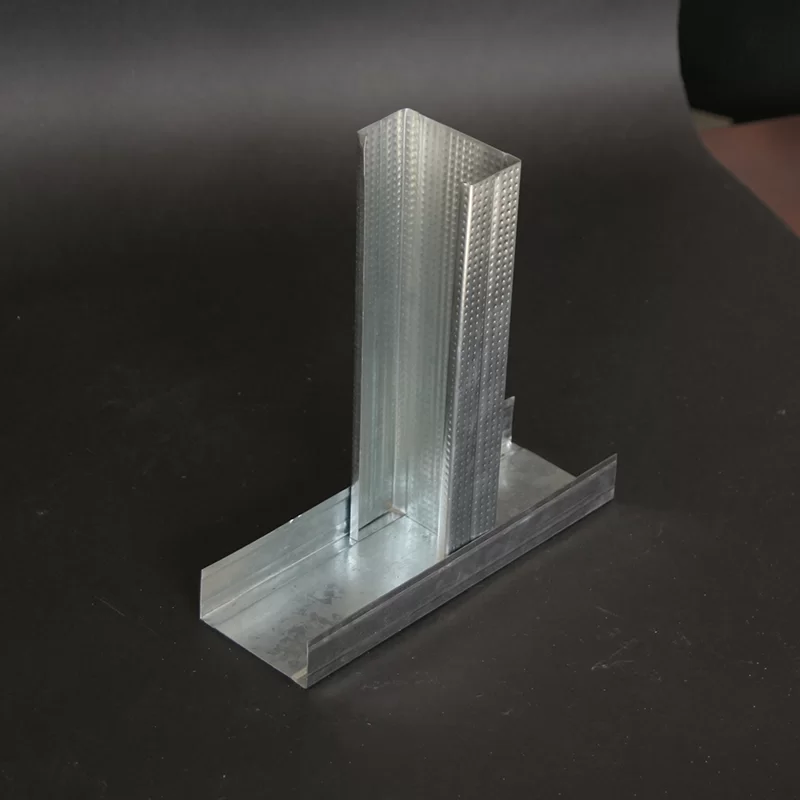
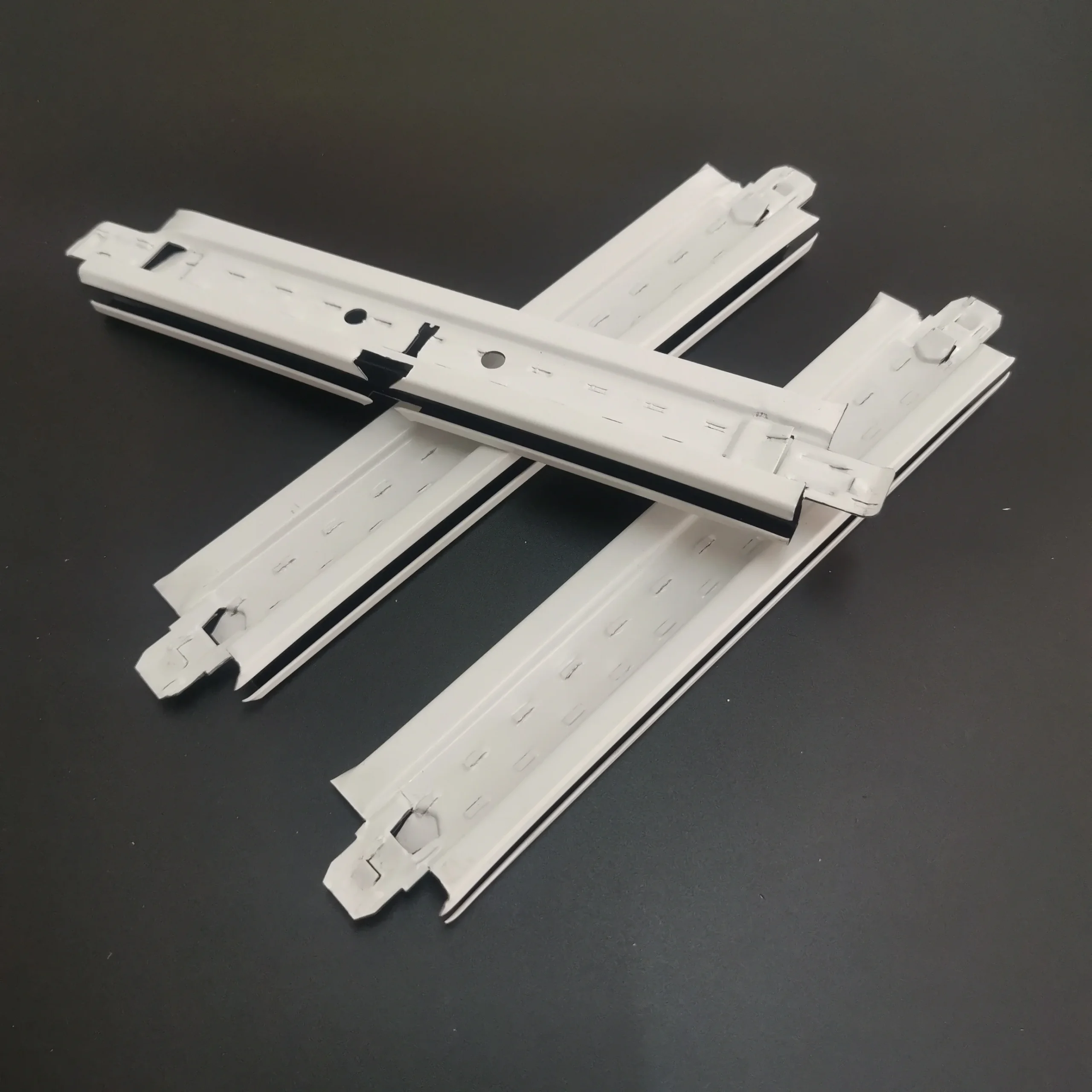
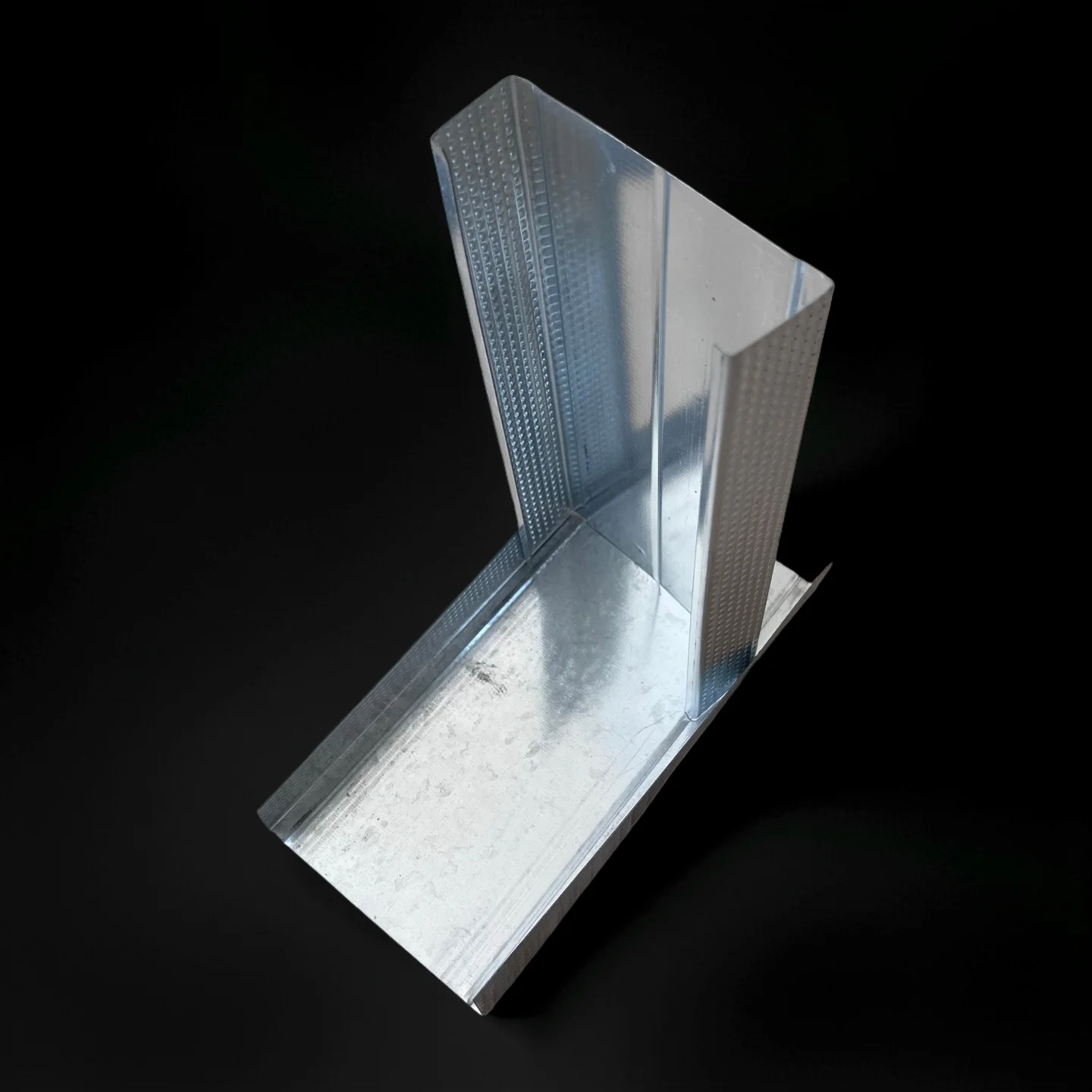
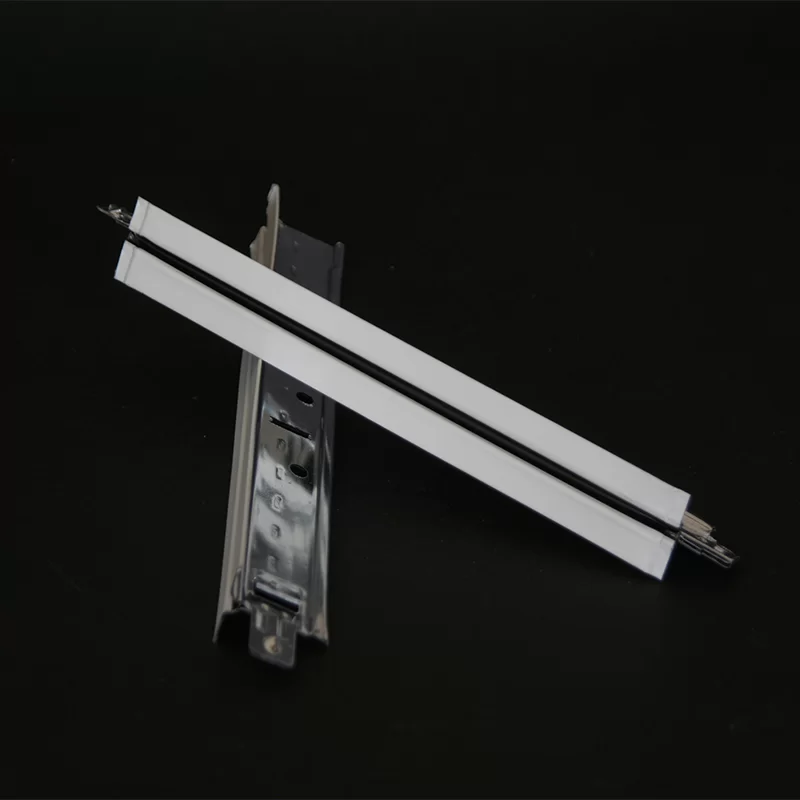
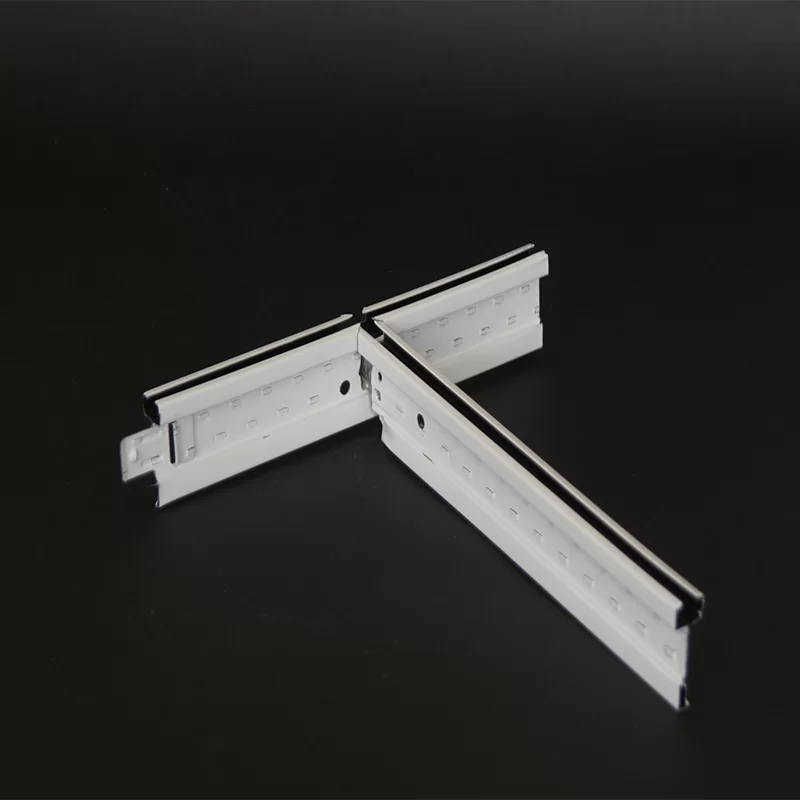
Simply put, a 6 inch metal track is a rail or linear guide that measures approximately six inches in width, typically crafted from steel or other alloys. You can imagine it as a guided pathway that supports movement—whether that’s rolling machinery, sliding doors, or structural components. Its size and strength make it a great fit for heavy-duty applications where precision and longevity count.
In industries today, these tracks don’t just serve industrial factories; they’re part of humanitarian logistics too. For example, modular shelters that can be rapidly assembled post-disaster often rely on metal tracks to ensure stability and easy setup—demonstrating how engineering meets urgent global needs.
Core Components & Key Factors of the 6 Inch Metal Track
- Durability: Made typically from galvanized or stainless steel, these tracks resist corrosion and wear, crucial in harsh environments.
- Scalability: Their standard width means they integrate easily with different equipment and structures without custom redesigns.
- Cost Efficiency: Using a uniform metal track simplifies supply chains and lowers costs for large-scale projects.
- Load Capacity: Despite their modest width, they support heavy loads, critical for industrial transport or structural framing.
- Maintenance: Their simple design requires minimal upkeep, which is a blessing in remote or resource-limited settings.
Put together, these factors explain why the 6 inch metal track is preferred in many industries where robustness meets flexibility.
Global Applications and Real-World Use Cases
In real terms, the 6 inch metal track finds homes across continents. In Southeast Asia, they’re integral to moving heavy materials in manufacturing plants. In North America, large warehouse conveyor systems depend on these tracks for smooth automation. Oddly enough, international NGOs installing fast-assembly housing in disaster zones also deploy them because of their modular nature.
Consider post-earthquake relief operations where a quick yet sturdy solution for temporary shelters is needed. Here, the 6 inch metal track supports the frame structure that’s both strong under stress and easy to transport. In industrial zones isolated from city resources, its minimal maintenance is a lifeline.
Product Specification: Typical 6 Inch Metal Track Features
| Feature |
Specification |
| Track Width |
6 inches (152.4 mm) |
| Material |
Galvanized Steel, Stainless Steel options |
| Load Rating |
Up to 1000 kg per meter |
| Surface Finish |
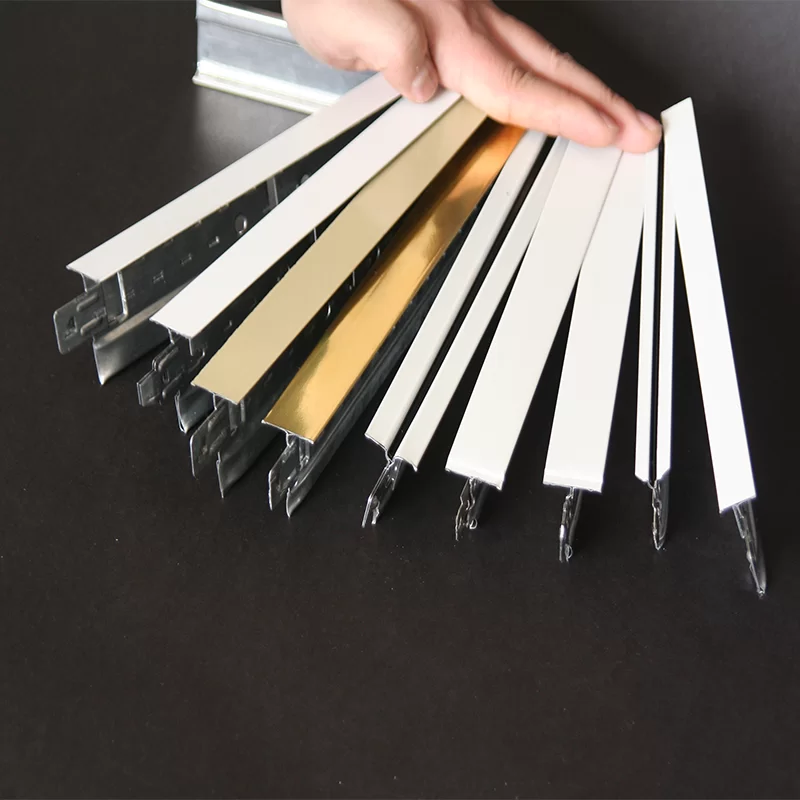
Powder-coated or untreated |
| Typical Length |
Up to 6 meters |
Vendor Comparison: Popular Suppliers of 6 Inch Metal Track
| Supplier |
Material Quality |
Customization Options |
Lead Time |
Price Range |
| MetalTech Co. |
High (Stainless Steel) |
Yes (Lengths & Finish) |
2–3 weeks |
$$$ |
| SteelPro Supplies |
Medium (Galvanized) |
Limited |
1–2 weeks |
$$ |
| BuildFast Imports |
Standard (Powder-coated) |
Yes (Custom Lengths) |
3–4 weeks |
$ |
Advantages and Long-Term Value of the 6 Inch Metal Track
Besides the obvious practical benefits, these metal tracks bring lasting value. Economically, reusable and low-maintenance components reduce replacement costs over years. Environmentally, long-lasting corrosion resistance means less waste. Socially, when applied in emergency housing or industrial automation, they uphold safety and dignity—essential factors that often get overlooked but matter deeply.
Safety inspires trust; innovation fuels progress. Using standardized metal tracks means engineers can design faster, deploy quicker, and rely on proven materials. The emotional peace of mind—knowing equipment or shelters won’t abruptly fail—is priceless.
Future Trends and Innovations Surrounding the 6 Inch Metal Track
Looking ahead, sustainability is driving research into advanced coatings that improve corrosion resistance even further without toxic chemicals. Digital transformation, too, is changing things. Smart metal tracks embedded with sensors can detect wear or load stress in real time, guiding preventive maintenance.
Besides, automation in manufacturing means metal tracks must adapt: lighter, stronger alloys are on the horizon. Oddly enough, green manufacturing policies are pushing vendors to rethink supply chains, which matters if you’re sourcing tracks for a global project.
Challenges and Possible Solutions
Common issues include delays in supply, inconsistency in material quality, or compatibility mismatches when tracks are sourced from various vendors. These are especially tricky if you’re trying to assemble complex systems quickly.
Expert advice often emphasizes choosing vendors with verified ISO certifications and ensuring detailed specifications upfront. Innovations like modular track kits with pre-drilled holes have also improved on-site assembly speed and reduced errors.
FAQ: Frequently Asked Questions About 6 Inch Metal Track
- Q: What load can a standard 6 inch metal track support?
A: Typically, these tracks support loads up to 1000 kg per meter, but specifications vary by material and finish. Always check supplier data sheets for precise ratings.
- Q: Are 6 inch metal tracks suitable for outdoor installations?
A: Yes, especially when galvanized or powder-coated, these tracks resist corrosion and can endure weather exposure for years.
- Q: Can the track length be customized?
A: Most manufacturers offer lengths up to 6 meters as standard but provide custom cuts as needed for specific projects.
- Q: How do I choose the best vendor for metal tracks?
A: Look for ISO certification, positive customer reviews, lead times that match your project schedule, and options for customization.
- Q: Can these metal tracks be recycled after use?
A: Absolutely, steel tracks are fully recyclable, which helps reduce environmental impact after their lifecycle.
Conclusion: Why Invest in 6 Inch Metal Tracks Now?
The humble 6 inch metal track is quietly shaping industries and humanitarian solutions worldwide. Its blend of durability, cost efficiency, and flexibility makes it a surprisingly fundamental part of many projects—from factory floors in Europe to emergency housing sites in Asia.
If you’re looking for a sturdy, scalable solution, considering this metal track is a no-brainer. For more detailed product options and expert guidance, visit our website at https://www.jinkaibm.com—because quality matters.
Mini takeaway: Understanding the role and benefits of the 6 inch metal track unlocks smarter choices in industrial design and crisis response efforts.
References
- ISO Standards on Steel Products
- Wikipedia: Structural Steel
- UN Disaster Management Overview