Understanding Drywall Profile: The Backbone of Modern Interior Construction
When you think of drywall profile, you might picture just another technical jargon tossed around by construction professionals. But frankly, it’s a fundamental component in modern building practices worldwide. Understanding drywall profiles not only helps architects and engineers craft better spaces but also solves critical problems in speedy, sustainable construction. Whether it’s a high-rise office tower in New York or a temporary shelter in a disaster zone, drywall profiles shape how walls—and by extension, entire interiors—come together.
Global Importance of Drywall Profiles
Globally, the construction industry accounts for nearly 39% of carbon emissions (source: UN Environment Programme, 2021). The need for efficient, durable, and sustainable building components is urgent. Drywall profiles—metal or polymer frames that support drywall sheets—play a surprisingly pivotal role here. They influence build speed, material waste, and the long-term durability of interior walls.
In many emerging urban centers across Asia and Africa, where rapid infrastructure development clashes with resource constraints, having a standardized drywall profile system can mean the difference between robust, affordable housing and makeshift structures. It’s a challenge the industry is increasingly addressing by innovating drywall profiles that are lightweight, strong, and cost-effective.
What Exactly Is a Drywall Profile?
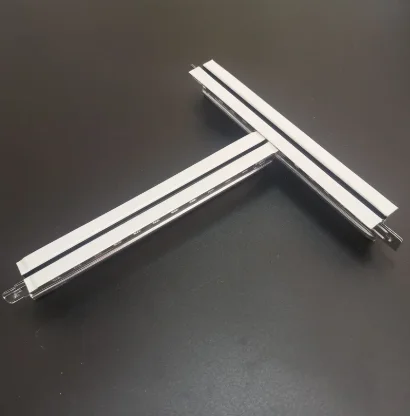
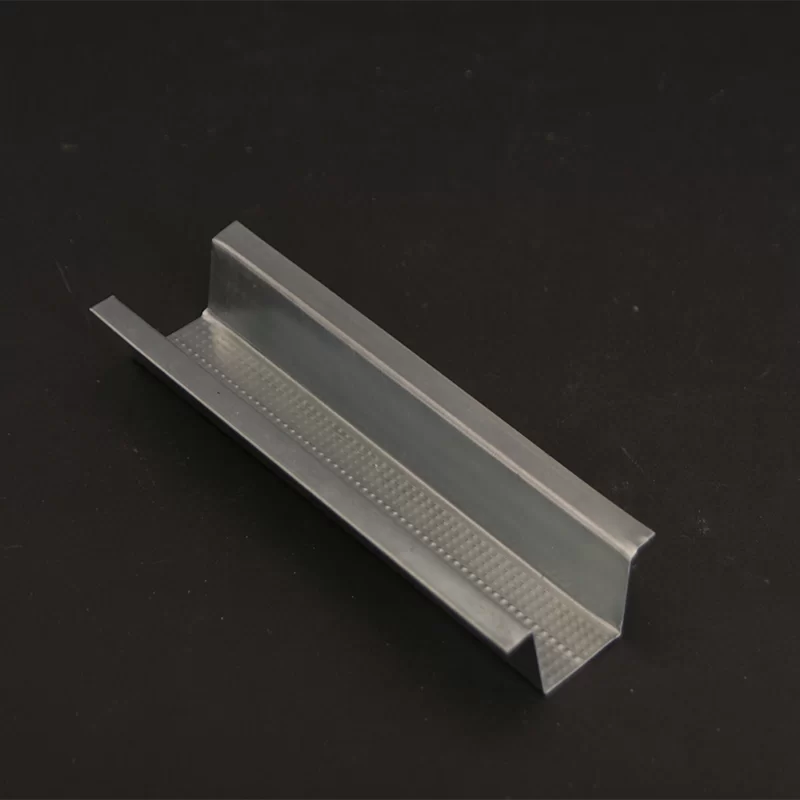
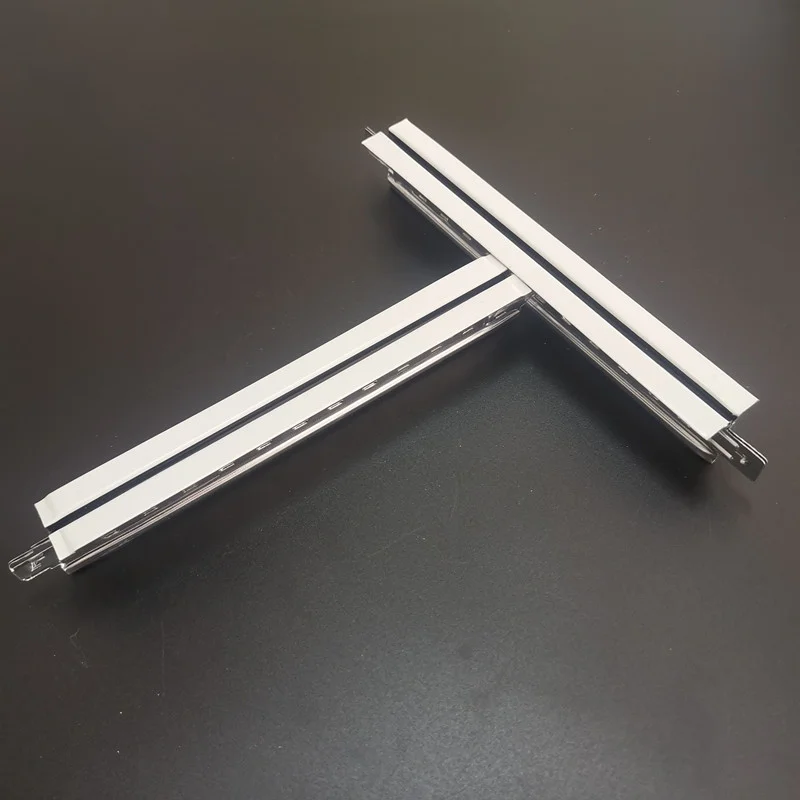
In simple terms, a drywall profile refers to the metal framework—usually galvanized steel—that forms the skeletal structure onto which drywall panels are attached. These profiles come in various shapes and sizes, designed to optimize strength, flexibility, and ease of installation. Think of them as the unseen scaffolding that holds your walls together. Without reliable drywall profiles, the surface walls would sag, crack, or fail entirely.
This concept ties deeply into modern industry demands—from ensuring building safety standards enforced by organizations like ISO, to meeting humanitarian goals where quick assembly shelters are needed in crises.
Core Components of a Drywall Profile
1. Durability
Profiles must endure humidity, weight, and time without corrosion. Galvanized steel, often used, offers resistance and lifespan. This is crucial especially in coastal or humid environments where moisture could rapidly degrade inferior materials.
2. Scalability
Profiles come in modular sizes allowing customization from single-family homes to commercial complexes. It’s this flexibility that architects love—modularity means easier adaptation on-site saves time and labor.
3. Cost Efficiency
Drywall profiles are lightweight but strong, lowering shipping and installation costs. They reduce waste by allowing rapid, precise framing—an economic advantage for both large contractors and small builders.
4. Fire Resistance
Since profiles are often combined with fire-rated drywall, their noncombustible metals help contain fires and increase occupant safety, an aspect regulated strictly in many countries.
5. Acoustic Properties
Designs can incorporate special shapes that enhance soundproofing—vital for office buildings, hospitals, or schools.
Drywall Profile Specifications Table
| Specification | Typical Range | Impact |
|---|
| Material Thickness | 0.4–0.8 mm (galvanized steel) | Strength and flexibility balance |
| Profile Width | 25 mm, 50 mm, 75 mm | Adjustable framing dimensions |
| Coating | Galvanized Zinc Layer 100 g/m² | Corrosion resistance |
| Fire Rating | Up to 2 hours (dependent on assembly) | Building safety compliance |
Global Applications & Use Cases
Oddly enough, drywall profiles don't just make office buildings or homes—they play vital roles in:
Post-Disaster Relief: NGOs use standardized drywall profiles to quickly erect semi-permanent shelters that are weather-resistant and easy to repair.
Industrial Zones: In remote areas of Canada or Australia, modular facilities hinge on strong drywall framing to build cleanrooms or labs quickly.
Urban Development: Rapidly expanding cities in Southeast Asia adopt drywall profiles to speed up mid-rise apartment completions, thanks to their modularity.
For those curious about the physical elements, you might want to explore drywall profile systems with detailed manufacturer specs and installation guidance.
Vendor Comparison Table: Popular Drywall Profile Manufacturers
| Brand | Material Quality | Price Range | Availability | Unique Feature |
|---|
| Jinkai Building Materials | Premium galvanized steel | $$ | Global | Advanced anti-corrosion coating |
| DrywallCo | Standard galvanized steel | $ | North America, Europe | Affordable bulk options |
| SteelTech Profiles | High-grade steel & alloy | $$$ | Europe, Asia | Custom engineering services |
Advantages & Long-Term Value
The tangible pluses of smart drywall profiles really add up:
Cost Savings: Lightweight materials lower labor and transport costs.
Environmental Impact: Recyclable metals and reduced waste align with green building standards.
Safety & Reliability: Fire-stopping capacity and structural integrity protect occupants and assets.
Plus, on a human level, the feeling of safety, privacy, and dignity your drywall frames help provide is invaluable. In disaster-stricken areas, having walls that don’t crumble fast means hope.
Emerging Trends in Drywall Profiling
Looking ahead, there is more than just steel. New composites and polymer-infused profiles are being tested for flexibility without sacrificing strength. Digital fabrication techniques like CNC cutting allow hyper-precise profiles that reduce onsite errors and speed construction.
Green policies push manufacturers toward lesser-carbon-footprint metals and exploring lifecycle impact. And automation in installation—think robotic arms snapping profiles into place—could revolutionize how fast buildings rise.
Challenges & Innovative Solutions
Challenges include corrosion in extreme environments and compatibility issues with some drywall materials. But innovations like enhanced galvanization, powder coatings, and hybrid materials help offset these problems.
Many engineers also stress the importance of training installers properly — profile design matters little if mishandled during construction.
FAQ: Common Questions About Drywall Profiles
- Q: How do drywall profiles affect building fire safety?
- A: Metal drywall profiles are noncombustible and, when paired with fire-rated drywall, contribute significantly to a wall assembly’s fire resistance. This can delay fire spread, providing valuable evacuation time.
- Q: Can drywall profiles be customized for unusual architectural designs?
- A: Yes, modern manufacturing often allows profiles in custom sizes or shapes, especially for curved or non-standard walls, although this may increase lead time and cost.
- Q: Are there eco-friendly drywall profile options?
- A: Absolutely. Some manufacturers use recycled steel and adopt processes that minimize emissions. Profiles are also highly recyclable at end-of-life, fitting well with green building certifications.
- Q: How do drywall profiles contribute to acoustic performance?
- A: Certain profile configurations create cavities that can reduce sound transmission, especially when combined with insulation materials.
- Q: What are key things to check when buying drywall profiles?
- A: Material quality, corrosion protection, fire rating, and compatibility with your drywall panels. Also consider the supplier’s reputation and logistics for delivery timelines.
Conclusion: Why Drywall Profiles Matter for the Future
Drywall profiles might seem like humble structural parts, but they are crucial for building flawlessly and sustainably in our urbanizing world. They cut costs, shorten timelines, improve safety, and help protect the environment. For builders, architects, and humanitarian organizations alike, investing time to understand and select the right drywall profile is a smart step toward resilient infrastructure.
If you’re aiming to upgrade your next project with reliable, high-grade drywall profile components, visit our website at https://www.jinkaibm.com for expert solutions and detailed specs.
Mini takeaway: The drywall profile is an unglamorous yet revolutionary piece of the building puzzle that supports safety, sustainability, and speed in construction worldwide.
References:
1. UN Environment Programme, Global Status Report, 2021
2. ISO Standards for Fire Safety in Buildings (ISO 834)
3. Wikipedia contributors, "Drywall," Wikipedia, The Free Encyclopedia, 2024