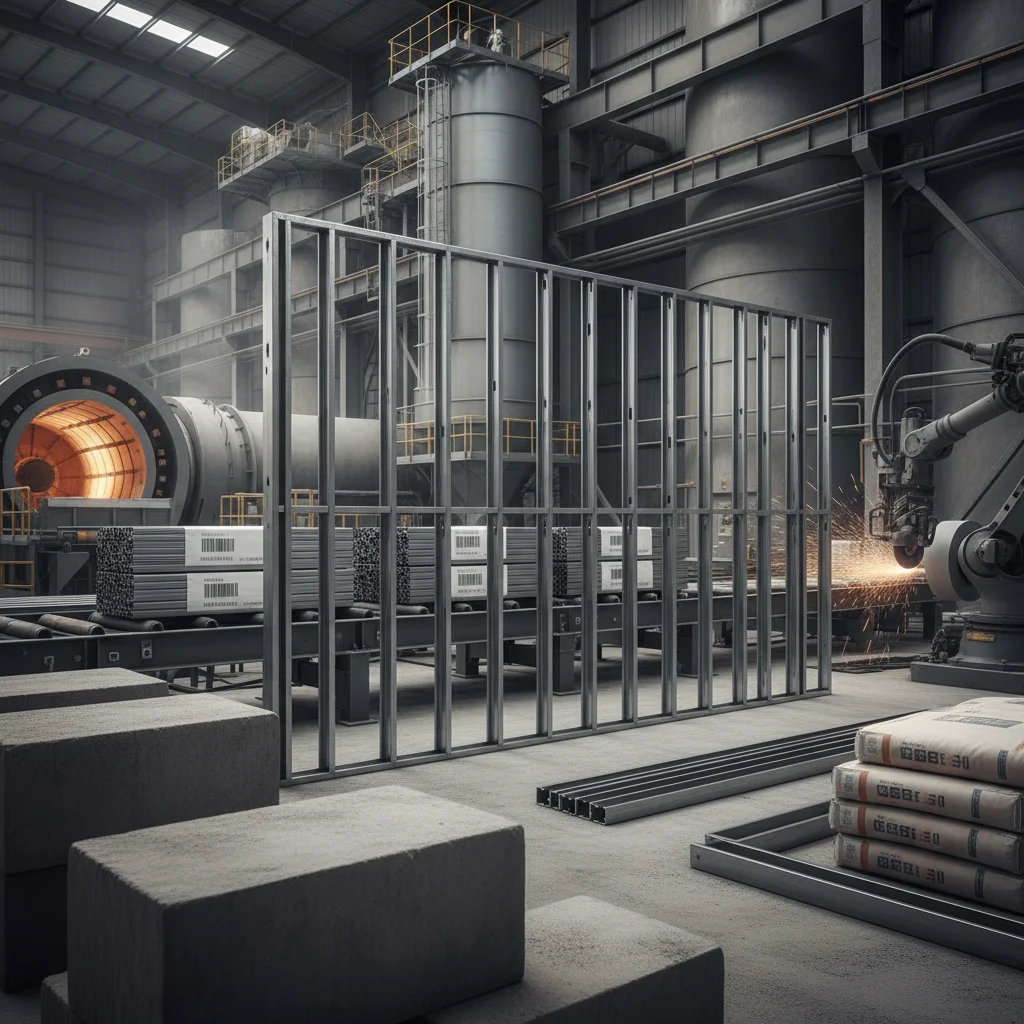
Understanding Metal Furring 2x3: A Practical Perspective
Having spent a chunk of my career navigating the nuts and bolts of industrial equipment, I’ve come across all sorts of materials that claim to make construction easier. But few have left as solid an impression on me as metal furring 2x3. It’s odd, perhaps, how something as seemingly simple as metal furring channels can be so pivotal in creating smooth, durable wall systems.
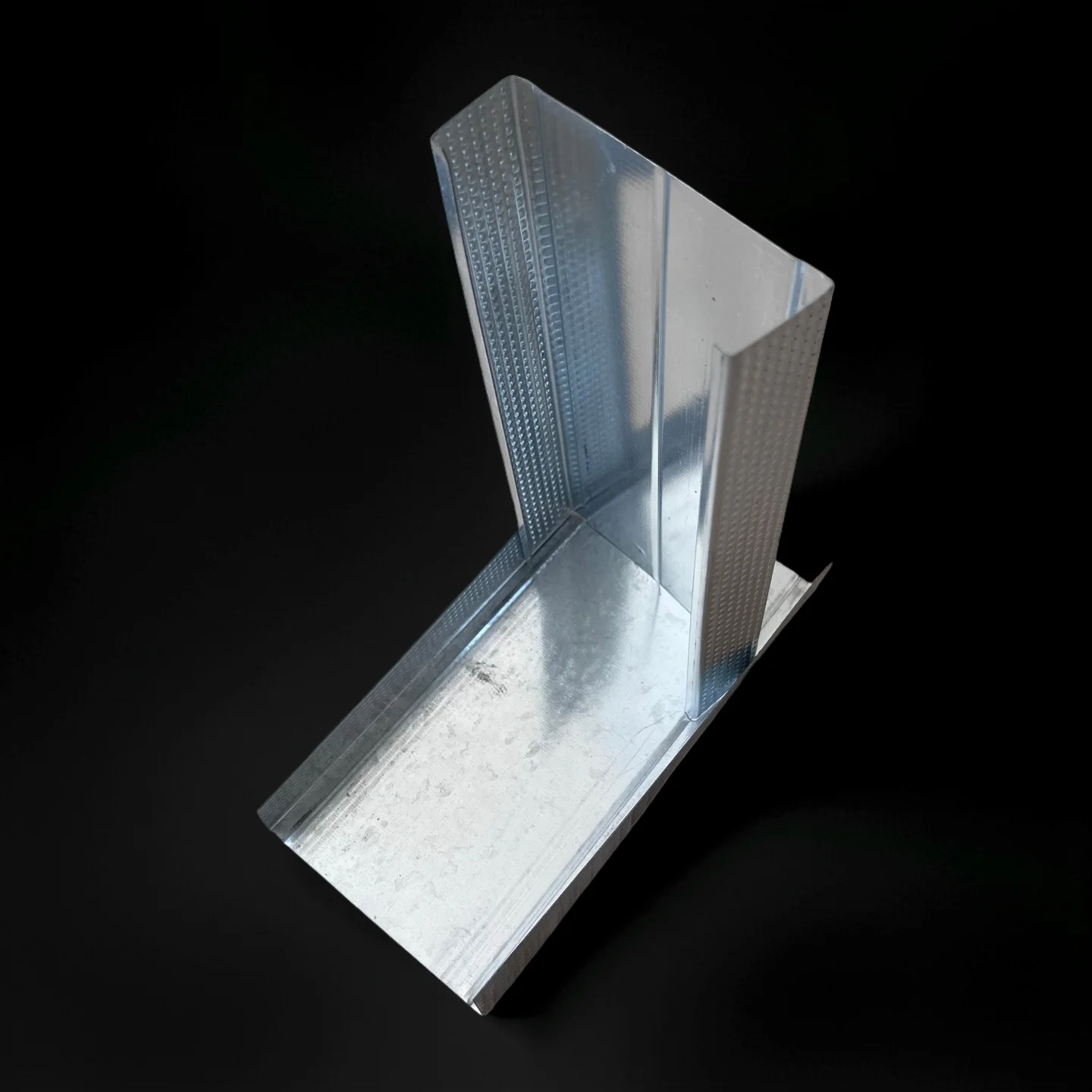
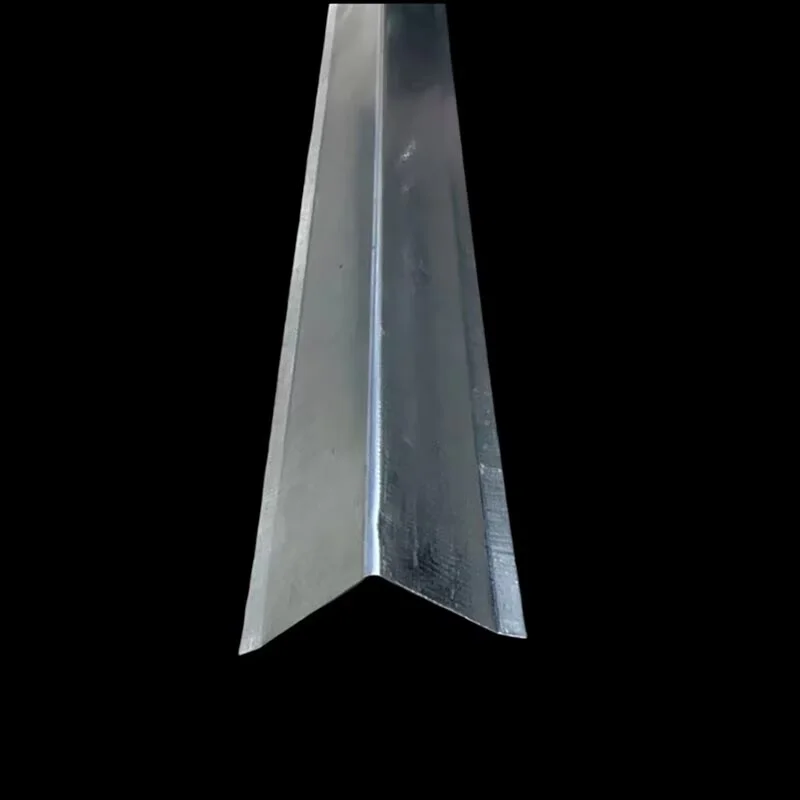
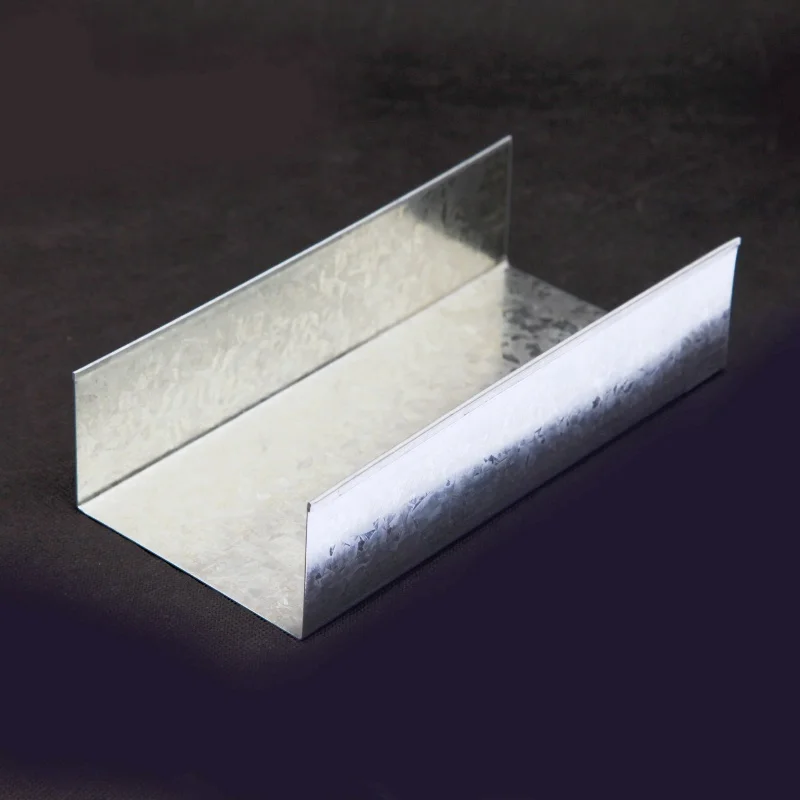
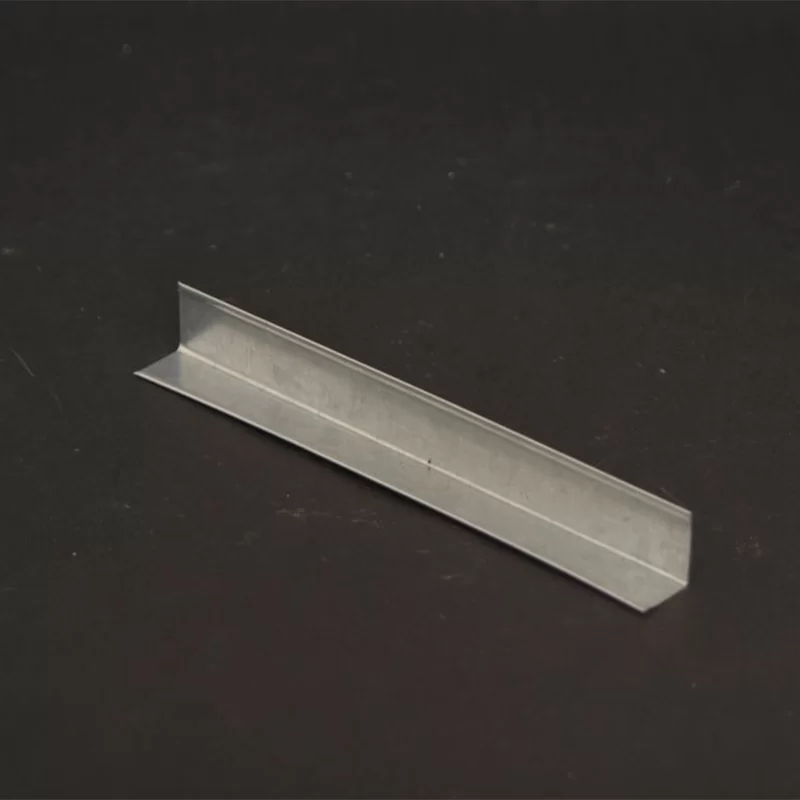
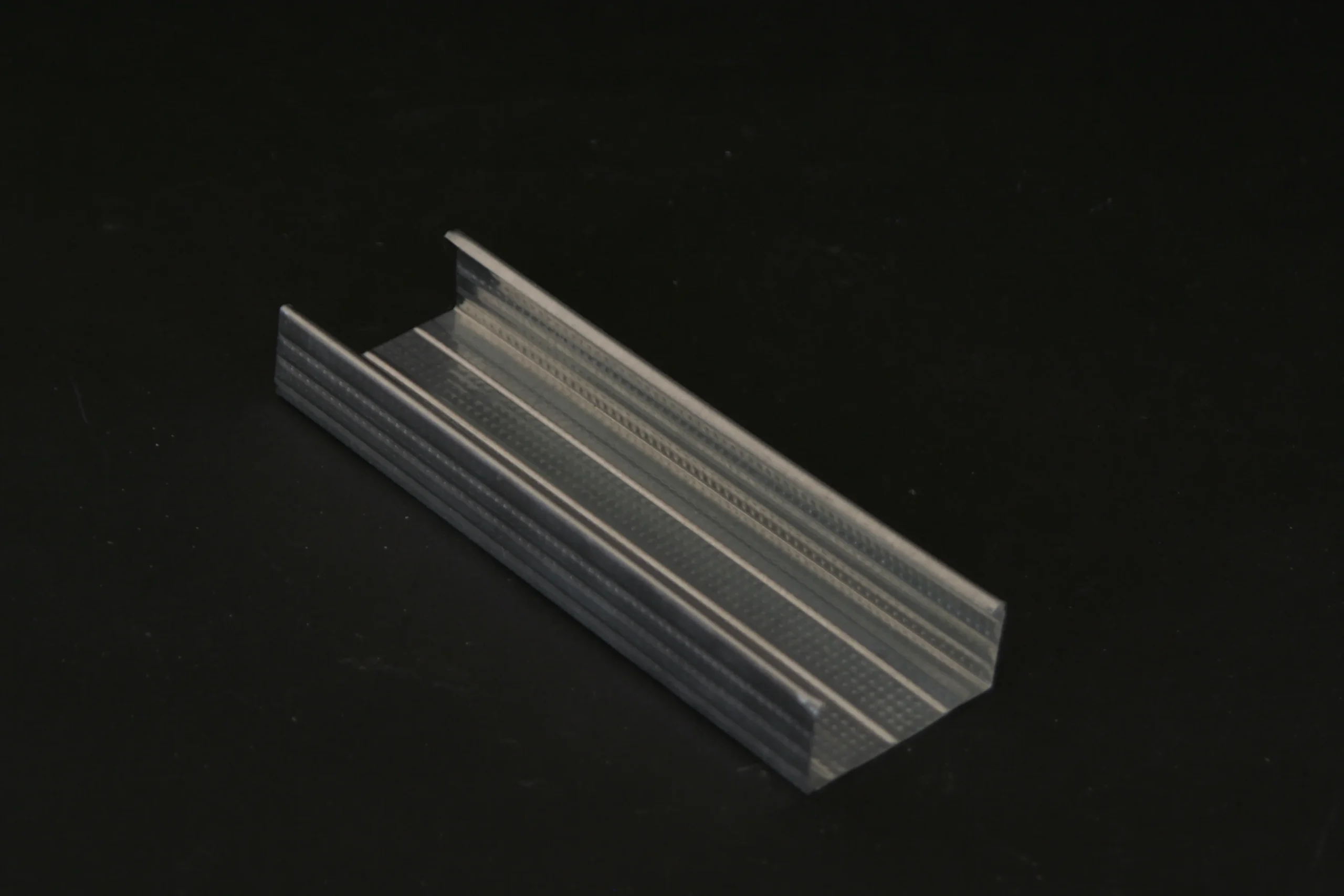
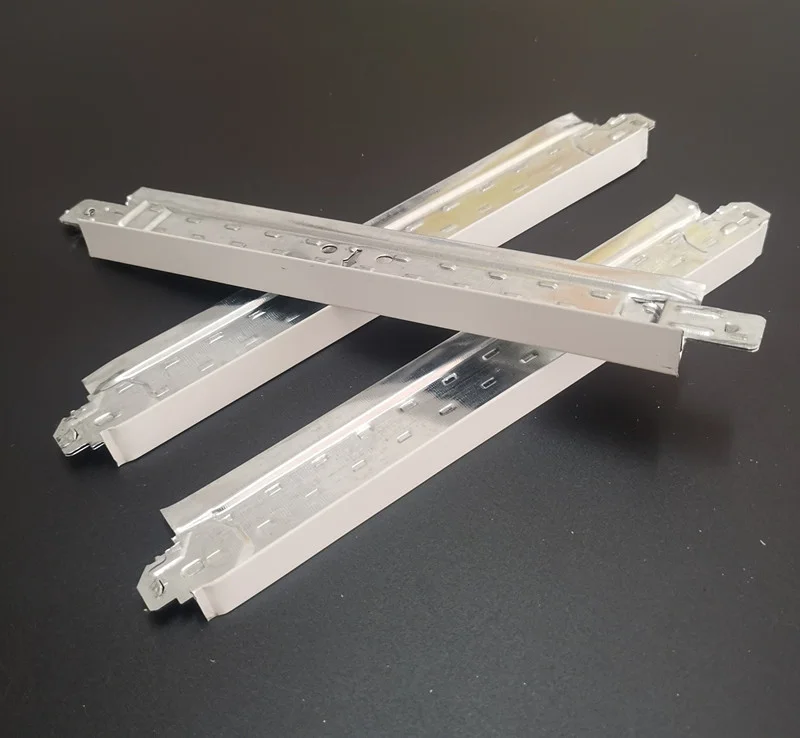
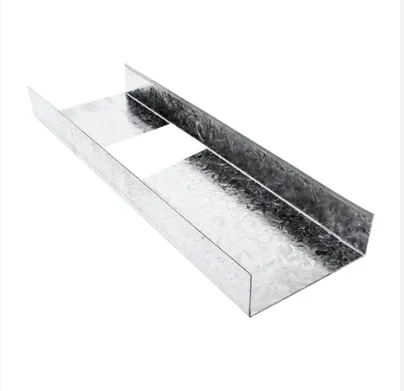
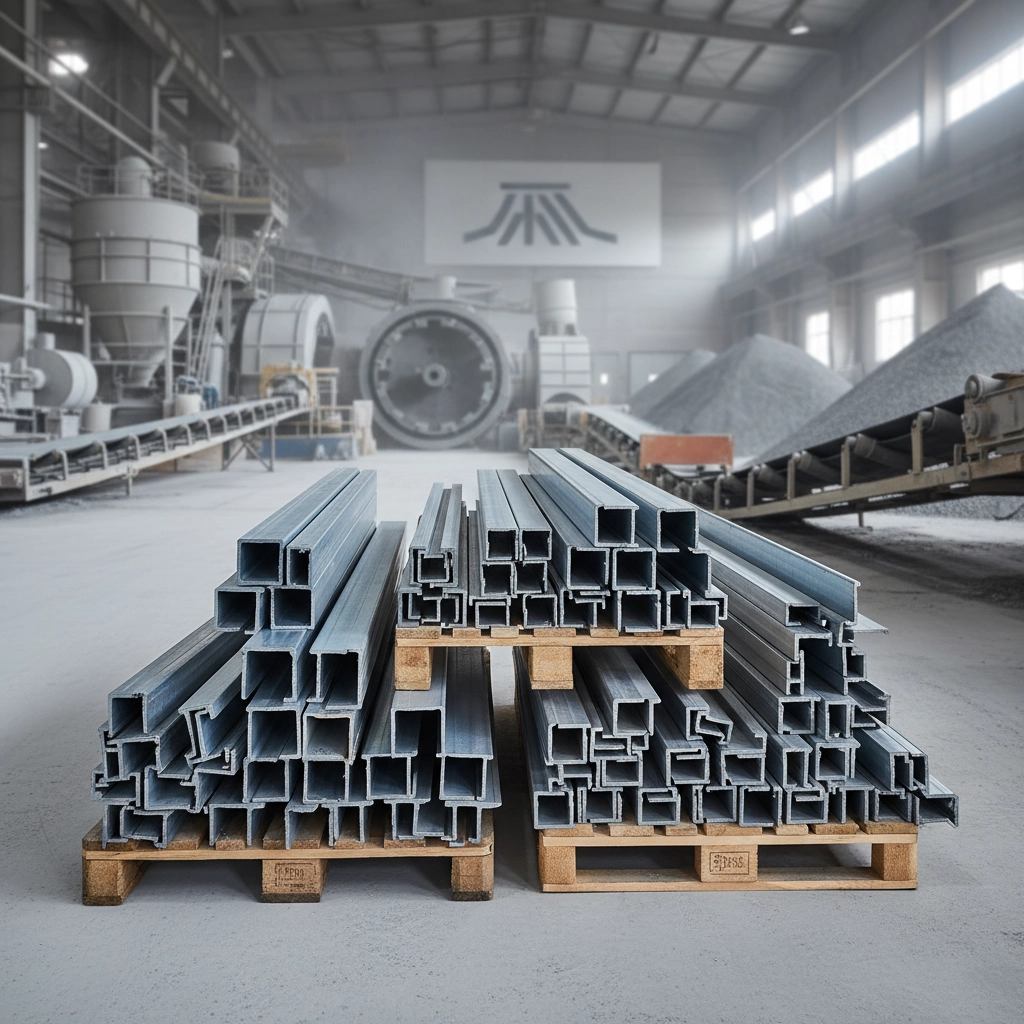
Let’s kick off with what metal furring 2x3 actually is — basically, it’s a steel channel with a 2-inch by 3-inch cross-sectional dimension, designed to be lightweight yet sturdy enough to serve as a support framework. These channels are staples when you want to level walls or ceilings, especially in drywall installations or when needing to create a cavity for insulation or wiring. From a materials standpoint, most 2x3 furring is galvanized — that thin coating of zinc isn’t just for looks, it’s a critical guard against rust and corrosion. Over years on sites, I’ve noticed how the galvanized finish really extends the life of these pieces, even if they’re exposed to humid or outdoor environments.
One trend shaking things up is the emphasis on customization. Some manufacturers now offer pre-punched holes or cut-to-length options, which frankly saves a lot of fiddly work on site. I remember once working on a retrofit project where the ability to order custom lengths of metal furring sped things up considerably — and the contractor was thrilled. It’s the kind of small detail that often gets overlooked but can make a world of difference when you're racing against a project deadline.
| Specification |
Details |
| Dimensions |
2 inches x 3 inches (cross-section) |
| Material |
Galvanized Steel |
| Thickness |
18 to 22 gauge options |
| Length Options |
Custom lengths available (Standard: 8, 10, 12 feet) |
| Finish |
Hot-dip galvanized or pre-galvanized |
| Applications |
Drywall framing, ceiling supports, insulation backing |
In real terms, metal furring 2x3 is pretty versatile. Some engineers I know prefer steel over traditional wood furring because the metal doesn’t warp or shrink, which means less cracking and better long-term stability in walls. On the flip side, it does tend to conduct heat and cold slightly more than wood, so insulation considerations are important. Either way, it feels like a tradeoff that’s well worth the enhanced durability and load-bearing capabilities. Plus, installation is generally faster with metal — screws tap right in, and the channels are uniform, no surprises.
Testing and quality control are something I can’t gloss over. Most reputable suppliers rigorously test for strength and corrosion resistance. Honestly, I always ask for certifications or third-party reports before specifying a brand on a big project — it’s just smarter. If it’s not verified, I tend to steer clear. This is where you really separate the pros from the amateurs.
| Vendor |
Material Quality |
Customization |
Lead Time |
Price Range |
| JinkaiBM |
High-grade galvanized steel, certified |
Custom lengths & punched holes available |
Typically 7-10 days |
Mid-range |
| Generic Supplier A |
Standard galvanized, limited certification |
Limited options |
5-7 days |
Lower-end |
| Premium Metals Inc. |
Top-tier corrosion resistance |
Highly customizable, CNC precision |
14-21 days |
High-end |
Oddly enough, despite all the specs and vendors, it’s sometimes the simplest projects where metal furring 2x3 truly shines. I recall one small restaurant build where the budget was tight, and the choice to use metal furring over traditional timber saved weeks in labor and avoided moisture-related headaches down the road. Odd how these “small” choices ripple outward in impact.
Wrapping up: If you’re involved in drywall framing or need a reliable support system for ceilings or walls, it’s hard to go wrong with metal furring 2x3 from a trusted supplier. It feels like a small investment upfront that pays dividends through reduced maintenance and quicker installation. You know, sometimes the best industrial solutions are the ones that just quietly get the job done without drama.
— A seasoned insider’s take from years on the floor, and yes, I’m still learning.
References:
- American Galvanizers Association – Guide to Galvanized Steel
- Construction Industry Institute – Best Practices in Metal Framing
- Personal industry experience, 15+ years in metal fabrication and installation