Interior Drywall Systems: A Tried-and-True Backbone of Modern Construction
Having spent over a decade in industrial equipment, particularly in building interiors, I can say Interior Drywall Systems are quietly essential. They’re the unsung heroes that literally shape the spaces where we live and work. You might pass them without a thought, but these systems make the difference between a functional, safe environment and a problematic one.
Now, drywall might seem simple — sheets of gypsum plaster sandwiched between paper, installed with metal framing. But in real terms, it’s a careful balancing act of materials science, engineering specs, and practical installation. Over the years, I’ve noticed how much variation exists between different products and brands, despite all essentially serving the same purpose.
One trend that’s struck me is the shift toward eco-friendlier, more fire-resistant drywall panels, especially important in commercial facilities. That’s no small claim, considering building codes tighten steadily. Many engineers I’ve talked with emphasize meeting or exceeding standards like ASTM C1396 and ensuring panels can withstand humidity and impact — factors often overlooked by novices.
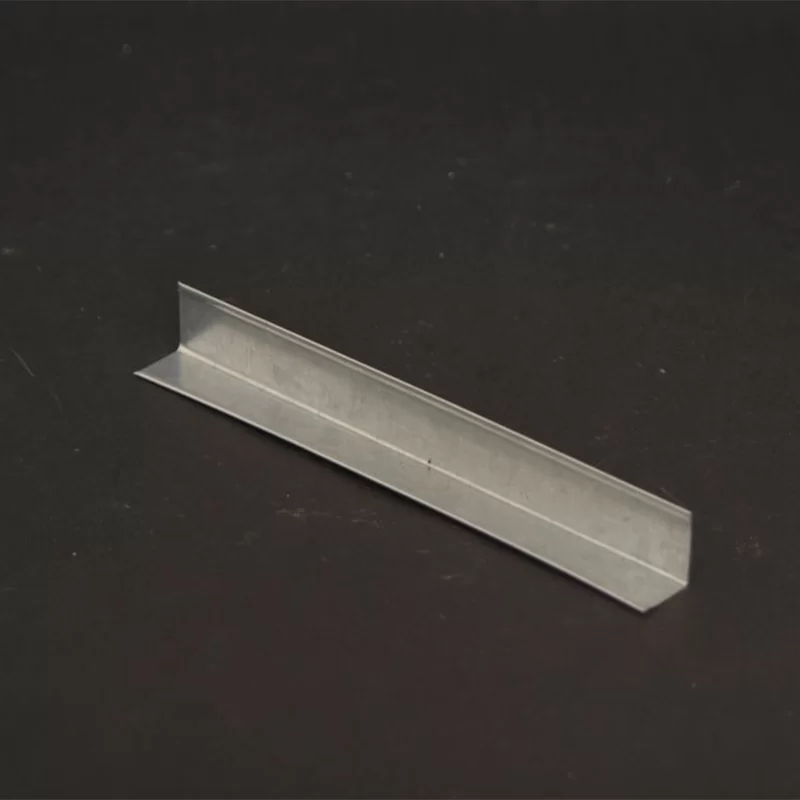
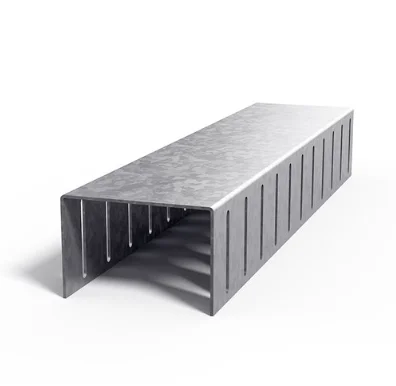
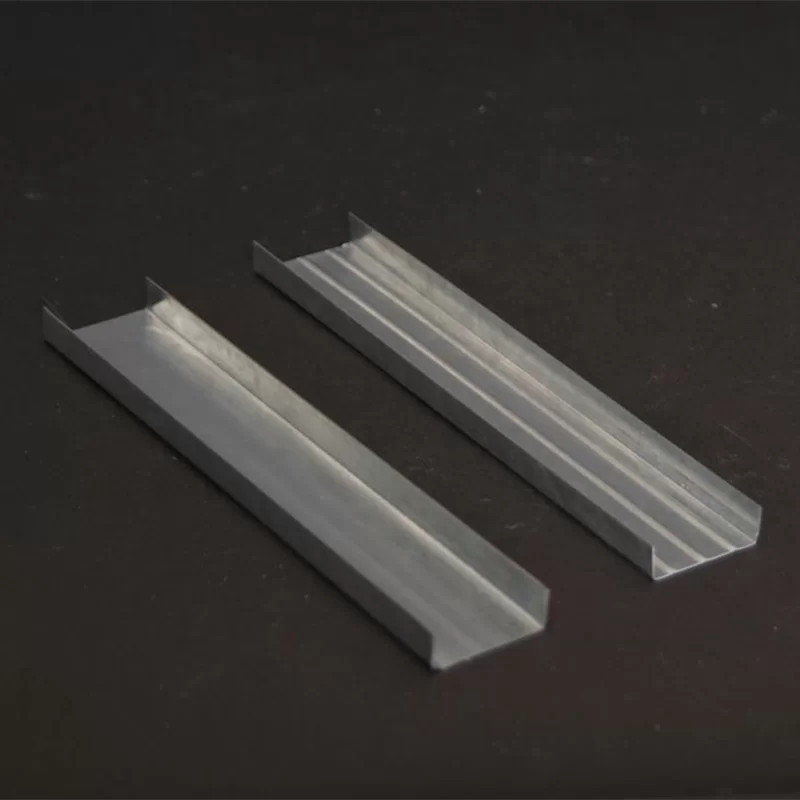
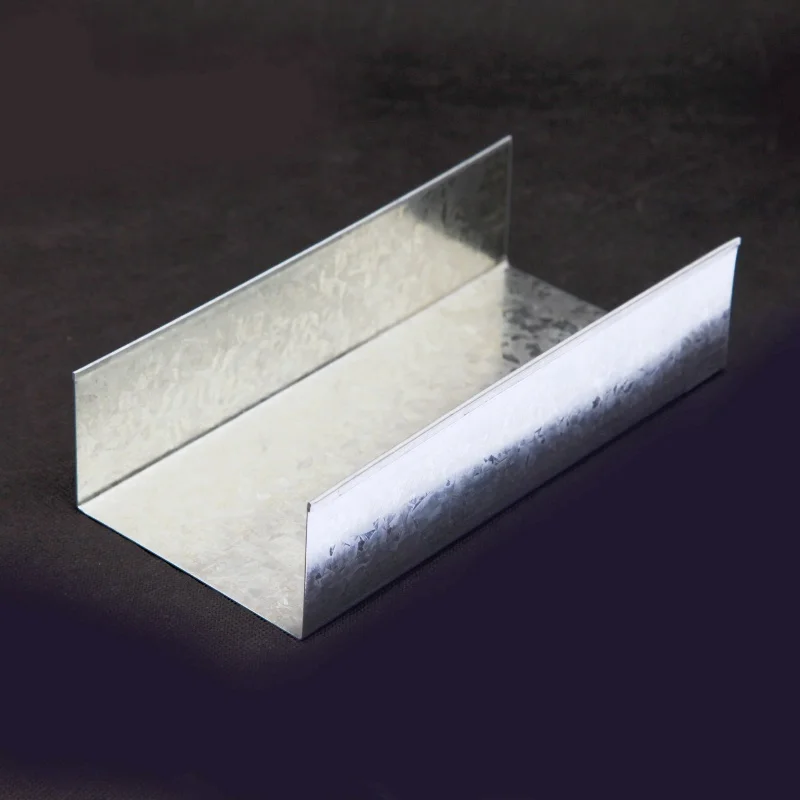
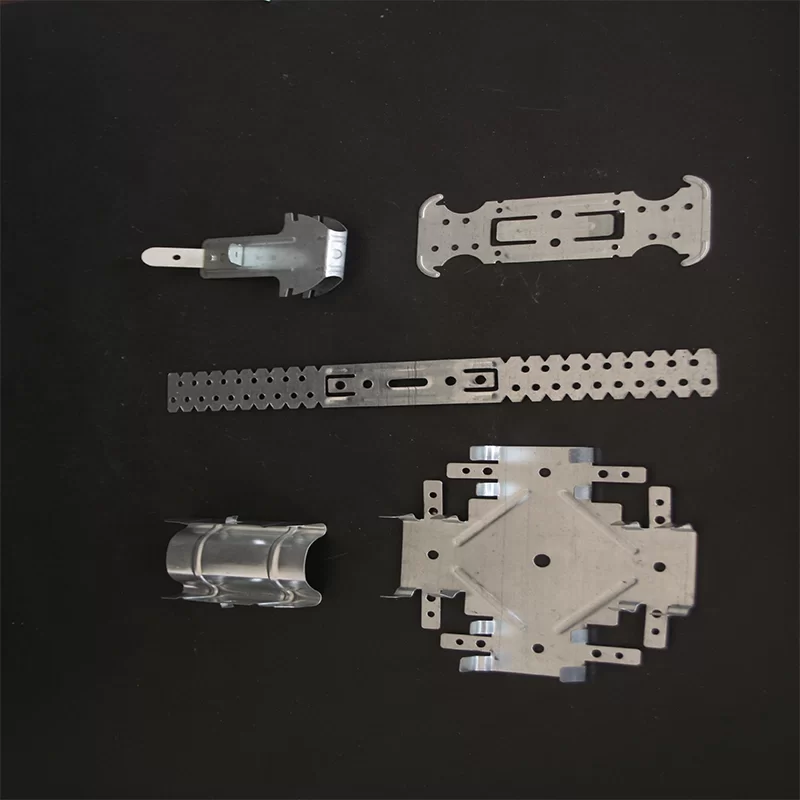
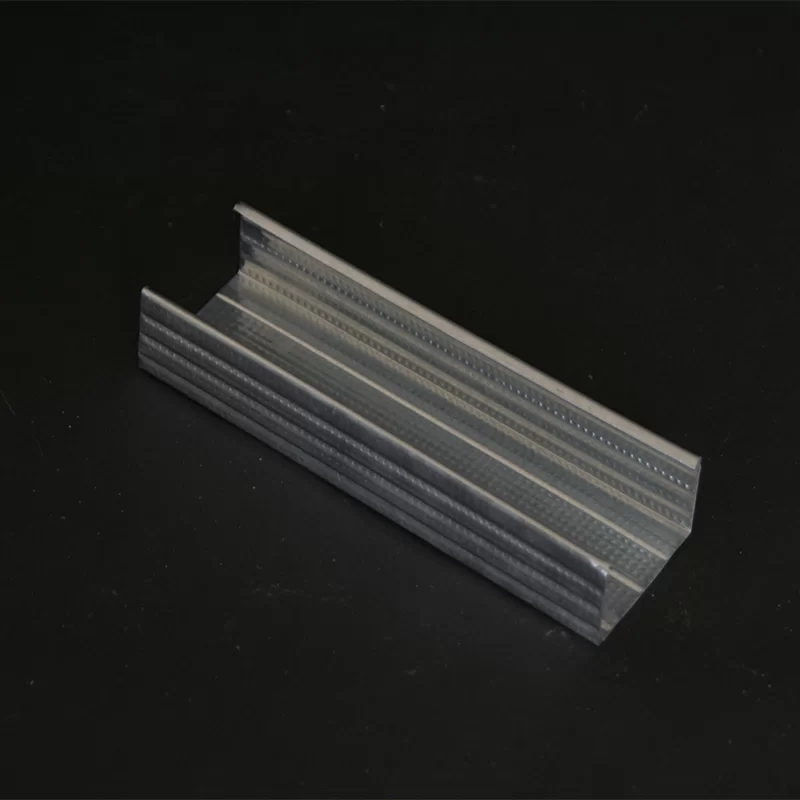
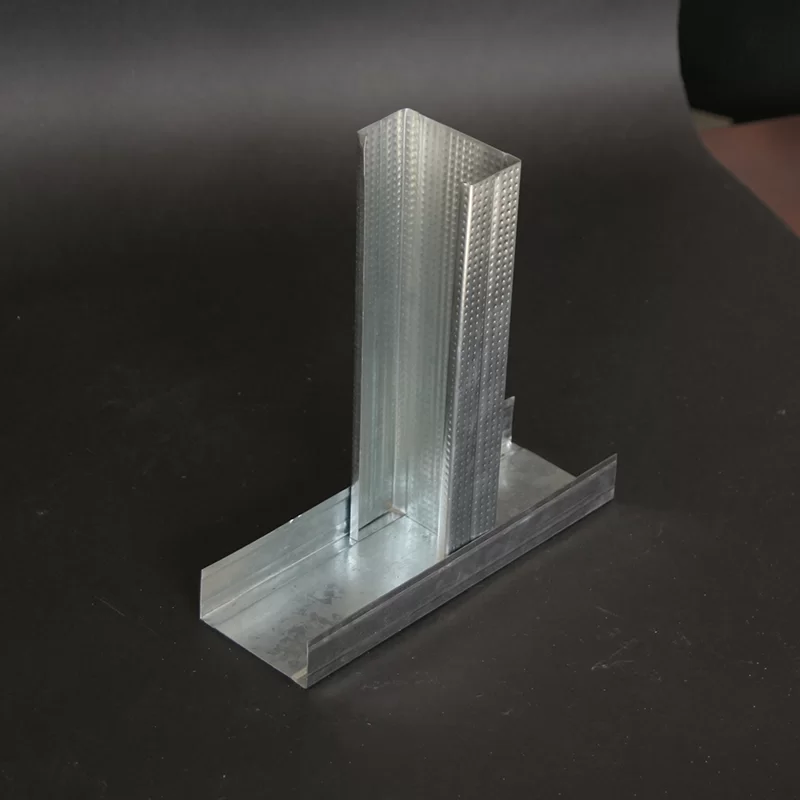
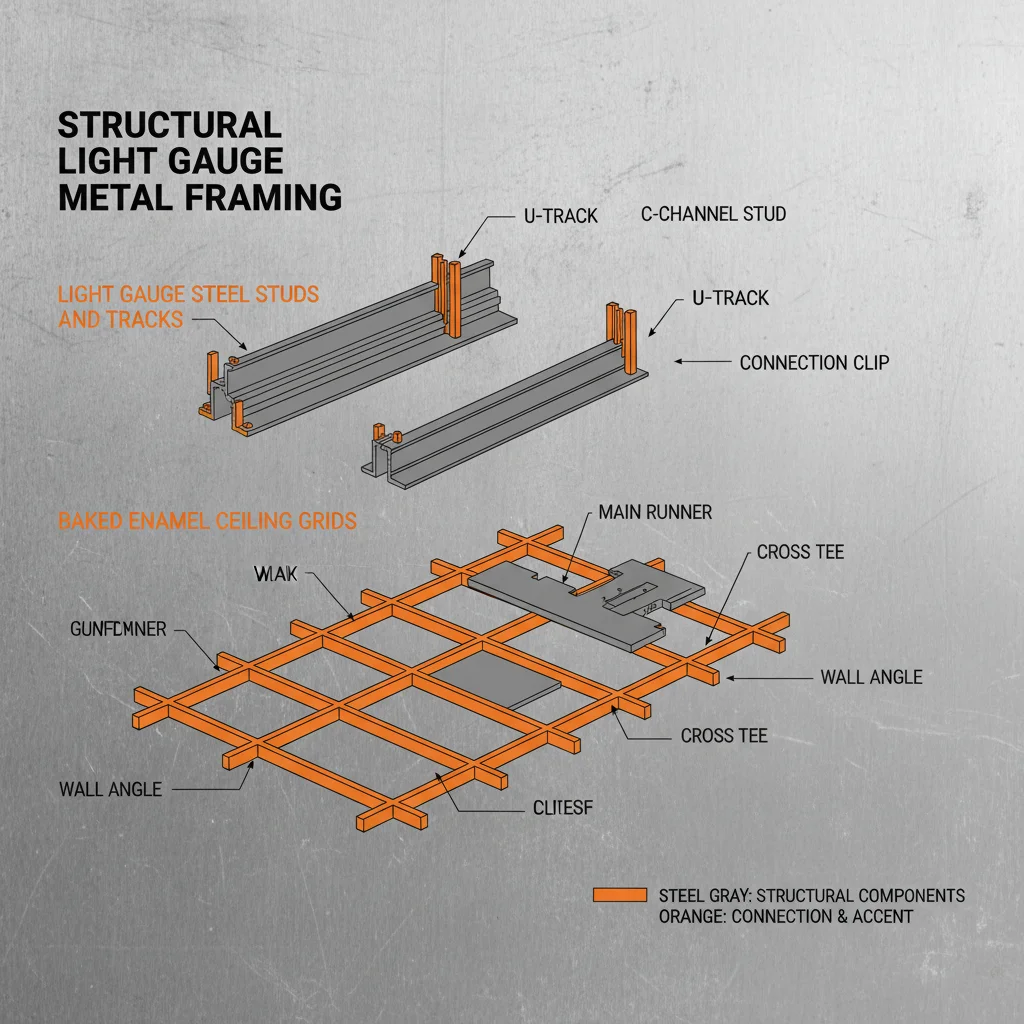
But here’s the kicker: the success of any interior drywall system isn’t just about the panels themselves, but also the framing, fasteners, and even the joint treatments. It’s a system, truly. I recall a project where we switched suppliers mid-way because the original vendor’s framing studs didn’t meet fatigue resistance expectations. That cost time and money, and frankly reinforced how critical vetting products is.
Key Specifications of a Typical Interior Drywall System
| Specification |
Value/Range |
Notes |
| Panel Thickness |
1/2" or 5/8" |
5/8" generally for fire rating compliance |
| Frame Material |
Galvanized Steel |
Corrosion-resistant for longevity |
| Fire Rating |
Up to 2 hours |
Depends on system assembly |
| Sound Insulation |
STC 50+ |
Important for offices & residential |
| Moisture Resistance |
Greenboard or Mold-resistant panels |
Used in bathrooms or kitchens |
Choosing the right vendor can be a bit of a minefield. On one hand, you want quality and compliance guaranteed. On the other, price and delivery times matter hugely, especially on big projects. From my experience working with various suppliers, I’d say these three stand out as trustworthy — at least in my region.
Vendor Comparison: Interior Drywall System Suppliers
| Vendor |
Product Range |
Price Level |
Lead Time |
Strengths |
| Jinkai BM |
Full drywall systems, framing, accessories |
Moderate |
2-3 weeks |
Reliable quality, good customization options |
| United Drywall Co. |
Panels only |
Lower |
1-2 weeks |
Affordable but limited system breadth |
| SteelFrame Inc. |
Framing and accessories only |
Higher |
3-4 weeks |
Top-grade steel frames, premium pricing |
One project sticks in my mind: a mid-size office fit-out where we specified Jinkai BM's drywall system. The combination of their panels, studs, and jointing compounds gave us acoustic performance right on spec, with only a single delivery hiccup — which their customer service quickly made right. In the end, these systems aren’t glamorous, but the quiet reliability is what counts. You often don't notice them until something goes wrong.
In the end, to anyone getting into construction or renovation, my advice is to keep in mind drywall is a system, not just a product. Know your material specs, don’t skimp on framing quality, and choose suppliers who stand behind their products and services. It often means the difference between smooth projects and one with lots of unexpected delays or costly fixes.
Oddly enough, I’ve found that taking the time to understand these basics upfront really pays dividends later. So if you’re searching for solid drywall solutions, I’d say start with trusted names and then drill down your requirements from there. Industrial experience has taught me that the best systems blend durability, flexibility, and compliance — a trio that’s not always easy to find in one package.
Anyway, that’s my two cents from the trenches of drywall and framing. If you want to dig in deeper — maybe check materials, testing methods, or installation best practices — there’s plenty to explore. The industry keeps evolving, and frankly, staying updated can give you a real edge.
TL;DR: Interior drywall systems are more nuanced than they seem — from panels to framing to vendor choice. Choose wisely, and your building will thank you.
References:
- ASTM International: Standards for Gypsum Board Systems
- Building Code Institute – Fire and Sound Ratings for Drywall
- Interview notes with construction project managers, 2021–2023