Look, after running around construction sites all year, you start to see patterns. Everyone’s talking about prefabricated buildings, modular designs… it's all the rage, right? But to be honest, a lot of it is just marketing fluff if the core materials aren’t solid. People are chasing speed and cost savings, which is fine, but they forget the stuff has to *last*. I've seen too many shortcuts taken, too many cheap materials used.
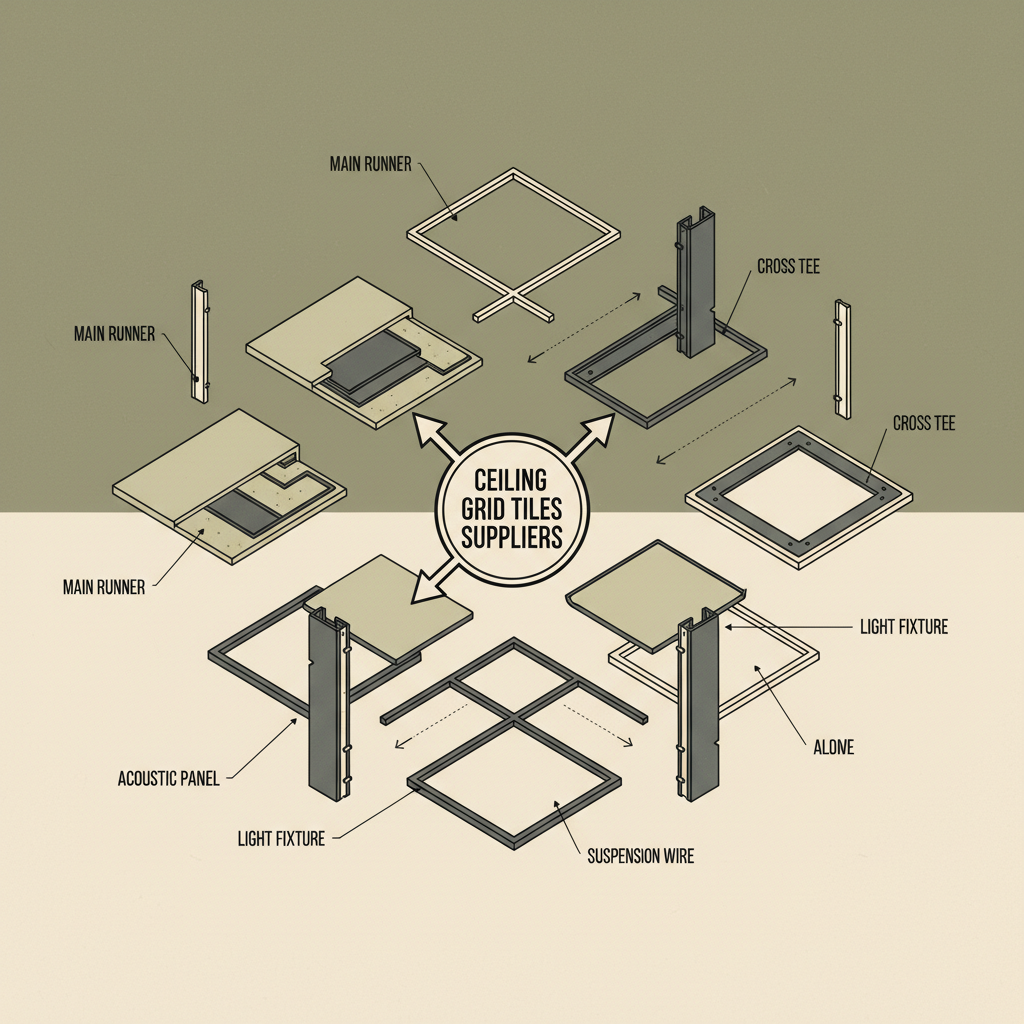
It's funny, actually. They're all trying to replicate that sleek office look, but haven’t considered the real-world pounding these things take. And that’s where ceiling grid tiles suppliers come in. More than just aesthetics, it's about structure, safety, and frankly, not having the ceiling collapse on someone’s head.
The Current Landscape of ceiling grid tiles suppliers
Right now, the biggest trend is lightweight materials. Everyone wants to shave off weight, reduce shipping costs, make installation easier. But that often means compromising on durability. You've got your galvanized steel, aluminum alloys, and increasingly, these composite materials. The composite stuff… it *looks* good in the brochure, but I always check how it handles moisture. Trust me, a damp ceiling is a homeowner’s nightmare.
I encountered this at a factory in Foshan last time. They were pushing this new “eco-friendly” composite, smelled like flowers, looked pristine. But when I tested it with some standing water, it started to warp within hours. Absolutely useless.
Common Pitfalls in Design
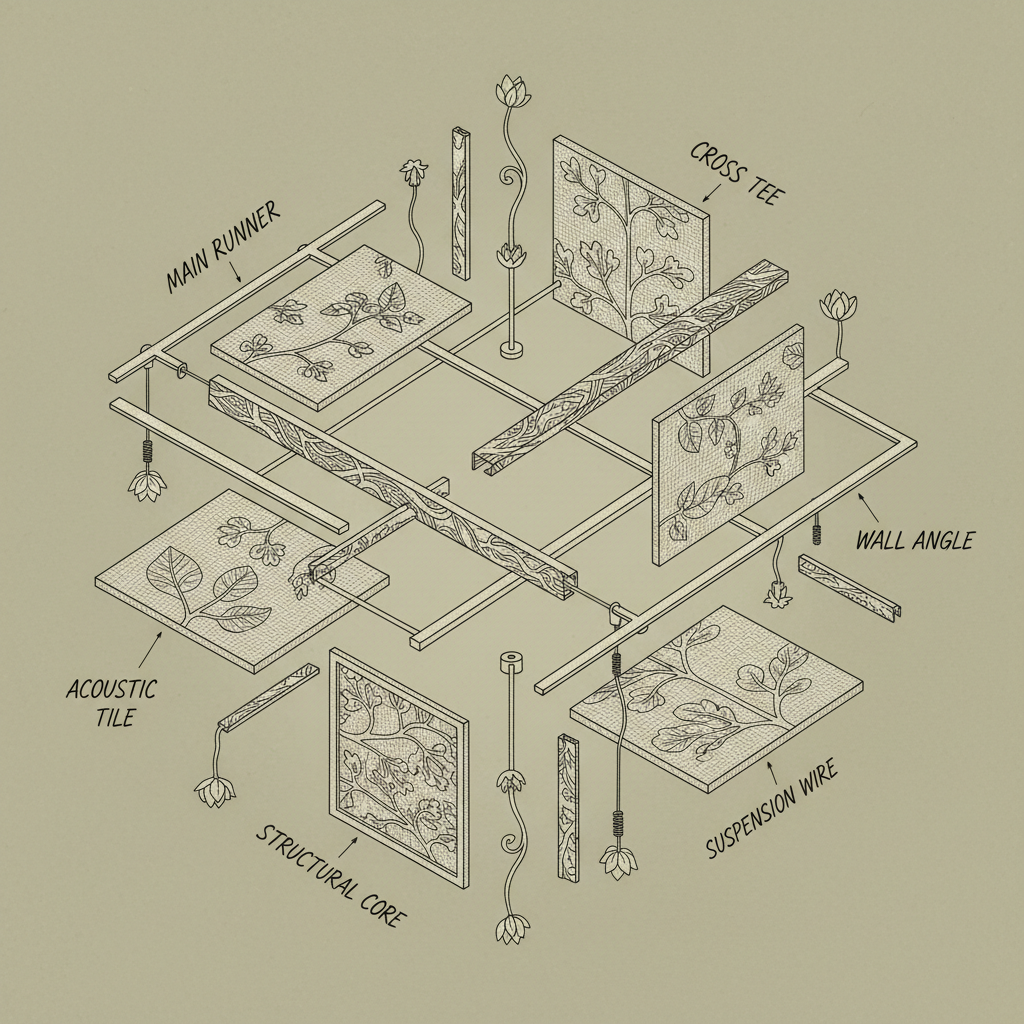
Have you noticed how everyone is obsessed with clean lines? Perfectly square tiles, minimal gaps. It looks good on paper, but it doesn’t account for building movement. Buildings *shift*. They settle. And those perfectly aligned tiles? They'll crack. The biggest mistake I see is not enough expansion joints. People try to save a few bucks on these little details, and then they end up with a disaster. Another thing? The suspension system. If the wires aren't strong enough, or if they’re not properly spaced, the whole thing will sag over time. It’s subtle at first, but then… well, you get the picture.
The modular system designs are popular, that’s true, but if they don’t account for load distribution across the whole ceiling, they can create localized stress points.
And frankly, sometimes the designers have *never* set foot on a construction site. They don't understand the realities of working with these materials, the tools we use, the conditions we work in. They design in a vacuum.
Materials: What We're Actually Using
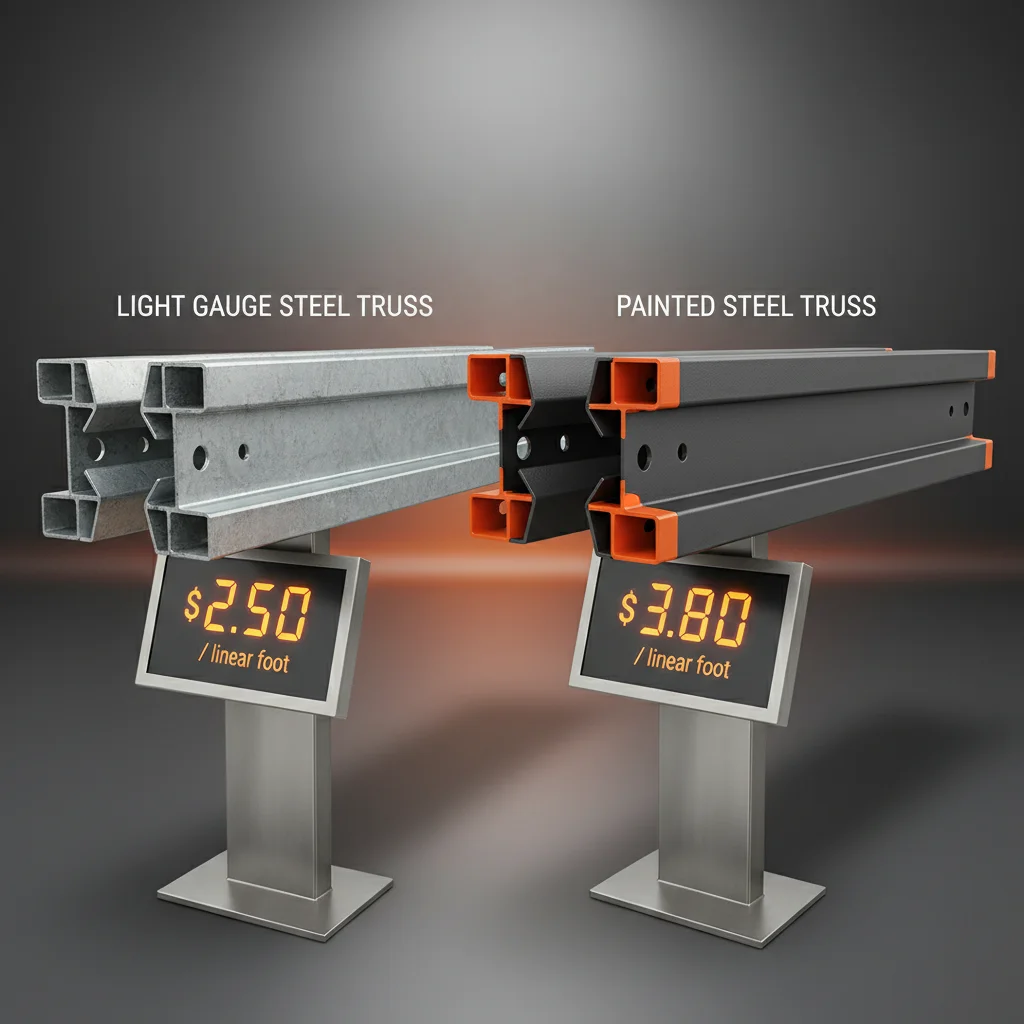
Okay, let’s talk materials. Galvanized steel is still the workhorse. It’s heavy, sure, but it's reliable. You can smell the zinc, feel the coating. It's a solid material. Then you’ve got aluminum, which is lighter but more expensive. Strangely, some suppliers try to pass off thinner aluminum as "high-grade." Don’t fall for it. Aluminum should feel substantial, not flimsy. And the coating on aluminum matters. Poor coating leads to corrosion.
The composite materials are… tricky. Some are genuinely good. They're lightweight, easy to work with, and offer decent acoustic properties. But you have to know what you’re looking for. Look for materials with a high fire rating. And don’t be afraid to ask for test reports. Real test reports, not just marketing brochures. I encountered a supplier who claimed their material was fireproof. I asked for the test report and they stalled. Red flag, right there.
There's also a trend towards using recycled materials, which is great, as long as the quality isn't compromised. Recycled aluminum can be just as good as virgin aluminum, but you need to ensure it's properly processed. The smell is different, more metallic, slightly…industrial. It is a good sign of quality though, usually.
And don't even get me started on the adhesives. The adhesive is what holds everything together, and cheap adhesive is a recipe for disaster. You need something that’s resistant to temperature changes, moisture, and UV exposure. I have seen too many ceilings come down because someone skimped on the adhesive.
Real-World Testing & Applications
Forget the lab tests. I want to see how this stuff performs in the real world. We're talking temperature extremes, high humidity, heavy foot traffic. I've personally stress-tested ceiling grid tiles suppliers by banging on them with a hammer. Sounds brutal, I know, but it tells you a lot. And I’ve had guys drop tools on them, deliberately. You need to see how they hold up to abuse.
We test for sound transmission loss, impact resistance, and fire resistance. For fire resistance, we do a burn test, but not in some controlled lab setting. We want to see how it behaves in a real fire scenario. It’s not pretty, but it's necessary.
ceiling grid tiles suppliers Performance Metrics
User Behavior: It’s Not Always What You Think
You design these systems for a specific purpose, right? But users… they’re unpredictable. I’ve seen guys use ceiling tiles as temporary platforms to reach high places. I’ve seen them store equipment on top of them. I've seen them try to hang heavy objects from the grid. They’ll find a way to misuse anything. That’s why over-engineering is sometimes necessary. You have to anticipate the unexpected.
And don't forget about maintenance. People rarely think about cleaning these things. Dust accumulates, moisture builds up… it all takes a toll.
Advantages & Customization
Anyway, I think the biggest advantage of a well-designed ceiling grid system is its accessibility. You can easily get to the pipes, wires, and HVAC systems above. That makes maintenance a breeze. And the modularity is a huge plus. You can easily replace damaged tiles or reconfigure the layout. The downside? They can be noisy. Especially if you don’t use the right acoustic panels. It is a trade-off you need to consider.
Customization is possible, of course. Last month, that small boss in Shenzhen who makes smart home devices insisted on changing the interface to – wanted to integrate everything seamlessly into his system. It was a pain, because it meant sourcing completely new components, but we made it happen. That’s the beauty of a good supplier, they're willing to work with you.
A Tale From the Field
I remember this one job in Shanghai, a huge office complex. The architect wanted a super-modern look, all minimalist lines and hidden systems. They specified this expensive, lightweight composite tile. Looked amazing, I'll give them that. But the installers kept complaining. It was difficult to cut, the edges chipped easily, and it just didn’t feel solid. We ended up having to switch to galvanized steel, even though it didn't quite fit the aesthetic.
And then, wouldn’t you know it, a pipe burst a few weeks later. The steel grid held up perfectly. The composite tile? Would have been a disaster.
Anyway, I think that sums it up. It's not always about the latest trends or the cheapest price. It's about choosing materials that are durable, reliable, and fit for the purpose.
Key Considerations for ceiling grid tiles suppliers Selection
| Material Composition |
Fire Resistance Rating |
Installation Complexity |
Long-Term Maintenance |
| Galvanized Steel |
Excellent (1-hour fire rating) |
Moderate - Requires cutting tools and experience |
Minimal - Regular cleaning and occasional re-tightening of fasteners |
| Aluminum Alloy |
Good (30-minute fire rating) |
Easy - Lightweight and easily cut with basic tools |
Moderate - Susceptible to corrosion if coating is damaged |
| Mineral Fiber Composite |
Variable - Dependent on formulation (Check ratings) |
Very Easy - Lightweight and can be easily cut with a utility knife |
High - Prone to sagging and requires frequent replacement |
| PVC Composite |
Fair (Limited fire resistance) |
Easy - Similar to mineral fiber composites |
Moderate - Can become brittle over time |
| Recycled Plastic Composite |
Moderate (Dependent on polymer blend) |
Easy - Similar to PVC composites |
Moderate - Requires careful consideration of UV exposure |
| Glass Fiber Reinforced Polymer |
Excellent (Non-combustible) |
Moderate to Difficult - Requires specialized cutting tools |
Low - Highly durable and resistant to environmental factors |
FAQS
Load-bearing capacity isn't just about the tiles themselves; it's about the entire suspension system. You need to look at the gauge of the steel, the spacing of the hangers, and the overall design. Manufacturers usually provide load tables, but I always recommend adding a safety factor. Don’t trust the numbers blindly. I’ve seen systems buckle under surprisingly light loads when they weren’t properly installed or designed.
Humidity is a killer, especially for composite materials. Galvanized steel holds up well, but aluminum can corrode if the coating is compromised. Mineral fiber tiles can absorb moisture and sag over time. PVC is fairly resistant, but it can become brittle in extreme conditions. Always choose materials that are appropriate for the environment. And make sure the ventilation is adequate. It's a simple thing, but it makes a huge difference.
Check the fire rating! Look for materials that meet local building codes. Class A is the best, meaning they offer the highest level of fire resistance. But don't just rely on the label. Ask for test reports and make sure they’ve been conducted by an independent lab. And remember that the fire rating of the tiles is only one piece of the puzzle. The entire ceiling assembly needs to be fire-safe.
Look for the Noise Reduction Coefficient (NRC) rating. The higher the NRC, the better the sound absorption. For offices and other noisy environments, you want an NRC of at least 0.7. Also, consider the ceiling tile’s core material. Mineral fiber and fiberglass tiles generally offer better acoustic performance than metal tiles. And don't forget about the airspace above the tiles. That can also contribute to sound absorption.
Absolutely. Recycled content is a good start. Look for tiles made from recycled aluminum, steel, or plastic. Also, consider materials that are locally sourced. That reduces transportation costs and emissions. And don’t forget about the end of life. Can the tiles be recycled or reused? Sustainability is important, but it shouldn’t come at the expense of quality or performance.
Not leveling the grid properly is a big one. It will be visible and cause problems down the line. Also, improper spacing of the hangers can lead to sagging. And using the wrong type of fasteners can damage the tiles. I’ve seen guys use drywall screws on metal tiles – terrible idea! Always follow the manufacturer’s instructions and use the recommended fasteners.
Conclusion
Ultimately, ceiling grid tiles suppliers are about more than just making a ceiling look nice. It's about providing a safe, durable, and functional space. It's about understanding the materials, the installation process, and the real-world conditions that these systems will face. It’s about making a system that will perform reliably for years to come.
And to be honest, no matter how much we talk about design and materials, it all comes down to the guys on the ground, tightening those screws. They’re the ones who will know if it works, or if it's all just a bunch of hype. Ultimately, whether this thing works or not, the worker will know the moment he tightens the screw.