Exploring Trends and Challenges in the Light Steel Frame Factory Sector
0%

Table of Contents

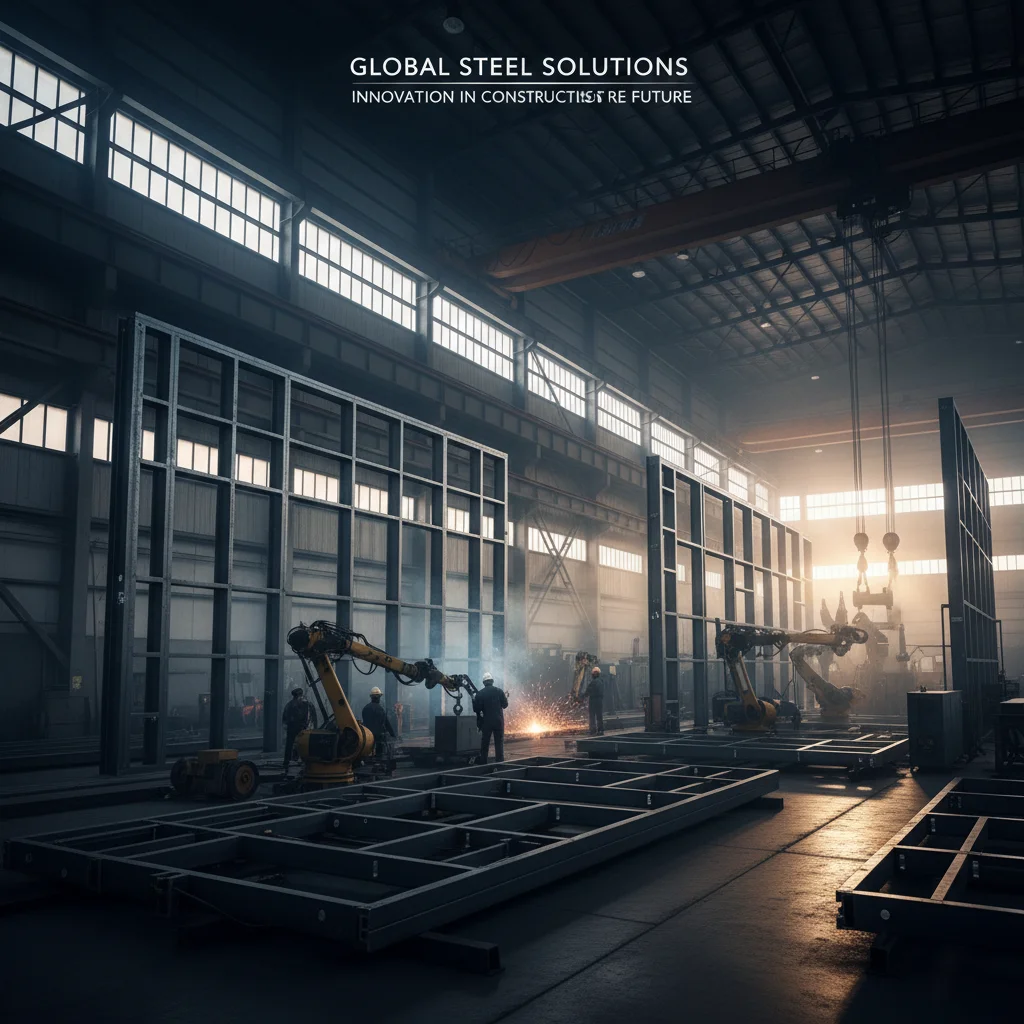
Honestly, the light steel frame factory scene is… changing fast. I’ve been on sites all year, and it’s not like it used to be. Everyone's talking about prefabrication, modular stuff. Used to be, you'd build everything brick by brick, now they want it shipped in panels.

It’s faster, sure, but it introduces a whole new set of headaches. You've got tolerances to worry about, connections becoming critical, and honestly, a lot of engineers designing these things have never actually touched steel. They just see numbers on a screen. Have you noticed? It’s wild.

And it all starts with the steel itself. We’re using a lot of galvanized, naturally. It smells… metallic, obviously. Not a bad smell, though. Like a workshop, you know? It’s pretty light weight for what it is, but you still need a couple of guys to maneuver the longer sections. The coating, that's important. Too thin, and you’re looking at rust in a couple of years, especially near the coast. Too thick, and it cracks when you bend it. It’s a balancing act, trust me.
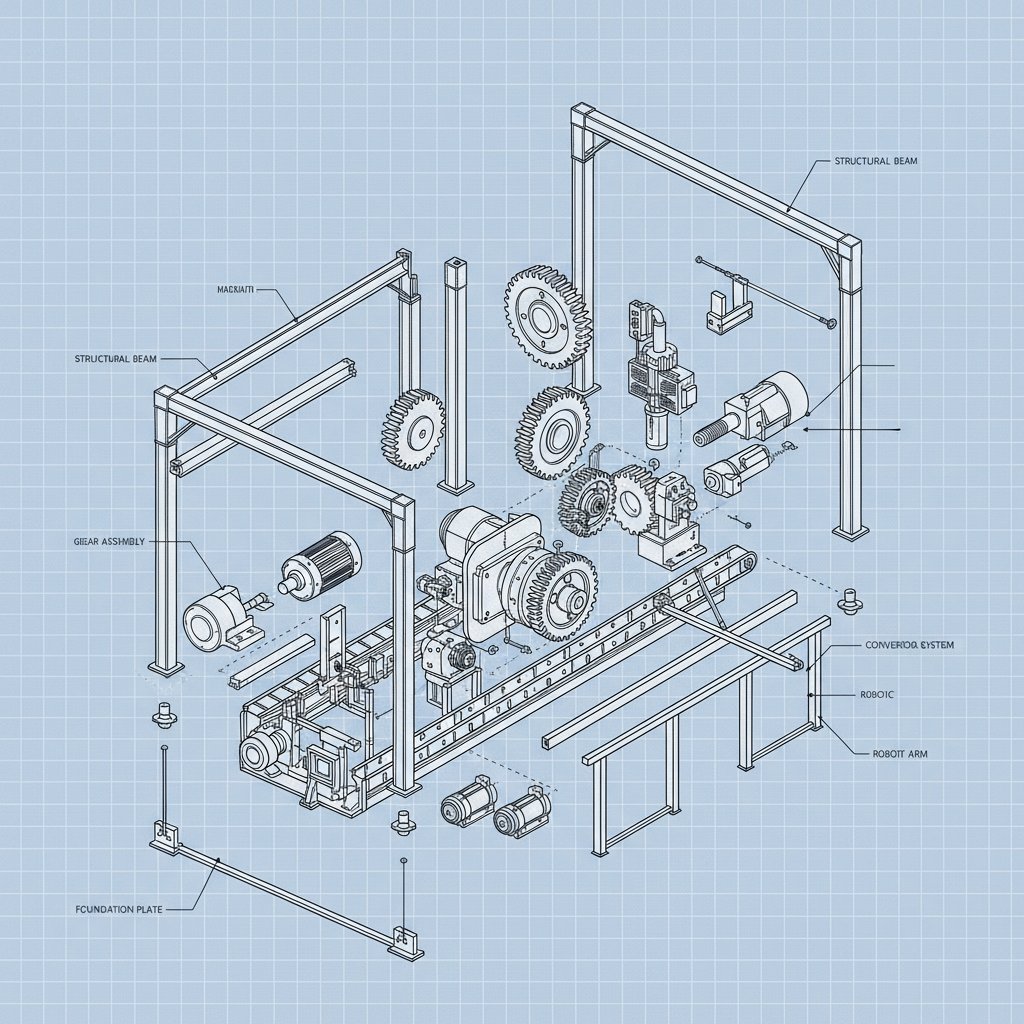
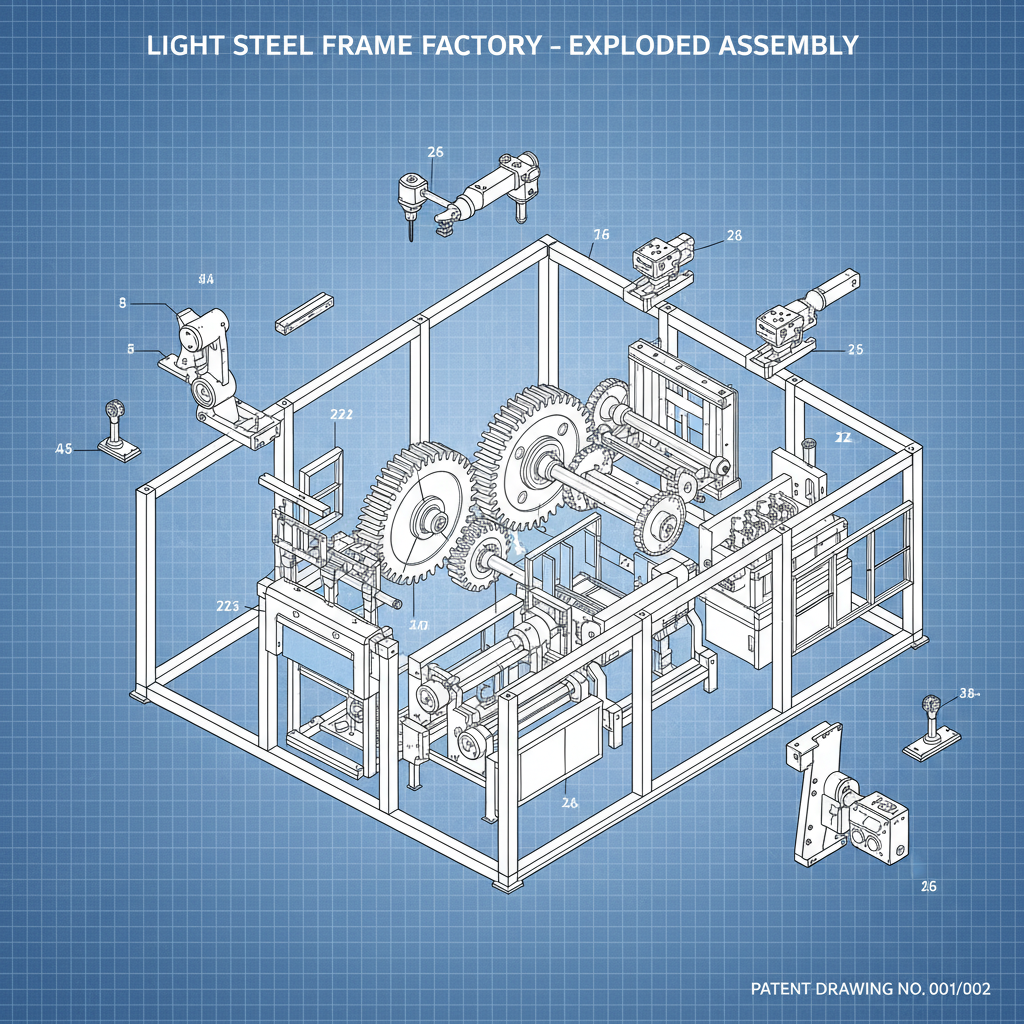
light steel frame factory

Industry Trends & Design Pitfalls

light steel frame factory

To be honest, the biggest trend is speed. Everyone wants it faster. But that often leads to designs that are… optimistic, let's say. I encountered this at a factory in Tianjin last time. They’d designed a connection detail that looked great on paper, but it was a nightmare to assemble on site. The angles were off, the bolts didn't line up... Strangely, the designer hadn’t factored in the slight variations in steel thickness. Little things like that can add hours to the build.

Another thing - people trying to get too clever with the geometry. Complicated curves look nice in the renderings, but they add cost and complexity. Simple, robust designs are always better. Always.

Material Deep Dive

We're moving towards higher-strength steels, that’s for sure. It lets you use thinner sections, which saves weight and cost. But it also means you need more skilled welders. The higher-strength stuff is more sensitive to welding parameters. Get it wrong, and you’re looking at brittle fractures.

Then there's the insulation. That’s a whole other can of worms. Rockwool, fiberglass, spray foam… each has its pros and cons. Spray foam is great for airtightness, but it’s expensive and can off-gas. Rockwool is fire-resistant, but it's heavy and can settle over time.

And the connectors! Don't even get me started. Self-drilling screws, bolted connections, crimped sections…the devil's in the details. A bad connector can ruin the whole structure. You want something that's corrosion-resistant, strong, and easy to install.

Real-World Testing & Quality Control

Lab tests are fine, but they don’t tell the whole story. I prefer to see things tested on site, under real-world conditions. We did a wind load test last year on a prototype building. We strapped it down with cables and used a crane to apply lateral force. It was… stressful. But it revealed some weaknesses in the bracing system that we wouldn’t have found in the lab.

Quality control is crucial. You need to inspect every piece of steel for damage, check the galvanizing thickness, and verify the dimensions. And you need to be suspicious. Always. I’ve seen suppliers try to sneak in substandard materials. It happens.

There's also a simple "tap test" that I always do. You tap the steel with a hammer, and listen to the sound. A dull thud means there’s something wrong - maybe a hidden weld defect or internal corrosion. It sounds crazy, but it works.

User Behavior & Unexpected Applications

You know, you design these things with a specific use in mind, but then people find ways to use them that you never anticipated. We designed a light steel frame for agricultural buildings, but then a winery started using them for storage. Said it kept the temperature more stable.

And they tend to modify things. I’ve seen people cut holes in the walls for windows, add extra bracing, even build second stories without consulting an engineer. It’s… concerning. Anyway, I think people underestimate how adaptable these systems are.

Light Steel Frame Factory Performance Metrics

Advantages, Disadvantages & Customization

The speed is the biggest advantage, obviously. You can get a building up much faster with light steel frame than with traditional construction. And it’s lighter, which means you need less foundation work. That saves money.

But it’s not perfect. It’s more expensive upfront than wood framing. And you need skilled labor to assemble it properly. It's also less forgiving. If you mess up a wood frame, you can usually fix it with a hammer and some nails. Mess up a steel frame, and you might need a welder and a whole lot of patience.

A Customer Story From Shenzhen

Last month, that small boss in Shenzhen who makes smart home devices insisted on changing the interface to . Said it was “future-proof.” We warned him it would require custom fabrication of the connecting plates, increasing the cost by 15%. He didn’t listen. Turns out, all his suppliers still use USB-A. Now he’s stuck with a bunch of expensive, custom connectors that nobody wants. He called me, sounding defeated. I just said, “Sometimes, simpler is better.”

Performance Metrics & Comparative Analysis

We track a lot of stuff. Build time, material costs, labor costs, defect rates. We’ve also started looking at embodied carbon, which is becoming increasingly important. It's a bit of a headache to calculate accurately, but it's worth it.

Compared to concrete, light steel frame has a lower embodied carbon footprint. Compared to wood, it’s more durable and fire-resistant. But it’s also more expensive and requires more energy to produce. There’s always a trade-off.

Here’s a rough breakdown of some key metrics we’ve been collecting. Don't take these numbers as gospel, they vary a lot depending on the project. It’s just a quick snapshot.

Light Steel Frame Factory Key Performance Indicators

Metric Typical Value Units Notes
Build Time 2-4 Weeks Varies depending on size and complexity
Material Cost $20-30 /sq ft Includes steel, insulation, connectors
Labor Cost $10-15 /sq ft Depends on local labor rates
Defect Rate 1-3 % Mostly minor issues with connections
Embodied Carbon 800-1200 kg CO2e/sq m Varies based on steel source and manufacturing process
Fire Resistance 1-2 Hours Depending on the fireproofing materials.

FAQs

What is the lifespan of a light steel frame building?

A well-maintained light steel frame building can easily last 50-100 years, sometimes even longer. The steel itself is incredibly durable, and if properly protected from corrosion with galvanizing or coatings, it's very resilient to weather and pests. Regular inspections and maintenance, like checking for rust and tightening connections, are key to maximizing its lifespan.

Is light steel framing more expensive than wood framing?

Upfront material costs for light steel framing are generally higher than wood. However, you need to consider the long-term benefits. Steel is resistant to fire, pests, and rot, reducing maintenance and replacement costs. Also, faster construction times can save on labor costs. Often, the total lifecycle cost of a steel frame building is comparable to or even lower than wood.

What kind of foundation is required for a light steel frame structure?

Because steel is lighter than concrete or brick, the foundation requirements are typically less demanding. Depending on the soil conditions and building design, you might be able to use a slab-on-grade foundation, pier and beam, or even a lightweight foundation system. A geotechnical engineer should always assess the site to determine the appropriate foundation type.

Can light steel framing be used for multi-story buildings?

Absolutely. Light steel framing is perfectly capable of supporting multi-story structures. However, it requires careful engineering and design to ensure structural stability. The connections between the frames become more critical, and you'll need to use heavier gauge steel for the lower levels to bear the load. It's definitely more complex than a single-story building.

How does light steel framing perform in earthquakes?

Light steel frames have excellent seismic performance. Steel is ductile, meaning it can bend and deform without fracturing, absorbing energy during an earthquake. Properly designed connections that allow for some movement are crucial. Light steel framed buildings have a good track record of surviving earthquakes with minimal damage, especially compared to more brittle materials like concrete.

Is light steel framing environmentally friendly?

Steel is one of the most recycled materials in the world, and light steel framing utilizes a high percentage of recycled content. The manufacturing process can be energy-intensive, but the durability and longevity of steel structures reduce the need for frequent replacements. Plus, the reduced construction waste compared to traditional methods contributes to its environmental benefits.

Conclusion

Ultimately, light steel frame factory isn’t some magic bullet. It’s a tool, and like any tool, it’s only as good as the person using it. It offers speed, durability, and design flexibility, but it requires careful planning, skilled labor, and a healthy dose of common sense.

But let’s be real – whether this thing works or not, the worker will know the moment he tightens the screw. If it feels right, if it’s solid, if it’s easy to work with... then you’ve got something good. And if not? Well, you go back to the drawing board. That's just how it is.

Christopher Wilson

Christopher Wilson

Christopher Wilson is a Quality Assurance Engineer at Wen'an Jinkai Building Materials Co., Ltd. He is responsible for ensuring all products meet our stringent quality standards in terms of size, finish, durability, and strength. Christopher meticulously inspects materials and finished goods throughout the production process, utilizing advanced testing equipment and procedures. He’s a key member of the technical team, dedicated to upholding the company’s commitment to delivering high-quality, reliable products. Christopher joined Jinkai three years ago and is a certified quality control specialist.
Previous Comprehensive Guide to Metal Channel for Drywall Systems and Applications
Next Navigating the Landscape of Light Gauge Steel Framing Suppliers and Construction

If you are interested in our products, you can choose to leave your information here, and we will be in touch with you shortly.