Hit enter to search or ESC to close
February 5, 2026
Installing drywall over ductwork presents unique challenges, but with careful planning and execution, a seamless and energy-efficient result is achievable. This article will explore the essential considerations, best practices, and potential pitfalls of drywall installation over ductwork. We'll cover everything from assessing the ductwork to proper fastening techniques, ensuring your project is a success. Incorrect installation can lead to airflow restrictions, noise transmission, and even structural issues, so understanding the nuances is vital.

Before even thinking about hanging drywall, thoroughly inspect your ductwork. Look for any signs of damage, leaks, or inadequate support. Flexible ductwork should be properly stretched and secured; sagging ducts must be addressed before covering them. Ensure all connections are sealed tightly to prevent air leaks. Consider the size and accessibility of your ducts – larger ducts will require more careful planning to accommodate properly. Addressing these issues before drywall installation saves time, money, and potential headaches down the road. A pre-installation inspection is an investment in the longevity and efficiency of your HVAC system.
Important Considerations: Ensure all ductwork is properly sealed, supported, and free from damage before proceeding with drywall installation. Addressing these issues upfront prevents airflow restrictions and potential energy loss.
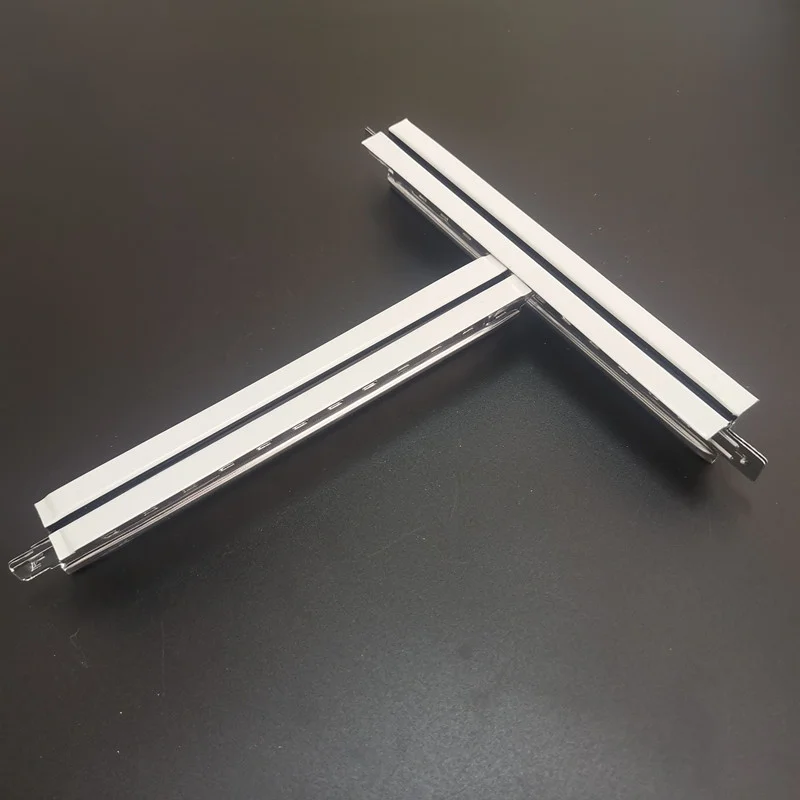
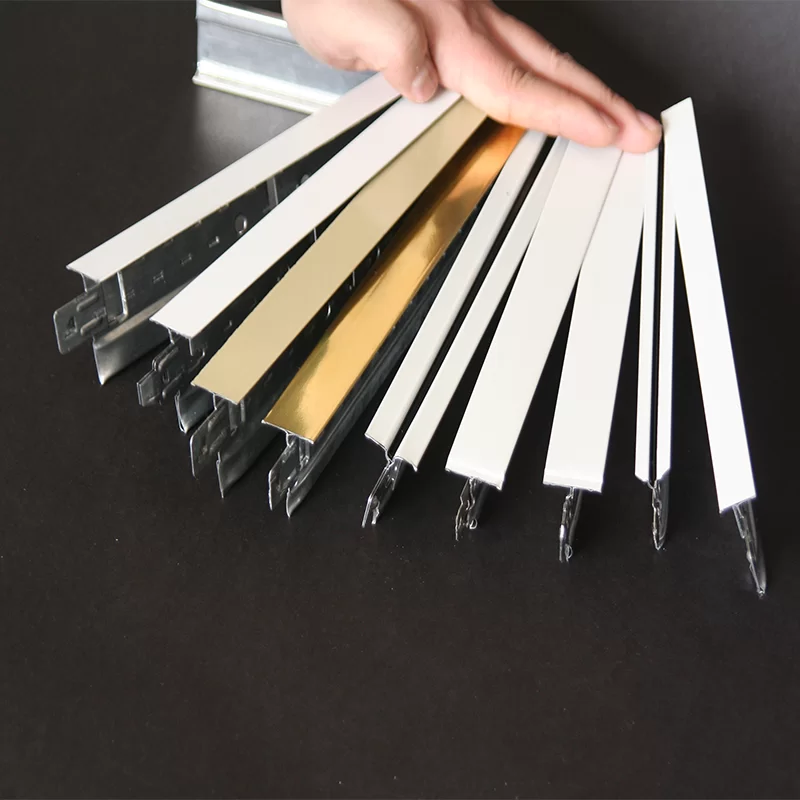
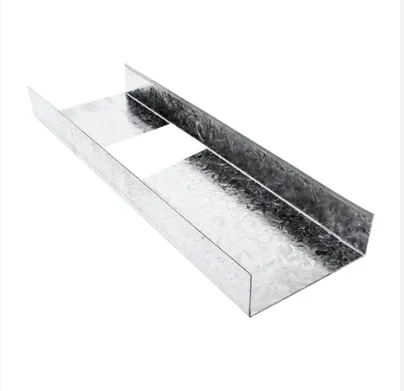
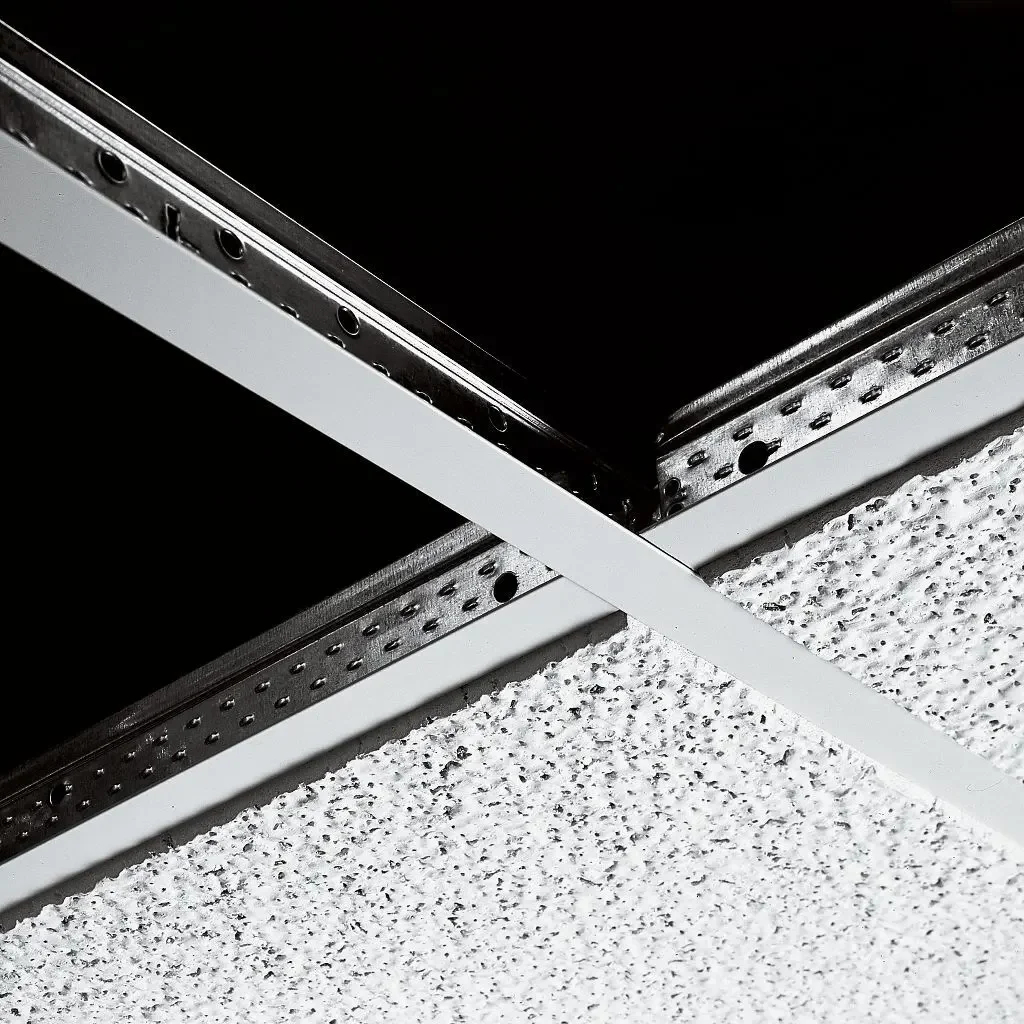
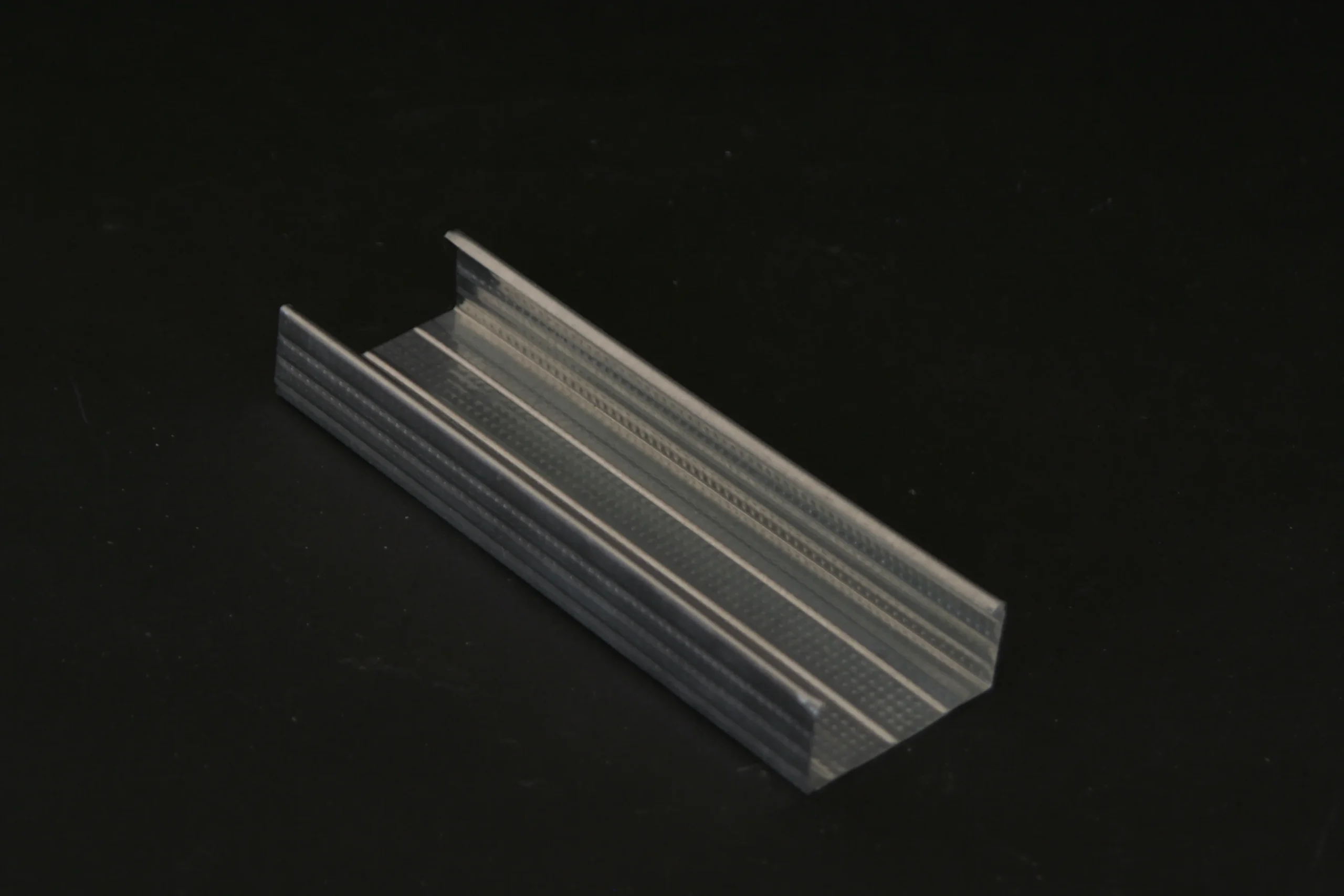
The key to successful drywall installation over ductwork lies in the fastening method. Avoid directly screwing into the ductwork itself – this can cause damage and air leaks. Instead, utilize resilient channels or furring strips. Resilient channels decouple the drywall from the ducts, minimizing sound transmission and allowing for independent movement. Furring strips create a solid backing for the drywall, providing a secure attachment point. Use drywall screws specifically designed for metal studs when attaching to resilient channels or furring strips. Remember to stagger your screw patterns for maximum holding power.
Fastening Method Options:
• Resilient Channels: Minimize sound transmission and allow for independent movement.
• Furring Strips: Provide a solid backing for secure drywall attachment.
• Drywall Screws: Use screws designed for metal studs for optimal holding power.
Choosing between resilient channels and furring strips depends on your priorities. Resilient channels excel at noise reduction, making them ideal for home theaters or bedrooms. They provide a “floating” effect, minimizing sound transfer. Furring strips, on the other hand, offer a more robust and stable backing, particularly useful for heavier items or areas prone to impact. Here's a comparison to help you decide:
Maintaining proper insulation around ductwork is crucial for energy efficiency. Avoid compressing the insulation during drywall installation. Compressed insulation loses its R-value, reducing its effectiveness. Use unfaced insulation around the ducts and ensure it fits snugly without gaps. If you're adding new insulation, choose a material compatible with your existing system and follow manufacturer's instructions. Properly insulated ducts minimize heat loss or gain, reducing energy bills and maintaining comfortable temperatures throughout your home.

Several common mistakes can compromise the integrity of your drywall installation. Screwing directly into the ductwork is a major no-no. Failing to properly support the ductwork before installation can lead to sagging and airflow issues. Compressing insulation reduces its effectiveness and increases energy costs. Ignoring air leaks can negate the benefits of insulation and drywall. Finally, improper sealing of drywall seams can create gaps for air infiltration. Careful attention to detail and adherence to best practices will help you avoid these pitfalls and ensure a successful outcome. For professional guidance, consider reaching out to a qualified contractor like Jinka IBM.
Installing drywall over ductwork requires careful planning and execution. By addressing potential issues with the ductwork, utilizing appropriate fastening techniques, and maintaining proper insulation, you can create a comfortable, energy-efficient space. Avoid common mistakes and don't hesitate to seek professional guidance when needed. A well-executed installation will pay dividends in the form of reduced energy bills and a quieter, more comfortable living environment.
No, you should never install drywall directly onto flexible ductwork. Flexible ducts are easily damaged and can collapse under the weight of the drywall. Furthermore, direct contact can cause the ductwork to tear or kink, restricting airflow. Always use resilient channels or furring strips to create a secure and decoupled mounting surface. This allows for some movement of the ductwork without damaging the drywall or compromising the HVAC system's efficiency.
Standard ½-inch drywall is generally suitable for covering ductwork. However, consider using moisture-resistant drywall (often called “green board”) in areas prone to humidity, such as bathrooms or laundry rooms. If noise reduction is a priority, look for drywall specifically designed for soundproofing. The key is to ensure the drywall is securely fastened to resilient channels or furring strips, as discussed earlier.
Preventing air leaks is essential for energy efficiency. Carefully seal all gaps and penetrations around the ductwork with a high-quality sealant designed for HVAC systems. Pay particular attention to areas where the ductwork meets framing members or other building components. Also, ensure all drywall seams are properly taped and mudded to create an airtight seal. A thorough inspection with a smoke pencil can help identify any remaining leaks.
Yes, it's important to maintain access to the ductwork for future inspections and maintenance. Consider installing access panels strategically located to allow for easy access to key sections of the ductwork. These panels should be securely fastened and properly sealed to prevent air leaks. Regular inspections can help identify and address potential problems before they escalate.