Hit enter to search or ESC to close
March 3, 2026
In today’s modern environments, achieving optimal acoustics is crucial for productivity, comfort, and well-being. Acoustic grid ceiling tiles are a popular and effective solution for sound absorption and noise reduction. This article will delve into the benefits, types, applications, and key considerations when selecting acoustic grid ceiling tiles. We’ll explore how these tiles can transform spaces, enhancing the overall auditory experience. From offices to classrooms, understanding these tiles is essential for creating functional and peaceful environments.
Acoustic grid ceiling tiles offer a multitude of benefits. Primarily, they significantly reduce noise levels by absorbing sound waves, preventing reverberation and echo. This leads to clearer speech intelligibility, improved concentration, and a more comfortable environment. Beyond sound control, these tiles can also contribute to energy efficiency by providing thermal insulation. Furthermore, they offer a clean and aesthetically pleasing finish to ceilings, concealing wiring and ductwork. Selecting the right acoustic tile contributes to a more productive and enjoyable space for everyone.
Key Highlights: Significantly reduces noise levels, improves speech intelligibility, and contributes to thermal insulation.
Acoustic grid ceiling tiles come in various types, each offering different levels of sound absorption and aesthetic options. Common types include fiberglass tiles, mineral fiber tiles, and polyester tiles. Fiberglass tiles are known for their excellent sound absorption properties and are often used in high-noise environments. Mineral fiber tiles offer a good balance of acoustic performance and affordability. Polyester tiles are lightweight and provide good sound absorption, making them suitable for various applications. The choice depends on the specific needs of the space and budget considerations. You can find a wide variety of options available at Jinka IBM.
Acoustic Tile Type Comparison:
• Fiberglass: Excellent sound absorption, high performance.
• Mineral Fiber: Good balance of cost and performance.
• Polyester: Lightweight, good sound absorption, versatile.
Selecting the right acoustic grid ceiling tiles requires careful consideration of several factors. The Noise Reduction Coefficient (NRC), a measure of a material’s ability to absorb sound, is a critical factor – higher NRC values indicate better absorption. Consider the size and shape of the space, as larger spaces generally require more sound absorption. The intended use of the space also plays a role; classrooms and offices require different acoustic properties than recording studios. Finally, aesthetic preferences and budget constraints should also be taken into account.
The versatility of acoustic grid ceiling tiles allows them to be used in a wide variety of settings. They are commonly installed in offices to reduce distractions and improve concentration. Schools and universities utilize them to create quieter learning environments. Healthcare facilities benefit from reduced noise levels, contributing to patient comfort and recovery. These tiles are also frequently used in conference rooms, recording studios, restaurants, and retail spaces. Jinka IBM provides solutions for diverse acoustic needs.
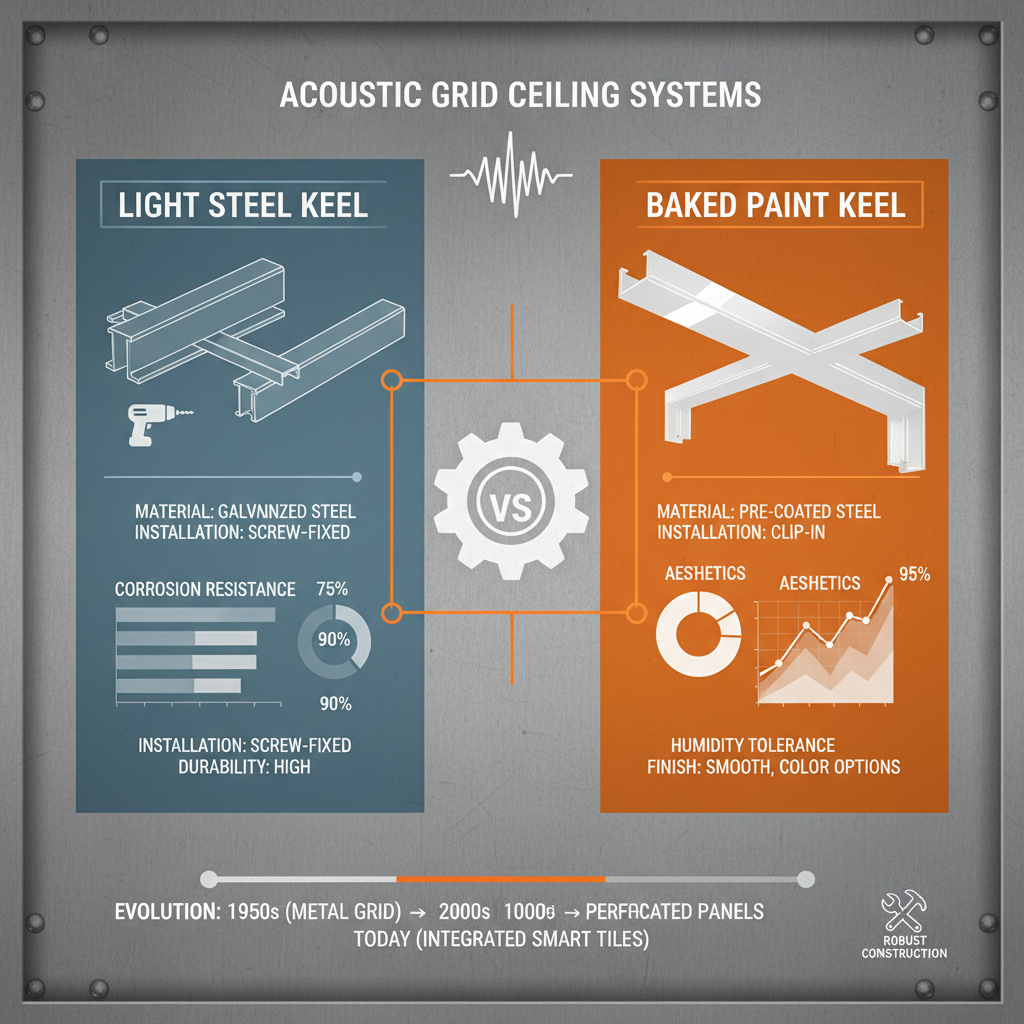
The Noise Reduction Coefficient (NRC) is a crucial metric when evaluating acoustic performance. It represents the fraction of sound energy absorbed by a material. An NRC of 0 indicates perfect reflection, while an NRC of 1 represents complete absorption. In practice, most acoustic tiles have NRC values between 0.60 and 0.90. Higher NRC values are generally preferred, especially in environments with high noise levels. However, it’s important to consider the specific frequency ranges the tile absorbs sound most effectively in. Data sheets provided by manufacturers, such as those from Jinka IBM, provide detailed information about NRC ratings and sound absorption performance.
Investing in acoustic grid ceiling tiles is a smart decision for creating comfortable, productive, and aesthetically pleasing environments. By understanding the different types, key considerations, and applications, you can choose the perfect solution for your specific needs. Prioritizing acoustics contributes to improved well-being and a better overall experience for everyone.
The ideal NRC value depends on the specific application. For general office environments, an NRC of 0.60 to 0.70 is usually sufficient. However, for spaces requiring higher levels of sound control, such as recording studios or classrooms, an NRC of 0.80 or higher is recommended. It’s important to consider the type of noise you're trying to reduce and the size of the space when selecting an NRC value. Consulting with an acoustics professional can help you determine the optimal NRC for your specific needs.
Most acoustic ceiling tiles are designed to be fire-resistant, meeting specific fire safety standards. The level of fire resistance is often indicated by a flame spread rating and a smoke development rating. It's essential to choose tiles that comply with local building codes and fire safety regulations. Manufacturers like Jinka IBM provide detailed information about the fire resistance ratings of their products.
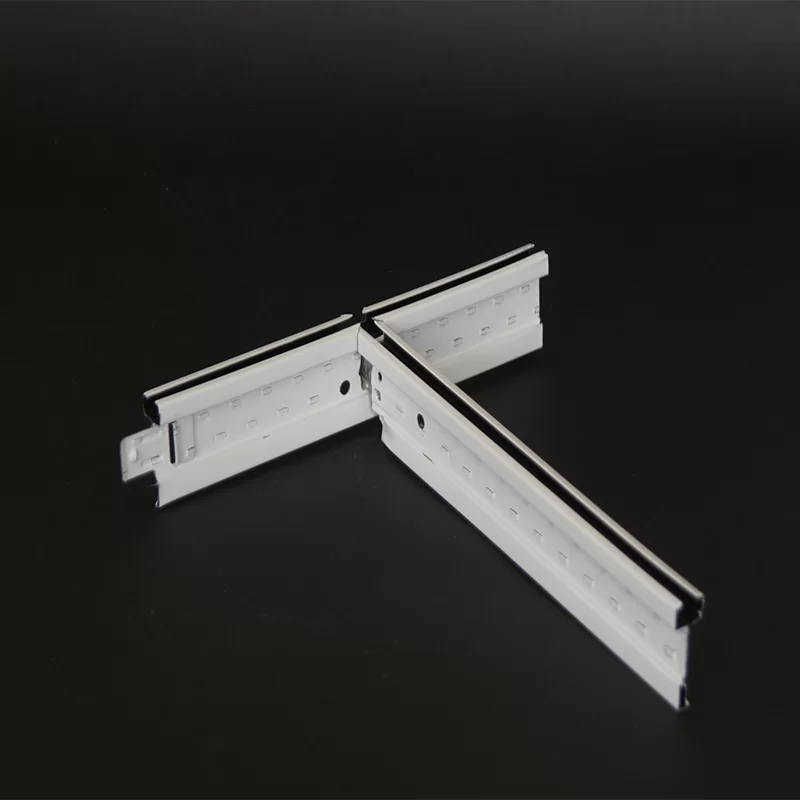
Installation of acoustic grid ceiling tiles is generally straightforward, particularly for those familiar with basic ceiling work. The tiles typically fit into a standard grid system. However, proper installation is crucial to ensure optimal acoustic performance. It is often recommended to hire a professional installer, especially for larger projects or complex spaces.
Yes, most acoustic ceiling tiles can be cleaned. However, it’s important to follow the manufacturer’s cleaning instructions to avoid damaging the tiles. Generally, mild soap and water can be used to gently wipe down the surface. Avoid using harsh chemicals or abrasive cleaners. Regular cleaning helps maintain the appearance and acoustic performance of the tiles.