Light steel frame structure is rapidly becoming the go-to solution for modern construction, and honestly, after years on site, I can see why. It’s not just hype; it's a practical game-changer. We’re talking about a building system that’s lighter, faster to erect, and surprisingly robust. It’s a different beast than traditional concrete or timber – it demands a different approach, sure, but the benefits in terms of speed, cost, and environmental impact are making it impossible to ignore. You’re seeing it pop up everywhere now, from residential housing to large-scale commercial projects. light steel frame structure is really changing the industry.
The demand for sustainable and efficient building practices is only growing. Global events – climate change, increasing urbanization, disaster relief needs – are pushing us to rethink how we build. Light steel frame structure addresses all these challenges head-on. It minimizes waste, reduces on-site labor, and utilizes a material with a high recycling rate. I’ve worked on projects where the speed of erection with light steel cut the project timeline by almost 30%, and that translates directly into real savings for the client. It’s not just about building faster; it’s about building better.
Frankly, I used to be skeptical. I’d grown up on concrete and timber. But seeing the precision, the strength, and the sheer adaptability of light steel first-hand changed my mind. Now, I actively recommend it whenever the project parameters allow. It's a building method that’s evolved to meet the demands of the 21st century.
The Core of light steel frame structure
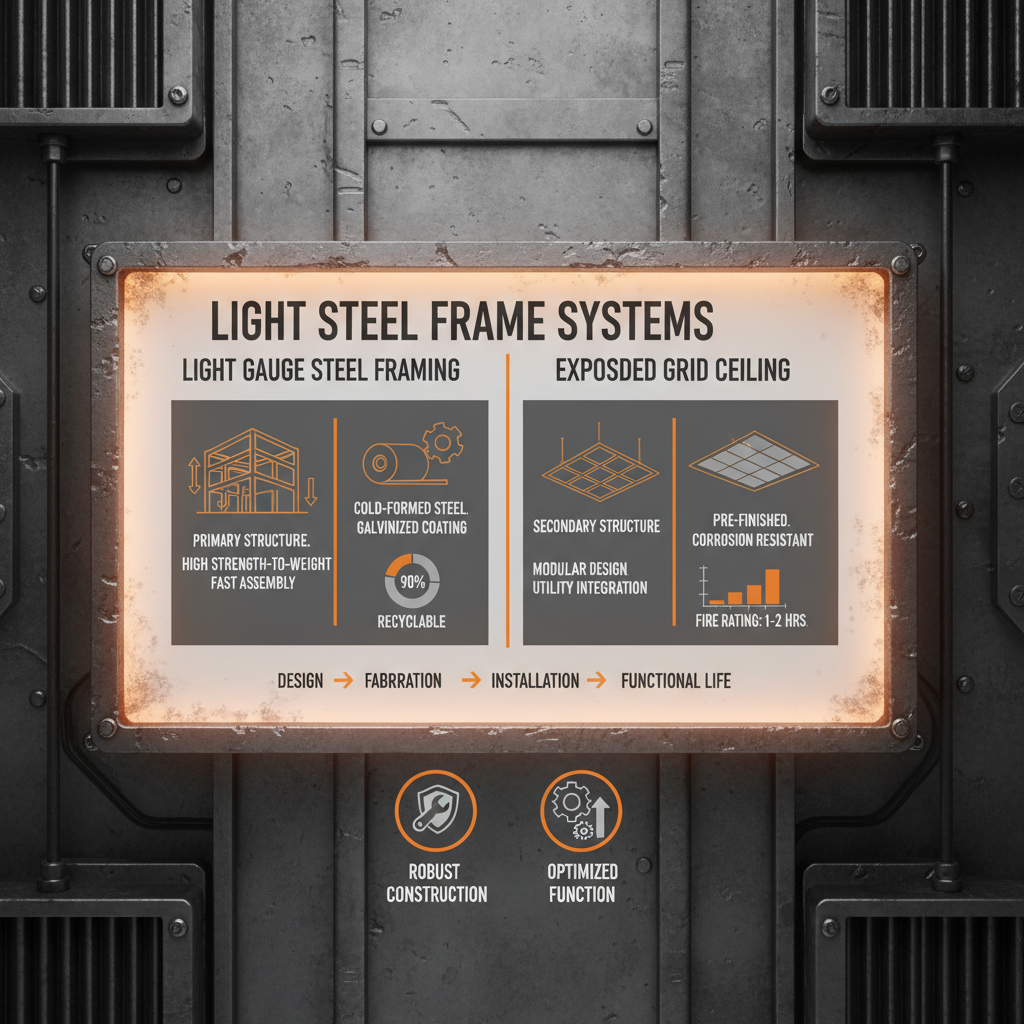
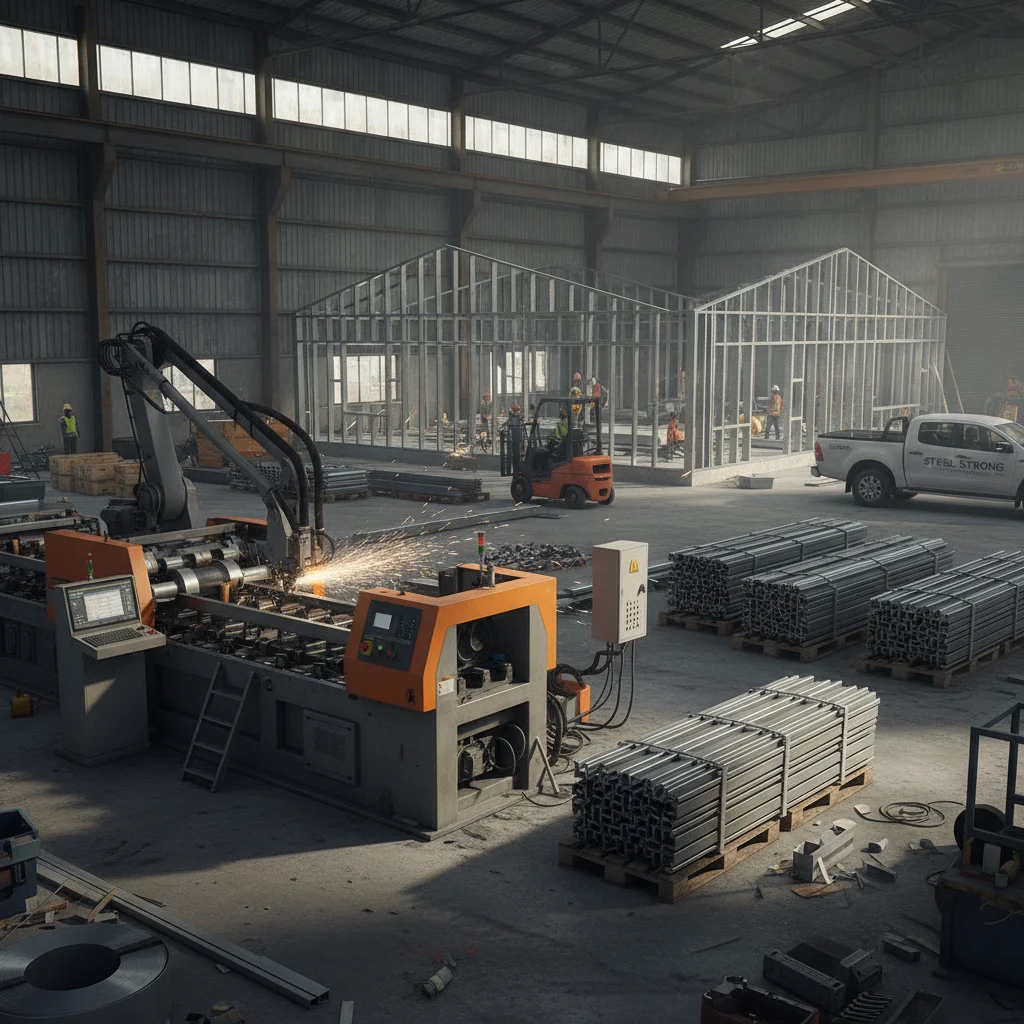
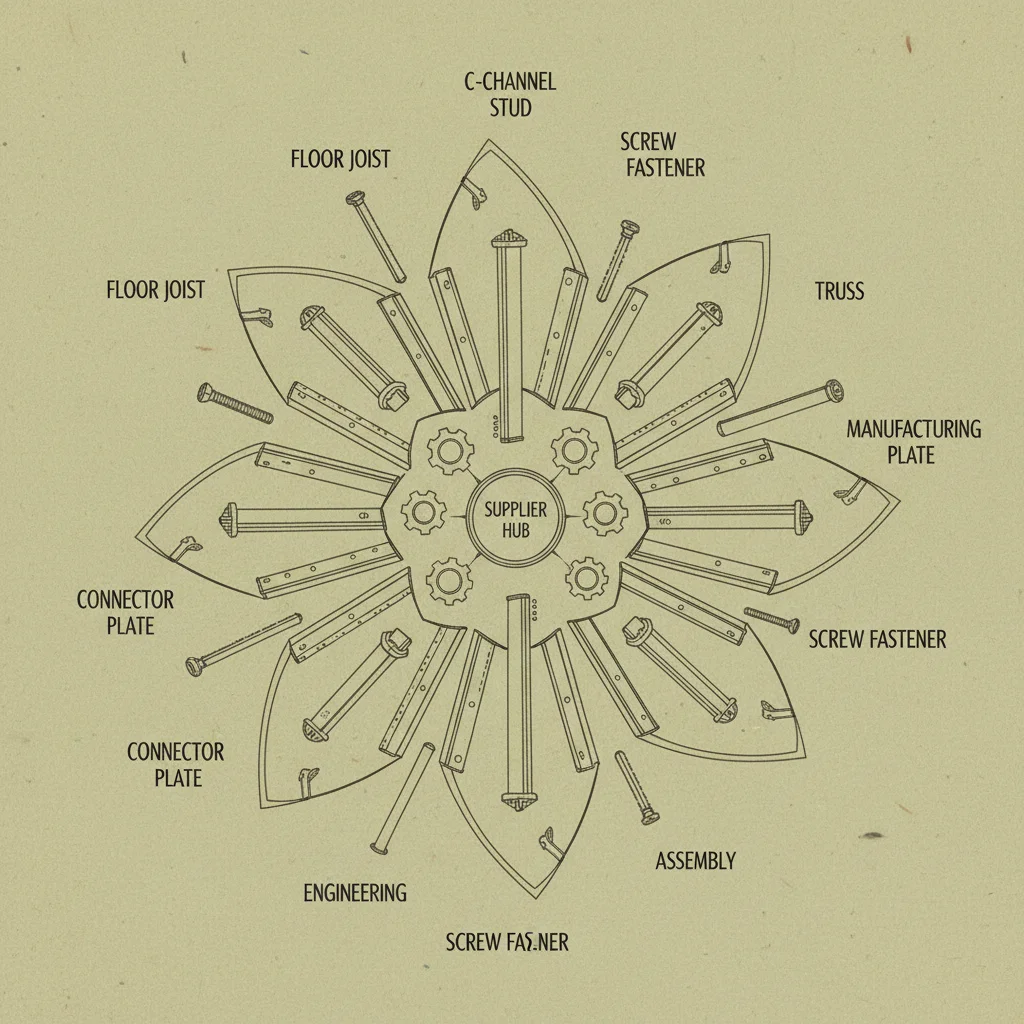
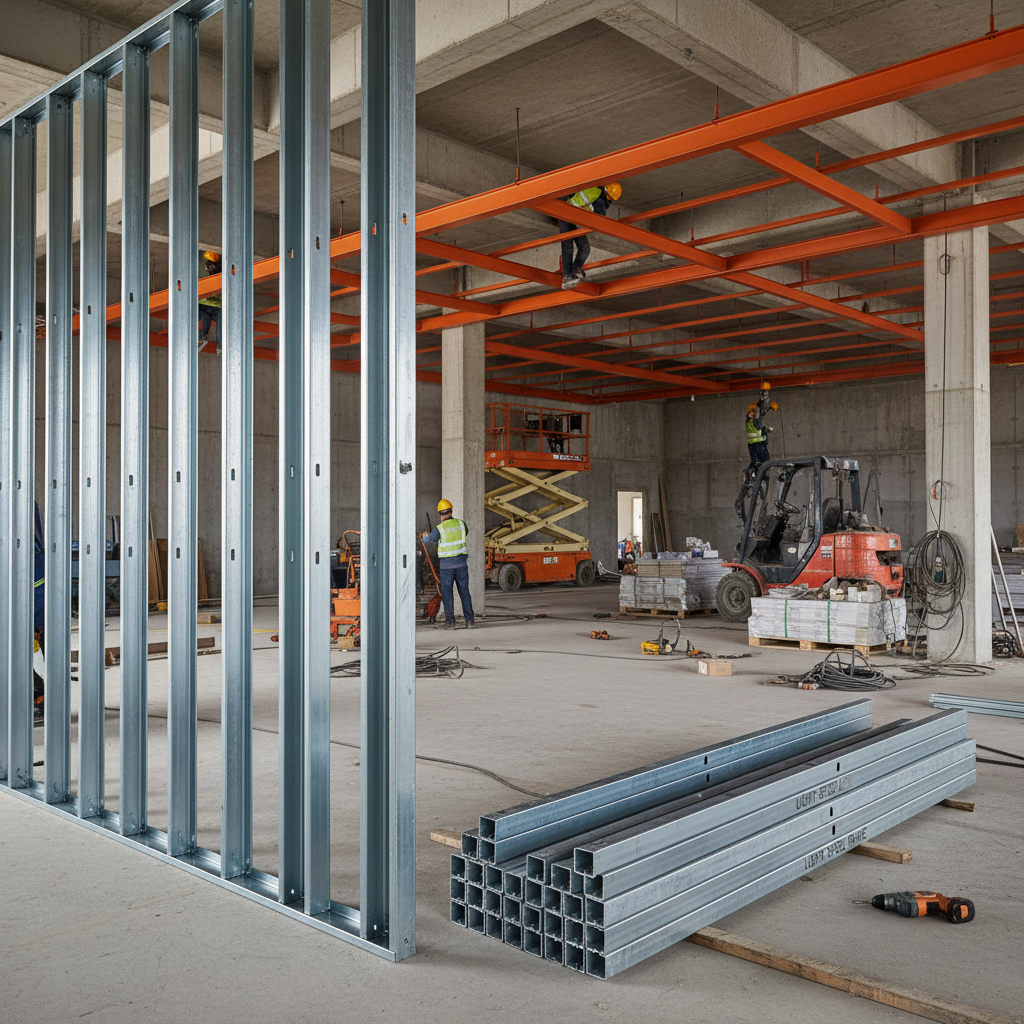
At its heart, light steel frame structure relies on using cold-formed steel members to create a load-bearing framework for buildings. It’s a system built on precision engineering and prefabrication, meaning a lot of the work is done offsite, leading to faster on-site assembly. I’ve seen crews put up entire walls in a matter of hours, something you just can’t achieve with traditional methods. light steel frame structure is far more than just metal studs; it's an integrated system.
The steel itself is galvanized or coated to prevent corrosion, making it suitable for a wide range of climates. We're talking about structures that can withstand earthquakes, high winds, and even fire, all while remaining incredibly lightweight. It's a durable and resilient solution that doesn't compromise on safety. And let’s be honest, that peace of mind is worth a lot on a building site.
Global Relevance and Industry Impact
The need for affordable and sustainable housing is a global issue. The UN estimates that over a billion people worldwide lack adequate shelter. Light steel frame structure offers a viable solution to address this housing crisis, especially in disaster-prone areas where speed of construction is critical. The World Bank is increasingly supporting projects that utilize innovative building technologies like this, recognizing their potential for positive social impact. It is a key methodology.
The construction industry is notoriously slow to adopt new technologies, but light steel is gaining traction. Standards and codes are being updated to accommodate this system, and more engineers and architects are becoming familiar with its design principles. I've noticed a clear shift in recent years, with more and more projects specifying light steel as the preferred building method. The ISO standards are increasingly including light steel frame guidelines.
The challenge is scaling up production and ensuring a skilled workforce. We need more trained professionals who understand the intricacies of light steel construction to fully realize its potential. The benefits aren’t fully realized if we don’t have the expertise to build it properly.
Defining Light Steel Frame Structure
Simply put, light steel frame structure is a building technique that uses cold-formed steel – typically galvanized steel – to create a structural framework. It's a bit like building with giant LEGOs, but with engineering precision. The steel sections are manufactured to specific shapes and dimensions, and then assembled on-site to form walls, floors, and roofs. It's a system built on componentization.
It differs significantly from traditional steel construction, which uses hot-rolled steel – much heavier and requiring specialized welding skills. Light steel is lighter, easier to handle, and can be connected using screws or bolts, reducing the need for skilled labor and specialized equipment. This is what makes it so attractive for projects with tight budgets and timelines.
This isn’t just about replacing concrete with steel. It’s about reimagining the entire construction process. It ties directly into the modern need for rapid deployment and adaptable building solutions, especially in response to humanitarian needs or quickly growing urban populations. light steel frame structure is becoming a vital part of the solution.
Key Characteristics of light steel frame structure
Let’s break down what makes light steel so appealing from a practical standpoint. First, Durability. It’s incredibly strong for its weight, capable of withstanding significant loads and extreme weather conditions. Second, Design Flexibility. You can create almost any architectural design with light steel – curves, angles, complex shapes are all achievable. This is something you can struggle with when you’re limited to concrete pours.
Thirdly, Speed of Construction. This is huge. Prefabrication and easy assembly mean you can get buildings up much faster than with traditional methods. Fourth, Cost-Effectiveness. While the material cost might be slightly higher upfront, the reduced labor costs, faster build times, and minimal waste often result in overall savings. Fifth, Sustainability. Steel is one of the most recycled materials on the planet, and light steel construction generates far less waste than traditional building methods. Sixth, Precision. The pre-engineered components ensure a high level of accuracy and quality control.
light steel frame structure Advantages
Real-World Applications of light steel frame structure
You’ll find light steel being used in a surprisingly diverse range of projects. Residential housing is a big one, particularly in areas prone to earthquakes or hurricanes. The speed of construction is a huge benefit for developers looking to get projects completed quickly. We see it frequently in low-rise commercial buildings, like retail spaces and offices.
In post-disaster relief operations, light steel is proving invaluable. It can be quickly deployed to create temporary shelters or even permanent housing for displaced communities. Its lightweight nature also makes it ideal for remote locations where transportation is a challenge. I’ve seen it used extensively in industrial zones and warehouses, providing a strong and durable framework for storage and manufacturing facilities.
The Advantages and Long-Term Value
The tangible benefits are clear: reduced construction costs, faster project completion, and lower long-term maintenance expenses. But it's more than just numbers. Light steel construction also offers a significant social impact. It provides safe, durable, and affordable housing for communities in need. It reduces waste and minimizes environmental impact. It creates a more sustainable built environment.
The value proposition extends beyond the purely functional. There’s a sense of trust and confidence that comes with knowing you're building with a material that's strong, reliable, and built to last. That's a valuable asset in today’s market, where quality and durability are increasingly important to consumers. This builds brand reputation and secures long-term client relationships. light steel frame structure offers real peace of mind.
It’s also about innovation – embracing new technologies and challenging traditional building practices. Light steel is at the forefront of that innovation, paving the way for a more efficient, sustainable, and resilient construction industry.
Future Trends and Innovations
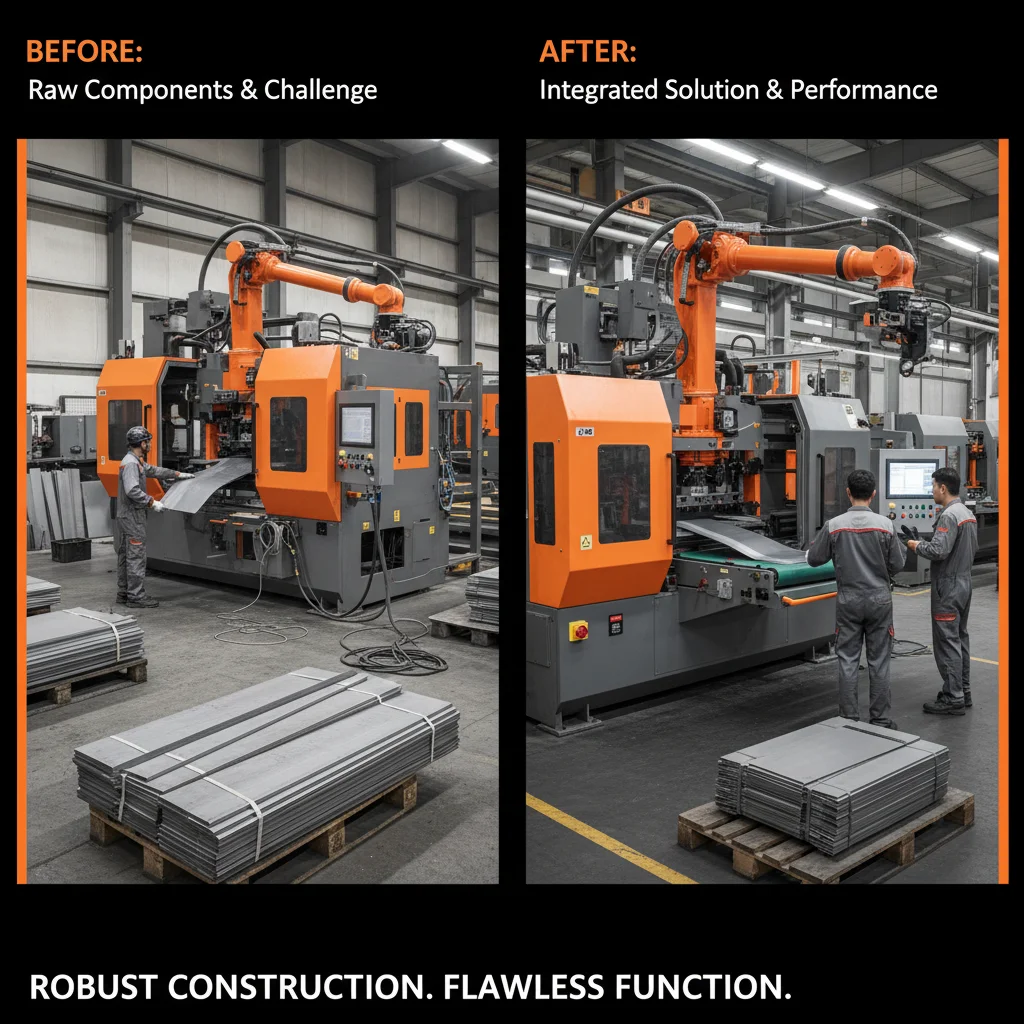
We're seeing a lot of exciting developments in the light steel space. Integration with Building Information Modeling (BIM) is becoming increasingly common, allowing for more accurate design and fabrication. Automation and robotics are also playing a bigger role, streamlining the manufacturing process and reducing labor costs. The development of new coating technologies is enhancing the corrosion resistance of light steel, further extending its lifespan.
The push for green building practices is driving demand for sustainable materials like light steel. We’re also seeing a growing interest in combining light steel with other sustainable technologies, such as solar panels and rainwater harvesting systems. Digital transformation, through technologies like IoT sensors, is allowing us to monitor building performance and optimize energy efficiency. The future of construction is undoubtedly intertwined with these advancements.
The focus is shifting towards creating more resilient and adaptable buildings that can withstand the challenges of a changing climate. Light steel’s inherent strength, flexibility, and sustainability make it well-positioned to meet those challenges.
Overview of Challenges and Solutions in light steel frame structure
| Challenge |
Impact on Project |
Proposed Solution |
Implementation Cost (1-10) |
| Limited Skilled Labor |
Increased labor costs, potential for errors. |
Invest in training programs and certifications for light steel installers. |
6 |
| Code and Standard Variations |
Delays in permitting and approvals. |
Advocate for standardized building codes and regulations. |
7 |
| Initial Material Costs |
Higher upfront investment compared to traditional materials. |
Highlight long-term cost savings and sustainability benefits. |
5 |
| Corrosion Concerns (Coastal Areas) |
Reduced structural integrity over time. |
Utilize advanced corrosion-resistant coatings and materials. |
8 |
| Design and Engineering Complexity |
Requires specialized expertise and software. |
Invest in BIM software and training for design teams. |
9 |
| Supply Chain Disruptions |
Delays in material delivery and project timelines. |
Diversify suppliers and maintain buffer stock of critical materials. |
4 |
FAQS
Light steel frame structures offer several advantages over wood. They're non-combustible, resistant to pests and rot, and have a much higher strength-to-weight ratio. This translates to faster construction times, reduced maintenance, and a more durable building overall. Wood is also susceptible to moisture damage and can warp over time. Steel doesn’t have those issues. In regions with strict fire codes, steel is often the only viable option.
Light steel frame structures excel in seismic zones due to their inherent ductility and flexibility. The steel frame can absorb significant energy during an earthquake without collapsing. The connections between the steel members are designed to allow for some movement, further enhancing its seismic performance. It’s all about being able to bend without breaking, and steel does that very well. The lightweight nature also reduces the overall load on the foundation.
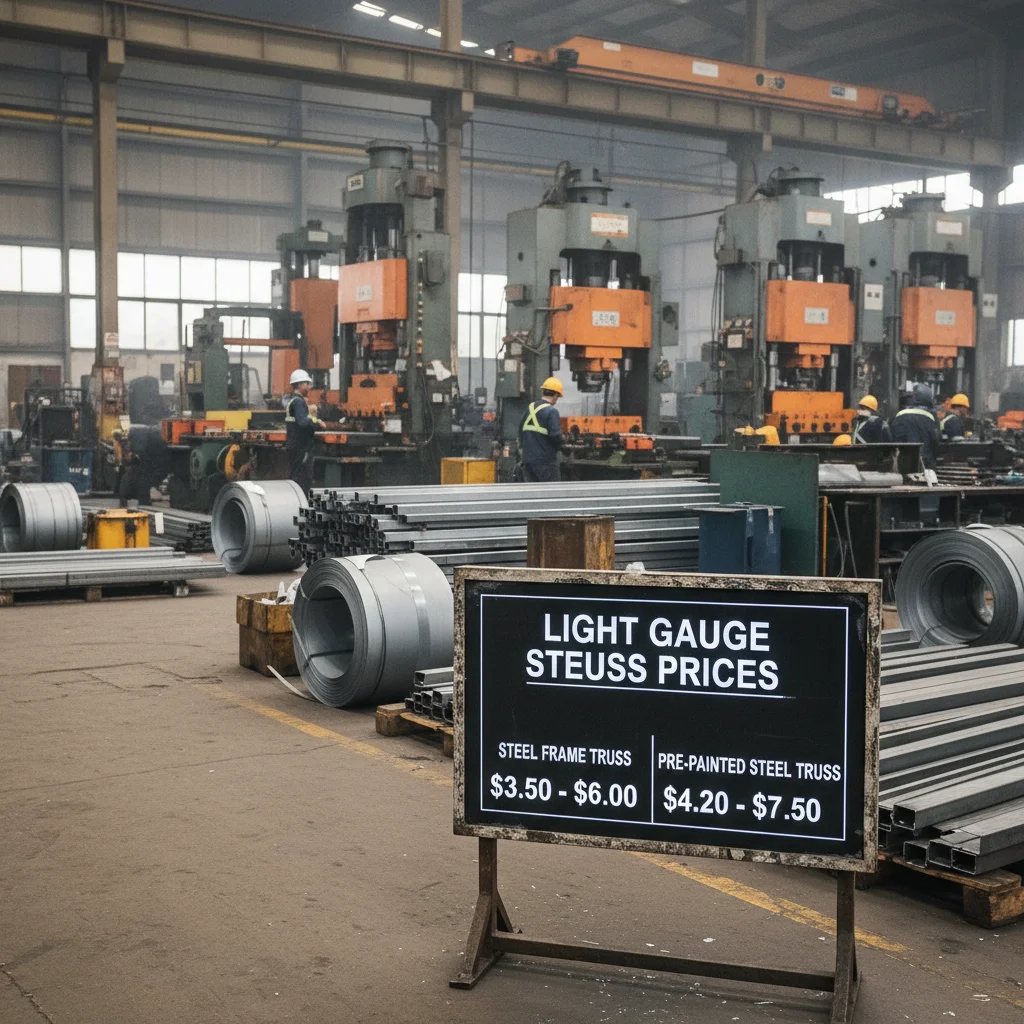
While the material cost of steel might be slightly higher, the overall cost of construction is often comparable or even lower. The faster build times, reduced labor requirements, and minimal waste offset the initial material expense. You also need to factor in the long-term savings from reduced maintenance and increased durability. It's a holistic cost analysis, not just looking at the price per ton of material.
With proper maintenance and corrosion protection, a building constructed with light steel frame can easily last for 100 years or more. Steel is an incredibly durable material, and the galvanized coating provides excellent resistance to rust and corrosion. The lifespan is comparable to or even exceeds that of traditionally built structures, and it requires less ongoing maintenance in the long run.
Light steel frame construction is a very sustainable option. Steel is one of the most recycled materials on Earth. The manufacturing process generates less waste than concrete production. The speed of construction also minimizes disruption to the surrounding environment, and the lightweight nature reduces transportation costs. It’s a truly green building solution.
Excellent levels of insulation can be achieved with light steel frame construction. We commonly utilize fiberglass, mineral wool, or spray foam insulation within the steel frame cavities. The steel frame itself doesn’t conduct heat as readily as wood, and careful attention to air sealing can further enhance the thermal performance of the building. It’s all about choosing the right insulation materials and installing them correctly.
Conclusion
Light steel frame structure is more than just a building technique; it’s a paradigm shift in how we approach construction. From its durability and speed of erection to its sustainability and cost-effectiveness, the benefits are undeniable. It addresses some of the most pressing challenges facing the construction industry today – the need for affordable housing, disaster relief solutions, and environmentally responsible building practices. light steel frame structure is poised to become the dominant building method of the future.
Looking ahead, continued innovation in materials, automation, and digital design will further enhance the performance and efficiency of light steel construction. It's crucial that we invest in training and education to develop a skilled workforce capable of realizing the full potential of this technology. Embracing light steel frame structure is not just about building better buildings; it’s about building a more sustainable, resilient, and equitable future for all. Visit our website to learn more: www.jinkaibm.com.